Bioprocessing Market by Offering (Equipment, Consumables & Reagents, Software, and Services), by Workflow (Upstream, Downstream, and Analytics & Quality Control), by System Type (Single-use, Stainless Steel, and Hybrid), by Process Mode (Batch, Fed-batch, and Continuous), by Scale of Operation (Lab Scale, Pilot Scale, Clinical Scale, and Commercial Scale), by Modality (Monoclonal Antibodies (mAbs), and Others), and Others – Global Opportunity Analysis and Industry Forecast, 2022–2030
Market Definition
The global Bioprocessing Market was valued at USD 17.66 billion in 2021 and is predicted to reach USD billion 44.19 by 2030 with a CAGR of 11.0% from 2022-2030. Bioprocessing refers to the use of biological systems, living organisms, or enzymes for specific industrial or manufacturing processes.
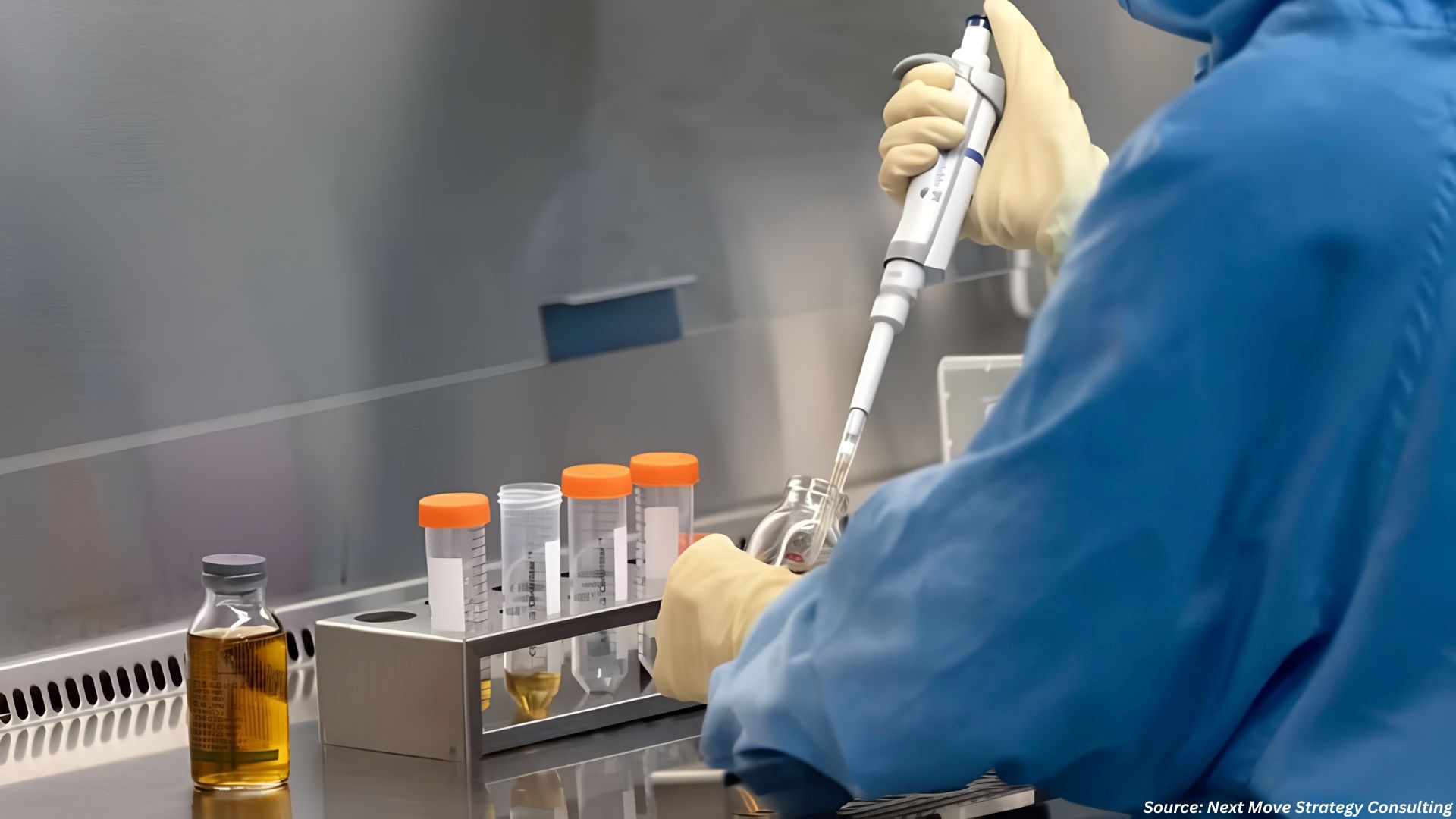
This process includes fermentation, cell cultivation, purification, and downstream processing to manufacture products such as drugs, vaccines, and enzymes. It is used in a variety of industries including pharmaceuticals, food and beverage, and industrial biotech. Bioprocessing often involves the use of bioreactors to control and optimize conditions for the growth and production of cells, microorganisms, or enzymes. The goal is to produce desirable products in a cost-effective and sustainable way, by utilizing biological systems.
Market Dynamics and Trends
The bioprocessing market is growing due to the increasing prevalence of chronic diseases such as cancer and diabetes, coupled with the need for more effective and personalized treatments. This has led to a growing demand for biotechnology-derived therapeutics. Additionally, the development of new bioprocessing techniques, such as single-use technology and continuous manufacturing has made it possible to produce these products in a more cost-effective and sustainable way, which in turn is boosting the growth of the market.
Moreover, various government initiatives in the form of funding and regulations also play a significant role in driving the global market. The National Institute of Food and Agriculture (NIFA), as of June 2021, invested USD 5.4 million in bioprocessing, bioengineering, biofuels, and biobased product research in the United States.
However, bioprocessing is a time-consuming affair and the speed is slow in comparison to other processes such as chemical processing, which may restrain the growth of the bioprocessing market. On the other hand, the research and development of gene-based pharmaceuticals and gene therapy, which holds the potential for the treatment of diseases like cancer and genetic diseases is expected to create ample growth opportunities for the market in the future.
Market Segmentation and Scope of Study
The global bioprocessing market report is segmented on the basis of offering, workflow, system type, process mode, scale of operation, modality, sales channel, end-user industry, and geography. Based on offering, the market is classified into equipment, consumables & reagents, software, and services. Equipment is further segmented into upstream equipment, downstream equipment, process analytics equipment, automation & control equipment, lab systems, and other equipment. Consumables & reagents include media, feeds, purification consumables, single-use consumables, process chemicals, and other consumables. Software includes control software, process analytics software, and other bioprocessing software. Services include contract manufacturing services (CDMO), process development services, technical services, and other services.
Based on workflow, the market is segmented into upstream, downstream, and analytics & quality control. Based on system type, the market is categorized into single-use, stainless steel, and hybrid systems. Based on process mode, the market is segmented into batch, fed-batch, and continuous processing. Based on scale of operation, the market includes lab scale, pilot scale, clinical scale, and commercial scale operations.
Based on modality, the market is segmented into monoclonal antibodies (mAbs), recombinant proteins, vaccines, cell therapy, gene therapy, viral vectors, mRNA, oligonucleotides, microbial proteins, and other modalities. Based on sales channel, the market is divided into direct sales, distributor, OEM, and online channels. Based on end-user industry, the market includes pharmaceutical, biotechnology, CDMO, academic & research institute, and industrial biotechnology sectors.
Geographical breakdown and analysis of each of the aforesaid classifications include regions comprising North America, Europe, Asia-Pacific, and RoW.
Geographical Analysis
North America dominated the global bioprocessing market share in 2021 and is potently expected to remain dominant in the market throughout the forecast period. This is attributed to the increasing production of biofuels in North American countries including the United States. In March 2020, the U.S. Energy Information Administration (EIA) projected that biofuel production in the U.S. will slowly grow through 2050, primarily driven by economic and policy factors.
Moreover, the presence of major market players such as Thermo Fisher Scientific Inc and Danaher Corporation that are adopting strategies including product launches is further accelerating the growth of the market. For instance, in September 2022, Thermo Fisher Scientific Inc. launched Thermo Scientific DynaSpin Single-Use Centrifuge system to provide an optimal single-use solution for large-scale cell culture harvesting. This system improves and streamlines harvesting for cell culture separation in single-use bioprocesses by reducing the number of depth filtration cartridges required to complete the harvest process.
Asia Pacific is projected to exhibit substantial growth in the global bioprocessing market during the forecast period. This is attributed to the growing dairy industry in countries such as India, China, and Russia. Bioprocessing plays a crucial role in the production of various dairy products, including milk, cheese, yogurt, and other fermented dairy products. The use of bioprocessing techniques such as fermentation and enzymatic processing can help to improve the nutritional value, taste, and shelf life of dairy products.
In addition, the increasing prevalence of chronic diseases, such as cancer and diabetes, and the growing focus on personalized medicine in the region are also driving the market. According to the National Library of Medicine, as of June 2022, the cancer incidence in Asia was 169.1 per 1 00 000, accounting for 49.3% of the global cancer incidence. The most common cancers included lung (13.8%), breast (10.8%) and colorectal (10.6%) cancers.
Competitive Landscape
Various market players operating in the bioprocessing industry include Danaher Corporation, Thermo Fisher Scientific Inc., Sartorius AG, Merck KGaA, Lonza Group AG, FUJIFILM Holdings Corporation, Samsung Biologics Co., Ltd., WuXi Biologics (Cayman) Inc., Avantor, Inc., Repligen Corporation, Bio-Rad Laboratories, Inc., Boehringer Ingelheim International GmbH, Agilent Technologies, Inc., Waters Corporation, Corning Incorporated, Eppendorf SE, AGC Inc., Getinge AB, Tosoh Corporation, and GEA Group AG among others. These market players are adopting various strategies such as product launches, and innovation to maintain their dominance in the global market. For instance, in June 2022, Bio-Rad Laboratories, Inc. launched CHT-prepacked Foresight Pro Columns. This is designed to support downstream process-scale chromatography applications across different stages of biological drug development and production.
Additionally, in April 2026, Thermo Fisher Scientific Inc. announced the expansion of its global bioprocessing manufacturing network with new investments focused on single-use technologies, advanced biologics production systems, and cell culture media manufacturing capabilities. The company emphasized that the expansion would help biopharmaceutical manufacturers accelerate the production of monoclonal antibodies, vaccines, and next-generation therapies while improving manufacturing flexibility, scalability, and supply chain resilience across global markets.
In March 2026, Danaher Corporation strengthened its life sciences and bioprocessing portfolio through increased investments in genomic medicine manufacturing, automation technologies, and digital bioprocess analytics platforms. The company focused on enhancing biologics manufacturing efficiency through integrated workflow solutions, process optimization tools, and advanced quality monitoring systems designed for modern pharmaceutical production environments.
Key Benefits
-
The bioprocessing market report provides a quantitative analysis of the current market and estimations through 2022-2030 that assists in identifying the prevailing market opportunities to capitalize on.
-
The study comprises a deep dive analysis of the bioprocessing market including the current and future trends for depicting the prevalent investment pockets in the market.
-
The information related to key drivers, restraints, and opportunities and their impact on the global market is provided in the report.
-
The competitive analysis of the market players along with their market share in the market is also mentioned.
-
The SWOT analysis and Porter’s Five Forces model are elaborated in the study.
-
Value chain analysis in the market study provides a clear picture of the stakeholders’ roles.
Bioprocessing Market Key Segments
By Offering
-
Equipment
-
Upstream Equipment
-
Bioreactors & Fermenters
-
Seed Train Systems
-
Media Prep Systems
-
Other Upstream Systems
-
-
Downstream Equipment
-
Chromatography Systems
-
Filtration Systems
-
Harvest Systems
-
Other Downstream Equipment
-
-
Process Analytics Equipment
-
Sensors & Probes
-
PAT Instruments
-
Cell Analyzers & Viability Systems
-
Other Process Analytics Equipment
-
-
Automation & Control Equipment
-
Controllers
-
Skids
-
Automation Hardware
-
Other Automation Equipment
-
-
Lab Systems
-
Benchtop Bioreactors
-
Shake Flasks
-
Rocking Bioreactors
-
Mini Bioreactors
-
Other Lab Systems
-
-
Other Equipment
-
-
Consumables & Reagents
-
Media
-
Cell Culture Media
-
Microbial Media
-
Other Media
-
-
Feeds
-
Nutrients
-
Supplements
-
Other Feeds
-
-
Purification Consumables
-
Chromatography Resins
-
Columns
-
Filtration Membranes
-
Filters
-
Other Purification Consumables
-
-
Single-use
-
Bags & Biocontainers
-
Tubing & Connectors
-
Assemblies & Manifolds
-
Sampling Systems
-
Other Single-Use Consumables
-
-
Process Chemicals
-
Buffers
-
Salts
-
Cleaning Chemicals
-
Other Process Chemicals
-
-
Other Consumables
-
-
Software
-
Control Software
-
Supervisory Control & Data Acquisition (SCADA)
-
Distributed Control Systems (DCS)
-
Manufacturing Execution Systems (MES)
-
Electronic Batch Records (EBR)
-
-
Process Analytics Software
-
PAT Software
-
Digital Twins
-
Process Modeling Software
-
Data Platforms
-
Other Analytics Software
-
-
Other Bioprocessing Software
-
-
Services
-
Contract Manufacturing Services (CDMO)
-
Mammalian Cell Culture Manufacturing
-
Microbial Fermentation Manufacturing
-
Cell Therapy Manufacturing
-
Gene Therapy Manufacturing
-
Viral Vector Manufacturing
-
Other CDMO Modalities
-
-
Process Development Services
-
Upstream Process Development
-
Downstream Process Development
-
Analytical Method Development
-
-
Technical Services
-
Process Validation
-
Equipment Qualification
-
Maintenance & Repair
-
Consulting & Training
-
-
Other Services
-
By Workflow
-
Upstream
-
Downstream
-
Analytics & Quality Control
By System Type
-
Single-use
-
Stainless Steel
-
Hybrid
By Process Mode
-
Batch
-
Fed-batch
-
Continuous
By Scale of Operation
-
Lab Scale
-
Pilot Scale
-
Clinical Scale
-
Commercial Scale
By Modality
-
Monoclonal Antibodies (mAbs)
-
Recombinant Proteins
-
Vaccines
-
Cell Therapy
-
Gene Therapy
-
Viral Vectors
-
mRNA
-
Oligonucleotides
-
Microbial Proteins
-
Other Modalities
By Sales Channel
-
Direct Sales
-
Distributor
-
OEM
-
Online
By End-User Industry
-
Pharmaceutical
-
Biotechnology
-
CDMO
-
Academic & Research Institute
-
Industrial Biotechnology
By Geography
-
North America
-
U.S
-
Canada
-
Mexico
-
-
Europe
-
Germany
-
France
-
Italy
-
Spain
-
United Kingdom
-
Russia
-
Sweden
-
Rest of Europe
-
-
Asia-Pacific
-
Australia
-
China
-
India
-
Japan
-
South Korea
-
Indonesia
-
Singapore
-
Rest of Asia-Pacific
-
-
RoW
-
UAE
-
Brazil
-
South Africa
-
Israel
-
KSA (Kingdom of Saudi Arabia)
-
Turkey
-
Remaining Countries
-
Key Players
-
Danaher Corporation
-
Thermo Fisher Scientific Inc.
-
Sartorius AG
-
Merck KGaA
-
Lonza Group AG
-
FUJIFILM Holdings Corporation
-
Samsung Biologics Co., Ltd.
-
WuXi Biologics (Cayman) Inc.
-
Avantor, Inc.
-
Repligen Corporation
-
Bio-Rad Laboratories, Inc.
-
Boehringer Ingelheim International GmbH
-
Agilent Technologies, Inc.
-
Waters Corporation
-
Corning Incorporated
-
Eppendorf SE
-
AGC Inc.
-
Getinge AB
-
Tosoh Corporation
-
GEA Group AG


About the Author
 Jayanta Das is a senior research analyst delivering high-impact market intelligence across global markets. He leads comprehensive studies covering market assessment, forecasting, competitive evaluation, regulatory review, and trend analysis. Known for his structured and methodical approach, Jayanta excels at converting complex datasets into clear, decision-ready insights for leadership teams. His work supports strategic planning through credible sourcing, analytical precision, strong validation frameworks, and well-structured, business-focused reporting that enables confident decision-making.
About the Reviewer
 Supradip Baul is an accomplished business consultant and strategist with over a decade of rich experience in market intelligence, strategy, technology, and business transformation. His work has included rigorous qualitative and quantitative analysis across multiple industries, helping clients shape investment decisions and long-term roadmaps. Earlier in his career, he was associated with Gartner, where he contributed to industry-leading reports and market share analyses. He has worked with leading global companies and holds an MBA with a dual specialization in Marketing and Finance.
At Next Move Strategy Consulting, we understand that insightful market research is the cornerstone of successful business decisions. That's why we employ a robust and multifaceted approach, combining various methodologies to deliver the most accurate and actionable data for our clients.

Research Landscape
We navigate the world of research with two primary approaches:
Qualitative Approach
Our qualitative research methodologies involve immersive techniques such as in-depth interviews, focus groups, and observational studies. By engaging directly with individuals and stakeholders, we uncover valuable insights that quantitative data alone may overlook.

Quantitative Research
In tandem with qualitative methodologies, NMSC leverages the power of Quantitative Research to provide a robust foundation of numerical insights. Through systematic data collection and analysis, we quantify patterns, preferences, and market trends, offering a comprehensive view of the business landscape.
Our quantitative research approach employs diverse tools, including surveys, experiments, and statistical modelling. These methodologies enable us to gather data from a large and representative sample, ensuring the statistical significance of our findings. By employing structured questionnaires and standardized data collection methods, we guarantee the reliability and validity of the information we present to our clients.
Quantitative research is particularly effective in measuring the prevalence of trends, assessing market size, and gauging the impact of various factors on consumer behavior. The numerical precision attained through this approach equips our clients with actionable insights, facilitating data-driven decision-making and strategy formulation.


Our Specialized Toolbox for Industry-Specific Market Research
We deploy a specialized arsenal of techniques tailored to meet your unique requirements. Here's a glimpse into our comprehensive toolbox:

Information Procurement
The stage entails acquiring market data or relevant information through various sources and methodologies.


Market Research Approach
We utilize both top-down and bottom-up approaches in market research analysis to achieve a comprehensive understanding of the market dynamics, leveraging the broad perspective of industry trends and macroeconomic factors alongside detailed insights from specific segments and individual companies.

Porters Five Forces Analysis
We conduct Porter's Five Forces analysis to evaluate the competitive landscape of an industry, providing us with insights into factors that affect profitability and strategic positioning.

SWOT Analysis

Forecasting
We utilize a forecasting model to predict future consumption by considering parameters like population, economics, regulations, market competition, drivers, constraints, technology, and pricing. We also employ statistical techniques such as multilinear regression, exponential smoothing, moving average, ARIMA, and Monte Carlo simulations for accurate predictions. In econometric forecasting, we analyzed short-term and long-term event impacts, attributing values based on regulatory frameworks, economic factors, and market events.





 Speak to Our Analyst