The global Medical Devices Market size was valued at USD 739.76 billion in 2025 and is expected to be valued at USD 801.31 billion by the end of 2026. The industry is projected to grow, hitting USD 1645.05 billion by 2035, with a CAGR of 8.32% between 2026 and 2035.
|
Parameters |
Details |
|
Market Size in 2026 |
USD 801.31 Billion |
|
Revenue Forecast in 2035 |
USD 1645.05 Billion |
|
Growth Rate |
CAGR of 8.32% from 2026 to 2035 |
|
Analysis Period |
2025–2035 |
|
Base Year Considered |
2025 |
|
Forecast Period |
2026–2035 |
|
Market Size Estimation |
Billion (USD) |
|
Companies Profiled |
20 |
|
Countries Covered |
33 |
|
Market Share |
Available for 10 companies |
Based on our primary research and engagement with healthcare providers, we observed that the global medical devices market is experiencing sustained growth, driven by rising chronic disease prevalence, aging populations, and rapid advancements in medical technologies. Diagnostic imaging systems, patient monitoring devices, minimally invasive surgical tools, and wearable health technologies are increasingly adopted to enhance clinical outcomes, reduce hospital stays, and improve patient management efficiency. Furthermore, through our field-level interactions with hospitals, diagnostic centers, and device manufacturers, we identified that the integration of AI, remote monitoring, and data-driven decision support systems is actively transforming care delivery models. At the same time, while hardware devices continue to dominate revenue contribution, software platforms and post-deployment services are emerging as critical enablers of long-term value, particularly within connected healthcare ecosystems. Notably, Asia-Pacific continues to demonstrate strong momentum, supported by expanding healthcare infrastructure and increasing government-led healthcare initiatives.
In addition, through our evaluation of healthcare systems across North America, Europe, and Asia-Pacific, we observed that adoption patterns are shaped by regulatory frameworks, reimbursement structures, and provider-level efficiency requirements. For instance, North America benefits from advanced healthcare infrastructure and early adoption of innovative technologies, while Europe emphasizes compliance, patient safety, and standardized care delivery. Meanwhile, emerging markets such as India and Brazil are witnessing accelerated adoption driven by improving healthcare access and rising demand for affordable medical solutions. Moreover, key industry participants, including Medtronic, Johnson & Johnson, Siemens Healthineers, GE HealthCare, and Koninklijke Philips N.V., continue to compete through innovation in AI-enabled diagnostics, minimally invasive technologies, and connected care platforms. Consequently, advancements in robotic-assisted surgery, portable diagnostic devices, and remote patient monitoring solutions are reinforcing the shift toward precision-driven, accessible, and patient-centric healthcare delivery, while integrated service models further strengthen long-term value creation and trust across healthcare systems.
Based on our interactions with device manufacturers and digital health solution providers, we observed that the medical devices market demand is rapidly transitioning toward a software-defined hardware model, where value increasingly shifts from physical components to embedded software and AI-driven capabilities. As part of this transition, our evaluation of connected device deployments indicates that manufacturers are actively enabling over-the-air (OTA) updates, allowing diagnostic algorithms and clinical functionalities to evolve post-deployment without requiring hardware replacement. This is particularly evident in imaging systems and remote monitoring platforms, where software enhancements directly improve diagnostic accuracy over time. From a provider adoption standpoint, healthcare institutions are increasingly prioritizing devices that integrate AI agents and continuous learning systems, enabling automation of routine clinical workflows. Consequently, hardware is evolving into a scalable platform for intelligent applications, thereby redefining long-term value realization and lifecycle engagement.
Through our engagement with remote monitoring specialists and digital health integrators, we assessed a clear transition from consumer-grade devices to hospital-grade wearable ecosystems, capable of delivering clinically actionable data. In parallel, our analysis of deployment patterns indicates that bio-sensing patches, smart implants, and continuous monitoring devices are increasingly integrated with Electronic Health Records (EHRs), enabling real-time data flow and proactive clinical intervention. For instance, in cardiac monitoring and chronic disease management, continuous data streams support early risk detection and timely clinical decisions. As a result, this trend is accelerating the adoption of virtual ward models, where acute and post-acute care is delivered in home environments using connected medical-grade devices. In turn, healthcare providers are able to extend care beyond hospital settings while maintaining clinical oversight, thereby improving patient management efficiency and reducing inpatient burden.
From our field-level assessment of hospital operations and surgical environments, we identified that robotics in healthcare is evolving beyond large, high-cost systems toward autonomous service robots and micro-robotic technologies. In day-to-day hospital environments, the deployment of autonomous service robots for tasks such as disinfection, material transport, and logistics coordination is becoming increasingly common, as providers look to reduce manual workload and streamline internal workflows. Simultaneously, advancements in micro-robotics are enabling highly targeted applications, including drug delivery and minimally invasive procedures within complex anatomical pathways. Based on our evaluation of care delivery settings, we found that these innovations are lowering the cost-per-procedure and expanding access to robotic-assisted interventions. As a result, adoption is extending beyond traditional surgical environments into outpatient and ambulatory surgical centers, thereby improving scalability and accessibility of robotic healthcare solutions.
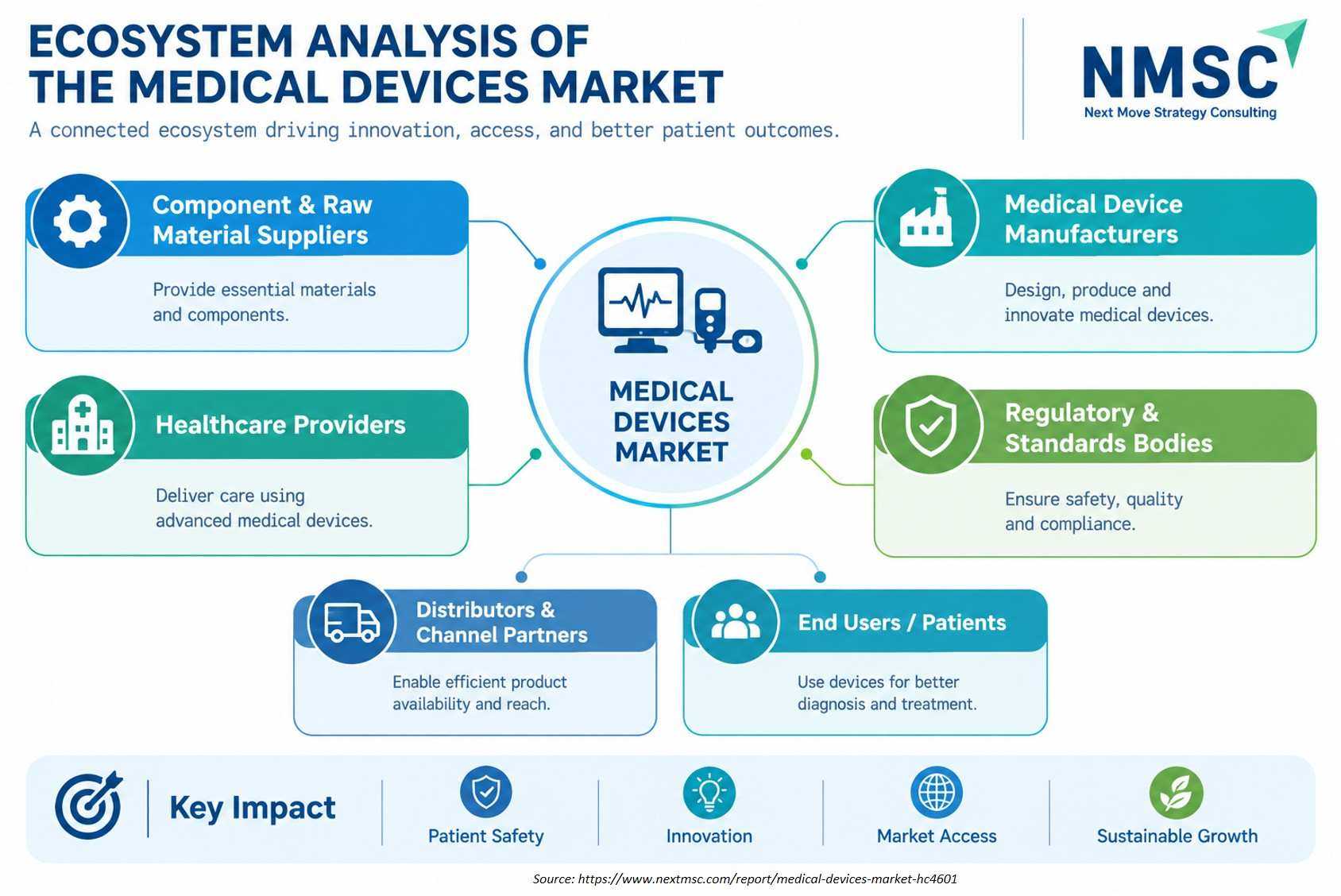
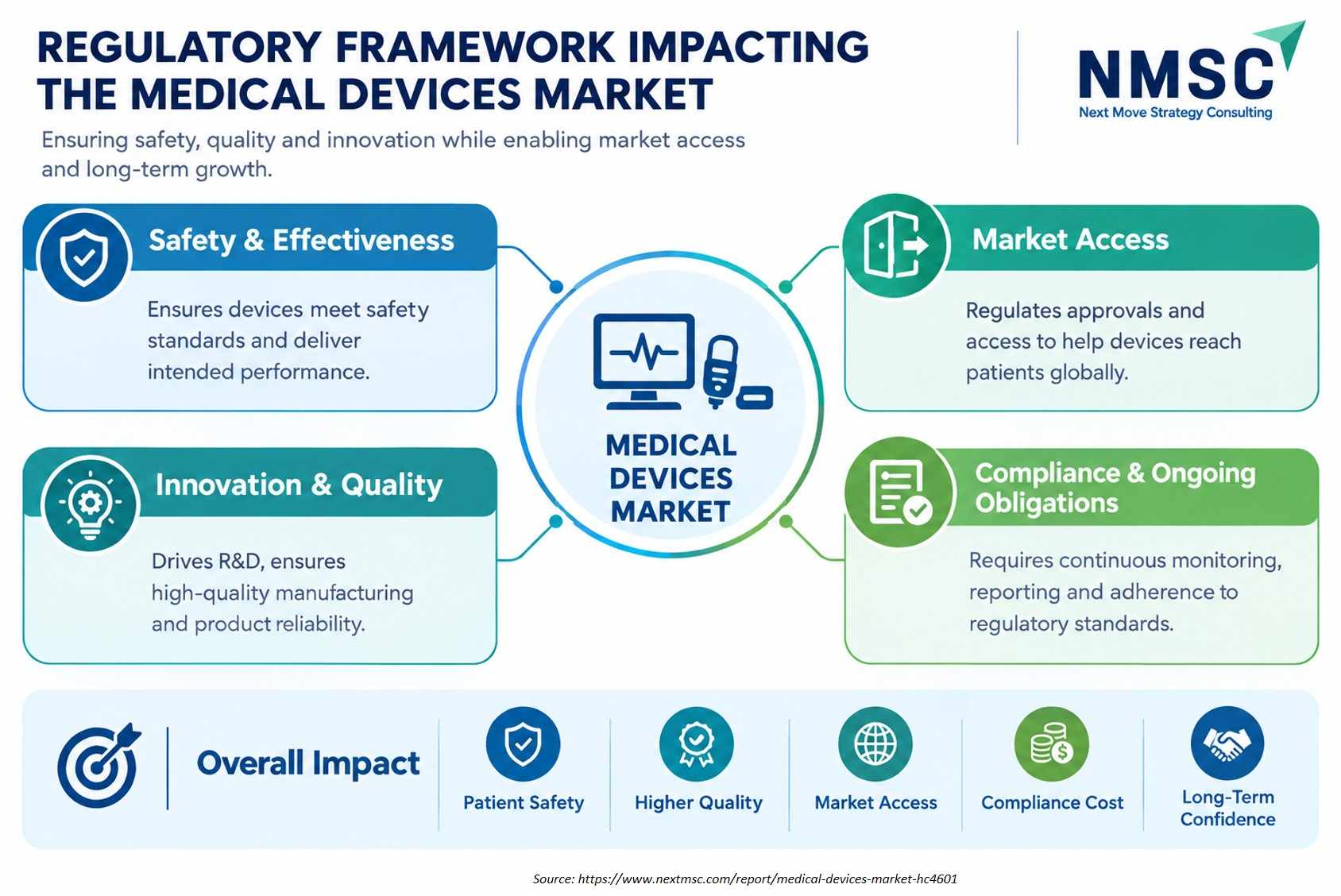
Based on our evaluation of the medical devices’ ecosystem, we noticed that innovation-driven R&D and strong supplier networks are enabling advanced device development, while hospitals and clinicians continue to drive adoption. At the same time, increasing device connectivity and data monitoring are enhancing clinical outcomes, even as infrastructure and operational complexities require continuous upgrades and maintenance. Moreover, stringent regulatory frameworks remain critical, thereby ensuring safety and compliance while shaping market entry and expansion strategies.
Growth Catalyst & Risk Assessment Matrix
|
DRIVERS / TRENDS / RESTRAINTS |
(+/–) % IMPACT ON CAGR |
GEOGRAPHIC RELEVANCE |
IMPACT TIMELINE |
|
Rising aging population and chronic disease burden driving demand for monitoring and therapeutic devices |
+1.4% |
North America, Europe, Japan, China |
Medium to long term (3–7 years) |
|
Shift toward value-based care increasing adoption of outcome-driven and minimally invasive devices |
+1.2% |
North America, Europe |
Medium term (2–5 years) |
|
Growing adoption of AI-enabled diagnostics and connected care solutions |
+1.0% |
North America, Europe, China |
Medium to long term (3–6 years) |
|
Expansion of healthcare infrastructure in emerging markets supporting device accessibility |
+0.9% |
India, China, Southeast Asia, Latin America |
Medium to long term (3–7 years) |
|
AI-specific regulatory complexity delaying product approvals and increasing compliance costs |
–1.1% |
North America, Europe |
Medium term (2–5 years) |
Based on our evaluation of global healthcare delivery trends and medical technology adoption, we observed that the medical devices market is experiencing sustained growth, driven primarily by rising chronic disease prevalence, aging populations, and continuous advancements in diagnostic and therapeutic technologies. Through our interactions with healthcare provider and device manufacturers, we identified that medical devices are increasingly being adopted as a long-term clinical and operational strategy to improve patient outcomes, enhance care efficiency, and optimize resource utilization.
Furthermore, advancements in AI-enabled diagnostics, minimally invasive surgical technologies, and connected monitoring systems have significantly expanded device capabilities, enabling more precise, data-driven, and real-time clinical decision-making. In practice, these technologies are improving diagnostic accuracy and supporting faster clinical interventions. However, our assessment indicates that high capital costs, regulatory complexities, and integration challenges with existing hospital systems continue to constrain adoption, particularly across resource-limited healthcare settings. At the same time, the emergence of service-based device models, remote monitoring platforms, and software-integrated solutions is creating new growth opportunities by improving accessibility and enabling scalable, patient-centric healthcare delivery.
Based on our assessment of healthcare delivery trends and evolving patient demographics, we observed the rapidly aging population and rising prevalence of chronic diseases are significantly increasing demand for medical devices across care settings. According to the World Health Organization in 2025, noncommunicable diseases account for approximately 74% of global deaths, highlighting the scale of chronic disease burden driving sustained demand for monitoring and therapeutic devices. Conditions such as cardiovascular diseases, diabetes, and orthopaedic disorders increasingly require continuous monitoring and long-term intervention, thereby shifting care away from episodic treatment models. As per the International Diabetes Federation in 2025, 11.1% of the global adult population, equivalent to approximately 590 million people, is living with diabetes, highlighting a sharp increase in chronic disease prevalence and significantly driving demand for continuous glucose monitoring (CGM) and automated insulin delivery systems. As a result, healthcare systems are increasingly prioritizing devices that enable early diagnosis, remote monitoring, and preventive intervention, as these solutions help reduce acute complications and avoid frequent hospital admissions. In practice, facilities managing higher chronic disease volumes are accelerating the adoption of monitoring and therapeutic devices to better manage patient load and improve care continuity. This, in turn, positions medical devices as critical enablers of long-term disease management, while simultaneously improving operational efficiency across healthcare systems.
Through our analysis of healthcare system transformation and reimbursement models, we identified the transition toward value-based care is reshaping medical device demand toward outcome-driven solutions. In this context, device adoption is increasingly influenced by the ability to improve patient outcomes, reduce readmissions, and optimize total cost of care, rather than focusing solely on incremental technological advancements. In January 2026, CMS began accepting applications for the ACCESS Model, a value-based care initiative designed to improve chronic disease management quality while reducing healthcare costs, supporting broader adoption of connected monitoring and outcome-oriented medical technologies. At the same time, evolving care delivery models are driving stronger demand for devices that enable minimally invasive procedures and remote patient monitoring, as these solutions contribute to shorter hospital stays and faster recovery cycles. From an operational standpoint, healthcare systems are aligning procurement decisions with long-term performance metrics and cost efficiency. Therefore, manufacturers are increasingly focusing on clinical effectiveness, real-world evidence, and lifecycle value, thereby strengthening adoption across efficiency-driven healthcare environments.
Based on our assessment of regulatory developments and product approval frameworks, we found that AI-specific regulatory requirements are introducing significant complexity into the medical device market. Regulatory expectations, including evolving guidelines from authorities such as the U.S. Food and Drug Administration, increasingly require validation of algorithm transparency, bias mitigation, and explainability before approval. According to the U.S. Food and Drug Administration in 2025, more than 1,000 AI-enabled medical devices have been authorized through established premarket pathways, including 510(k), De Novo, and PMA routes. This growing volume highlights both the rapid expansion of AI integration in medical technologies and the increasing regulatory workload associated with evaluating these systems. As these requirements intensify, manufacturers are required to undertake more extensive testing, documentation, and continuous performance monitoring. From our evaluation of development cycles, we found that this has resulted in prolonged approval timelines and substantially higher compliance costs, particularly for AI-enabled diagnostic and decision-support systems. As a result, product launches are being delayed, development cycles are becoming longer, and smaller manufacturers are facing greater barriers to entry due to limited regulatory resources. This, in turn, is slowing the pace of innovation commercialization and restricting the broader adoption of advanced AI-driven medical technologies across the market.
From our regional analysis of healthcare expansion and infrastructure development, we identified emerging markets such as India and China present significant growth opportunities, supported by rising demand for accessible and cost-effective medical solutions. As healthcare access continues to expand, manufacturers are increasingly investing in localized R&D and production capabilities to develop devices tailored to regional requirements. In addition, this approach enables companies to balance affordability with clinical performance, making advanced medical technologies accessible to a broader population base. According to the World Bank in 2025, government health expenditure in low-income countries is projected to increase by 14% between 2024 and 2030, while lower-middle-income countries are expected to record a 17% increase during the same period, reflecting continued investment in healthcare infrastructure and expanding demand for affordable medical technologies. As a result, strategies focused on cost-effective innovation, local manufacturing, and scalable deployment models are gaining traction. This, in turn, is strengthening market penetration and unlocking long-term growth potential across these high-opportunity regions.
Based on our evaluation of the medical devices market, we noticed that strong R&D and advanced technologies are driving innovation and global competitiveness. However, high costs, regulatory complexities, and interoperability challenges continue to limit adoption across healthcare systems. Meanwhile, rising chronic diseases and AI-enabled connected devices are creating significant growth opportunities, even as stringent regulations, cybersecurity risks, and pricing pressures constrain overall market expansion.
Market Highlights & Strategic Insights – Medical Devices Market:
|
Segments |
Key Takeaways |
|
Product Category |
Diagnostic devices dominated in 2025, driven by rising demand for imaging and diagnostics. Therapeutic devices followed due to chronic disease burden, while MIS devices gained traction with faster recovery and efficiency benefits. |
|
Technology Type |
Electromechanical devices led the market due to widespread use. Digital systems are growing rapidly with AI integration, while implantable and in vitro technologies maintain steady demand. |
|
Revenue Stream |
Capital equipment dominated due to high infrastructure investments. Consumables showed strong recurring demand, while service & maintenance are expanding with installed device base growth. |
|
Distribution Channel |
Direct sales lead the Medical Devices market, supported by strong manufacturer relationships. Distributors remained key in emerging markets, while GPOs and e-commerce are gaining traction. |
|
End User |
Hospitals dominated due to high patient volumes and device usage. Diagnostic labs and ASCs are growing steadily, while home care is expanding rapidly with remote monitoring demand. |
Which Product Categories Drive Growth in the Medical Devices Market in 2025?
Based on our assessment of product-level demand and healthcare utilization patterns, we noticed that the market is segmented into diagnostic devices, therapeutic devices, endoscopy & minimally invasive surgery (MIS) devices, ophthalmic devices, dental devices, diabetes care devices, patient aids and equipment, medical consumables, and other devices.
From our evaluation of clinical usage and procurement trends, we identified diagnostic devices lead market growth due to strong demand for early disease detection, rising imaging volumes, and expanding in vitro diagnostics across hospitals and laboratories. Further, therapeutic devices follow, supported by increasing prevalence of cardiovascular and orthopedic conditions driving procedural demand. Our interactions with healthcare providers indicate that endoscopy & MIS devices gain traction due to shorter recovery times and improved patient outcomes. Meanwhile, diabetes care devices and patient aids and equipment expand with rising home-based care adoption. In addition, medical consumables maintain steady demand due to recurring usage, while other devices support niche applications across specialized care settings. Consequently, product adoption is increasingly influenced by clinical efficiency, patient outcomes, and cost-effectiveness, with providers prioritizing minimally invasive and rapid diagnostic solutions.
How Do Revenue Streams Influence the Medical Devices Market Trends?
Based on our analysis of procurement models and healthcare spending patterns, we observed that the market is segmented into capital equipment, consumables & Disposables and service & Maintenance.
From our evaluation of purchasing behaviour across healthcare facilities, we found that capital equipment dominates due to continued investments in imaging systems, surgical technologies, and hospital infrastructure. Further, consumables represent a stable revenue stream driven by recurring demand across procedures, diagnostics, and infection control. Our discussions with hospital administrators indicate that service contracts gain importance as providers prioritize equipment uptime, maintenance efficiency, and lifecycle management of high-value systems. Additionally, accessories grow alongside the expanding installed base of medical devices, supporting ongoing usage and compatibility needs across healthcare environments. As a result, buyers increasingly prioritize total cost of ownership and integrated solutions over standalone equipment purchases.
How Do End Users Shape Demand in the Medical Devices Market in 2025?
Based on our evaluation of healthcare delivery models and patient care settings, we observed that the medical devices market is segmented into hospitals, ambulatory surgical centers, diagnostic laboratories, home care settings, specialty clinics, long-term care facilities, and others.
From our analysis of device utilization patterns, we noticed hospitals dominate due to high patient volumes, advanced infrastructure, and extensive use of diagnostic and therapeutic devices. Diagnostic laboratories follow, supported by rising testing demand and preventive healthcare expansion. Our interactions with industry stakeholders indicate that ambulatory surgical centers gain momentum due to increasing outpatient procedures and cost efficiency. Meanwhile, home care settings expand rapidly with aging populations and demand for remote monitoring and self-care devices. Specialty clinics and long-term care facilities maintain steady demand, while other end users contribute across specialized care environments. This demand shifts toward decentralized healthcare delivery, with increasing emphasis on outpatient and home-based care models.
Geographic Performance Snapshot:
|
Geography |
Key Takeaways |
|
North America |
North America holds a leading position in the medical devices market, driven by advanced healthcare infrastructure, high healthcare expenditure, and early adoption of innovative technologies. We analysed that strong presence of key players such as Medtronic and Johnson & Johnson further supports continuous innovation and device adoption. |
|
Europe |
Europe demonstrates steady growth supported by well-established public healthcare systems and strong regulatory standards. We identified that increasing aging population and rising chronic disease burden drive consistent demand for diagnostic, monitoring, and home healthcare devices. |
|
Asia Pacific |
Asia Pacific emerges as a high-growth region due to expanding healthcare infrastructure, rising patient population, and increasing healthcare awareness. We found that growing investments in healthcare systems and demand for affordable medical devices accelerate adoption across both urban and rural areas. |
|
Latin America |
Latin America shows gradual market expansion supported by improving healthcare access and growing private sector participation. We noticed increasing adoption of essential medical devices, particularly in urban healthcare facilities. |
|
Middle East & Africa |
The Middle East & Africa region experiences steady growth driven by rising healthcare investments and infrastructure development. We identified that expanding private healthcare networks and government initiatives improve access to diagnostic and therapeutic devices. |
The medical devices market is geographically studied across North America, Europe, Asia Pacific, Latin America and Middle East & Africa and each region is further studied across countries.
Based on our regional assessment and ongoing interactions across healthcare systems, we observed that North America demonstrates a highly mature and innovation-intensive medical devices market growth, supported by strong clinical validation frameworks and continuous technology adoption. The United States drives large-scale deployment across hospitals and outpatient care settings, while Canada reinforces regional stability through consistent public healthcare investments. Moreover, alignment between manufacturers, healthcare providers, and regulatory authorities continues to accelerate the adoption of advanced solutions, particularly in minimally invasive procedures and AI-enabled diagnostics. Regulatory oversight from the U.S. Food and Drug Administration further strengthens product credibility and supports faster commercialization. As a result, the region sustains strong momentum in delivering high-performance and patient-centric medical technologies.
In the United States, the market demonstrates robust expansion driven by high-value care delivery and rapid technological integration. We found that hospitals, ambulatory surgical centers, and diagnostic networks increasingly prioritize precision-driven devices and outcome-based solutions, aligning investments with evolving care models. Additionally, leading companies such as Medtronic and Johnson & Johnson continue to strengthen their portfolios through continuous innovation and strategic collaborations. Notably, the growing emphasis on outpatient care and home-based treatment pathways encourages adoption of portable and connected devices. At the same time, we noticed a transition toward integrated ecosystems, where medical devices are combined with software platforms and data analytics, enabling real-time decision-making and improving clinical efficiency.
Canada presents a balanced and steadily advancing medical devices market, supported by its strong public healthcare framework and focus on accessibility. From our regional insights, we analysed that healthcare institutions increasingly adopt diagnostic and monitoring technologies to enhance patient care while optimizing system efficiency. Furthermore, collaboration between healthcare providers and technology developers encourages the deployment of cost-effective and reliable medical solutions, particularly in remote and underserved areas. We noticed that emphasis on digital health initiatives and patient-centric models continues to drive the uptake of connected devices across care environments. Compared to its regional counterpart, Canada maintains a more measured investment approach, where long-term system reliability and service continuity remain key decision factors, thereby supporting sustained and stable market development.
The Europe medical devices market evolves within a highly structured, compliance-oriented healthcare environment, where regulatory rigor and clinical quality remain central to adoption. Based on our assessment of regional healthcare systems and procurement practices, we found that alignment between manufacturers, hospitals, and regulatory institutions consistently shapes purchasing decisions. Oversight from the European Medicines Agency continues to elevate standards around safety, performance, and interoperability, thereby strengthening long-term trust. Moreover, demand remains strongly linked to aging demographics, chronic disease management, and expansion of home-based care models. Regional dynamics further diversify adoption patterns, as Northern Europe emphasizes digital efficiency, Central Europe prioritizes precision-driven systems, and Southern Europe advances through flexible and cost-conscious deployments. These combined factors reinforce a stable yet innovation-ready market landscape.
Based on our interactions with healthcare providers and digital health integrators, we observed that the United Kingdom demonstrates a digitally progressive and patient-centric medical devices market, shaped by evolving care delivery models. Hospitals and outpatient facilities increasingly prioritize advanced diagnostics, remote monitoring, and minimally invasive technologies to enhance clinical outcomes and operational efficiency. Furthermore, the transition toward decentralized care and home-based treatment pathways continues to influence procurement strategies. Buyers consistently emphasize data transparency, interoperability, and lifecycle support, encouraging vendors to deliver integrated and scalable solutions. At the same time, strong national focus on healthcare digitization and system efficiency supports broader deployment of connected medical technologies across diverse care settings.
Germany’s medical devices market demonstrates a precision-oriented and engineering-led adoption pattern, deeply rooted in its strong industrial and healthcare ecosystem. Insights drawn from our engagements with healthcare institutions and technology providers indicate that demand remains centered on high-performance diagnostic systems, surgical precision devices, and advanced imaging technologies. Additionally, strict adherence to certification standards and long-term reliability requirements plays a critical role in procurement decisions. Collaboration between manufacturers, clinical institutions, and research bodies further accelerates innovation and ensures consistent product evolution. As a result, Germany maintains a strong position in deploying premium, high-value medical technologies, where performance, durability, and integration capabilities define market success.
Based on our interactions with hospital administrators and healthcare solution providers, we observed that France demonstrates a technologically advancing and patient-focused medical devices market, supported by strong public healthcare infrastructure and rising adoption of connected care solutions. Hospitals and specialty clinics are increasingly prioritizing advanced imaging systems, minimally invasive surgical devices, and AI-enabled diagnostics to improve treatment efficiency and patient outcomes. In addition, the growing demand for home healthcare services and remote patient monitoring is continuously reshaping procurement priorities across healthcare institutions. Moreover, buyers consistently emphasize regulatory compliance, interoperability, and long-term service reliability, encouraging manufacturers to deliver integrated, scalable, and digitally connected medical technologies. Furthermore, expanding investments in healthcare modernization, digital infrastructure, and innovation-driven care models are strengthening the adoption of advanced medical devices throughout the country. As a result, France continues to reinforce its position as a key European market for technologically advanced and patient-centric medical device solutions.
Italy’s medical devices market reflects a gradual yet structurally evolving adoption landscape, influenced by healthcare modernization and infrastructure upgrades. Through our assessment of regional healthcare facilities, we identified growing demand for diagnostic imaging, patient monitoring, and surgical devices, particularly in response to rising chronic disease prevalence. Furthermore, government-led initiatives aimed at improving healthcare efficiency continue to support technology adoption. However, varying levels of infrastructure maturity encourage demand for flexible and adaptable solutions that can integrate into diverse care environments. Vendors offering customized deployment models and localized support demonstrate stronger market penetration, as healthcare providers prioritize reliability and long-term system performance over rapid large-scale investments.
Spain is witnessing a notable acceleration in medical device adoption, driven by healthcare infrastructure enhancements and increasing focus on efficient care delivery. Insights from our interactions with healthcare stakeholders indicate that hospitals and diagnostic centres are investing in advanced imaging systems, portable devices, and real-time monitoring technologies to improve patient outcomes. Additionally, rising awareness around cost optimization and operational efficiency continues to influence purchasing decisions. Healthcare providers show strong preference for scalable, easy-to-deploy, and cost-effective solutions, particularly in high-demand urban facilities. Consequently, vendors that combine affordability with performance and integration simplicity are gaining stronger traction, supporting broader adoption across mainstream healthcare segments.
Across the Nordic region, including Sweden, Finland, and Norway, the medical devices market reflects a quality-centric and digitally mature healthcare ecosystem. Based on our interactions with healthcare providers and technology partners, we evaluated that clinical environments consistently prioritize precision, patient safety, and long-term system reliability in device adoption. Moreover, high trust in digital health systems accelerates the uptake of connected monitoring devices, telehealth-integrated solutions, and advanced diagnostic technologies. Procurement preferences increasingly favour durable hardware, interoperable software platforms, and energy-efficient designs, aligning with broader sustainability goals. Vendors that deliver strong lifecycle support, compliance with regional standards, and localized service capabilities continue to secure high-value contracts and long-term engagements across Nordic healthcare systems.
Based on our regional analysis of healthcare expansion and technology adoption trends, we observed that Asia-Pacific represents a high-growth and scale-driven medical devices market, supported by rapid infrastructure development and increasing patient demand. Insights drawn from our engagements across China, Japan, and South Korea indicate that growth is fueled by urbanization, rising healthcare awareness, and government-led healthcare initiatives. Furthermore, distinct regional dynamics shape adoption patterns, where China advances through cost-efficient manufacturing and large-scale deployment, Japan emphasizes precision and reliability, and South Korea leads in early adoption of advanced medical technologies. Meanwhile, Southeast Asia demonstrates accelerating uptake supported by improving healthcare access. These variations encourage vendors to focus on localized integration, strategic partnerships, and scalable deployment models to effectively capture regional opportunities.
China represents the largest and most scale-oriented medical devices market in Asia-Pacific, driven by strong domestic manufacturing capabilities and rapid healthcare expansion. Based on our engagement with industry participants, we found that widespread adoption is supported by cost-competitive production, expanding hospital networks, and government-led healthcare modernization initiatives. Additionally, domestic manufacturers continue to shape device accessibility and pricing dynamics, enabling broader penetration across urban and rural healthcare settings. We found increasing deployment of diagnostic imaging systems, patient monitoring devices, and portable healthcare technologies, supported by robust local supply chains. For global companies, success in China increasingly depends on localized production, alignment with regulatory frameworks, and integration with domestic healthcare ecosystems.
India’s medical devices market is evolving as a high-growth and accessibility-driven landscape, supported by expanding healthcare infrastructure and rising patient demand. Based on our interactions with healthcare providers and distribution partners, we observed that adoption is primarily driven by increasing chronic disease burden, growing urban healthcare demand, and government-led healthcare initiatives. Moreover, initial demand remains concentrated around diagnostic imaging, patient monitoring, and affordable therapeutic devices, while advanced technologies gradually gain traction across large hospital networks. The presence of the Central Drugs Standard Control Organization further strengthens regulatory alignment and product standardization. Vendors that focus on cost efficiency, modular deployment, and strong local partnerships continue to achieve faster penetration, particularly across tier-2 and tier-3 healthcare facilities.
Through our field-level interactions with healthcare providers and technology developers, we identified that Japan demonstrates a precision-driven and reliability-focused medical devices market, supported by advanced healthcare systems and evolving demographic needs. The aging population and high clinical standards continue to drive demand for advanced diagnostic, surgical, and monitoring technologies across care settings. Moreover, procurement decisions consistently prioritize system accuracy, safety certifications, and long-term operational reliability, reinforcing demand for premium solutions. Brand trust and strong local service presence remain critical factors influencing adoption. These dynamics favour vendors capable of delivering high-performance, seamlessly integrated, and lifecycle-supported medical technologies, thereby sustaining Japan’s position as a quality-led market within the region.
Based on our engagements with healthcare institutions and technology developers, we observed that South Korea demonstrates a technology-forward and innovation-intensive medical devices market, supported by strong digital infrastructure and advanced clinical ecosystems. Adoption is increasingly driven by AI-enabled diagnostics, connected monitoring systems, and precision-based treatment technologies, particularly across urban hospitals and specialty care centres. Furthermore, close collaboration between domestic technology firms and healthcare providers accelerates the development of integrated healthcare ecosystems, enabling faster deployment and continuous innovation. We evaluated that demand remains strong for advanced imaging, robotic-assisted procedures, and real-time patient monitoring solutions. Vendors that align with local innovation networks and deliver data-driven, interoperable solutions continue to achieve premium positioning and sustained growth.
Taiwan reflects a technology-oriented and early-adoption medical devices market, supported by its strong manufacturing and electronics ecosystem. Based on our assessment of healthcare facilities and industrial capabilities, we identified increasing deployment of advanced diagnostic equipment, monitoring systems, and precision medical technologies. Additionally, healthcare providers place strong emphasis on system interoperability, reliability, and performance consistency, influencing procurement decisions toward high-quality solutions. Pilot programs and collaborative initiatives between healthcare institutions and technology providers further support innovation validation. Vendors offering seamless integration with existing hospital systems and localized technical expertise continue to scale more effectively within Taiwan’s healthcare landscape.
Indonesia’s medical devices market is at an early yet rapidly advancing stage, shaped by healthcare expansion and improving access to medical services. Insights drawn from our regional analysis indicate that adoption is concentrated in urban hospitals and diagnostic centres, where demand for basic diagnostic and monitoring devices continues to rise. Moreover, factors such as affordability, ease of deployment, and scalability play a critical role in purchasing decisions. We analysed that partnerships with local distributors, healthcare providers, and infrastructure developers are essential for market entry and expansion. Vendors that offer cost-effective and adaptable solutions are better positioned to capture opportunities in this developing healthcare ecosystem.
Through our analysis of healthcare spending patterns and provider-level adoption trends, we identified that Australia demonstrates a high-value and efficiency-focused medical devices market, supported by advanced healthcare infrastructure and strong clinical standards. Demand remains consistent across diagnostic imaging, patient monitoring, and surgical technologies, particularly within hospital networks and specialized care facilities. Moreover, geographic dispersion and emphasis on care accessibility encourage the adoption of remote monitoring and connected healthcare solutions. Healthcare providers increasingly prioritize integrated systems, data-driven insights, and long-term service reliability, shaping procurement strategies toward comprehensive solutions. Vendors that bundle devices with analytics platforms and lifecycle support services continue to strengthen engagement and sustain long-term revenue opportunities in the Australian market.
The Latin America medical devices market is shaped by evolving healthcare access and increasing private sector influence, particularly across urban care networks. Through our engagement with hospital procurement teams and regional distributors, we identified that demand continues to rise for diagnostic imaging, patient monitoring, and essential therapeutic devices, driven by growing chronic disease prevalence and patient volumes. Furthermore, Brazil remains a key growth engine, supported by comparatively stronger infrastructure and higher healthcare spending. Procurement behaviour, however, remains highly cost-conscious, encouraging phased investments and selective adoption of advanced technologies. As a result, vendors that combine competitive pricing, localized distribution, and flexible commercial models are able to expand their reach more effectively and build long-term relationships across the region.
Based on our interactions with healthcare providers and infrastructure stakeholders, we observed that the Middle East & Africa medical devices market presents a diverse and investment-driven growth landscape, shaped by varying levels of healthcare maturity. In the Middle East, particularly across the United Arab Emirates and Saudi Arabia, demand is strongly driven by advanced healthcare infrastructure, large-scale hospital investments, and increasing adoption of high-end diagnostic and surgical technologies. In contrast, across Africa, the market evolves steadily with growing emphasis on accessible, scalable, and cost-effective medical devices. We identified that improving healthcare access and infrastructure development continue to support gradual adoption across emerging care settings. Vendors that adopt region-specific strategies, premium, integrated solutions in the Middle East and flexible, affordability-driven models in Africa are increasingly strengthening their market positioning and capturing long-term growth potential.
Based on our evaluation, we noticed that high costs, interoperability issues, and complex interfaces limit adoption across healthcare systems. Moreover, strong competition and regional disparities further restrict market expansion, thereby highlighting the need for affordable, scalable, and user-centric device innovations.
Competitive Dynamics & M&A Landscape:
|
Key Takeaways |
|
The global medical devices market is characterized by the presence of large diversified healthcare companies alongside specialized device manufacturers, creating a competitive and innovation-driven landscape. Major players such as Medtronic, Abbott, Johnson & Johnson, GE HealthCare, Koninklijke Philips N.V., and BD leverage global distribution capabilities, diversified portfolios, and integrated healthcare solutions to maintain strong market positioning. Meanwhile, specialized companies, including Boston Scientific, Stryker, Intuitive Surgical, Zimmer Biomet, Edwards Lifesciences, and Olympus Corporation, compete through procedure-specific innovation, surgical technologies, and high-value therapeutic devices. |
|
From our assessment of competitive strategies, companies increasingly focus on AI-enabled diagnostics, minimally invasive technologies, and connected care platforms to enhance clinical outcomes and differentiate offerings. Additionally, the integration of software, remote monitoring capabilities, and data-driven decision support systems is becoming central to product development, reflecting a broader shift toward digital and platform-based healthcare models. |
|
Recent strategic developments also reflect efforts to expand capabilities and strengthen market reach across care settings. Companies including Danaher Corporation, Hologic, and Dentsply Sirona are advancing through portfolio expansion, digital health integration, and strategic partnerships, enabling broader product offerings and improved positioning across hospital, outpatient, and speciality care segments. |
Based on our analysis, we noticed that the medical devices market is dominated by diversified healthcare leaders alongside specialized device innovators. Companies such as Medtronic, Abbott, Johnson & Johnson, GE HealthCare, and Koninklijke Philips N.V. consistently lead large-scale deployments where clinical reliability, regulatory compliance, and long device lifecycles remain critical decision factors. From our evaluation of hospital procurement patterns and clinical adoption, we found that these players are frequently selected for integrated healthcare environments requiring end-to-end solutions across diagnostics, monitoring, and therapeutic applications. Additionally, companies such as BD and Baxter International strengthen their market positions through application-specific solutions in drug delivery, infusion systems, and hospital care equipment, particularly in high-volume clinical settings. Competition at this level is primarily driven by product reliability, global service capabilities, regulatory approvals, and proven clinical performance across diverse healthcare environments.
From our observation, we found that the competitive landscape is further shaped by specialized device manufacturers and procedure-focused companies such as Boston Scientific, Stryker, Intuitive Surgical, Zimmer Biomet, and Edwards Lifesciences. Our interactions with healthcare providers and clinical specialists indicate that these companies gain traction through procedure-specific innovation, minimally invasive technologies, and high-precision surgical systems. In addition, companies such as Intuitive Surgical are frequently preferred for robotic-assisted procedures, while Stryker and Zimmer Biomet are widely adopted in orthopedic and surgical care environments. Meanwhile, Olympus Corporation and Hologic differentiate through imaging, endoscopy, and women’s health solutions. As a result, diversified leaders establish scale and trust, while specialized players accelerate innovation and clinical adoption across targeted therapeutic areas.
Innovation remains a core determinant of competitive advantage in the medical devices market, as identified through our assessment of clinical deployments and technology adoption across hospitals and outpatient care settings. Market leaders such as Medtronic, GE HealthCare, Koninklijke Philips N.V., and Abbott continue to advance capabilities in AI-enabled diagnostics, remote monitoring, and data-driven clinical decision support systems. From our interactions with healthcare providers and system integrators, we found that companies investing in connected care platforms, interoperable systems, and real-time analytics are better positioned to scale across multi-facility healthcare networks. These advancements reflect deep expertise in medical engineering, digital health integration, and regulatory compliance, enabling vendors to respond effectively to evolving clinical and operational requirements while strengthening long-term provider relationships.
Based on our market research, we noticed that mergers and acquisitions are emerging as a key growth strategy in the medical devices market as companies seek to expand technological capabilities and strengthen portfolio depth. Leading players such as Danaher Corporation, Fresenius Medical Care, Terumo Corporation, and Smith & Nephew increasingly target firms specializing in digital health, minimally invasive technologies, and advanced diagnostics. In January 2026, Boston Scientific announced an agreement to acquire Valencia Technologies, strengthening its position in neuromodulation and implantable therapies. Rather than focusing solely on scale, acquisition strategies are increasingly aimed at enhancing clinical specialization, expanding into high-growth therapeutic segments, and improving integration with digital health ecosystems, enabling companies to strengthen long-term competitive positioning.
Medtronic plc
Abbott Laboratories
Johnson & Johnson
Stryker Corporation
GE HealthCare Technologies Inc.
Koninklijke Philips N.V.
Becton, Dickinson and Company
Boston Scientific Corporation
Baxter International Inc.
Edwards Lifesciences Corporation
Intuitive Surgical, Inc.
Zimmer Biomet Holdings, Inc.
Danaher Corporation
ResMed Inc.
Terumo Corporation
Smith & Nephew plc
Olympus Corporation
Hologic, Inc.
DENTSPLY SIRONA Inc.
Fresenius Medical Care AG
March 2026 - Abbott successfully closed its approximately USD 23 billion acquisition of Exact Sciences, a leader in cancer screening and genomic testing, effectively integrating the market-leading Cologuard test into its diagnostics portfolio.
March 2026 - Smith+Nephew announced the global launch of the ALLEVYN COMPLETE CARE Foam Dressing, a next-generation five-layer dressing designed for both wound management and pressure injury prevention. The product features unbonded sliding layers that absorb up to 93% of mechanical energy to protect vulnerable skin.
January 2026 - Intuitive Surgical announced that placements of its new da Vinci 5 surgical system reached 303 units in Q4 2025 alone, representing over 50% of its total system placements as hospitals rapidly transition to the latest robotic platform.
Investment analysis in the medical devices market has increasingly been shaped by a shift toward platform-based and service-driven healthcare models, rather than standalone device manufacturing. Based on our evaluation of recent funding activity, partnerships, and strategic investments, we noticed that investors are favouring companies with recurring revenue streams derived from software platforms, remote monitoring services, and data-driven healthcare solutions. Vendors demonstrating strong integration with hospital IT systems and scalable deployment across care settings continue to attract higher valuation multiples.
We also identified investment concentration around AI-enabled diagnostics, connected care platforms, and minimally invasive technologies, particularly in solutions addressing chronic disease management, remote patient monitoring, and clinical workflow optimization. Strategic investments are increasingly led by healthcare providers, technology firms, and device manufacturers seeking greater control over digital ecosystems and faster commercialization. For investors, the most compelling opportunities are emerging in companies combining technological differentiation, regulatory readiness, and scalable care delivery models, supported by strong clinical validation and long-term platform extensibility.
Next Move Strategy Consulting (NMSC) presents a comprehensive analysis of the Medical Devices market, covering historical developments from 2020 to 2025 and providing forward-looking forecasts through 2035. The study evaluates the medical devices market at global, regional, and country levels, delivering quantitative outlooks alongside qualitative insights into key growth drivers, adoption barriers, technological advancements, and investment trends across major device categories.
From our observation, we found the medical devices industry delivers measurable value across a diverse stakeholder ecosystem. Investors benefit from recurring revenue opportunities driven by software-enabled devices, remote monitoring platforms, and service-based care models. Healthcare providers and hospital networks gain improvements in clinical outcomes, operational efficiency, and patient management through the adoption of advanced diagnostic, monitoring, and therapeutic technologies. At the same time, device manufacturers, system integrators, and technology partners benefit from long-term service agreements, software upgrades, and expanding digital health ecosystems. By aligning innovation with patient-centric care, regulatory compliance, and scalable healthcare delivery models, the market continues to generate sustained value while supporting long-term efficiency and modernization across global healthcare systems.
|
Parameters |
Details |
|
Customization Scope |
Free customization (equivalent to up to 80 analyst-working hours) after purchase. Addition or alteration to country, regional & segment scope. |
|
Pricing and Purchase Options |
Avail customized purchase options to meet your exact research needs. |
|
Approach |
In-depth primary and secondary research; proprietary databases; rigorous quality control and validation measures. |
|
Analytical Tools |
Porter's Five Forces, SWOT, value chain, and Harvey ball analysis to assess competitive intensity, stakeholder roles, and relative impact of key factors. |
Diagnostic Devices
Imaging Systems
X-ray
Computed Tomography
Magnetic Resonance Imaging
Ultrasound
Nuclear Imaging
In Vitro Diagnostics
Clinical Chemistry
Immunoassay
Molecular Diagnostics
Hematology
Point of Care Testing
Monitoring Devices
Vital Signs Monitoring
Cardiac Monitoring
Neurological Monitoring
Fetal Monitoring
Therapeutic Devices
Cardiovascular Devices
Stents
Catheters
Pacemakers
Defibrillators
Heart Valves
Orthopaedic Devices
Joint Reconstruction
Spine Devices
Trauma Fixation
Sports Medicine
Surgical Devices
Surgical Instruments
Electrosurgical Devices
Surgical Robotics
Wound Closure
Respiratory Devices
Ventilators
Oxygen Systems
Sleep Therapy Devices
Nebulizers
Renal Devices
Dialysis Equipment
Dialysis Consumables
Neuromodulation Devices
Neurostimulation
CSF Management
Drug Delivery Devices
Infusion Pumps
Insulin Pumps
Inhalation Devices
Endoscopy & MIS Devices
Endoscopes
Endoscopy Systems
Endoscopy Accessories
Capsule Endoscopy
Ophthalmic Devices
Surgical Ophthalmic
Vision Care Devices
Dental Devices
Dental Equipment
Dental Imaging Systems
CAD/CAM Systems
Dental Lasers
Dental Chairs
Handpieces
Dental Consumables
Dental Implants
Orthodontics
Crowns & Bridges
Dental Biomaterials
Endodontic Consumables
Diabetes Care Devices
Glucose Monitoring
Diabetes Consumables
Patient Aids and Equipment
Mobility Aids
Hospital Beds
Rehabilitation Equipment
Medical Consumables
General Consumables
Syringes
Needles
Gloves
Drapes
Wound Care
Infection Control
Other Devices
Electromechanical
Implantable Devices
In Vitro Technology
External Active Devices
Capital Equipment
Consumables & Disposables
Service & Maintenance
By Distribution Channel
Direct Sales
Distributor Sales
E-commerce
Hospitals
Ambulatory Surgical Centers
Diagnostic Labs
Home Care
Specialty Clinics
Long Term Care Facilities
Others
North America: U.S., Canada, and Mexico.
Europe: UK, Germany, France, Italy, Spain, Sweden, Denmark, Finland, the Netherlands, and the Rest of Europe.
Asia Pacific: China, India, Japan, South Korea, Taiwan, Indonesia, Vietnam, Australia, Philippines, Malaysia and the rest of APAC.
Middle East & Africa (MEA): Saudi Arabia, UAE, Egypt, Israel, Turkey, Nigeria, South Africa, and the rest of MEA.
Latin America: Brazil, Argentina, Chile, Colombia, and the rest of LATAM.
This report provides stakeholders, service providers, investors, and consultants with actionable insights to capitalise on the structural transformation underway in the Medical Devices market. By combining rigorous data-driven analysis with proven strategic frameworks, NMSC’s Medical Devices Market Report serves as a critical decision-support resource for navigating a rapidly evolving healthcare technology landscape. The medical devices market is positioned for sustained expansion, supported by rising chronic disease prevalence, aging populations, and increasing demand for precision-driven, patient-centric care solutions. Key strategic insights highlight the growing importance of software-integrated devices, AI-enabled diagnostics, and connected care ecosystems, as these capabilities enhance clinical outcomes and long-term value realization. Vendors that prioritize interoperability, digital integration, and scalable deployment models consistently achieve stronger provider engagement and recurring revenue generation.
For executives and investors, capturing value requires focusing on high-growth areas such as remote patient monitoring, minimally invasive procedures, and AI-driven diagnostics, while continuing investments in R&D, regulatory compliance, and healthcare IT integration. Expanding presence in high-growth regions, particularly Asia-Pacific and emerging healthcare markets, unlocks new demand opportunities. Clinical reliability, data-driven decision support, and measurable patient outcomes further strengthen vendor credibility and accelerate adoption, creating sustained value across the global medical devices ecosystem.
“Doctors are increasingly more comfortable recommending a device approach to patients to complement medication and lifestyle changes, especially when procedures like renal denervation (RDN) are proven safe and effective.”
— Jason Fontana, Vice President and General Manager, Medtronic
Statement made while highlighting growing physician confidence in device-based therapies for hypertension management.
The comment highlights the increasing clinical acceptance of device-based interventions as complementary solutions to traditional pharmaceutical and lifestyle treatments within the medical devices market. Moreover, rising confidence in the safety and efficacy of procedures such as renal denervation drives physician adoption and expands treatment pathways for chronic conditions like hypertension. As a result, this trend strengthens demand for minimally invasive therapeutic devices, accelerates innovation in interventional technologies, and supports the shift toward integrated, multi-modal treatment approaches across healthcare systems.