Closed Loop Insulin Delivery Market Size, Share, Trends and Growth Analysis, By Component (Insulin Pump Systems, Continuous Glucose Monitoring Systems, and Automated Insulin Delivery Software), By Automation Level (Predictive Low Glucose Suspend, Hybrid Closed Loop, Advanced Hybrid Closed Loop, and Fully Closed Loop), By Patient Type, By Care Setting, By Distribution Channel, By Reimbursement Model, and Region — Global Industry Report and Forecast, 2026–2035
Industry: Healthcare | Publishing Date: July 28, 2026 | Last Updated: September 30, 2026 | No of Pages: N/A | No. of Tables: N/A | No. of Figures: N/A | Format: PDF | Report Code: HC5449
What Is the Closed Loop Insulin Delivery Market Size?
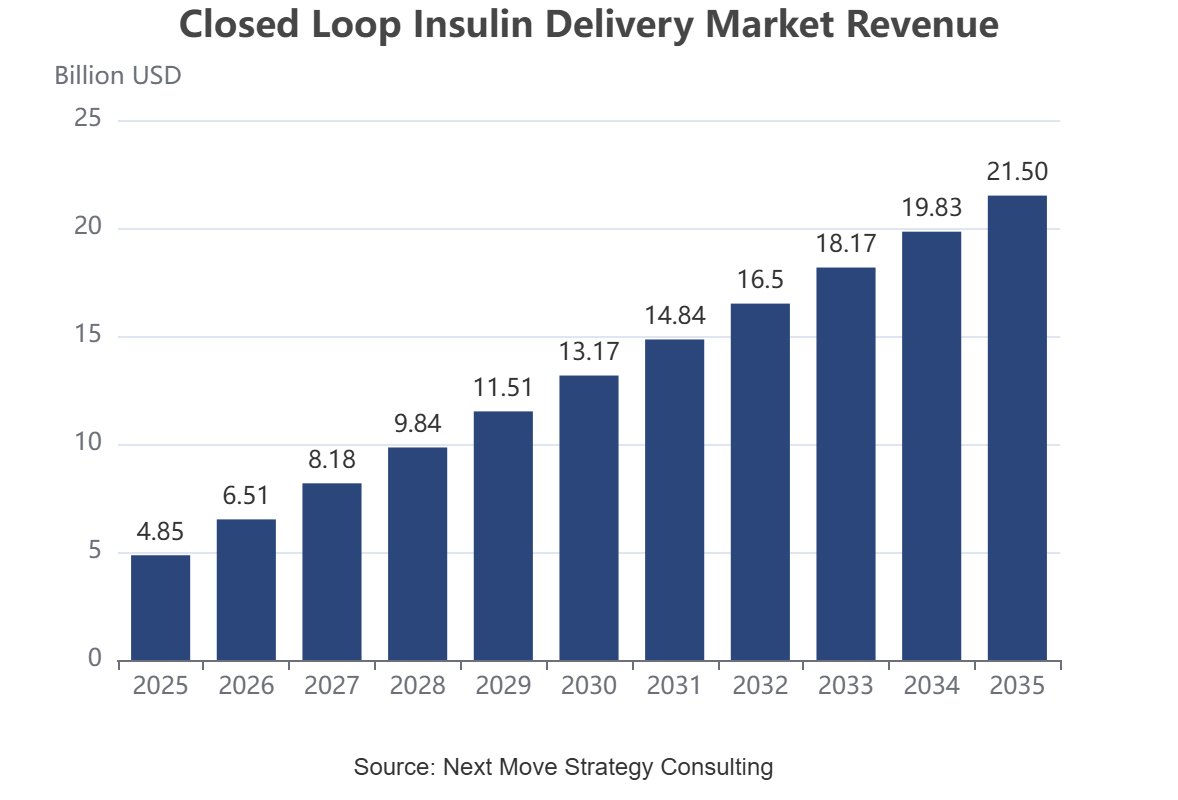
The global closed loop insulin delivery market size was valued at USD 4.85 billion in 2025 and is estimated at USD 5.62 billion in 2026, forecast to reach USD 21.50 billion by 2035, expanding at a 16.1% CAGR between 2026 and 2035. North America leads with approximately 44% share, while insulin pump systems dominate all other components with approximately 46% share.
We observed that growth is broad-based across every segmentation axis, with hybrid closed loop adoption and algorithm-driven automated insulin delivery software driving the dominant structural shifts through 2035.
|
Key Takeaways |
|
By Component: Insulin Pump Systems held the largest share of approximately 46% (USD 2.23 Billion) in 2025; Automated Insulin Delivery Software is the fastest-growing sub-segment at 19.5% CAGR from 2026–2035. |
|
By Automation Level: Hybrid Closed Loop held the largest share of approximately 48% (USD 2.33 Billion) in 2025; Fully Closed Loop is the fastest-growing sub-segment at 23.5% CAGR from 2026–2035. |
|
By Patient Type: Type 1 Diabetes held the largest share of approximately 72% (USD 3.49 Billion) in 2025; Insulin-Treated Type 2 Diabetes is the fastest-growing sub-segment at 20.7% CAGR from 2026–2035. |
|
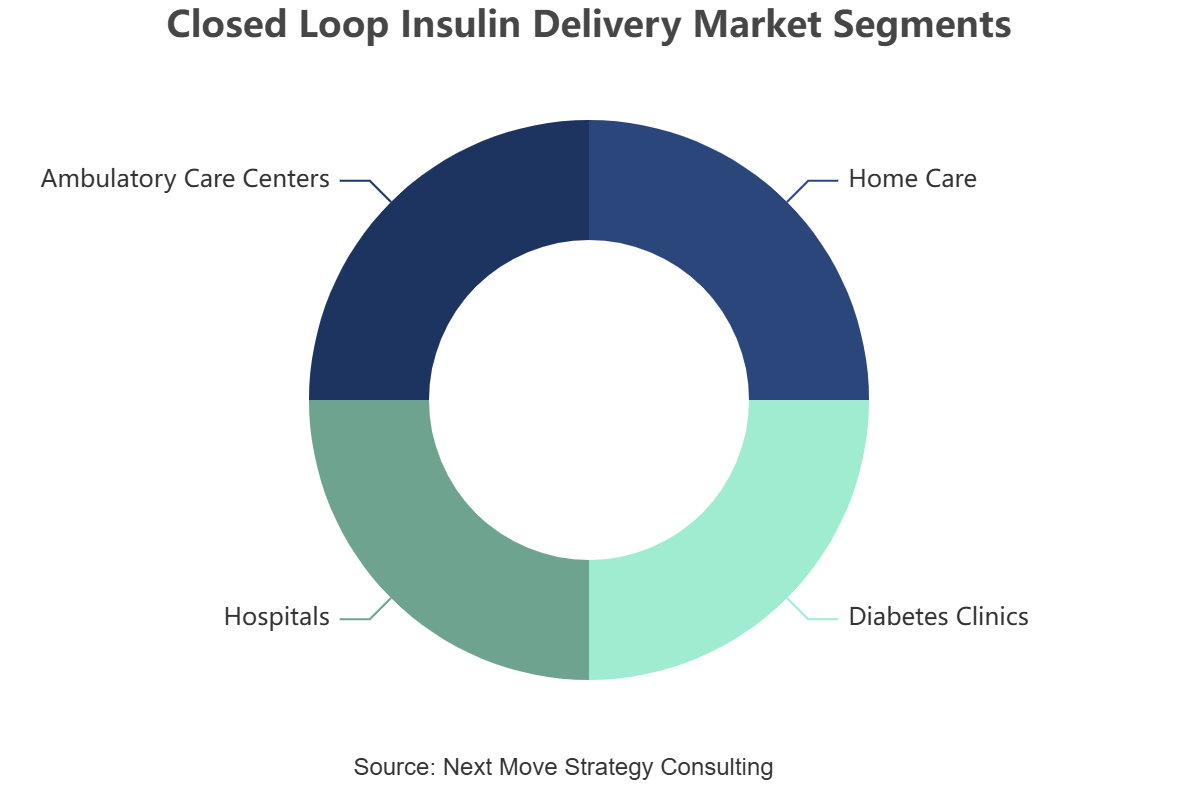
By Care Setting: Home Care held the largest share of approximately 64% (USD 3.10 Billion) in 2025; Ambulatory Care Centers is the fastest-growing sub-segment at 18.4% CAGR from 2026–2035. |
|
By Distribution Channel: Pharmacy Channel held the largest share of approximately 41% (USD 1.99 Billion) in 2025; Direct Sales is the fastest-growing sub-segment at 18.9% CAGR from 2026–2035. |
|
By Reimbursement Model: Private Insurance held the largest share of approximately 47% (USD 2.28 Billion) in 2025; Public Reimbursement is the fastest-growing sub-segment at 17.9% CAGR from 2026–2035. |
|
Dominant Region: North America dominated with approximately 44% revenue share (USD 2.13 Billion) in 2025. |
|
Fastest-Growing Region: Asia-Pacific is expected to register the highest CAGR of 19.9% during 2026–2035. |
|
Dominant Country: U.S. led with approximately USD 1.78 Billion in 2025. |
|
Fastest-Growing Country: India is the fastest-growing country at approximately 25.9% CAGR from 2026–2035. |
Market Opportunity: The closed loop insulin delivery market is expected to create an absolute dollar opportunity of USD 15.88 billion between 2026 and 2035, presenting significant investment potential across the insulin pump, continuous glucose monitoring, and automated dosing software value chain.
According to Next Move Strategy Consulting analysis, algorithm licensing and software subscription revenue are emerging as a structurally higher-margin growth pocket than hardware sales, a shift that favors component manufacturers with proprietary control algorithms as payers increasingly reimburse automated insulin delivery as a bundled care pathway rather than discrete devices.
What Does the Closed Loop Insulin Delivery Market Encompass?
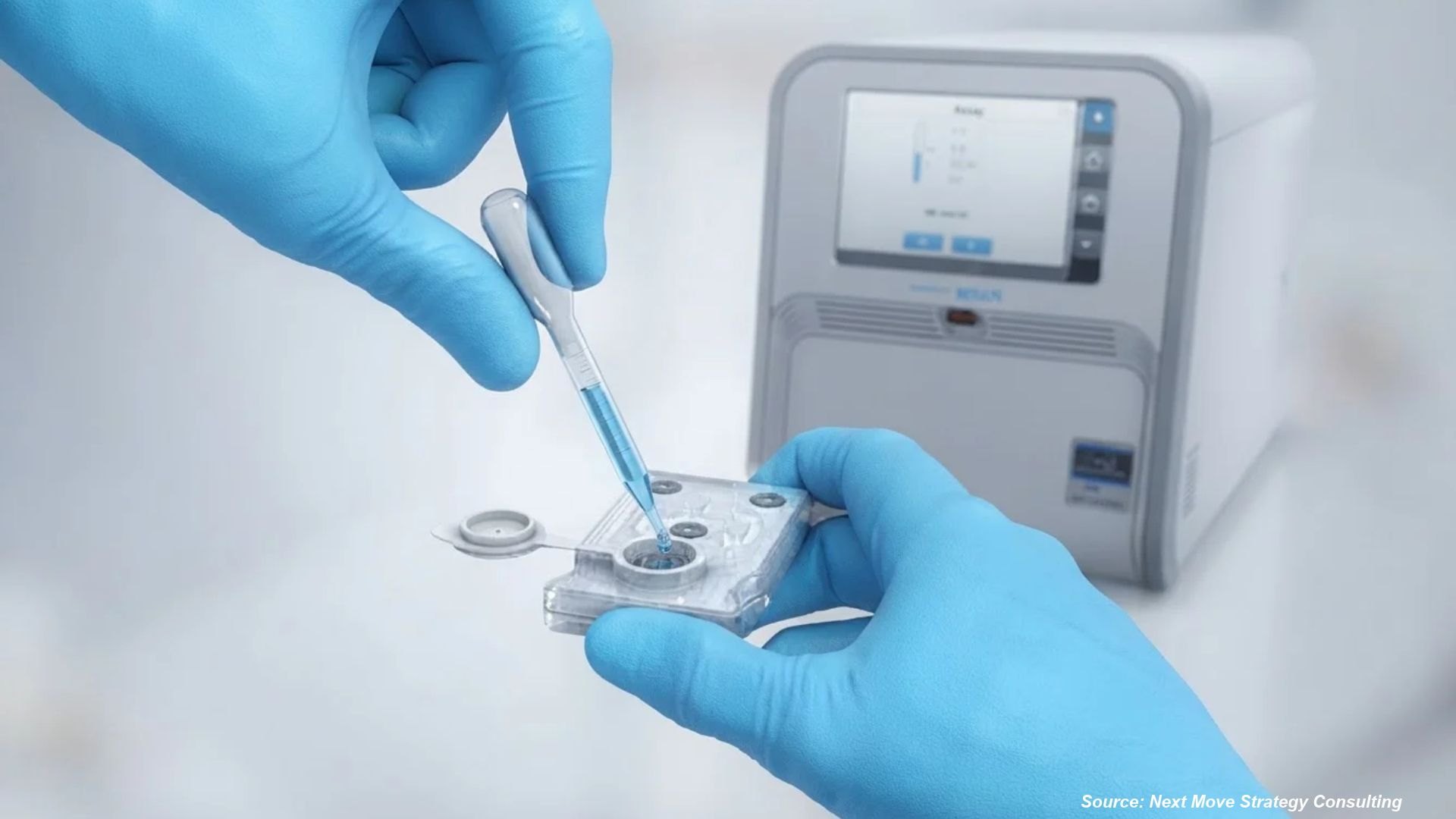
The closed loop insulin delivery market encompasses integrated systems that combine an insulin pump, a continuous glucose monitor, and a dosing algorithm to automatically adjust insulin delivery with minimal patient intervention. Our assessment indicates that the scope spans hardware, consumables, and control software supplied to patients, diabetes clinics, hospitals, and ambulatory care centers managing type 1 diabetes, insulin-treated type 2 diabetes, and gestational diabetes. The category has evolved from threshold-suspend pumps into hybrid and advanced hybrid closed loop platforms that materially reduce daily dosing decisions for patients.
Regulatory frameworks such as the U.S. Food and Drug Administration's interoperable automated insulin dosing controller pathway and the European Union's Medical Device Regulation 2017/745 shape approval requirements for pump, sensor, and algorithm components, while national reimbursement bodies increasingly influence device selection. We observed that technology adoption is shifting toward smartphone-integrated, tubeless patch pump architectures paired with extended-wear sensors, and demand for the underlying insulin therapies distributed alongside these devices continues to expand in parallel. Next Move Strategy Consulting's analysis indicates that this structural shift, combined with growing pediatric approvals, is redefining prescribing patterns across the closed loop insulin delivery market.
|
Parameter |
Details |
|
Market Size in 2025 |
USD 4.85 Billion |
|
Market Size in 2026 |
USD 5.62 Billion |
|
Revenue Forecast in 2035 |
USD 21.50 Billion |
|
Growth Rate |
CAGR of 16.1% from 2026 to 2035 |
|
Analysis Period |
2025–2035 |
|
Base Year Considered |
2025 |
|
Forecast Period |
2026–2035 |
|
Market Size Estimation |
Revenue (USD Billion) |
|
Companies Profiled |
20 |
|
Countries Covered |
33 |
|
Market Share |
Available for Top 10 Companies |
Key Emerging Trends
Our findings suggest that the closed loop insulin delivery market is being reshaped by four converging trends that are redefining device architecture, patient adoption, and stakeholder economics through 2035.
How Is Algorithm Personalization Transforming Dosing Accuracy?
Manufacturers are moving from population-level control algorithms toward adaptive, patient-specific models that learn individual insulin sensitivity and carbohydrate response over time. This transformation improves time-in-range outcomes and reduces manual correction boluses, directly benefiting patients and endocrinologists. Tandem Diabetes Care's Control-IQ+ algorithm exemplifies this shift toward continuously learning dosing logic embedded in commercially available pump systems.
What Role Does Smartphone Integration Play in Adoption?
Smartphone-based dosing control and monitoring applications are expanding access by removing dedicated handheld controllers, lowering the barrier for first-time users. This trend impacts patients, caregivers, and clinics that rely on remote data sharing for titration decisions. Insulet's Omnipod 5 app-based controller illustrates how smartphone integration is becoming a standard expectation across new closed loop launches.
How Are Extended-Wear Sensors Changing Patient Burden?
Sensor manufacturers are extending wear duration and reducing calibration requirements, which lowers the daily burden on patients using integrated continuous glucose monitoring systems and reduces reliance on supplementary point-of-care glucose testing for calibration confirmation. This shift benefits pediatric and elderly patients disproportionately affected by frequent site changes. Abbott's Libre 3 Plus sensor, offering extended wear duration, demonstrates how sensor longevity is becoming a key competitive differentiator.
Why Is Interoperability Becoming a Competitive Requirement?
Regulators and payers are increasingly favoring interoperable components that let patients mix pumps, sensors, and algorithms from different manufacturers. This affects device makers' business models by shifting value toward software and away from proprietary hardware bundling. Tidepool's Loop application, an interoperable automated insulin dosing controller, reflects this trend toward open, modular closed loop ecosystems.
Ecosystem Analysis of the Closed Loop Insulin Delivery Market

Based on our ecosystem assessment, we observed that device manufacturers, continuous glucose monitoring providers, component suppliers, certification bodies, healthcare investors, healthcare providers, and health authorities collectively drive innovation across the closed loop insulin delivery market. Moreover, our market evaluation highlights that collaboration among technology developers, healthcare institutions, regulators, and investment partners accelerates advanced diabetes management, enhances device interoperability, improves clinical outcomes, and supports sustainable market expansion.
Growth Drivers & Restraints
Growth Catalyst & Risk Assessment Matrix
|
Factors |
Type |
(+/−) % Impact on CAGR |
Geographic Relevance |
Impact Timeline |
|
Rising global type 1 diabetes prevalence |
Driver |
+3.8% |
Global |
2026–2035 |
|
Expanding public and private reimbursement coverage |
Driver |
+3.1% |
North America, Europe |
2026–2035 |
|
Adoption of advanced hybrid closed loop algorithms |
Driver |
+2.9% |
Global |
2026–2035 |
|
Pediatric label expansions for closed loop systems |
Driver |
+2.0% |
North America, Europe |
2026–2030 |
|
Growing insulin-treated type 2 diabetes population |
Driver |
+1.7% |
Asia-Pacific, Latin America |
2026–2035 |
|
High upfront device and consumable costs |
Restraint |
-2.4% |
Middle East & Africa, Latin America |
2026–2035 |
|
Limited patient awareness and training infrastructure |
Restraint |
-1.9% |
Asia-Pacific, MEA |
2026–2032 |
|
Interoperability and cybersecurity compliance burden |
Restraint |
-1.3% |
Global |
2026–2030 |
|
Reimbursement fragmentation across payer systems |
Restraint |
-1.1% |
Latin America, MEA |
2026–2035 |
What Is the Primary Growth Driver?
Rising global diabetes prevalence is the primary growth driver, with the International Diabetes Federation reporting that diabetes affected an estimated 589 million adults worldwide in 2024. Our analysis shows that a growing share of insulin-dependent patients are candidates for automated dosing systems as clinical guidelines increasingly recommend closed loop therapy for type 1 diabetes. This expanding eligible patient pool underpins sustained double-digit demand growth across pump, sensor, and software components through 2035.
How Is Reimbursement Expansion Driving Market Growth?
Expanding public and private reimbursement coverage is accelerating adoption by lowering out-of-pocket costs for patients. The U.S. Centers for Medicare & Medicaid Services extended durable medical equipment coverage criteria for automated insulin dosing systems, widening eligibility among Medicare beneficiaries. Based on research conducted by Next Move Strategy Consulting, we found that similar reimbursement liberalization across European national health systems is compounding device uptake among both pediatric and adult populations.
What Is Restraining the Closed Loop Insulin Delivery Market?
High upfront device and consumable costs restrain adoption, particularly across price-sensitive markets lacking comprehensive insurance coverage. Our assessment indicates that patients in several Middle Eastern and Latin American markets face substantial self-pay burdens for pump and sensor consumables, since public reimbursement frameworks in these regions remain in early development, an industry-derived estimate given the absence of a single publicly verifiable regional dataset.
Segmentation Analysis
Next Move Strategy Consulting's analysis indicates that segment-level performance diverges meaningfully across component, automation level, and patient type, reflecting differing reimbursement pathways and clinical adoption curves.
Segment Sizing: By Component
|
Segment |
2025 (USD) |
2035 (USD) |
CAGR% (2026–2035) |
|
Insulin Pump Systems |
2.23 Billion |
8.60 Billion |
16.2% |
|
Continuous Glucose Monitoring Systems |
1.90 Billion |
7.55 Billion |
16.5% |
|
Automated Insulin Delivery Software |
0.72 Billion |
5.35 Billion |
19.5% |
|
Total |
4.85 Billion |
21.50 Billion |
16.1% |
Which Component Dominates and Which Is Fastest-Growing?
Insulin pump systems dominate the component segmentation with approximately 46% share in 2025, supported by an established base of tubed and patch pump users transitioning to closed loop configurations. We observed that automated insulin delivery software is the fastest-growing sub-segment at 19.5% CAGR, driven by mobile application licensing and cloud subscription models that monetize algorithm upgrades independently of hardware replacement cycles.
Segment Sizing: By Automation Level
|
Segment |
2025 (USD) |
2035 (USD) |
CAGR% (2026–2035) |
|
Predictive Low Glucose Suspend |
0.48 Billion |
1.50 Billion |
13.4% |
|
Hybrid Closed Loop |
2.33 Billion |
8.82 Billion |
16.0% |
|
Advanced Hybrid Closed Loop |
1.55 Billion |
7.96 Billion |
19.8% |
|
Fully Closed Loop |
0.49 Billion |
3.22 Billion |
23.5% |
|
Total |
4.85 Billion |
21.50 Billion |
16.1% |
Which Automation Level Leads Adoption?
Hybrid closed loop systems lead adoption with approximately 48% share in 2025, reflecting their established regulatory clearance and multi-year clinical track record among endocrinologists. Our findings suggest that fully closed loop systems are the fastest-growing category at 23.5% CAGR, as pivotal trials for insulin-only fully automated dosing progress toward broader commercial availability across North America and Europe.
Segment Sizing: By Patient Type
|
Segment |
2025 (USD) |
2035 (USD) |
CAGR% (2026–2035) |
|
Type 1 Diabetes |
3.49 Billion |
14.20 Billion |
16.9% |
|
Insulin-Treated Type 2 Diabetes |
1.07 Billion |
5.80 Billion |
20.7% |
|
Gestational Diabetes |
0.19 Billion |
0.95 Billion |
19.3% |
|
Other Insulin-Requiring Diabetes |
0.10 Billion |
0.55 Billion |
21.3% |
|
Total |
4.85 Billion |
21.50 Billion |
16.1% |
Why Does Type 1 Diabetes Dominate While Type 2 Grows Fastest?
Type 1 diabetes dominates patient-type segmentation with approximately 72% share in 2025, since closed loop systems were first developed and clinically validated for this insulin-dependent population. Our analysis shows that insulin-treated type 2 diabetes is the fastest-growing segment at 20.7% CAGR, as expanded product labeling and rising insulin dependency among type 2 patients broaden the addressable prescribing base beyond the traditional type 1 core market.
Growth Opportunities
Our assessment indicates three forward-looking whitespace opportunities are opening across the closed loop insulin delivery value chain through 2035.
Can Algorithm-as-a-Service Models Unlock New Revenue?
Cloud software subscription pricing for control algorithms allows manufacturers to capture recurring revenue independent of hardware refresh cycles, benefiting standalone software vendors such as Tidepool and OEM algorithm licensors seeking device-agnostic distribution.
Does Type 2 Diabetes Label Expansion Create Whitespace?
Extending automated insulin delivery indications to insulin-treated type 2 diabetes patients opens a substantially larger addressable population, benefiting pump and sensor manufacturers with existing hybrid closed loop platforms positioned for label expansion.
Can Emerging-Market Reimbursement Reform Expand Access?
Gradual public reimbursement reform across Asia-Pacific and Latin America creates access opportunities for cost-optimized patch pump and modular sensor combinations, benefiting manufacturers such as Medtrum Technologies and Hangzhou MicroTech MedicalTechnology with regionally tailored product tiers.
Regional Outlook
|
Region |
2025 (USD) |
2035 (USD) |
CAGR% (2026–2035) |
Key Driver |
|
North America |
2.13 Billion |
8.60 Billion |
16.8% |
Broad payer coverage for AHCL systems |
|
Europe |
1.31 Billion |
4.73 Billion |
14.6% |
MDR-aligned reimbursement harmonization |
|
Asia-Pacific |
0.92 Billion |
5.59 Billion |
19.9% |
Rising diabetes prevalence and access reform |
|
Middle East & Africa |
0.22 Billion |
1.29 Billion |
19.5% |
Expanding private insurance penetration |
|
Latin America |
0.27 Billion |
1.29 Billion |
19.0% |
Growing endocrinology infrastructure |
|
Total |
4.85 Billion |
21.50 Billion |
16.1% |
— |
North America Closed Loop Insulin Delivery Market
North America leads the closed loop insulin delivery market with an established base of endocrinology specialists and broad commercial and Medicare coverage for automated insulin dosing systems. We observed that pediatric label expansions across the wider pediatric medical devices landscape and interoperable controller approvals continue to widen the eligible patient base. The region's strategic outlook remains anchored in advanced hybrid closed loop upgrades and expanding type 2 diabetes indications through 2035.
Europe Closed Loop Insulin Delivery Market
Europe's market benefits from Medical Device Regulation-aligned approval pathways and national health system reimbursement that varies by country but trends toward broader coverage. Our assessment indicates that technology adoption is concentrated among younger type 1 diabetes patients, with growth supported by clinical guideline updates favoring closed loop therapy as standard of care across leading Western European health systems.
Asia-Pacific Closed Loop Insulin Delivery Market
Asia-Pacific demand is driven by a large and growing diabetic population combined with improving private insurance penetration and rising local manufacturing capacity. We found that regulatory approval timelines are shortening as national agencies adopt streamlined pathways for software-driven medical devices, supporting the region's position as the fastest-growing closed loop insulin delivery market through 2035.
Middle East & Africa Closed Loop Insulin Delivery Market
The Middle East & Africa market remains at an early adoption stage, concentrated among private-pay and privately insured patients in Gulf Cooperation Council countries. Our analysis shows that government-backed diabetes screening initiatives and expanding private insurance products are gradually improving affordability, positioning the region for accelerating closed loop adoption as reimbursement infrastructure matures.
Latin America Closed Loop Insulin Delivery Market
Latin America's market is expanding as private endocrinology networks in Brazil and Argentina scale access to advanced diabetes technology. Based on research conducted by Next Move Strategy Consulting, we found that growing awareness campaigns and gradual public health system pilot programs for automated insulin delivery are laying the foundation for broader regional adoption through the forecast period.
U.S. Closed Loop Insulin Delivery Market
Based on our estimates, the U.S. closed loop insulin delivery market was valued at approximately USD 1.78 billion in 2025 and is projected to reach USD 6.90 billion by 2035, expanding at a 16.3% CAGR. Demand is supported by comprehensive private insurance and Medicare coverage, a dense endocrinology network, and rapid uptake of advanced hybrid closed loop systems among both pediatric and adult type 1 diabetes patients.
Canada Closed Loop Insulin Delivery Market
The market in Canada was valued at approximately USD 0.21 billion in 2025 and is forecast to reach USD 0.85 billion by 2035 at a 16.9% CAGR. Provincial insulin pump funding programs and growing pediatric diabetes clinic access are supporting adoption, while technology penetration remains concentrated in urban centers with established endocrinology infrastructure.
UK Closed Loop Insulin Delivery Market
As per our estimate, the UK closed loop insulin delivery market stood at approximately USD 0.28 billion in 2025 and is projected to reach USD 1.05 billion by 2035, growing at a 15.9% CAGR. National Health Service funding decisions for hybrid closed loop systems and NICE technology appraisals are shaping adoption pace, with competitive intensity rising among established pump manufacturers.
Germany Closed Loop Insulin Delivery Market
According to our analysis, Germany's closed loop insulin delivery market was valued at approximately USD 0.32 billion in 2025 and is expected to reach USD 1.18 billion by 2035 at a 15.6% CAGR. Statutory health insurance reimbursement and strong diabetology clinic density support steady demand, with technology adoption favoring advanced hybrid closed loop platforms among adult patients.
France Closed Loop Insulin Delivery Market
Based on our estimates, France's market was valued at approximately USD 0.22 billion in 2025 and is forecast to reach USD 0.82 billion by 2035, registering a 15.7% CAGR. Reimbursement under the national health insurance system and structured diabetes care pathways support adoption, while competitive intensity remains moderate among a small number of approved suppliers.
China Closed Loop Insulin Delivery Market
The market in China was valued at approximately USD 0.31 billion in 2025 and is projected to reach USD 2.05 billion by 2035 at a 23.4% CAGR. Rising domestic manufacturing capacity, expanding urban private insurance coverage, and growing diabetes screening programs are accelerating technology penetration, though regulatory approval timelines for imported systems remain a factor shaping competitive dynamics.
India Closed Loop Insulin Delivery Market
As per our estimate, India's closed loop insulin delivery market stood at approximately USD 0.09 billion in 2025 and is forecast to reach USD 0.72 billion by 2035, growing at a 25.9% CAGR, the fastest among covered countries. Rising type 1 diabetes diagnosis rates and expanding private hospital networks in metro cities are driving early-stage adoption despite limited public reimbursement.
Japan Closed Loop Insulin Delivery Market
According to our analysis, Japan's market was valued at approximately USD 0.21 billion in 2025 and is expected to reach USD 0.95 billion by 2035 at an 18.3% CAGR. National health insurance coverage for insulin pumps and a well-established diabetes clinic network support steady technology adoption, with demand concentrated among adult and elderly type 1 and insulin-treated type 2 diabetes patients.
South Korea Closed Loop Insulin Delivery Market
Based on our estimates, South Korea's closed loop insulin delivery market was valued at approximately USD 0.10 billion in 2025 and is projected to reach USD 0.52 billion by 2035 at a 19.9% CAGR. Expanding National Health Insurance Service coverage for continuous glucose monitoring components is supporting adoption among both pediatric and adult diabetic populations.
Australia Closed Loop Insulin Delivery Market
The market in Australia was valued at approximately USD 0.09 billion in 2025 and is forecast to reach USD 0.38 billion by 2035, growing at a 17.3% CAGR. Government subsidy programs for insulin pump consumables under the National Diabetes Services Scheme support broad access, with technology adoption concentrated among pediatric type 1 diabetes patients.
UAE Closed Loop Insulin Delivery Market
As per our estimate, the UAE closed loop insulin delivery market stood at approximately USD 0.05 billion in 2025 and is expected to reach USD 0.24 billion by 2035 at an 18.9% CAGR. Growing private insurance penetration and premium healthcare infrastructure in Dubai and Abu Dhabi support early adoption among self-pay and privately insured patients.
Saudi Arabia Closed Loop Insulin Delivery Market
According to our analysis, Saudi Arabia's market was valued at approximately USD 0.045 billion in 2025 and is projected to reach USD 0.22 billion by 2035, registering a 19.2% CAGR. Government-backed diabetes care initiatives under Vision 2030 and expanding specialty diabetes centers are supporting gradual technology penetration across the Kingdom.
South Africa Closed Loop Insulin Delivery Market
Based on our estimates, South Africa's closed loop insulin delivery market was valued at approximately USD 0.03 billion in 2025 and is forecast to reach USD 0.13 billion by 2035 at a 17.3% CAGR. Adoption remains concentrated among privately insured urban patients, with public sector access constrained by limited reimbursement infrastructure.
Brazil Closed Loop Insulin Delivery Market
The market in Brazil was valued at approximately USD 0.12 billion in 2025 and is projected to reach USD 0.60 billion by 2035 at a 19.4% CAGR. Expanding private endocrinology networks and growing awareness of advanced diabetes technology among urban patients are supporting steady demand growth across major metropolitan centers.
Argentina Closed Loop Insulin Delivery Market
As per our estimate, Argentina's closed loop insulin delivery market stood at approximately USD 0.04 billion in 2025 and is expected to reach USD 0.18 billion by 2035 at an 18.1% CAGR. Private insurance coverage expansion and growing diabetes specialist availability in Buenos Aires are supporting gradual adoption despite broader macroeconomic headwinds.
Regulatory Framework Impacting the Closed Loop Insulin Delivery Market

Based on our regulatory assessment, we identified that reimbursement policies, device certification standards, clinical oversight, cybersecurity requirements, sustainability initiatives, and evolving AI regulations collectively shape the closed loop insulin delivery market. Furthermore, our industry analysis indicates that harmonized regulatory frameworks, secure connected healthcare systems, and streamlined approval pathways strengthen patient safety, accelerate device innovation, and support broader adoption of automated insulin delivery solutions.
Competitive Landscape
Our findings suggest that the closed loop insulin delivery industry is moderately consolidated among a core group of pump and sensor manufacturers, with software specialists increasingly competing on algorithm performance rather than hardware alone.
|
Dimension |
Details |
|
Market Structure |
Moderately consolidated, with the top five companies accounting for a majority of global pump and sensor revenue |
|
Innovation Focus |
Adaptive dosing algorithms, extended-wear sensors, and smartphone-based controllers |
|
M&A Activity |
Selective acquisitions of algorithm and software specialists by established device manufacturers |
How Do Companies Compete in the Closed Loop Insulin Delivery Industry?
Companies compete primarily on clinical outcomes data, algorithm accuracy, and reimbursement coverage breadth rather than price alone. Our analysis shows that manufacturers differentiate through published time-in-range performance and interoperability with third-party sensors, since payers and clinicians increasingly base formulary and prescribing decisions on comparative clinical evidence rather than device specifications alone.
Which Competitive Archetypes Dominate the Industry?
Two archetypes dominate: diversified medical technology companies with integrated pump-sensor-software portfolios, exemplified by Medtronic and Insulet, and focused specialists that partner across the value chain, exemplified by Tandem Diabetes Care's algorithm partnerships. Next Move Strategy Consulting's analysis indicates that vertically integrated players hold a structural advantage in bundled reimbursement negotiations.
What Innovation and Differentiation Strategies Are Companies Pursuing?
Companies are pursuing extended-wear sensor development, adaptive machine-learning dosing algorithms, and smartphone-native controllers to reduce patient burden. We observed that differentiation increasingly centers on software update cadence and cloud-connected data analytics rather than incremental hardware changes, reflecting the industry's shift toward continuous, remotely upgradable device platforms.
What M&A Activity Is Shaping the Competitive Landscape?
M&A activity remains selective, concentrated on acquiring algorithm and software capabilities to accelerate time-to-market for advanced hybrid and fully closed loop platforms. Our assessment indicates that established device manufacturers, several of which also supply precision motors for medical devices used in pump actuation, favor targeted technology acquisitions and licensing partnerships over large-scale consolidation, preserving competitive diversity among mid-sized specialists.
Key Market Players
We observed that the closed loop insulin delivery market's competitive set spans large diversified medical device manufacturers, focused pump and algorithm specialists, and non-profit software developers, together shaping the industry's technology and reimbursement trajectory.
-
Insulet Corporation
-
Tandem Diabetes Care, Inc.
-
Abbott Laboratories
-
mylife Diabetes Care AG
-
Beta Bionics, Inc.
-
Roche Diabetes Care GmbH
-
Diabeloop SA
-
CamDiab Ltd.
-
Medtrum Technologies Inc.
-
Hangzhou MicroTech MedicalTechnology Co., Ltd.
-
EOFlow Co., Ltd.
-
SOOIL Development Co., Ltd.
-
ViCentra B.V.
-
Inreda Diabetic B.V.
-
Senseonics Holdings, Inc.
-
Sequel Med Tech, LLC
-
Tidepool
-
Terumo Corporation
Latest Developments
Our assessment indicates that recent developments across the closed loop insulin delivery market reflect accelerating regulatory clearances and software-driven product upgrades among leading manufacturers.
|
Date |
Event |
|
April 2026 |
Tandem Diabetes Care, Inc. expanded its interoperable ecosystem through its t:slim X2 and Control-IQ technology, supporting diverse CGM integrations (including Dexcom and Abbott options) while driving adoption across both Type 1 and insulin-requiring Type 2 demographics. |
|
Marh 2026 |
Insulet Corporation advanced its tubeless Omnipod 5 automated insulin delivery platform by progressing toward a 2026 integration with Abbott's FreeStyle Libre 3 Plus CGM and reporting strong clinical trial data (the EVOLUTION program) for a fully closed-loop system tailored for Type 2 diabetes |
|
February 2026 |
Medtronic plc expanded access to its flagship MiniMed 780G automated insulin delivery (AID) system following key U.S. milestones, including Medicare coverage for pairing with the Abbott-manufactured Instinct (FreeStyle Libre-based) sensor, FDA clearance for ultra rapid-acting insulins (Fiasp and Lyumjev), and label expansions for insulin-requiring Type 2 diabetes |
Investment Opportunities
Where Are Capital Inflows Concentrated?
Capital inflows are concentrated in algorithm and software developers, reflecting investor recognition that dosing intelligence, not hardware alone, drives long-term differentiation. Venture funding rounds disclosed by companies such as Beta Bionics and Diabeloop illustrate sustained private investment interest in next-generation control algorithms ahead of anticipated regulatory clearances.
How Is Infrastructure Investment Supporting Market Expansion?
Manufacturers are investing in expanded manufacturing capacity for sensors and disposable pump consumables to meet rising demand, particularly across Asia-Pacific production hubs. Our analysis shows that capacity expansion announcements from component suppliers are a leading indicator of anticipated volume growth in hybrid and advanced hybrid closed loop categories through 2030.
What ESG Considerations Are Relevant to Investors?
Environmental, social, and governance considerations center on device recyclability, equitable access to reimbursement across income tiers, and data privacy governance for cloud-connected dosing platforms. We observed that manufacturers disclosing sustainability commitments for consumable packaging and expanding patient-assistance programs are increasingly favored in institutional investment screening frameworks.
Key Benefits for Stakeholders
How Does This Report Benefit Industry Leaders?
Industry leaders gain a validated view of segment-level growth rates, competitive positioning, and regional demand patterns that support product roadmap and market entry decisions. Our analysis provides benchmarked figures across component, automation level, and patient type segments to inform resource allocation and portfolio prioritization decisions.
How Does This Report Benefit Investors and Financial Analysts?
Investors and financial analysts gain access to consistent market sizing, CAGR estimates, and competitive landscape data that support valuation and due diligence workflows. The report's regional and country-level breakdowns help analysts assess geographic revenue concentration risk across the closed loop insulin delivery value chain.
How Does This Report Benefit Technology Vendors and Product Teams?
Technology vendors and product teams gain visibility into emerging trends such as algorithm personalization and interoperability requirements that shape roadmap prioritization. Our findings on fastest-growing segments and regions help product teams align development timelines with the highest-opportunity patient populations and geographies.
Key Market Segments
By Component
-
Insulin Pump Systems
-
Tubed Pump Systems
-
Tubed Pump Hardware
-
Tubed Pump Consumables
-
-
Patch Pump Systems
-
Patch Pump Hardware
-
Disposable Patch Pods
-
-
Bihormonal Pump Systems
-
Bihormonal Pump Hardware
-
Bihormonal Pump Consumables
-
-
-
Continuous Glucose Monitoring Systems
-
Modular Continuous Glucose Monitoring Systems
-
Sensors
-
Transmitters
-
Dedicated Receivers
-
-
Integrated Continuous Glucose Monitoring Systems
-
Short-Wear Sensors
-
Extended-Wear Sensors
-
-
Implantable Continuous Glucose Monitoring Systems
-
Implantable Sensors
-
Readers
-
-
-
Automated Insulin Delivery Software
-
Standalone Control Algorithms
-
Mobile Application Licenses
-
Cloud Software Subscriptions
-
OEM Software Licenses
-
-
By Automation Level
-
Predictive Low Glucose Suspend
-
Hybrid Closed Loop
-
Advanced Hybrid Closed Loop
-
Fully Closed Loop
By Patient Type
-
Type 1 Diabetes
-
Pediatric
-
Adult
-
-
Insulin-Treated Type 2 Diabetes
-
Gestational Diabetes
-
Other Insulin-Requiring Diabetes
By Care Setting
-
Home Care
-
Diabetes Clinics
-
Hospitals
-
Ambulatory Care Centers
By Distribution Channel
-
Pharmacy Channel
-
Retail Pharmacy
-
Mail-Order Pharmacy
-
-
Durable Medical Equipment Providers
-
Direct Sales
-
Hospital Procurement
By Reimbursement Model
-
Public Reimbursement
-
Private Insurance
-
Direct Self-Pay
By Region
-
North America: U.S., Canada, Mexico
-
Europe: UK, Germany, France, Italy, Spain, Sweden, Denmark, Finland, Netherlands, Rest of Europe
-
Asia-Pacific: China, India, Japan, South Korea, Taiwan, Indonesia, Vietnam, Australia, Philippines, Malaysia, Rest of APAC
-
Middle East & Africa: Saudi Arabia, UAE, Egypt, Israel, Turkey, Nigeria, South Africa, Rest of MEA
-
Latin America: Brazil, Argentina, Chile, Colombia, Rest of LATAM
Conclusion & Recommendations
What Is the Long-Term Outlook for the Closed Loop Insulin Delivery Market?
The long-term outlook remains strongly positive, with the market projected to grow from USD 5.62 billion in 2026 to USD 21.50 billion by 2035 at a 16.1% CAGR. Our analysis shows sustained double-digit growth across all major segments as automated insulin delivery transitions from specialist technology to standard-of-care management for insulin-dependent diabetes globally.
What Strategic Positioning Should Companies Pursue?
Companies should prioritize algorithm differentiation and interoperability partnerships over incremental hardware upgrades to capture the fastest-growing software and advanced hybrid closed loop segments. Next Move Strategy Consulting's analysis indicates that manufacturers bundling pump, sensor, and software into reimbursable care pathways will outperform component-only competitors through 2035.
How Attractive Is the Market for Investment?
The market presents strong investment attractiveness given its 16.1% forecast CAGR and USD 15.88 billion absolute dollar opportunity between 2026 and 2035. Our assessment indicates that algorithm and software developers offer the most capital-efficient entry points, given lower manufacturing capital intensity relative to hardware-focused device makers.
What Are the Key Market Shifts and Risks?
Key shifts include rising type 2 diabetes label expansions and growing interoperability requirements, while risks include reimbursement fragmentation and high upfront costs restraining adoption across price-sensitive regions. We found that regulatory delays for fully closed loop system approvals remain the most significant near-term risk to the forecast trajectory.
What Are the Primary Growth Pathways Through 2035?
Primary growth pathways include expanding pediatric and type 2 diabetes indications, scaling emerging-market reimbursement infrastructure, and monetizing algorithm upgrades through subscription software models. Our findings suggest that companies executing across all three pathways simultaneously are best positioned to sustain above-market growth through the forecast period.
About the Author
 Saista Faiyaz
— Saista Faiyaz is Research Associate at Next Move Strategy Consulting, where she has covered consumer markets and healthcare technologies for 3 years. Her work includes primary interview review, secondary-source validation, market sizing, and structured analysis of company and industry data. She supports research by comparing evidence across sources, organizing findings into market narratives, and documenting assumptions used in analysis. Her scope includes cross-market benchmarking, and reports.
Saista Faiyaz
— Saista Faiyaz is Research Associate at Next Move Strategy Consulting, where she has covered consumer markets and healthcare technologies for 3 years. Her work includes primary interview review, secondary-source validation, market sizing, and structured analysis of company and industry data. She supports research by comparing evidence across sources, organizing findings into market narratives, and documenting assumptions used in analysis. Her scope includes cross-market benchmarking, and reports.
About the Reviewer
 Supradip Baul
— Supradip Baul is an accomplished business consultant and strategist with over a decade of rich experience in market intelligence, strategy, technology, and business transformation. His work has included rigorous qualitative and quantitative analysis across multiple industries, helping clients shape investment decisions and long-term roadmaps. Earlier in his career, he was associated with Gartner, where he contributed to industry-leading reports and market share analyses. He has worked with leading global companies and holds an MBA with a dual specialization in Marketing and Finance.
Supradip Baul
— Supradip Baul is an accomplished business consultant and strategist with over a decade of rich experience in market intelligence, strategy, technology, and business transformation. His work has included rigorous qualitative and quantitative analysis across multiple industries, helping clients shape investment decisions and long-term roadmaps. Earlier in his career, he was associated with Gartner, where he contributed to industry-leading reports and market share analyses. He has worked with leading global companies and holds an MBA with a dual specialization in Marketing and Finance.
At Next Move Strategy Consulting, we understand that insightful market research is the cornerstone of successful business decisions. That's why we employ a robust and multifaceted approach, combining various methodologies to deliver the most accurate and actionable data for our clients.

Research Landscape
We navigate the world of research with two primary approaches:
Qualitative Approach
Our qualitative research methodologies involve immersive techniques such as in-depth interviews, focus groups, and observational studies. By engaging directly with individuals and stakeholders, we uncover valuable insights that quantitative data alone may overlook.

Quantitative Research
In tandem with qualitative methodologies, NMSC leverages the power of Quantitative Research to provide a robust foundation of numerical insights. Through systematic data collection and analysis, we quantify patterns, preferences, and market trends, offering a comprehensive view of the business landscape.
Our quantitative research approach employs diverse tools, including surveys, experiments, and statistical modelling. These methodologies enable us to gather data from a large and representative sample, ensuring the statistical significance of our findings. By employing structured questionnaires and standardized data collection methods, we guarantee the reliability and validity of the information we present to our clients.
Quantitative research is particularly effective in measuring the prevalence of trends, assessing market size, and gauging the impact of various factors on consumer behavior. The numerical precision attained through this approach equips our clients with actionable insights, facilitating data-driven decision-making and strategy formulation.


Our Specialized Toolbox for Industry-Specific Market Research
We deploy a specialized arsenal of techniques tailored to meet your unique requirements. Here's a glimpse into our comprehensive toolbox:

Information Procurement
The stage entails acquiring market data or relevant information through various sources and methodologies.


Market Research Approach
We utilize both top-down and bottom-up approaches in market research analysis to achieve a comprehensive understanding of the market dynamics, leveraging the broad perspective of industry trends and macroeconomic factors alongside detailed insights from specific segments and individual companies.

Porters Five Forces Analysis
We conduct Porter's Five Forces analysis to evaluate the competitive landscape of an industry, providing us with insights into factors that affect profitability and strategic positioning.

SWOT Analysis

Forecasting
We utilize a forecasting model to predict future consumption by considering parameters like population, economics, regulations, market competition, drivers, constraints, technology, and pricing. We also employ statistical techniques such as multilinear regression, exponential smoothing, moving average, ARIMA, and Monte Carlo simulations for accurate predictions. In econometric forecasting, we analyzed short-term and long-term event impacts, attributing values based on regulatory frameworks, economic factors, and market events.





 Speak to Our Analyst