Oncology Device Market By Product Category (Diagnostic and Imaging Devices, Radiation Therapy Systems, Interventional Oncology Devices, Chemotherapy Devices, Surgical Oncology Devices, and Others), Application (Screening and Early Detection, Diagnosis and staging, Treatment delivery, and Post-treatment Monitoring), By End-User (Hospitals, Oncology Clinics, Diagnostic Centers, Ambulatory and Specialty Centers, and Research Institutions) – Global Analysis & Forecast, 2025–2030
Industry: Healthcare | Publishing Date: December 11, 2025 | Last Updated: December 23, 2025 | No of Pages: N/A | No. of Tables: N/A | No. of Figures: N/A | Format: PDF | Report Code: HC3810
Industry Outlook
The global Oncology Device Market size was valued at USD 224.19 billion in 2024 and is expected to reach USD 257.82 billion by 2025. Looking ahead, the industry is projected to expand significantly, reaching USD 518.56 billion by 2030, registering a CAGR of 15.0% from 2025 to 2030.
The market today represents a dynamic and rapidly evolving segment of the healthcare industry, driven by the growing prevalence of cancer and the increasing demand for precision treatment solutions. Modern oncology imaging systems span a wide spectrum, including radiation therapy systems, diagnostic imaging equipment, interventional oncology tools, and radiopharmaceuticals, each designed to enhance detection, treatment, and patient monitoring. These devices are extensively applied in hospitals, cancer care centers, and specialized clinics, enabling targeted therapies such as stereotactic radiosurgery, proton therapy, and image-guided interventions. Beyond treatment, oncology devices support early diagnosis and real-time monitoring, helping clinicians make informed decisions and improving patient outcomes.
The market’s future prospects are closely tied to technological advancements and the integration of digital innovations such as artificial intelligence, machine learning, and robotic-assisted procedures. AI-powered imaging and predictive analytics are enhancing the accuracy and efficiency of oncology workflows, while minimally invasive and personalized treatment solutions are reshaping patient care. Furthermore, ongoing research into radiopharmaceuticals, proton therapy, and surface-guided radiotherapy indicates a shift toward more targeted and less invasive interventions. As healthcare systems worldwide focus on precision medicine and improved quality of care, oncology devices are expected to remain at the forefront of innovation, expanding their role across both clinical and research applications.
What Are the Key Trends in the Oncology Devices Industry?
How is Artificial Intelligence Enhancing Oncology Device Capabilities?
Artificial Intelligence is revolutionising cancer diagnostic devices by enabling more accurate diagnostics, personalised treatment plans, and efficient workflows. AI algorithms analyse complex medical data, such as imaging scans and genetic information, to detect cancer at earlier stages and predict treatment responses. This advancement allows for more targeted therapies, reducing unnecessary procedures and improving patient outcomes. For companies in the oncology device sector, integrating AI into their products enhances their value proposition and aligns with the growing demand for precision medicine. Investing in AI research and development, collaborating with tech firms specialising in machine learning, and ensuring that devices are compatible with AI-driven platforms are strategic steps to stay competitive in this evolving market.

The chart highlights that countries with higher AI adoption rates, such as the U.S. and UK, are likely to accelerate oncology device market growth through the integration of AI-driven technologies in diagnostics and personalized treatment planning. Advanced AI capabilities enhance the precision, speed, and effectiveness of oncology devices, giving these countries a competitive advantage in deploying the latest innovations in cancer care. As AI becomes increasingly embedded in healthcare infrastructures, regions with higher adoption rates enable faster and broader usage of sophisticated oncology solutions, translating into improved patient outcomes and larger market expansion opportunities for advanced oncology screening technologies.
What Role does Minimally Invasive Technology Play in Modern Oncology Treatments?
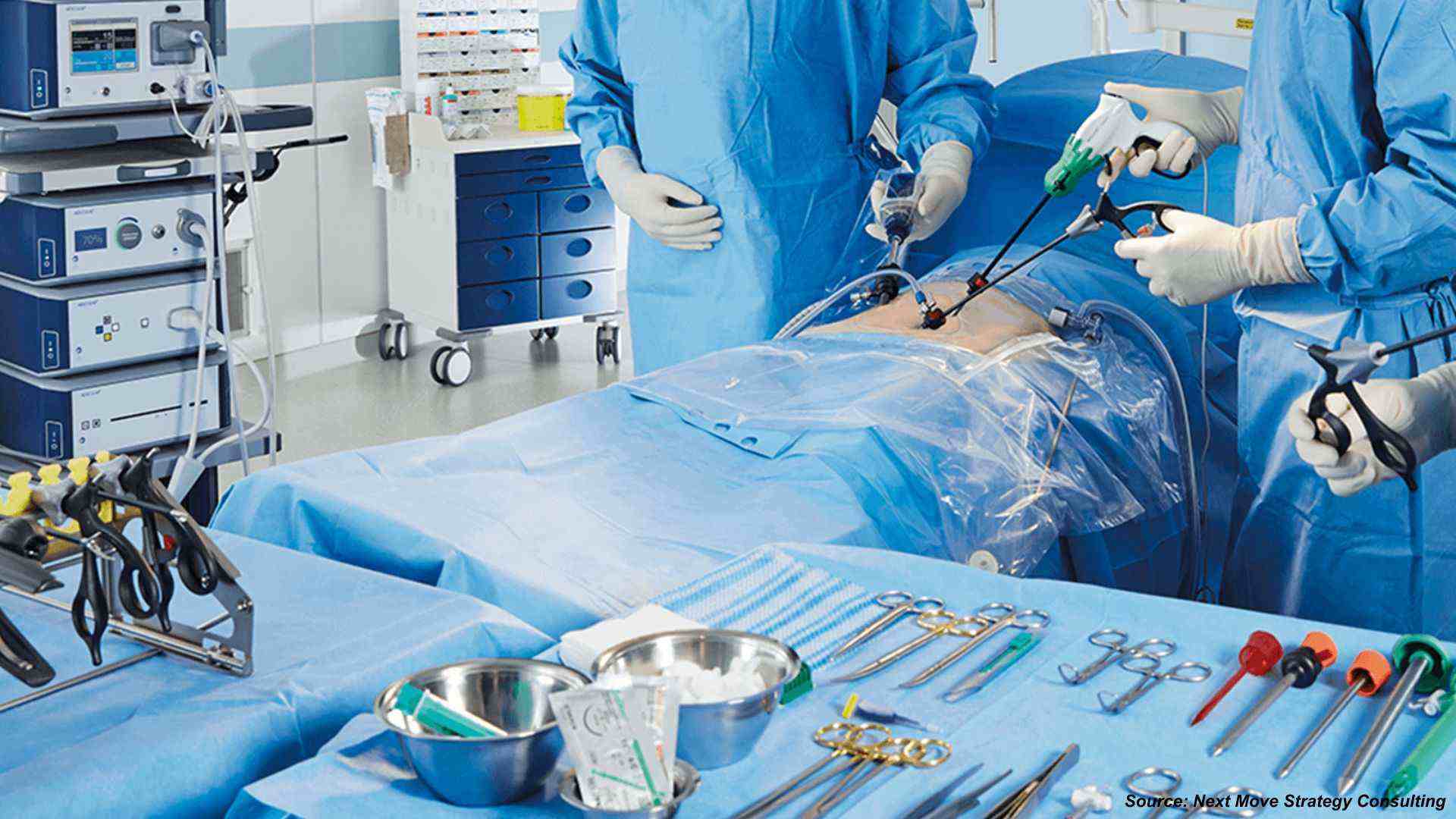
Minimally invasive technologies are gaining prominence in oncology treatments due to their ability to reduce patient recovery time and minimise surgical risks. Techniques such as image-guided biopsies, ablation therapies, and endoscopic procedures allow for the precise targeting of tumours with smaller incisions, leading to quicker recovery and less postoperative pain. These advancements are particularly beneficial for patients with early-stage cancers or those who are not candidates for traditional surgery. For oncology device manufacturers, focusing on developing advanced minimally invasive tools meets the rising demand for such treatments. Companies prioritise innovation in device design, enhance training for healthcare professionals, and ensure their products comply with regulatory standards to effectively tap into this growing market segment.
How is Personalised Medicine Influencing Oncology Device Innovation?
Personalised medicine is reshaping oncology by tailoring treatments to individual genetic profiles, leading to more effective and targeted therapies. This approach necessitates the development of advanced diagnostic and therapeutic devices capable of analysing genetic data and delivering customized treatments. The oncology diagnostics market, which plays a crucial role in personalized medicine, is expected to grow significantly in the coming years. For companies in the oncology device sector, embracing personalized medicine involves investing in genomic technologies, collaborating with research institutions, and developing devices that integrate seamlessly with genetic testing platforms. By aligning product development with the principles of personalized medicine, companies enhance treatment efficacy and patient satisfaction.
Disposable income significantly influences the growth of the oncology device market expansion from a personalized medicine perspective by determining patient access and healthcare system investment capacity. Higher disposable income enables patients and insurers to afford advanced diagnostic tools and targeted therapies, which are more expensive than conventional treatments, thereby accelerating market adoption.

The chart illustrates that countries with higher gross disposable per capita income, such as the U.S. and Luxembourg, are better positioned to drive growth in the oncology device market. A greater level of disposable income enables individuals and healthcare systems in these nations to invest in advanced oncology devices, which are essential for personalized cancer diagnostics and treatments. As a result, markets in wealthier countries experience quicker adoption of innovative oncology technologies, fostering market expansion and encouraging continued investment from manufacturers and innovators.
How is Bioelectric Medicine Impacting Oncology Device Development?
Bioelectric medicine is emerging as a novel approach in oncology treatment, utilising electrical fields to disrupt cancer cell division and enhance the efficacy of existing therapies. Technologies developed by companies like Novocure employ low-intensity electric fields to treat cancers such as glioblastoma and mesothelioma. This innovative treatment modality is gaining attention for its potential to improve patient outcomes with minimal side effects. For oncology device manufacturers, exploring bioelectric medicine presents an opportunity to diversify their product offerings and address unmet medical needs. Companies invest in research to understand the mechanisms of bioelectric therapies, collaborate with academic institutions, and develop devices that integrate with conventional treatment regimens to provide comprehensive cancer care solutions.
What are the Key Market Drivers, Breakthroughs, and Investment Opportunities that will Shape the Oncology Devices Industry in the Next Decade?
The oncology device market opportunities is experiencing significant growth, driven by advancements in technology, increasing cancer prevalence, and a shift toward personalised medicine. Innovations such as artificial intelligence (AI) minimally invasive procedures, and bioelectric therapies are enhancing diagnostic accuracy and treatment efficacy. These developments are not only improving patient outcomes but also expanding the range of treatment options available. As the demand for more precise and effective cancer care rises, the market is poised for continued expansion, with projections indicating substantial growth in the coming years.
However, this growth is accompanied by challenges that need to be addressed. High treatment costs, regulatory hurdles, and disparities in healthcare access impede the widespread adoption of advanced oncology devices. Despite these obstacles, opportunities abound for companies to innovate and invest in areas like AI integration, interventional oncology, and personalized treatment solutions. By navigating these challenges and capitalizing on emerging trends, stakeholders contribute to the evolution of oncology care and meet the growing demand for effective cancer treatments.
Growth Drivers:
How is the Demand for Early Detection and Cancer Screening Driving the Oncology Device Market?
The increasing focus on early cancer detection and routine screening is significantly boosting the demand for oncology devices. Early diagnosis improves patient survival rates and reduces the need for aggressive treatments, which makes advanced diagnostic tools such as PET/CT scanners, MRI systems, molecular imaging devices, and biopsy kits essential in clinical practice. Hospitals and diagnostic centres are increasingly investing in these technologies to enable timely intervention and accurate disease staging. Moreover, awareness campaigns and preventive healthcare initiatives are encouraging more people to undergo regular screening, further driving the adoption and sales of oncology devices globally.
How are Government and Private Sector Initiatives Influencing the Adoption of Oncology Devices?
Government policies and private sector programs are playing a pivotal role in driving the adoption of oncology devices. Supportive reimbursement policies, public funding for cancer care infrastructure, and health insurance coverage for diagnostic and therapeutic procedures make advanced oncology technologies more accessible. Private institutions and NGOs are also investing in hospital modernization, training programs for healthcare professionals, and awareness campaigns for cancer detection. These initiatives help hospitals and clinics justify the acquisition of costly but high-precision oncology devices, thereby expanding their deployment in both urban and underserved regions. Consequently, government and private sector involvement directly fuels market growth.
Growth Inhibitors:
What Challenges do High Costs and Regulatory Hurdles Pose to the Oncology Device Market?
High treatment costs associated with advanced oncology devices limit accessibility, particularly in low- and middle-income countries. Regulatory hurdles, including lengthy approval processes and stringent compliance requirements, delay the introduction of innovative devices to the market. Additionally, disparities in healthcare infrastructure and a shortage of trained medical professionals in certain regions hinder effective deployment and utilisation of these devices. Addressing these challenges requires cost-reduction strategies, streamlined regulatory pathways, and improved healthcare infrastructure to ensure equitable access to advanced oncology care.
What Emerging Investment Opportunities are Present in Digital Health Integration and Underserved Regions?
Emerging investment opportunities in the oncology device market challenges are centred around innovations in personalized medicine, digital health integration, and expansion into underserved regions. Investments in advanced diagnostic tools, such as liquid biopsy technologies and AI-powered imaging systems, present significant growth potential. Digital health solutions, including remote monitoring and telemedicine platforms, enhance patient engagement and treatment adherence, creating avenues for investment. Furthermore, the Asia-Pacific region, with its rapidly improving healthcare infrastructure and increasing cancer prevalence, offers lucrative opportunities for market expansion. Strategic investments in these areas drive innovation and broaden access to advanced oncology care, aligning with global healthcare priorities.
How Is the Oncology Device Market Segmented in this Report, and What are the Key Insights from the Segmentation Analysis?
By Product Category Insights
Is the Oncology Device Market Expanding Across Diverse Segments in 2025?
Based on product category, the market is segmented into diagnostic and imaging devices, radiation therapy systems, interventional oncology devices, chemotherapy devices, surgical oncology devices, biopsy and sampling devices, in-vitro diagnostic and molecular devices, monitoring and support devices, digital and information systems, and accessories and consumables.
Advanced imaging technologies, including MRI, CT scans, PET, and molecular imaging, are pivotal in the early detection and accurate diagnosis of cancer. These devices enable clinicians to visualise tumours, assess their size and location, and plan appropriate treatment strategies. The integration of artificial intelligence (AI) in imaging is further enhancing diagnostic accuracy and efficiency. On the other hand, radiation therapy systems are essential in treating various types of cancer by using high-energy radiation to target and destroy cancer cells. Technological advancements have led to more precise delivery of radiation, minimising damage to surrounding healthy tissues. These systems are integral in both curative and palliative care settings, offering significant benefits in managing cancer.
Chemotherapy devices are used to administer chemotherapeutic agents to patients, targeting rapidly dividing cancer cells. These devices include infusion pumps, catheters, and port systems, ensuring controlled and precise delivery of chemotherapy drugs. Advancements in chemotherapy delivery systems have improved patient comfort and treatment efficacy, contributing to better outcomes in cancer therapy. Whereas biopsy and sampling devices are crucial for obtaining tissue samples to diagnose cancer and determine its stage. Advancements in biopsy techniques, such as core needle biopsies and liquid biopsies, have improved diagnostic accuracy and patient comfort. These devices are integral in personalised treatment planning and monitoring disease progression.
By Application Insights
Which Applications are Driving the Growth of the Oncology Device Market in 2025?
On the basis of application, the market is segmented into screening and early detection, diagnosis and staging, treatment delivery, and post-treatment monitoring.
Screening and early detection are critical in improving cancer survival rates, as early-stage diagnosis significantly enhances treatment outcomes. Devices such as imaging systems (CT, MRI, PET), molecular diagnostics, and liquid biopsy platforms enable clinicians to detect tumors before symptoms appear. According to the WHO, early detection and screening programs reduce mortality for breast, cervical, and colorectal cancers by 20–30%. Increasing awareness, preventive health initiatives, and government-supported screening campaigns are driving higher adoption of these devices globally.
Accurate diagnosis and staging of cancer are vital for treatment planning and prognosis assessment. Diagnostic devices, including biopsy tools, imaging modalities, and molecular assays, allow clinicians to identify tumour type, stage, and genetic mutations. The National Cancer Institute (NCI) emphasises that precise staging is essential to determine appropriate therapies and predict outcomes. Rising demand for precision oncology and personalised treatment plans has driven hospitals and clinics to adopt advanced diagnostic and staging devices, fueling market growth.
On the other hand, treatment delivery devices, such as chemotherapy infusion pumps, radiation therapy systems, and interventional oncology equipment, are essential for administering cancer therapies efficiently and safely. These devices ensure precise dosing, minimize side effects, and improve patient compliance. As cancer incidence rises, healthcare providers are increasingly investing in advanced treatment delivery technologies, contributing to the expansion of the oncology device market.
By End User Insights
Which End Users are Driving the Adoption of Oncology Devices in 2025?
On the basis of end user, the market is segmented into hospitals, oncology clinics, diagnostic centers, ambulatory and specialty centers, and research institutions.
Hospitals remain the largest end users of oncology devices due to their comprehensive treatment capabilities, high patient volumes, and access to multidisciplinary care teams. They utilize devices across diagnostics, treatment delivery, and monitoring, including imaging systems, radiation therapy units, and infusion pumps. According to WHO, tertiary hospitals provide the infrastructure necessary for complex oncology care, which makes them key drivers of device demand. Oncology clinics specialize in cancer diagnosis, treatment, and follow-up care, providing focused services like chemotherapy, targeted therapy, and outpatient radiation therapy. These clinics increasingly adopt advanced oncology devices to enhance treatment precision and efficiency. Rising demand for specialized cancer treatment outside traditional hospitals is driving the adoption of devices in oncology clinics.
Meanwhile, diagnostic centers play a critical role in cancer detection and staging through imaging systems, biopsy tools, and molecular diagnostics. These centers cater to outpatient populations seeking early screening or second opinions. Growing awareness of preventive care and increasing demand for early detection services are fueling the adoption of oncology devices in diagnostic centers. Ambulatory and specialty centers offer outpatient cancer care, including minor procedures, chemotherapy, and radiation therapy. Their flexible care models and shorter patient stay require compact, efficient oncology devices. These centers are increasingly integrating portable imaging systems, infusion pumps, and telemedicine-enabled monitoring solutions. This trend is driving steady demand for devices tailored for outpatient oncology care.

Regional Outlook
The oncology device market share is geographically studied across North America, Europe, Asia Pacific, Middle East & Africa, and Latin America and each region is further studied across countries.
Oncology Device Market in North America
North America continues to lead the global oncology device industry, driven by advanced healthcare infrastructure, high healthcare spending, and favourable regulatory policies. The integration of AI in oncology is particularly prominent, with AI-enabled oncology information systems enhancing treatment planning and patient management. North America’s growth is attributed to its well-developed digital infrastructure and favourable regulatory policies. Government programs related to oncology medical appliances in North America include research funding initiatives, changes to access and coverage policies, and pilot programs for technology review. These factors collectively contribute to the region's robust market growth.
Oncology Device Market in the United States
The United States remains at the forefront of oncology device adoption, owing to substantial investments in healthcare innovation and a high prevalence of cancer. The FDA has approved several AI-based oncology devices, underscoring the nation's commitment to integrating cutting-edge technologies in cancer care. The FDA's approval of several AI-based oncology devices underscores the nation's commitment to integrating cutting-edge technologies in cancer care. These advancements are expected to further propel the demand for oncology devices, positioning the U.S. as a leader in the global market.
Oncology Device Market in Canada
Canada's healthcare system emphasizes accessibility and quality, fostering the adoption of AI-driven oncology solutions. Government initiatives and collaborations with tech companies are accelerating the integration of AI in cancer diagnostics and treatment. The Canadian healthcare system's focus on patient-centered care and the adoption of digital health technologies contribute to the growing demand for advanced oncology devices. These efforts aim to enhance early detection, personalized treatment, and overall patient outcomes, driving the market's expansion in Canada.
Oncology Device Market in Europe
Europe exhibits a diverse landscape in oncology device adoption, with countries like Germany, Denmark and France leading in technological integration. This growth is fueled by increasing investments in AI technologies and a strong emphasis on digital health solutions. The European Union's initiatives to enhance AI deployment in key industries, including healthcare, further bolster the region's position in the global oncology device market segmentation. These developments underscore Europe's commitment to advancing cancer care through technological innovation.
Also, healthcare expenditure plays a crucial role in driving market growth by enabling greater investment in advanced medical technologies, infrastructure, and services. Higher spending ensures that healthcare systems adopt the latest innovations, such as oncology devices, expand patient access to quality care, and support routine upgrades or replacements of equipment. As public and private healthcare funding rises, the market sees increased demand, faster technology diffusion, and stronger incentives for manufacturers to innovate and expand their offerings, resulting in a dynamic and competitive healthcare landscape.

The chart shows that countries with higher healthcare expenditure, such as Denmark and Germany, are better equipped to invest in advanced oncology devices, leading to more robust market growth. Increased healthcare spending allows these nations to allocate significant resources towards purchasing, upgrading, and implementing cutting-edge oncology technologies, which are essential for effective cancer diagnosis and treatment. As a result, strong public and private healthcare funding in these countries accelerates the adoption of innovative oncology devices, stimulates domestic and international market demand, and drives overall market expansion.
Oncology Device Market in the United Kingdom
The United Kingdom emphasises precision medicine, with AI playing a pivotal role in personalised cancer treatment. National health initiatives support the integration of AI technologies to enhance diagnostic accuracy and treatment outcomes. The UK's National Health Service has been at the forefront of adopting digital health solutions, including AI-driven oncology devices, to improve patient care. These efforts aim to streamline cancer diagnostics, optimize treatment plans, and ultimately improve survival rates, contributing to the growth of the oncology device market trends in the country.
Oncology Device Market in Germany
Germany's strong healthcare infrastructure and research capabilities facilitate the adoption of advanced oncology devices. The country's focus on medical technology innovation supports the integration of AI in oncology care. Germany's healthcare system emphasises efficiency and quality, fostering an environment conducive to the adoption of AI-driven oncology solutions. Collaborative efforts between healthcare providers, research institutions, and technology companies are accelerating the development and implementation of advanced oncology devices, driving market growth in Germany.
Oncology Device Market in France
France is investing in AI to improve cancer care delivery, focusing on early detection and personalized treatment approaches. Collaborations between healthcare providers and tech companies are fostering the development of AI-driven oncology solutions. The French government's support for digital health initiatives and the integration of AI technologies in healthcare contribute to the growing demand for advanced oncology devices. These efforts aim to enhance diagnostic accuracy, optimize treatment plans, and improve patient outcomes, driving the market's expansion in France.
Oncology Device Market in Italy
Italy's healthcare system is gradually integrating AI technologies to enhance oncology services. Regional disparities exist, with northern regions adopting advanced technologies more rapidly than southern areas. The Italian government's initiatives to promote digital health and AI adoption in healthcare aim to bridge these disparities and foster nationwide growth in the oncology device market challenges. Investments in research and development, along with collaborations between healthcare providers and technology companies, are accelerating the integration of AI in oncology care across the country.
Oncology Device Market in Spain
Spain is focusing on digital health initiatives, including AI applications in oncology, to improve patient outcomes and streamline healthcare services. National strategies aim to promote the use of AI in cancer care. The Spanish government's support for digital health transformation and the adoption of AI technologies in healthcare contribute to the growing demand for advanced oncology devices. These efforts aim to enhance early detection, personalize treatment approaches, and ultimately improve survival rates, driving the market's growth in Spain.
Oncology Device Market in Nordics
The Nordic countries, known for their strong digital health frameworks, are early adopters of AI in oncology. National health systems support the integration of AI technologies to enhance cancer care delivery. Collaborative efforts between healthcare providers, research institutions, and technology companies are accelerating the development and implementation of AI-driven oncology solutions in the region. These initiatives aim to improve diagnostic accuracy, optimize treatment plans, and enhance patient outcomes, contributing to the growth of the oncology device industry in the Nordic countries.
Oncology Device Market in the Asia-Pacific
The Asia-Pacific region is witnessing rapid growth in the oncology device market, driven by increasing cancer incidence and advancements in medical technology. This growth is fueled by rising healthcare investments, expanding digital health infrastructure, and a growing emphasis on early cancer detection and personalized treatment. Countries like India, China, and Japan are leading the adoption of AI-driven oncology solutions, contributing to the region's dynamic market expansion.
Oncology Device Market in China
China's large population and rising cancer rates are accelerating the adoption of AI in oncology. Government policies and investments in healthcare infrastructure are facilitating the integration of AI technologies in cancer care. The Chinese government's initiatives to promote digital health and AI adoption in healthcare contribute to the growing demand for advanced oncology devices. These efforts aim to enhance early detection, personalize treatment approaches, and ultimately improve survival rates, driving the market's growth in China.
Oncology Device Market in Japan
Japan's aging population and emphasis on healthcare innovation are driving the adoption of AI in oncology. The integration of AI technologies aims to improve diagnostic accuracy and treatment efficiency. Japan's healthcare system focuses on providing high-quality care to its ageing population, fostering the adoption of AI-driven oncology solutions. Collaborative efforts between healthcare providers, research institutions, and technology companies are accelerating the development and implementation of advanced oncology devices, contributing to the growth of the market in Japan.
Oncology Device Market in India
India's healthcare system is increasingly adopting AI-driven oncology solutions to address the growing cancer burden. Initiatives like Punjab's launch of AI-enabled screening devices for early cancer detection exemplify the country's commitment to integrating AI in healthcare. The Indian government's support for digital health transformation and the adoption of AI technologies in healthcare contribute to the growing demand for advanced oncology devices. These efforts aim to enhance early detection, personalize treatment approaches, and ultimately improve survival rates, driving the market's expansion in India.
Oncology Device Market in South Korea
South Korea's advanced technological infrastructure supports the integration of AI in oncology. Research institutions and healthcare providers are collaborating to develop AI-driven cancer care solutions. South Korea's healthcare system emphasizes innovation and efficiency, fostering an environment conducive to the adoption of AI technologies in oncology care. Investments in research and development, along with collaborations between healthcare providers and technology companies, are accelerating the integration of AI in oncology care, driving market growth in South Korea.
Oncology Device Market in Taiwan
Taiwan is leveraging AI technologies to enhance cancer diagnostics and treatment planning. Public and private sector collaborations are fostering the development of AI applications in oncology. Taiwan's healthcare system focuses on providing high-quality care through technological innovation, promoting the adoption of AI-driven oncology solutions. These efforts aim to improve diagnostic accuracy, optimize treatment plans, and enhance patient outcomes, contributing to the growth of the oncology device market in Taiwan.
Oncology Device Market in Indonesia
Indonesia is focusing on improving cancer care accessibility through digital health initiatives. The adoption of AI in oncology is gradually increasing, supported by government policies and international partnerships. Indonesia's healthcare system aims to enhance service delivery and patient outcomes by integrating AI technologies in cancer care. Collaborative efforts between healthcare providers, research institutions, and technology companies are accelerating the development and implementation of AI-driven oncology solutions, driving market growth in Indonesia.
Oncology Device Market in Australia
Australia's healthcare system is integrating AI in oncology to improve service delivery and patient outcomes. National strategies support the adoption of AI technologies in cancer care. Australia's emphasis on digital health transformation and the integration of AI technologies in healthcare contribute to the growing demand for advanced oncology devices. These efforts aim to enhance early detection, personalize treatment approaches, and ultimately improve survival rates, driving the market's expansion in Australia.
Oncology Device Market in Latin America
Latin America's market is expanding, with countries like Brazil and Mexico leading in adoption. This growth is driven by increasing public and private sector investments in healthcare, the proliferation of AI-based medical products and services, and the rising demand for AI-powered telemedicine platforms across the region. These factors contribute to the growing adoption of advanced oncology devices in Latin America.
Oncology Device Market in the Middle East & Africa
The Middle East and Africa region is witnessing growth in AI adoption in oncology, driven by increasing cancer prevalence and government initiatives. This growth is fueled by rising cancer prevalence, growing government initiatives, and technological advancements. Increasing cancer prevalence and growing awareness are boosting the demand for integrating AI-powered algorithms in their solutions. These factors contribute to the expansion of the oncology device market in the Middle East and Africa.
Competitive Landscape
Which Companies Dominate the Oncology Devices Industry and How do they Compete?
The oncology device industry is led by Siemens Healthineers, GE HealthCare, Philips, Canon Medical Systems, and IBA Worldwide, with specialized players like Sensus Healthcare and Hologic complementing the landscape. Siemens Healthineers excels in hybrid imaging systems such as PET/CT and SPECT/CT, while GE HealthCare leverages AI analytics for enhanced diagnostics. Philips integrates imaging and therapy solutions for patient-centric care, and Canon focuses on high-resolution imaging. IBA Worldwide dominates proton therapy, securing a significant global share. Companies compete by offering comprehensive solutions across diagnosis, treatment, and monitoring, emphasizing technology innovation, AI integration, and global distribution networks.
Market Dominated by Oncology Devices Giants and Specialists
The market is shaped by both large multinational corporations and niche-focused specialists. Giants like Siemens, GE, and Philips provide end-to-end oncology solutions, covering imaging, treatment delivery, and monitoring. Specialists, including Sensus Healthcare and Nordion, target specific niches such as superficial radiation therapy or isotopes for brachytherapy. This division allows large players to capitalize on scale and brand reputation, while specialists capture high-margin segments requiring targeted innovation. Consequently, competition is structured around technology leadership, clinical efficacy, and geographic penetration, creating a dynamic landscape where each type of player leverages its strengths to maintain relevance in a growing global market.
Innovation and Adaptability Drive Market Success
Leading companies continuously innovate to enhance diagnostic precision, treatment efficiency, and patient experience. Siemens Healthineers has introduced AI-assisted imaging and adaptive therapy planning systems. GE HealthCare focuses on cloud-based solutions and predictive analytics to optimize workflows. Similarly, Philips developed integrated platforms combining imaging, therapy, and monitoring for personalized oncology care. Canon Medical Systems emphasizes improved image quality with reduced radiation doses. IBA Worldwide pushes forward with proton therapy advancements. Smaller innovators, such as C-RAD and Sensus Healthcare, develop specialized devices for surface-guided radiotherapy and non-invasive skin cancer treatment. Continuous R&D and flexible technology adoption allow these firms to differentiate themselves in a competitive, innovation-driven market.
Market Players to Opt for Merger & Acquisition Strategies to Expand their Presence
Mergers and acquisitions are key strategies for market expansion and technology access. Hologic’s USD 18.3 billion acquisition by Blackstone and TPG strengthens its diagnostics and oncology offerings. IBA Worldwide partners with the University of Pennsylvania Health System to deploy proton therapy units, expanding its clinical footprint. Siemens Healthineers and Philips have also acquired AI startups to strengthen their software capabilities. Such strategic moves enable companies to access new markets, integrate advanced technologies, and enhance competitiveness in the global oncology devices sector.
List of Key Oncology Devices Companies
-
Siemens Medical Solutions USA, Inc.
-
CANON MEDICAL SYSTEMS CORPORATION
-
IB IBA Worldwide
-
Hologic, Inc
-
C-RAD
-
Sensus Healthcare, Inc.
-
AngioDynamics.
-
Boston Scientific Corporation
-
FUJIFILM Holdings Corporation
-
Shimadzu Corporation
-
Konica Minolta, Inc
-
Samsung Medison
-
Nordion Inc
What Are the Latest Key Industry Developments?
-
August 2025- Philips plans to invest over USD 150 million in manufacturing and R&D across the U.S., focusing on expanding production of AI-powered health technology innovations. This strategic move aims to enhance Philips' AI capabilities in ultrasound systems, bolstering its presence in the oncology diagnostics market.
-
March 2025- IBA reported a 7% increase in net sales for 2024, with proton therapy systems contributing significantly to the growth. This performance highlights IBA's strong position in the global proton therapy market, reflecting continued demand for advanced oncology treatment solutions.
-
December 2024- Siemens Healthineers acquired Advanced Accelerator Applications from Novartis, enhancing its molecular imaging capabilities in positron emission tomography (PET) scans. This acquisition strengthens Siemens' position in the oncology diagnostics sector, enabling more precise and personalized cancer care.
-
November 2024- Canon Medical Systems' Aquilion ONE / INSIGHT Edition CT scanner was awarded the 2024 Best New Radiology Device at the Minnies Awards. This recognition underscores Canon's commitment to innovation in imaging technology, supporting advancements in oncology diagnostics.
-
July 2024- GE HealthCare announced an agreement to acquire the clinical artificial intelligence business from Intelligent Ultrasound. This acquisition is set to enhance GE HealthCare's AI-driven imaging solutions, improving diagnostic accuracy and treatment planning in oncology care.
What Are the Key Factors Influencing Investment Analysis & Opportunities in the Oncology Device Market?
The oncology device market demand is attracting significant investment due to rising cancer prevalence, technological innovation, and growing adoption of AI-driven diagnostic and therapeutic solutions. Funding trends indicate increased venture capital inflows into startups focusing on AI-powered imaging, molecular diagnostics, and minimally invasive treatment technologies. Strategic partnerships and acquisitions by established players, such as Siemens Healthineers’ acquisition of Advanced Accelerator Applications and Philips’ investments in AI-based ultrasound technologies, are further boosting market confidence.
Investment hotspots are concentrated in North America and Europe, driven by strong healthcare infrastructure, regulatory support, and high patient demand. Asia-Pacific is emerging as a lucrative region, particularly in India, China, and Japan, where increasing healthcare expenditure and rising cancer awareness create opportunities for innovative oncology devices. Valuations for AI-integrated platforms and proton therapy solutions are rising, indicating a robust growth potential for investors seeking both technological leadership and clinical impact.
Key Benefits for Stakeholders:
Next Move Strategy Consulting (NMSC) presents a comprehensive analysis of the oncology device market drivers, covering historical trends from 2020 through 2024 and offering detailed forecasts through 2030. Our study examines the market at regional and country levels, providing quantitative projections and insights into key growth drivers, challenges, and investment opportunities across all major oncology devices segments.
The oncology devices industry offers substantial benefits to a range of stakeholders. Investors gain from strong market growth, high valuations for innovative AI-integrated platforms, and strategic acquisition opportunities, which promise attractive returns and portfolio diversification. Healthcare providers and hospitals benefit from advanced diagnostic and therapeutic tools, enabling more accurate, personalised, and efficient cancer care, improving patient outcomes and operational efficiency. Patients experience earlier detection, minimally invasive treatments, and better monitoring, which enhance survival rates and quality of life. Additionally, technology developers and startups profit from increased funding and partnership opportunities with established players, fostering innovation and accelerating the commercialisation of cutting-edge solutions across global markets.
Report Scope
|
Parameters |
Details |
|
Market Size in 2025 |
USD 257.82 Billion |
|
Revenue Forecast in 2030 |
USD 518.56 Billion |
|
Growth Rate |
CAGR of 15.0% from 2025 to 2030 |
|
Analysis Period |
2024–2030 |
|
Base Year Considered |
2024 |
|
Forecast Period |
2025–2030 |
|
Market Size Estimation |
Billion (USD) |
|
Growth Factors |
|
|
Companies Profiled |
15 |
|
Countries Covered |
33 |
|
Market Share |
Available for 10 companies |
|
Customization Scope |
Free customization (equivalent to up to 80 analyst-working hours) after purchase. Addition or alteration to country, regional & segment scope. |
|
Pricing and Purchase Options |
Avail customized purchase options to meet your exact research needs. |
|
Approach |
In-depth primary and secondary research; proprietary databases; rigorous quality control and validation measures. |
|
Analytical Tools |
Porter's Five Forces, SWOT, value chain, and Harvey ball analysis to assess competitive intensity, stakeholder roles, and relative impact of key factors. |
Key Market Segments
By Product category
-
Diagnostic and Imaging Devices
-
CT scanners
-
MRI and PET systems
-
Mammography and ultrasound systems
-
X-ray and fluoroscopy systems
-
Molecular and nuclear imaging systems
-
-
Radiation therapy systems
-
Linear accelerators
-
Proton therapy systems
-
Brachytherapy systems
-
Radiosurgery platforms
-
Treatment planning and QA systems
-
-
Interventional Oncology Devices
-
Ablation systems
-
Embolization and vascular intervention devices
-
Catheters, guidewires, and access needles
-
-
Chemotherapy Devices
-
Infusion pump
-
Implantable chemo ports
-
PICC
-
Others
-
-
Surgical Oncology Devices
-
Surgical navigation and guidance systems
-
Energy-based surgical instruments
-
Endoscopic and minimally invasive tools
-
-
Biopsy and Sampling Devices
-
Core and fine-needle biopsy systems
-
Vacuum-assisted biopsy devices
-
Sampling and specimen-handling accessories
-
-
In-Vitro Diagnostic and Molecular Devices
-
Companion diagnostics
-
Molecular and genetic assays
-
Immunohistochemistry analysers
-
Liquid biopsy platforms
-
-
Monitoring and Support Devices
-
Patient monitoring systems for oncology care
-
Radiation dosimetry and QA equipment
-
Tumour-treating field therapy devices
-
Wearable therapy support devices
-
-
Digital and Information Systems
-
Oncology information systems
-
Treatment planning software
-
AI-enabled detection and planning platforms
-
Tele-oncology and remote monitoring platforms
-
-
Accessories and Consumables
-
Single-use disposables
-
Replacement components
-
Radiation shielding and protective accessories
-
By Application
-
Screening and early detection
-
Diagnosis and staging
-
Treatment delivery
-
Post-treatment monitoring
By End-User
-
Hospitals
-
Oncology clinics
-
Diagnostic centers
-
Ambulatory and specialty centers
-
Research institutions
Geographical Breakdown
-
North America: U.S., Canada, and Mexico.
-
Europe: U.K., Germany, France, Italy, Spain, Sweden, Denmark, Finland, Netherlands, and rest of Europe.
-
Asia Pacific: China, India, Japan, South Korea, Taiwan, Indonesia, Vietnam, Australia, Philippines, Malaysia and rest of APAC.
-
Middle East & Africa (MEA): Saudi Arabia, UAE, Egypt, Israel, Turkey, Nigeria, South Africa, and rest of MEA.
-
Latin America: Brazil, Argentina, Chile, Colombia, and rest of LATAM
Conclusion & Recommendations
Our report equips stakeholders, industry participants, investors, and consultants with actionable intelligence to capitalise on oncology devices’ transformative potential. By combining robust data-driven analysis with strategic frameworks, NMSC’s oncology device market report serves as an indispensable resource for navigating the evolving landscape.
The oncology device market opportunities is poised for robust growth, driven by rising cancer prevalence, rapid technological advancements, and widespread adoption of AI-enabled diagnostics and therapies. Strategic takeaways highlight the importance of innovation, particularly in imaging, molecular diagnostics, and proton therapy, alongside active engagement in mergers, acquisitions, and partnerships to expand market presence. Emerging regions, especially in the Asia-Pacific, offer high-growth potential due to increasing healthcare spending and awareness. Companies that prioritise personalised, efficient, and technologically advanced solutions are likely to maintain competitive advantages and capture significant market share in the coming decade.
Executives and investors capitalise on these trends by targeting high-potential segments, such as AI-integrated imaging, minimally invasive treatment technologies, and proton therapy systems. Investing in R&D collaborations, pursuing strategic acquisitions, and entering emerging regional markets maximise returns while contributing to improved patient outcomes. Careful monitoring of regulatory developments and technological breakthroughs will ensure sustainable growth and informed decision-making.


About the Author
 Mayurima Roy
— Mayurima Roy is Research Analyst at Next Move Strategy Consulting, where she has spent 4 years working across the firm's full industry coverage rather than a single fixed vertical. Her work centers on structured research, ongoing trend tracking, competitive assessment, and insight-led content development, translating complex market data into clear, decision-ready narratives that support informed client decision-making across diverse global industries, market sectors, and world regions every day.
Mayurima Roy
— Mayurima Roy is Research Analyst at Next Move Strategy Consulting, where she has spent 4 years working across the firm's full industry coverage rather than a single fixed vertical. Her work centers on structured research, ongoing trend tracking, competitive assessment, and insight-led content development, translating complex market data into clear, decision-ready narratives that support informed client decision-making across diverse global industries, market sectors, and world regions every day.
About the Reviewer
 Supradip Baul
— Supradip Baul is an accomplished business consultant and strategist with over a decade of rich experience in market intelligence, strategy, technology, and business transformation. His work has included rigorous qualitative and quantitative analysis across multiple industries, helping clients shape investment decisions and long-term roadmaps. Earlier in his career, he was associated with Gartner, where he contributed to industry-leading reports and market share analyses. He has worked with leading global companies and holds an MBA with a dual specialization in Marketing and Finance.
Supradip Baul
— Supradip Baul is an accomplished business consultant and strategist with over a decade of rich experience in market intelligence, strategy, technology, and business transformation. His work has included rigorous qualitative and quantitative analysis across multiple industries, helping clients shape investment decisions and long-term roadmaps. Earlier in his career, he was associated with Gartner, where he contributed to industry-leading reports and market share analyses. He has worked with leading global companies and holds an MBA with a dual specialization in Marketing and Finance.
At Next Move Strategy Consulting, we understand that insightful market research is the cornerstone of successful business decisions. That's why we employ a robust and multifaceted approach, combining various methodologies to deliver the most accurate and actionable data for our clients.

Research Landscape
We navigate the world of research with two primary approaches:
Qualitative Approach
Our qualitative research methodologies involve immersive techniques such as in-depth interviews, focus groups, and observational studies. By engaging directly with individuals and stakeholders, we uncover valuable insights that quantitative data alone may overlook.

Quantitative Research
In tandem with qualitative methodologies, NMSC leverages the power of Quantitative Research to provide a robust foundation of numerical insights. Through systematic data collection and analysis, we quantify patterns, preferences, and market trends, offering a comprehensive view of the business landscape.
Our quantitative research approach employs diverse tools, including surveys, experiments, and statistical modelling. These methodologies enable us to gather data from a large and representative sample, ensuring the statistical significance of our findings. By employing structured questionnaires and standardized data collection methods, we guarantee the reliability and validity of the information we present to our clients.
Quantitative research is particularly effective in measuring the prevalence of trends, assessing market size, and gauging the impact of various factors on consumer behavior. The numerical precision attained through this approach equips our clients with actionable insights, facilitating data-driven decision-making and strategy formulation.


Our Specialized Toolbox for Industry-Specific Market Research
We deploy a specialized arsenal of techniques tailored to meet your unique requirements. Here's a glimpse into our comprehensive toolbox:

Information Procurement
The stage entails acquiring market data or relevant information through various sources and methodologies.


Market Research Approach
We utilize both top-down and bottom-up approaches in market research analysis to achieve a comprehensive understanding of the market dynamics, leveraging the broad perspective of industry trends and macroeconomic factors alongside detailed insights from specific segments and individual companies.

Porters Five Forces Analysis
We conduct Porter's Five Forces analysis to evaluate the competitive landscape of an industry, providing us with insights into factors that affect profitability and strategic positioning.

SWOT Analysis

Forecasting
We utilize a forecasting model to predict future consumption by considering parameters like population, economics, regulations, market competition, drivers, constraints, technology, and pricing. We also employ statistical techniques such as multilinear regression, exponential smoothing, moving average, ARIMA, and Monte Carlo simulations for accurate predictions. In econometric forecasting, we analyzed short-term and long-term event impacts, attributing values based on regulatory frameworks, economic factors, and market events.





 Speak to Our Analyst