Waste to Energy Market By Feedstock Type (Municipal solid waste, Commercial Waste, Industrial waste, and Others), By Conversion Technology (Thermal Technology, Biochemical routes, Mechanical and preprocessing technologies, and Others), By Energy Output Form (Electricity, Steam, and Others), By Plant Size and Scale (Small distributed plants, Medium plants, and Others), By Application (Power generation, Heat generation, Combined Heat and Power, and Others) – Global Analysis & Forecast, 2026–2035
Industry: Energy & Power | Latest Edition: January 30, 2026 | No of Pages: 868 | No. of Tables: 541 | No. of Figures: 486 | Format: PDF | Report Code: EP404
Industry Outlook
The global Waste to Energy Market size was valued at USD 50.93 billion in 2025 and is expected to reach USD 54.62 billion by 2026. Looking ahead, the industry is projected to expand significantly, reaching USD 102.46 billion by 2035, registering a CAGR of 7.24% from 2025 to 2035.
The waste to energy market occupies a central role in the global transition toward more sustainable waste management and energy systems. With increasing urbanization and industrial waste generation, industry facilities provide an effective way to convert non-recyclable waste streams into usable energy, reducing landfill pressure while generating power and heat. The industry spans a variety of technologies, including combustion, gasification, anaerobic digestion and landfill gas capture, each suited to different types of feedstocks and scale of operation. Across regions, governments and private players are investing in projects that balance environmental goals with energy security, positioning market as a complement to broader renewable energy portfolios.
Use cases for waste-to-energy plants extend beyond the simple disposal of refuse, where municipal utilities use electricity and heat from industry plants to support local grids and district heating networks, while industrial users leverage steam and process heat for on-site operations. Biogas and biomethane production offer pathways into cleaner transport fuels and natural gas substitution. Looking forward, the industry is expected to integrate more advanced conversion technologies, digital optimization and circular economy principles. As policy frameworks tighten around emissions and resource recovery, market is evolving from a niche waste management solution into a mainstream contributor to decarbonised energy and resource systems.

The above chart illustrates projected municipal solid waste generation by region, showing substantial growth from 2016 to 2030 and 2050, with the steepest increases in East Asia & Pacific, South Asia, and Sub-Saharan Africa. Rising waste volumes expand the available feedstock for waste-to-energy projects, strengthening the business case for new facilities, especially in rapidly urbanizing, high-growth regions.
What Are the Key Trends in the Waste to Energy Industry?
How is the Waste to Energy Market Evolving with Advanced Conversion Technologies?
One clear trend shaping the circular economy sector is the growing shift from traditional incineration toward advanced conversion technologies such as gasification, pyrolysis, and hybrid thermal-biological systems. These conversion methods offer higher energy efficiency, lower emissions, and the ability to process more diverse waste streams compared to conventional combustion processes. Hybrid plants that combine front-end sorting and anaerobic digestion with thermal conversion are lifting methane yields and enabling broader feedstock usage across municipal, industrial and agricultural waste. For companies, investing in these modular and scalable systems provide competitive differentiation by delivering better environmental performance and meeting tightening regulatory requirements for pollution control and circular resource use.
How is Digitalisation and Optimisation Transforming Waste to Energy Plant Operations?
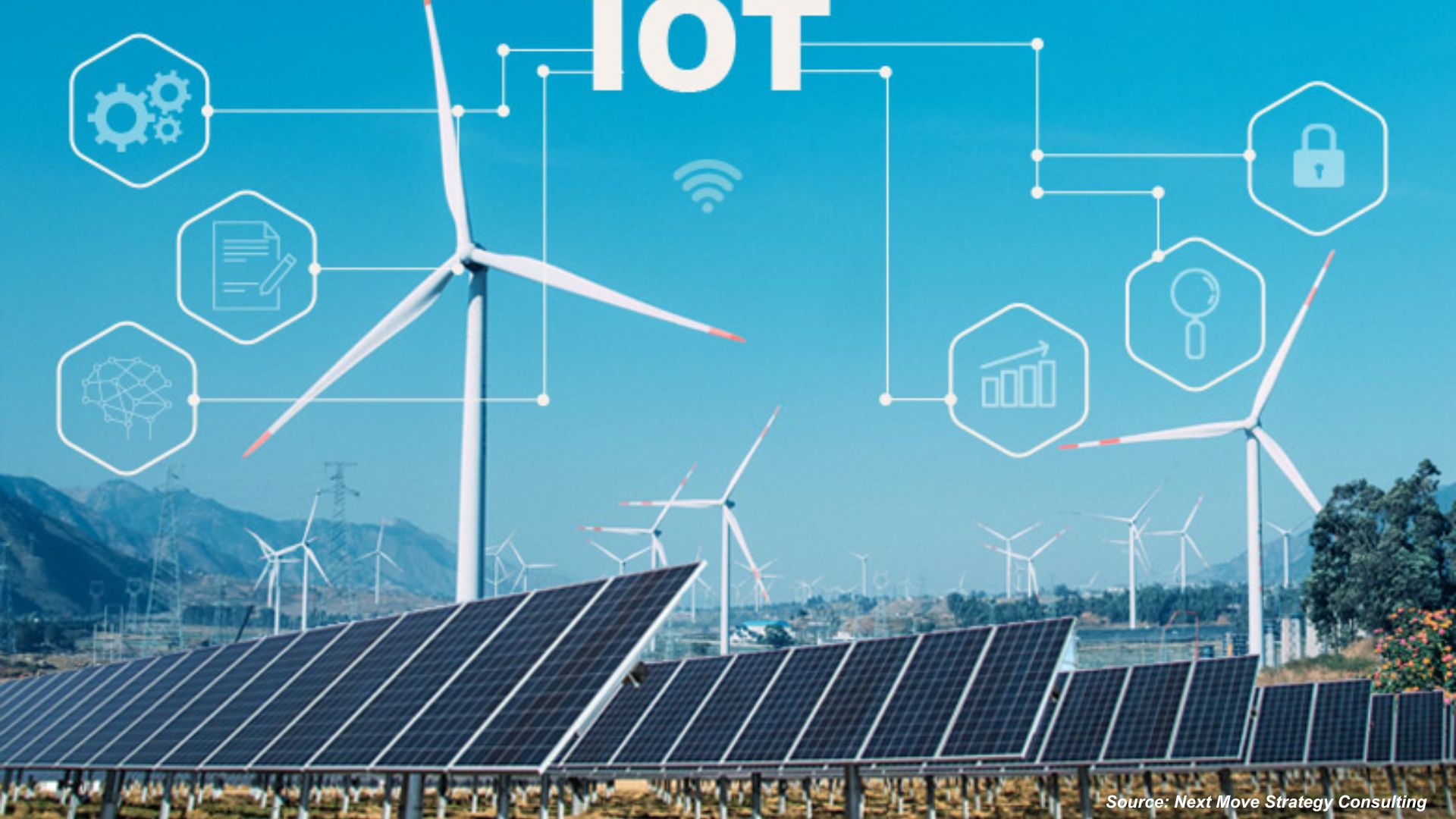
Digital transformation is becoming a central trend in waste to energy plant design and operations, with IoT sensors, AI-driven waste sorting and predictive maintenance increasingly deployed to improve efficiency and reduce downtime. Through real-time data analytics, companies optimise feedstock mix, automate emissions controls, enhance energy recovery rates, and reduce operational costs. For investors and operators, integrating digital solutions early provides both performance gains and clearer data for financing discussions. Strategic partnerships with technology providers also establish a platform for continuous improvement and scalable solutions that extend across regions and facility scales. As waste volumes and energy demands grow, digital optimisation helps ensure plants remain resilient, efficient and compliant with evolving environmental standards.
IoT integration optimizes waste-to-energy by enabling sensor-based waste collection, stable feedstock supply, and real-time monitoring of combustion or digestion conditions, which boosts efficiency and lowers emissions. Predictive maintenance and remote control cut downtime and operating costs, improving plant bankability and supporting smarter, integrated urban waste–energy systems. The chart below shows global IoT connected devices rising from 18.8 billion in 2024 to 36.5 billion by 2029, indicating rapid digitalization. This expansion supports waste-to-energy growth by enabling smarter bin monitoring, optimized collection, real-time plant control, and predictive maintenance, which enhance feedstock reliability, energy efficiency, and project bankability.

How is the Waste to Energy Market Tapping into Circular Economy and Decarbonisation Goals?
The waste to energy market is increasingly being linked to broader circular economy and decarbonisation objectives, shifting perception from simple waste disposal toward integrated resource recovery. With global municipal solid waste expected to reach a greater size, energy recovery from waste plays a role in reducing landfill methane emissions and supporting renewable energy supply. Policymakers in Europe, Asia-Pacific and parts of Africa are tightening landfill diversion targets and embedding energy from waste within national sustainability frameworks, tying operation approvals and incentives to climate commitments. For example, countries are integrating WtE electricity into renewable portfolio standards and exploring combinations with solar or wind to enhance energy system reliability. For companies, aligning strategies with circular economy principles, such as pairing waste-to-energy technology with material recycling or nutrient recovery, unlocks new revenue streams, strengthens stakeholder support and enhances access to green financing and carbon markets.
How is Biogas Production from Waste Opening New Investment Avenues in the Waste to Energy Market?
Biogas and biomethane production from organic waste is emerging as a valuable extension of the Waste to Energy landscape, providing a low-carbon fuel option that supports grid injection or transport energy needs. Projects converting municipal solid waste, agricultural residues and sewage sludge into methane are gaining traction globally, notably in regions aiming to decarbonise transport and heating sectors through renewable gas adoption. For instance, new waste-to-methane initiatives are being developed where produced methane gas fuels vehicle fleets, illustrating potential for alternative energy revenue beyond power generation. Investing in anaerobic digestion infrastructure and biogas upgrading provides companies with diversified income streams and stronger resilience to fluctuations in power tariffs. Additionally, coupling biogas systems with carbon management incentives enhances return profiles and aligns with renewable natural gas objectives, making this area a compelling frontier for energy and waste management investors.
What Are the Key Market Drivers, Breakthroughs, And Investment Opportunities That Will Shape the Waste to Energy Industry in the Next Decade?
The market today is positioned at the intersection of rising waste volumes and the global shift toward renewable energy and sustainable waste management. Municipal solid waste generation continues to grow rapidly with urbanization and industrial activity, creating pressure on landfills and prompting governments and private players to adopt waste to energy solutions.
These systems convert non-recyclable waste into usable forms of energy such as electricity, heat, steam, and renewable gas, offering an alternative to traditional fossil fuel-based power. Waste to energy plants serve applications in utilities, industrial facilities, district heating, and biogas networks, contributing to circular economy and resource efficiency goals while supporting national climate strategies.
Despite progress, the industry continues to evolve with innovations in conversion technologies such as advanced thermal and biological processes, improved emissions controls, and digital optimisation tools. As regulatory frameworks tighten around landfill diversion and greenhouse gas emissions, waste to energy is becoming a complementary solution within broader renewable energy portfolios. Continued investment in technology, supportive policies, and integration with smart grids and material recovery systems suggest a trajectory toward greater deployment and sustainability impact in the coming decade.
Growth Drivers:
Why is Rising Waste Generation and Urbanization Driving the Waste to Energy Market?
The growth of the waste to energy market is strongly driven by increasing global waste generation and urbanization. Rapid expansion in population and consumption has led cities and industries to produce growing volumes of municipal solid waste that traditional disposal systems are struggling to handle. Market offer a dual advantage by addressing waste management challenges and producing energy simultaneously, reducing dependence on landfills, which are nearing capacity in many regions. This urgency for effective waste processing aligns with the rise in renewable energy demand as nations pursue decarbonisation and energy security objectives. Governments are increasingly incentivising technologies that minimise landfill use while converting waste into electricity, heat, or renewable gas. The simultaneous pressure of waste management needs and clean energy targets creates a structural demand that continues to lift market deployment globally.

The chart shows the size of the urban population in 2024 across six developed economies. Higher urban populations typically correlate with greater and more concentrated municipal solid waste generation, which in turn expands the addressable feedstock base for waste-to-energy (WtE) facilities in these markets. In countries such as Germany, the UK, and France, the large urban cohorts support economies of scale for incineration, anaerobic digestion, and RDF-based WtE plants, improving project viability and encouraging further investment in advanced waste treatment infrastructure. Meanwhile, smaller but still significantly urbanized markets like Canada, South Korea, and Australia can leverage rising urban density to justify regional WtE hubs and integrated waste management systems.
How are Regulatory Policies and Renewable Energy Mandates Supporting Waste to Energy Adoption?
Regulatory frameworks and renewable energy mandates are significant growth drivers in the waste to energy market because they create incentives and obligations that favour clean energy from waste sources. Many countries have introduced stringent environmental regulations that limit landfill disposal, impose greenhouse gas reduction targets, and promote circular economy principles.
As a result, waste to energy plants become attractive solutions that help municipalities comply with these standards while also contributing to renewable energy quotas. Policies such as feed-in tariffs, tax credits, subsidies, and renewable energy mandates enhance the economic viability of projects, particularly when combined with public-private partnerships and financial support mechanisms. These frameworks not only encourage new facility deployment but also attract investment from utilities and infrastructure funds seeking predictable long-term returns tied to sustainable energy and waste management solutions.
Growth Inhibitors:
What Challenges do High Capital Costs and Public Perception Pose to Waste to Energy Market Growth?
One of the most persistent inhibitors to market expansion is the high initial capital cost associated with building and operating facilities. Developing a waste to energy plant requires significant upfront expenditure on land, advanced conversion technology, emissions control systems, and infrastructure, often challenging for municipalities or developers in budget-constrained regions. Additionally, lengthy payback periods and complex regulatory compliance deter investors who might prioritise lower-risk energy projects. Beyond financial barriers, public perception issues continue to slow deployment. Communities’ express concerns about potential air emissions, odour, and environmental impacts, leading to opposition during permitting processes and project delays. These combined economic and social challenges increase development timelines and costs, requiring strategic engagement and transparent operations to gain acceptance and move projects forward.
How Can Advanced Technologies and Digital Integration Create New Investment Opportunities in Waste to Energy?
Emerging investment opportunities in the waste to energy market are rooted in technological innovation and digital transformation. Advances in thermal and biological conversion processes, such as improved gasification, pyrolysis, and anaerobic digestion, are enhancing efficiency and expanding the types of waste that can be processed effectively. These technologies increase energy recovery rates, reduce emissions, and open pathways to produce higher-value products like synthetic fuels or advanced biomethane. In parallel, digital tools, including IoT-enabled monitoring, predictive maintenance, and AI optimisation improve plant performance and reliability. This convergence of sophisticated technology and digital systems makes market projects more attractive to investors by reducing operational costs and improving revenue predictability. As smart grid integration and sustainability priorities grow, early investment in next-generation waste conversion platforms and digital solutions represents an opportunity for differentiated returns tied to environmental benefit and long-term market resilience.
How Waste to Energy Market Segmented in This Report, And What Are the Key Insights from the Segmentation Analysis?
By Feedstock Type Insights
Is Feedstock Type Shaping the Waste to Energy Market Landscape Today?
Based on feedstock type, the waste to energy Market is segmented into municipal solid waste, commercial waste, industrial waste, agricultural and forestry residues, sewage sludge and wastewater solids, landfill gas and capture gas, solid recovered fuel and refuse derived fuel, and hazardous and special waste.
Across the global waste to energy market, feedstock type is a foundational driver of deployment patterns, technology choice, and revenue outcomes. Among all feedstocks, municipal solid waste (MSW) leads due to its sheer volume and year-on-year growth, with global MSW generation estimated at about 2.1 billion tonnes annually and expected to rise significantly to 3.8 billion tonnes by 2050 without further intervention. This high availability makes MSW the primary input for incineration, gasification, and landfill gas recovery systems that produce electricity, heat, and renewable gas. Industrial waste contributes significantly in regions with heavy manufacturing, offering a steady but more variable composition suitable to combined thermal and biochemical treatment. Landfill gas capture stands out for methane utilisation, as modern recovery systems increasingly convert potent greenhouse gas into energy, supporting carbon reduction goals. Other feedstocks like agricultural and forestry residues, sewage sludge and solid recovered fuels play growing roles in niche biogas and fuel replacement pathways. Together, this feedstock diversity influences plant design, energy yield, and sustainability outcomes for technology providers and utilities alike.
By Conversion Technology Insights
Is Thermal Technology Leading the Conversion Technology Market in 2025?
On the basis of conversion technology, the waste to energy Market is segmented into thermal technology, biochemical routes, and mechanical and preprocessing technologies.
In 2025, thermal (thermochemical) conversion technologies are the dominant segment in the waste to energy market, largely due to their versatility, scalability, and ability to handle varied biomass feedstocks for energy and fuel production. Thermal routes lead in deployment and capacity because they generate multiple energy products (heat, liquids, gas) and are supported by established infrastructure. Biochemical routes hold a vital niche role in producing biogas and bioethanol, particularly from wet organic wastes, but lag in total market share due to slower processing and scale constraints. Mechanical and preprocessing technologies, while essential for optimizing feedstock quality and conversion efficiency, remain supportive in nature and account for a smaller direct share of the market relative to primary energy conversion processes.

By Energy Output Form Insights
Is Electricity the Most Valuable Energy Output Form in the Conversion Technology Market?
On the basis of energy output form, the waste to energy Market is segmented into electricity, steam, hot water, renewable gas, and liquid fuel.
Electricity remains the most prominent energy output form within the waste to energy market due to its versatility, grid relevance, and substantial generation volumes from biomass and waste feedstocks. It continues to be widely deployed across thermal, biochemical, and gasification systems, supported by global data showing significant electricity production from biomass sources. Steam and hot water are essential intermediate and end-use outputs in industrial and district energy contexts, enhancing the overall efficiency of conversion installations, especially in CHP applications. Renewable gas production, on the other hand, is increasingly important as it provides a flexible, dispatchable fuel for multiple applications and supports the decarbonization of gas networks. Liquid fuels such as bioethanol and biodiesel play a strategic role in transport energy, filling gaps were electrification and gaseous fuels face limitations. Collectively, while all forms contribute to the transition to cleaner energy, electricity leads in scale and market impact, with other outputs complementing broader decarbonization goals.
By Plant Size and Scale Insights
Is Plant Size and Scale Driving Market Value in the Waste to Energy Market?
On the basis of plant size and scale, the waste to energy Market is segmented into small distributed plants, medium plants, large plants, and landfill-scale gas capture sites.
In 2025, large plants tend to dominate the waste to energy market in terms of energy output and economic scale, as they process substantial quantities of biomass and deliver significant electricity and heat at the grid scale. They exploit economies of scale where feedstock concentrations and infrastructure allow. Medium plants play a crucial role in serving regional demands by balancing investment and capacity, while small distributed plants are vital for decentralized, community-level energy access and localised waste-to-energy applications, often supported by the deployment of small biogas systems globally. Landfill-scale gas capture sites represent a niche but important segment focused on methane recovery from waste, contributing renewable gas and electricity while driving environmental benefits in regions with developed waste management systems.
By Application Insights
Which Applications are Driving the Waste to Energy Market in 2025?
On the basis of application, the waste to energy Market is segmented into power generation, heat generation, combined heat and power, gas production, transport fuel production, and waste volume reduction.
Power generation stands out as the most dominant application of waste to energy, driven by significant global bioenergy electricity production and policy support to expand renewable electricity capacity. Heat generation continues to be a crucial application, supplying industrial and building thermal demands. Combined Heat and Power (CHP) enhance energy efficiency by simultaneously delivering heat and power, making it attractive for integrated energy systems. Gas production (biogas/biomethane) is gaining traction as a flexible renewable fuel that supports multiple energy uses, including injection into natural gas grids. Transport fuel production via biofuels remains strategically important for decarbonising mobility, particularly where electrification faces limitations. Finally, waste volume reduction ties into circular economy goals by converting organic waste streams into valuable energy forms, cutting landfill emissions and enhancing resource use. Collectively, these application segments reflect a diversified market where electricity leads due to scale and policy momentum, while other applications provide complementary pathways toward broader decarbonization.
By End-User Insights
Is Municipal Authorities the Largest End User in the Waste to Energy Market in 2025?
On the basis of end-user, the waste to energy Market is segmented into municipal authorities, power utilities, industrial users, district heating operators, waste management companies, and others.
Municipal authorities are the dominant end user segment in the waste to energy market, largely because they control public waste streams and integrate energy recovery infrastructure into urban planning and waste management strategies. Power utilities follow as major adopters, leveraging conversion technologies to diversify renewable energy portfolios and meet regulatory targets. Industrial users are significant due to their large energy demands and waste generation, driving on-site energy conversion investments. District heating operators are increasingly important in regions with centralised heat networks, using biomass and waste sources for low-carbon heat delivery. Waste management companies play a critical role by diverting market outputs and supporting environmental goals. The other segment rounds out the market with smaller-scale, decentralised applications that contribute to broader adoption of conversion technologies across diverse contexts.
Regional Outlook
The waste to energy market is geographically studied across North America, Europe, Asia Pacific, the Middle East & Africa, and Latin America and each region is further studied across countries.
Waste to Energy Market in North America
In North America, waste to energy activity is driven by waste management pressures, landfill constraints, and clean energy priorities. The U.S. and Canada have longstanding MSW combustion with energy recovery as part of integrated waste hierarchies, reducing landfill volumes while recovering heat and power from residual waste. According to U.S. EPA guidance on energy recovery, waste combustion remains a key tool for converting non-recyclable waste into usable energy and lowering landfill dependency, though exact national capacity data are scarce in public EPA stats. Municipalities increasingly consider WtE in sustainability plans as waste grows with urbanization, reinforcing investment in controlled conversion technologies that support circular economy ambitions.
Waste to Energy Market in the United States
In the U.S., Waste to Energy is integrated into municipal solid waste strategies chiefly through combustion facilities that recover energy and cut landfill dependency. EPA documentation explains that energy recovery from municipal solid waste uses controlled thermal processes to generate heat and power from non-recyclable refuse, representing a middle step between recycling and disposal. While a significant portion of MSW is still landfilled, WtE supports renewable energy goals and reduces lifecycle emissions by offsetting fossil energy use. Federal and state renewable policies, coupled with landfill constraints in urban centers, continue to maintain U.S. interest in improving WtE efficiency and regulatory compliance.
Waste to Energy Market in Canada
Canada’s WtE landscape reflects a more modest deployment compared to its neighbour, but municipal and provincial authorities are increasingly incorporating energy from waste within broader solid waste strategies. According to the Canadian Infrastructure Council, Canada had roughly 20 energy from waste facilities along with 20 anaerobic digestion sites in its publicly owned solid waste infrastructure, underscoring that controlled energy recovery is established but not yet widespread. Expanded WtE deployment is supported by provincial waste diversion mandates and technology shifts toward cleaner waste processing. This incremental growth helps relieve landfill pressures and contributes to provincial renewable energy targets.
Waste to Energy Market in Europe
Europe leads global WtE deployment through stringent waste directives, high landfill taxes, and renewable energy commitments. According to IRENA renewable energy statistics, Europe has sustained significant renewable capacity growth across technologies, with bioenergy, which includes WtE, contributing to decarbonization. WtE is commonly integrated with district heating and CHP systems in northern and central Europe, enabling efficient use of residual MSW. EU waste policy actively diverts waste from landfills, while emissions controls and circular economy strategies encourage investment in higher efficiency conversion technologies, driving Europe’s mature, policy-driven WtE market.
Waste to Energy Market in the United Kingdom
In the UK, WtE plays a central role in municipal waste management and energy recovery amid ambitious landfill diversion goals. Government circular economy frameworks aim to limit landfill use dramatically through recycling and energy recovery pathways. Recent data highlight that nearly half of residual municipal waste is incinerated to recover energy, with circular economy strategies focusing on increasing recycling first and using WtE where recycling isn’t feasible. These policy drivers ensure that energy recovery infrastructure remains a key component of sustainable waste management and supports national energy targets.
Waste to Energy Market in Germany
Germany’s advanced waste to energy market benefits from strict waste hierarchy laws and strong CHP integration. Germany continues to process significant volumes of residual waste thermally under EU directives requiring diversion from landfills. Renewable capacity statistics demonstrate overall growth in bioenergy as part of diversified renewable portfolios, where WtE contributes to local energy systems, particularly in integrated heat networks. These policy and technology drivers sustain Germany’s position as a leading European market.
Waste to Energy Market in France
In France, WtE is bolstered by national waste management and circular economy programs that prioritize landfill reduction and energy recovery. French municipalities use thermal conversion to produce electricity and heat from MSW, helping reduce fossil energy use and meet national climate targets. Renewable statistics from IRENA indicate continued investment and deployment in bioenergy and related technologies, supporting the country’s broader clean energy expansion.
Waste to Energy Market in Italy
Italy’s WtE deployment forms part of its broader renewable and waste management strategy. The country’s thermal waste processing capacity contributes to municipal energy recovery and limits landfill use in regions with strong recycling growth. Though granular Italy-specific 2025 data from government sources aren’t fully published, Italy’s inclusion in IRENA’s renewable energy capacity trends signifies national progress in energy diversification, where WtE complements solar, wind, and bioenergy generation. Policy emphasis on circular economy frameworks further supports WtE growth.
Waste to Energy Market in Spain
In Spain, waste to energy development occurs amid regional waste management reforms and renewable energy targets. Spanish authorities encourage energy recovery from residual municipal waste within integrated waste plans that prioritize recycling and reuse first. Spain’s participation in broader European renewable capacity expansion shows WtE remains part of its decarbonization toolkit, improved by efficiency gains in energy recovery systems.
Waste to Energy Market in the Nordics
The Nordic countries exhibit some of the most efficient WtE use globally, integrating heat recovery into district energy networks that significantly lower fossil fuel use for heating. National commitments to climate neutrality and advanced recycling systems compel waste management policies that use WtE for energy and heat where recycling can’t address residual waste. IRENA’s renewable energy trends show continued bioenergy growth, reflecting strong policy support for waste conversion within low carbon energy transitions.
Waste to Energy Market in the Asia-Pacific
Asia Pacific is the fastest growing waste to energy market, driven by rapid urbanization and mounting municipal waste. Renewable capacity data show bioenergy growth globally, which includes WtE deployment in several countries. China, India, and Japan are expanding WtE infrastructure to handle vast waste streams and generate clean energy. National policies emphasize landfill diversion and renewable energy, making WtE a strategic component of national waste and energy portfolios.
Waste to Energy Market in China
In China, WtE is a major focus of urban waste management due to severe landfill constraints and high waste volumes. Data show substantial renewable energy growth, including bioenergy, while market reports indicate China operates hundreds of large WtE facilities processing tens of millions of tonnes of waste annually. Despite challenges of feedstock availability, government enforcement of emissions and waste policies ensures WtE remains central to municipal waste strategies and energy transition goals.
Waste to Energy Market in Japan
Japan has one of the densest networks of waste to energy facilities globally due to limited land for landfills and stringent environmental policy. IRENA renewable capacity trends document incremental bioenergy additions including waste conversion. With advanced combustion and energy recovery systems, Japan uses WtE to generate electricity and reduce landfill reliance, aligning with national sustainability objectives while addressing waste disposal constraints.
Waste to Energy Market in India
India has expanded waste to energy capacity significantly; government data shows 228 MW of WtE projects added over the past decade as part of broader bioenergy and renewable initiatives supported by MNRE programs. India’s rapid urban waste growth, landfill congestion, and national waste policies stimulate new WtE projects in major cities. WtE complements India’s renewable portfolio expansion and supports urban sustainability objectives while reducing pressure on landfills.
Waste to Energy Market in South Korea
In South Korea, limited landfill space and strong environmental standards support waste to energy deployment, integrated with national waste management frameworks. Renewable energy statistics show bioenergy trends as part of diversified renewables, and South Korea’s emissions pricing policies incentivize WtE technologies that reduce methane from landfills and contribute to renewable electricity generation.
Waste to Energy Market in Taiwan
Taiwan operates one of East Asia’s most established waste to energy (WtE) systems, with about 17 large municipal waste incineration plants that collectively treat approximately 6.5 million tons of municipal and industrial waste annually and produce over 3.3 billion kWh of electricity per year, significantly reducing landfill demands. These plants are critical because Taiwan has limited landfill space and dense urban populations, prompting authorities to integrate WtE into national waste and energy strategies. Upgrades to operational capacity and emissions controls have lowered pollutants while increasing electricity generation, helping Taiwan address both waste disposal and energy service goals through controlled energy recovery from residual waste streams.
Waste to Energy Market in Indonesia
Indonesia is rapidly expanding its waste to energy infrastructure to manage burgeoning municipal waste generation, which accumulates 35 million metric tons of waste nationally per year. In response, the sovereign fund Danantara Indonesia plans to launch at least eight WtE projects in 33 cities by late 2025, beginning with Jakarta and other major urban centres. These facilities are expected to convert municipal solids of processed waste, aligning with the nation’s broader electricity supply plan. Government support, such as eliminating tipping fees, further accelerates investment and deployment.
Waste to Energy Market in Australia
In Australia, waste to energy initiatives are steadily advancing as growing waste volumes and limited landfill capacity drive interest in alternative recovery solutions. Historically, WtE infrastructure has been modest, but recent large-scale projects, like the Kwinana Energy Recovery facility in Western Australia, demonstrate the country’s increasing commitment to converting waste into usable energy. Differences in state policies create inconsistencies in implementation, yet the combined pressures of urban waste growth and environmental sustainability goals are fostering broader adoption of WtE technologies. Overall, Australia’s focus on reducing landfill reliance and enhancing energy recovery indicates significant potential for expansion in the sector.
Waste to Energy Market in Latin America
Latin America’s waste to energy market is emerging against a backdrop of rapid urbanization and increasing municipal solid waste generation, prompting national and municipal policymakers to consider energy recovery as part of integrated waste management. Government and UN-affiliated reports indicate that many countries in the region are beginning to evaluate and pilot WtE facilities to divert waste from landfills and generate electricity, although comprehensive 2025 official capacity data remain limited. Driven by regional energy transition commitments and circular economy ambitions, local authorities are increasingly incorporating WtE within broader environmental and energy policies to reduce landfill usage and harness residual waste for power generation.
Waste to Energy Market in the Middle East & Africa
In the Middle East & Africa (MEA), WtE adoption is at an early stage but poised for growth as urban waste volumes increase and governments pursue diversified, low-carbon energy mixes. Research highlights that MEA countries account for a relatively smaller portion of global waste but face significant landfill challenges as populations expand. National sustainability frameworks and renewable energy targets, especially in GCC states with high per capita waste generation, are gradually incorporating waste conversion technologies to reduce environmental impact and support energy diversification. Although official government figures for 2025 are limited, infrastructure development and environmental mandates are expected to drive incremental investments across the region.
Competitive Landscape
Which Companies Dominate the Waste to Energy Industry and How Do They Compete?
The waste to energy market is shaped by global heavyweights alongside strong regional specialists. Veolia Environnement leads with extensive global operations in waste management and energy recovery, driving circular solutions across five continents and aiming to be a benchmark in ecological transformation. SUEZ remains a major competitor with advanced waste treatment and recovery services across 40+ countries. In North America, Waste Management (WM) and Republic Services operate massive landfill gas-to-energy portfolios and innovative recycling networks, while Waste Connections serves niche secondary markets with strong landfill gas capture rates. Biffa, MVV Energie AG, Viridor, EEW, AVR, A2A, Urbaser, Indaver, and Tersa bolster competition by combining localized energy recovery with broader waste services, competing on technology, scale, and sustainability integration across regions.
Market Dominated by Waste to Energy Giants and Specialists
Competition in the WtE market is a mix of global giants and regional specialists. Large multinationals such as Veolia and SUEZ leverage scale, broad service portfolios, and strong R&D to deploy advanced energy recovery systems worldwide. North American leaders like Waste Management and Republic Services emphasize landfill gas to energy and integrated recycling platforms that underpin long term municipal contracts. European specialists like Biffa, MVV Energie AG, Viridor, EEW, AVR, and Indaver compete on optimized thermal technologies and local authority partnerships, particularly in district heating and CHP systems. Italian utility A2A and Spanish-based Urbaser differentiate through integrated urban energy and waste frameworks that serve public and industrial clients. This layered competition shows a market where scale meets specialization, with players adapting to regional regulations, feedstock profiles, and energy demand patterns.
Innovation and Adaptability Drive Market Success
Innovation distinguishes leading WtE players navigating evolving regulatory and sustainability landscapes. Veolia is pioneering advanced incineration technologies and energy capture systems that improve efficiency and reduce emissions, embedding circular economy principles across service lines. SUEZ focuses on digital sorting and smart waste to energy integration, enhancing material recovery while optimizing conversion economics. North American firms like Waste Management and Republic Services invest in automation, landfill gas upgrading to renewable natural gas (RNG), and AI-driven operations to cut costs and increase energy yield. European entities such as Indaver emphasize integrated resource recovery and compliance with stringent EU emissions standards, maximizing both energy output and regulatory alignment. Smaller specialists innovate in CHP integration and modular energy from waste plants. Together, these approaches demonstrate how R&D and operational adaptability underpin competitiveness in the WtE market.
Market Players to Opt for Merger & Acquisition Strategies to Expand their Presence
M&A activity is actively reshaping the WtE landscape, as companies seek scale and strategic assets to compete globally. A high profile example is Veolia’s long-running bid to fully acquire SUEZ, aiming to consolidate waste and energy services under one global champion and enhance circular offerings. This reflects how industry consolidation unlocks cost synergies and broader contract portfolios across regions. In the UK, Viridor, one of the top waste firms alongside Veolia, SUEZ, and Biffa, is in talks for a potential minority sale to Equitix, which already co-owns significant energy recovery assets, illustrating strategic capital partnerships in WtE infrastructure. Other acquisitions, such as Biffa’s purchase of certain Viridor recycling assets, highlight consolidation aimed at expanding service capability and geographic reach within competitive European markets. These real-world strategic moves show how M&A supports broader service integration and scale.
List of Key Waste to Energy Companies
-
Veolia
-
SUEZ
-
Reworld
-
WM Intellectual Property Holdings, L.L.C.
-
Republic Services
-
Biffa
-
MVV Energie AG
-
Viridor Limited
-
EEW Energy from Waste GmbH
-
AVR
-
Urbaser
-
Indaver
-
Tersa
What Are the Latest Key Industry Developments?
-
June 2025- Veolia Environnement and Waga Energy inaugurated a renewable natural gas (RNG) production facility at the Granges landfill in Burgundy, France, supplying over 3,000 households with RNG and reducing CO₂ emissions. This project marks the sixth joint RNG initiative between Veolia and Waga, reinforcing landfill gas capture and upgrading as core WtE strategies.
-
June- Republic Services, in partnership with Ameresco, commissioned a new biomethane/renewable natural gas unit at the Lee County landfill site in Illinois. The facility captures methane previously flared and injects biomethane into the natural gas grid, helping reduce emissions while aligning with state renewable targets.
-
April 2025- Waste Management (WM) unveiled plans for multiple state of the art recycling and RNG facilities across the U.S. as part of a USD 3 billion sustainability strategy. The initiative includes approximately 20 new WM owned RNG projects, turning landfill gas into pipeline quality RNG and furthering WtE integration with recycling services.
-
July 2024- Veolia, together with partners, commenced commercial operation of the Vinca Energy from Waste facility in Belgrade, Serbia, treating ~340,000 t/year of waste and supplying electricity and heat for tens of thousands of households. This project closes along polluting landfill and provides a comprehensive waste management and energy recovery solution under a public private partnership.
-
May 2024- Veolia, Waga Energy, and ENGIE signed a 13 year Biomethane Purchase Agreement for RNG produced from the Claye Souilly landfill, the longest such contract in France’s renewable gas sector. It underscores long term investment confidence in landfill to RNG value chains and supports financing of RNG units without government subsidies.
What Are the Key Factors Influencing Investment Analysis & Waste to Energy Market Opportunities?
Investment in the waste to energy market is increasingly influenced by global sustainability agendas, regulatory support, and the growing need for efficient waste management. Funding trends indicate a shift toward public-private partnerships (PPPs) and green financing, with investors seeking opportunities in projects that combine waste diversion with renewable energy generation. Valuations are largely shaped by the technology deployed, operational efficiency, and alignment with circular economy principles, making advanced thermal and anaerobic digestion solutions particularly attractive.
Geographically, investment hotspots are emerging in regions with high urbanization, limited landfill space, and supportive regulatory frameworks, such as parts of Europe, North America, and the Asia-Pacific. Investors are also focusing on projects that integrate energy recovery with district heating, RNG production, or industrial applications, as these deliver multiple revenue streams and long-term sustainability benefits, enhancing financial viability and reducing risk exposure.
Key Benefits for Stakeholders:
Next Move Strategy Consulting (NMSC) presents a comprehensive analysis of the waste to energy market, covering historical trends from 2020 through 2025 and offering detailed forecasts through 2035. Our study examines the market at regional and country levels, providing quantitative projections and insights into key growth drivers, challenges, and investment opportunities across all major market segments.
The waste to energy market offers distinct benefits to various stakeholders. Investors gain from stable, long-term returns driven by government-backed contracts, renewable energy incentives, and the growing demand for sustainable waste management solutions. Municipal authorities and industrial customers benefit from reduced landfill dependency, lower environmental impact, and access to renewable energy sources such as electricity, heat, or biomethane. Additionally, communities see improved waste management infrastructure and cleaner urban environments, while technology providers and operators capitalize on service contracts and innovation opportunities. Overall, the industry creates a win-win ecosystem, aligning financial, environmental, and social objectives across the value chain.
Report Scope
|
Parameters |
Details |
|
Market Size in 2026 |
USD 54.62 Billion |
|
Revenue Forecast in 2035 |
USD 102.46 Billion |
|
Growth Rate |
CAGR of 7.24% from 2025 to 2035 |
|
Analysis Period |
2025–2035 |
|
Base Year Considered |
2025 |
|
Forecast Period |
2026–2035 |
|
Market Size Estimation |
Billion (USD) |
|
Growth Factors |
|
|
Companies Profiled |
15 |
|
Countries Covered |
33 |
|
Market Share |
Available for 10 companies |
|
Customization Scope |
Free customization (equivalent to up to 80 analyst-working hours) after purchase. Addition or alteration to country, regional & segment scope. |
|
Pricing and Purchase Options |
Avail customized purchase options to meet your exact research needs. |
|
Approach |
In-depth primary and secondary research; proprietary databases; rigorous quality control and validation measures. |
|
Analytical Tools |
Porter's Five Forces, SWOT, value chain, and Harvey ball analysis to assess competitive intensity, stakeholder roles, and relative impact of key factors. |
Waste to Energy Market Key Segments
By Feedstock Type
-
Municipal Solid Waste
-
Mixed Residual Household Waste
-
Separated Organic Waste and Food Waste
-
Yard and Green Waste
-
Paper, Cardboard, and Packaging Residues
-
-
Commercial Waste
-
Retail and Office Waste
-
Hospitality and Institutional Waste
-
-
Industrial Waste
-
Manufacturing Process Waste
-
Industrial Organic Waste and Sludge
-
Chemical and Process Industry Residues
-
Food and Beverage Processing Waste
-
-
Agricultural and Forestry Residues
-
Crop Residues
-
Animal Manure
-
Agro Industrial Waste
-
Forestry Residues
-
-
Sewage Sludge and Wastewater Solids
-
Landfill Gas and Capture Gas
-
Solid Recovered Fuel and Refuse Derived Fuel
-
Hazardous and Special Waste
By Conversion Technology
-
Thermal Technology
-
Incineration With Energy Recovery
-
Combustion Grate and Fluidised Bed Variants
-
Co-Processing in Industrial Furnaces and Cement Kilns
-
Gasification to Syngas
-
Pyrolysis to Oil, Char, and Gas
-
-
Biochemical Routes
-
Anaerobic Digestion and Biogas Systems
-
Fermentation And Biochemical Conversion to Fuels
-
Landfill Gas to Energy Systems
-
-
Mechanical And Preprocessing Technologies
-
Sorting And Separation Systems
-
Mechanical Biological Treatment and Composting
-
Refuse Derived Fuel Production
-
By Energy Output Form
-
Electricity
-
Steam
-
Hot Water
-
Renewable Gas
-
Liquid Fuel
By Plant Size and Scale
-
Small Distributed Plants
-
Medium Plants
-
Large Plants
-
Landfill Scale Gas Capture Sites
By Application
-
Power generation
-
Heat generation
-
Combined heat and power
-
Gas production
-
Transport fuel production
-
Waste volume reduction
By End User
-
Municipal authorities
-
Power utilities
-
Industrial users
-
District heating operators
-
Waste management companies
-
Others
Geographical Breakdown
-
North America: U.S., Canada, and Mexico.
-
Europe: UK. Germany, France, Italy, Spain, Sweden, Denmark, Finland, the Netherlands, and rest of Europe.
-
Asia Pacific: China, India, Japan, South Korea, Taiwan, Indonesia, Vietnam, Australia, Philippines, Malaysia and rest of APAC.
-
Middle East & Africa (MEA): Saudi Arabia, UAE, Egypt, Israel, Turkey, Nigeria, South Africa, and rest of MEA.
-
Latin America: Brazil, Argentina, Chile, Colombia, and rest of LATAM.
Conclusion & Recommendations
Our report equips stakeholders, industry participants, investors, and consultants with actionable intelligence to capitalize on industry transformative potential. By combining robust data-driven analysis with strategic frameworks, NMSC’s Waste to Energy Market Report serves as an indispensable resource for navigating the evolving landscape.
The waste to energy market is positioned for sustained growth, driven by urbanization, regulatory pressures, and the global push toward a circular economy and renewable energy integration. Strategic takeaways highlight the importance of technological innovation, regional policy alignment, and diversified energy recovery solutions. Companies that combine operational efficiency with advanced conversion technologies and long-term partnerships are likely to maintain a competitive edge, while investment in scalable, modular WtE projects offers both environmental and financial upside.
For executives and investors, these insights suggest a proactive approach, where they prioritize regions with supportive regulations and high waste generation, explore partnerships or acquisitions to expand waste to energy market reach, and invest in advanced, flexible technologies that adapt to evolving waste streams. Emphasizing sustainability, operational efficiency, and multiple revenue streams ensures both resilience and long-term value creation in the WtE sector.


About the Author
 Mayurima Roy
— Mayurima Roy is Research Analyst at Next Move Strategy Consulting, where she has spent 4 years working across the firm's full industry coverage rather than a single fixed vertical. Her work centers on structured research, ongoing trend tracking, competitive assessment, and insight-led content development, translating complex market data into clear, decision-ready narratives that support informed client decision-making across diverse global industries, market sectors, and world regions every day.
Mayurima Roy
— Mayurima Roy is Research Analyst at Next Move Strategy Consulting, where she has spent 4 years working across the firm's full industry coverage rather than a single fixed vertical. Her work centers on structured research, ongoing trend tracking, competitive assessment, and insight-led content development, translating complex market data into clear, decision-ready narratives that support informed client decision-making across diverse global industries, market sectors, and world regions every day.
About the Reviewer
 Supradip Baul
— Supradip Baul is an accomplished business consultant and strategist with over a decade of rich experience in market intelligence, strategy, technology, and business transformation. His work has included rigorous qualitative and quantitative analysis across multiple industries, helping clients shape investment decisions and long-term roadmaps. Earlier in his career, he was associated with Gartner, where he contributed to industry-leading reports and market share analyses. He has worked with leading global companies and holds an MBA with a dual specialization in Marketing and Finance.
Supradip Baul
— Supradip Baul is an accomplished business consultant and strategist with over a decade of rich experience in market intelligence, strategy, technology, and business transformation. His work has included rigorous qualitative and quantitative analysis across multiple industries, helping clients shape investment decisions and long-term roadmaps. Earlier in his career, he was associated with Gartner, where he contributed to industry-leading reports and market share analyses. He has worked with leading global companies and holds an MBA with a dual specialization in Marketing and Finance.
At Next Move Strategy Consulting, we understand that insightful market research is the cornerstone of successful business decisions. That's why we employ a robust and multifaceted approach, combining various methodologies to deliver the most accurate and actionable data for our clients.

Research Landscape
We navigate the world of research with two primary approaches:
Qualitative Approach
Our qualitative research methodologies involve immersive techniques such as in-depth interviews, focus groups, and observational studies. By engaging directly with individuals and stakeholders, we uncover valuable insights that quantitative data alone may overlook.

Quantitative Research
In tandem with qualitative methodologies, NMSC leverages the power of Quantitative Research to provide a robust foundation of numerical insights. Through systematic data collection and analysis, we quantify patterns, preferences, and market trends, offering a comprehensive view of the business landscape.
Our quantitative research approach employs diverse tools, including surveys, experiments, and statistical modelling. These methodologies enable us to gather data from a large and representative sample, ensuring the statistical significance of our findings. By employing structured questionnaires and standardized data collection methods, we guarantee the reliability and validity of the information we present to our clients.
Quantitative research is particularly effective in measuring the prevalence of trends, assessing market size, and gauging the impact of various factors on consumer behavior. The numerical precision attained through this approach equips our clients with actionable insights, facilitating data-driven decision-making and strategy formulation.


Our Specialized Toolbox for Industry-Specific Market Research
We deploy a specialized arsenal of techniques tailored to meet your unique requirements. Here's a glimpse into our comprehensive toolbox:

Information Procurement
The stage entails acquiring market data or relevant information through various sources and methodologies.


Market Research Approach
We utilize both top-down and bottom-up approaches in market research analysis to achieve a comprehensive understanding of the market dynamics, leveraging the broad perspective of industry trends and macroeconomic factors alongside detailed insights from specific segments and individual companies.

Porters Five Forces Analysis
We conduct Porter's Five Forces analysis to evaluate the competitive landscape of an industry, providing us with insights into factors that affect profitability and strategic positioning.

SWOT Analysis

Forecasting
We utilize a forecasting model to predict future consumption by considering parameters like population, economics, regulations, market competition, drivers, constraints, technology, and pricing. We also employ statistical techniques such as multilinear regression, exponential smoothing, moving average, ARIMA, and Monte Carlo simulations for accurate predictions. In econometric forecasting, we analyzed short-term and long-term event impacts, attributing values based on regulatory frameworks, economic factors, and market events.





 Speak to Our Analyst