Analysis of Smart Molding with AI, IoT and Predictive Maintenance in Injection Plants
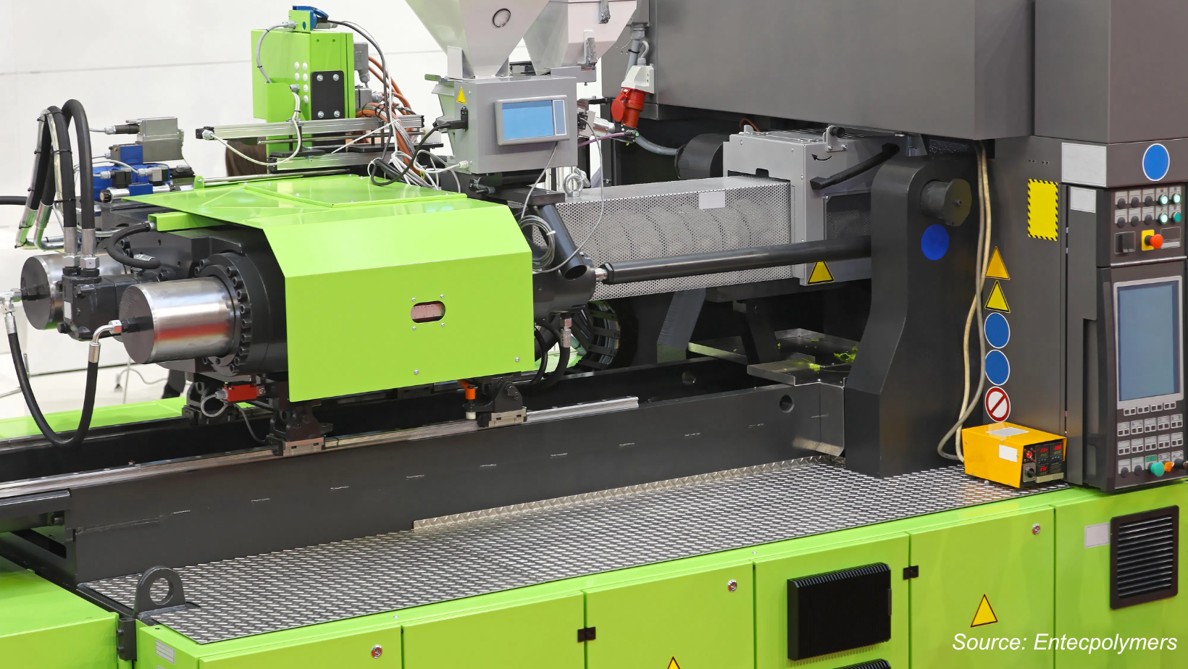
Plastic injection molding products form the backbone of modern manufacturing, delivering precise, repeatable, and high-performance components used across automotive, packaging, consumer goods, electronics, and healthcare industries. In Europe, the plastic injection molding product ecosystem has evolved far beyond conventional mass production. Today, the focus has shifted toward digitally enabled, high-precision, traceable, and sustainable molded products that meet stringent regulatory and performance requirements.
The convergence of Artificial Intelligence (AI), the Internet of Things (IoT), and Predictive Maintenance across molding operations has led to the emergence of what industry experts describe as Smart Molding. This next-generation production approach is fundamentally reshaping the quality, consistency, and scalability of plastic injection molded products—particularly in medical, hospital-grade, and safety-critical applications where zero-defect manufacturing, traceability, and sustainability are non-negotiable.
As Europe accelerates toward digitalized and sustainable manufacturing under the EU Green Deal and Medical Device Regulation (MDR) frameworks, the Europe Plastic Injection Molding Products Market is positioned for steady expansion. According to Next Move Strategy Consulting, the market was valued at USD 210.77 billion in 2024 and is expected to reach USD 224 billion by the end of 2025. It is further projected to grow to USD 264.72 billion by 2030, registering a CAGR of 3.40% between 2025 and 2030.
In this blog, we examine how AI, IoT, and Predictive Maintenance are transforming Europe’s plastic injection molding product landscape, enhancing production efficiency, product quality, sustainability, and regulatory compliance across smart manufacturing and healthcare sectors.
For an In-depth Analysis of the Europe Plastic Injection Molding Products Industry, Try a FREE Sample
AI, IoT, and Predictive Maintenance: The Pillars of Smart Molding
Artificial Intelligence as the Brain of the Factory
Artificial Intelligence has become a critical enabler in delivering high-quality plastic injection molded products with consistent dimensional accuracy and material integrity. Traditionally, variations in temperature, pressure, or material behavior could result in defects such as warpage, sink marks, or inconsistent weights. AI-driven process intelligence eliminates these risks by continuously analyzing historical and real-time production data to self-optimize molding conditions.
AI systems detect micro-variations in melt viscosity, mold temperature, or cavity pressure that could compromise final product quality. Based on these insights, parameters are automatically adjusted to ensure consistent output, enabling near-zero-defect production, which is especially vital for medical devices, pharmaceutical packaging, and automotive safety components.
European manufacturers supplying injection molded products increasingly rely on AI-enabled quality control to meet strict customer and regulatory requirements. These capabilities improve material efficiency, reduce scrap, and ensure that every molded component meets predefined performance standards. As a result, AI is not merely optimizing machines—it is directly enhancing the value, reliability, and market competitiveness of molded plastic products across Europe.
Internet of Things Enabling Intelligent Injection Molding
The Internet of Things acts as the digital backbone that connects molding operations and transforms injection molded products into fully traceable, data-backed outputs. IoT-enabled environments allow real-time monitoring of production variables, energy consumption, cycle performance, and quality metrics across the manufacturing floor.
For Europe’s healthcare and medical sectors, IoT-driven traceability is especially critical. Molded products such as syringes, diagnostic housings, inhaler components, and medical packaging must comply with MDR requirements, which demand complete digital documentation of production conditions. IoT systems automatically log key data points—including mold ID, cavity number, material batch, temperature, humidity, and cycle time—creating a comprehensive digital record for each product. This level of connectivity ensures that injection molded products are not only manufactured with precision but are also digitally validated and audit-ready, enabling seamless integration with hospital inventory systems, supply chains, and cloud-based quality management platforms. IoT thus elevates plastic injection molded products from physical components to data-rich assets within Europe’s smart manufacturing ecosystem.

Predictive Maintenance Enabling Smarter Production Strategies
Predictive Maintenance plays a pivotal role in ensuring the continuous and reliable production of injection molded products. Instead of relying on fixed maintenance schedules or reactive repairs, predictive systems use sensor data and AI analytics to anticipate component wear and potential failures before they disrupt production.
In injection molding environments, sensors continuously track vibration, pressure, temperature, and motor performance. These insights help predict issues that could impact product quality or delivery timelines. Early intervention prevents unplanned downtime, reduces maintenance costs, and safeguards product consistency—particularly important for medical-grade and high-volume consumer applications.
For healthcare-focused molded products, even brief production interruptions can lead to material waste, missed delivery commitments, or compliance risks. Predictive Maintenance ensures uninterrupted production runs, supports ISO 13485 compliance, and strengthens Europe’s position as a reliable supplier of critical plastic components for hospitals, pharmaceutical companies, and medical device manufacturers.
Strategic Company Actions Driving Market Transformation
Across Europe, injection molding product manufacturers are increasingly embedding smart technologies into their production strategies to deliver higher-value, compliant, and sustainable plastic products. Leading players are investing in digital ecosystems that combine process intelligence, connectivity, and predictive insights to meet evolving market expectations.
Companies supplying medical, automotive, and precision-engineered plastic products are leveraging smart molding practices to improve traceability, reduce waste, and meet stringent regulatory standards. Technology partnerships, digital training programs, and cloud-based monitoring platforms are enabling manufacturers to scale production while maintaining quality consistency across facilities.
Specialized product-focused manufacturers, particularly in medical and pharmaceutical segments, are using these innovations to achieve ISO and MDR compliance, reinforcing Europe’s leadership in high-quality injection molded products for regulated industries.

The Future of Smart and Sustainable Injection Molded Products
The Europe plastic injection molding products market is entering a new phase where intelligence, connectivity, and predictive insight define competitive advantage. AI, IoT, and Predictive Maintenance are no longer optional tools; they are essential drivers of efficiency, quality, sustainability, and regulatory compliance.
By adopting smart molding technologies, manufacturers can reduce material waste, enhance product reliability, minimize downtime, and ensure end-to-end traceability. These capabilities are especially critical for healthcare, medical devices, and safety-sensitive industries that demand uncompromising quality standards.
As Europe advances toward Industry 4.0 and sustainable manufacturing goals, injection molding product suppliers that embrace smart, connected, and proactive production models will emerge as long-term partners for healthcare providers, OEMs, and critical industries. The future of plastic injection molded products in Europe is intelligent, compliant, and resilient—and the companies investing today are setting the benchmark for operational excellence tomorrow
About the Author
 Mayurima Roy
— Mayurima Roy is Research Analyst at Next Move Strategy Consulting, where she has spent 4 years working across the firm's full industry coverage rather than a single fixed vertical. Her work centers on structured research, ongoing trend tracking, competitive assessment, and insight-led content development, translating complex market data into clear, decision-ready narratives that support informed client decision-making across diverse global industries, market sectors, and world regions every day.
Mayurima Roy
— Mayurima Roy is Research Analyst at Next Move Strategy Consulting, where she has spent 4 years working across the firm's full industry coverage rather than a single fixed vertical. Her work centers on structured research, ongoing trend tracking, competitive assessment, and insight-led content development, translating complex market data into clear, decision-ready narratives that support informed client decision-making across diverse global industries, market sectors, and world regions every day.
About the Reviewer
 Sikha Haritwal
— Sikha Haritwal is an assistant manager with strong expertise in market research, data analysis, and cross-functional coordination. She plays a key role in leading complex research initiatives, strengthening analytical rigor, and enabling data-driven decision-making across teams. Known for her leadership mindset and structured problem-solving approach, she supports process improvement, enhances operational efficiency, and contributes to building scalable frameworks that drive long-term strategic outcomes and organizational effectiveness.
Sikha Haritwal
— Sikha Haritwal is an assistant manager with strong expertise in market research, data analysis, and cross-functional coordination. She plays a key role in leading complex research initiatives, strengthening analytical rigor, and enabling data-driven decision-making across teams. Known for her leadership mindset and structured problem-solving approach, she supports process improvement, enhances operational efficiency, and contributes to building scalable frameworks that drive long-term strategic outcomes and organizational effectiveness.


















Add Comment