Digitalization and Predictive Maintenance: The Next Growth Frontier for the Railway Traction Motor Market
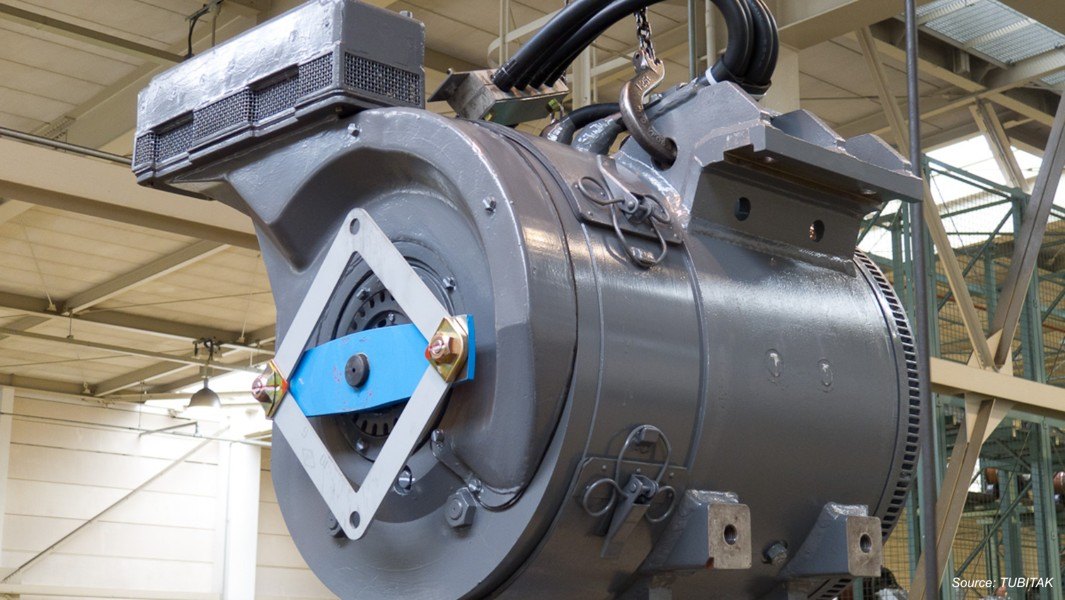
Why Smart Traction Motors Are Becoming the New Competitive Advantage in Modern Railways?
The Railway Traction Motor Market forms the technological backbone of electric locomotives, metro systems, high-speed trains, light rail vehicles, and increasingly hybrid rail platforms. Traction motors convert electrical energy into mechanical power, enabling train movement while directly influencing acceleration, efficiency, reliability, and operating costs. Traditionally, traction motor maintenance relied on periodic inspections and scheduled overhauls. However, the growing complexity of railway operations, coupled with rising fleet utilization rates, is accelerating a transition toward digitally enabled maintenance ecosystems.
According to Next Move Strategy Consulting, the Railway Traction Motor Market size was valued at USD 11.3 billion in 2025, and is expected to be valued at USD 13.17 billion by the end of 2026. The industry is projected to grow, hitting USD 30.84 billion by 2035, with a CAGR of 9.91% between 2026 and 2035. In volume terms, the market was estimated at 517 thousand units in 2025 and is projected to increase from 628 thousand units in 2026 to 1665 thousand units by 2035, registering a CAGR of 11.4% during the forecast period.
Today, railway operators are under mounting pressure to maximize asset availability, reduce lifecycle costs, improve energy efficiency, and prevent service disruptions. Consequently, traction motors are no longer viewed solely as electromechanical components. Instead, they are becoming intelligent assets connected to digital platforms capable of generating continuous operational insights.
The integration of Artificial Intelligence (AI), Internet of Things (IoT) sensors, digital twins, edge computing, machine learning algorithms, and predictive maintenance platforms is transforming how traction motors are monitored and maintained. Our NMSC assessment indicates that digital technologies are shifting railway maintenance strategies from reactive and preventive models toward predictive and prescriptive approaches, creating a new growth frontier for the Railway Traction Motor Market.
The Fundamental Industry Shift from Scheduled Maintenance to Predictive Intelligence
For decades, we observed that railway operators relied on time-based maintenance schedules. While effective to a degree, this approach resulted in unnecessary component replacement or, alternatively, unexpected failures occurring between inspection intervals. However, the emergence of predictive maintenance is fundamentally changing this paradigm. Instead of relying on predetermined schedules, predictive systems continuously monitor traction motor health through real-time data collection and advanced analytics.
Modern traction motors are increasingly equipped with sensors capable of monitoring:
-
Temperature fluctuations
-
Vibration signatures
-
Bearing performance
-
Rotor and stator conditions
-
Current and voltage anomalies
-
Insulation degradation
-
Energy consumption patterns
By analyzing these parameters continuously, operators identify emerging defects before they evolve into costly failures. This shift is particularly important because traction motor failures remain among the most expensive and operationally disruptive events within rail systems. Therefore, digital maintenance is rapidly becoming a strategic investment rather than a maintenance expense.
How AI-Powered Analytics Are Redefining Traction Motor Reliability?
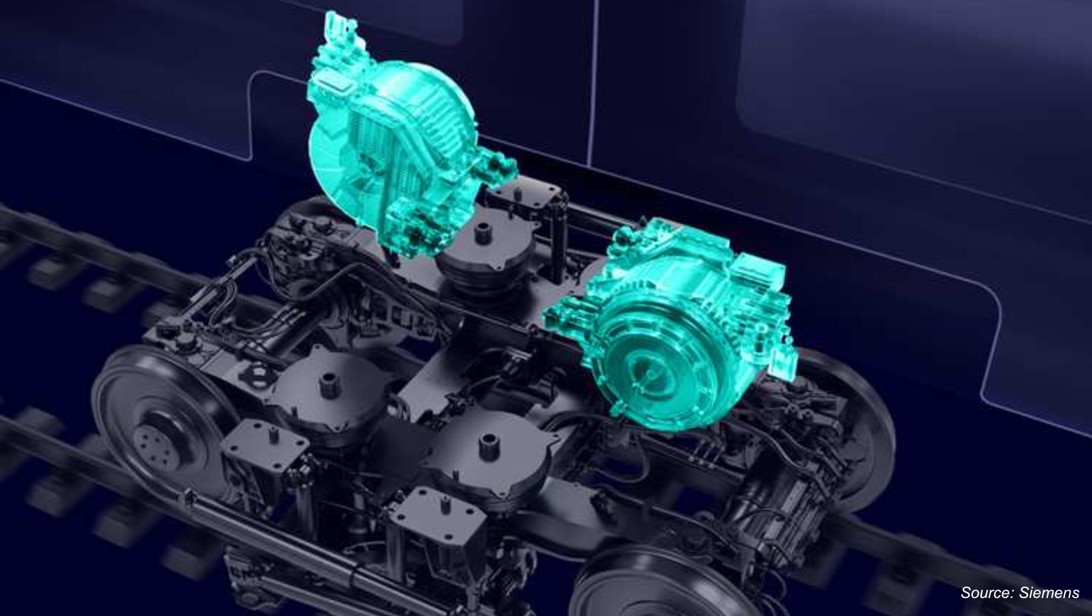
Artificial Intelligence has emerged as one of the most influential technologies shaping the future of railway traction motors. Unlike conventional monitoring systems that simply generate alarms when thresholds are exceeded, AI-based solutions analyze historical and real-time operational data simultaneously. This capability enables algorithms to recognize subtle performance deviations that human inspectors may overlook.
Machine learning models can identify patterns associated with bearing wear progression, rotor imbalance, thermal stress accumulation, electrical insulation deterioration, abnormal vibration frequencies, and load-related performance degradation. As a result, operators receive early warnings long before a component reaches failure conditions.
A notable example is Hitachi Rail’s HMAX digital asset management platform, which leverages AI and data analytics to optimize railway maintenance operations. In November 2025, Hitachi Rail and Tobu Railway launched a strategic initiative to deploy HMAX technology for digital rolling stock maintenance, focusing on automated inspections and data-driven operational improvements. The company highlights that AI-enabled maintenance can enhance reliability while reducing manual intervention requirements.
This development reflects a broader industry movement where AI is becoming embedded within railway asset management strategies, directly influencing traction motor monitoring and lifecycle optimization.
Why Is IoT Monitoring Becoming Essential for Railway Traction Motors?
Based on our market analysis, we found that the rapid advancement of predictive maintenance in the Railway Traction Motor Market is closely linked to the growing adoption of IoT-enabled sensing technologies. Railway operators are increasingly integrating smart sensors into traction motor systems to enable continuous monitoring of critical performance parameters and generate real-time operational data. These sensors serve as the foundation of modern digital maintenance frameworks, allowing maintenance teams to gain deeper visibility into motor health and operating conditions. Since traction motors are exposed to constantly changing loads, speeds, and environmental conditions, continuous data collection provides a much more accurate assessment of asset performance than traditional inspection-based approaches.
At the same time, declining sensor costs and improvements in wireless communication technologies are making large-scale implementation increasingly practical across metro systems, freight locomotives, regional rail networks, and high-speed trains. Industry research published in 2025 highlights that the combination of low-power sensor networks, edge computing, and cloud-based analytics can significantly enhance asset visibility while reducing maintenance expenses and manual inspection requirements. As a result, what was once considered an experimental maintenance strategy is now becoming a core operational requirement, driving greater reliability, efficiency, and lifecycle optimization for railway traction motors.
Condition-Monitoring Platforms Are Becoming the New Rail Operating Standard
The next evolution of predictive maintenance involves integrating traction motor data into enterprise-wide condition-monitoring platforms. Leading rail technology companies are investing heavily in centralized asset management solutions capable of monitoring entire fleets in real time.
For example, Siemens Mobility showcased its Smart Asset Suite powered by Railigent X during Transport Logistic 2025. The platform provides advanced analytics, predictive maintenance capabilities, and operational optimization tools designed to improve locomotive availability and maintenance efficiency. Similarly, Siemens highlighted Railigent X-powered services and digital maintenance solutions at the UITP Summit 2025, demonstrating how cloud-based analytics platforms are becoming central components of modern railway operations.
We noticed that these platforms aggregate data from thousands of assets simultaneously, enabling maintenance teams to prioritize interventions based on actual risk rather than fixed schedules. As a result, traction motor maintenance is becoming increasingly data-driven and operationally efficient.
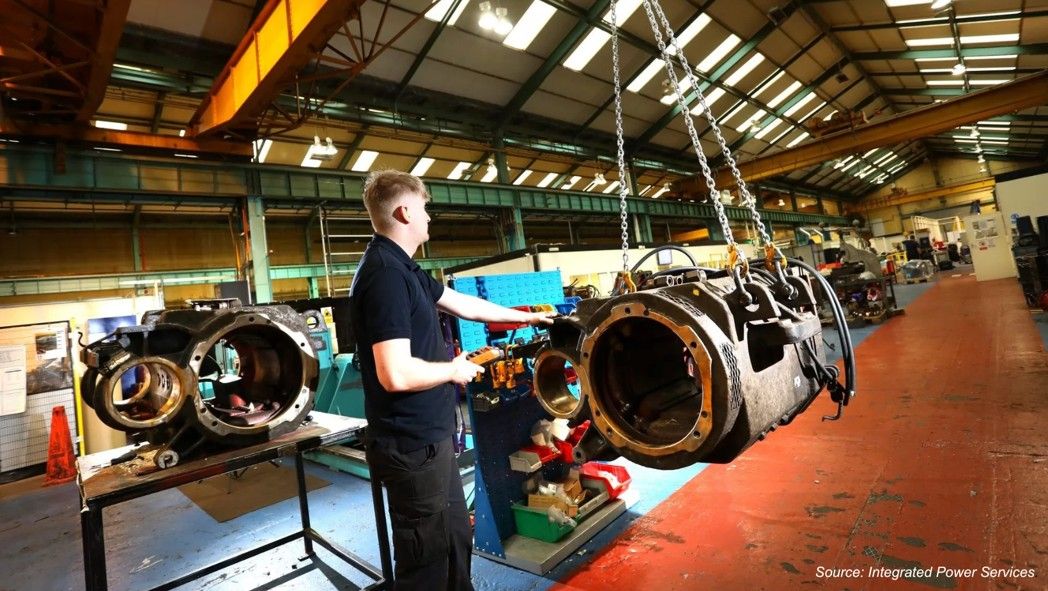
The Future Railway Traction Motor Will Be Intelligent, Connected, and Self-Diagnosing
Looking ahead, the Railway Traction Motor Market is entering a new phase of digital transformation where traction motors are evolving from conventional propulsion components into intelligent assets capable of monitoring, analyzing, and optimizing their own performance. Driven by advancements in artificial intelligence, IoT connectivity, cloud computing, and advanced analytics, future traction motors will play a more active role in railway operations by providing continuous insights into asset health and maintenance requirements. This shift is expected to help operators reduce unexpected failures, improve fleet utilization, and make maintenance decisions based on real-time operating conditions rather than fixed service intervals.
We analysed several advanced technologies that are expected to define the next generation of railway traction motors, including:
-
Embedded AI diagnostics for continuous performance assessment and fault detection
-
Edge computing capabilities that enable faster processing of operational data at the asset level
-
Self-learning predictive algorithms that improve maintenance forecasting over time
-
Real-time health scoring systems that provide instant visibility into motor condition
-
Autonomous fault identification to detect anomalies before they result in failures
-
Cloud-connected maintenance ecosystems that support centralized fleet monitoring
-
Digital twin integration for simulation, performance optimization, and lifecycle management
As these technologies mature, traction motors will increasingly function as self-diagnosing systems capable of automatically communicating maintenance needs and operational insights to railway operators. Furthermore, the integration of digital platforms across rolling stock fleets will enable a more proactive and data-driven approach to asset management. As a result, the industry is expected to benefit from higher fleet availability, lower lifecycle costs, improved energy efficiency, enhanced operational reliability, and a more consistent passenger experience. This ongoing digital evolution highlights how intelligent traction motors are likely to become a cornerstone of future railway modernization strategies.
The Road Ahead for Digital Railway Traction Motors
Based on NMSC’s research, we observed that the Railway Traction Motor Market is undergoing a profound transformation driven by digitalization and predictive maintenance technologies. AI-powered analytics, IoT sensors, digital twins, condition-monitoring platforms, and advanced asset management systems are redefining how traction motors are maintained and optimized.
Furthermore, recent initiatives from Hitachi Rail, Siemens Mobility, Wabtec, and other industry leaders demonstrate that digital intelligence is rapidly becoming a core differentiator within railway operations. Rather than simply improving maintenance practices, these technologies are reshaping the economics of rail transportation by enabling higher reliability, lower costs, and more efficient asset utilization.
As rail operators continue their pursuit of operational excellence, digitalization will remain one of the most significant growth drivers influencing the Railway Traction Motor Market throughout the remainder of the decade.
About the Author
 Mayurima Roy
— Mayurima Roy is Research Analyst at Next Move Strategy Consulting, where she has spent 4 years working across the firm's full industry coverage rather than a single fixed vertical. Her work centers on structured research, ongoing trend tracking, competitive assessment, and insight-led content development, translating complex market data into clear, decision-ready narratives that support informed client decision-making across diverse global industries, market sectors, and world regions every day.
Mayurima Roy
— Mayurima Roy is Research Analyst at Next Move Strategy Consulting, where she has spent 4 years working across the firm's full industry coverage rather than a single fixed vertical. Her work centers on structured research, ongoing trend tracking, competitive assessment, and insight-led content development, translating complex market data into clear, decision-ready narratives that support informed client decision-making across diverse global industries, market sectors, and world regions every day.
About the Reviewer
 Supradip Baul
— Supradip Baul is an accomplished business consultant and strategist with over a decade of rich experience in market intelligence, strategy, technology, and business transformation. His work has included rigorous qualitative and quantitative analysis across multiple industries, helping clients shape investment decisions and long-term roadmaps. Earlier in his career, he was associated with Gartner, where he contributed to industry-leading reports and market share analyses. He has worked with leading global companies and holds an MBA with a dual specialization in Marketing and Finance.
Supradip Baul
— Supradip Baul is an accomplished business consultant and strategist with over a decade of rich experience in market intelligence, strategy, technology, and business transformation. His work has included rigorous qualitative and quantitative analysis across multiple industries, helping clients shape investment decisions and long-term roadmaps. Earlier in his career, he was associated with Gartner, where he contributed to industry-leading reports and market share analyses. He has worked with leading global companies and holds an MBA with a dual specialization in Marketing and Finance.
















Add Comment