Electric Scooter and Motorcycle Market: From Scale to Smart Electrification
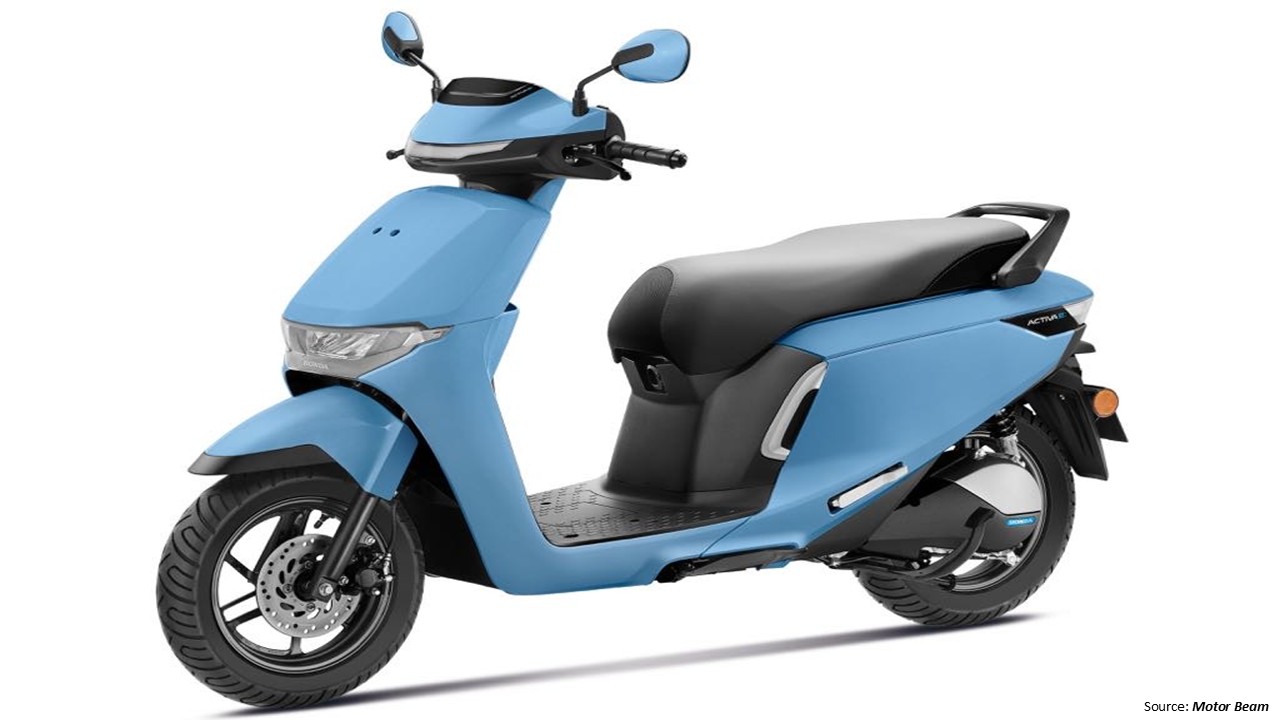
The Electric Scooter and Motorcycle Market in 2025 is moving beyond early adoption into a phase defined by manufacturing scale, brand execution, and practical electrification. Instead of speculative growth narratives, recent developments from Vida and Suzuki Motorcycle India highlight how established and emerging players are shaping the market through product launches, production milestones, and customer-focused engineering.
Electric Motorcycle Market Gains Traction Through Product Validation
Vida VX2: From Concept to Market Credibility
Hero MotoCorp-backed Vida has progressed from experimentation to execution with the Vida VXZ electric motorcycle. The Australian Motorcycle News report highlights how Vida’s electric strategy has matured through real-world deployment and performance-led refinement rather than aggressive speculation.
-
Key points from the Vida VXZ development include:
-
Focus on urban practicality, not just range claims
-
Engineering designed for daily commuter usage
-
Clear improvement in ride quality, build consistency, and usability
This signals that the electric two-wheeler market in 2025 is increasingly driven by product reliability and consumer experience, not announcements alone.
Key Takeaways
-
Product maturity is becoming a competitive differentiator
-
Urban-focused electric motorcycle is gaining relevance
-
Performance validation is replacing concept-led positioning
Electric Motorcycle Market Strengthened by Manufacturing Scale
Suzuki Motorcycle India Crosses 10 million Units
Suzuki Motorcycle India’s announcement of crossing 10 million cumulative production units marks a major inflection point for the electric scooter and motorcycle market. This milestone demonstrates long-term operational stability, which is critical as the industry transitions toward electrification.
According to Hindustan Times, Suzuki achieved this scale through:
-
Strong domestic manufacturing capabilities
-
Consistent two-wheeler demand across segments
-
Long-term investment in Indian production infrastructure
This level of production readiness positions Suzuki to introduce electric offerings without compromising supply reliability.
Key Takeaways
-
Production depth supports future electrification
-
Scale improves cost efficiency and supply stability
-
Legacy manufacturers remain structurally relevant
Suzuki e-Access Signals Practical Electrification Strategy
Electric Scooter Market Expansion Through Familiar Platforms
Suzuki’s launch of the e-Access electric scooter reflects a conservative yet strategic entry into electrification. Rather than building a new identity, Suzuki leveraged the Access brand, which already holds strong consumer recognition.
Key characteristics of this approach include:
-
Electrification built on an existing scooter platform
-
Focus on ease of adoption for current users
-
Emphasis on usability rather than experimental features
This strategy aligns with a 2025 market reality where consumers prefer trusted brands transitioning into electric mobility rather than unfamiliar startups.
Key Takeaways
-
Brand familiarity reduces adoption friction
-
Incremental electrification is gaining acceptance
-
Trust and service networks remain influential
Comparative Snapshot: Vida VXZ vs Suzuki e-Access
|
Aspect |
Vida VXZ |
Suzuki e-Access |
|
Market Position |
Emerging electric-first brand |
Legacy manufacturer entering electric |
|
Strategy |
Performance-led product validation |
Brand-led electrification |
|
Target User |
Performance/Tech-focused riders |
Existing scooter users |
|
Market Signal |
Innovation-driven growth |
Scale-backed transition |
Electric Scooter and Motorcycle Market Direction
Based strictly on the provided sources, the electric scooter and motorcycle market is characterized by:
-
Execution over experimentation
-
Manufacturing readiness over projections
-
Consumer trust over novelty
Rather than rapid disruption, 2025 reflects a measured and sustainable transition where electric mobility is integrated into existing two-wheeler ecosystems.
Key Takeaways
-
Electrification is becoming operational, not conceptual
-
Brands with execution strength are advancing faster
-
Consumer-centric design remains critical
Leading Key Players of the Market
The electric scooter and motorcycle market comprises a wide range of industry participants, including Ola Electric Mobility Ltd., S Motor Company, Ather Energy Limited, Yadea Technology Group Co., Ltd., Honda Motor Co., Ltd., AIMA Technology Group Co., Ltd., Husqvarna Mobility, Blacksmith Electric, AMO Mobility Solutions Pvt. Ltd., Jiangsu Xinri E-Vehicle Co., Ltd., Energica Motor Company S.p.A., Essence Motorcycles, Huaihai Holding Group, TAIZHOU UGBEST EV CO., LTD., and Jiangsu Lvneng Electrical Bicycle Technology Co., Ltd., among others. This mix of established manufacturers and electric-focused companies highlights the competitive and fragmented nature of the market.
To strengthen their market position, several key players such as Ola Electric Mobility Ltd., Ather Energy Limited, Yadea Technology Group Co., Ltd., and Honda Motor Co., Ltd. are actively focusing on product launches as core developmental strategies. Alongside this, companies are expanding production units and increasing sales across multiple regions to enhance market reach and maintain competitiveness in the electric scooter and motorcycle market.

NMSC Viewpoint – Industry Analysis
According to Next Move Strategy Consulting, the electric scooter and motorcycle market in 2025 is entering a validation-focused phase where growth is increasingly linked to product execution and operational readiness. The progress of the Vida VXZ demonstrates how electric-first brands are strengthening market credibility through usability improvements and performance refinement.
At the same time, Suzuki Motorcycle India’s production milestone and e-Access launch highlight the importance of manufacturing scale and brand trust in accelerating electrification. NMSC observes that companies combining reliable product development with strong production capabilities are likely to gain a competitive advantage as the market transitions toward practical electric mobility.
Next Steps: Actionable Insights
-
Monitor product validation milestones, not announcements
-
Evaluate manufacturers with scalable production capacity
-
Track electric launches tied to existing consumer brands
-
Focus on urban mobility use cases for adoption analysis
-
Prioritize sources with verified primary reporting
About the Author
 Prakhyat Chowdhury is a results-driven Market Analyst and data strategist specializing in business intelligence, trend forecasting, and performance-focused market growth. His competitive intelligence frameworks, and data-driven insights enhances strategic planning, operational efficiency, and organizational authority. Known for strong communication, analytical thinking, and multilingual proficiency, he delivers rigorous, objective-led solutions that support scalable business outcomes across industries with professionalism. He consistently aligns quantitative and qualitative analysis with global business goals.
About the Reviewer
 Debashree Dey is a senior content writer and communications specialist known for crafting audience-focused narratives and insight-driven content strategies. As a published manuscript author, she combines creative storytelling with strategic thinking to strengthen brand messaging, enhance visibility, and drive meaningful audience engagement across digital platforms. With a collaborative leadership approach, she contributes to high-impact communication initiatives that ensure consistency, clarity, and long-term brand value. Outside of work, she finds inspiration in creative projects, design exploration, and storytelling-driven ideas.












Add Comment