From AI to Connected Living: Is the Digital Revolution Redefining the Future of Middle East Smart Homes?
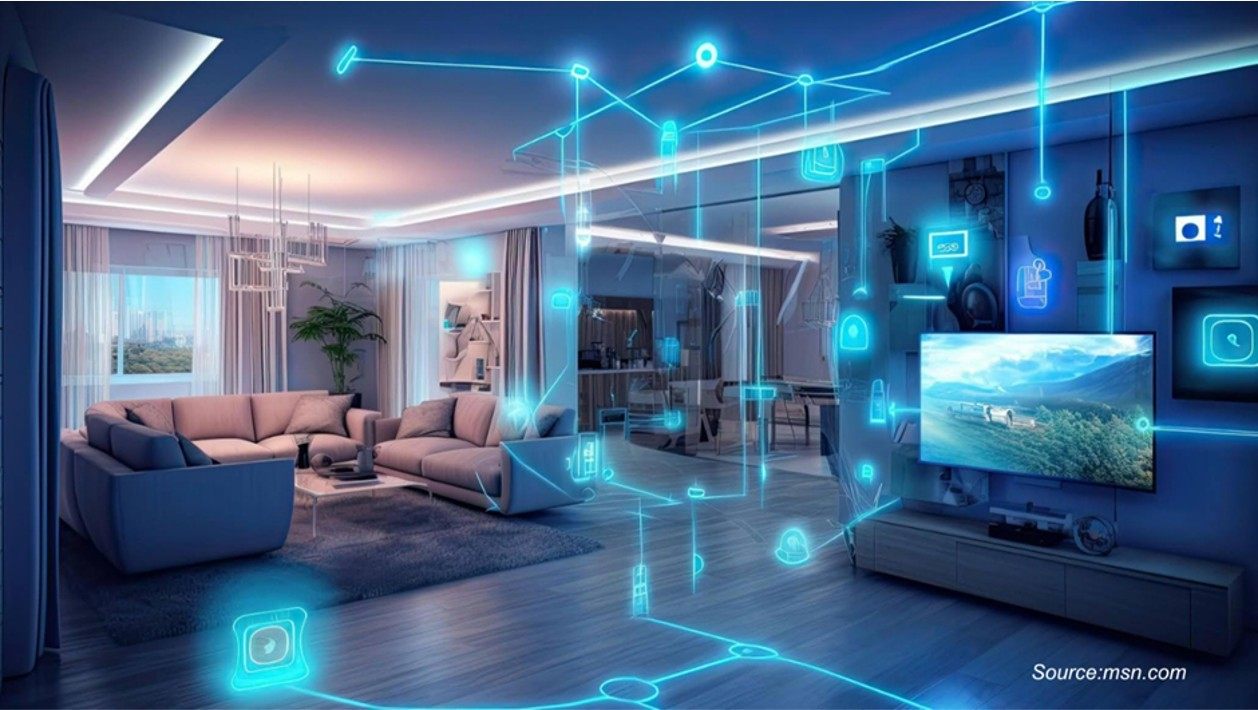
The smart home industry in Middle East is undergoing a profound transformation, driven by rapid advancements that extend far beyond traditional home automation. From AI-powered home management systems and integrated digital platforms to energy-efficient, cloud-connected solutions, the sector is evolving toward a holistic ecosystem where convenience, intelligence, and sustainability converge.
Smart homes in the region are no longer limited to basic device control; they now reflect modern living standards, consumer expectations, and national ambitions for digital innovation. This shift marks a new era in which smart home technologies are viewed not just as functional upgrades but as strategic, sustainable, and future-ready solutions that enhance comfort, efficiency, and connected living across the Middle East.
According to Next Move Strategy Consulting, the Middle East Smart Home Market is set to maintain strong growth momentum, with market size expected to reach around USD 33.16 billion by 2030. Valued at USD 10.84 billion in 2024, the sector is projected to rise to USD 13.87 billion by 2025, marking a solid CAGR of 19.05%.
Curious about the Middle East Smart Home Market? Download FREE Sample
Rising investments in digital infrastructure, growing demand for energy-efficient and sustainable living solutions, and the rapid expansion of connected home technologies are driving strong demand for premium and customized smart home solutions across the Middle East.
As advanced digital platforms and IoT ecosystems make smart home devices more accessible, companies are innovating to deliver high-performance, user-centric experiences, from subscription-based connected home services and integrated device ecosystems to AI-driven automation tools that optimize lighting, security, energy management, and overall home efficiency.
How is Urbanization and Digital Platforms Transforming the Middle East Smart Home Market Trends?
Rapid urbanization and the rise of advanced digital ecosystems across the globe are reshaping how consumers and businesses adopt smart home technologies. As more people move into urban centers, where compact living spaces, high-density housing, and modern infrastructure dominate, there is growing demand for intelligent, efficient, and space-optimized smart home solutions. Smart lighting, automated climate control, enhanced security systems, and energy-management technologies are becoming essential components of modern urban living across the Middle East.
At the same time, the surge of digital platforms, e-commerce channels, and IoT-enabled service marketplaces is transforming how consumers discover, purchase, and integrate smart home products. Homeowners and developers now rely on cloud-connected ecosystems, AI-driven automation, and real-time device monitoring to enhance convenience, security, and energy efficiency.
Digital accessibility is empowering users to customize and control their home environments with unprecedented ease, from mobile app–based management to subscription-based smart home services. This convergence of rapid urbanization, digital integration, and evolving consumer expectations is redefining the Middle East smart home market landscape, where innovation, seamless connectivity, and user-centric customization are emerging as the key drivers of future growth.
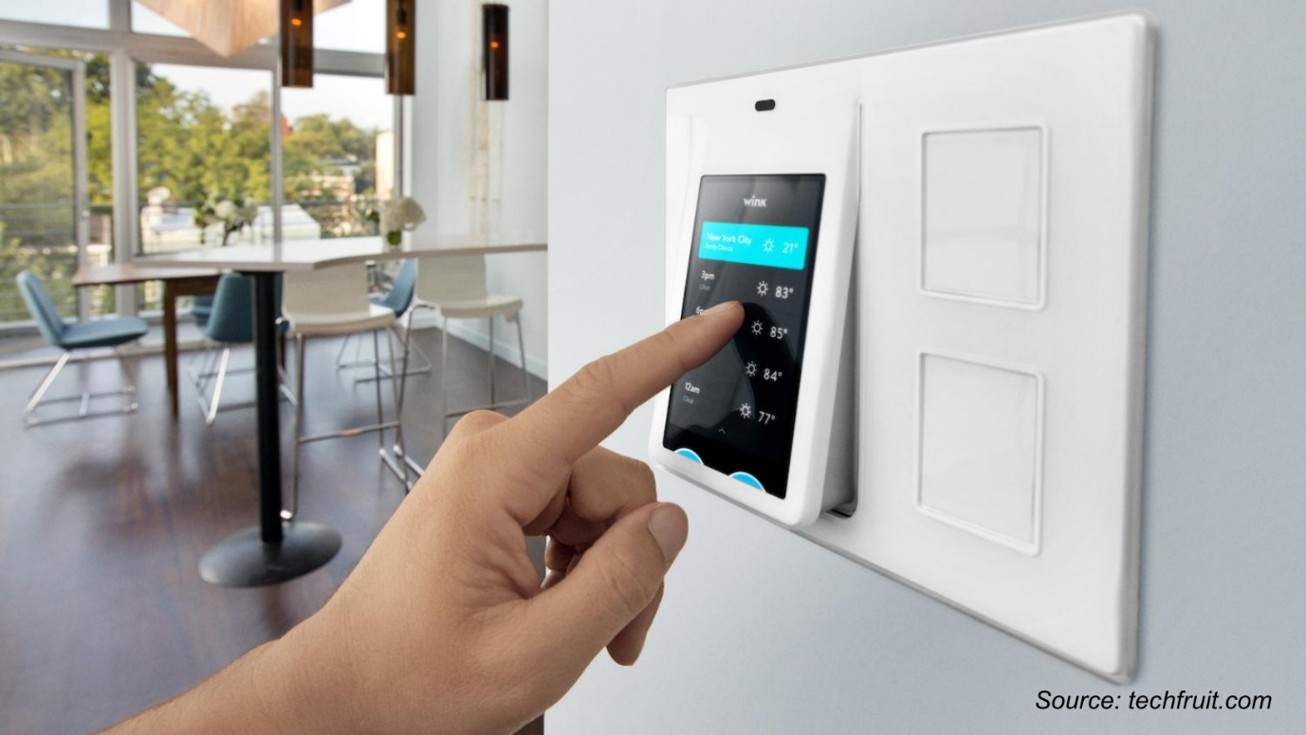
How are AI, IoT Integration, and Sustainable Technologies Transforming the Middle East Smart Home Market?
The Middle East smart home market share is undergoing a major shift as technological and sustainability-focused innovations redefine how homes operate and enhance everyday living:
-
AI-Powered Smart Home Automation: Artificial intelligence (AI) is enabling intelligent control of lighting, security, climate, and appliances. AI systems learn user behavior and optimize home operations, improving comfort, reducing energy use, and enhancing safety.
-
IoT-Driven Connectivity and Ecosystems: IoT platforms are creating seamless, interconnected home environments. From smart thermostats and door locks to integrated home hubs, connected devices offer full control through apps and voice assistants, driving widespread adoption in both new residential projects and retrofits.
-
Sustainable & Energy-Efficient Smart Solutions: Green technologies such as solar-integrated systems, smart meters, and energy-efficient devices are becoming central to modern homes. These sustainable solutions support national goals for reduced emissions and help homeowners cut utility costs.
Together, these advancements are accelerating the Middle East smart home market growth toward a future defined by intelligent automation, connected ecosystems, and sustainable living.
How are Automation, Personalization, and Green Technologies Redefining Middle East Smart Living?
The Middle East smart home market is rapidly evolving as homeowners, developers, and technology providers embrace advanced solutions that prioritize convenience, customization, and sustainability:
-
Subscription & Platform-Based Smart Home Services: Smart home companies are increasingly adopting subscription-driven models that offer continuous system updates, enhanced security features, device integrations, and 24/7 remote monitoring. These service-based platforms ensure reliable performance, simplify budgeting, and deliver tailored automation options that align with user preferences and household needs.
-
Compact, Eco-Friendly Smart Home Ecosystems: The adoption of cloud-connected systems, energy-efficient devices, and integrated IoT platforms is accelerating across the region. These technologies reduce energy consumption, support government sustainability goals, and streamline home management. Eco-friendly innovations, such as smart meters, low-energy appliances, and solar-integrated home systems, are becoming essential elements of modern Middle Eastern residences.
-
AI-Driven Personalization and Intelligent Control: Artificial intelligence is transforming the smart home experience by enabling real-time optimization of lighting, temperature, security, and appliance operations. AI-powered systems learn user behavior, adapt routines automatically, and provide intelligent recommendations, enhancing comfort while improving resource efficiency and safety. Personalization is becoming a key expectation as homeowners seek smarter, more intuitive living environments.
Together, these advancements are redefining the Middle East intelligent home solutions, creating a future where cutting-edge automation, highly personalized home experiences, and eco-friendly technologies come together to shape modern, connected, and sustainable lifestyles across the region.
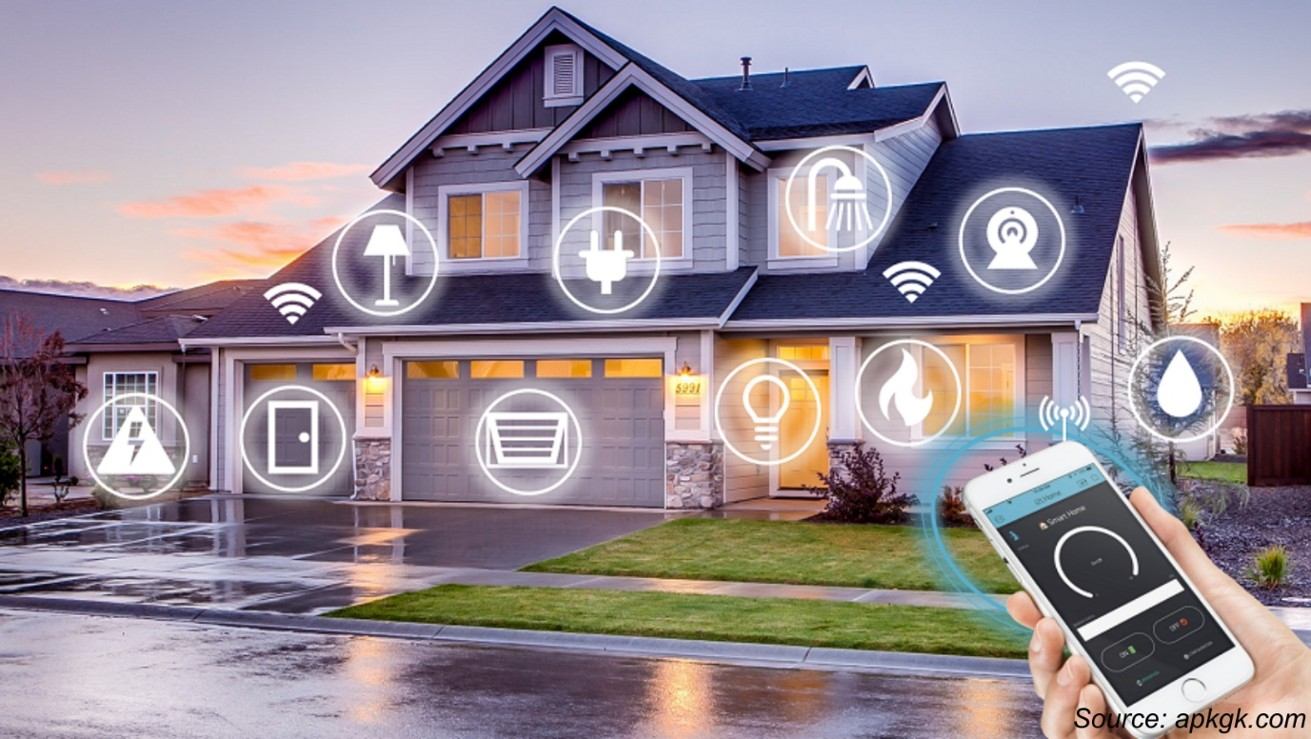
How are Leading Tech & Appliance Companies Driving Innovation and Sustainability in the Middle East Smart Home Market?
The Middle East smart home industry is undergoing rapid transformation as global technology leaders accelerate innovation, sustainability, and user-centric design across connected living ecosystems. Companies such as Samsung Electronics, Xiaomi, Huawei, LG Electronics, Apple, and Amazon are at the forefront of this shift, integrating AI-driven capabilities, energy-efficient solutions, and interoperable platforms tailored to the region’s growing demand for smart, sustainable lifestyles. With governments across the UAE, Saudi Arabia, and Qatar prioritizing digitalization and energy conservation, these companies are redefining what intelligent, automated, and eco-friendly homes look like in fast-modernizing Middle Eastern cities.
Major global players are actively shaping the Middle East smart home industry through innovations in energy efficiency, interoperability, and AI-driven automation. Samsung Electronics is driving sustainability with its SmartThings platform and enhanced SmartThings Energy suite, where features like AI Energy Mode significantly reduce energy consumption across appliances. Xiaomi Corporation is accelerating mass-market adoption by offering affordable, multi-protocol smart-home hubs such as the Mi Smart Home Hub, making connected living more accessible across diverse income groups.
Google/Alphabet is strengthening ecosystem openness through its updated Google Home APIs released in 2025, enabling seamless integration of a wider range of third-party devices and expanding consumer choice. LG Electronics is advancing AI-enabled appliances and home-energy management solutions to create intelligent, responsive living environments, while Amazon continues to widen smart-home adoption in the UAE and KSA through Alexa-powered voice-controlled lighting, climate control, security, and entertainment devices.
Signify (Philips Hue) is also expanding its capabilities beyond lighting into smart security and sensor-driven automation that aligns with regional priorities for comfort, safety, and energy-efficient living. Together, these companies are fuelling a market shift toward sustainable, AI-powered, fully integrated home ecosystems that offer convenience, affordability, and seamless interoperability, driving the next phase of smart-home adoption across the Middle East.
As innovation accelerates, the Middle East smart home market is entering a new phase where connected devices, energy-intelligent systems, and interoperable platforms converge to offer residents intuitive, secure, and environmentally responsible living environments. With global leaders investing heavily in AI, cloud-IoT integration, and efficient smart-energy solutions, homeowners and developers across the region are increasingly adopting these advanced systems, moving the Middle East closer to becoming one of the world’s fastest-growing smart-home hubs.
About the Author
 Tushmi Dutta
— Tushmi Dutta is a focused researcher specializing in detailed analysis and insight-driven research across diverse business landscapes. She supports strategic initiatives through structured data interpretation, thorough validation, and clear communication of findings that aid informed decision-making. With a strong interest in writing, she enjoys presenting research insights in an engaging and accessible manner. Beyond work, she enjoys traveling, reading, painting, and continuously learning new skills that contribute to her creative and professional growth.
Tushmi Dutta
— Tushmi Dutta is a focused researcher specializing in detailed analysis and insight-driven research across diverse business landscapes. She supports strategic initiatives through structured data interpretation, thorough validation, and clear communication of findings that aid informed decision-making. With a strong interest in writing, she enjoys presenting research insights in an engaging and accessible manner. Beyond work, she enjoys traveling, reading, painting, and continuously learning new skills that contribute to her creative and professional growth.
About the Reviewer
 Supradip Baul
— Supradip Baul is an accomplished business consultant and strategist with over a decade of rich experience in market intelligence, strategy, technology, and business transformation. His work has included rigorous qualitative and quantitative analysis across multiple industries, helping clients shape investment decisions and long-term roadmaps. Earlier in his career, he was associated with Gartner, where he contributed to industry-leading reports and market share analyses. He has worked with leading global companies and holds an MBA with a dual specialization in Marketing and Finance.
Supradip Baul
— Supradip Baul is an accomplished business consultant and strategist with over a decade of rich experience in market intelligence, strategy, technology, and business transformation. His work has included rigorous qualitative and quantitative analysis across multiple industries, helping clients shape investment decisions and long-term roadmaps. Earlier in his career, he was associated with Gartner, where he contributed to industry-leading reports and market share analyses. He has worked with leading global companies and holds an MBA with a dual specialization in Marketing and Finance.
















Add Comment