Haier, Xiaomi, Samsung, and Other Innovators Driving the Next Wave of Connected Living in Apac Smart Homes
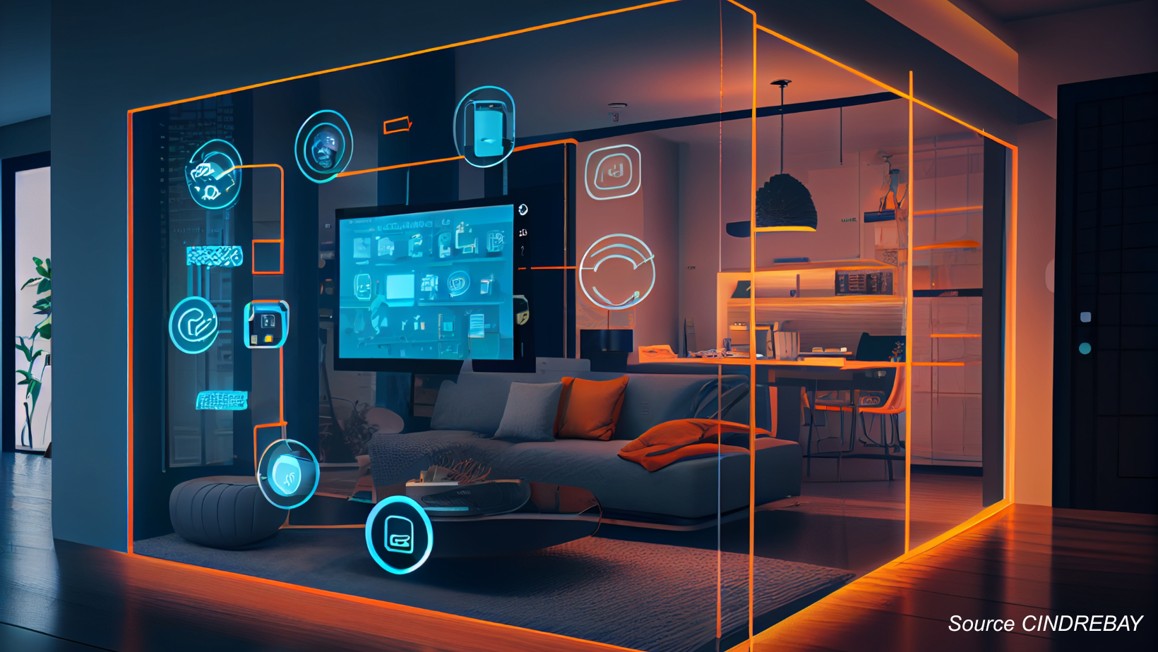
As per NMSC’s analysis, the Asia-Pacific Smart Home Market is set to maintain strong growth momentum, with the industry size expected to reach around USD 178.01 million by 2030, marking a solid CAGR of 23.9%. Valued at USD 46.61 million in 2024, the sector is projected to rise to USD 61.04 million by 2025.
The Asia-Pacific smart home market trends is experiencing a dynamic transformation driven by rapid digital adoption, expanding device ecosystems, and rising consumer demand for convenience, security, and energy efficiency. What began with basic home automation has evolved into an interconnected environment powered by AI, IoT, and voice-enabled platforms that seamlessly integrate appliances, sensors, and services.
Adoption is accelerating across diverse segments, from home entertainment and climate control to smart security and energy management, reflecting a growing preference for intuitive, automated living. While APAC remains the global leader due to strong innovation hubs and high technology penetration, markets across Europe and North America are also scaling quickly, and emerging economies in the region are embracing smart living at an unprecedented speed. Collectively, these trends are reshaping how households experience comfort, efficiency, and connected lifestyles.
Asia-pacific Smart Home Market Overview
The smart home market in Asia-Pacific is expanding rapidly as households across the region adopt connected solutions that blend convenience, intelligence, and energy efficiency. Modern smart home ecosystems are redefining everyday living with advanced features such as AI-powered automation, predictive maintenance for appliances, enhanced security protocols, and seamless integration with cloud and IoT platforms.
With real-time data analytics, app-based controls, and cross-device interoperability, smart home systems now deliver personalised experiences, optimised energy usage, and improved household management. Growing emphasis on sustainable living and digital lifestyles is accelerating adoption, enabling smart devices to interact effortlessly with broader home networks and service ecosystems while adapting intelligently to user behaviour.
Moreover, demand is rising for modular, customizable, and lifestyle-specific smart home solutions across applications such as climate control, entertainment, smart kitchens, and home security. The need for unified control interfaces and compatibility across brands is driving innovation in more integrated and scalable platforms.
Manufacturers and service providers are prioritising sustainability, safety, and user-centric features through energy-optimised devices, low-maintenance designs, and AI-enabled monitoring tools that enhance comfort while reducing overall utility costs. As urbanisation, remote work, and digital transformation reshape lifestyle patterns, smart homes in the Asia-Pacific are emerging as the foundation of connected, resilient, and future-ready living environments.
Leading players in the Asia-Pacific smart home industry landscape, including Samsung, Xiaomi, Amazon, Google, and LG Electronics, are driving innovation through AI integration, cloud connectivity, multifunctional device ecosystems, and intuitive user interfaces. By embedding intelligent assistants, IoT-enabled services, and interoperable platforms, these companies enable users to maximise convenience, strengthen home security, and streamline daily routines. Their ongoing investments in sustainability-focused designs, energy management systems, and broader ecosystem partnerships are reinforcing APAC’s leadership in smart living while supporting more efficient, adaptive, and sustainable households across the region.

For the Latest Market Share of Top 10 Players, Download FREE Sample Now!
HIGHLIGHTS OF HAIER

Haier is a global home-appliance and smart-home solutions company headquartered in Qingdao, China, founded in 1984. The company specializes in consumer appliances, integrated smart-home ecosystems and IoT platforms that connect refrigerators, washing machines, air conditioners and other household devices into user-centric experiences.
Haier operates manufacturing, R&D and sales networks across multiple regions and positions “Haier Smart Home” as its consumer-facing platform for intelligent living. The Asia-Pacific smart home market significantly drives Haier’s product development and regional go-to-market strategy by raising demand for interoperable devices, localized services and energy-efficient solutions across APAC households.
In July 2024, Haier Smart Home announced its agreement to acquire Electrolux South Africa’s water-heater business (Kwikot) for USD 135 million, a move described by Haier as part of its Africa expansion and product-portfolio strategy. In March 2025 Haier Appliances India broke ground on expanded AC production and a new injection-molding unit at Greater Noida with planned additional investments of over USD 115 million and an AC capacity increase (the new AC factory will add capacity of 2.5 million units, raising total capacity to 4 million units); Haier framed this as furthering its Made in India, Made for India manufacturing strategy. Both developments reinforce Haier’s Asia-Pacific Smart Home positioning by expanding local manufacturing, widening distribution channels, and enriching product lines, a combination likely to strengthen its regional market share and improve speed to market for connected devices.
HIGHLIGHTS OF XIAOMI CORPORATION

Xiaomi Corporation is a multinational electronics and technology company headquartered in Beijing, China. The company develops a wide range of consumer electronics, including smartphones, smart-home devices, and IoT-enabled appliances under its Mi Smart Home ecosystem.
Through this intelligent home solutions portfolio, Xiaomi offers interconnected devices, such as smart bulbs, security cameras, air purifiers, and home automation sensors designed to create seamless, intelligent living environments across Asia-Pacific and other markets. The Asia-Pacific smart home market growth strongly supports Xiaomi’s expansion in smart-home hardware and ecosystem services, as rising demand in the region drives adoption of connected lifestyle products.
In recent years Xiaomi has intensified its smart-home offerings globally, launching new lines of IoT and smart-home products and deepening integration of its devices with smartphone apps and cloud services to enable unified control, remote access, and device automation. These strategic moves reinforce Xiaomi’s position in the Asia-Pacific smart-home segment by broadening its product range, enhancing customer convenience, and strengthening its ecosystem approach, trends that boost its market share and competitive edge in connected-home solutions across the region.
HIGHLIGHTS OF SAMSUNG

Samsung, via its flagship company Samsung Electronics, is a global technology giant headquartered in Suwon, Gyeonggi-do, South Korea. The company specializes in a wide range of consumer electronics and components: smartphones, televisions, home appliances, wearables, semiconductors, displays and more. In recent years Samsung has made the Asia-Pacific smart-home market, including connected appliances, AI-powered devices and home automation, a strategic focus. The expansion of its smart-home offerings in that region influences its product roadmap and global competitiveness, leveraging both its hardware and software ecosystem.
In 2024–2025, Samsung unveiled major developments in its smart-home strategy. At CES 2025, the company introduced its AI for All vision for connected homes, combining AI, smart appliances, and its SmartThings platform to deliver personalized, intelligent home living experiences. Alongside that, Samsung launched SmartThings Pro, a business-oriented evolution of SmartThings, to extend its ecosystem to commercial buildings, hospitality, and modular construction, broadening its footprint beyond individual homes.
In parallel, Samsung expanded its Bespoke AI appliance lineup across Southeast Asia, offering AI-enabled refrigerators, washers, vacuum cleaners and more, integrating them with SmartThings to drive adoption of smart homes in emerging markets. These developments strengthen Samsung’s position in the Asia-Pacific smart-home market, enabling it to capture both consumer and commercial segments, increase software-hardware ecosystem lock-in, and support growth in regions with rising smart-home demand.
HIGHLIGHTS OF PANASONIC

Panasonic is a multinational electronics company headquartered in Osaka, Japan, known for a broad portfolio of consumer electronics, home appliances, and smart-home and IoT-enabled products. Through its smart-home solutions, including connected appliances, home automation systems, and energy- and security-oriented devices, Panasonic offers integrated living experiences that appeal to homeowners seeking comfort, convenience, and efficiency. In the Asia-Pacific smart-home market, Panasonic leverages its global brand, engineering capabilities, and diverse product range to meet rising demand for reliable, interoperable, and energy-efficient smart-home solutions.
In recent years, Panasonic has continued to update and expand its smart-home offering, releasing new appliances and IoT-enabled devices designed for modern connected living, including smart-control-enabled air conditioners, security systems, home-management hubs, and energy-efficient appliances compatible with home-automation platforms. These developments reinforce Panasonic’s strong positioning in the Asia-Pacific smart-home segment, helping it stay competitive against other global and regional players by offering robust, feature-rich, and trusted smart-home solutions tailored for evolving consumer needs.
HIGHLIGHTS OF LG ELECTRONICS

LG Electronics is a multinational electronics and home-appliance manufacturer headquartered in Seoul, South Korea. The company produces a wide range of products, smart TVs, refrigerators, air conditioners, washing machines, kitchen appliances, and other connected-home devices, often integrating them through its IoT and smart-home ecosystem platforms.
Through this ecosystem, LG aims to offer users seamless, intelligent, and interoperable home solutions that enhance comfort, convenience, energy efficiency, and connectivity. In the Asia-Pacific smart-home market, LG leverages its global presence and broad product portfolio to address growing demand for integrated, high-quality smart-home appliances and solutions, positioning itself as a major provider of connected-living technology across the region.
In recent years LG Electronics continues to expand and update its smart-home offerings by launching next-generation appliances and devices that support IoT connectivity, voice control, and smart-home automation, reflecting market trends toward convenience, efficiency, and smart-living. This ongoing innovation helps LG maintain a competitive edge in Asia-Pacific by meeting evolving consumer preferences and reinforcing its role as a leading smart-home brand in a region where demand for connected-living solutions is rising.
HIGHLIGHTS OF HUAWEI

Huawei is a major global technology company headquartered in Shenzhen, China. Huawei offers a range of smart-home and IoT-enabled devices, including smart routers, security cameras, smart speakers, and connected home appliances, under its consumer brand.
Through its smart-home offerings, Huawei aims to deliver integrated, cloud-enabled, and user-friendly home-automation solutions that support connected lifestyles across Asia-Pacific and other regions. The Asia-Pacific smart home market expansion bolster Huawei’s strategy to roll out devices and ecosystems tailored for regional connectivity, convenience, and efficiency.
In recent years, Huawei has continued expanding its smart-home product portfolio across various markets, promoting seamless integration with smartphones, cloud services, and IoT platforms, a strategy that enhances its competitiveness in connected-living solutions. This concerted push into home-automation and IoT ecosystems helps Huawei strengthen its presence in the Asia-Pacific smart-home segment and positions it among key players catering to growing regional demand for intelligent, interconnected devices.
In 2024, Huawei announced 17 new products and 7 new solutions at HUAWEI CONNECT 2024, highlighting its ambition to integrate broader IoT and smart-home offerings with its enterprise-level cloud and connectivity infrastructure. This initiative positions Huawei to extend its reach across both consumer and SME segments in the Asia Pacific region, reinforcing its smart-home ecosystem, enhancing interoperability, and strengthening its competitive presence in connected-living solutions.
Summary of Asia-pacific Smart Home Market
The Asia-Pacific smart home market share is entering a new phase of growth driven by rapid digitalisation, rising consumer expectations, and the expanding role of connected lifestyles. What began with basic automation is now evolving into fully integrated ecosystems that unify appliances, security systems, entertainment devices, and energy management tools into a seamless user experience. As living spaces become smarter, the region is witnessing strong adoption across both mature and emerging markets, supported by increasing urbanisation, higher disposable incomes, and the mainstreaming of AI- and IoT-enabled solutions.
Technology innovation and sustainability are also shaping the market’s direction. Smart home brands are incorporating AI-driven personalisation, real-time monitoring, and interoperable platforms that allow users to control multiple devices through unified interfaces. At the same time, energy efficiency and eco-friendly designs are gaining prominence as governments and consumers prioritise greener living.
With strong participation from global and regional leaders such as Samsung, Xiaomi, Amazon, Google, and LG Electronics, along with steady investments in connected ecosystems, the Asia-Pacific smart home market demand is set for robust expansion, positioning the region at the forefront of next-generation home innovation.
About the Author
 Mayurima Roy is a research analyst delivering data-driven insights that support strategic planning and market understanding. She combines analytical rigor with strong content development skills, translating complex information into clear, actionable narratives for diverse audiences. Her work includes structured research, trend tracking, competitive assessment, and insight-led content creation that supports informed decision-making. Curious and detail-oriented by nature, she continually deepens her understanding of evolving markets while pursuing creative interests such as crafting and video creation.
About the Reviewer
 Supradip Baul is an accomplished business consultant and strategist with over a decade of rich experience in market intelligence, strategy, technology, and business transformation. His work has included rigorous qualitative and quantitative analysis across multiple industries, helping clients shape investment decisions and long-term roadmaps. Earlier in his career, he was associated with Gartner, where he contributed to industry-leading reports and market share analyses. He has worked with leading global companies and holds an MBA with a dual specialization in Marketing and Finance.













Add Comment