How AI and Digital Platforms Are Redefining the Warehouse Robotics Market?
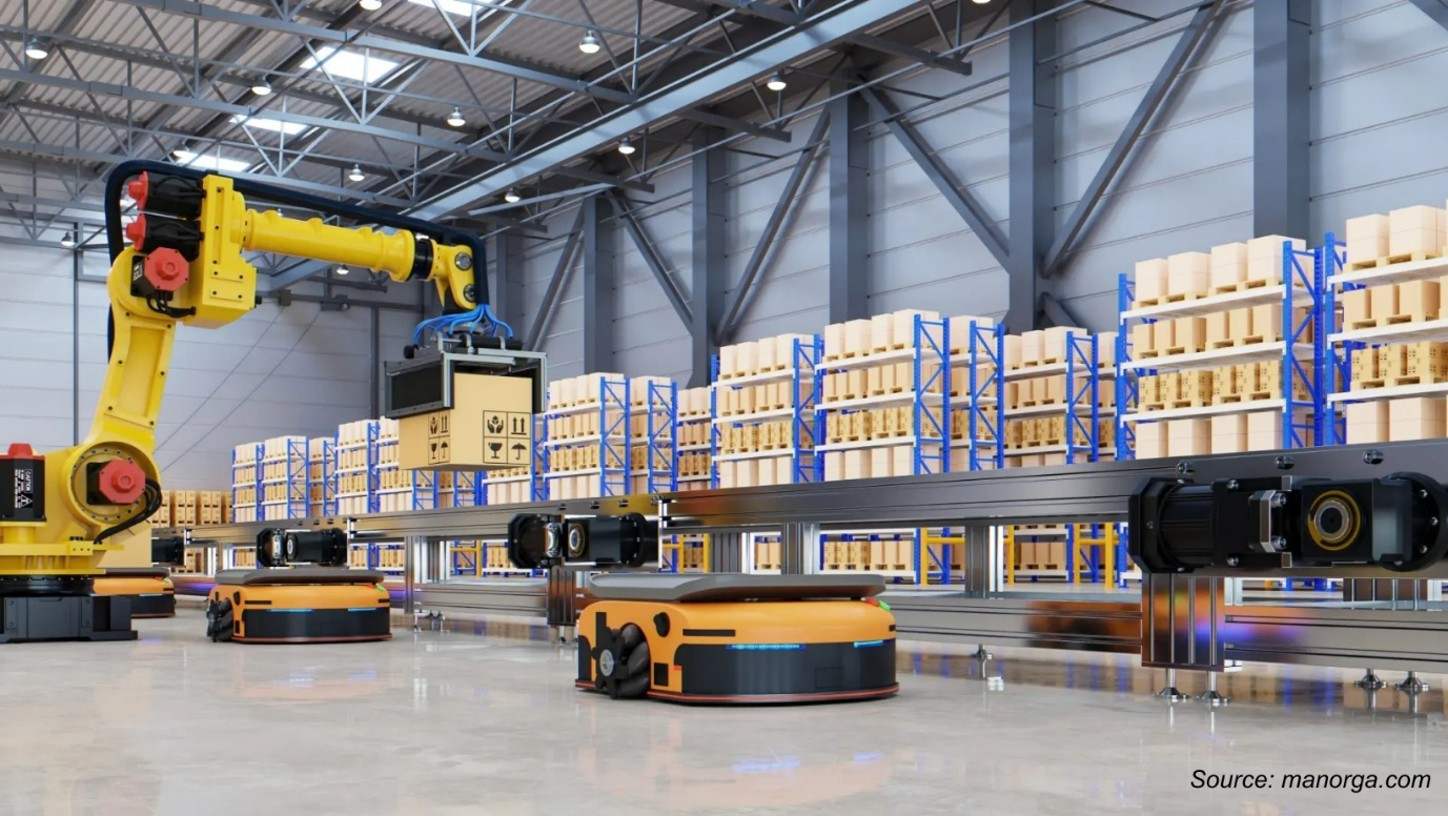
The Warehouse Robotics Market is undergoing a significant transformation, driven by technological advancements that extend far beyond basic material handling automation. The market is evolving toward intelligent, connected robotic ecosystems that integrate AI-driven analytics, autonomous decision-making, and real-time data orchestration to support end-to-end warehouse operations. Warehouse robotics solutions are no longer limited to task-based automation, they now enable strategic throughput optimization, labor efficiency, safety compliance, and scalable fulfilment. This shift reflects rising operational expectations from e-commerce, retail, and logistics operators alongside broader digital supply chain modernization initiatives. As a result, warehouse robotics platforms are increasingly viewed not merely as productivity tools, but as strategic, future-ready systems that enhance operational resilience, agility, and long-term competitiveness across global industries.
For an In-depth Analysis of the Warehouse Robotics Industry, Try a FREE Sample!
According to Next Move Strategy Consulting, the Warehouse Robotics Market size was valued at USD 12.52 billion in 2025, and is expected to be valued at USD 15.18 billion by the end of 2026. The industry is projected to grow, hitting USD 66.83 billion by 2035, with a CAGR of 18.73% between 2026 and 2035.
Our analysis indicated that rising investments in warehouse automation infrastructure, increasing adoption of AI and connected systems, and growing pressure to improve operational efficiency are driving strong demand for advanced and customizable warehouse robotics solutions. As AI, cloud-based fleet management platforms, and integrated digital ecosystems become more accessible, warehouse operators are increasingly adopting scalable, flexible robotics systems. Vendors are responding with modular robot architectures, robotics-as-a-service models, and AI-driven software that enhance throughput optimization, inventory visibility, labor productivity, and operational safety. Based on our experience, these innovations are enabling facilities to control costs, improve real-time decision-making, and increase fulfillment efficiency, thereby accelerating warehouse robotics adoption across diverse logistics, retail, and e-commerce operations.
How Urbanization and Digital Commerce Are Reshaping Warehouse Robotics Trends?
Based on our direct market observations, rapid urbanization and the expansion of digital commerce ecosystems are significantly transforming warehouse robotics adoption patterns. As urban centers grow denser and last-mile delivery expectations intensify, warehouses located near metropolitan areas are under increasing pressure to maximize throughput, space utilization, and order accuracy. This has accelerated demand for compact, high-speed, and scalable robotics solutions, such as autonomous mobile robots and goods-to-person systems, that can operate efficiently in space-constrained, high-volume urban fulfilment environments.
Our engagements further indicated that the rise of digital platforms, e-commerce marketplaces, and cloud-based warehouse management systems is reshaping how robotics solutions are evaluated and deployed. Warehouse operators are increasingly adopting AI-enabled fleet management, cloud-connected robotics platforms, and API-driven integrations to synchronize robots with WMS, WES, and order management systems in real time. In our experience, the convergence of urbanization and digital platform adoption is driving a shift toward intelligent, flexible, and software-centric warehouse robotics, positioning these systems as critical enablers of future-ready urban logistics and fulfilment networks.

How AI, IoT Integration, and Sustainable Technologies Are Transforming the Warehouse Robotics Market?
Based on our direct engagements with warehouse operators, system integrators, and automation providers, we observed that advanced digital technologies and sustainability-focused innovation are fundamentally reshaping the warehouse robotics market trends. AI, IoT connectivity, and energy-efficient system design are increasingly defining next-generation robotic deployments:
-
AI-Driven Robotic Intelligence: Our analysis showed that warehouses are leveraging AI to enable autonomous navigation, dynamic task allocation, demand-aware picking, and predictive throughput optimization. AI-powered vision and learning algorithms improve accuracy, adapt to changing layouts, and enhance decision-making across robotic fleets.
-
IoT-Enabled System Integration: We observed growing integration of warehouse robots with IoT sensors, connected equipment, and digital platforms such as WMS and WES. Real-time data from IoT-enabled environments supports fleet coordination, asset tracking, predictive maintenance, and end-to-end operational visibility in high-volume logistics operations.
-
Sustainability and Energy Efficiency: Warehouse robotics vendors are increasingly focusing on energy-efficient hardware, optimized charging systems, and software-driven route optimization to reduce power consumption and emissions. These capabilities help operators meet sustainability targets while lowering operating costs.
Based on our observations, the convergence of AI, IoT, and sustainable technologies is positioning warehouse robotics as intelligent, connected, and future-ready infrastructure that enables resilient, efficient, and environmentally responsible warehouse operations.
How Cloud Connectivity, Compliance Requirements, and Platform Integration Are Driving Growth in the Warehouse Robotics Market?
From our direct engagements with warehouse operators, logistics providers, and automation stakeholders, we observed that the warehouse robotics market expanded steadily as organizations modernized operations to improve efficiency, scalability, and regulatory alignment. Increasing adoption of cloud-connected robotics platforms, heightened focus on safety and labor compliance, and the need for real-time operational visibility accelerated the shift from isolated automation toward integrated, intelligent warehouse ecosystems.
Our analysis showed that warehouses increasingly deployed cloud-based fleet management and analytics platforms to enable remote monitoring, centralized control, and scalable orchestration of robotic fleets across multiple sites. We also noted that rising workplace safety standards, labor regulations, and traceability requirements increased demand for robotics solutions with built-in compliance reporting and audit-ready performance data. Small and mid-sized warehouses, along with third-party logistics providers, favoured modular and subscription-based robotics models that reduced upfront investment and IT complexity. Additionally, AI-enabled optimization and real-time analytics improved throughput, accuracy, and decision-making. Collectively, integrated, compliant, and cloud-enabled robotics platforms drove sustained market growth.

How Leading Warehouse Robotics Vendors Are Driving Innovation, Localization, and Digital Efficiency?
From our direct market observations, the warehouse robotics market experienced rapid transformation as leading global and regional vendors accelerated innovation, expanded intelligent automation capabilities, and strengthened alignment with local operational requirements. Robotics providers increasingly embedded AI-driven perception, autonomous decision-making, and software-centric control platforms to help warehouse operators improve throughput efficiency, labor productivity, safety compliance, and operational visibility. As e-commerce players, third-party logistics providers, and manufacturers prioritized scalability, flexibility, and cost optimization, warehouse robotics solutions were increasingly positioned as strategic enablers of digital supply chain modernization rather than task-specific automation tools.
Major vendors actively shaped the competitive landscape through product innovation and ecosystem expansion. In July 2025, at Automatic 2025, ABB demonstrated its industrial automation expertise by unveiling new heavy-duty robots and the Flexley Mover AMR P603, designed for high-capacity material movement and intelligent logistics environments. Earlier, in May 2024, Omron strengthened its AI leadership by partnering with Neura Robotics at Automate 2024 to introduce cognitive robots integrating advanced vision and adaptive intelligence for future warehouse and material-handling applications.
Beyond these developments, other key players, including Fanuc, KUKA, JBT Corporation, Teradyne, Geekplus, GreyOrange, Bastian Solutions, Locus Robotics, Seegrid, and Doosan Robotics, continued to enhance their portfolios through AI-enabled navigation, fleet orchestration software, modular automation architectures, and industry-specific use cases. In our experience, these collective initiatives drove a shift toward intelligent, software-defined, and scalable warehouse robotics ecosystems, improving operational agility, transparency, and long-term resilience across global logistics and fulfillment operations.
About the Author
 Tushmi Dutta is a focused researcher specializing in detailed analysis and insight-driven research across diverse business landscapes. She supports strategic initiatives through structured data interpretation, thorough validation, and clear communication of findings that aid informed decision-making. With a strong interest in writing, she enjoys presenting research insights in an engaging and accessible manner. Beyond work, she enjoys traveling, reading, painting, and continuously learning new skills that contribute to her creative and professional growth.
About the Reviewer
 Supradip Baul is an accomplished business consultant and strategist with over a decade of rich experience in market intelligence, strategy, technology, and business transformation. His work has included rigorous qualitative and quantitative analysis across multiple industries, helping clients shape investment decisions and long-term roadmaps. Earlier in his career, he was associated with Gartner, where he contributed to industry-leading reports and market share analyses. He has worked with leading global companies and holds an MBA with a dual specialization in Marketing and Finance.















Add Comment