How are Advanced Outdoor Cabinets Revolutionizing the Enclosure Market in 2025?
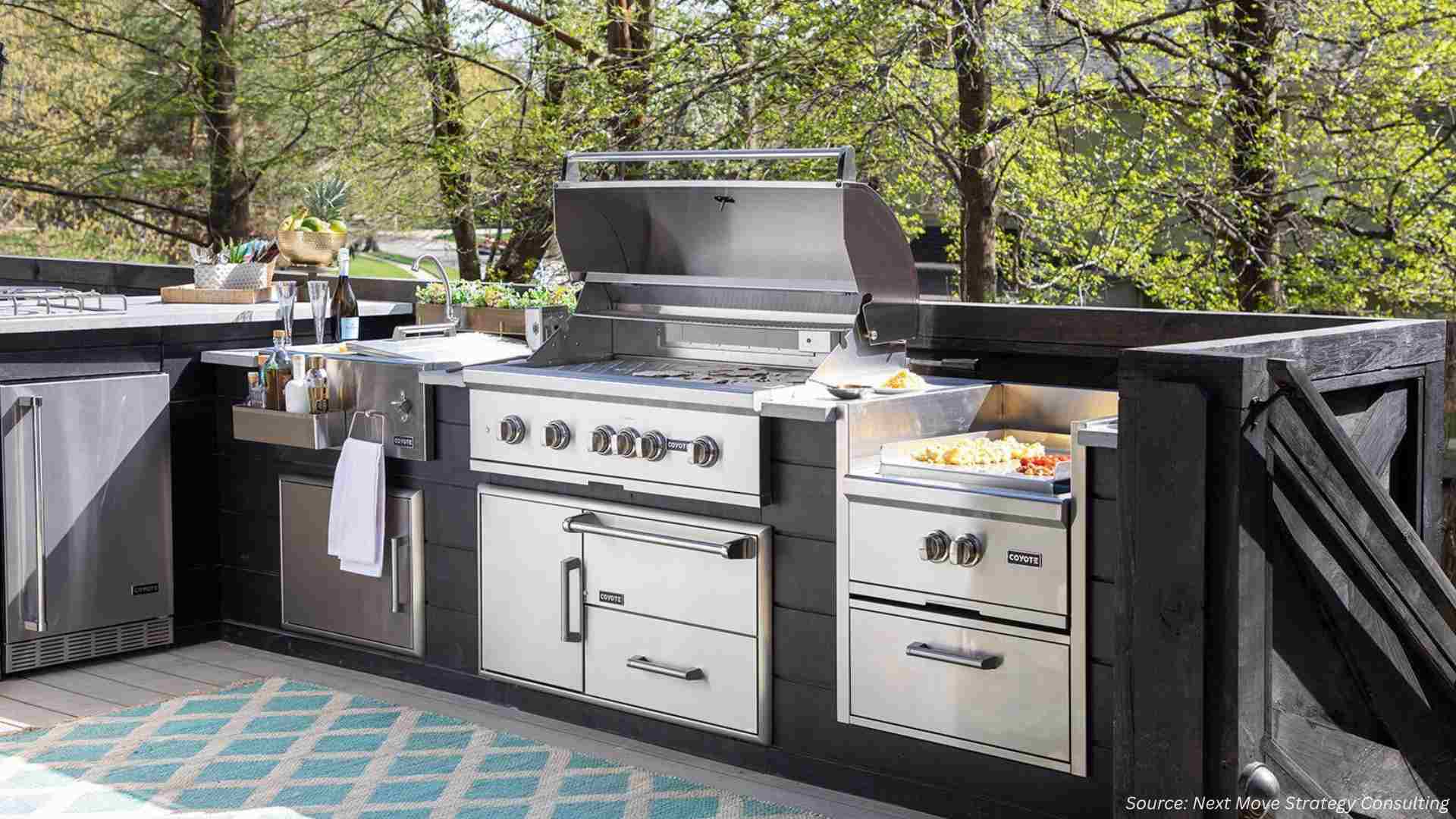
Imagine deploying critical servers in the scorching desert or along a salty coastal highway—without a single glitch from overheating. In 2025, the outdoor cabinets and enclosure market is buzzing with innovations that make this a reality. As edge computing expands and 5G networks proliferate, these rugged enclosures are evolving from mere protectors to smart, energy-efficient powerhouses.
According to Next Move Strategy Consulting, the global Outdoor Cabinets and Enclosure Market size is expected to be valued at USD 3.98 billion by the end of 2025. The industry is projected to grow, hitting USD 5.30 billion by 2030, with a CAGR of 5.9%. At Next Move Strategy Consulting, we track these shifts closely, and recent announcements signal a pivotal moment for reliability in distributed infrastructure.
Let us dive into the details.
What Sparks the Surge in Outdoor Cabinet Demand?
The push for outdoor cabinets stems from the relentless growth of decentralized data processing. Traditional indoor setups no longer suffice for the edge of networks, where devices must operate in unpredictable conditions. Recent developments highlight how these enclosures now integrate advanced thermal management to combat extremes like desert heat or high-altitude cold.
Key drivers include the rollout of fiber optic networks and renewable energy projects, which demand durable, on-site computing hubs. For instance, cabinets now feature state-of-the-art insulation and corrosion-resistant coatings, enabling deployment in remote solar farms or offshore wind sites. This adaptability addresses a core challenge: thermal instability remains one of the major contributors to electronic equipment failures.
In summary, demand is surging as industries prioritize low-latency, sustainable solutions over fragile indoor alternatives.
-
Edge Computing Boom: Cabinets serve as self-sustaining nodes, reducing data travel time.
-
5G and Fiber Expansion: They house equipment for faster, more reliable connections in urban and rural edges.
-
Sustainability Focus: Designs emphasize energy savings, aligning with global green initiatives.
Which Companies Dominate the Outdoor Cabinets and Enclosure Industry and How Do They Compete?
The global outdoor cabinets and enclosure industry is dominated by established manufacturers and suppliers such as Schneider Electric, Siemens, ABB, Eaton, Emerson Electric, Rittal, nVent, Hubbell Incorporated, CommScope, Panduit, Fibox, Hammond Manufacturing, Chatsworth Products (CPI), DoHo Electric, and Conteg. These companies compete by offering a wide range of outdoor cabinets and enclosures for applications in telecommunications, energy & power, IT & data centers, industrial automation, transportation infrastructure, and commercial and residential sectors.

How Do Cutting-Edge Cooling Solutions Boost Efficiency?
Ever wondered why one degree of internal cooling can double equipment reliability? New outdoor server cabinets incorporate hybrid systems that blend passive and active methods, slashing energy use dramatically. These include fan-assisted ventilation, liquid cooling, and integrated air conditioning modules tailored to workload and weather fluctuations.
Hybrid cooling solutions introduced by vendors like SturdX are designed to improve energy efficiency and thermal stability, although exact savings vary based on climate and load. Modular designs further simplify maintenance, allowing for easier servicing in outdoor environments. This is particularly vital for maintaining temperatures below 55°C in harsh locales, where mechanical ventilation alone falls short.
In essence, these solutions transform cabinets into proactive guardians of performance, ensuring uptime in dust, humidity, or freezing temps.
-
Dynamic Response: Systems adjust to real-time changes, preventing latency spikes.
-
Scalability: Supports growing data loads from IoT sensors without thermal overload.
-
Reliability Multiplier: Effective cooling contributes significantly to equipment longevity.
Which Sectors Stand to Gain the Most from These Innovations?
From bustling traffic hubs to remote energy grids, outdoor cabinets are being tailored to specific needs. In telecommunications, they act as monitoring hubs for fiber deployments, helping minimize signal loss in coastal salt air. Energy sectors leverage them for solar and wind stations, where passive designs cut operational costs.
Transportation emerges as a frontrunner, with solutions now safeguarding equipment for AI-driven traffic analytics and autonomous vehicle sensors. Surveillance benefits too, powering security cameras in high-exposure areas. Overall, these enclosures reduce energy consumption at the network edge, fostering safer, smarter infrastructure.
Conclusively, cross-sector adoption accelerates as cabinets evolve into versatile, low-maintenance assets.
-
Telecom and IT: Faster deployments with built-in smarts.
-
Energy and Transportation: Harsh-environment resilience drives ROI.
-
Surveillance: Enhanced data integrity for real-time insights.
What Does This Mean for the Outdoor Cabinets and Enclosure Market?
At Next Move Strategy Consulting, we view these 2025 innovations—such as SturdX’s newly introduced advanced cooling systems for outdoor server cabinets—as catalysts for market consolidation and growth. The integration of hybrid systems not only trims energy costs but also positions early adopters ahead in sustainability metrics, potentially strengthening their position in emerging edge-computing deployments.
This shift pressures legacy providers to innovate, fostering a competitive landscape where customizable, thermally intelligent designs become standard. Demand is expected to rise steadily as 5G, edge computing, and renewable-energy projects accelerate.
Next Steps: Actionable Takeaways for Stakeholders
Ready to harness these trends? Here are practical steps to stay ahead in the outdoor cabinets and enclosure market:
-
Assess Thermal Vulnerabilities: Conduct site audits to identify hotspots; prioritize hybrid cooling for sites exceeding 55°C thresholds.
-
Partner with Innovators: Partner with innovators like SturdX to evaluate new cooling systems in real-world scenarios.
-
Invest in Edge Scalability: Budget for customizable cabinets that support IoT growth, aiming for energy savings in your deployments.
-
Monitor Sustainability Metrics: Track ROI through reduced maintenance logs and improved reliability driven by stable thermal performance.
-
Forecast Demand Peaks: Prepare for rising demand as deployments expand across telecom and energy sectors.
About the Author
 Sanyukta Deb
— Sanyukta Deb is Digital Marketing Team Lead at Next Move Strategy Consulting, where she has led content strategy and technical SEO for the firm's B2B market research publications for over 2 years. Her editorial process translates NextMSC's primary and secondary research — spanning technology, industrial, and consumer sectors — into commercial narratives, backed by search-intent, keyword, and competitive analysis. She brings 5 years of overall experience in digital marketing and content strategy.
Sanyukta Deb
— Sanyukta Deb is Digital Marketing Team Lead at Next Move Strategy Consulting, where she has led content strategy and technical SEO for the firm's B2B market research publications for over 2 years. Her editorial process translates NextMSC's primary and secondary research — spanning technology, industrial, and consumer sectors — into commercial narratives, backed by search-intent, keyword, and competitive analysis. She brings 5 years of overall experience in digital marketing and content strategy.
About the Reviewer
 Debashree Dey
— Debashree Dey is Assistant Manager at Next Move Strategy Consulting, where she supports cross-vertical market content and communications across diverse industries for 6 years. Her professional background includes senior content writing, communications, and published manuscript authorship, with experience developing audience-focused business narratives and maintaining clear, consistent messaging. Her role supports research-led content development and editorial quality across NextMSC publications.
Debashree Dey
— Debashree Dey is Assistant Manager at Next Move Strategy Consulting, where she supports cross-vertical market content and communications across diverse industries for 6 years. Her professional background includes senior content writing, communications, and published manuscript authorship, with experience developing audience-focused business narratives and maintaining clear, consistent messaging. Her role supports research-led content development and editorial quality across NextMSC publications.















Add Comment