How Are Breakthrough Innovations Reshaping the Oleochemicals Market Today?
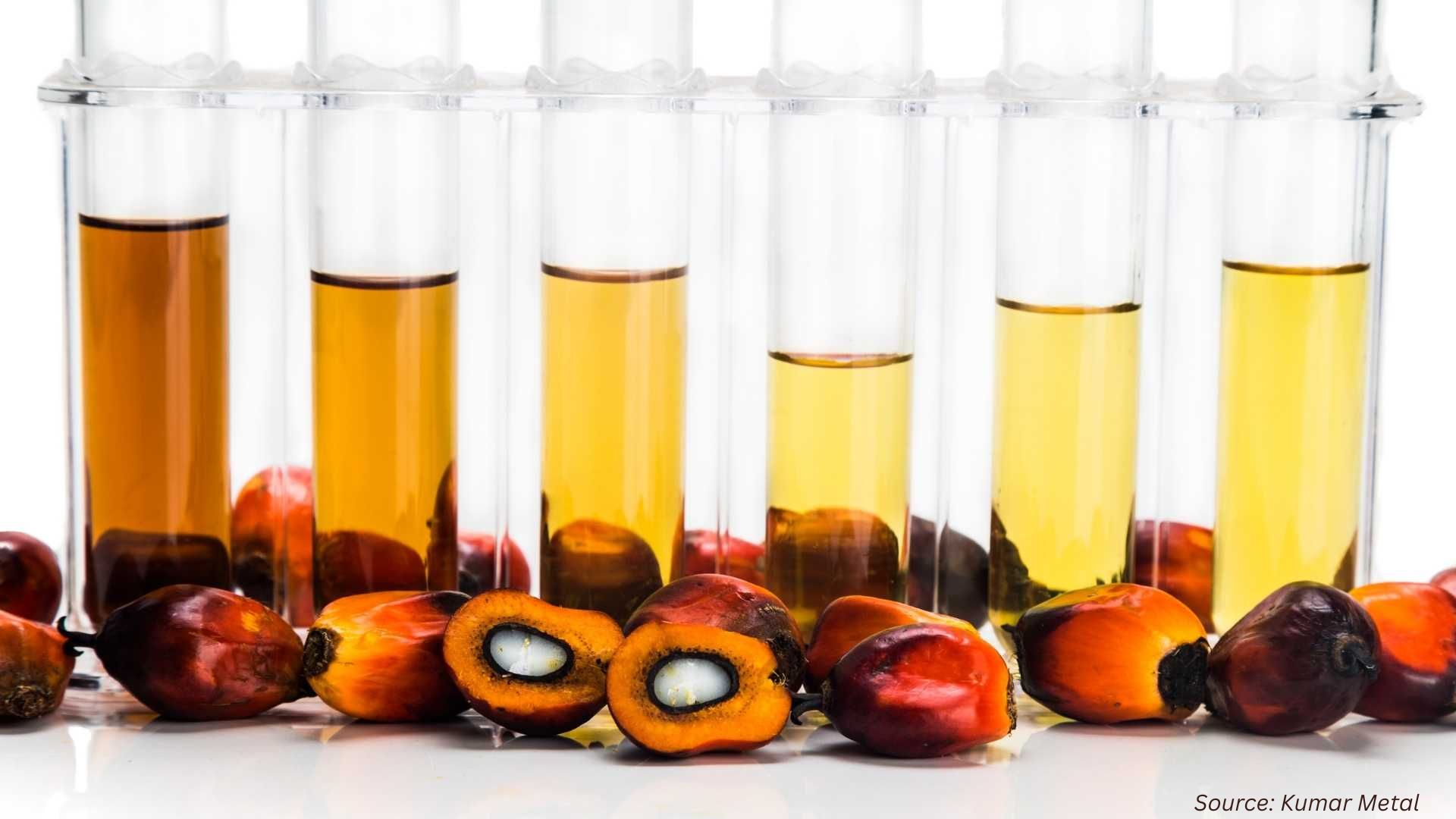
The oleochemicals market is experiencing a measurable shift as leading producers accelerate sustainability initiatives, introduce high-performance bio-based ingredients, and respond to rising global demand for natural, multifunctional formulations. Unlike traditional chemical pathways that rely heavily on petroleum derivatives, oleochemicals are gaining prominence due to their renewable origins and expanding use in personal care, polymers, additives, and specialty applications.
From ISO-certified energy management systems to patented natural film-formers and market-driven price movements, recent developments illustrate how fast the oleochemicals landscape is evolving. This blog examines the innovations driving current momentum in the oleochemicals market based solely on insights from three verifiable 2024–2025 sources.
What Is Powering the New Wave of Sustainability and Energy Efficiency in the Oleochemicals Market?
One of the most important forces shaping the oleochemicals market today is the sector’s move toward structured, measurable, and globally recognized sustainability frameworks. A milestone that underscores this transition is Emery Oleochemicals achieving ISO 50001: Energy Management Systems certification at its Cincinnati manufacturing facility.
Emery earned its ISO 50001 certification in December 2024 after a rigorous third-party audit, supported by the implementation of a comprehensive Energy Management System (EnMS) that included steam trap testing and repairs, ozonator efficiency assessments, steam boiler tuning, and employee training on minimizing energy waste. These initiatives led to a 25% reduction in nitrogen oxide (NOx) emissions equivalent to 16 tons annually driven by enhanced boiler performance. In recognition of these achievements, the Ohio Chemistry Technology Council honored Emery with its Award for Excellence in Environmental Performance in May 2025.
Sustainability-driven innovations such as ISO 50001 certification signal a clear shift toward cleaner and more efficient oleochemical production. Companies adopting structured energy management methods will be better positioned in global supply chains that increasingly prioritize ESG compliance.
-
ISO 50001 reflects rising sustainability expectations among global buyers.
-
Structured energy management lowers emissions and boosts cost efficiency.
-
Certified facilities may gain procurement advantages in regulated markets.
How Are Market Dynamics Influencing the Pricing of Oleochemical Derivatives Like Glycerine?
Another powerful driver shaping the oleochemicals market is tightening supply and rising demand for glycerine a core derivative used in pharmaceuticals, food, cosmetics, and industrial chemicals.
-
Glycerine prices are projected to increase across major global markets, directly driven by strong demand from oleochemical manufacturers.
-
Rising downstream consumption in personal care, health, and industrial applications is tightening supply.
-
This price movement reflects growing reliance on bio-based derivatives in multiple industries.
Glycerine price increases reflect robust oleochemical consumption across personal care and industrial applications. This dynamic reinforces the market’s upward momentum and highlights growing demand for renewable raw materials. Market dynamics are increasingly influencing the pricing of oleochemical derivatives such as glycerine, with tightening supply and rising global demand driving notable price increases across major regions. Strong downstream consumption particularly in personal care, cosmetics, pharmaceuticals, and various industrial applications is placing additional pressure on supply, reflecting a broader shift toward bio-based and renewable raw materials. As glycerine demand continues to rise, prices are expected to strengthen further, signaling robust consumption patterns worldwide, while integrated producers stand to benefit from improved margins amid this upward momentum in the oleochemicals market.
Global Glycerine Pricing Trends and Market Drivers
|
Current Pricing Trend |
Key Drivers of Price Movement |
Impact on Market |
|
Increasing |
Strong pharmaceutical |
Higher costs for downstream |
|
Increasing |
Rising bio-based product |
Encourages investment |
|
Moderate–High Increase |
Expanding cosmetics and |
Improved margins for |
|
Steady Increase |
Growing food & beverage |
Increased dependence on |
|
Gradual Increase |
Limited production, rising |
Higher import costs and |
How Is Product Innovation Expanding the Functional Scope of Oleochemicals?
A defining trend in the oleochemicals market is the shift toward high-value, specialty ingredients designed for advanced personal care formulations. A leading example is the launch of Softisan 650 by IOI Oleo at In-Cosmetics Global 2025 in Amsterdam.
Softisan 650 is a vegan, multifunctional natural film-former that delivers long-lasting wear, moisturizing benefits, and barrier protection, and has been extensively “overtested” by IOI Oleo to validate its performance, including proven 24-hour makeup durability. IOI Oleo, known for its expertise in natural esters that mimic compounds found in human skin, ensures enhanced sensory performance across applications. With 22 patents secured since 2018, the company demonstrates strong innovation in ester technology, supporting a robust pipeline that serves sun care, skin care, color cosmetics, shaving, toiletries, and a wide range of personal care categories.
Key Applications of Major Oleochemical Derivatives
|
Oleochemical Derivative |
Primary Uses |
Major End-User |
|
Glycerine |
Humectants, solvents, |
Personal care, pharmaceuticals, |
|
Fatty Acids |
Surfactants, lubricants, |
Home care, industrial, |
|
Fatty Alcohols |
Emulsifiers, detergents, |
Household cleaning, |
|
Esters |
Emollients, lubricants, |
Cosmetics, pharmaceuticals, |
|
Methyl Esters |
Biodiesel production, |
Energy, agriculture, |
|
Sorbitol |
Sweeteners, humectants |
Food & beverage, |
What Do These Innovations Mean for the Global Oleochemicals Market?
Across all three developments, several macro-level patterns are clear:
-
Sustainability is becoming measurable and mandatory, supported by ISO 50001 adoption.
-
Specialty oleochemicals are gaining traction, especially in personal care and beauty.
-
Raw material economics are strengthening, as reflected in rising glycerine prices.
-
Manufacturers are prioritizing patented, science-driven innovation to meet evolving consumer and regulatory expectations.
The market is clearly transitioning from volume-based commodity production to value-driven, technically differentiated solutions.
How Are Leading Companies Shaping the Oleochemicals Market?
Industry leaders are expanding their innovation pipelines and advancing strategic commitments to capture a greater portion of the growing bio-based chemicals opportunity.
-
Emery Oleochemicals is enhancing environmental performance through ISO-certified energy management systems, strengthening its competitive position in polymer additives and sustainable processing technologies.
-
IOI Oleo is advancing natural-origin, patented technologies for high-value personal care formulations.
-
Producers across the supply chain are adapting to glycerine price increases by optimizing efficiency, diversifying portfolios, and strengthening downstream partnerships.
Collectively, these strategies reinforce the sector’s shift toward high-performance, low-impact, innovation-driven growth.
Key Players and Strategic Initiatives in the Oleochemicals Market
Leading companies in the oleochemicals industry include Emery Oleochemicals, BASF SE, Wilmar International Ltd., KLK OLEO, IOI Oleo GmbH, Oleon NV, Kao Chemicals Europe S.L.U., Procter & Gamble Company, Evonik Industries AG, Corbion, and several others. These players are strengthening their market presence through strategies such as new product launches, acquisitions, and business expansions, enabling them to maintain competitiveness and drive long-term growth in the global oleochemicals market.

Next Move Strategy Consulting’s Viewpoint
The Oleochemicals Market is transitioning into a growth phase characterized by sustainability leadership, advanced bio-based ingredient development, and favorable pricing dynamics across key derivatives. Innovations such as Emery’s ISO 50001-certified EnMS highlight the importance of operational excellence, while IOI Oleo’s patented multifunctional esters demonstrate the market’s shift toward specialty ingredients that command higher margins.
At the same time, rising glycerine prices illustrate expanding global demand and emphasize the importance of secure sourcing and forward-looking supply chain planning. Together, these developments suggest that the oleochemicals market is well-positioned for broader adoption across personal care, industrial formulations, advanced manufacturing, and polymer additives. Continued regulatory engagement, R&D expansion, and capital investment will shape the pace and scalability of commercialization.
Next Steps: Action Plan for Market Stakeholders
-
Manufacturers should invest in ISO 50001-based energy strategies to improve performance and strengthen global supply chain eligibility.
-
Personal care companies can explore new natural-origin ester technologies to meet premium consumer expectations.
-
Producers and buyers should monitor glycerine pricing closely and evaluate sourcing diversification.
-
R&D teams should accelerate development of multifunctional, high-value oleochemical ingredients.
-
Investors may track patent activity and sustainability certifications as indicators of long-term growth potential.
About the Author
 Tania Dey is a content writer specializing in transformation-led, insight-driven storytelling. She develops research-backed, high-impact content aligned with evolving business priorities, digital behavior, and audience expectations. Her work helps organizations sharpen value propositions, strengthen visibility, and communicate strategic intent with clarity and precision. Grounded in data-informed storytelling, she brings a strong focus on relevance, consistency, and measurable digital impact across platforms.
About the Reviewer
 Sanyukta Deb is a senior content writer and content analyst with expertise in content strategy, audience engagement, and research-driven storytelling. With a strong leadership approach and strategic mindset, she drives content initiatives that strengthen brand communication and audience connection. She combines creativity with analytical insight to develop impactful, value-led content while mentoring collaborative efforts across teams to ensure consistent, meaningful engagement and long-term brand growth across digital platforms.











Add Comment