How Food Security Imperatives and Energy Transition Pressures Are Structurally Redefining the Urea Market?

The urea market is no longer shaped solely by cyclical agricultural demand; instead, it is structurally redefined by the intersection of food security imperatives, energy transition pressures, and geopolitical realignments. What historically operates as a volume-driven nitrogen commodity now functions as a strategically sensitive input embedded within national agricultural resilience frameworks. As governments prioritize yield stability, import substitution, and rural productivity, and as climate variability intensifies production risks, urea increasingly becomes central to policy-driven food system stabilization. Simultaneously, decarbonization mandates and carbon-accountability frameworks reshape production economics. Because conventional urea production remains highly dependent on natural gas feedstock, energy price volatility and emission intensity considerations directly influence capital allocation, trade competitiveness, and long-term supply positioning. Consequently, the market transitions from purely price-driven cycles toward structurally managed supply ecosystems aligned with sustainability and energy security objectives.
According to Next Move Strategy Consulting, the Urea Market size was valued at USD 70.68 billion in 2025, and is expected to be valued at USD 78.34 billion by the end of 2026. The industry is projected to grow, hitting USD 110.23 billion by 2035, with a CAGR of 3.87% between 2026 and 2035.
Our analysis indicates that this dual pressure food security on one side and decarbonization on the other elevates urea from a bulk agricultural input to a strategically governed component of global crop productivity infrastructure. As governments prioritize yield stability and inflation control, nitrogen availability increasingly aligns with national food resilience objectives. Simultaneously, carbon accountability frameworks reshape production economics, compelling producers to integrate low-emission pathways and efficiency upgrades. Consequently, urea transitions from cyclical commodity exposure toward structurally managed, policy-sensitive agricultural infrastructure.
For an In-depth Analysis of the Urea Industry, Try a FREE Sample
How Geopolitical Realignments and Agricultural Intensification Are Reconfiguring Global Urea Demand Architecture?
Based on our direct market engagements, geopolitical disruptions fundamentally reconfigure urea trade architecture. Export controls, sanctions, and feedstock supply imbalances alter traditional supply corridors; therefore, importing nations actively diversify sourcing strategies while accelerating domestic production capacity expansion. Rather than reacting tactically, governments increasingly treat nitrogen supply continuity as a strategic priority tied to macroeconomic stability and food price control.
At the same time, structural agricultural intensification strengthens baseline demand. Rising double-cropping systems, expanding irrigation networks, and mechanized farming adoption increase nitrogen application intensity across key producing regions. Major consumption anchors such as India, Brazil, and China continue to sustain structural volume demand through policy-backed subsidy ecosystems and yield-maximization programs. Meanwhile, emerging agricultural economies progressively improve fertilizer penetration rates as governments push for nutrient-balanced soil management frameworks.
In our experience, the convergence of geopolitical supply recalibration and intensifying crop productivity requirements transforms global urea demand into a structurally reinforced system rather than a purely seasonal agricultural cycle.

How Energy Economics, Green Ammonia Integration, and Efficiency Technologies Are Reshaping Production and Application Models?
From our direct engagements with organic fertilizer producers and agronomic stakeholders, we observe that energy economics increasingly dictate strategic direction across the urea market. Because natural gas remains the dominant feedstock, cost competitiveness directly correlates with energy access, feedstock integration, and regional infrastructure advantages. However, structural transformation accelerates as sustainability and efficiency imperatives converge:
-
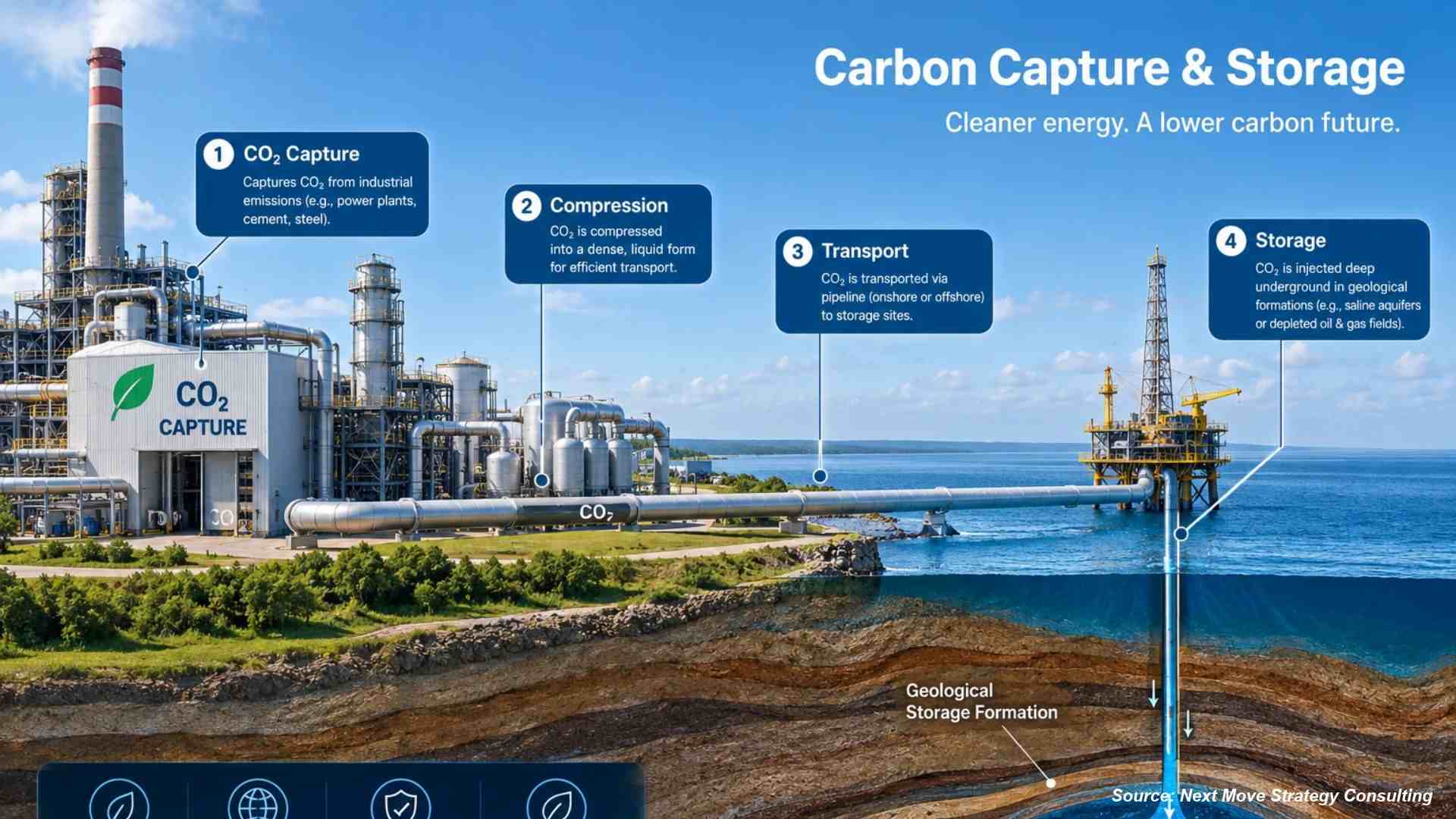
Low-Carbon Ammonia Pathways: Producers increasingly invest in renewable hydrogen-based ammonia and blue ammonia integration supported by carbon capture systems. Consequently, lifecycle emission intensity becomes a competitive differentiator, particularly in regions operating under strict environmental disclosure and carbon pricing regimes.
-
Enhanced-Efficiency Nitrogen Formulations: Coated, stabilized, and controlled-release urea variants expand across commercial portfolios. As a result, nutrient-use efficiency improves while nitrogen losses from volatilization and leaching decline, aligning productivity objectives with environmental compliance standards.
-
Precision Agronomy and Digital Optimization: Satellite-driven crop analytics, soil diagnostics, and variable-rate application technologies optimize nitrogen deployment at the field level. Therefore, growers increase yield predictability while minimizing input waste and regulatory risk exposure.
Collectively, these advancements reposition the urea market within a broader technology-enabled agricultural efficiency ecosystem, where productivity, compliance, and sustainability increasingly operate as integrated objectives rather than competing priorities.
How Policy Realignments, Environmental Compliance, and Trade Governance Are Structurally Stabilizing the Urea Ecosystem?
From our continuous policy and stakeholder engagements, we observe that subsidy frameworks, environmental regulations, and trade governance mechanisms increasingly stabilize and structure the urea market. Government-backed fertilizer subsidy programs maintain farmer affordability despite global pricing volatility; however, fiscal recalibration gradually shifts toward nutrient-based subsidy models and direct transfer mechanisms to encourage balanced fertilization practices.
Simultaneously, environmental oversight targeting nitrogen runoff, groundwater contamination, and greenhouse gas emissions increases compliance pressure across agricultural systems. Consequently, demand rises for performance-monitored fertilizers, traceable supply chains, and audit-ready nutrient management systems. In parallel, export quotas, tariff adjustments, and strategic reserve policies reshape global trade behavior, reinforcing the importance of localized production capacity and diversified procurement channels.
Taken together, regulatory alignment, fiscal restructuring, and trade governance collectively transform the urea market into a more policy-anchored and strategically supervised ecosystem.
How Leading Producers Are Advancing Capacity Integration, Decarbonization, and Strategic Differentiation?
From our direct market observations, the competitive landscape of the urea market evolves as leading global producers prioritize vertical integration, feedstock security, and carbon-intensity reduction. Rather than competing solely on scale, producers increasingly compete on cost efficiency, sustainability positioning, and supply reliability.
Major industry participants such as Yara International, Nutrien Ltd., CF Industries, Qatar Fertiliser Company, and OCI N.V. accelerate investments in blue and green ammonia integration, digital plant optimization, and global distribution expansion. Meanwhile, producers across the Middle East and Asia-Pacific leverage competitive feedstock access to strengthen export-oriented production strategies.
In our experience, competitive differentiation increasingly depends on carbon footprint transparency, operational resilience, supply continuity, and downstream agronomic advisory capabilities. As a result, the urea market progressively shifts toward a capital-intensive, sustainability-aligned, and strategically integrated global nitrogen infrastructure system.
Strategic Outlook
Based on our cumulative analysis, the urea market transitions from cyclical commodity exposure toward structurally anchored demand underpinned by food security priorities, evolving energy economics, and regulatory compliance frameworks. As decarbonization mandates intensify and agricultural systems modernize, urea increasingly functions as a strategically governed nitrogen solution embedded within global food production architecture. Consequently, long-term competitiveness within the market depends not merely on production scale, but on integration, sustainability alignment, and policy adaptability.
About the Author
 Saista Faiyaz
— Saista Faiyaz is Research Associate at Next Move Strategy Consulting, where she has covered consumer markets and healthcare technologies for 3 years. Her work includes primary interview review, secondary-source validation, market sizing, and structured analysis of company and industry data. She supports research by comparing evidence across sources, organizing findings into market narratives, and documenting assumptions used in analysis. Her scope includes cross-market benchmarking, and reports.
Saista Faiyaz
— Saista Faiyaz is Research Associate at Next Move Strategy Consulting, where she has covered consumer markets and healthcare technologies for 3 years. Her work includes primary interview review, secondary-source validation, market sizing, and structured analysis of company and industry data. She supports research by comparing evidence across sources, organizing findings into market narratives, and documenting assumptions used in analysis. Her scope includes cross-market benchmarking, and reports.
About the Reviewer
 Supradip Baul
— Supradip Baul is an accomplished business consultant and strategist with over a decade of rich experience in market intelligence, strategy, technology, and business transformation. His work has included rigorous qualitative and quantitative analysis across multiple industries, helping clients shape investment decisions and long-term roadmaps. Earlier in his career, he was associated with Gartner, where he contributed to industry-leading reports and market share analyses. He has worked with leading global companies and holds an MBA with a dual specialization in Marketing and Finance.
Supradip Baul
— Supradip Baul is an accomplished business consultant and strategist with over a decade of rich experience in market intelligence, strategy, technology, and business transformation. His work has included rigorous qualitative and quantitative analysis across multiple industries, helping clients shape investment decisions and long-term roadmaps. Earlier in his career, he was associated with Gartner, where he contributed to industry-leading reports and market share analyses. He has worked with leading global companies and holds an MBA with a dual specialization in Marketing and Finance.
















Add Comment