How Decarbonization and Circular Manufacturing are Transforming the UK Aluminum Market?
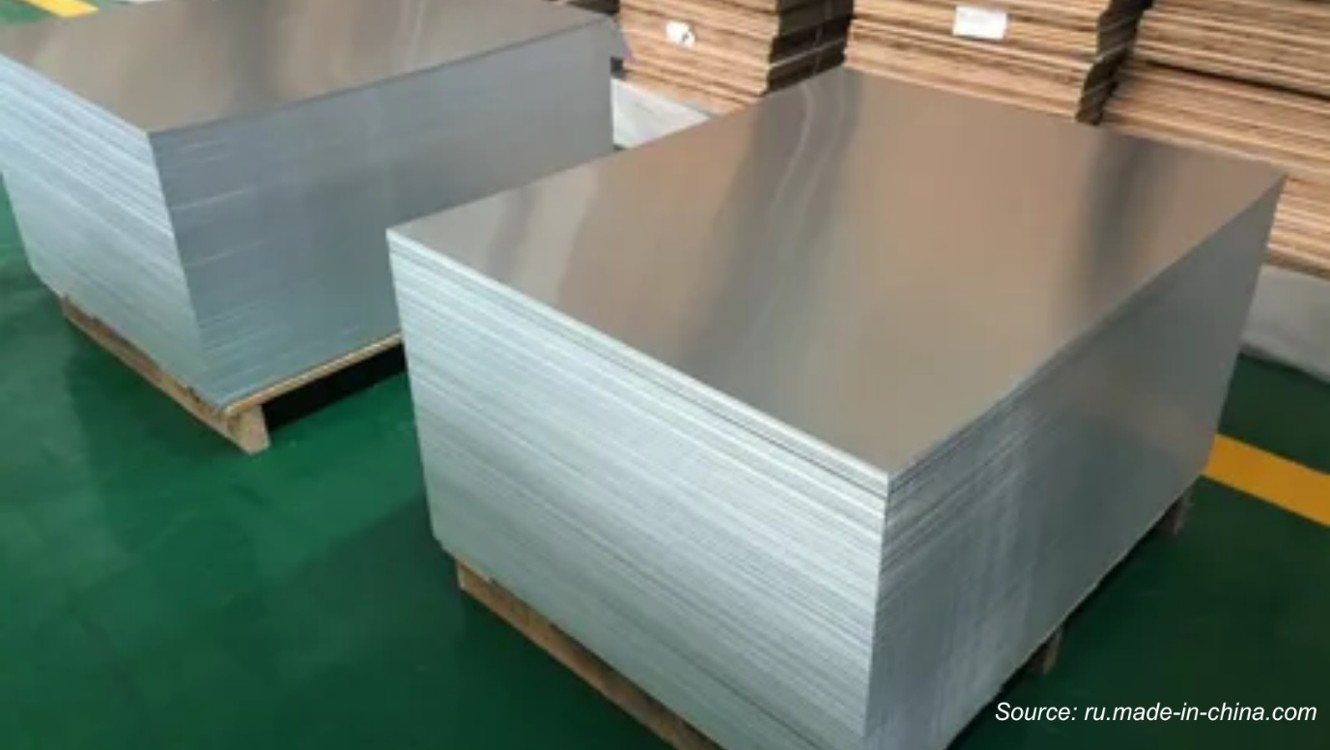
The UK Aluminum Market is undergoing a notable transformation, driven by developments that extend beyond conventional smelting and fabrication activities toward sustainability-led production and integrated supply ecosystems. Aluminum is increasingly valued not only as an industrial material but as a strategic enabler of lightweight engineering, circular manufacturing, and low-carbon compliance across transportation, construction, packaging, and electrical applications. Based on NMSC’s primary research and company disclosures, we observed that producers and fabricators are prioritising recycling efficiency, advanced alloy development, and energy-optimised processing to meet regulatory and customer expectations.
According to Next Move Strategy Consulting, the UK Aluminum Market size was valued at USD 2.20 billion in 2025, and is expected to be valued at USD 2.29 billion by the end of 2026. The industry is projected to grow, hitting USD 2.69 billion by 2035, with a CAGR of 2.04% between 2026 and 2035. In terms of volume, the market recorded 1.14 million tons in 2024, with forecasts indicating growth to 1.19 million tons by 2025 and further to 1.52 million tons by 2030, reflecting a CAGR of 2.95% over the same period.
Want Insights on the UK Aluminum Market? Access a FREE Sample Instantly
Our industry engagements indicate that expanding investments in low-carbon production, recycling infrastructure, and process modernization are strengthening interest in advanced aluminum solutions across the UK. As energy-efficient smelting, digital quality monitoring, and circular material ecosystems become more accessible, manufacturers and downstream users are increasingly adopting high-performance alloys and traceable material sourcing to improve operational outcomes.
Moreover, producers are responding by enhancing product customization, strengthening scrap recovery capabilities, and integrating data-driven process controls that support supply reliability, compliance, and lifecycle transparency. Based on our primary research, we observed that these innovations are helping organizations manage input costs, optimize material utilization, and strengthen procurement decisions. Consequently, modernization initiatives are accelerating aluminum adoption across transportation, construction, packaging, and engineering applications throughout the UK industrial landscape.
Sustainability Priorities and Circular Manufacturing are Reshaping Competitive Dynamics in the UK Aluminum Market
Based on our direct market observations, growing sustainability commitments and the transition toward circular manufacturing are significantly influencing how aluminum is produced, processed, and consumed across the UK. As industries pursue decarbonization targets and resource efficiency, demand for recycled content, low-emission billets, and lightweight material solutions has increased across construction, transportation, and packaging applications. Moreover, producers and fabricators are responding by optimizing scrap recovery, improving lifecycle traceability, and deploying energy-efficient processing methods to enhance environmental performance and material reliability. These shifts reflect evolving procurement expectations in highly regulated and sustainability-conscious industrial environments.
Our engagements and validation through company disclosures also indicate that collaboration across value chains is reshaping production and sourcing strategies. Industry participants are integrating digital monitoring, closed-loop recycling partnerships, and advanced alloy development to balance performance requirements with compliance obligations. Such accessibility to verified insights demonstrates practical industry familiarity and methodological rigor. Overall, sustainability-driven innovation and circularity adoption are redefining competitive positioning, reinforcing aluminum’s strategic role in resilient, future-oriented UK manufacturing and infrastructure ecosystems.

Low-Carbon Production and Decarbonization are Emerging as Central Forces Shaping the Future of the UK Aluminum Market
From our direct engagements with producers and downstream users across the UK aluminum value chain, we observe that decarbonization commitments and demand for lower-emission materials are increasingly influencing market direction. Organizations are prioritizing recycled feedstock, energy-efficient processing, and advanced alloy optimization to reduce lifecycle impact while maintaining technical performance. Furthermore, these shifts are shaping sourcing preferences across construction, transportation, and packaging segments, where environmental accountability and material traceability are becoming central to procurement strategies.
Our assessment, grounded in practitioner consultations and cross-verified through company disclosures, also indicates growing adoption of emissions tracking, circular recycling collaborations, and renewable-aligned production investments. Collectively, these developments demonstrate how low-carbon production priorities are redefining competitiveness, strengthening compliance readiness, and positioning sustainability-driven innovation as a core trend shaping the UK aluminum market’s evolution.
How is the Demand from Transportation Lightweighting Shaping Growth Trends in the UK Aluminum Market?
From our direct engagements with manufacturers and downstream buyers across the UK, we observed that rising demand for lightweight transportation solutions is becoming a central trend influencing aluminum consumption patterns. As automotive, aerospace, and marine segments prioritize efficiency and emissions reduction, aluminum is increasingly specified for structural, body, and component applications due to its strength-to-weight performance and recyclability. Material innovation and supply coordination are therefore evolving to support performance-driven adoption across mobility ecosystems:
-
Automotive Lightweighting Requirements: Vehicle manufacturers are expanding the use of extrusions, rolled products, and alloys to improve energy efficiency and meet sustainability targets.
-
Aerospace Material Optimization: Aircraft component suppliers are adopting high-strength aluminum grades to balance durability, safety, and weight reduction objectives.
-
Marine and Rail Applications: Infrastructure modernization and fleet upgrades are driving use of corrosion-resistant aluminum in transport equipment and structural systems.
-
Process and Alloy Innovation: Producers are investing in alloy engineering and fabrication precision to meet strict transportation-grade standards.
-
Supply Chain Alignment: Collaboration across fabrication and OEM networks is improving reliability and technical integration.
Grounded in practitioner discussions and validated industry materials, we found that these developments indicate that transportation lightweighting demand is strengthening aluminum’s strategic role in mobility innovation, reinforcing long-term relevance across the UK industrial landscape.

Leading Producers and Fabricators are Advancing Sustainability, Expanding Capacity, and Strengthening Supply Efficiency in the UK Aluminum Market
From our market observations across the UK aluminum ecosystem, we observed that the sector is evolving as major producers and fabricators intensify innovation, operational alignment, and sustainability integration to address changing industrial requirements. Companies such as Novelis, Norsk Hydro, ALVANCE British Aluminium, Bridgnorth Aluminium, Smart Aluminium Extrusions, Capalex, Edmo Group, Aluminium Shapes, Coleshill Aluminium, JBMI Group Ltd, Milver Metals, BWC Profiles, Acorn Aluminium Ltd, Garnet Extrusions Ltd, NovaCast UK Foundry Ltd, and ABL Aluminium Components Ltd.
are strengthening competitiveness through alloy engineering, fabrication specialization, and recycling optimization. Aluminum solutions are increasingly positioned as performance-driven and environmentally accountable materials supporting transportation, construction, and engineering applications.
Moreover, recent verified developments further illustrate how operational initiatives are shaping market momentum. In December 2025, Aluminium Shapes introduced its Ali4 low-carbon billet, demonstrating measurable emissions reduction relative to global benchmarks. In November 2025, Acorn Aluminium secured a façade supply contract for Birmingham’s Stone Yard development, expanding its architectural footprint, while July 2025 saw ALVANCE British Aluminium strengthen logistics resilience through a long-term rail wagon leasing agreement. Earlier, in March 2025, Garnet Extrusions advanced capacity expansion through planning approval for a new Derbyshire facility. Supported by company disclosures and practitioner insights, these activities highlight strategic investments in decarbonization, infrastructure participation, and operational efficiency. Collectively, such initiatives reinforce supply reliability, technical credibility, and long-term competitiveness across the UK aluminum landscape.
Future Outlook: Pioneering a Low-Carbon, Circular Era in the UK Aluminum Market
Based on our discussions with fabricators and downstream users across the UK, the aluminum market is rapidly transitioning toward low-carbon, circular, and technologically advanced operations. Our primary research indicates that companies are increasingly prioritizing energy-efficient smelting, advanced alloy development, and digital quality monitoring to optimize material utilization, enhance lifecycle transparency, and strengthen supply reliability. In addition, manufacturers are expanding scrap recovery capabilities and adopting data-driven process controls, reflecting a strong focus on operational efficiency and compliance. Sustainability priorities are shaping procurement and production decisions, with demand rising for recycled content, low-emission billets, and lightweight solutions across construction, transportation, and packaging sectors. Collaboration across value chains, including closed-loop recycling partnerships and digital traceability, has emerged as a key enabler of performance and regulatory compliance.
Furthermore, transportation lightweighting is driving adoption, as automotive, aerospace, and marine segments increasingly specify aluminum for high-strength, low-weight applications. Leading UK producers, including Novelis, Norsk Hydro, ALVANCE British Aluminium, and others, are investing in decarbonization, infrastructure modernization, and capacity expansion initiatives. These efforts, validated through company disclosures and practitioner discussions, underscore aluminum’s strategic role as a cornerstone of resilient, sustainable, and future-ready UK manufacturing.
About the Author
 Tushmi Dutta
— Tushmi Dutta is a focused researcher specializing in detailed analysis and insight-driven research across diverse business landscapes. She supports strategic initiatives through structured data interpretation, thorough validation, and clear communication of findings that aid informed decision-making. With a strong interest in writing, she enjoys presenting research insights in an engaging and accessible manner. Beyond work, she enjoys traveling, reading, painting, and continuously learning new skills that contribute to her creative and professional growth.
Tushmi Dutta
— Tushmi Dutta is a focused researcher specializing in detailed analysis and insight-driven research across diverse business landscapes. She supports strategic initiatives through structured data interpretation, thorough validation, and clear communication of findings that aid informed decision-making. With a strong interest in writing, she enjoys presenting research insights in an engaging and accessible manner. Beyond work, she enjoys traveling, reading, painting, and continuously learning new skills that contribute to her creative and professional growth.
About the Reviewer
 Supradip Baul
— Supradip Baul is an accomplished business consultant and strategist with over a decade of rich experience in market intelligence, strategy, technology, and business transformation. His work has included rigorous qualitative and quantitative analysis across multiple industries, helping clients shape investment decisions and long-term roadmaps. Earlier in his career, he was associated with Gartner, where he contributed to industry-leading reports and market share analyses. He has worked with leading global companies and holds an MBA with a dual specialization in Marketing and Finance.
Supradip Baul
— Supradip Baul is an accomplished business consultant and strategist with over a decade of rich experience in market intelligence, strategy, technology, and business transformation. His work has included rigorous qualitative and quantitative analysis across multiple industries, helping clients shape investment decisions and long-term roadmaps. Earlier in his career, he was associated with Gartner, where he contributed to industry-leading reports and market share analyses. He has worked with leading global companies and holds an MBA with a dual specialization in Marketing and Finance.

















Add Comment