How Innovation Is Redefining the Asia-Pacific Ammonia & Urea Industry?
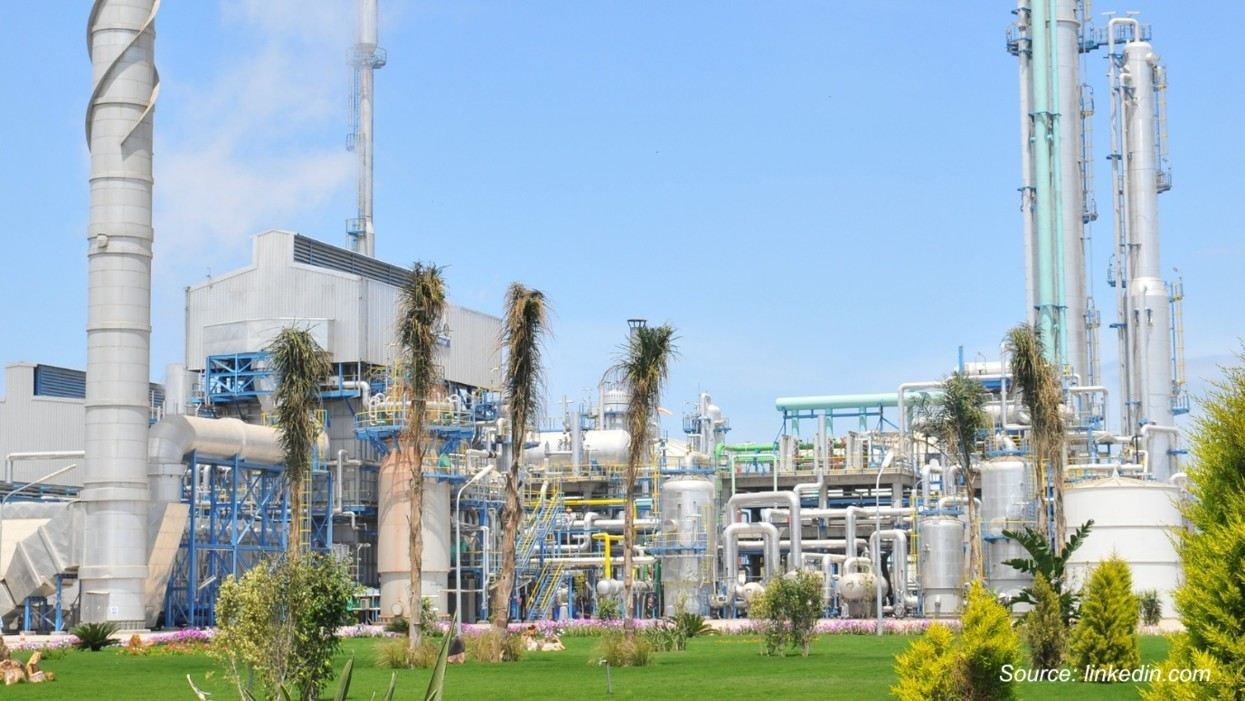
The Asia-Pacific Ammonia & Urea Products Market is undergoing a significant transformation, driven by advancements that extend far beyond traditional production and supply models. From low-carbon manufacturing technologies and AI-enabled process optimization to digital logistics platforms and sustainability-focused initiatives, the industry is shifting toward an integrated, future-ready ecosystem. In this evolving landscape, ammonia and urea are no longer viewed solely as chemical commodities. They are emerging as strategic enablers for agricultural productivity, clean energy transition, and industrial decarbonization. This transition reflects broader regional priorities, efficiency, innovation, and environmental responsibility, positioning the sector to meet rising global demand with smarter, greener, and more resilient solutions.
According to Next Move Strategy Consulting, Asia-Pacific Ammonia & Urea Products Market size was valued at USD 68.92 billion in 2024 and is expected to reach USD 73.53 billion by 2025. Looking ahead, the industry is projected to expand significantly, reaching USD 85.03 billion by 2030, registering a CAGR of 2.95% from 2025 to 2030. Also, it has a market volume of 172216 kilo tons in 2024 and is expected to reach 198107 kilo tons by 2025 and is projected to reach 255664 kilo tons by 2030, with a CAGR of 5.23%.
For an In-depth Analysis of the Asia-Pacific Ammonia & Urea Products Industry, Try a FREE Sample
Growing investments in modern production technologies, rising demand for sustainable and energy-efficient manufacturing processes, and the rapid adoption of digital platforms across the chemical supply chain are fuelling strong demand for advanced and customized ammonia and urea solutions in the Asia-Pacific region. As digital tools, smart monitoring systems, and online procurement platforms streamline operations from production to delivery, companies are innovating to offer higher-quality products with improved efficiency and environmental performance. This includes the integration of automation, AI-driven process optimization, real-time plant monitoring, and digital trading systems, enabling producers to enhance output quality, reduce carbon intensity, and meet the evolving needs of agriculture, industrial users, and emerging clean-energy applications.
How Green Hydrogen and Clean Energy Policies Are Transforming Asia-Pacific Ammonia & Urea Demand?
The Asia-Pacific region is witnessing a major transition in its ammonia and urea market as governments and industries accelerate the shift toward clean energy and low-carbon manufacturing. Green hydrogen, produced using renewable energy, has emerged as a critical enabler of this transformation, particularly in ammonia production, which is traditionally energy-intensive and reliant on natural gas or coal. As countries such as India, China, and South Korea invest heavily in large-scale green hydrogen and green ammonia projects, demand for sustainable ammonia is rising rapidly across both agricultural and industrial sectors. Green ammonia is increasingly being recognized not only as a low-carbon fertilizer input but also as a potential clean fuel for power generation, maritime transport, and energy storage. This diversification is reshaping long-term demand patterns in the region.
Supportive government policies, including carbon reduction targets, renewable energy incentives, and clean hydrogen roadmaps, are further accelerating investments in modern ammonia and urea plants equipped with carbon capture systems, electrolysis units, and digital optimization tools. These initiatives are enabling producers to reduce emissions, enhance energy efficiency, and align with global sustainability standards. As the clean energy transition gains momentum, the Asia-Pacific ammonia and urea market is experiencing a fundamental shift, moving toward greener production pathways, diversified applications, and greater alignment with the region’s net-zero ambitions. This evolution positions ammonia and urea producers to capture new opportunities while meeting the growing expectations for environmental responsibility and energy security.
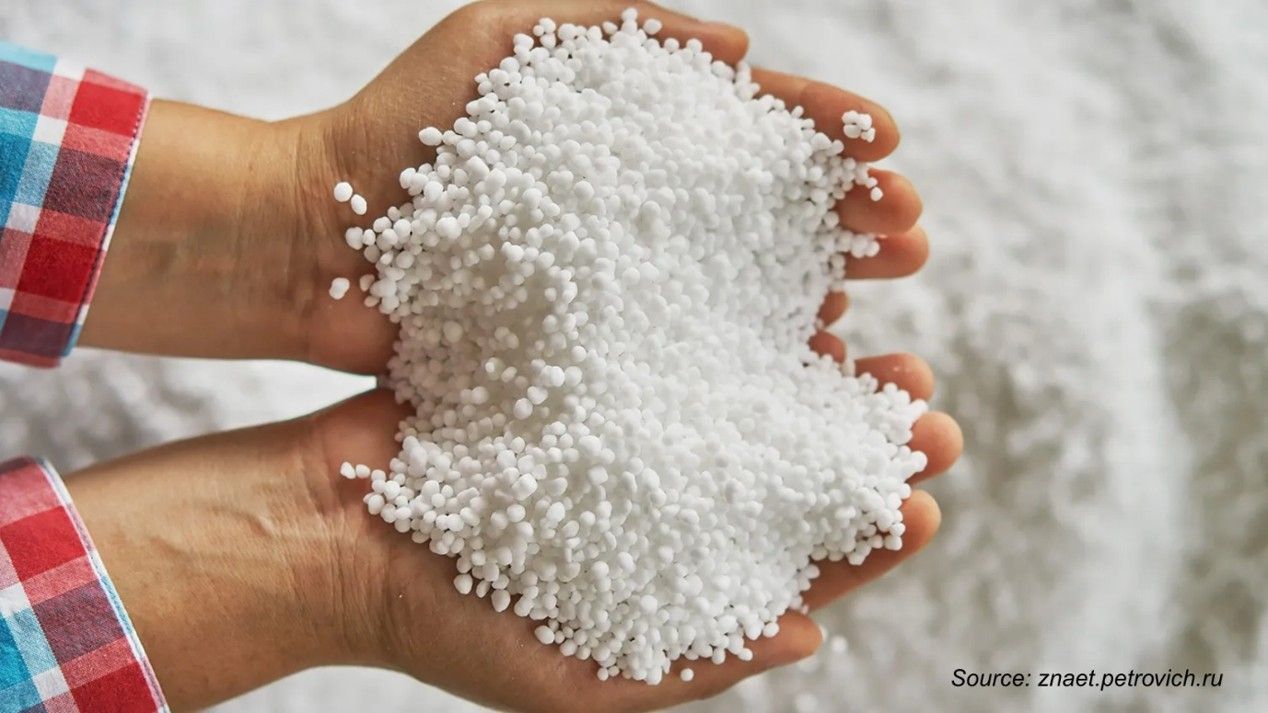
How Carbon Capture and Low-Emission Technologies Are Transforming the Asia-Pacific Ammonia & Urea Products Market?
The Asia-Pacific ammonia and urea industry is entering a new phase of transformation as producers increasingly adopt carbon capture, utilization, and storage (CCUS) and other low-emission technologies to meet rising environmental regulations and global decarbonization goals. Ammonia and urea manufacturing is traditionally energy-intensive and a significant source of CO₂ emissions, making the shift toward cleaner production pathways both urgent and strategically important.
-
Rising Adoption of Carbon Capture Systems: Manufacturers across the region are increasingly integrating carbon capture and utilization technologies into ammonia and urea plants to significantly reduce CO₂ emissions and meet tightening environmental regulations.
-
Shift Toward Blue Ammonia and Low-Emission Production: Producers are investing in low-carbon and blue ammonia technologies to lower lifecycle emissions, enhance global export competitiveness, and support emerging applications in clean energy, power generation, and maritime fuel.
-
Digitalization for Emission Monitoring and Energy Optimization: AI-driven monitoring tools, real-time analytics, and digital process controls are being implemented to improve operational efficiency, optimize energy consumption, and ensure transparent tracking of carbon footprints across production facilities.
Together, these advancements position the Asia-Pacific ammonia and urea industry for a more sustainable, efficient, and globally competitive future, enabling producers to align with emerging clean-energy markets and evolving regulatory expectations.
How Digital Supply Chains and E-Procurement Platforms Are Transforming the Asia-Pacific Ammonia & Urea Products Market?
Digital transformation is rapidly reshaping the Asia-Pacific ammonia and urea products market, as producers, distributors, and buyers increasingly rely on online platforms and smart logistics systems. The integration of digital procurement tools, real-time supply chain technologies, and data-driven decision-making is modernizing how fertilizers are sourced, traded, and delivered across the region.
-
Expansion of Digital Procurement Platforms: The rise of online fertilizer marketplaces and e-procurement systems is streamlining purchasing for distributors, retailers, and large farms, enabling faster transactions, transparent pricing, and improved access to ammonia and urea products across the region.
-
Improved Supply Chain Visibility and Efficiency: IoT sensors, real-time tracking tools, and cloud-based logistics platforms are enhancing visibility across production, storage, and transportation, reducing delays and optimizing fertilizer movement from plants to end users.
-
Data-Driven Demand Forecasting and Inventory Optimization: Advanced analytics and AI-powered forecasting are helping producers and distributors better predict seasonal and regional demand, minimize stockouts, and stabilize supply in key agricultural markets.
Together, these advancements are creating a more transparent, efficient, and resilient fertilizer distribution ecosystem, positioning the Asia-Pacific ammonia and urea market to better meet growing agricultural demands and evolving industry expectations.
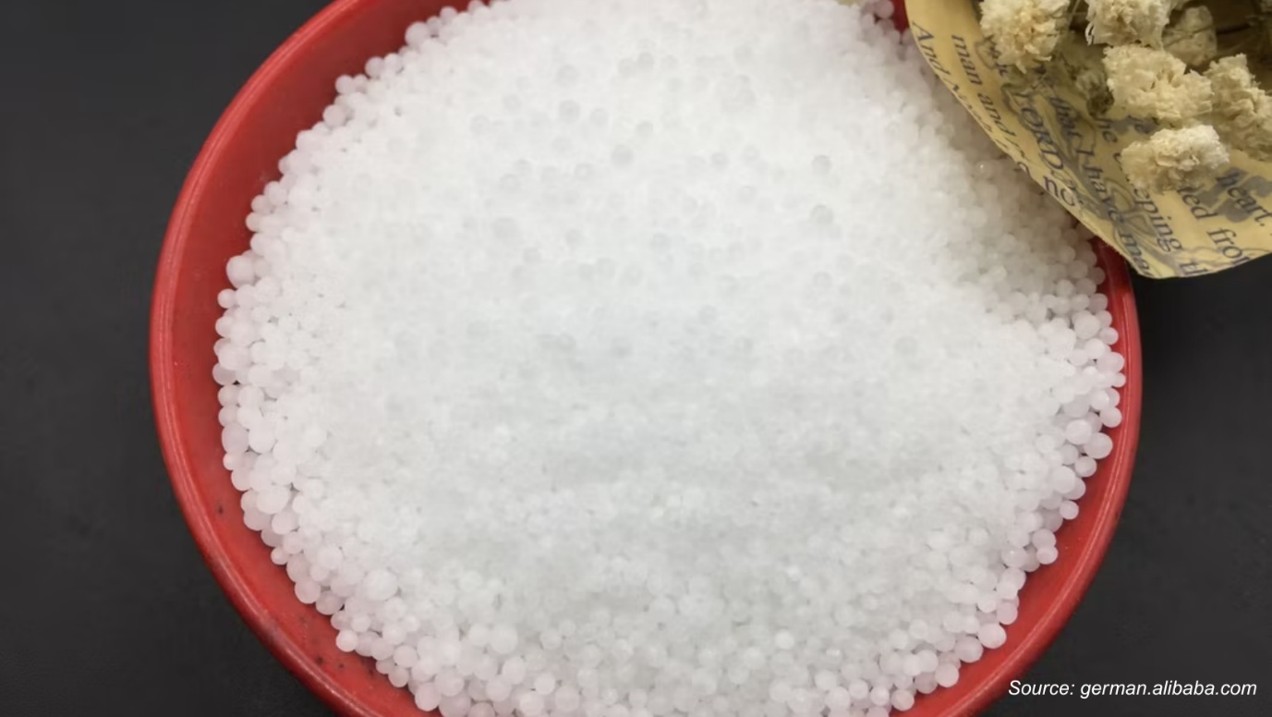
How Are Leading Producers Driving Innovation and Sustainability in the Asia-Pacific Ammonia & Urea Products Market?
The Asia-Pacific Ammonia & Urea Products market is undergoing a significant transformation as leading fertilizer producers push forward with new technologies, sustainability-centered strategies, and long-term resource security. These companies are not only strengthening production capabilities but also integrating low-carbon practices, circular approaches, and digital transformation to meet rising regional demand for environmentally responsible nitrogen-based fertilizers.
Major players such as Pupuk Kaltim, Pupuk Kujang, Pupuk Sriwidjaja Palembang, Pupuk Iskandar Muda, PT Petrokimia Gresik, SABIC, QAFCO, PT Yara Indonesia, Sumitomo Chemical Co., Ltd., and PT ESSA Industries Indonesia Tbk are at the forefront of this evolution.
Companies like QAFCO are leading sustainability efforts by investing in the future of blue ammonia. The company’s landmark project, QAFCO-7, confirmed in May 2025 to be on track for operations in 2026, marks a major step toward cleaner ammonia production. Once operational, this facility is expected to significantly influence regional pricing, support Asia-Pacific energy transition strategies, and strengthen Indonesia’s supply chains through access to low-carbon ammonia. Ensuring feedstock stability, a critical element for sustainable and efficient ammonia production, remains a priority across the sector. In February 2025, Pupuk Kaltim secured a long-term gas sales agreement with Pertamina, ensuring reliable natural gas input for ammonia and urea manufacturing. This strategic move enhances production continuity, reduces feedstock risk, and supports ongoing modernization of the company’s production ecosystem. Similarly, Pupuk Kujang advanced its long-term sustainability goals through a June 2024 MoU that secures gas supply from the Madura Strait. This agreement enables the development of a new, more efficient manufacturing unit designed to lower energy consumption while supporting expanded urea capacity in the future.
Global leaders SABIC and Sumitomo Chemical Co., Ltd. continue to influence the Asia-Pacific market by promoting low-emission production pathways, adopting innovative catalysts, and supporting cross-border supply chain resilience. PT Yara Indonesia is also expanding sustainable fertilizer offerings by leveraging global best practices in digital distribution, agronomy advisory services, and nitrogen-use optimization.
Meanwhile, PT ESSA Industries Indonesia Tbk plays an increasingly important role in supplying stable ammonia volumes to both domestic and export markets. Through enhanced production efficiency and collaborative partnerships, the company contributes to regional supply security while exploring cleaner energy solutions for future growth. As the industry becomes more interconnected, leading producers are aligning with international sustainability frameworks, low-carbon ammonia certification protocols, and digital monitoring systems. These advancements ensure that ammonia and urea production in the Asia-Pacific region becomes more environmentally responsible, reliable, and future-ready.
Ultimately, leading companies across the region are driving a paradigm shift in the Asia-Pacific Ammonia & Urea Products market, where innovation, energy security, and sustainability converge. By focusing on low-carbon technologies, feedstock optimization, plant modernization, and long-term strategic partnerships, these producers are setting new benchmarks for the industry. As demand rises for cleaner and more efficient fertilizer solutions, these forward-thinking companies are well-positioned to deliver sustainable growth in an evolving market landscape.
About the Author
 Tushmi Dutta
— Tushmi Dutta is a focused researcher specializing in detailed analysis and insight-driven research across diverse business landscapes. She supports strategic initiatives through structured data interpretation, thorough validation, and clear communication of findings that aid informed decision-making. With a strong interest in writing, she enjoys presenting research insights in an engaging and accessible manner. Beyond work, she enjoys traveling, reading, painting, and continuously learning new skills that contribute to her creative and professional growth.
Tushmi Dutta
— Tushmi Dutta is a focused researcher specializing in detailed analysis and insight-driven research across diverse business landscapes. She supports strategic initiatives through structured data interpretation, thorough validation, and clear communication of findings that aid informed decision-making. With a strong interest in writing, she enjoys presenting research insights in an engaging and accessible manner. Beyond work, she enjoys traveling, reading, painting, and continuously learning new skills that contribute to her creative and professional growth.
About the Reviewer
 Supradip Baul
— Supradip Baul is an accomplished business consultant and strategist with over a decade of rich experience in market intelligence, strategy, technology, and business transformation. His work has included rigorous qualitative and quantitative analysis across multiple industries, helping clients shape investment decisions and long-term roadmaps. Earlier in his career, he was associated with Gartner, where he contributed to industry-leading reports and market share analyses. He has worked with leading global companies and holds an MBA with a dual specialization in Marketing and Finance.
Supradip Baul
— Supradip Baul is an accomplished business consultant and strategist with over a decade of rich experience in market intelligence, strategy, technology, and business transformation. His work has included rigorous qualitative and quantitative analysis across multiple industries, helping clients shape investment decisions and long-term roadmaps. Earlier in his career, he was associated with Gartner, where he contributed to industry-leading reports and market share analyses. He has worked with leading global companies and holds an MBA with a dual specialization in Marketing and Finance.

















Add Comment