How Is Biometrics Transforming the Future of Healthcare Access?
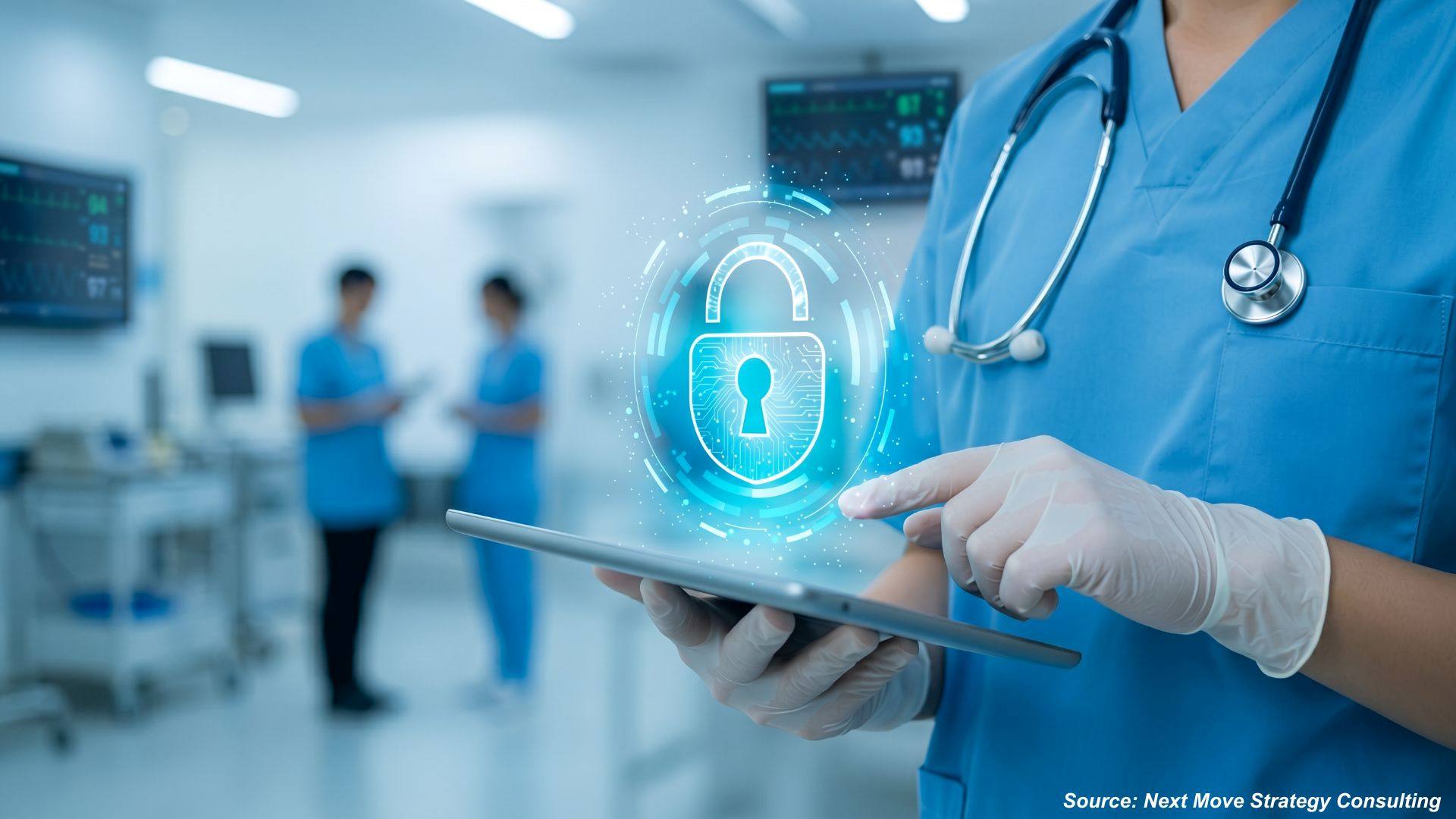
The Healthcare Biometrics Market is expanding rapidly as healthcare systems move toward digital-first patient experiences and secure identity verification solutions. From palm-based clinic check-ins in Hong Kong to remote biometric identity verification in Germany, healthcare organizations are increasingly adopting advanced biometric technologies to simplify patient access, improve operational efficiency, and strengthen data security across digital healthcare environments.
Why Are Palm Biometrics Becoming Important in Healthcare?
One of the most significant developments in healthcare biometrics emerged in Hong Kong, where Tencent partnered with Bupa Hong Kong to deploy palm verification systems across 20 private healthcare clinics.
According to Biometric Update, the new “Express Check-in” system enables patients to verify their identity through palm scanning instead of using physical identification cards.
Tencent’s PalmAI technology combines palm print recognition with palm vein authentication, creating a dual-layer biometric verification process. The system is designed to support secure and contactless patient check-ins while reducing waiting times inside clinics.
|
Feature |
Details |
|
Technology Used |
Palm print and palm vein |
|
Deployment Scale |
20 Bupa clinics in Hong Kong |
|
Verification Speed |
300 milliseconds |
|
False Rejection Rate |
0.01% |
The deployment also reflects growing healthcare demand for hygienic and frictionless patient experiences. Patients simply place their hand over a scanner for verification, eliminating the need for physical interaction with front-desk staff. Bupa Hong Kong additionally integrated the system with its Blua Health app, enabling easier digital healthcare access without requiring physical documentation.
How Is Germany Advancing Digital Healthcare Identity?
Germany is also strengthening its digital healthcare ecosystem through biometric identification technologies.
According to Biometric Update’s report on Nect, patients can now verify themselves remotely using the Nect Ident ePass system.
The process combines ID document capture, NFC chip authentication, and video selfie verification to confirm patient identity digitally. Previously, users often had to wait for PIN verification through physical mail before completing registration for healthcare services.
The approval is important because Germany’s Health ID system plays a central role in the country’s healthcare digitization strategy. Patients use these digital identities to access electronic patient records, e-prescription services, and healthcare communication platforms.
Nect also emphasized compliance with strict European eIDAS standards related to data protection, security, and tamper resistance. This highlights how healthcare biometric systems must operate within highly regulated environments where trust and privacy remain essential.
How Is Blockchain Expanding Biometric Authentication?
Biometric authentication is also gaining attention within blockchain ecosystems and digital identity platforms. Pi Network recently announced beta testing for palm-print authentication as part of its identity verification process.
According to Biometric Update’s blockchain biometrics coverage, the feature could support functions such as account recovery, password resets, and two-factor authentication.
The company stated that approximately 16 million users have already migrated to its Mainnet ecosystem. Although this initiative is not directly tied to healthcare delivery, it reflects broader momentum toward biometric identity systems that could eventually support secure digital healthcare ecosystems and patient authentication frameworks.
What Challenges Continue to Affect Healthcare Biometrics?
Despite rapid adoption, healthcare biometrics still faces several important challenges. Regulatory compliance remains one of the biggest concerns, particularly in regions with strict healthcare privacy and cybersecurity requirements.
Healthcare providers must also ensure that patients trust how biometric information is collected, stored, and used. Unlike passwords, biometric identifiers cannot simply be changed if compromised, making secure storage and encryption essential.
Technology standardization is another challenge. Healthcare systems across countries often use different digital infrastructures, which can complicate interoperability and large-scale integration.
Healthcare Biometrics Applications in Digital Care
The pie chart highlights how biometric technologies are being used across modern healthcare systems. Patient check-ins account for the largest share at 35%, reflecting the growing adoption of contactless verification systems in clinics and hospitals. Digital Health ID systems represent 30%, showing the increasing importance of secure digital identity access for healthcare platforms and patient records. E-prescriptions contribute 20%, indicating the rising integration of biometric authentication into digital prescription services. Healthcare communication platforms hold 15%, demonstrating the role of secure identity verification in connecting patients with healthcare professionals digitally.
Overall, the chart shows that healthcare organizations are prioritizing biometrics to improve patient convenience, security, and digital healthcare accessibility.

What Does the Future of Healthcare Biometrics Look Like?
The latest deployments suggest that healthcare biometrics is entering a more mature phase of adoption. Organizations are increasingly using biometric technologies not only to improve patient convenience but also to strengthen digital trust.
Palm recognition systems, facial verification technologies, and digital healthcare identity platforms are becoming part of broader healthcare modernization strategies. These systems are helping providers create smoother patient experiences while supporting secure access to sensitive medical services.
As healthcare systems continue expanding digital infrastructure, biometrics is expected to play a growing role in patient onboarding, electronic health records access, telehealth authentication, and digital prescription services.
Biometric Verification Technologies in Healthcare
This pie chart illustrates the most widely discussed biometric verification technologies within healthcare and digital identity systems. Palm recognition leads with 40%, driven by growing deployments of palm-based patient verification and contactless authentication systems. Video selfie verification represents 25%, reflecting the increasing use of remote identity confirmation for digital healthcare onboarding. NFC authentication accounts for 20%, highlighting the importance of secure document verification through embedded chip technology. ID document capture contributes 15%, supporting identity validation during digital healthcare registration processes.
The chart demonstrates how healthcare providers are combining multiple biometric technologies to create secure, efficient, and frictionless patient authentication systems.

Strategic Developments Among Leading Healthcare Biometrics Companies
The healthcare biometrics sector includes major companies such as Thales Group, Imprivata, Inc., BioIntelliSense, LifeQ, Inc., 3M Cogent, Inc., Suprema, Inc., BIO-key International, Inc., Fujitsu Limited, MorphoTrust, and Mitsubishi Electric Corporation. These companies are increasingly focusing on strategies such as acquisitions, partnerships, and product launches to strengthen their market presence and expand their healthcare biometric capabilities across global regions.

Next Steps for Healthcare Organizations
Healthcare organizations preparing for digital transformation should focus on building secure and compliant biometric ecosystems. Expanding contactless patient experiences can improve operational efficiency while reducing administrative complexity.
Providers should also integrate biometric systems carefully with healthcare applications and digital identity platforms to create seamless patient journeys. At the same time, transparent communication regarding biometric data protection will remain essential for maintaining patient trust.
-
Invest in secure biometric identity systems that comply with healthcare privacy regulations and cybersecurity standards.
-
Expand contactless patient verification processes to improve operational efficiency and reduce waiting times.
-
Integrate biometric authentication with healthcare apps, patient portals, and digital prescription systems for seamless access.
-
Strengthen transparency around biometric data collection, storage, and usage to build long-term patient trust.
Conclusion
Healthcare biometrics is rapidly becoming a foundational element of modern digital healthcare systems. Developments in Hong Kong and Germany show how biometric technologies can improve patient access, simplify authentication, and support more secure healthcare interactions.
From palm-based clinic check-ins to remote healthcare identity verification, organizations are increasingly adopting biometrics to balance convenience, security, and regulatory compliance. As digital healthcare ecosystems continue evolving, biometric authentication is likely to become an even more significant part of the patient experience in the years ahead.
About the Author
 Tania Dey
— Tania Dey is a content writer specializing in transformation-led, insight-driven storytelling. She develops research-backed, high-impact content aligned with evolving business priorities, digital behavior, and audience expectations. Her work helps organizations sharpen value propositions, strengthen visibility, and communicate strategic intent with clarity and precision. Grounded in data-informed storytelling, she brings a strong focus on relevance, consistency, and measurable digital impact across platforms.
Tania Dey
— Tania Dey is a content writer specializing in transformation-led, insight-driven storytelling. She develops research-backed, high-impact content aligned with evolving business priorities, digital behavior, and audience expectations. Her work helps organizations sharpen value propositions, strengthen visibility, and communicate strategic intent with clarity and precision. Grounded in data-informed storytelling, she brings a strong focus on relevance, consistency, and measurable digital impact across platforms.
About the Reviewer
 Sanyukta Deb
— Sanyukta Deb is Digital Marketing Team Lead at Next Move Strategy Consulting, where she has led content strategy and technical SEO for the firm's B2B market research publications for over 2 years. Her editorial process translates NextMSC's primary and secondary research — spanning technology, industrial, and consumer sectors — into commercial narratives, backed by search-intent, keyword, and competitive analysis. She brings 5 years of overall experience in digital marketing and content strategy.
Sanyukta Deb
— Sanyukta Deb is Digital Marketing Team Lead at Next Move Strategy Consulting, where she has led content strategy and technical SEO for the firm's B2B market research publications for over 2 years. Her editorial process translates NextMSC's primary and secondary research — spanning technology, industrial, and consumer sectors — into commercial narratives, backed by search-intent, keyword, and competitive analysis. She brings 5 years of overall experience in digital marketing and content strategy.

















Add Comment