How Is Data Center LDES Powering the Future of Digital Infrastructure?
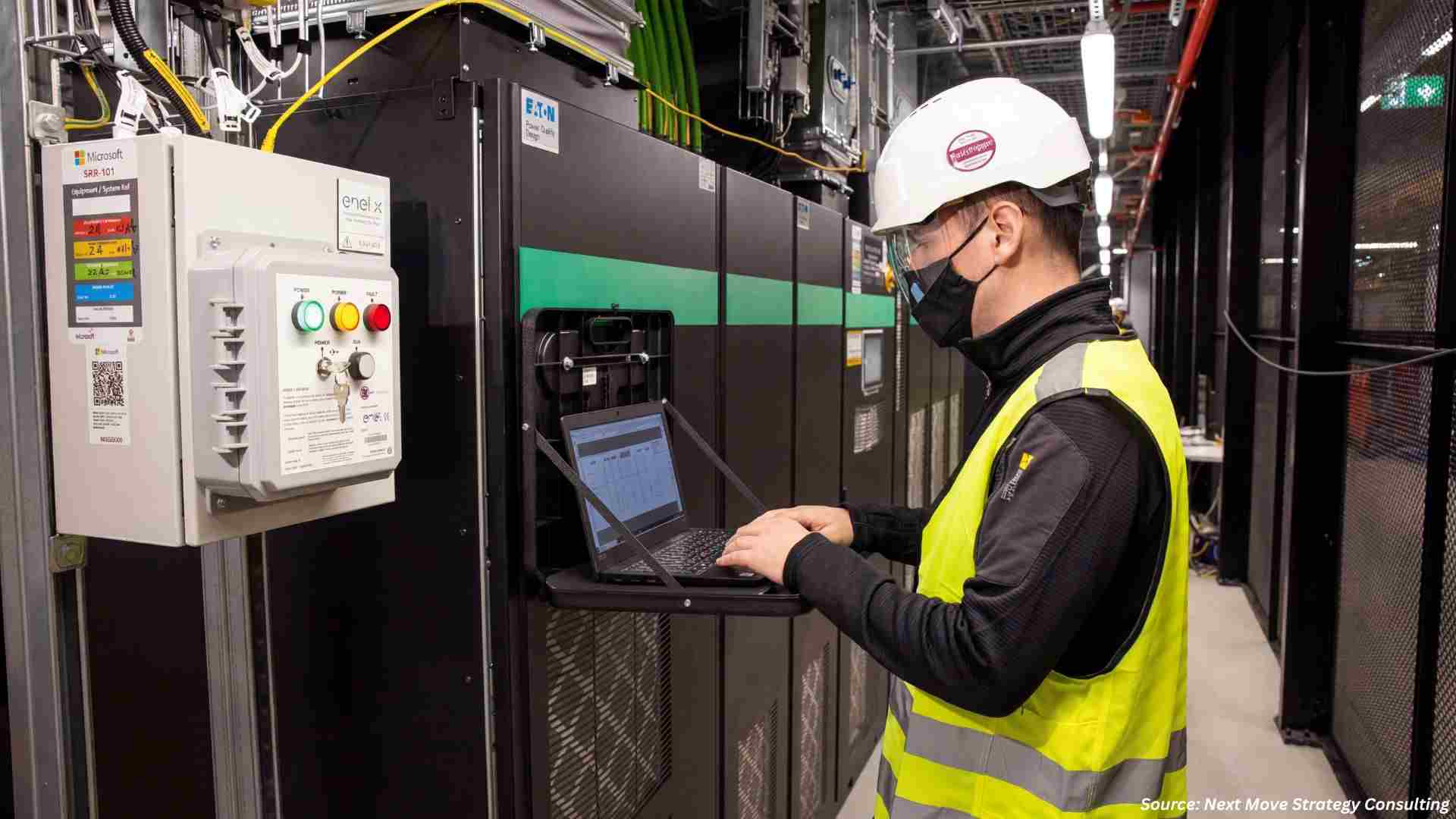
The rapid growth of artificial intelligence, cloud ecosystems, and data sovereignty requirements is fundamentally reshaping how data centers are designed and operated. In this evolving landscape, the Data Center LDES Market is gaining significant momentum, with long-duration energy storage (LDES) steadily moving into the spotlight. It is no longer just a backup solution; it is becoming a core component of reliable, scalable digital infrastructure.
This shift is not theoretical. Recent industry developments show how companies are actively investing in both advanced energy systems and leadership expertise to support this transformation.
What Is Driving the Need for Data Center LDES?
Modern data centers are experiencing unprecedented demand due to AI workloads and global data expansion. Infrastructure providers are scaling rapidly to keep pace, particularly as enterprises prioritize uptime and regional data control.
At the same time, the complexity of operations is increasing. Traditional short-duration backup systems are proving insufficient for environments that require continuous availability over extended periods.
The demand for LDES is being driven by the need for longer, more reliable energy support in an era of exponential data growth.
-
AI and hyperscale workloads are increasing power demands
-
Infrastructure expansion is accelerating globally
-
Reliability expectations are becoming more stringent
How Does Data Center LDES Improve Operational Resilience?
One of the most significant advantages of LDES is its ability to provide extended energy support. Unlike conventional battery systems that typically operate for short durations, newer solutions are designed to deliver power over multiple hours.
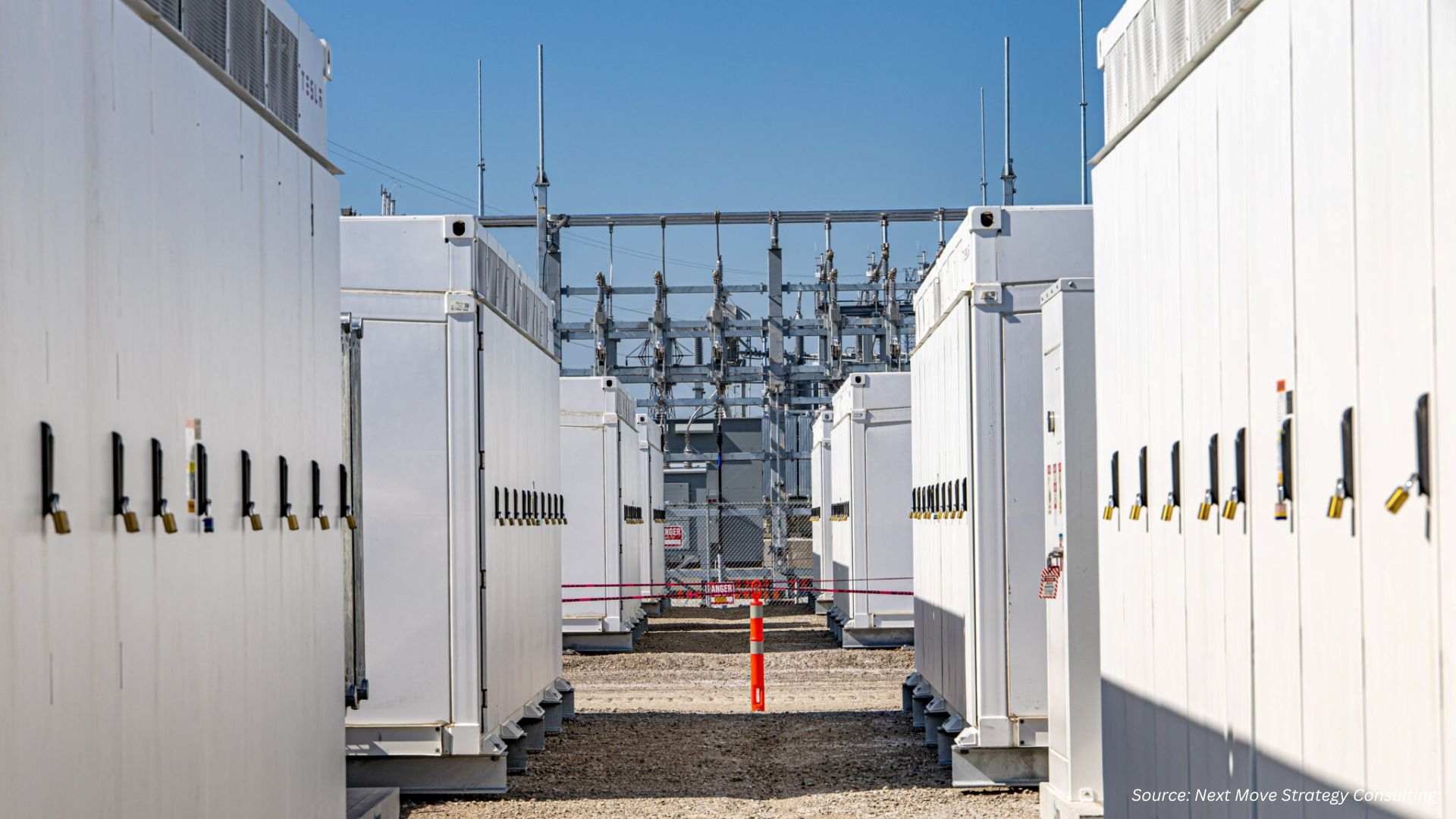
A notable innovation in this space is the introduction of an 8-hour battery energy storage system (BESS). These systems are engineered specifically for long-duration applications and can sustain operations during prolonged outages or grid instability.
Additionally, advanced battery cells designed for deep cycling enable consistent performance over long periods. With service lifespans exceeding two decades, these systems are built for durability and cost efficiency.

What Role Does Hybrid Battery Technology Play in Data Center LDES?
A key development in LDES is the emergence of hybrid battery systems that combine lithium-ion and sodium-ion technologies. This approach addresses a critical challenge in data center operations: balancing immediate response with sustained power delivery.
Lithium-ion batteries are well suited for long-duration energy supply, while sodium-ion batteries provide rapid response capabilities. When integrated, they create a system capable of delivering both instant and extended power support.
This is particularly important for AI-driven environments, where even milliseconds of delay can impact performance.
How Is Expertise Influencing Data Center LDES Expansion?
Technological advancement alone is not sufficient to transform infrastructure. Leadership and expertise play a crucial role in guiding large-scale deployment.
Industry professionals with decades of experience in data center construction and engineering are now shaping the next phase of growth. Their involvement ensures that infrastructure expansion is aligned with innovation, resilience, and global best practices.
With experience spanning hundreds of completed data centers and gigawatts of installed capacity, such leadership contributes to more strategic and scalable adoption of advanced energy solutions.
What Are the Major Trends Shaping the Present of Data Center LDES?
The current landscape of LDES in data centers is defined by a few clear and measurable trends. First, there is a strong shift toward longer-duration energy systems, as seen in the development of 8-hour storage solutions. This marks a transition from short-term backup to sustained operational support.
Second, there is a growing emphasis on lifecycle efficiency. Advanced battery systems are now designed to operate for more than 20 years while maintaining lower overall energy costs.
Third, the integration of AI workloads is influencing how energy systems are designed. Data centers now require solutions that can handle both continuous and high-intensity power demands.
What Does the Future Hold for Data Center LDES?
Looking ahead, LDES is expected to transition from a supporting technology to a foundational element of data center infrastructure. As digital ecosystems expand, energy systems will need to become more intelligent, flexible, and scalable.
Hybrid solutions are likely to become more widespread, particularly in environments that rely heavily on AI and real-time processing. Additionally, integration with advanced energy management systems will further enhance performance and efficiency.
Understanding the Key Drivers of Data Center LDES Adoption
The pie chart illustrates how different factors contribute to the adoption and growth of long-duration energy storage (LDES) in data centers. The largest segment, Operational Resilience (30%), highlights that ensuring uninterrupted uptime remains the top priority. Data centers rely heavily on stable and extended power backup, making resilience the most influential driver.
The next two segments, Hybrid Battery Systems (20%) and AI-driven Demand (20%), show equal importance. Hybrid systems are gaining traction because they combine rapid response with long-duration supply, while AI workloads are significantly increasing energy demands and pushing infrastructure upgrades.
Lifecycle Efficiency (15%) represents the growing focus on long-term cost savings and system durability. Operators are increasingly prioritizing solutions that offer extended service life and lower overall energy costs.
Finally, Leadership & Expansion (15%) reflects the role of experienced industry leadership and global infrastructure growth. Strategic decision-making and expertise are essential for scaling advanced energy solutions effectively.
In summary, the chart indicates that while resilience is the primary driver, technological innovation, AI demand, efficiency, and strategic leadership collectively shape the evolution of Data Center LDES.

Visual Insight: Evolution of Data Center Energy Systems
A useful way to understand this transformation is to view it as a progression:
-
Traditional phase: Short-duration backup systems
-
Current phase: Multi-hour LDES solutions
-
Future phase: Hybrid, AI-integrated energy ecosystems
This evolution highlights how energy systems are becoming increasingly aligned with the needs of modern computing.
Competitive Landscape of Data Center LDES
The global data center LDES ecosystem brings together a combination of innovative storage technology developers and well-established energy infrastructure providers. Companies such as Form Energy, ESS Tech, Energy Dome, Malta Inc., and Invinity Energy Systems are driving advancements in long-duration storage solutions. At the same time, major players like Fluence Energy, Tesla Energy, NGK Insulators, and Sumitomo Electric are leveraging their large-scale manufacturing strength and deployment expertise to expand the adoption of these technologies.

Next Steps: What Should Industry Stakeholders Do?
Organizations aiming to stay competitive should begin evaluating long-duration energy storage as part of their infrastructure strategy. Investment in hybrid battery systems can provide both flexibility and resilience, while aligning energy planning with AI-driven workloads will ensure long-term viability.
Equally important is the need to prioritize lifecycle efficiency. Selecting systems with extended service life and optimized cost structures can significantly improve operational outcomes. Finally, strengthening leadership expertise will help organizations navigate the complexity of integrating advanced energy technologies.
-
Evaluate long-duration energy storage solutions to strengthen uptime and resilience
-
Integrate hybrid battery systems to balance instant response and sustained power
-
Align energy infrastructure with AI and high-performance workload requirements
-
Prioritize systems with long lifecycle and lower overall energy costs
-
Strengthen strategic leadership to guide advanced infrastructure deployment
Final Takeaway
Data Center LDES is rapidly emerging as a critical enabler of reliable and scalable digital infrastructure. With advancements in long-duration battery systems, hybrid technologies, and strategic leadership, the role of energy storage is being fundamentally redefined. As data centers scale to meet AI-driven demand and global digital expansion, the need for longer-duration, reliable, and efficient energy systems becomes critical. Innovations such as multi-hour battery storage and hybrid energy solutions are addressing both immediate and sustained power needs, while experienced leadership ensures these technologies are implemented effectively.
About the Author
 Tania Dey
— Tania Dey is a content writer specializing in transformation-led, insight-driven storytelling. She develops research-backed, high-impact content aligned with evolving business priorities, digital behavior, and audience expectations. Her work helps organizations sharpen value propositions, strengthen visibility, and communicate strategic intent with clarity and precision. Grounded in data-informed storytelling, she brings a strong focus on relevance, consistency, and measurable digital impact across platforms.
Tania Dey
— Tania Dey is a content writer specializing in transformation-led, insight-driven storytelling. She develops research-backed, high-impact content aligned with evolving business priorities, digital behavior, and audience expectations. Her work helps organizations sharpen value propositions, strengthen visibility, and communicate strategic intent with clarity and precision. Grounded in data-informed storytelling, she brings a strong focus on relevance, consistency, and measurable digital impact across platforms.
About the Reviewer
 Sanyukta Deb
— Sanyukta Deb is Digital Marketing Team Lead at Next Move Strategy Consulting, where she has led content strategy and technical SEO for the firm's B2B market research publications for over 2 years. Her editorial process translates NextMSC's primary and secondary research — spanning technology, industrial, and consumer sectors — into commercial narratives, backed by search-intent, keyword, and competitive analysis. She brings 5 years of overall experience in digital marketing and content strategy.
Sanyukta Deb
— Sanyukta Deb is Digital Marketing Team Lead at Next Move Strategy Consulting, where she has led content strategy and technical SEO for the firm's B2B market research publications for over 2 years. Her editorial process translates NextMSC's primary and secondary research — spanning technology, industrial, and consumer sectors — into commercial narratives, backed by search-intent, keyword, and competitive analysis. She brings 5 years of overall experience in digital marketing and content strategy.















Add Comment