Data Center LDES Market By Technology [{Electrochemical Systems (Lithium-Ion Systems, Flow Battery Systems, and Others), Mechanical Systems (Gravity-Based, Compressed Air, and Others)}], By Business Model (Direct CapEx, Energy-as-a-Service & PPAs, and Others), By Discharge Duration (8–<24 Hours, 24–<100 Hours, Above 100 Hours), and By Application (24/7 Carbon-Free Energy Matching, Backup Power & Resilience, and Others) – Global Analysis & Forecast, 2025–2035
Industry: Energy & Power | Publishing Date: March 31, 2026 | Last Updated: March 31, 2026 | No of Pages: N/A | No. of Tables: N/A | No. of Figures: N/A | Format: PDF | Report Code: EP4357
Industry Outlook
The global Data Center LDES Market size was valued at USD 201.1 Million in 2025, and is expected to be valued at USD 231.7 Million by the end of 2026. The industry is projected to grow, hitting USD 827.8 Million by 2035, with a CAGR of 15.2% between 2026 and 2035.
Data Center LDES Market Size & Forecast
|
Parameters |
Details |
|
Market Size in 2026 |
USD 231.7 Million |
|
Revenue Forecast in 2035 |
USD 827.8 Million |
|
Growth Rate |
CAGR of 15.2% from 2026 to 2035 |
|
Analysis Period |
2025–2035 |
|
Base Year Considered |
2025 |
|
Forecast Period |
2026–2035 |
|
Market Size Estimation |
Million (USD) |
|
Companies Profiled |
20 |
|
Countries Covered |
33 |
|
Market Share |
Available for 10 companies |
Based on NMSC’s primary research, we observed that the data center LDES market growth is expanding as hyperscale operators increasingly prioritize resilient and sustainable power infrastructure. As AI computing, cloud services, and high-density data processing continue to increase electricity demand, operators are seeking storage systems capable of supporting operations during prolonged power disruptions. Through our assessment of data center energy strategies, we identified growing interest in 100-hour long duration energy storage technologies, particularly systems designed to provide multi-day backup and enable greater renewable integration. This shift is also encouraging behind-the-meter LDES hyperscale deployments, where storage systems are integrated directly within data center power infrastructure to improve energy reliability while reducing reliance on conventional diesel backup solutions.
Moreover, through our evaluation of data center energy infrastructure projects across North America, Europe, and Asia-Pacific, we found that LDES adoption is closely linked to evolving energy procurement strategies and grid reliability considerations. As operators expand renewable energy sourcing, we found that energy storage is increasingly incorporated into long-term supply agreements, shaping emerging iron-air battery data center PPA pricing models. In parallel, several hyperscale facilities are exploring off-grid data center microgrid LDES solutions to support campuses located in regions with limited grid capacity. These developments indicate that long-duration storage is gradually becoming an important component of data center energy architecture, enabling operators to strengthen operational continuity while advancing long-term decarbonization objectives.
What Are the Key Trends in the Data Center LDES Market?
How Are Multi-Day Energy Storage Technologies Strengthening Power Resilience In Hyperscale Data Centers?
NMSC’s research indicates that multi-day storage architectures are increasingly shaping power strategies across hyperscale data center campuses. As artificial intelligence workloads and high-density computing environments expand, operators require storage systems capable of sustaining operations during extended grid disruptions. During our evaluation of data center infrastructure programs, we observed that energy teams increasingly prioritize 100-hour long duration energy storage technologies to strengthen operational continuity and stabilize power supply during peak computing demand. In addition, industry insights indicate that technologies such as iron-air batteries and flow batteries integrate with data center microgrids to store renewable electricity and support reliable energy dispatch. As a result, these storage platforms enhance infrastructure resilience and reinforce the strategic role of the data center LDES market in powering next-generation digital facilities.
How Are Hyperscale Operators Integrating Long Duration Storage Into Renewable-Powered Data Center Campuses?
Our industry evaluation suggests that hyperscale operators increasingly integrate long duration storage systems within renewable-powered data center campuses to balance intermittent energy generation. As organizations accelerate sustainability commitments, long duration storage enables operators to align renewable procurement with continuous computing demand. During our assessment of infrastructure deployment initiatives, we identified that behind-the-meter LDES hyperscale deployments are gaining traction because they allow facilities to capture excess renewable generation and deploy stored energy during periods of high power demand. Furthermore, combining solar, wind, and multi-day storage systems creates resilient microgrid architectures capable of supporting mission-critical digital services. As hyperscale investments continue to expand globally, these integrated energy strategies strengthen reliability while accelerating sustainable energy adoption across the data center LDES market.
How Are Microgrid Architectures Transforming Energy Strategies For AI-Driven Data Center Infrastructure?
Current market analysis indicates that advanced microgrid architectures are transforming energy management strategies across AI-driven data center infrastructure. High-performance computing environments require stable electricity supply capable of supporting rapidly fluctuating processing workloads. During our evaluation of energy infrastructure modernization initiatives, we found that operators increasingly deploy off-grid data center microgrid LDES solutions in regions experiencing grid capacity constraints or rapid digital infrastructure expansion. In addition, technical evaluation indicates that integrating renewable energy generation with long duration storage and intelligent control systems enables data centers to maintain consistent power availability while improving energy efficiency. Consequently, these microgrid-based energy systems improve operational flexibility while strengthening the role of the data center LDES market in supporting future digital infrastructure expansion.
Ecosystem Analysis of the Data Center LDES Market
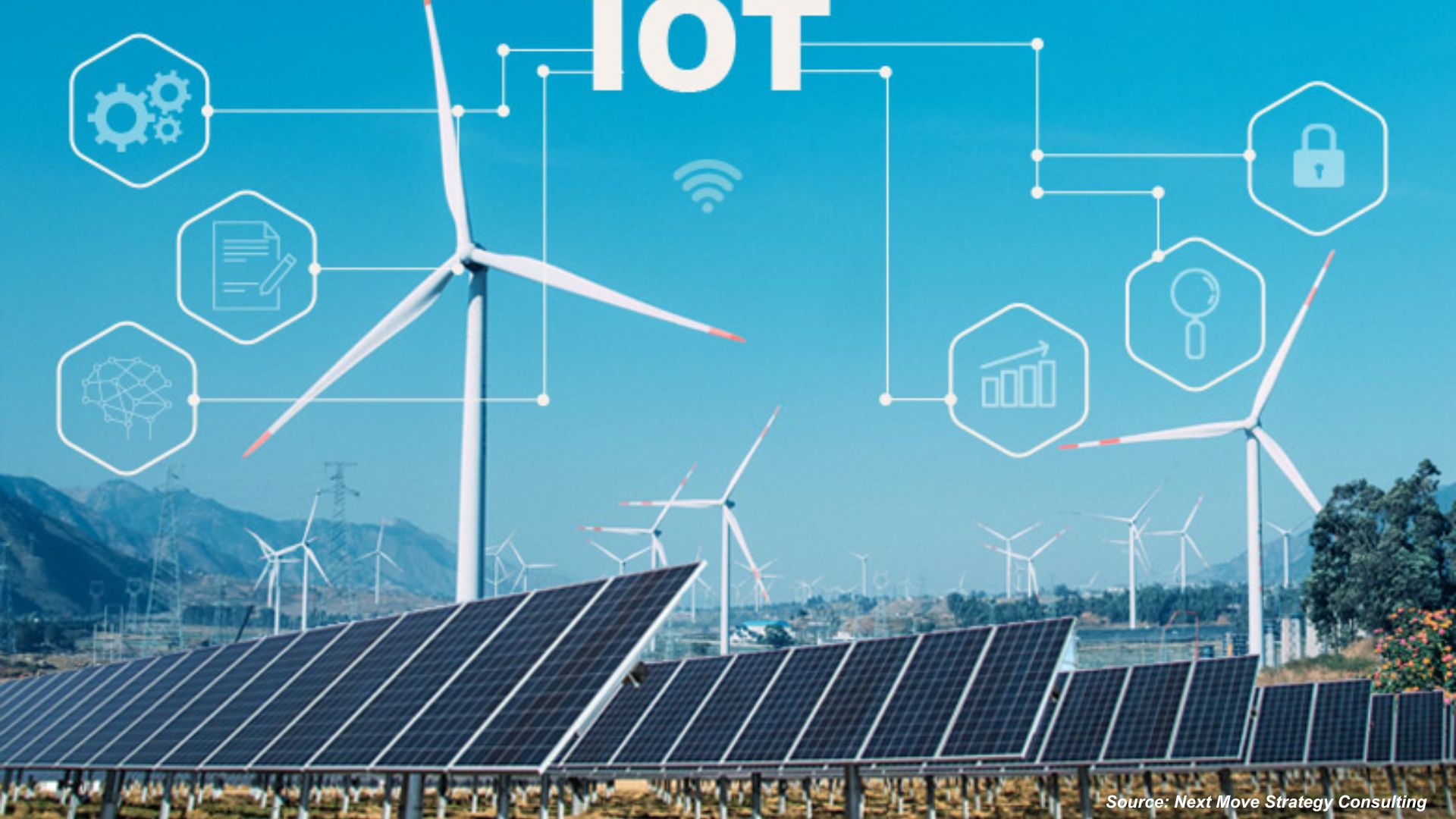
The image illustrates the key components and workflow of the data center LDES ecosystem, highlighting their interconnections and operational roles.

Our observatin of the data center Long Duration Energy Storage (LDES) market ecosystem shows that innovation begins with R&D activities focused on multi-day storage technologies and advanced energy management platforms. Suppliers support this layer by providing battery materials, power electronics, and storage components, while data center operators drive demand through large-scale deployments. Operational services ensure system monitoring and maintenance, and distribution networks support equipment delivery and integration. Regulatory frameworks further guide safety standards and grid connectivity, collectively supporting the reliable deployment of long-duration energy storage solutions in the data center Long Duration Energy Storage (LDES) market.
What Are the Key Market Drivers, Breakthroughs, And Investment Opportunities That Will Shape the Data Center LDES Industry in the Next Decade?
Growth Catalyst & Risk Assessment Matrix
|
Drivers / Trends / Restraints |
(+/–) % Impact On CAGR Forecast |
Geographic Relevance |
Impact Timeline |
|
Expansion of hyperscale AI data centers increasing demand for resilient multi-day power infrastructure |
+1.8% |
North America, Europe, East Asia (US, China, Japan, South Korea) |
Short to medium term (2–5 years) |
|
Integration of renewable-powered microgrids with long duration energy storage systems in data center campuses |
+1.4% |
North America, Nordics, Middle East, Australia |
Medium term (3–6 years) |
|
Technological advancements in multi-day storage systems including iron-air and flow battery architectures |
+1.2% |
North America, Europe, China |
Medium to long term (4–8 years) |
|
Advancement of Next-Generation Storage Chemistries Enhancing Multi-Day Performance and Scalability |
+1.3% |
Global, with early adoption in Tier-1 hyperscale markets |
Medium to long term (3–7 years) |
|
Adoption of Energy-as-a-Service (EaaS) Models Reducing Upfront Costs and Accelerating LDES Deployment |
+1.0% |
North America, Europe, APAC (regulated & mature data center markets) |
Short to medium term (2–5 years) |
|
High capital investment requirements and infrastructure integration complexity for large-scale LDES deployment |
–0.9% |
Global, particularly emerging data center markets |
Short to medium term (2–5 years) |
Based on our evaluation of global data center energy infrastructure developments, we observed that the data center LDES market demand is steadily expanding as hyperscale operators place greater emphasis on resilient and sustainable power systems. Our interactions with data center infrastructure planners and energy strategy teams indicate that long duration energy storage increasingly supports continuous operations while enabling greater renewable energy utilization across large computing campuses. Advancements in multi-day storage technologies, including iron-air batteries and flow batteries, further expand the ability of operators to maintain reliable electricity supply during extended grid disruptions. In parallel, growing investments in microgrid architectures and intelligent energy management platforms strengthen deployment feasibility and operational flexibility. As a result, these developments position the market as a critical component of next-generation digital infrastructure.
Growth Drivers:
How Is The Rapid Expansion Of AI Data Centers Increasing Demand In The Data Center LDES Market?
NMSC’s research indicates that the rapid expansion of artificial intelligence workloads and hyperscale computing campuses is significantly increasing the demand for resilient energy infrastructure. As AI training clusters and high-density servers consume substantially higher electricity volumes, data center operators prioritize energy systems capable of sustaining uninterrupted operations. During our evaluation of hyperscale infrastructure development programs, we noticed that energy planners increasingly consider long duration energy storage as a strategic solution for maintaining continuous power availability during extended grid disruptions. Also, multi-day storage systems strengthen energy resilience while supporting large-scale renewable electricity utilization across data center campuses. As hyperscale investments accelerate globally, these developments reinforce the strategic importance of the data center LDES market in supporting the next generation of digital infrastructure.
How Are Next-Generation Storage Chemistries Expanding Capabilities in the Data Center LDES Market?
Based on our evaluation, we observed that next-generation storage chemistries are significantly enhancing the capabilities of long duration energy storage systems in data center environments. As technologies such as iron-air batteries, vanadium flow batteries, and liquid air energy storage mature, operators gain access to solutions capable of delivering stable power output over extended durations with improved cost efficiency. From our review of emerging deployments, we identified that advancements in material design, electrolyte optimization, and system engineering are improving lifecycle performance and operational reliability. Moreover, modular system architectures enable flexible scaling across hyperscale campuses, aligning storage capacity with evolving compute demand. Consequently, these technological improvements are strengthening deployment feasibility and reinforcing the long-term growth trajectory of the data center LDES market.
Growth Inhibitor:
How Are High Capital Costs and Long Infrastructure Deployment Cycles Limiting the Data Center LDES Market Expansion?
Market analysis indicates that high capital investment requirements remain a significant limitation affecting adoption within the data center LDES market. Long duration energy storage systems require large-scale storage capacity, specialized power electronics, and integration with complex data center energy infrastructure. During our evaluation of data center power modernization initiatives, we observed that infrastructure planners carefully assess capital allocation when considering multi-day storage deployments. Industry insights indicate that integrating long duration storage with existing UPS systems, backup generators, and microgrid architectures often requires extensive engineering coordination and site-specific customization. Consequently, these investment and integration requirements encourage operators to adopt long-duration storage gradually, which moderates the pace of adoption across the data center LDES market.
Growth Opportunity:
How Are Energy-as-a-Service Models Unlocking Opportunities in the Data Center LDES Market?
From our assessment, we found that energy-as-a-service and third-party financing models are creating new opportunities in the data center LDES market. As energy infrastructure requirements become increasingly capital-intensive, operators are partnering with energy providers and independent power producers to deploy long duration storage without significant upfront investment. Through our review of evolving procurement strategies, we observed that structured service agreements and performance-based contracts enable access to advanced storage systems while reducing financial risk. In addition, utilities and private developers are expanding their role by offering integrated solutions that include installation, financing, and lifecycle management. As a result, these models are lowering adoption barriers, accelerating deployment timelines, and positioning long duration storage as a scalable and commercially viable solution for next-generation data center infrastructure.
Regulatory Framework Impacting the Data Center LDES Market

Our regulatory assessment shows the data center LDES market is shaped by clean-energy incentives, grid-interconnection standards, and data-center decarbonization policies. Governments are encouraging long-duration storage deployment and diesel backup replacement, while IEC/IEEE standards and safety compliance guide system implementation. In parallel, energy-market rules and supply-chain trade policies continue to influence global deployment of storage technologies in hyperscale data center infrastructure.
How Is the Data Center LDES Market Segmented in This Report, and What Are the Key Insights from the Segmentation Analysis?
Market Highlights & Strategic Insights – Data Center LDES Market:
|
Segments |
Key Takeaways |
|
Technology |
Electrochemical systems dominated the data center LDES market in 2025, driven by lithium-ion deployments across hyperscale campuses. Flow batteries gained traction for long-duration storage, while metal-air technologies are emerging for multi-day energy resilience. |
|
Business Model |
Direct capital expenditure led the market, reflecting hyperscale operators’ preference for owning critical energy infrastructure. However, Energy-as-a-Service (EaaS) and PPAs are gaining importance as operators seek flexible financing for storage deployment alongside renewable power projects. |
|
Discharge Duration |
The 8 to <24 hours segment held the largest share in 2025, supporting backup power and renewable balancing. Systems with 24 to <100 hours duration are gaining momentum as operators pursue multi-day energy resilience strategies. |
|
System Size |
100+ MWh systems dominated the, reflecting the energy scale of hyperscale campuses. Installations between 50–<100 MWh also gained traction as data center clusters expand and integrate renewable microgrids. |
|
Application |
Backup power and resilience applications led the market, driven by the need for uninterrupted operations. Demand charge management and 24/7 carbon-free energy matching are gaining importance as operators optimize power costs and renewable integration. |
|
Buyer Type |
Hyperscale operators dominated the market, supported by large-scale investments in renewable-powered campuses. Colocation providers and enterprise owner-operators are steadily deploying storage systems to strengthen energy reliability. |
By Technology Insights
Which Technologies Drive the Data Center LDES Market Growth in 2025?
Based on our technology-level assessment of long duration energy storage deployments, we observed that the market is segmented into electrochemical systems, mechanical systems, thermal systems, chemical carrier systems, and hybrid firm power systems.
From our evaluation of active data center energy infrastructure projects, we found that electrochemical systems account for a significant share, supported by the widespread deployment of lithium-ion containerized and rack-mounted systems across hyperscale campuses. At the same time, flow battery technologies such as vanadium and iron flow systems are gaining traction as operators increasingly evaluate solutions capable of supporting longer discharge durations. Mechanical systems, including gravity-based and compressed air storage, are also attracting attention for large-scale infrastructure applications requiring multi-day resilience. As data center energy requirements continue to expand, these technology developments collectively reinforce the role of advanced storage architectures in supporting reliable power supply across the data center LDES market.

By Discharge Duration Insights
How Does Discharge Duration Influence Adoption In The Data Center LDES Market?
Based on our analysis of deployed long duration energy storage systems, we found that the data center LDES market is segmented into 8 to <24 hours, 24 to <100 hours, and above 100 hours discharge duration categories.
From our evaluation of hyperscale campus energy requirements, we found that 8 to <24 hour systems account for a significant share, as they effectively support backup power reliability and renewable balancing across large computing facilities. However, the 24 to <100 hour segment is gaining increasing attention, as operators pursue multi-day resilience strategies to support renewable-powered infrastructure. Our discussions with energy infrastructure planners further indicated that above 100 hour storage systems are emerging as a strategic focus area, particularly with the development of iron-air and other next-generation storage technologies. Consequently, evolving discharge duration capabilities are playing a critical role in shaping long-term energy resilience strategies across the data center LDES market.
By Application Insights
How Do Applications Drive Adoption In The Data Center LDES Market?
Based on our application-level assessment of energy storage deployments, we noticed that the market is segmented into 24/7 carbon-free energy matching, backup power and resilience, demand charge and peak management, and grid services participation.
From our evaluation of operational energy strategies across hyperscale facilities, we found that backup power and resilience applications account for a significant share, as operators prioritize uninterrupted computing operations during grid disruptions. In addition, demand charge and peak management applications are gaining traction as storage systems allow operators to optimize electricity consumption and stabilize power loads during high-demand periods. Our interviews with data center energy teams also indicate that 24/7 carbon-free energy matching is emerging as a strategic priority, as hyperscale companies accelerate renewable energy commitments. As a result, evolving application requirements continue to strengthen the role of long duration storage systems in supporting reliable and sustainable energy infrastructure within the data center LDES market.

Regional Outlook:
Geographic Performance Snapshot:
|
Geography |
Key Takeaways |
|
North America |
North America leads the data center LDES market, supported by rapid expansion of hyperscale data centers and strong investments in AI-driven computing infrastructure. Growing focus on resilient power systems and renewable energy integration is driving adoption of long-duration energy storage across large data center campuses. |
|
Europe |
Europe shows steady growth in the market, driven by strong sustainability targets and carbon-neutral data center initiatives. Increasing deployment of renewable-powered data centers across the Nordics and Western Europe is encouraging the use of long-duration storage systems. |
|
Asia Pacific |
Asia Pacific dominates infrastructure expansion in the market, supported by rapid growth of cloud computing and large-scale data center construction across China, Japan, South Korea, and India. Government-backed digital infrastructure programs further accelerate storage adoption. |
|
Latin America |
Latin America is witnessing gradual growth in the market, supported by increasing cloud data center investments and improving digital infrastructure across major regional economies. |
|
Middle East & Africa |
The Middle East & Africa region is emerging in the market, supported by investments in hyperscale data centers, smart city projects, and renewable-powered digital infrastructure initiatives. |
The data center LDES market share is geographically studied across North America, Europe, Asia Pacific, Latin America and Middle East & Africa and each region is further studied across countries.
Data Center LDES Market in North America
Across North America, the data center LDES market is evolving alongside the rapid expansion of hyperscale digital infrastructure and renewable-powered energy systems. Our review of recent hyperscale developments shows that operators are increasingly integrating long-duration storage into campus power strategies to improve resilience and manage rising electricity demand from AI and cloud workloads. While the United States continues to anchor regional adoption through large hyperscale campuses, Canada is steadily advancing deployments supported by renewable-rich energy systems and microgrid initiatives. In addition, our discussions with data center infrastructure planners indicated that grid reliability concerns and sustainability commitments are encouraging behind-the-meter LDES hyperscale deployments, allowing operators to stabilize on-site power environments. As a result, North America is steadily positioning itself as an early testing ground for next-generation multi-day energy storage solutions designed for mission-critical digital facilities.
Data Center LDES Market in the United States
In the United States, the momentum behind long-duration energy storage within data centers continues to strengthen as hyperscale expansion accelerates across major digital infrastructure hubs. Based on our direct engagements with data center energy teams, we identified that operators are increasingly prioritizing resilient power architectures capable of supporting high-density AI computing environments. Consequently, energy strategies are gradually shifting toward 100-hour long duration energy storage technologies, which can complement renewable energy procurement and extend backup capabilities beyond traditional battery systems. At the same time, evolving iron-air battery data center PPA pricing models are allowing operators to combine renewable generation with multi-day storage capacity. As these integrated energy strategies gain traction, the United States is steadily emerging as a leading environment for scalable LDES deployments supporting next-generation hyperscale data centers.
Data Center LDES Market in Canada
Canada’s digital infrastructure landscape is also creating favorable conditions for the data center LDES market, particularly as operators increasingly align new facilities with renewable energy availability and resilient power design. During our evaluation of emerging projects, we found that developers frequently prioritize stable, low-carbon electricity sources when selecting new data center locations. Consequently, energy planners are exploring off-grid data center microgrid LDES solutions that combine renewable generation with long-duration storage to maintain uninterrupted operations. Furthermore, collaboration between data center developers and regional energy providers is gradually shaping storage deployment strategies tailored to Canada’s hydro-dominant energy mix. While facilities typically operate at a smaller scale compared with U.S. hyperscale campuses, this measured approach is fostering highly reliable energy architectures, supporting the gradual expansion of long-duration storage within Canada’s growing data center ecosystem.
Data Center LDES Market in Europe
From our regional evaluations, we observed that the market in Europe is gaining attention as operators expand digital infrastructure while navigating stricter energy transition policies. As hyperscale campuses and colocation facilities continue to grow across major digital hubs, power resilience and renewable integration have become central considerations in energy architecture. Consequently, infrastructure planners are increasingly examining long-duration storage systems capable of stabilizing electricity supply during periods of renewable variability. Our analysis further indicated that operators in Northern and Central Europe are evaluating 100-hour long duration energy storage technologies to support renewable-powered campuses and grid-interactive microgrids. At the same time, collaboration between data center developers and energy providers is accelerating pilot deployments, gradually positioning long-duration storage as a viable solution for maintaining operational continuity across Europe’s expanding data center ecosystem.
Data Center LDES Market in the United Kingdom
The United Kingdom continues to emerge as a strategically important market for long-duration storage within digital infrastructure, supported by expanding data center clusters and strong renewable energy deployment. During our interactions with infrastructure planners, we identified that operators are increasingly assessing energy strategies capable of supporting high-density computing environments and rising electricity demand. Consequently, interest is gradually shifting toward integrated power architectures that combine renewable procurement with long-duration storage capacity. In several hyperscale developments, planners are evaluating behind-the-meter LDES hyperscale deployments to stabilize on-site energy supply and reduce exposure to grid volatility. Furthermore, evolving renewable energy agreements are introducing iron-air battery data center PPA pricing structures, allowing operators to secure reliable power while maintaining sustainability commitments, thereby strengthening the United Kingdom’s role in advancing resilient data center energy strategies.
Data Center LDES Market in Germany
Germany’s high renewable penetration, particularly wind generation, is encouraging operators to evaluate storage systems capable of balancing variable electricity supply. Based on our market assessments, we observed that operators increasingly prioritize highly reliable energy systems capable of supporting continuous operations within energy-intensive digital facilities. As Germany accelerates renewable power deployment, data center developers are exploring long-duration storage systems that can balance intermittent generation and ensure stable electricity supply. Our discussions with infrastructure developers further indicated growing interest in integrated microgrid architectures designed to enhance power resilience across large data center campuses. In this environment, 100-hour long duration energy storage technologies are increasingly evaluated as a potential solution for maintaining operational continuity while supporting national decarbonization strategies, positioning Germany as a technically advanced environment for next-generation data center energy infrastructure.
Data Center LDES Market in France
France’s expanding digital infrastructure landscape is gradually strengthening opportunities within the data center LDES market, particularly as operators prioritize energy stability and low-carbon electricity sourcing. During our engagements with infrastructure planners, we found that developers often design new facilities around renewable-dominant energy systems, encouraging the integration of long-duration storage solutions capable of sustaining continuous operations. Furthermore, the country’s strong nuclear and renewable energy mix enables operators to experiment with hybrid energy architectures combining stable baseload power and advanced storage systems. As a result, planners are increasingly examining off-grid data center microgrid LDES solutions to enhance operational resilience and reduce dependency on traditional backup systems. This approach is steadily encouraging innovation in data center energy design while reinforcing France’s commitment to reliable and sustainable digital infrastructure development.
Data Center LDES Market in Italy
The data center LDES market in Italy is gradually expanding as operators modernize digital infrastructure while addressing evolving energy reliability requirements. From our assessment of emerging data center developments, we observed that developers increasingly prioritize resilient power architectures capable of supporting continuous operations as computing demand grows. As new facilities are planned across key connectivity corridors linking Southern and Central Europe, campus energy teams are exploring long-duration storage systems that can complement renewable electricity sourcing and stabilize power availability. Moreover, our interactions with project developers indicated that grid capacity constraints in certain regions are encouraging the evaluation of behind-the-meter LDES hyperscale deployments, enabling campuses to manage electricity supply directly within their energy systems. Consequently, long-duration storage is gaining attention as a strategic component of Italy’s evolving data center energy architecture.
Data Center LDES Market in Spain
The data center LDES market in Spain is gaining momentum as renewable-powered digital campuses expand across the Iberian Peninsula. Our evaluation of regional projects indicates operators frequently align new data center developments with solar and wind generation resources, creating favorable conditions for integrated energy storage solutions. Consequently, infrastructure planners are exploring long-duration storage technologies capable of balancing renewable generation while ensuring reliable electricity supply during peak demand periods. In this context, interest in 100-hour long duration energy storage technologies is gradually emerging as operators seek scalable systems that can support both sustainability targets and operational continuity. As renewable-powered data center campuses continue to expand, Spain is steadily positioning itself as a promising environment for innovative long-duration energy solutions.
Data Center LDES Market in the Nordics
Across the Nordic countries -Sweden, Finland, and Norway represents one of the most technologically advanced environments for the market, supported by abundant renewable energy and highly reliable power infrastructure. Our interactions with regional data center developers revealed strong emphasis on energy efficiency, sustainability, and long-term operational resilience when designing new facilities. Because hyperscale operators frequently locate campuses near renewable generation resources, planners are increasingly evaluating off-grid data center microgrid LDES solutions that combine renewable electricity with long-duration storage. Furthermore, the region’s hydro-dominated energy mix and naturally cool climate enable operators to design renewable-powered campuses integrated with long-duration storage. These favorable conditions are enabling the Nordics to serve as a testing ground for next-generation storage technologies tailored for sustainable hyperscale data centers.
Data Center LDES Market in Asia-Pacific
From our regional evaluations, we observed that operators across China, Japan, India, and Southeast Asia increasingly prioritize resilient energy systems capable of supporting high-density computing workloads and uninterrupted operations. As hyperscale campuses and colocation facilities expand rapidly across the region, the market in Asia-Pacific is gaining attention as part of broader energy infrastructure planning. Moreover, rising electricity demand from AI computing and cloud platforms is encouraging campus energy teams to evaluate storage systems that can maintain power stability during renewable variability and grid constraints. Adoption patterns vary across countries, where China advances large-scale deployments through strong domestic supply chains, Japan emphasizes engineering reliability, and India shows accelerating interest alongside new hyperscale developments. Consequently, operators are gradually exploring 100-hour long duration energy storage technologies, positioning Asia-Pacific as a dynamic region for the next phase of data center energy innovation.
Data Center LDES Market in China
China represents the largest market in Asia-Pacific, supported by rapid hyperscale data center expansion and strong domestic energy technology capabilities. Based on our research, we noticed that operators increasingly integrate renewable electricity sources into new digital infrastructure projects, encouraging evaluation of long-duration storage systems that can balance intermittent power generation. Large cloud service providers and data center developers are designing campuses capable of sustaining continuous operations while reducing dependence on conventional backup generation. Furthermore, our interactions with infrastructure planners indicated rising interest in behind-the-meter LDES hyperscale deployments, allowing operators to stabilize energy supply directly within large campus environments. As domestic energy storage technologies continue to scale, China is steadily strengthening its role as a major deployment hub for advanced long-duration storage systems supporting large digital infrastructure ecosystems.
Data Center LDES Market in Japan
Japan’s digital infrastructure landscape is shaping a reliability-focused trajectory for the market, driven by the country’s emphasis on operational continuity and advanced engineering standards. During our assessments of emerging projects, we found that data center operators prioritize highly dependable power systems capable of supporting continuous services in a disaster-resilient environment. Consequently, planners are increasingly evaluating long-duration storage technologies that can extend backup capabilities beyond conventional battery systems. Our interactions with infrastructure developers further indicated that operators favor solutions demonstrating strong reliability records, advanced monitoring capabilities, and long operational lifecycles. Amid these developments, long-duration energy storage technologies with 100-hour capacity are increasingly gaining attention as viable solutions for maintaining stable electricity supply, supporting Japan’s commitment to resilient and technologically advanced digital infrastructure.
Data Center LDES Market in India
data center operators across India are increasingly evaluating long-duration storage as part of resilient campus power strategies. From our market interactions, we observed that rising digital consumption, expanding AI workloads, and increasing electricity demand are encouraging operators to rethink traditional power backup strategies. As large data center clusters expand in cities such as Mumbai, Chennai, and Hyderabad, campus energy teams are evaluating energy architectures capable of maintaining continuous operations while integrating renewable power sources. Moreover, our engagements with project developers indicated growing interest in off-grid data center microgrid LDES solutions, particularly for facilities operating in regions with constrained grid capacity. Consequently, long-duration storage technologies are gradually becoming part of forward-looking energy strategies supporting India’s rapidly expanding digital infrastructure ecosystem.
Data Center LDES Market in South Korea
South Korea’s advanced digital infrastructure and strong technology ecosystem are shaping a progressive trajectory for the market. Our engagements with infrastructure planners and data center developers indicates growing attention toward resilient power architectures capable of supporting high-density computing environments. As major technology firms expand hyperscale campuses and AI processing facilities, operators are evaluating energy systems that can maintain continuous operations during grid fluctuations. Furthermore, the country’s strong domestic battery and energy technology industry is enabling early experimentation with advanced storage systems integrated directly within campus power infrastructure. Consequently, planners are increasingly examining behind-the-meter LDES hyperscale deployments to stabilize on-site electricity supply while supporting renewable energy integration. These developments are gradually positioning South Korea as an important early adopter of next-generation storage solutions for mission-critical digital infrastructure.
Data Center LDES Market in Taiwan
The data center LDES market in Taiwan is gaining strategic relevance as the country’s semiconductor-driven digital ecosystem continues to expand high-performance computing and cloud infrastructure. From our assessment of emerging data center projects, we noticed that operators consistently prioritize highly stable power environments capable of sustaining uninterrupted data processing for technology and semiconductor supply chains. As new facilities cluster around major industrial and technology hubs, infrastructure planners are evaluating long-duration storage systems that can complement renewable electricity sourcing while reinforcing operational resilience. Moreover, our discussions with project developers indicates growing attention toward 100-hour long duration energy storage technologies, particularly for campuses seeking to extend backup capability beyond conventional battery systems. Consequently, Taiwan’s emphasis on engineering reliability and infrastructure stability is gradually encouraging the adoption of advanced long-duration storage architectures across its expanding digital infrastructure landscape.
Data Center LDES Market in Indonesia
Through our regional evaluations, we found that new data center developments are increasingly designed with resilient power systems capable of managing fluctuating grid conditions, strengthening the role of long-duration storage within the data center LDES market in Indonesia. As digital infrastructure expands to support rising cloud adoption and data traffic, operators are prioritizing power system design that can maintain uninterrupted operations across large metropolitan hubs such as Jakarta. Moreover, campus energy teams are examining energy systems that combine renewable generation with advanced storage technologies to improve power stability. In this context, we identified growing interest in off-grid data center microgrid LDES solutions, particularly for facilities seeking to reduce reliance on conventional backup systems. Consequently, long-duration storage is gradually becoming an important component of Indonesia’s evolving data center energy infrastructure.
Data Center LDES Market in Australia
Rapid hyperscale data center construction across Australia is strengthening demand for long-duration energy storage solutions. From our interactions with data center operators and energy strategists, we identified increasing focus on resilient power architectures that combine renewable energy procurement with advanced storage systems. As new data center campuses emerge near renewable-rich regions, operators are evaluating long-duration storage technologies capable of maintaining continuous operations during grid disruptions or energy price fluctuations. Furthermore, our assessments indicates growing exploration of behind-the-meter LDES hyperscale deployments, enabling facilities to manage energy supply directly within campus power systems. This integrated approach to energy planning is gradually positioning Australia as a forward-looking environment for long-duration storage deployment within modern digital infrastructure ecosystems.
Data Center LDES Market in Latin America
The data center LDES market in Latin America is gradually emerging as digital infrastructure expands to support growing cloud adoption, regional data localization requirements, and increasing internet traffic. Our regional assessment indicates Brazil leads market activity, supported by expanding hyperscale and colocation developments concentrated around major metropolitan hubs. As operators scale digital infrastructure to meet rising computing demand, campus energy teams are increasingly prioritizing resilient energy systems capable of sustaining continuous operations despite grid variability. Moreover, our discussions with project developers indicates growing interest in integrating renewable electricity with advanced storage solutions to stabilize power supply. In this context, planners are exploring off-grid data center microgrid LDES solutions, particularly for facilities located in regions where grid reliability can fluctuate. Consequently, long-duration storage is gradually gaining attention as part of Latin America’s evolving data center energy strategy.
Data Center LDES Market in the Middle East & Africa
From our research across regional digital infrastructure projects, we noticed that Gulf countries are rapidly expanding hyperscale and colocation facilities supported by strong investment in renewable energy and advanced power systems, strengthening the role of long-duration storage within the data center LDES market in the Middle East & Africa. As digital infrastructure projects scale across major hubs such as the UAE and Saudi Arabia, operators are increasingly prioritizing resilient energy architectures capable of sustaining continuous operations in high-capacity campuses. Consequently, infrastructure planners are evaluating integrated storage systems that can stabilize electricity supply and support renewable power procurement strategies. In parallel, emerging African markets are gradually expanding digital infrastructure, where developers are examining off-grid data center microgrid LDES solutions suited to evolving grid conditions, encouraging long-term adoption of resilient energy systems across the region.
Competitive Landscape
Competitive Dynamics & M&A Landscape:
|
Key Takeaways |
|
The global data center LDES market features a mix of emerging storage innovators and established energy infrastructure providers. Companies such as Form Energy, ESS Tech, Energy Dome, Malta Inc., and Invinity Energy Systems focus on advanced long-duration storage technologies, while players including Fluence Energy, Tesla Energy, NGK Insulators, and Sumitomo Electric leverage strong manufacturing capabilities and large-scale deployment expertise. |
|
Companies increasingly prioritize multi-day storage performance, renewable energy integration, and compatibility with campus-scale microgrids. Solutions supporting behind-the-meter LDES hyperscale deployments are gaining traction as operators seek resilient and low-carbon power architectures. |
|
Recent partnerships across the market indicate growing collaboration between storage developers, renewable energy providers, and data center operators, accelerating the integration of long-duration storage into next-generation digital infrastructure. |
Which Companies Dominate the Data Center LDES Industry and How Do They Compete?
Our observation indicates the data center LDES market is led by a combination of long-duration energy storage innovators and established energy infrastructure providers. Companies such as Form Energy, ESS Tech, Invinity Energy Systems, and Energy Dome are advancing multi-day storage technologies including iron-air, flow batteries, and CO₂-based storage systems designed for infrastructure-scale power reliability. From our deployment assessments, we found that these vendors are increasingly evaluated for hyperscale environments where extended backup duration and renewable integration are critical. At the same time, established players such as Fluence Energy, Tesla Energy, NGK Insulators, and Sumitomo Electric leverage strong manufacturing capabilities, global project experience, and integrated energy management platforms to support large-scale energy infrastructure deployments.
Market Dominated by Data Center LDES Giants and Specialists
From our observation, we noticed that the competitive landscape is further shaped by technology-focused specialists including Malta Inc., Hydrostor, Highview Power, CMBlu Energy, Primus Power, and Redflow. Our infrastructure evaluations indicate that these companies are gaining traction by developing alternative storage architectures such as compressed air energy storage, liquid air systems, organic flow batteries, and zinc-based chemistries capable of delivering long-duration energy output. These solutions are increasingly considered for behind-the-meter LDES hyperscale deployments, particularly in renewable-powered data center campuses where multi-day storage capacity improves operational resilience.
Innovation and Adaptability Drive Market Success
Innovation remains a central determinant of competitive advantage within the data center LDES market, as vendors invest in storage technologies capable of supporting multi-day energy supply and renewable integration. From our technology assessments, we found that leading developers are advancing long-duration energy storage solutions to support extended power availability, enabling operators to stabilize power availability during prolonged grid disruptions. Vendors are also strengthening capabilities in digital energy management platforms, predictive optimization software, and modular storage architectures, allowing data center operators to integrate storage with renewable power procurement and campus-scale microgrid systems.
Market Players to Opt for Merger & Acquisition Strategies to Expand Their Presence
Our research shows partnerships and strategic investments are becoming key growth mechanisms in the data center LDES market. Companies are increasingly collaborating with renewable energy developers, utilities, and hyperscale infrastructure providers to accelerate deployment of long-duration storage systems. Rather than expanding hardware portfolios alone, vendors are focusing on integrated energy solutions that combine storage, renewable generation, and microgrid control platforms. Our assessment indicates that these strategies improve deployment scalability, enhance energy resilience, and strengthen the long-term role of long-duration storage within next-generation data center power infrastructure.
SWOT Analysis Impacting the Data Center LDES Industry:

Based on our assessment, we observed that the data center LDES industry is driven by growing demand for resilient, low-carbon power supporting hyperscale and AI-driven data centers. As renewable-powered campuses expand, operators are increasingly adopting microgrid-based long-duration storage systems to enhance energy reliability. However, high upfront costs and integration complexity remain challenges, while competition from lithium-ion storage and diesel backup systems continues to shape market adoption.
List of Key Data Center LDES Companies
-
Form Energy, Inc.
-
ESS Tech, Inc.
-
Eos Energy Enterprises
-
Sumitomo Electric
-
Dalian Rongke Power
-
Invinity Energy Systems
-
CellCube (Enerox GmbH)
-
VFlowTech Pte. Ltd.
-
NGK Insulators, Ltd.
-
Tesla Energy
-
Fluence Energy, Inc.
-
Highview Power
-
Energy Dome S.p.A.
-
CMBlu Energy AG
-
Primus Power
-
Quidnet Energy Inc.
-
Malta Inc.
-
Redflow Limited
What Are the Latest Key Industry Developments?
-
February 2026 – Google and Xcel Energy reached a definitive agreement to deploy a 300 MW / 30 GWh iron-air battery system in Pine Island, Minnesota, using Form Energy's technology. The project is set to become the largest battery installation ever announced globally by energy capacity and will support a new Google data center with up to 100 hours of continuous discharge.
-
February 2026 – Energy Vault Holdings and Crusoe announced a strategic framework agreement for the phased deployment of Crusoe Spark modular AI factory units. The multi-year framework enables rapid deployments up to 25 MW beginning in 2026, marking Energy Vault’s official entry into the AI infrastructure market.
-
January 2026 – CMBlu Energy AG and Uniper signed a long-term framework agreement for the delivery of at least 5 GWh of Organic SolidFlow battery storage systems through 2037. The agreement follows the successful technical acceptance of the technology for grid-scale and market-oriented applications in the multi-hour segment.
-
January 2026 – ESS Tech, Inc. was awarded a USD 9.9 million contract by the U.S. Air Force Research Laboratory to deploy up to 27 MWh of its American-made iron flow battery systems at Clear Space Force Station in Alaska. The system is designed to provide reliable power for mission-critical operations in extreme environments below -40°C.
What Are the Key Factors Influencing Investment Analysis & Opportunities in the Data Center Ldes Market?
Investment analysis in the data center LDES market is increasingly influenced by growing demand for resilient power infrastructure supporting hyperscale data center operations. Based on our evaluation of recent funding rounds, technology partnerships, and pilot deployment projects, we found that investors are prioritizing companies developing scalable long-duration storage systems designed for integration within data center energy architectures. In particular, vendors advancing long-duration energy storage technologies and enabling behind-the-meter LDES deployments are attracting stronger investment interest, as these solutions help operators maintain continuous power availability while supporting renewable energy integration.
We also identified increasing investment concentration in storage technologies capable of strengthening energy resilience for digital infrastructure. Solutions enabling off-grid data center microgrid LDES solutions are receiving growing strategic attention, particularly as hyperscale operators expand campuses in regions facing grid capacity constraints. Strategic investments from infrastructure funds, energy technology providers, and data center ecosystem partners are accelerating commercialization and large-scale deployment. For investors, the most attractive opportunities lie in vendors combining differentiated storage technologies with reliable system performance, scalable deployment models, and the ability to support long-term energy reliability across mission-critical data center environments.
Key Benefits for Stakeholders:
Next Move Strategy Consulting (NMSC) presents a comprehensive analysis of the data center LDES market trends, covering historical developments from 2020 to 2025 and providing forward-looking forecasts through 2035. The study evaluates the data center Long Duration Energy Storage (LDES) market at global, regional, and country levels, delivering quantitative outlooks alongside qualitative insights into technology adoption, infrastructure investments, and evolving energy strategies across digital infrastructure. Through our tracking, we identified increasing interest in 100-hour long duration energy storage technologies, behind-the-meter LDES hyperscale deployments, and off-grid data center microgrid LDES solutions, as operators seek more resilient power architectures. These developments are gradually reshaping how data centers manage energy reliability, renewable integration, and long-term infrastructure planning.
From our observation, we noticed the data center LDES industry delivers measurable value across key stakeholders within the digital infrastructure ecosystem. Investors benefit from expanding opportunities in energy infrastructure modernization as hyperscale operators prioritize reliable and low-carbon power systems. At the same time, data center operators gain stronger operational continuity through multi-day storage systems that support prolonged outages and renewable energy balancing. Technology providers and infrastructure partners further benefit from long-term deployment projects and system integration opportunities. As a result, the market continues to strengthen energy resilience while supporting the sustainable growth of global data center infrastructure.
|
Parameters |
Details |
|
Customization Scope |
Free customization (equivalent to up to 80 analyst-working hours) after purchase. Addition or alteration to country, regional & segment scope. |
|
Pricing and Purchase Options |
Avail customized purchase options to meet your exact research needs. |
|
Approach |
In-depth primary and secondary research; proprietary databases; rigorous quality control and validation measures. |
|
Analytical Tools |
Porter's Five Forces, SWOT, value chain, and Harvey ball analysis to assess competitive intensity, stakeholder roles, and relative impact of key factors. |
Data Center LDES Market Key Segments
By Technology
-
Electrochemical Systems
-
Lithium-Ion Systems
-
Containerized Systems
-
Rack-Mounted Systems
-
Advanced Cell Chemistries
-
-
Flow Battery Systems
-
Vanadium Flow
-
Iron Flow
-
Zinc Flow
-
Other Flow Chemistries
-
-
Metal-Air Systems
-
Iron-Air
-
Zinc-Air
-
Other Metal-Air
-
-
Other Echem Systems
-
-
Mechanical Systems
-
Gravity-Based Systems
-
Solid Mass
-
Fluid-Based
-
-
Compressed Air Systems
-
Diabatic Compressed Air
-
Adiabatic Compressed Air
-
-
Engineered Pumped Hydro
-
Other Mechanical Systems
-
-
Thermal Systems
-
Cryogenic Systems
-
CO2 Thermal Systems
-
Sensible Heat Systems
-
Latent Heat Systems
-
Other Thermal Systems
-
-
Chemical Carrier Systems
-
Hydrogen-Based Systems
-
Ammonia-Based Systems
-
Other Synthetic Carriers
-
-
Hybrid and Firm Power Systems
By Business Model
-
Direct Capital Expenditure
-
EaaS and Power Purchase Agreements
-
Equipment Leasing
-
Merchant Market Participation
By Discharge Duration
-
8 to <24 Hours
-
24 to <100 Hours
-
Above 100 Hours
By System Size
-
10–<25 MWh
-
25–<50 MWh
-
50–<100 MWh
-
100+ MWh
By Application
-
24/7 Carbon-Free Energy Matching
-
Backup Power and Resilience
-
Demand Charge and Peak Management
-
Grid Services Participation
By Buyer Type
-
Hyperscale Operator
-
Colocation Provider
-
Enterprise Owner-Operator
-
Edge and Modular Operator
Geographical Breakdown
-
North America: U.S., Canada, and Mexico.
-
Europe: UK, Germany, France, Italy, Spain, Sweden, Denmark, Finland, the Netherlands, and the Rest of Europe.
-
Asia Pacific: China, India, Japan, South Korea, Taiwan, Indonesia, Vietnam, Australia, Philippines, Malaysia and the rest of APAC.
-
Middle East & Africa (MEA): Saudi Arabia, UAE, Egypt, Israel, Turkey, Nigeria, South Africa, and the rest of MEA.
-
Latin America: Brazil, Argentina, Chile, Colombia, and the rest of LATAM.
Conclusion & Recommendations
This report equips stakeholders, industry participants, investors, and consultants with actionable intelligence to capitalize on the structural transformation underway in the data center LDES market. By combining rigorous data-driven analysis with structured energy infrastructure assessment frameworks, NMSC’s Data Center Long Duration Energy Storage (LDES) Market Report serves as a strategic decision-support resource for navigating a rapidly evolving digital power landscape. The market is positioned for steady expansion as hyperscale operators increasingly prioritize resilient, low-carbon energy infrastructure capable of sustaining operations during prolonged grid disruptions. Key strategic insights identified the growing importance of multi-day storage architectures, behind-the-meter LDES hyperscale deployments, and advanced energy management platforms, as these capabilities strengthen operational continuity and optimize energy utilization across high-density computing environments. Technology providers that prioritized scalable storage systems, flexible deployment models, and integration with data center microgrids consistently demonstrated stronger project viability and long-term infrastructure reliability.
For executives and investors, capturing long-term value requires prioritizing investments in 100-hour long duration energy storage technologies, renewable-integrated microgrid architectures, and next-generation storage chemistries designed for multi-day power delivery. Expanding deployment across emerging hyperscale campuses and regions experiencing grid capacity constraints unlocks significant infrastructure opportunities. Continued investments in system scalability, integration capabilities, and energy optimization platforms further strengthen vendor credibility among data center operators. As energy resilience becomes a strategic priority for global digital infrastructure, long duration energy storage is expected to play an increasingly important role in enabling reliable, sustainable, and future-ready data center operations.
Expert Insights
 “Increasing global demand for secure, dependable and safe energy is a 21st century imperative. With this new reality comes the recognition that long duration energy storage (LDES) is now critical infrastructure needed to meet demand.”
— Curtis VanWalleghem, CEO of Hydrostor
Statement made while emphasizing the growing importance of long-duration energy storage as essential infrastructure to support reliable and secure energy systems.
Market Interpretation
The statement highlights the rising importance of long-duration energy storage as a foundational component of modern energy infrastructure. As global energy demand increases alongside the transition toward renewable power sources, ensuring grid reliability and energy security becomes more complex. LDES solutions enable energy systems to store and dispatch power over extended periods, supporting stability during supply fluctuations and peak demand conditions. Consequently, governments, utilities, and large energy consumers such as data centers are increasingly prioritizing investments in LDES technologies to enhance resilience, support renewable integration, and ensure continuous power availability.


About the Author
 Saista Faiyaz
— Saista Faiyaz is Research Associate at Next Move Strategy Consulting, where she has covered consumer markets and healthcare technologies for 3 years. Her work includes primary interview review, secondary-source validation, market sizing, and structured analysis of company and industry data. She supports research by comparing evidence across sources, organizing findings into market narratives, and documenting assumptions used in analysis. Her scope includes cross-market benchmarking, and reports.
Saista Faiyaz
— Saista Faiyaz is Research Associate at Next Move Strategy Consulting, where she has covered consumer markets and healthcare technologies for 3 years. Her work includes primary interview review, secondary-source validation, market sizing, and structured analysis of company and industry data. She supports research by comparing evidence across sources, organizing findings into market narratives, and documenting assumptions used in analysis. Her scope includes cross-market benchmarking, and reports.
About the Reviewer
 Supradip Baul
— Supradip Baul is an accomplished business consultant and strategist with over a decade of rich experience in market intelligence, strategy, technology, and business transformation. His work has included rigorous qualitative and quantitative analysis across multiple industries, helping clients shape investment decisions and long-term roadmaps. Earlier in his career, he was associated with Gartner, where he contributed to industry-leading reports and market share analyses. He has worked with leading global companies and holds an MBA with a dual specialization in Marketing and Finance.
Supradip Baul
— Supradip Baul is an accomplished business consultant and strategist with over a decade of rich experience in market intelligence, strategy, technology, and business transformation. His work has included rigorous qualitative and quantitative analysis across multiple industries, helping clients shape investment decisions and long-term roadmaps. Earlier in his career, he was associated with Gartner, where he contributed to industry-leading reports and market share analyses. He has worked with leading global companies and holds an MBA with a dual specialization in Marketing and Finance.
At Next Move Strategy Consulting, we understand that insightful market research is the cornerstone of successful business decisions. That's why we employ a robust and multifaceted approach, combining various methodologies to deliver the most accurate and actionable data for our clients.

Research Landscape
We navigate the world of research with two primary approaches:
Qualitative Approach
Our qualitative research methodologies involve immersive techniques such as in-depth interviews, focus groups, and observational studies. By engaging directly with individuals and stakeholders, we uncover valuable insights that quantitative data alone may overlook.

Quantitative Research
In tandem with qualitative methodologies, NMSC leverages the power of Quantitative Research to provide a robust foundation of numerical insights. Through systematic data collection and analysis, we quantify patterns, preferences, and market trends, offering a comprehensive view of the business landscape.
Our quantitative research approach employs diverse tools, including surveys, experiments, and statistical modelling. These methodologies enable us to gather data from a large and representative sample, ensuring the statistical significance of our findings. By employing structured questionnaires and standardized data collection methods, we guarantee the reliability and validity of the information we present to our clients.
Quantitative research is particularly effective in measuring the prevalence of trends, assessing market size, and gauging the impact of various factors on consumer behavior. The numerical precision attained through this approach equips our clients with actionable insights, facilitating data-driven decision-making and strategy formulation.


Our Specialized Toolbox for Industry-Specific Market Research
We deploy a specialized arsenal of techniques tailored to meet your unique requirements. Here's a glimpse into our comprehensive toolbox:

Information Procurement
The stage entails acquiring market data or relevant information through various sources and methodologies.


Market Research Approach
We utilize both top-down and bottom-up approaches in market research analysis to achieve a comprehensive understanding of the market dynamics, leveraging the broad perspective of industry trends and macroeconomic factors alongside detailed insights from specific segments and individual companies.

Porters Five Forces Analysis
We conduct Porter's Five Forces analysis to evaluate the competitive landscape of an industry, providing us with insights into factors that affect profitability and strategic positioning.

SWOT Analysis

Forecasting
We utilize a forecasting model to predict future consumption by considering parameters like population, economics, regulations, market competition, drivers, constraints, technology, and pricing. We also employ statistical techniques such as multilinear regression, exponential smoothing, moving average, ARIMA, and Monte Carlo simulations for accurate predictions. In econometric forecasting, we analyzed short-term and long-term event impacts, attributing values based on regulatory frameworks, economic factors, and market events.





 Speak to Our Analyst