How is the Electric Vehicle Charging Infrastructure Market Evolving in 2026?
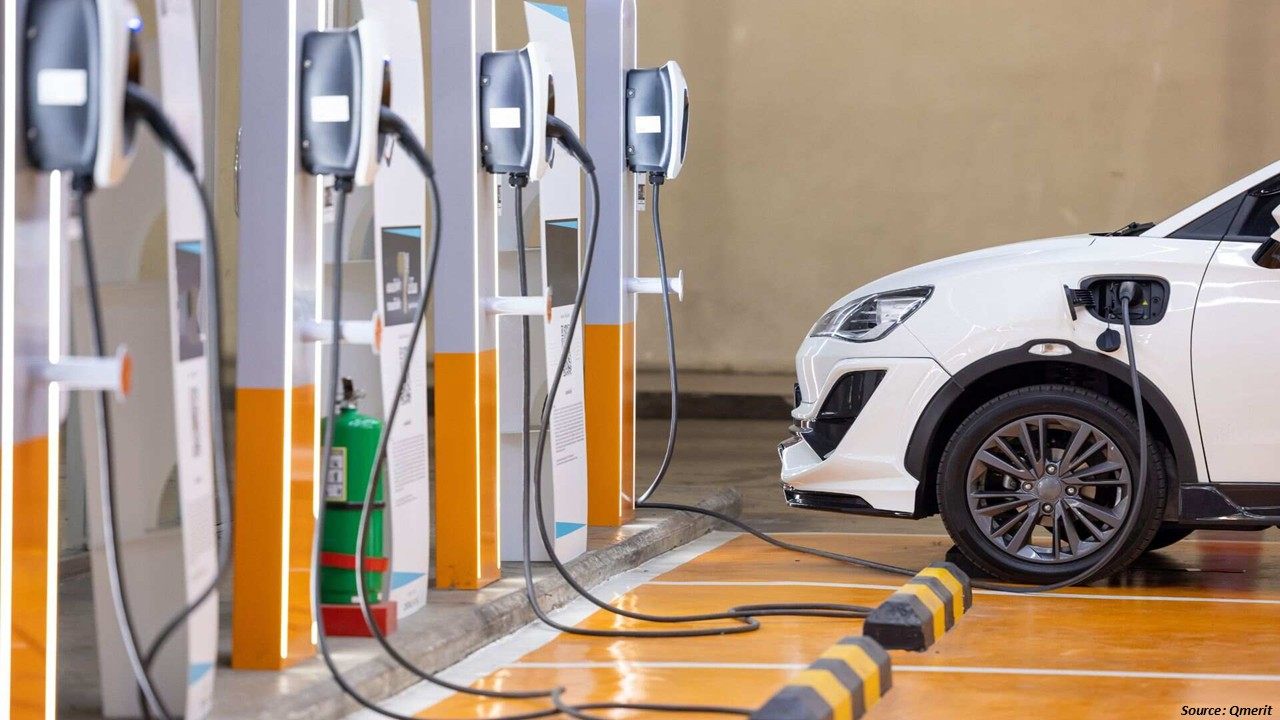
The transition toward electric mobility is no longer a distant goal; it is a current reality. As we move through 2026, the Electric Vehicle Charging Infrastructure Market is shifting from a fragmented collection of hardware to a sophisticated, energy-integrated ecosystem. This evolution is driven by strategic global partnerships and a focus on building a skilled workforce to maintain this growing network.
Can Global Partnerships Solve EV Grid Integration Challenges?
A significant development in the global market occurred on February 9, 2026, when ABB E-mobility and Esyasoft signed a Memorandum of Understanding (MoU) to deploy electric vehicle charging and energy-integrated mobility solution. This collaboration is particularly significant because it focuses on regions like the Middle East, Africa, and Latin America.
The partnership combines ABB's extensive charger portfolio—ranging from 50 kW to megawatt-level power—with Esyasoft’s digital energy management platforms. This integration ensures that charging infrastructure is not just a standalone asset but a part of a broader smart grid. Esyasoft, a UAE-based unicorn and subsidiary of International Holding Company (IHC), provides tools for energy optimization and carbon measurement, which are essential for large-scale fleet electrification and public transit projects.
Is Workforce Development the Key to a Nationwide EV Network?
While global partnerships focus on high-level integration, regional initiatives are addressing the ground-level challenge of maintenance and deployment. In India, a strategic partnership between Startup Stairs, AITMC Ventures (AVPL), and Victory Electric Vehicles International was announced on February 12, 2026, to develop a nationwide ecosystem of charging and skill.
This initiative plans to evaluate the establishment of training centers across 70 Industrial Training Institutes (ITIs). The goal is to equip technicians with industry-aligned skills in electric vehicle servicing and charging infrastructure deployment. Furthermore, the collaboration includes domestic manufacturing of AC/DC chargers and batteries at the Future Tech Park in Hisar, aligning with the "Atmanirbhar Bharat" initiative.
Comparison of Key Market Initiatives (2026)
|
Feature |
Global Integration (ABB/Esyasoft) |
Regional Expansion (Startup Stairs/AVPL/Victory) |
|
Primary Focus |
Software-Hardware Integration & Grid Management |
Skilling, Manufacturing, & Entrepreneurship |
|
Target Regions |
Middle East, Africa, Latin America |
Pan-India |
|
Technology |
50 kW to Megawatt-level chargers |
AC/DC Chargers & Battery Manufacturing |
|
Business Model |
EV-as-a-Service / Enterprise Fleets |
Franchise-led Skilling (₹5–10 Lakh investment) |
|
Source |
How Does EV Infrastructure Growth Influence the Digital Twin for Construction Market?
The expansion of the Electric Vehicle Charging Infrastructure Market acts as a direct catalyst for the Digital Twin for Construction Market. As developers plan nationwide networks and megawatt-level charging hubs, the complexity of underground cabling, grid synchronization, and site layout increases.
Digital twins allow construction firms to create virtual replicas of these charging sites before breaking ground. This technology is vital for:
-
Grid Simulation: Modeling how a new megawatt-level charging station will impact local power grids without causing outages.
-
Asset Management: Integrating the real-time data from Esyasoft’s platforms into the building’s digital twin to monitor energy flow and structural health.
-
Efficiency: Using twins to optimize the placement of chargers in existing ITIs or new Future Tech Parks, ensuring maximum accessibility and safety.
The shift toward energy-integrated infrastructure means construction is no longer just about physical building; it is about digital synchronization.
Leading Players of the Industry
The Electric Vehicle Charging Infrastructure Market is characterized by intense competition among prominent organizations such as AeroVironment Inc., MG Motor, BP Chargemaster, ChargePoint Inc., ClipperCreek Inc., Eaton Corp., General Electric Company, Leviton Manufacturing Co. Inc., SemaConnect Inc., Schneider Electric, Siemens AG, Tesla Inc., Webasto SE, Jumptech, and Shell plc. To maintain a dominant position, these market leaders are actively executing diverse strategies that include multi-sector partnerships, the large-scale development of infrastructure, and innovative product launches.
Significant industry actions include the 2022 collaboration between Jumptech and OVO Energy for network expansion in the United Kingdom and Shell plc’s commitment to establish more than 10,000 charging points for two-wheelers and four-wheelers in India by 2030. Furthermore, the global partnership between BP Chargemaster and Hertz Global Holdings Inc. to install 100,000 charging stations, alongside MG Motor India’s initiative to deploy 1,000 residential AC fast chargers, highlights a consolidated effort to reduce range anxiety and enhance the accessibility of charging solutions on both a regional and international scale.
NMSC Viewpoint
At Next Move Strategy Consulting (NMSC), we perceive that the Electric Vehicle Charging Infrastructure Market in 2026 is undergoing a paradigm shift from basic hardware deployment to the creation of integrated, energy-aware ecosystems. This evolution is exemplified by the partnership between ABB E-mobility and Esyasoft, which integrates high-power charging hardware with advanced digital platforms for energy optimization across emerging markets. Concurrently, the collaboration between Startup Stairs, AVPL, and Victory International illustrates that national scalability requires a dedicated focus on domestic manufacturing and the development of a job-ready workforce through institutional skilling.
This surge in infrastructure complexity acts as a primary catalyst for the Digital Twin for Construction Market, as developers increasingly rely on virtual replicas to manage grid synchronization and structural planning for large-scale charging hubs. We conclude that the convergence of these digital and human assets will be the definitive factor in achieving sustainable, global electric mobility.
What are the "Next Steps" for Market Stakeholders?
To remain competitive in this evolving landscape, industry participants should consider the following actionable steps:
-
Prioritize Integration: Do not treat charging hardware as a standalone purchase; ensure it is compatible with advanced energy management software.
-
Invest in Skilling: Partner with vocational institutes (like ITIs) to ensure there is a local workforce capable of maintaining high-tech charging assets.
-
Explore Franchise Models: Smaller players should look into franchise-led entrepreneurship models which provide structured pathways from training to income generation.
-
Leverage Digital Twins: Adopt digital twin technology during the construction phase of charging hubs to reduce costs and improve long-term operational efficiency.
About the Author
 Sanyukta Deb
— Sanyukta Deb is Digital Marketing Team Lead at Next Move Strategy Consulting, where she has led content strategy and technical SEO for the firm's B2B market research publications for over 2 years. Her editorial process translates NextMSC's primary and secondary research — spanning technology, industrial, and consumer sectors — into commercial narratives, backed by search-intent, keyword, and competitive analysis. She brings 5 years of overall experience in digital marketing and content strategy.
Sanyukta Deb
— Sanyukta Deb is Digital Marketing Team Lead at Next Move Strategy Consulting, where she has led content strategy and technical SEO for the firm's B2B market research publications for over 2 years. Her editorial process translates NextMSC's primary and secondary research — spanning technology, industrial, and consumer sectors — into commercial narratives, backed by search-intent, keyword, and competitive analysis. She brings 5 years of overall experience in digital marketing and content strategy.
About the Reviewer
 Debashree Dey
— Debashree Dey is Assistant Manager at Next Move Strategy Consulting, where she supports cross-vertical market content and communications across diverse industries for 6 years. Her professional background includes senior content writing, communications, and published manuscript authorship, with experience developing audience-focused business narratives and maintaining clear, consistent messaging. Her role supports research-led content development and editorial quality across NextMSC publications.
Debashree Dey
— Debashree Dey is Assistant Manager at Next Move Strategy Consulting, where she supports cross-vertical market content and communications across diverse industries for 6 years. Her professional background includes senior content writing, communications, and published manuscript authorship, with experience developing audience-focused business narratives and maintaining clear, consistent messaging. Her role supports research-led content development and editorial quality across NextMSC publications.

















Add Comment