Is the Advanced Computer Vision Market Poised to Redefine Every Major Industry by 2030?
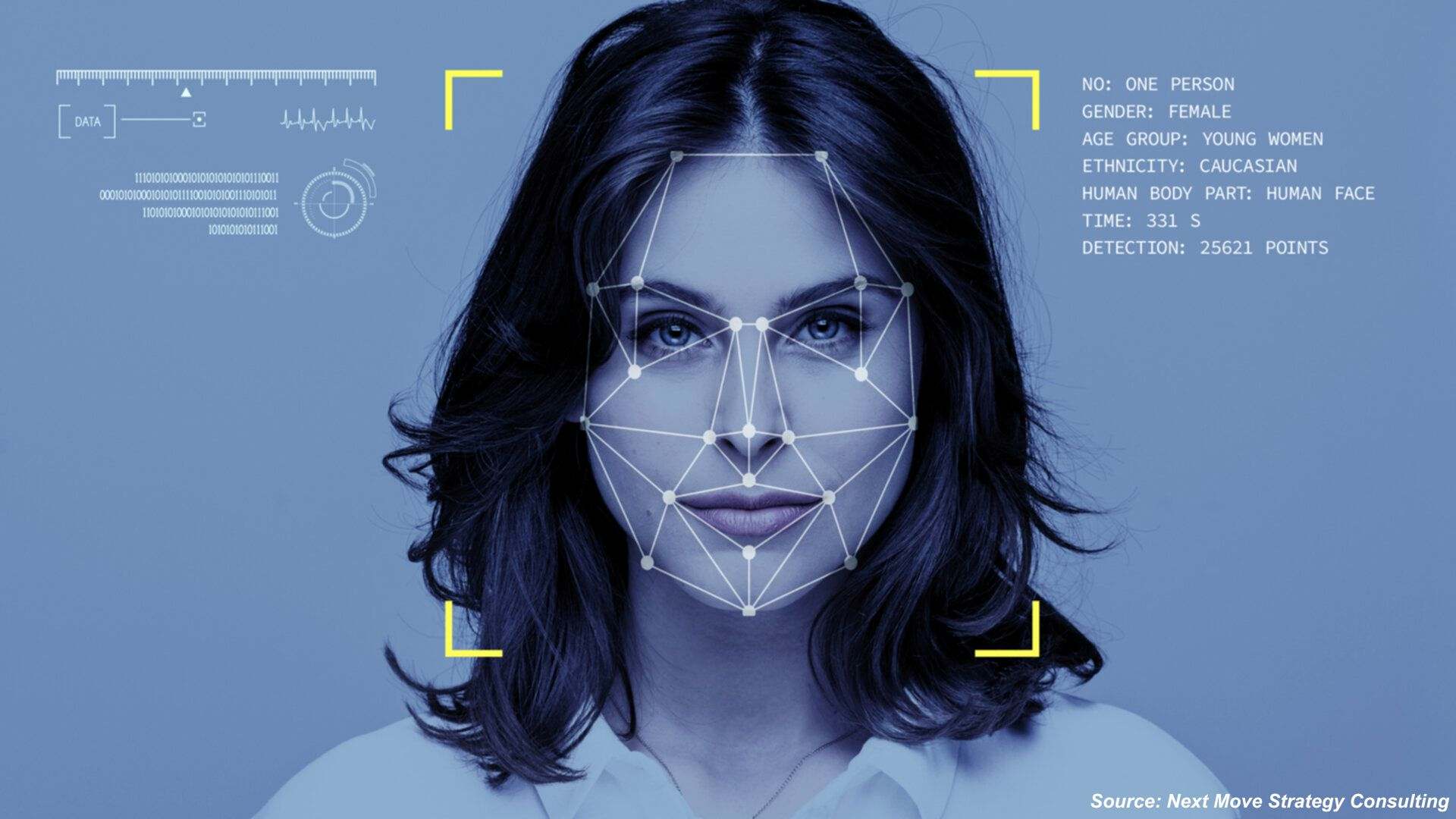
The Advanced Computer Vision Market is undergoing a quiet but profound transformation at the intersection of artificial intelligence and visual perception, with implications that extend far beyond the technology sector. Advanced computer vision, which enables machines to interpret, analyze, and respond to visual information from the real world, is evolving from a laboratory concept and niche industrial tool into a foundational sensory layer of the modern economy.
How Global Policy and Technological Breakthroughs Are Redefining the Advanced Computer Vision Market
America's AI Action Plan: A National Mandate That Directly Accelerates Computer Vision Deployment
The White House AI Action Plan released in represents one of the most comprehensive US policy frameworks for artificial intelligence to date, developed under an executive directive aimed at strengthening national leadership in AI. The strategy is built around three core priorities: accelerating AI driven innovation, expanding domestic AI infrastructure, and advancing international cooperation and security leadership. Together, these pillars have direct and far reaching implications for the advanced computer vision market across defense, healthcare, manufacturing, and autonomous transportation.
Within the innovation pillar, the plan highlights investment in next generation manufacturing technologies such as autonomous drones, self-driving vehicles, and robotics, all of which rely heavily on advanced computer vision for perception, navigation, and autonomous decision making. It also introduces AI focused Centers of Excellence, including in healthcare and public health, designed to support real world testing and validation of AI systems. These initiatives are closely aligned with national standards development efforts coordinated through institutions such as NIST, enabling faster adoption and harmonization of AI systems across key sectors including healthcare, energy, and agriculture.
The Stanford HAI AI Index: Quantifying the Scale of the Computer Vision Opportunity
The Stanford Human-Centered Artificial Intelligence Institute’s AI Index Report provides authoritative quantitative benchmarks for understanding the scale and trajectory of the technology ecosystem underpinning the advanced computer vision market. The report highlights a significant concentration of private AI investment in the United States compared with other global regions, alongside a sharp increase in organizational adoption of artificial intelligence worldwide.

NMSC Strategic Perspective: Decoding the Advanced Computer Vision Market Shift
According to Next Move Strategy Consulting's proprietary market intelligence, the global advanced computer vision market was valued at USD 14.44 billion in 2023 and is projected to reach USD 39.75 billion by 2030, representing a CAGR of 15.7% over the 2024 to 2030 forecast period.
NMSC's analysis identifies the increasing adoption of hybrid and electric vehicles equipped with advanced computer vision software and hardware for energy management, driver assistance, and autonomous navigation as a primary demand driver.
Industry Impact Analysis
Healthcare Computer Vision: From Experimental to Essential
The Stanford Human-Centered Artificial Intelligence Institute’s AI Index Report highlights the rapid expansion of artificial intelligence in healthcare, particularly through medical devices enabled by AI. A substantial number of these systems have entered the market through regulatory pathways that leverage existing safety and clinical evidence, reflecting an increasingly streamlined approval environment.
Autonomous Transportation: Waymo's Commercial Scale Validates Computer Vision at the Frontier
The autonomous vehicle sector offers one of the clearest and most commercially validated examples of advanced computer vision operating at large scale in real world environments. A leading autonomous mobility provider has rapidly expanded its paid robotaxi services across multiple US cities, achieving substantial growth in weekly ride volumes over a relatively short period and reaching significant cumulative usage milestones.
The EU AI Act's Impact on Facial Recognition and Biometric Computer Vision
The EU AI Act is introducing significant regulatory changes for facial recognition and biometric computer vision systems, particularly through restrictions on certain large scale data collection practices and the classification of biometric identification technologies as high risk.

Pros and Cons of Recent Market Developments
|
Recent Development |
Pros |
Cons |
|
White House AI Action Plan (July 2025) — Three Pillar Framework |
Creates a clear national mandate for AI and computer vision investment across defense, healthcare, and manufacturing |
Deregulatory approach may reduce safety guardrails for high-stakes computer vision applications |
|
EU AI Act Prohibited Practices (Effective February 2025) |
Establishes clear legal boundaries for facial recognition and biometric computer vision applications; builds public trust in AI systems |
Restricts commercially viable computer vision applications including workplace emotion recognition and real-time biometric identification |
Competitive Landscape
The advanced computer vision industry comprises several key players, including Verkada, Cognex Corporation, Intel Corporation, KEYENCE CORPORATION, Matterport, Inc., Omron Corporation, Sony Semiconductor Solutions, Teledyne Technologies, Texas Instruments Inc., and Athena Artificial Intelligence Pty Ltd. These companies are actively introducing advanced products across multiple regions to strengthen their market position and sustain their global competitiveness.

Next Steps for Stakeholders
For C-Level Executives at Advanced Computer Vision Solution Providers:
The EU AI Act’s compliance framework should be viewed as a strategic product development roadmap rather than a purely regulatory requirement.
For Supply Chain and Procurement Leaders:
The accelerating deployment of AI-enabled computer vision systems across manufacturing, logistics, and quality control creates a compelling case for evaluating smart camera-based computer vision systems for edge deployment in production environments where real-time inspection speed and accuracy are critical.
For Regulatory and Policy Bodies:
The divergence between the US AI Action Plan's deregulatory approach and the EU AI Act's risk-based compliance framework creates a complex, multi-jurisdictional regulatory environment for global computer vision providers.
Conclusion
The advanced computer vision market is entering a decisive phase of expansion and structural transformation, driven by a powerful alignment of policy mandates, industrial deployment, and accelerating enterprise adoption. Government initiatives such as the White House AI Action Plan are reinforcing large scale investments in AI enabled defense, healthcare, and manufacturing, while the EU AI Act is reshaping the facial recognition and biometric segments through stricter compliance requirements.
About the Author
 Tania Dey is a content writer specializing in transformation-led, insight-driven storytelling. She develops research-backed, high-impact content aligned with evolving business priorities, digital behavior, and audience expectations. Her work helps organizations sharpen value propositions, strengthen visibility, and communicate strategic intent with clarity and precision. Grounded in data-informed storytelling, she brings a strong focus on relevance, consistency, and measurable digital impact across platforms.
About the Reviewer
 Sanyukta Deb is a senior content writer and content analyst with expertise in content strategy, audience engagement, and research-driven storytelling. With a strong leadership approach and strategic mindset, she drives content initiatives that strengthen brand communication and audience connection. She combines creativity with analytical insight to develop impactful, value-led content while mentoring collaborative efforts across teams to ensure consistent, meaningful engagement and long-term brand growth across digital platforms.














Add Comment