Is the Cargo Inspection Entering a New Era of Safety and Efficiency?
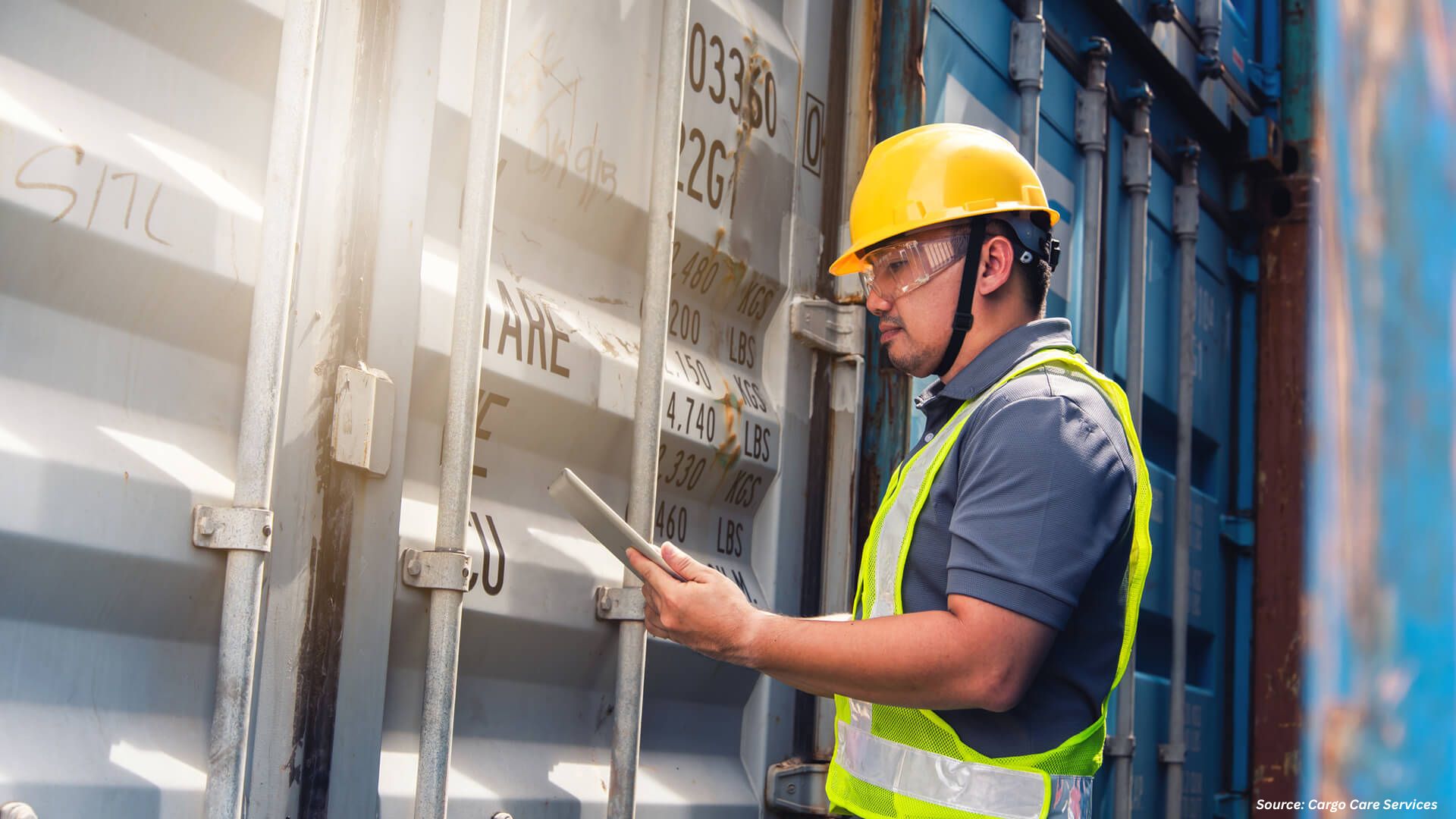
The Cargo Inspection Market in 2025 is evolving in a clear and measurable direction. Rather than incremental procedural adjustments, the sector is witnessing structured upgrades in port infrastructure and coordinated global safety initiatives. Two developments from late 2025 illustrate this transformation: the construction of a new customs cargo inspection centre at Hambantota International Port and the launch of a global cargo safety program by the World Shipping Council.
Cargo Inspection Market Strengthened by Hambantota Infrastructure Expansion
The facility is scheduled for completion within five to six months, with operations expected to commence by April 2026. According to the report, the centre is designed to streamline the examination and clearance of import and export cargo. It is expected to reduce processing times and improve overall logistics flow through the port.
This infrastructure upgrade directly supports the port’s objective to increase annual container volumes to 2 million TEUs by 2027. The new inspection centre is described as a critical enabler of that target, enhancing customs coordination, improving transparency in cargo checks, and supporting broader expansion plans. The implication for the Cargo Inspection Market is clear. Physical inspection capacity remains fundamental to throughput growth. Ports that seek to scale container volumes must integrate inspection efficiency into expansion planning rather than treat it as a secondary function.
Rising Containership Fires Reshape the Cargo Inspection Market
While ports invest in infrastructure, the global shipping industry is addressing a parallel challenge: rising containership fires linked to misdeclared dangerous goods.
According to Allianz’s Safety and Shipping Review 2025, ship fires have reached their highest level in over a decade. The report cited in the article states that misdeclared dangerous goods are responsible for more than 25% of cargo-related incidents.
The TT Club further highlighted the severity of the issue, noting that a major container ship fire occurs approximately every 60 days. These figures underline a structural risk within containerized trade. Inspection in 2025 is not only about customs verification. It is about preventing catastrophic loss events that threaten vessels, cargo, crew safety, and the marine environment.
How Is the Cargo Inspection Market Structured Across Type, Application, and Region?
At the center is a semi-circular visual divided into three distinct segments, representing the primary ways the market is categorized:
By Type
This segment typically refers to different inspection technologies or methods used in cargo verification. Although the image does not list specific types, this category usually includes scanning systems, manual inspection processes, or digital screening solutions.
By Application
Positioned at the top of the visual hierarchy, this segment highlights how cargo inspection services are used across different operational environments. Applications may include port inspections, container terminals, customs clearance operations, and risk-based safety screening.
By Region
This segment represents geographic analysis of the market. Regional segmentation helps identify variations in infrastructure investment, regulatory frameworks, and safety implementation standards across global trade corridors.
The layout emphasizes that the Cargo Inspection Market is analyzed across three interconnected dimensions: operational type, usage context, and geographic distribution.

AI Integration in the Cargo Inspection Market
The newly launched Cargo Safety Program introduces a technology-driven layer to inspection. The program utilizes artificial intelligence-powered cargo screening and standardized inspection protocols to identify high-risk shipments before loading.
At its core is a digital screening tool developed by the National Cargo Bureau. The system uses keyword searches, trade pattern recognition, and artificial intelligence algorithms to scan millions of bookings in real time. When potential risks are flagged, carriers review the alerts and, if required, conduct targeted physical inspections. Carriers representing over 70% of global TEU capacity participated in the program at launch. The World Shipping Council represents ocean carriers that transport approximately 80% of global trade, reinforcing the program’s scale. This development reflects a hybrid inspection model. Digital pre-screening narrows risk exposure, while physical verification remains essential for confirmation. The integration of artificial intelligence into cargo oversight represents a structural shift rather than a pilot initiative.
From Raw Materials to Shipment: The Complete Cargo Inspection Workflow
The visual sequence emphasizes that inspection is not a single checkpoint but a continuous quality and compliance mechanism integrated throughout the supply chain. The process begins with Receiving Raw Materials, symbolized by a truck. This stage represents the entry point of goods into the supply chain, where verification of documentation, quantity, and condition typically occurs. It then moves to Initial Inspection, represented by a magnifying glass. This stage focuses on early-stage quality assessment and compliance validation before materials proceed further into processing or consolidation.
The next phase, In-Process Checks, is depicted through a conveyor belt. This stage highlights ongoing inspection during handling, storage, or processing. It ensures that standards are maintained consistently rather than verified only at the beginning or end.
Following this is Final Packaging, symbolized by a boxed parcel with a quality stamp. This stage ensures that goods meet regulatory, safety, and documentation requirements before dispatch. The sequence concludes with Shipment, represented by an aircraft. This final stage indicates the movement of cleared and verified cargo to domestic or international destinations.
Strategically, the image communicates that inspection is embedded at multiple operational layers. It reinforces the concept that risk mitigation, quality control, and regulatory compliance are distributed across the entire logistics chain rather than concentrated at a single inspection point.

Physical and Digital Inspection: A 2025 Convergence
The 2025 landscape shows two complementary approaches. Hambantota’s inspection centre strengthens physical processing capacity and customs coordination. The World Shipping Council’s program enhances risk detection before cargo even reaches a vessel. One model accelerates cargo clearance. The other reduces catastrophic fire risk. Together, they demonstrate that inspection efficiency and safety assurance must function in parallel. This convergence signals that inspection systems are evolving into integrated control frameworks. Ports are modernizing facilities, while carriers are deploying artificial intelligence to screen millions of bookings in real time.
Leading Companies Shaping the Cargo Inspection Market
The Cargo Inspection Market is supported by a strong network of globally recognized inspection, testing, certification, and compliance service providers. Key industry participants include SGS, Bureau Veritas, Intertek Group, TÜV SÜD, DEKRA, DNV, ALS Limited, Cotecna, Alex Stewart International, Camin Cargo Control, Swiss Approval International, and QIMA. These organizations play a critical role in ensuring cargo quality, regulatory compliance, risk mitigation, and trade transparency across global supply chains. Through inspection services, testing protocols, auditing frameworks, and certification programs, they support industries ranging from maritime and energy to manufacturing and consumer goods, strengthening the reliability and safety standards of international trade flows.

Next Move Strategy Consulting Perspective
From a strategic standpoint, the Cargo Inspection Market in 2025 reflects institutional strengthening rather than isolated upgrades. Ports are aligning inspection capacity with measurable throughput targets such as 2 million TEUs annually. Industry bodies are implementing standardized, artificial intelligence-enabled screening mechanisms. Carriers covering more than 70% of global TEU capacity are participating in collaborative safety initiatives.
Inspection is transitioning from administrative necessity to strategic enabler. Throughput growth, transparency, and risk mitigation are becoming interconnected performance metrics. The sector’s trajectory suggests that future competitiveness will depend on how effectively ports and carriers integrate physical infrastructure, digital intelligence, and standardized safety governance.
Next Steps for the Cargo Inspection Market
-
Align port inspection infrastructure with container throughput targets to ensure that capacity expansion directly supports measurable TEU growth.
-
Integrate artificial intelligence-powered cargo screening systems to identify high-risk shipments before loading and reduce incident exposure.
-
Standardize inspection protocols across ports and carriers to improve transparency, consistency, and regulatory compliance.
-
Strengthen collaboration between customs authorities, shipping lines, and inspection agencies to enable real-time data sharing and faster clearance processes.
-
Implement performance metrics that connect inspection efficiency with reduced fire incidents, shorter processing times, and improved trade reliability.
-
Invest in hybrid inspection models that combine digital pre-screening with targeted physical verification to enhance both safety and operational speed.
Final Outlook on the Cargo Inspection Market
The Cargo Inspection Market in 2025 is defined by two parallel movements. Infrastructure expansion supports faster clearance and higher container volumes. Artificial intelligence-driven screening reduces the frequency and severity of maritime fire incidents.
Hambantota’s new inspection centre is scheduled to become operational by April 2026 and supports a 2 million TEU target by 2027. Misdeclared dangerous goods account for more than 25% of cargo-related incidents, and a major container ship fire occurs roughly every 60 days. Carriers representing over 70% of global TEU capacity have adopted the World Shipping Council’s safety program. Inspection is therefore no longer a checkpoint within the supply chain. It is becoming an integrated risk and performance management system shaping the future of global trade.
About the Author
 Tania Dey is a content writer specializing in transformation-led, insight-driven storytelling. She develops research-backed, high-impact content aligned with evolving business priorities, digital behavior, and audience expectations. Her work helps organizations sharpen value propositions, strengthen visibility, and communicate strategic intent with clarity and precision. Grounded in data-informed storytelling, she brings a strong focus on relevance, consistency, and measurable digital impact across platforms.
About the Reviewer
 Sanyukta Deb is a senior content writer and content analyst with expertise in content strategy, audience engagement, and research-driven storytelling. With a strong leadership approach and strategic mindset, she drives content initiatives that strengthen brand communication and audience connection. She combines creativity with analytical insight to develop impactful, value-led content while mentoring collaborative efforts across teams to ensure consistent, meaningful engagement and long-term brand growth across digital platforms.













Add Comment