Is the Sodium Cyanide Shifting from Mining Stability to Strategic Reinvention?
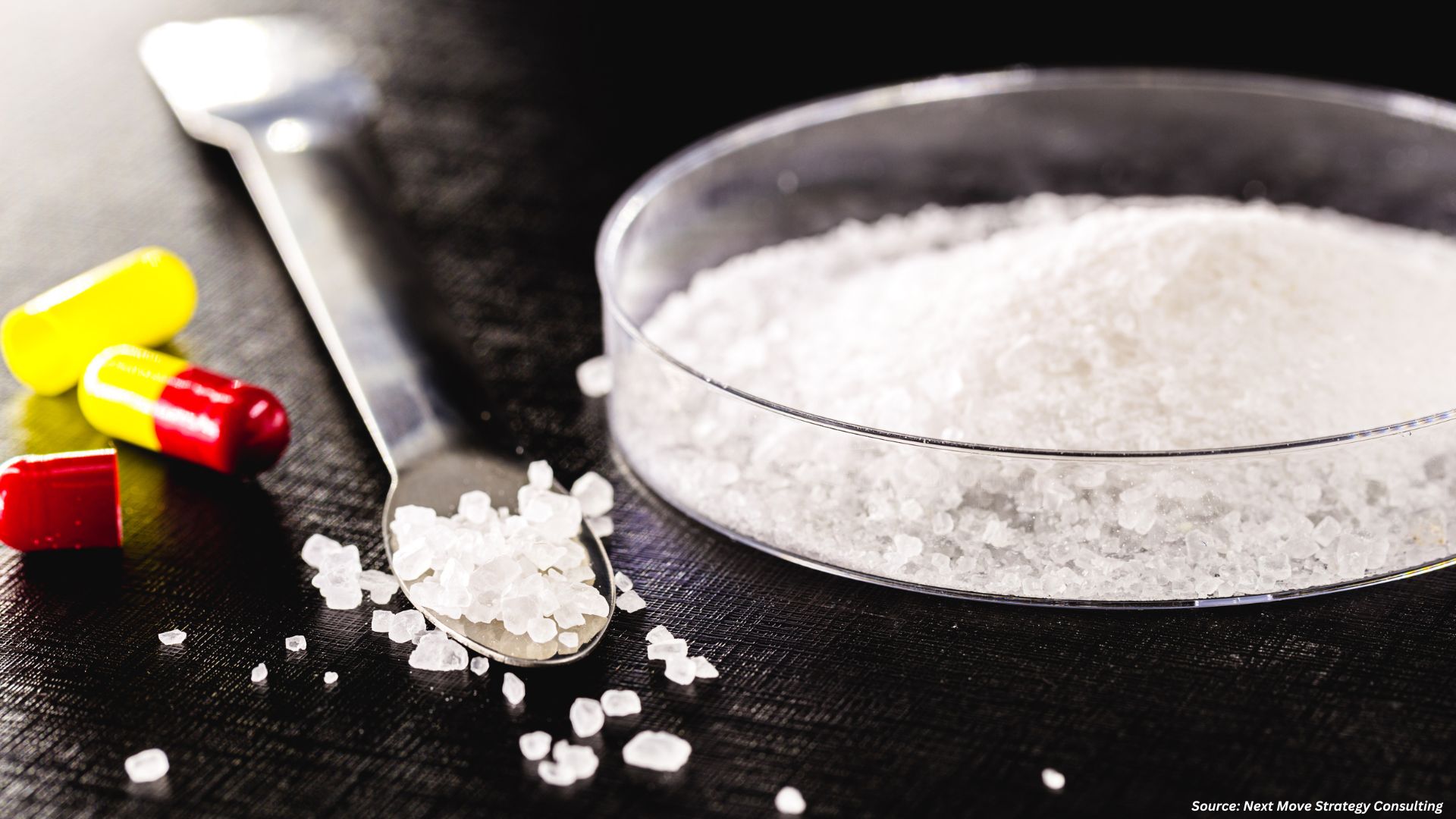
The Sodium Cyanide Market in 2025 presents a balanced yet evolving picture. Pricing trends reflect ongoing mining demand and raw material pressures, while strategic developments in sodium-based battery materials introduce a new layer of long-term relevance.
Sodium Cyanide Market Price Trend in Q2 2025
The variation across countries reflects feedstock volatility, logistical pressures, and sustained gold mining demand.
Q2 2025 Prices (USD per metric ton)
|
Country |
Q2 2025 |
Q1 2025 |
|
USA |
USD 3066/MT |
USD 3030/MT |
|
Thailand |
USD 2485/MT |
USD 2400/MT |
|
Australia |
USD 2163/MT |
— |
|
Brazil |
USD 2138/MT |
USD 2080/MT |
|
Argentina |
USD 2456/MT |
USD 2420/MT |
Thailand also witnessed an increase to USD 2485/MT, largely due to import reliance for hydrogen cyanide and caustic soda. Brazil and Argentina saw moderate price rises influenced by exchange rate fluctuations and supply chain constraints. Australia remained comparatively stable due to stronger domestic production alignment.
What Is Driving the Increase?
In the United States, gold mining activity remains a key consumption driver. Q2 2025 confirms a moderate upward global pricing pattern. Regional differences are primarily linked to supply chain structure and raw material exposure rather than demand weakness. Growth continues to be closely aligned with gold and silver extraction using the cyanidation process. Additional industrial applications, including electroplating and chemical manufacturing, provide supplementary demand support. However, the mining sector remains the structural backbone of consumption.
Colorimetric Cyanide Detection Mechanism via Sodium Picrate Reaction
It begins with picric acid, a nitro-substituted phenolic compound. When picric acid reacts with sodium carbonate (Na₂CO₃), it forms sodium picrate, which is yellow in color. It shows hydrogen cyanide (HCN) being released, typically from cyanogenic glycosides. The presence of hydrogen cyanide leads to a further reaction with sodium picrate, forming sodium isopurpurate, which appears red. This visible color change from yellow to red forms the basis of a qualitative chemical test for cyanide detection. The transformation is important in analytical chemistry and toxicology for identifying cyanide presence in biological or environmental samples.

Strategic Expansion: Sodium Chemistry Meets Battery Innovation
A notable 2025 development introduces diversification beyond traditional mining usage. Draslovka. announced an R&D partnership with Natron Energy, Inc. to develop and produce high-quality Prussian blue materials for sodium-ion batteries. The agreement includes the design and construction of a new reference production facility in Kolin, Czech Republic. Beginning in 2026, this facility is expected to supply materials that could double Natron’s battery manufacturing capacity. The batteries are positioned for short-term energy storage applications, including data centres. This partnership reflects a strategic shift in revenue streams toward proprietary technologies and sustainable energy solutions. While sodium cyanide itself remains tied to mining, the broader sodium chemistry ecosystem is expanding into energy storage.
Step-by-Step Laboratory Procedure for Cyanide Detection Using the Sodium Picrate Method
The process begins with three prepared test tubes labeled Blank, Standard, and Sample, each containing measured liquid volumes. These represent control, calibration reference, and actual test specimen. The lower-left section shows the chemical basis of the reaction. Picric acid reacts with sodium carbonate to form sodium picrate, which appears yellow. This compound serves as the reactive indicator. After shaking, the mixture is incubated in a water bath at 37°C for 15 minutes, allowing hydrogen cyanide (HCN), if present, to react. The reaction forms sodium is purpurate, shown in the lower-right chemical equation. This compound produces a red or orange coloration. The final stage involves UV analysis at 485 nm, where absorbance is measured. The blank remains yellow, while standards and samples turn orange if cyanide is present. The intensity of the color corresponds to cyanide concentration.

Structural Risks and Market Sensitivities
Import-dependent countries are more vulnerable to shipping disruptions and currency fluctuations. Regulatory requirements related to production methods also add cost considerations. Rather than demand volatility, it is upstream raw material cost variability that defines the short-term pricing environment.
Leading Companies Strengthening Their Position in the Sodium Cyanide Industry
The sodium cyanide industry is characterized by the presence of several established and regionally strong manufacturers. Prominent players include Orica Limited, Evonik Industries, Taekwang Industries Co., Ltd., Mercury Chemicals Pte. Ltd., The Chemours Company LLC, Asian Chemtech Private Limited, Avonchem Ltd, Unique Chemical Limited, Hongye Holding Group Corporation Limited, Cyanoco Ltd., Hindusthan Chemicals Company, Draslovka Holding Co., Australian Gold Reagents Pty Ltd, Hebei Chengxin Co., Ltd., and Anhui Shuguang Chemical Group Co., Ltd., among others. These organizations continue to reinforce their market presence through strategic initiatives such as acquisitions, capacity expansions, technological upgrades, and regional distribution strengthening. Such competitive strategies are aimed at securing supply chain stability, expanding global reach, and maintaining long-term dominance within the sodium cyanide sector.

Next Move Strategy Consulting View on the Sodium Cyanide Market
From a strategic perspective, the market in 2025 operates on two clear axes: pricing discipline and technological repositioning. Short-term performance is dictated by feedstock economics and gold mining activity. Long-term positioning is increasingly shaped by chemical innovation and supply chain resilience. A balanced interpretation suggests that mining will continue to anchor demand, while innovation-driven diversification could enhance long-term strategic value. Companies that integrate supply chain stability with proprietary development capabilities may improve competitive positioning over time.
Next Steps for Industry Stakeholders
Organizations operating in this space should prioritize three practical actions:
-
Implement closer monitoring of ammonia and caustic soda price movements, as these inputs directly influence quarterly margins.
-
Evaluate regional sourcing exposure, particularly in import-dependent economies where logistics and currency shifts amplify volatility.
-
Track sodium-ion battery ecosystem developments to assess potential long-term diversification opportunities within sodium-based chemistries.
Conclusion: Stability Anchored in Mining, Expansion Driven by Strategy
The Sodium Cyanide Market in 2025 demonstrates a balance between operational stability and gradual strategic evolution. While mining remains the central pillar of demand, developments in sodium-based chemistries, particularly those linked to energy storage applications, indicate that chemical producers are broadening their long-term strategic focus. The market is not shifting away from its traditional base, but it is slowly integrating innovation-driven opportunities alongside established revenue streams. Overall, the industry appears positioned for consistent growth, with success depending on how effectively companies manage raw material risks while capitalizing on emerging technological partnerships.
About the Author
 Tania Dey is a content writer specializing in transformation-led, insight-driven storytelling. She develops research-backed, high-impact content aligned with evolving business priorities, digital behavior, and audience expectations. Her work helps organizations sharpen value propositions, strengthen visibility, and communicate strategic intent with clarity and precision. Grounded in data-informed storytelling, she brings a strong focus on relevance, consistency, and measurable digital impact across platforms.
About the Reviewer
 Sanyukta Deb is a senior content writer and content analyst with expertise in content strategy, audience engagement, and research-driven storytelling. With a strong leadership approach and strategic mindset, she drives content initiatives that strengthen brand communication and audience connection. She combines creativity with analytical insight to develop impactful, value-led content while mentoring collaborative efforts across teams to ensure consistent, meaningful engagement and long-term brand growth across digital platforms.













Add Comment