Organic Food in 2026: Trust, Certification, and Retail Expansion
Introduction: Organic Food Market Enters a Trust-Driven Phase
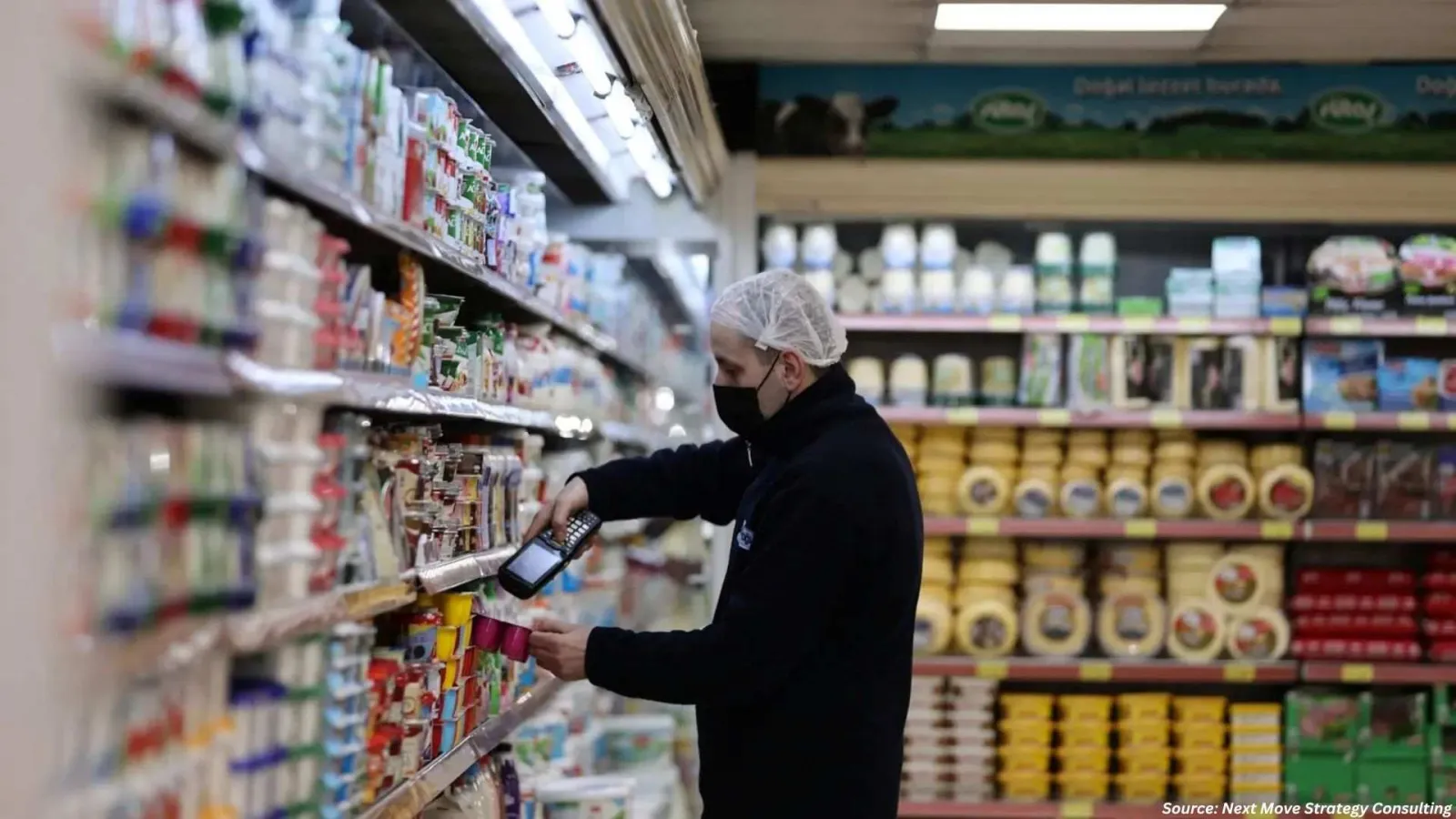
The Organic Food Sector in 2026 is undergoing a significant transformation, driven by regulatory tightening and strategic retail expansion. While consumer demand for healthier and chemical-free food continues to grow, the industry is increasingly focused on credibility, traceability, and certification authenticity.
Recent developments from Türkiye and Europe highlight a common theme: restoring consumer trust while scaling access to certified organic products.
The organic food industry is moving beyond growth narratives into a validation phase, where transparency and certification integrity are becoming critical competitive differentiators.
Organic Food Certification Crackdown: Addressing Misleading Labels
One of the most notable developments in 2026 comes from Türkiye, where authorities are taking action against deceptive labeling practices in organic food.
Key Developments
-
The Turkish government is targeting misuse of terms like “village” and “natural” that falsely imply organic authenticity.
-
These labels have been widely used without meeting certified organic standards.
-
The initiative is part of a broader food safety reform to protect consumers and ensure compliance with official organic certification systems.
Why This Matters
-
Consumers often associate “village” or “natural” with organic production, leading to confusion.
-
Regulatory enforcement aims to align labeling with verified certification systems.
-
This move strengthens trust in officially certified organic products.

Regulatory interventions such as this signal a shift toward stricter governance in the organic food market, and according to Next Move Strategy Consulting, the push for standardized labeling is likely to reduce misinformation while strengthening the position of certified brands over informal or misleading alternatives.
Retail Expansion: Organic Food Becomes More Accessible
Alongside regulatory tightening, retail players are expanding their certified organic offerings to meet rising demand.
Key Developments
-
dm-drogerie markt announced plans to expand its certified organic product range through a new partnership.
-
The initiative focuses on increasing availability of organic food products across its retail network.
-
The expansion aligns with growing consumer preference for verified organic goods.
Impact on Consumers
-
Greater access to certified organic products in mainstream retail.
-
Improved affordability through scale and partnerships.
-
Enhanced visibility of certified labels compared to ambiguous claims.
Retail expansion is increasingly normalizing organic food consumption, as our observations at Next Move Strategy Consulting indicate that integrating certified organic products into mainstream shopping environments is helping drive adoption beyond niche consumer segments and into everyday purchasing behavior.
Organic Food Market Dynamics: Trust vs Accessibility
The 2026 organic food landscape reflects a balance between two key forces:
|
Factor |
Market Impact |
|
Regulatory Enforcement |
Increases trust and reduces misleading claims |
|
Retail Expansion |
Improves accessibility and consumer adoption |
|
Certification Focus |
Strengthens product credibility |
|
Consumer Awareness |
Drives demand for verified organic products |
Key Insight
The convergence of stricter regulations and wider availability is reshaping how consumers perceive and purchase organic food.
The organic food market is transitioning into a dual-driven ecosystem where compliance builds credibility and retail scale drives growth, and insights from Next Move Strategy Consulting suggest that companies aligning with both are better positioned to secure long-term competitive advantage.
Consumer Behavior Shift: From Perception to Proof
Consumers are becoming more informed and skeptical, demanding proof rather than relying on vague claims.
Emerging Trends
-
Preference for certified organic labels over generic descriptors
-
Increased scrutiny of product origins and supply chains
-
Higher willingness to pay for verified authenticity
Challenges
-
Educating consumers about certification standards
-
Eliminating misleading marketing practices
-
Ensuring consistent enforcement across regions

The transition from perception-based purchasing to proof-based decision-making marks a critical turning point. This shift is expected to redefine brand loyalty in the organic food sector.
The organic food value chain is becoming more interconnected, with regulatory bodies and retailers jointly influencing consumer trust and market expansion.
According to Next Move Strategy Consulting: Industry Impact
The recent developments signal a structural shift in the organic food industry:
-
Short-Term Impact: Increased scrutiny may temporarily disrupt smaller players relying on informal labeling.
-
Mid-Term Impact: Certified organic brands will gain stronger market positioning due to higher trust levels.
-
Long-Term Impact: The industry will transition toward a standardized, globally aligned certification ecosystem.
-
Strategic Implication: Companies must invest in certification, transparency, and partnerships to remain competitive.

Next Steps: Strategic Actions for Stakeholders
-
Strengthen Certification Compliance Ensure all organic claims are backed by recognized certification systems.
-
Invest in Consumer Education Clearly communicate what certified organic means and how it differs from generic labels.
-
Leverage Retail Partnerships Expand product reach through collaborations with established retail networks.
-
Enhance Transparency Provide clear information about sourcing, production, and certification processes.
-
Monitor Regulatory Changes Stay aligned with evolving food safety and labeling regulations across markets.
Conclusion: Organic Food Moves Toward Verified Growth
In 2026, the organic food industry is no longer defined solely by demand growth. Instead, it is entering a phase where trust, certification, and accessibility determine success.
Regulatory crackdowns on misleading labels and strategic retail expansions are shaping a more transparent and reliable market. As consumers shift toward evidence-based purchasing, the future of organic food will depend on authenticity, not just perception.
The next phase of the organic food market will be defined by credibility at scale. Companies that combine certified integrity with widespread availability will lead the industry’s evolution.
About the Author
 Sanyukta Deb
— Sanyukta Deb is Digital Marketing Team Lead at Next Move Strategy Consulting, where she has led content strategy and technical SEO for the firm's B2B market research publications for over 2 years. Her editorial process translates NextMSC's primary and secondary research — spanning technology, industrial, and consumer sectors — into commercial narratives, backed by search-intent, keyword, and competitive analysis. She brings 5 years of overall experience in digital marketing and content strategy.
Sanyukta Deb
— Sanyukta Deb is Digital Marketing Team Lead at Next Move Strategy Consulting, where she has led content strategy and technical SEO for the firm's B2B market research publications for over 2 years. Her editorial process translates NextMSC's primary and secondary research — spanning technology, industrial, and consumer sectors — into commercial narratives, backed by search-intent, keyword, and competitive analysis. She brings 5 years of overall experience in digital marketing and content strategy.
About the Reviewer
 Debashree Dey
— Debashree Dey is Assistant Manager at Next Move Strategy Consulting, where she supports cross-vertical market content and communications across diverse industries for 6 years. Her professional background includes senior content writing, communications, and published manuscript authorship, with experience developing audience-focused business narratives and maintaining clear, consistent messaging. Her role supports research-led content development and editorial quality across NextMSC publications.
Debashree Dey
— Debashree Dey is Assistant Manager at Next Move Strategy Consulting, where she supports cross-vertical market content and communications across diverse industries for 6 years. Her professional background includes senior content writing, communications, and published manuscript authorship, with experience developing audience-focused business narratives and maintaining clear, consistent messaging. Her role supports research-led content development and editorial quality across NextMSC publications.

















Add Comment