Revolutionizing Automated Retail: The Role of AI and IoT in Modern Vending Machines
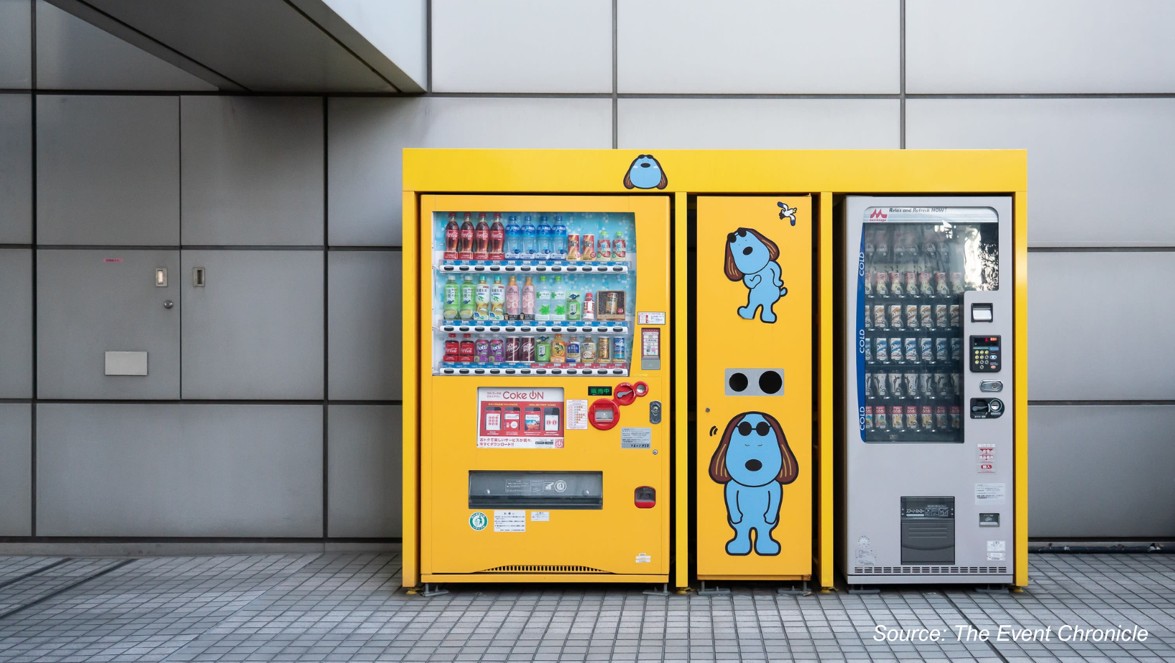
The vending machines industry has come a long way from the basic snack and drink dispensers we all know. Once limited to simple mechanical operations, modern vending machines are now becoming smart, connected retail solutions that deliver convenience, efficiency, and personalization.
With consumer expectations evolving rapidly, the integration of advanced technologies like Artificial Intelligence (AI) and the Internet of Things (IoT) is transforming how vending machines operate. Today, these machines do much more than dispense products; they analyse consumer behaviour, optimize operations, and even predict demand, creating a seamless shopping experience that bridges the gap between physical and digital retail. In this blog we discuss, how AI and IoT in modern vending machines is revolutionizing the industry.
According to Next Move Strategy Consulting, the global Vending Machines Market size was valued at USD 23.07 billion in 2024 and is expected to reach USD 25.88 billion by 2025. Looking ahead, the industry is projected to expand significantly, reaching USD 34.96 billion by 2030, registering a CAGR of 6.20% from 2025 to 2030. In terms of volume, the sector recorded 13 million units in 2024, with forecasts indicating growth to 15 million units by 2025 and further to 23 million units by 2030, reflecting a CAGR of 9.30% over the same period.
Curious about the Vending Machines Market Report? Download FREE Sample
How are AI and IoT Powering the Next Generation of Automated Retail
Artificial Intelligence in Vending Machines
AI is transforming the vending machines market trends from passive dispensers into interactive, intelligent retail solutions. Using AI algorithms, machines can analyze purchase history, time of day, and location-specific trends to predict customer preferences and personalize recommendations.
For example, Indian startup Daalchini Technologies has deployed over 2,500 smart vending machines across more than 80 cities, using AI and data analytics to optimize product selection and inventory levels. The company reported a 123% CAGR in revenue over eight consecutive quarters, illustrating the impact of AI on operational efficiency and profitability.
AI also enables dynamic pricing, allowing machines to adjust prices based on inventory levels, demand, or peak hours, thereby maximizing revenue while reducing waste. Predictive maintenance powered by AI helps operators anticipate hardware failures before they occur, reducing downtime and maintenance costs.
Furthermore, AI-driven insights help operators understand emerging trends and optimize product assortments for specific demographics or locations, which is particularly valuable in high-traffic areas such as airports, hospitals, and universities.

The Role of IoT in Vending Machines
IoT brings connectivity to self-service vending systems, enabling real-time monitoring and control. Each machine becomes a node in a connected network, transmitting data on sales, inventory, operational status, and even environmental conditions like temperature or humidity for perishable items. This connectivity allows operators to monitor performance remotely, plan restocking more efficiently, and reduce the time and cost associated with manual checks.
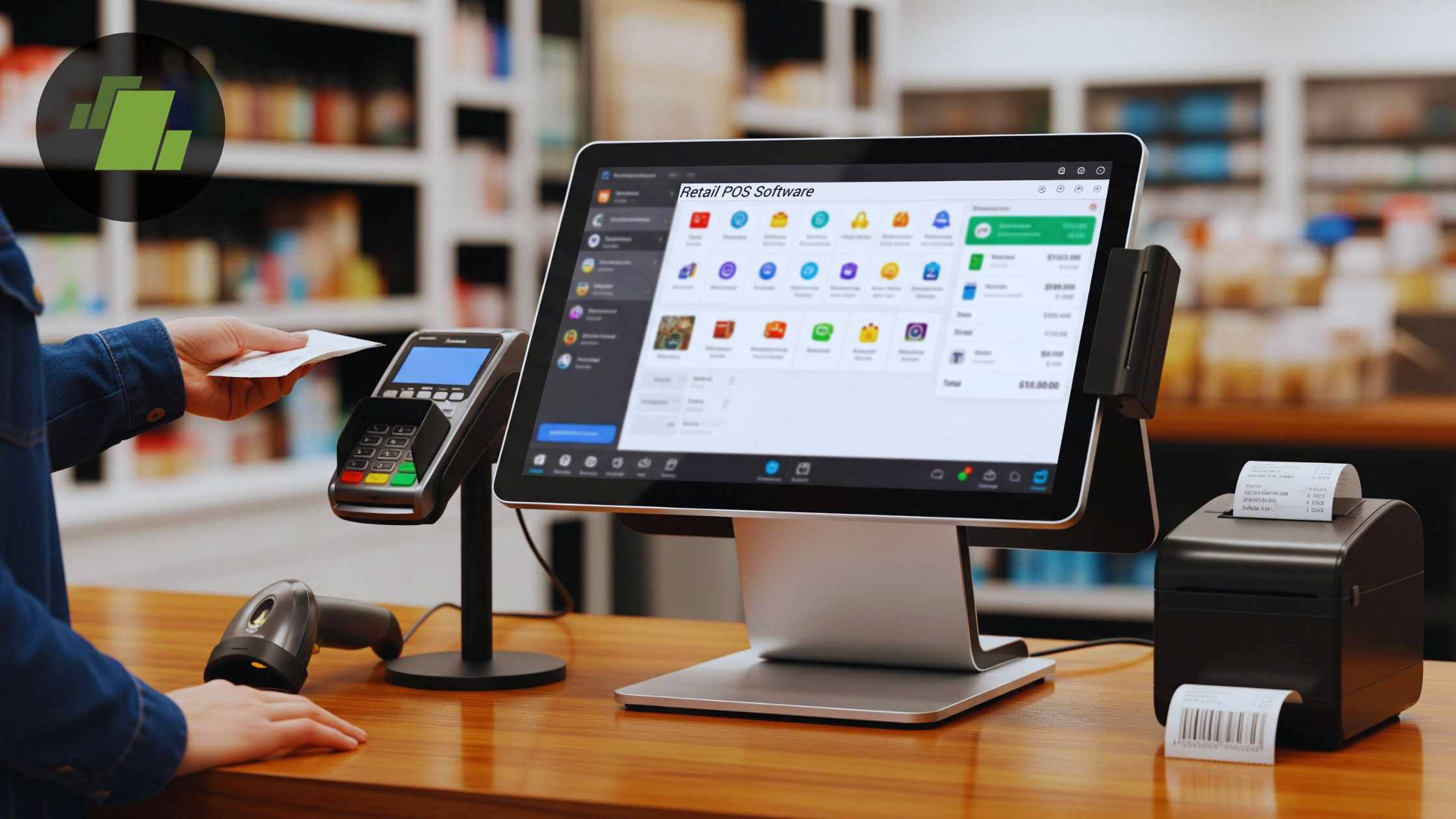
From a consumer perspective, IoT enables cashless and contactless transactions, mobile app integration, interactive displays, and notifications about available products or promotions. U.S.-based companies have explored facial recognition for personalized advertising in vending machines, although privacy concerns have prompted careful regulation.
For instance, at the University of Waterloo, certain vending machines equipped with facial recognition software were removed after privacy concerns surfaced. Despite these challenges, IoT ensures that the machines are more efficient, customer-friendly, and responsive to operational needs.
Industry Developments and Technological Innovations Driving the Future of Vending Machines
The vending machines market outlook is witnessing several noteworthy technological advancements. Startups and established players alike are integrating AI and IoT to enhance both customer experience and operational performance. Companies such as Cantaloupe Inc. (USA) and Seaga Manufacturing Inc. are implementing smart telemetry systems that provide real-time data analytics and allow predictive inventory management, helping operators minimize stock-outs and reduce operational costs.
Meanwhile, Daalchini Technologies is using AI to enhance revenue generation and operational efficiency in India, demonstrating that even emerging markets are quickly adopting cutting-edge technologies in vending solutions. Similarly, Daily Blends, a U.S.-based company, recently launched AI-powered fresh food vending machines capable of monitoring expiry dates, temperature, and real-time sales trends, ensuring freshness while optimizing stock.
These examples show that AI and IoT are not just theoretical innovations, they are actively reshaping the vending machines market landscape worldwide. Companies that embrace these technologies are gaining a competitive edge through enhanced customer engagement, better data-driven decisions, and efficient operations, setting the stage for rapid growth and industry leadership.

The Road Ahead: Transforming Vending with Technology
The integration of AI and IoT is ushering in a new era for connected vending solutions, turning them from simple product dispensers into intelligent, data-driven retail hubs. These technologies empower machines to anticipate consumer needs, personalize interactions, and operate with unmatched efficiency. AI enables predictive analytics, dynamic inventory management, and tailored product recommendations, while IoT ensures seamless connectivity, real-time monitoring, and rapid issue resolution.
As digital adoption accelerates worldwide, the vending machines market demand is poised for unprecedented growth, with operators leveraging these innovations to reduce operational costs, maximize revenue, and offer highly personalized experiences. Early adopters of AI and IoT are not merely keeping pace, they are redefining the standards of automated retail, creating smarter, more convenient, and highly responsive consumer touchpoints that are shaping the future of retail.
About the Author
 Mayurima Roy
— Mayurima Roy is Research Analyst at Next Move Strategy Consulting, where she has spent 4 years working across the firm's full industry coverage rather than a single fixed vertical. Her work centers on structured research, ongoing trend tracking, competitive assessment, and insight-led content development, translating complex market data into clear, decision-ready narratives that support informed client decision-making across diverse global industries, market sectors, and world regions every day.
Mayurima Roy
— Mayurima Roy is Research Analyst at Next Move Strategy Consulting, where she has spent 4 years working across the firm's full industry coverage rather than a single fixed vertical. Her work centers on structured research, ongoing trend tracking, competitive assessment, and insight-led content development, translating complex market data into clear, decision-ready narratives that support informed client decision-making across diverse global industries, market sectors, and world regions every day.
About the Reviewer
 Sikha Haritwal
— Sikha Haritwal is an assistant manager with strong expertise in market research, data analysis, and cross-functional coordination. She plays a key role in leading complex research initiatives, strengthening analytical rigor, and enabling data-driven decision-making across teams. Known for her leadership mindset and structured problem-solving approach, she supports process improvement, enhances operational efficiency, and contributes to building scalable frameworks that drive long-term strategic outcomes and organizational effectiveness.
Sikha Haritwal
— Sikha Haritwal is an assistant manager with strong expertise in market research, data analysis, and cross-functional coordination. She plays a key role in leading complex research initiatives, strengthening analytical rigor, and enabling data-driven decision-making across teams. Known for her leadership mindset and structured problem-solving approach, she supports process improvement, enhances operational efficiency, and contributes to building scalable frameworks that drive long-term strategic outcomes and organizational effectiveness.
















Add Comment