Top Trends Shaping the Future of the Global Elevator Market
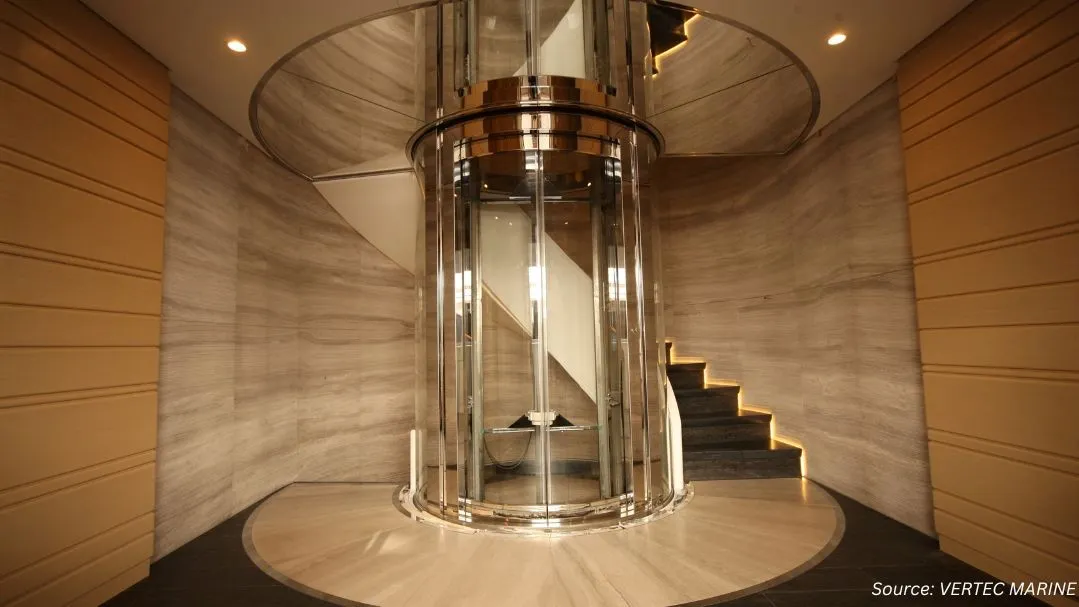
In the rapidly evolving urban landscapes of modern cities, the elevator industry has emerged as the silent workhorses of vertical mobility. Beyond simply transporting people between floors, today’s elevators are becoming smart, sustainable, and highly personalized systems that enhance convenience, safety, and energy efficiency.
According to Next Move Strategy Consulting, the global Elevator Market size was valued at USD 98.72 billion in 2024 and is expected to reach USD 108.13 billion by 2025. Looking ahead, the industry is projected to expand significantly, reaching USD 148.20 billion by 2030, registering a CAGR of 6.51% from 2025 to 2030.
Curious about the Elevator Market Report? Grab a FREE Sample Now!
As cities expand upward, elevator manufacturers are redefining vertical transportation with smart technologies, IoT integration, and eco-friendly designs. These innovations are transforming lifts from functional necessities into advanced, intelligent systems that contribute to smarter, greener, and more user-focused urban infrastructure.
Smart Elevators: Redefining Vertical Mobility
Smart elevators are revolutionizing the industry by combining advanced technology, data analytics, and connected systems to enhance passenger experience. Equipped with sensors, cameras, and connectivity features, these elevators collect real-time data on traffic flow, usage patterns, and operational performance. This information is analyzed to optimize scheduling, reduce waiting times, and improve energy efficiency.

A notable elevator market innovation is Otis Worldwide Corporation’s Gen360 digital elevator system, designed to offer passengers a seamless and efficient ride. The Gen360 integrates connectivity features and advanced analytics, allowing operators to manage elevator performance in real time while improving energy consumption.
Additionally, advanced safety systems ensure passenger security and peace of mind. Otis also introduced the Smart Cab elevator concept, which incorporates immersive displays, futuristic designs, and novel features, providing passengers a glimpse of the next generation of vertical transportation. Through such innovations, Otis is shaping a more intelligent, connected, and passenger-centric elevator experience across urban environments.
IoT Integration: Unlocking Connectivity and Efficiency
The incorporation of the Internet of Things (IoT) has created a new era of intelligent elevator systems. By enabling seamless communication between elevators and building management platforms, IoT solutions provide building operators with real-time insights, remote monitoring, and predictive maintenance capabilities. This proactive approach minimizes downtime, prevents breakdowns, and ensures uninterrupted vertical transportation.
TK Elevator is at the forefront of the elevator market transformation with MAX, its cloud-based IoT platform. Introduced in the Chinese market, MAX collects real-time data from connected elevators, escalators, and moving walkways to enhance operational efficiency. Building managers can monitor system status, detect issues promptly, and leverage predictive maintenance algorithms to anticipate service needs, reducing downtime and improving passenger experience.
One key advantage of MAX is its seamless integration with partner platforms, allowing building operators to manage the entire building ecosystem through a single, centralized platform. This integration simplifies workflows, enhances efficiency, and exemplifies how IoT is redefining modern vertical transportation.
Energy Efficiency: Driving Green Innovation
Energy efficiency has become a priority in the elevator market as environmental sustainability takes center stage. Innovative technologies such as regenerative drives convert energy generated during braking into electricity, while LED lighting, variable frequency drives, and energy-efficient motors contribute to overall power savings. Manufacturers are also exploring double-decker elevators and lightweight materials to maintain performance while reducing energy consumption.
An example of sustainable innovation is NIBAV Home Lifts’ Series II from Australia. These elevators operate on single-phase power, consuming only 3.7 kVA during ascent and zero power while descending. Powered by air, the design eliminates the need for oil or lubrication, making it a truly green and environmentally friendly solution. Such innovations reflect the growing demand for eco-conscious elevators in residential, commercial, and public infrastructure.

Destination Control Systems: Optimizing Passenger Flow
Destination control systems (DCS) are transforming elevator traffic management by assigning passengers to elevators based on their selected destination floors. These systems analyze real-time demand to reduce waiting times, alleviate congestion, and maximize efficiency. In the Asia-Pacific region, TK Elevator’s AGILE kiosks integrate with the Destination Selection Control (DSC) system to provide improved passenger management.
The AGILE kiosks not only create a strong first impression but also allow customization of graphics and messages for tenants, enhancing the building experience. Implementing AGILE kiosks and DSC reduces time-to-destination by 25% and increases traffic capacity by 30%, significantly reducing queues during peak hours. By modernizing elevator control systems, DCS ensures faster boarding, optimized usage, and better overall performance, making high-rise buildings more efficient and user-friendly.
Personalized User Experience: Elevating Passenger Interaction
The modern elevator market is increasingly focused on delivering personalized experiences tailored to individual preferences. Smart elevators can identify users via keycards, mobile devices, or biometric systems, automatically adjusting settings such as preferred floors, lighting levels, and climate control.
A notable innovation in this area is Hitachi’s touchless operating panel, passengers can select their desired floors by gliding their finger over a digital interface, eliminating the need for physical buttons. This intuitive system enhances hygiene, accessibility, and convenience, particularly for individuals with disabilities or health concerns.
As AI and analytics continue to advance, elevators are poised to anticipate user needs and offer fully adaptive, interactive experiences, marking a shift toward a truly human-centered approach to vertical transportation. One of MAX's key advantages is its seamless integration with digital partner products.
This allows building operators and managers to manage their entire building infrastructure through a single and comprehensive platform. By consolidating data and management tools into one centralized system, MAX simplifies overseeing building operations, improving efficiency, and streamlining workflows.
Conclusion:
The elevator industry is entering a transformative era, evolving beyond traditional vertical transportation into smart, sustainable, and AI-driven systems. As cities grow upward, demand for eco-friendly, passenger-centric, and technologically advanced solutions will rise sharply. Future elevators will integrate predictive analytics, real-time building data, and smart building ecosystems, optimizing traffic flow, energy use, and safety.
Innovations in regenerative drives, lightweight materials, and renewable energy will enhance sustainability, while touchless controls and personalized interfaces will ensure accessibility for all. These advancements position elevators as essential components of modern urban infrastructure, creating greener, safer, and more intelligent cities.
About the Author
 Ridip Gogoi
— Ridip Gogoi is a Research Associate at Next Move Strategy Consulting, where he supports cross-vertical market research and analysis across multiple industry sectors, with four years of experience. His work includes market analysis, data validation, secondary research, and insight development, helping structure evidence into clear findings for business and strategy decisions. He contributes to research quality checks and reporting, with a focus on consistency, source review, and clarity accuracy.
Ridip Gogoi
— Ridip Gogoi is a Research Associate at Next Move Strategy Consulting, where he supports cross-vertical market research and analysis across multiple industry sectors, with four years of experience. His work includes market analysis, data validation, secondary research, and insight development, helping structure evidence into clear findings for business and strategy decisions. He contributes to research quality checks and reporting, with a focus on consistency, source review, and clarity accuracy.
About the Reviewer
 Supradip Baul
— Supradip Baul is an accomplished business consultant and strategist with over a decade of rich experience in market intelligence, strategy, technology, and business transformation. His work has included rigorous qualitative and quantitative analysis across multiple industries, helping clients shape investment decisions and long-term roadmaps. Earlier in his career, he was associated with Gartner, where he contributed to industry-leading reports and market share analyses. He has worked with leading global companies and holds an MBA with a dual specialization in Marketing and Finance.
Supradip Baul
— Supradip Baul is an accomplished business consultant and strategist with over a decade of rich experience in market intelligence, strategy, technology, and business transformation. His work has included rigorous qualitative and quantitative analysis across multiple industries, helping clients shape investment decisions and long-term roadmaps. Earlier in his career, he was associated with Gartner, where he contributed to industry-leading reports and market share analyses. He has worked with leading global companies and holds an MBA with a dual specialization in Marketing and Finance.
















Add Comment