What Is Driving the Next Generation of Radar Capabilities in 2026?

The Radar Market plays a pivotal role in modern defence, aerospace, and surveillance operations. Radar technology serves as a critical component for detecting, tracking, and monitoring airborne, maritime, and ground-based objects, enabling enhanced situational awareness and mission effectiveness. As military forces increasingly prioritize advanced threat detection, border security, and integrated defence systems, radar solutions continue to evolve with improved accuracy, range, and real-time data processing capabilities. Growing investments in next-generation defence platforms and aerospace modernization programs are further reinforcing the strategic importance of radar systems in strengthening national security and operational readiness worldwide.
Recent developments in 2026 demonstrate how radar technology is evolving in two very different but equally important directions. In the United States, delays affecting the next-generation APG-85 radar have led to the delivery of some F-35 fighter jets without installed radar systems. Meanwhile, New Zealand has successfully conducted a live naval radar tracking trial using Dawn Aerospace's reusable Aurora spaceplane.
Together, these developments provide valuable insights into how defence organizations are balancing technological advancement, operational continuity, and future capability development.

How Are Advanced Radar Programs Reshaping Defence Platforms?
One of the most notable radar developments in 2026 involves the F-35 fighter program.
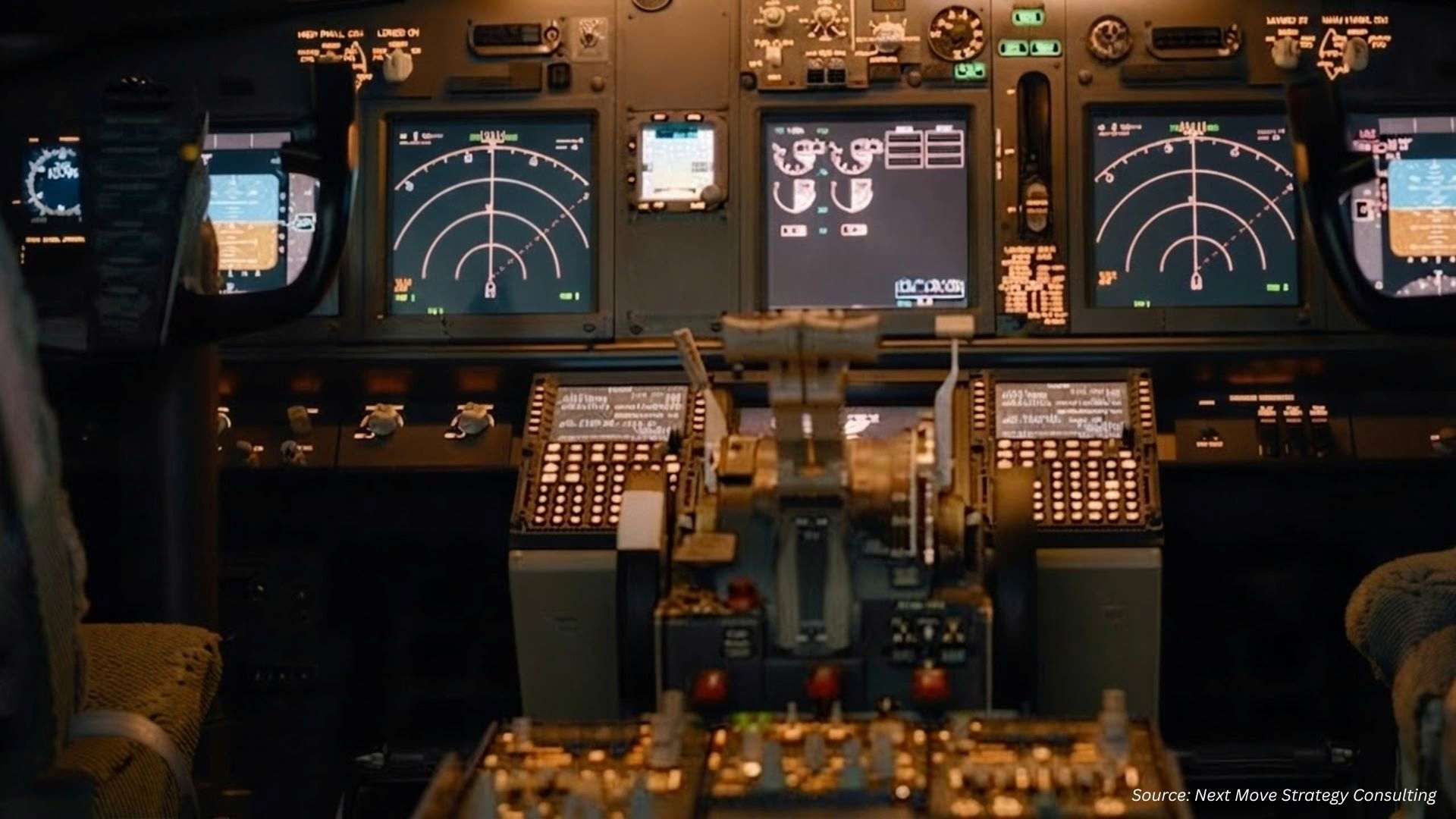
The United States military is accepting some newly built F-35 aircraft without installed radar systems due to delays affecting the Northrop Grumman APG-85 radar, which is part of the Block 4 modernization initiative.
The APG-85 is intended to replace the existing APG-81 radar. However, production schedules have advanced faster than radar delivery timelines. Aircraft in Lot 17 production were designed specifically for the newer radar architecture, making installation of the older APG-81 impractical without significant modifications.
Rather than slowing production, Lockheed Martin is reportedly delivering aircraft with ballast weights replacing the radar until retrofits become available.

Why Production Continuity Matters
Maintaining production momentum is a strategic priority because pausing manufacturing could create broader industrial and financial disruptions across the defence supply chain.
The aircraft remain safe and flyable but are limited to training roles until radar installation occurs.
How Is Real-World Radar Testing Evolving?
While the United States is managing radar integration challenges, New Zealand is exploring new approaches to radar evaluation.
A recent Defence Radar Trial Experiment (DARTE) brought together the Royal New Zealand Navy, Defence Science and Technology teams, and Dawn Aerospace.
The trial used the Aurora reusable spaceplane as a high-speed target for naval radar systems aboard HMNZS Te Kaha.
Future Outlook
Current developments suggest that radar innovation is moving beyond traditional hardware improvements.
Several themes are emerging:
-
Greater integration of next-generation sensors into combat aircraft.
-
Increased use of reusable aerospace vehicles for testing.
-
Stronger emphasis on sovereign testing capabilities.
-
Growing focus on evaluating systems against higher-speed targets.
The F-35 experience demonstrates that advanced radar modernization programs can create temporary implementation challenges. At the same time, New Zealand's Aurora initiative shows how innovative testing approaches can accelerate future radar capability development.
Competitive Landscape of the Radar Industry
The radar industry features a diverse group of established defense and technology companies, including Lockheed Martin, Northrop Grumman, RTX Corporation, Thales Group, BAE Systems, Leonardo, Saab AB, Airbus Defence and Space, Mitsubishi Electric, Indra Sistemas, CAES, Advanced Radar Corporation, Altos Radar, Antenna Research Associates, Inc., and DeepSea Developments. These companies are strengthening their market positions through strategic partnerships, joint ventures, product innovations, and regional expansion initiatives aimed at enhancing technological capabilities and maintaining a competitive edge in the global radar industry.

Next Steps
Organizations monitoring radar and defence technology developments should:
-
Evaluate the impact of sensor integration timelines on acquisition programs.
-
Assess opportunities created by reusable aerospace testing platforms.
-
Monitor advancements in next-generation radar architectures.
-
Review sovereign testing and evaluation capabilities.
-
Track developments related to high-speed and near-space target tracking.
Conclusion
Radar technology remains at the center of modern defence capability development. The F-35 APG-85 integration challenges highlight the complexity of introducing advanced sensors into operational platforms, while New Zealand's Aurora spaceplane trial demonstrates how innovative testing approaches can improve radar evaluation.
For defence leaders, investors, and aerospace stakeholders, these developments reinforce an important reality: future radar capabilities will depend not only on sensor performance but also on the ability to test, integrate, and deploy those systems efficiently.
As defence environments become increasingly complex, radar innovation will continue to shape operational readiness, technology investment, and long-term strategic planning.
About the Author
 Sanyukta Deb
— Sanyukta Deb is Digital Marketing Team Lead at Next Move Strategy Consulting, where she has led content strategy and technical SEO for the firm's B2B market research publications for over 2 years. Her editorial process translates NextMSC's primary and secondary research — spanning technology, industrial, and consumer sectors — into commercial narratives, backed by search-intent, keyword, and competitive analysis. She brings 5 years of overall experience in digital marketing and content strategy.
Sanyukta Deb
— Sanyukta Deb is Digital Marketing Team Lead at Next Move Strategy Consulting, where she has led content strategy and technical SEO for the firm's B2B market research publications for over 2 years. Her editorial process translates NextMSC's primary and secondary research — spanning technology, industrial, and consumer sectors — into commercial narratives, backed by search-intent, keyword, and competitive analysis. She brings 5 years of overall experience in digital marketing and content strategy.
About the Reviewer
 Debashree Dey
— Debashree Dey is Assistant Manager at Next Move Strategy Consulting, where she supports cross-vertical market content and communications across diverse industries for 6 years. Her professional background includes senior content writing, communications, and published manuscript authorship, with experience developing audience-focused business narratives and maintaining clear, consistent messaging. Her role supports research-led content development and editorial quality across NextMSC publications.
Debashree Dey
— Debashree Dey is Assistant Manager at Next Move Strategy Consulting, where she supports cross-vertical market content and communications across diverse industries for 6 years. Her professional background includes senior content writing, communications, and published manuscript authorship, with experience developing audience-focused business narratives and maintaining clear, consistent messaging. Her role supports research-led content development and editorial quality across NextMSC publications.
















Add Comment