What Is Driving the Rapid Expansion of Air Defense Capabilities in 2026?
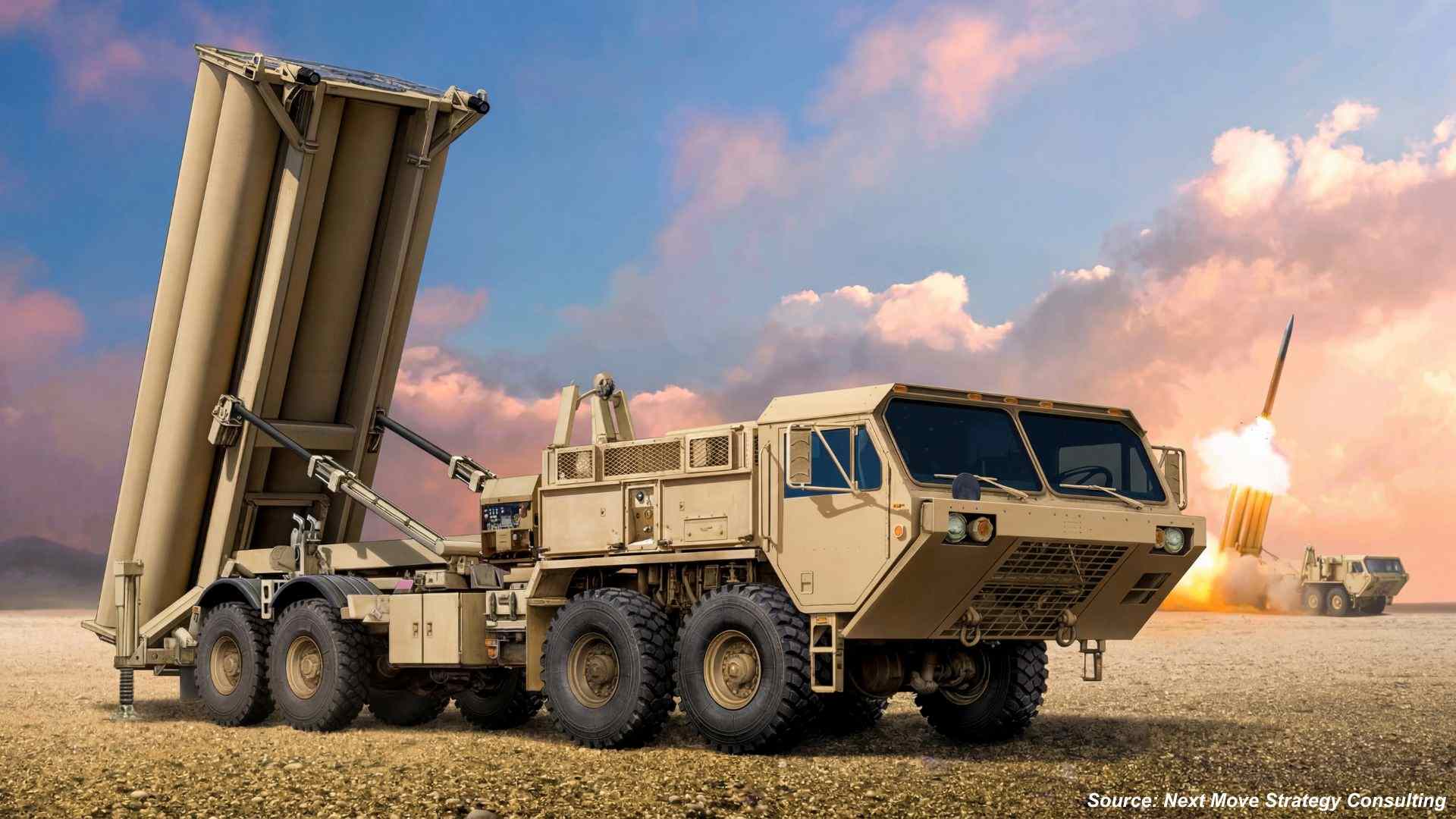
The Air Defense System Market has gained significant strategic importance as governments worldwide prioritize the protection of critical assets against evolving aerial threats. Recent conflicts have demonstrated how drones, cruise missiles, and long-range attack platforms can rapidly reshape battlefield dynamics, driving increased demand for advanced air defense capabilities.
In 2026, major defense acquisition programs announced by India and countries across the Middle East underscore a broader shift toward layered defense architectures, sophisticated radar systems, and counter-drone technologies. According to Defense News, these investments reflect a growing focus on strengthening air defense infrastructure, enhancing operational readiness, and improving resilience against emerging security challenges.
How Are Modern Conflicts Reshaping Air Defense Priorities?
Recent military engagements have highlighted the growing importance of defending against increasingly diverse aerial threats. Governments are no longer focusing solely on traditional aircraft threats; they are also adapting to the growing use of drones, cruise missiles, and other advanced airborne systems.
India's Defense Acquisition Council recently approved a military modernization package valued at approximately $25 billion. A significant portion of this investment is directed toward strengthening both defensive and offensive air capabilities. Among the most notable approvals is the acquisition of five additional S-400 Triumf air defense systems from Russia.
According to Defense News, confidence in these systems increased following their reported role during the brief India-Pakistan conflict, where missile strikes and drones were extensively used. Analysts cited in the report noted that the operational performance of the S-400 reinforced its value as a critical component of India's defensive strategy.
How Is Long-Range Air Defense Becoming a Strategic Priority?
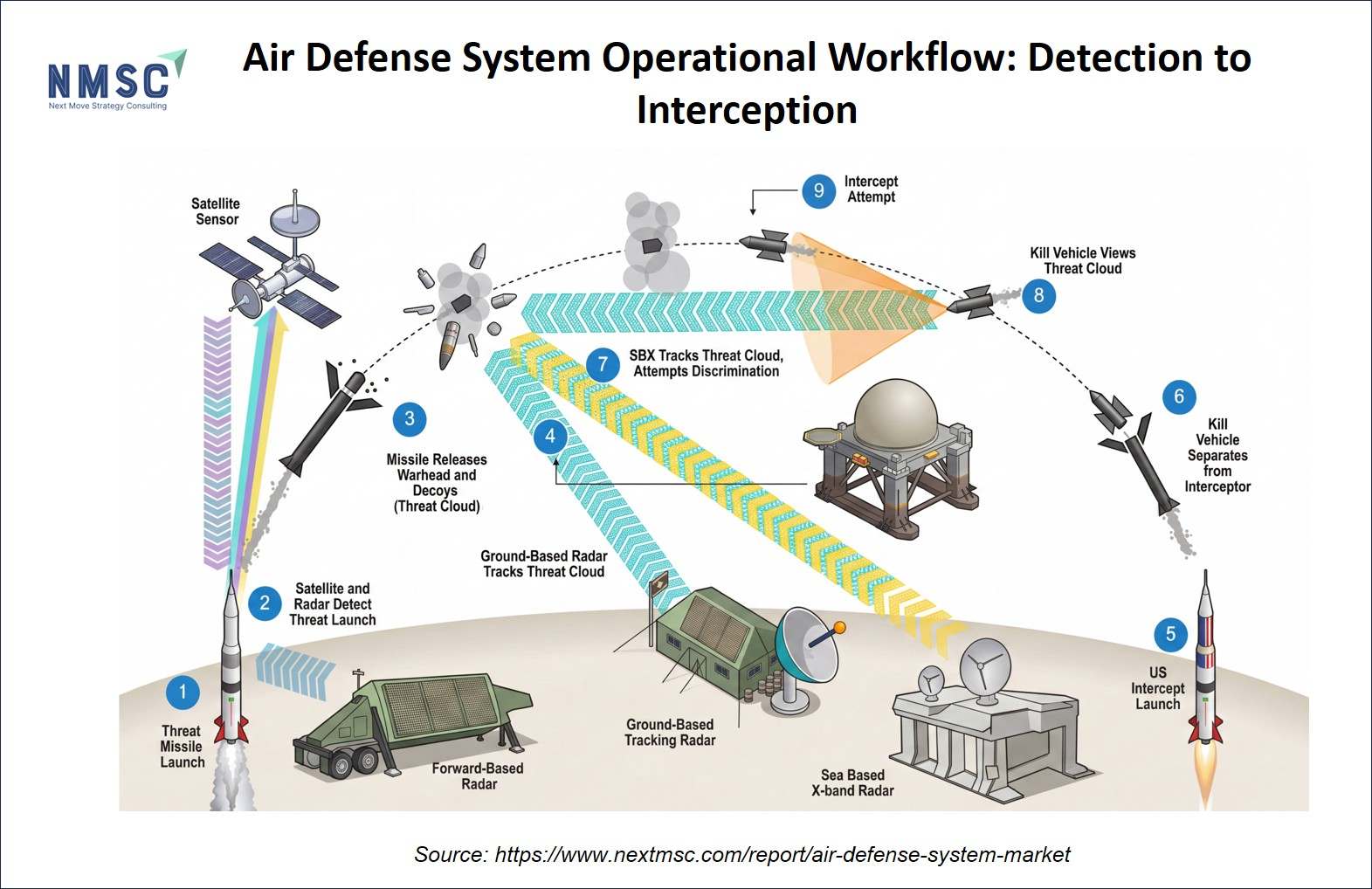
India's decision to expand its S-400 inventory to ten systems reflects a broader effort to strengthen long-range protection capabilities. Once fully deployed, these systems are expected to help close coverage gaps and improve the country's ability to respond to aircraft, drones, and cruise missile threats across multiple regions.
Why Are Drones Influencing Defense Procurement Decisions?
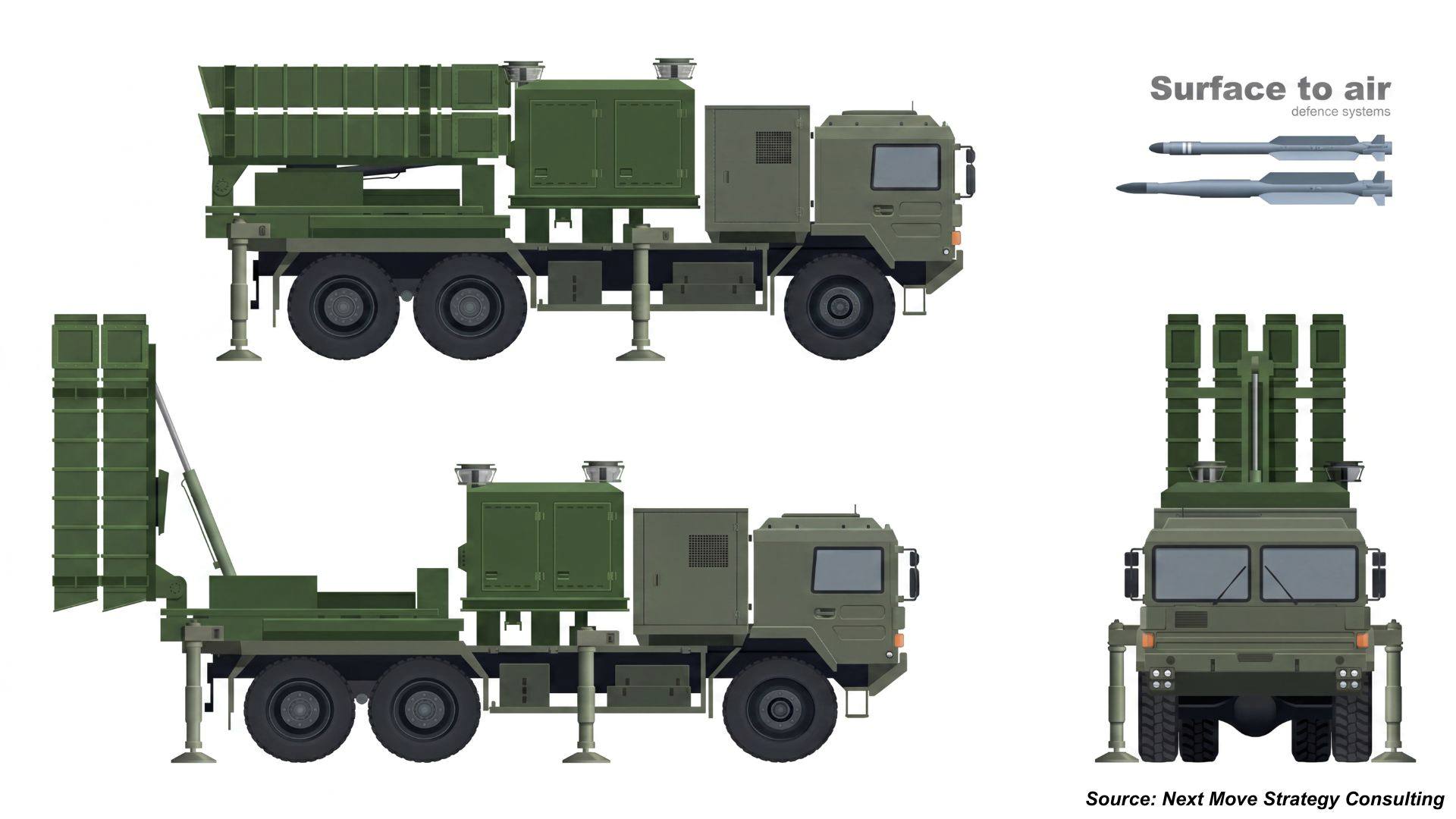
Another important aspect of India's modernization effort is the approval of 60 additional remotely piloted strike aircraft. Defense analysts interviewed by Defense News emphasized that recent conflicts have demonstrated the growing importance of unmanned systems in both offensive operations and intelligence gathering. Military planners increasingly view drones as an essential component of modern warfare rather than a supplementary capability.
How Are Layered Defense Architectures Evolving?
Modern air defense strategies are increasingly built around layered protection. Rather than relying on a single system, governments are integrating multiple technologies capable of detecting and intercepting threats at different ranges and altitudes. This approach improves resilience against a wider variety of airborne threats.
How Is Air Defense Modernization Accelerating Across Strategic Regions?
The Middle East is experiencing a similar shift toward enhanced air defense capabilities. According to Defense News, the United States notified Congress of potential defense-related sales exceeding $16.5 billion for regional partners including the United Arab Emirates, Kuwait, and Jordan.
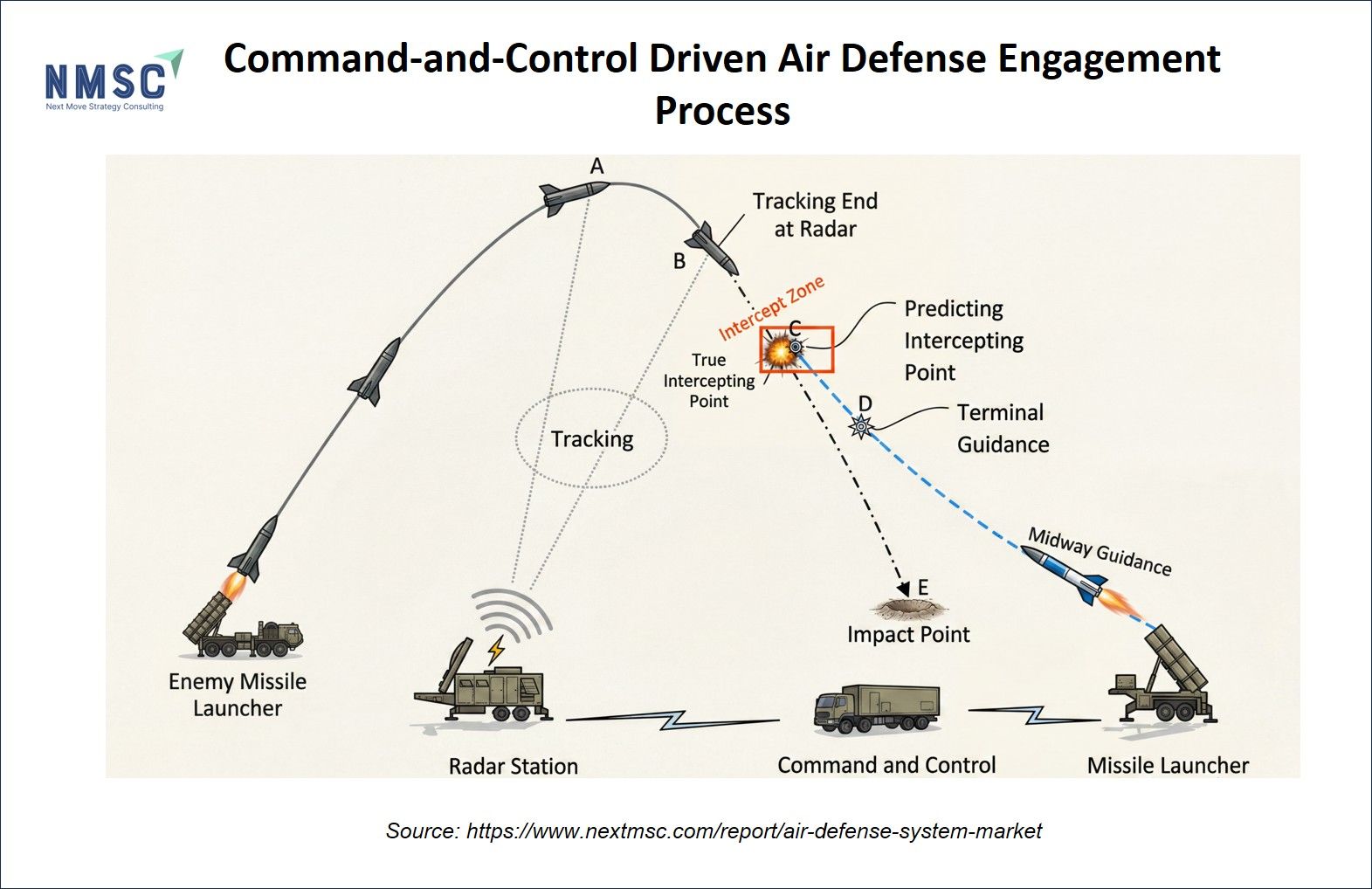
These proposed acquisitions focus on strengthening detection, tracking, and interception capabilities. The packages include advanced radar systems, counter-drone technologies, missile defense integration capabilities, and support for existing aircraft fleets.
A major component of the UAE package involves a long-range radar designed to integrate with the Terminal High Altitude Area Defense (THAAD) system. Kuwait's proposed acquisition centers on lower-tier air and missile defense radars intended to detect shorter-range threats. Jordan's package focuses primarily on maintaining operational readiness through aircraft repair and support services.
How Is Air Defense Investment Distributed Across Major Middle East Procurement Programs?
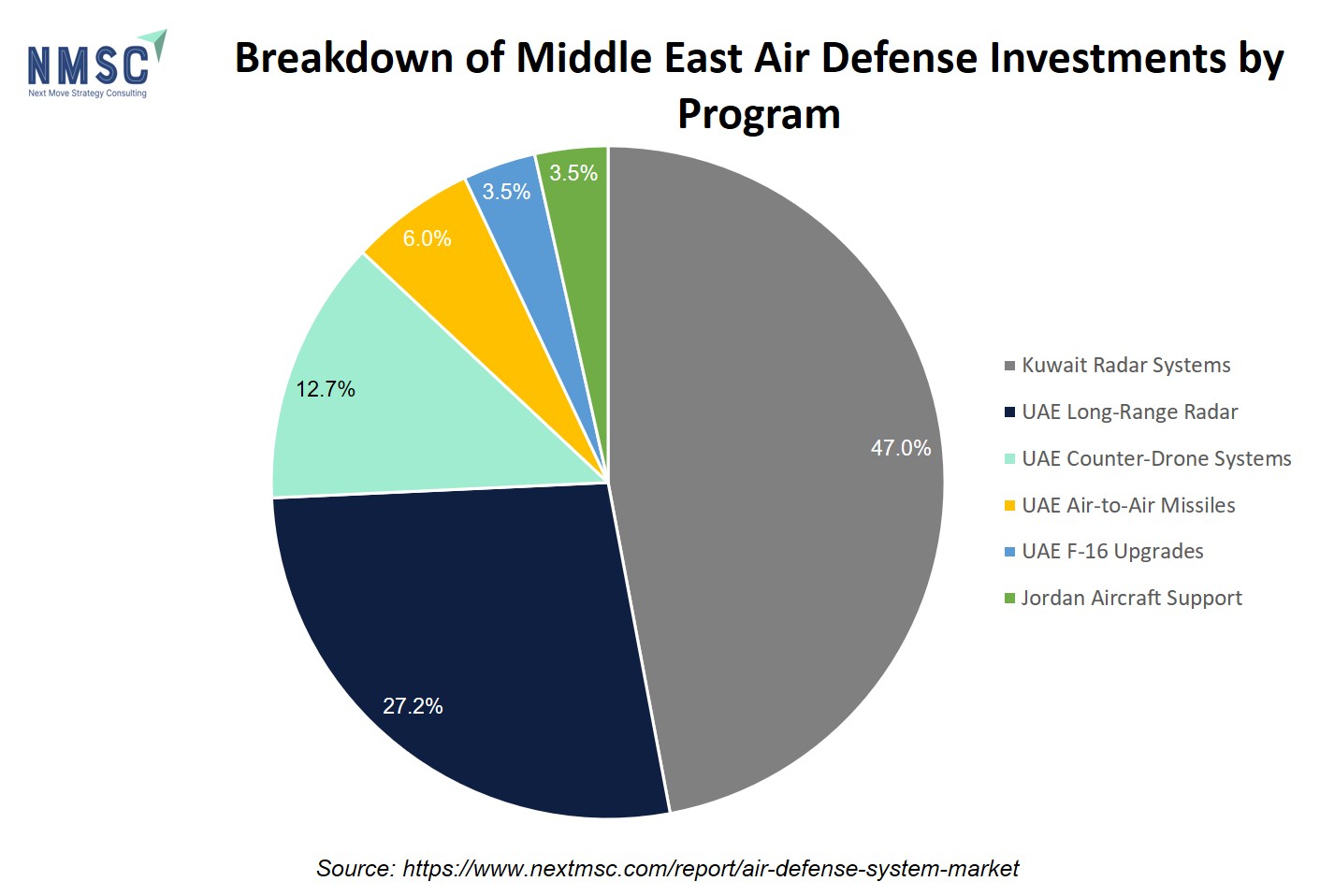
The pie chart illustrates the allocation of approximately $16.5 billion in proposed U.S. air defense sales to Middle Eastern partners, highlighting where the largest investments are being directed.
The Kuwait Air and Missile Defense Radar Package represents the largest share of total spending, accounting for 48.4% of the overall value. This reflects the growing importance of advanced radar capabilities for detecting and tracking short-range missile threats in increasingly complex security environments.
The UAE Long-Range Radar Package constitutes the second-largest segment at 27.2%. These radar systems are designed to integrate with the country's existing missile defense infrastructure, strengthening long-range surveillance and early-warning capabilities.
Investment in counter-drone technologies accounts for 12.7% of the total package. This significant share underscores the rising threat posed by unmanned aerial systems and the increasing demand for technologies capable of detecting and neutralizing small drones.
Meanwhile, air-to-air missiles (7.4%) and F-16 upgrades and munitions (3.9%) support broader air combat readiness and operational effectiveness. Although these categories represent smaller portions of the overall spending, they remain important components of regional air defense modernization efforts.
The Jordan aircraft support package accounts for only 0.4% of total investment, reflecting its narrower focus on maintenance, repair, and operational sustainment rather than major capability expansion.
Why Are Counter-Drone Technologies Receiving Greater Investment?
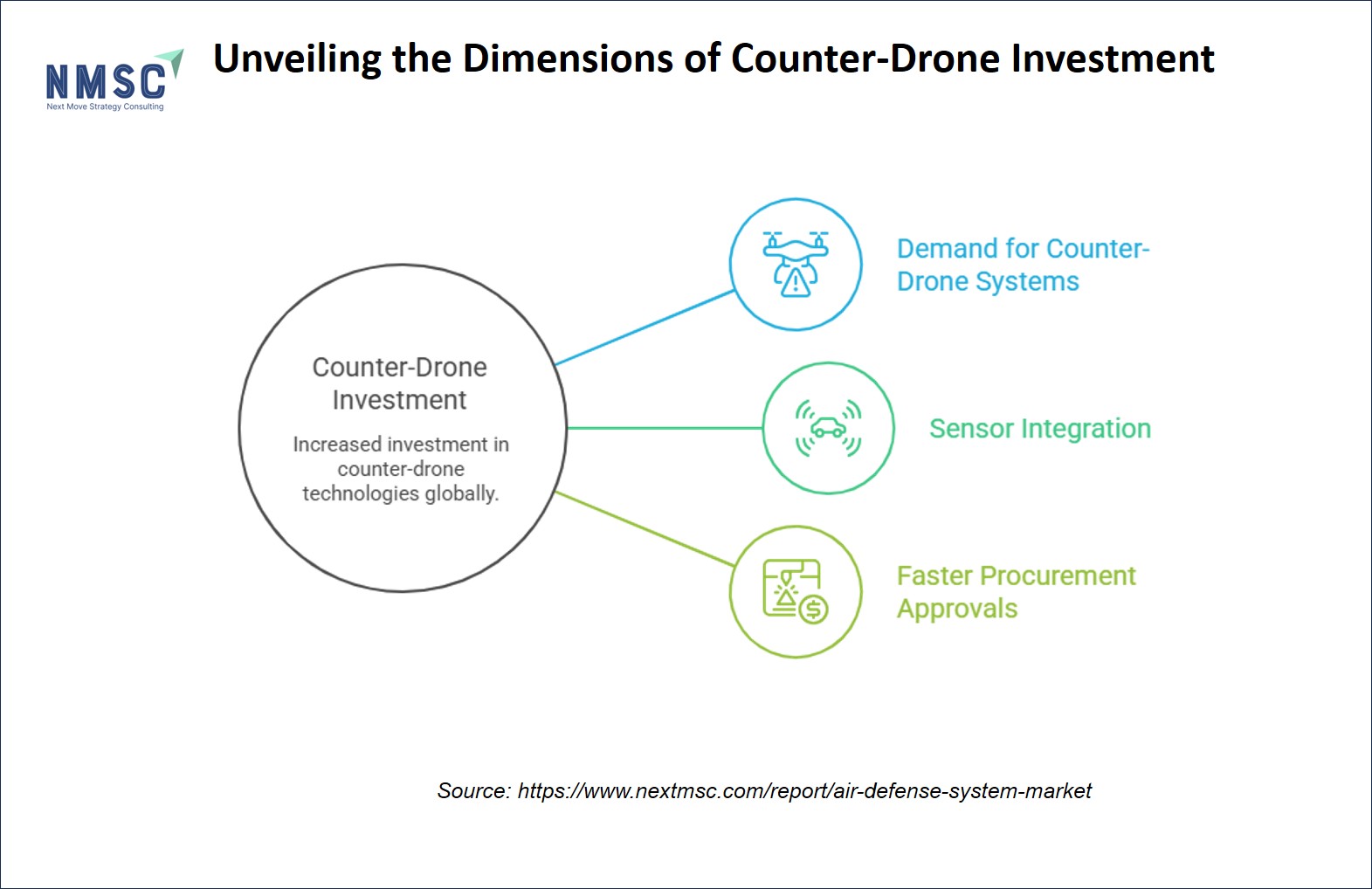
The increasing use of drones in regional conflicts has elevated demand for systems capable of detecting and neutralizing small unmanned aerial vehicles. The UAE's proposed counter-drone package illustrates how governments are investing in specialized technologies to address this growing challenge.
How Is Sensor Integration Improving Air Defense Effectiveness?
Modern air defense increasingly depends on interconnected sensors that provide real-time situational awareness. Advanced radar systems are being integrated into broader defense networks, enabling faster threat detection and more coordinated responses.
What Do Faster Procurement Approvals Indicate?
The U.S. State Department cited emergency conditions when approving these proposed sales, allowing the process to move forward more quickly. This reflects the urgency surrounding regional security concerns and the growing importance of maintaining effective defensive capabilities.
Leading Companies Driving Innovation in the Air Defense System Market
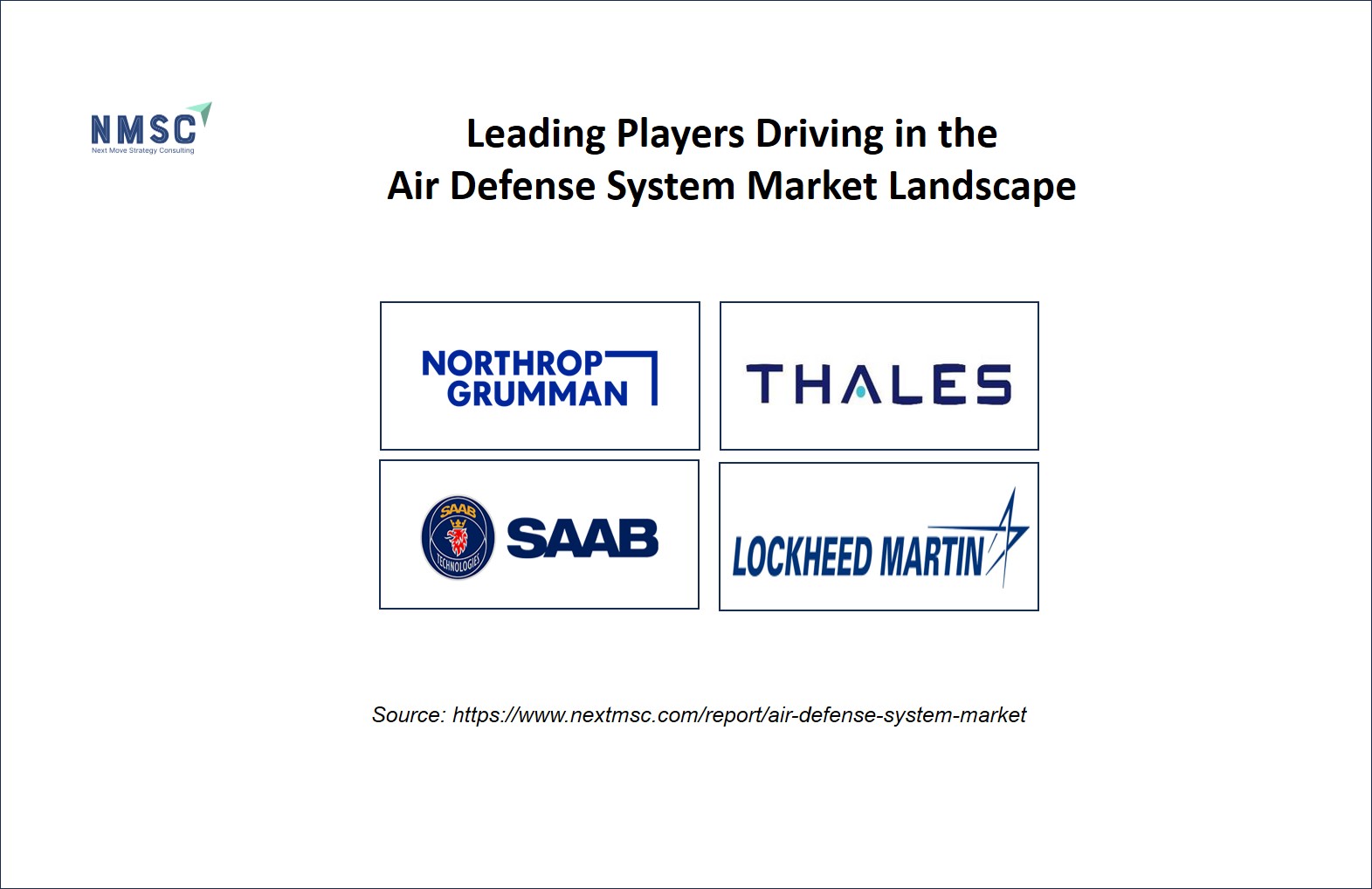
The air defense system market is characterized by the presence of major defense contractors and technology providers, including RTX Corporation (Raytheon), Northrop Grumman Corporation, Saab AB, Israel Aerospace Industries Ltd., Rafael Advanced Defense Systems Ltd., Lockheed Martin Corporation, Leonardo S.p.A., BAE Systems plc, Hanwha Corporation, Thales Group, The Boeing Company, Rheinmetall AG, Diehl Defence GmbH & Co. KG, Aselsan A.S., and Kongsberg Gruppen. To strengthen their market position, these companies are actively pursuing strategic partnerships, joint ventures, technology collaborations, and regional expansion initiatives aimed at enhancing their global presence and competitive advantage in the air defense system industry.
Industry Impact Analysis
The defense industry is experiencing a significant shift toward air-centric military capabilities. Procurement decisions announced in India and the Middle East indicate sustained demand for advanced radar systems, missile defense technologies, sensors, and unmanned systems.
For defense manufacturers, these developments highlight opportunities in technologies that support detection, tracking, and interception functions. Companies involved in integrated defense solutions may benefit from growing demand for layered protection architectures.
Supply chains are also becoming increasingly important. As governments invest in sophisticated defense systems, manufacturers and suppliers must ensure they can support production, deployment, maintenance, and long-term operational requirements.
From a strategic planning perspective, defense organizations are balancing investments between offensive capabilities and defensive infrastructure. The objective is to create more resilient military forces capable of responding to a broader range of threats.
Future Outlook
Current procurement decisions suggest that air defense will remain a central component of military modernization programs. The acquisitions announced by India and the proposed sales to Middle Eastern partners indicate a sustained focus on strengthening protection against missile and drone threats.
A clear trend emerging from both regions is the move toward layered defense architectures that combine radar systems, sensors, interception capabilities, and counter-drone technologies. Greater integration between these components is becoming essential as threat environments grow more complex.
Another notable development is the increasing balance between offensive and defensive air capabilities. India's simultaneous investment in air defense systems and remotely piloted strike aircraft demonstrates how military planners are pursuing a more comprehensive approach to air power.
While future procurement decisions will depend on evolving security conditions and budget priorities, recent approvals indicate that aerial threat mitigation will remain a key strategic objective.
Next Steps
Organizations monitoring defense opportunities should closely follow radar modernization programs, counter-drone technology developments, and evolving procurement priorities across key regions. Particular attention should be given to integrated defense networks, as governments increasingly seek solutions that combine detection, tracking, and interception capabilities within a unified framework.
Supply chain readiness will also remain an important consideration. As procurement activity expands, manufacturers and suppliers may need to evaluate their ability to support long-term production and sustainment requirements for advanced defense systems.
-
Monitor Defense Procurement Programs: Track upcoming air defense acquisitions and modernization initiatives across key regions, particularly in Asia-Pacific and the Middle East.
-
Evaluate Counter-Drone Opportunities: Assess the growing demand for counter-drone technologies as governments increase investments to address emerging aerial threats.
-
Follow Radar and Sensor Advancements: Analyze developments in radar systems, surveillance technologies, and integrated sensor networks that support modern air defense architectures.
Conclusion
Air defense has become a defining element of military modernization strategies in 2026. India's large-scale acquisition program and the United States' support for Middle Eastern defense partners demonstrate a shared emphasis on protecting critical assets from increasingly sophisticated aerial threats.
As drones, missiles, and advanced airborne systems continue to influence modern conflict, governments are investing in layered defense architectures that combine radar, sensors, interceptors, and counter-drone technologies. These developments are shaping procurement priorities, industrial planning, and long-term defense strategies across multiple regions.
For investors, defense manufacturers, and strategic decision-makers, the continued evolution of air defense capabilities represents one of the most significant trends influencing the global defense landscape.
About the Author
 Sanyukta Deb
— Sanyukta Deb is Digital Marketing Team Lead at Next Move Strategy Consulting, where she has led content strategy and technical SEO for the firm's B2B market research publications for over 2 years. Her editorial process translates NextMSC's primary and secondary research — spanning technology, industrial, and consumer sectors — into commercial narratives, backed by search-intent, keyword, and competitive analysis. She brings 5 years of overall experience in digital marketing and content strategy.
Sanyukta Deb
— Sanyukta Deb is Digital Marketing Team Lead at Next Move Strategy Consulting, where she has led content strategy and technical SEO for the firm's B2B market research publications for over 2 years. Her editorial process translates NextMSC's primary and secondary research — spanning technology, industrial, and consumer sectors — into commercial narratives, backed by search-intent, keyword, and competitive analysis. She brings 5 years of overall experience in digital marketing and content strategy.
About the Reviewer
 Debashree Dey
— Debashree Dey is Assistant Manager at Next Move Strategy Consulting, where she supports cross-vertical market content and communications across diverse industries for 6 years. Her professional background includes senior content writing, communications, and published manuscript authorship, with experience developing audience-focused business narratives and maintaining clear, consistent messaging. Her role supports research-led content development and editorial quality across NextMSC publications.
Debashree Dey
— Debashree Dey is Assistant Manager at Next Move Strategy Consulting, where she supports cross-vertical market content and communications across diverse industries for 6 years. Her professional background includes senior content writing, communications, and published manuscript authorship, with experience developing audience-focused business narratives and maintaining clear, consistent messaging. Her role supports research-led content development and editorial quality across NextMSC publications.
















Add Comment