What Is Smart Display Technology and Why Does It Matter for the Future of Wearable Computing in 2026?
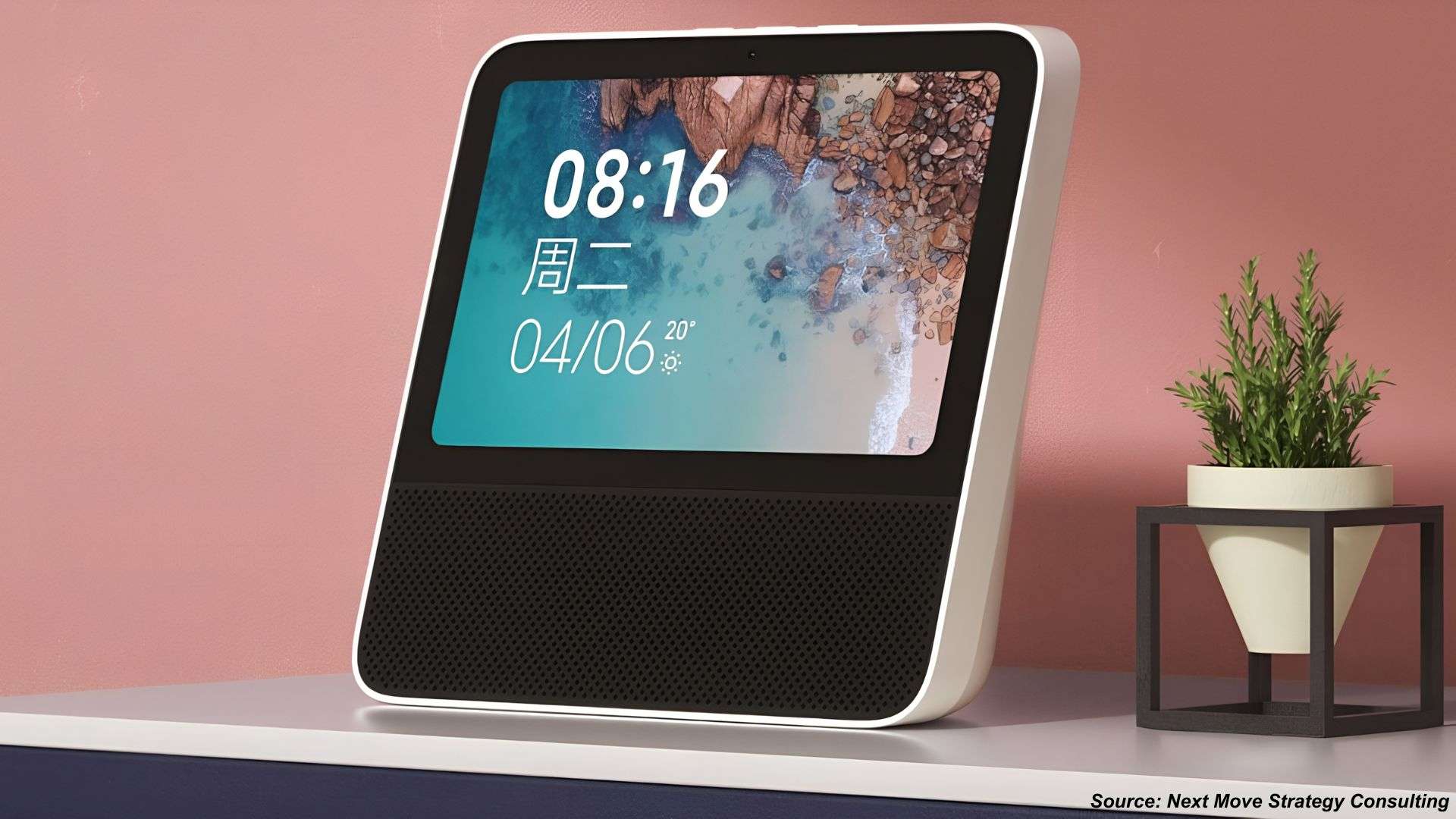
Smart Display Market is rapidly becoming one of the most influential innovations in the wearable technology ecosystem. From advanced AMOLED smartwatch screens to futuristic smart contact lenses capable of projecting digital information directly into a user's field of vision, smart displays are reshaping how people interact with technology.
The significance of smart displays has increased considerably in 2025 and 2026 as manufacturers focus on creating more immersive, lightweight, and intelligent wearable devices. Recent developments highlighted by technology researchers and product manufacturers indicate that display technology is moving beyond smartphones and becoming a core component of next-generation wearable computing.
For investors, technology strategists, procurement leaders, and industry stakeholders, understanding the trajectory of smart display innovation is essential for evaluating future opportunities and risks within the wearable technology landscape.

How Are Smart Display Innovations Transforming Wearable Technology?
Smart display advancements are currently visible across two major wearable categories: smartwatches and emerging smart contact lenses.
The recently launched Xiaomi Smart Band 10 Pro demonstrates how manufacturers are enhancing display quality in mainstream wearable devices. The smartwatch features a 1.74-inch AMOLED display with peak brightness reaching 2,000 nits, compared with 1,200 nits in the previous generation. The slimmer bezels further improve screen visibility and user interaction.
At the same time, researchers and technology companies are pursuing a far more ambitious vision through smart contact lenses. According to reporting cited by Taiwan Immigrants' Global News Network, developers are exploring lenses that combine augmented reality, micro-displays, and health-monitoring sensors directly within soft contact lenses.
These developments suggest that smart displays are no longer limited to information viewing. They are becoming interactive interfaces capable of delivering contextual information, health insights, and navigation assistance.

Why Is AMOLED Display Technology Becoming More Important?
AMOLED displays continue to gain prominence because they provide:
-
Higher brightness levels
-
Improved visibility in outdoor environments
-
Enhanced visual clarity
-
Better overall user experience
The Xiaomi Smart Band 10 Pro illustrates this trend through its substantial brightness enhancement while maintaining a compact wearable form factor.

What Major Trends Are Shaping the Present Smart Display Landscape?
Augmented Reality Integration
One of the most significant trends involves integrating augmented reality into wearable displays. Smart contact lens developers envision systems capable of displaying navigation directions and digital information directly within the user's field of view.
Health Monitoring Expansion
Wearables increasingly combine smart displays with health monitoring capabilities. Xiaomi's Smart Band 10 Pro incorporates comprehensive health monitoring and sleep HRV tracking, illustrating how displays serve as the primary interface for health insights.
Multi-Device Connectivity
The introduction of dual-device notification support demonstrates the growing demand for seamless ecosystem integration. Users can connect both Android and iPhone devices simultaneously, improving convenience and productivity.
Miniaturization and Design Efficiency
Manufacturers are reducing device weight and thickness while improving functionality. Xiaomi reports a 12% reduction in weight and a 10% improvement in slimness compared to its predecessor.
Competitive Landscape: Leading Companies Driving Smart Display Innovation
Key companies operating in the smart display industry include Samsung Electronics, LG Corporation, Sharp NEC Display Solutions, Sony Corporation, Google, Amazon.com, Inc., Xiaomi Corporation, TCL Electronics Holdings Limited, Apple Inc., and Roku, Inc., among others. These industry participants are actively pursuing growth through strategies such as new product introductions, technology enhancements, and portfolio expansion to strengthen their market position and maintain a competitive edge in the evolving smart display sector.

Industry Impact Analysis
The evolution of smart display technology could significantly influence the wearable technology industry.
For device manufacturers, display innovation creates opportunities to differentiate products through enhanced functionality and user experience.
For investors and corporate strategists, smart contact lenses introduce a potentially disruptive category that could expand wearable computing beyond traditional watches and glasses.
However, substantial challenges remain. Developers continue to address issues related to battery life, wireless connectivity, overheating, and long-term eye safety. Additionally, privacy concerns surrounding potential camera integration, facial recognition, and continuous data collection may require future regulatory oversight.
From a strategic perspective, successful commercialization will depend not only on technological performance but also on consumer trust and regulatory compliance.
What Could the Future Hold for Smart Display Technology?
Current developments indicate that smart displays are moving toward increasingly immersive and invisible computing experiences.
Smart contact lenses represent one of the most ambitious directions being explored. Researchers anticipate future applications involving digital overlays, language translation, navigation support, and biological monitoring.
At the same time, mainstream wearable devices are expected to continue improving display brightness, design efficiency, and health-monitoring functionality.
The pace of commercialization will depend on overcoming engineering limitations while establishing clear standards for privacy, safety, and ethical usage.
Next Steps
Organizations evaluating opportunities in wearable technology should consider:
-
Monitoring advancements in AR-enabled display platforms.
-
Assessing the commercial readiness of smart contact lens technologies.
-
Evaluating supply chain implications for advanced display components.
-
Tracking evolving privacy and regulatory requirements.
-
Identifying partnerships within wearable health-monitoring ecosystems.
Conclusion
Smart display technology is entering a transformative phase. While AMOLED-powered smartwatches continue to improve visibility, connectivity, and health-monitoring capabilities, smart contact lenses are introducing a vision of wearable computing that once belonged only to science fiction.
The convergence of augmented reality, advanced displays, and health-focused functionality highlights the growing strategic importance of smart displays. Although technical and regulatory challenges remain, the developments observed in 2025 and 2026 demonstrate that smart display innovation is becoming a defining force in the next generation of wearable technology.
About the Author
 Tania Dey is a content writer specializing in transformation-led, insight-driven storytelling. She develops research-backed, high-impact content aligned with evolving business priorities, digital behavior, and audience expectations. Her work helps organizations sharpen value propositions, strengthen visibility, and communicate strategic intent with clarity and precision. Grounded in data-informed storytelling, she brings a strong focus on relevance, consistency, and measurable digital impact across platforms.
About the Reviewer
 Debashree Dey is a senior content writer and communications specialist known for crafting audience-focused narratives and insight-driven content strategies. As a published manuscript author, she combines creative storytelling with strategic thinking to strengthen brand messaging, enhance visibility, and drive meaningful audience engagement across digital platforms. With a collaborative leadership approach, she contributes to high-impact communication initiatives that ensure consistency, clarity, and long-term brand value. Outside of work, she finds inspiration in creative projects, design exploration, and storytelling-driven ideas.












Add Comment