China’s Battery Giants Surge as Conflict Reshapes Energy Priorities

Industry Insights from Next Move Strategy Consulting
Amid escalating geopolitical tensions, the global battery sector is witnessing a decisive shift in investor sentiment and strategic energy planning. Recent market movements indicate that battery manufacturers are emerging as key beneficiaries of a broader transition toward renewable energy and energy security.
A Turning Point in Global Energy Strategy
The recent conflict involving the US, Israel, and Iran has triggered a significant reassessment of energy dependencies, particularly among major oil-importing nations. In response, leading Chinese battery manufacturers—CATL, BYD, and Sungrow—have collectively added over $70 billion in market value.
This surge reflects growing investor confidence in clean energy technologies as nations seek to reduce reliance on volatile fossil fuel markets. The performance of these companies has notably outpaced major oil corporations such as Chevron, ExxonMobil, and BP during the same period.
A Paradigm Shift Toward Electrification
The strong market performance of battery producers underscores a broader strategic pivot toward electrification and renewable energy adoption. China, the world’s largest oil importer, is expected to intensify its efforts to “electrify everything,” signaling a long-term commitment to reducing fossil fuel dependency.
This shift is not limited to China. Other major Asian economies, including Japan, South Korea, and Taiwan, are also likely to accelerate investments in clean energy and alternative fuels to enhance energy resilience.
Key Market Drivers at a Glance:
-
Investor Shift Toward Clean Energy Assets amid geopolitical instability.
-
Increasing Focus on Energy Security among oil-importing nations.
-
Rapid Electrification Strategies led by major Asian economies.
-
Outperformance of Battery Manufacturers compared to oil majors.
-
Rising Importance of Grid-Scale Energy Storage Solutions.
The Expanding Role of Batteries in Energy Systems
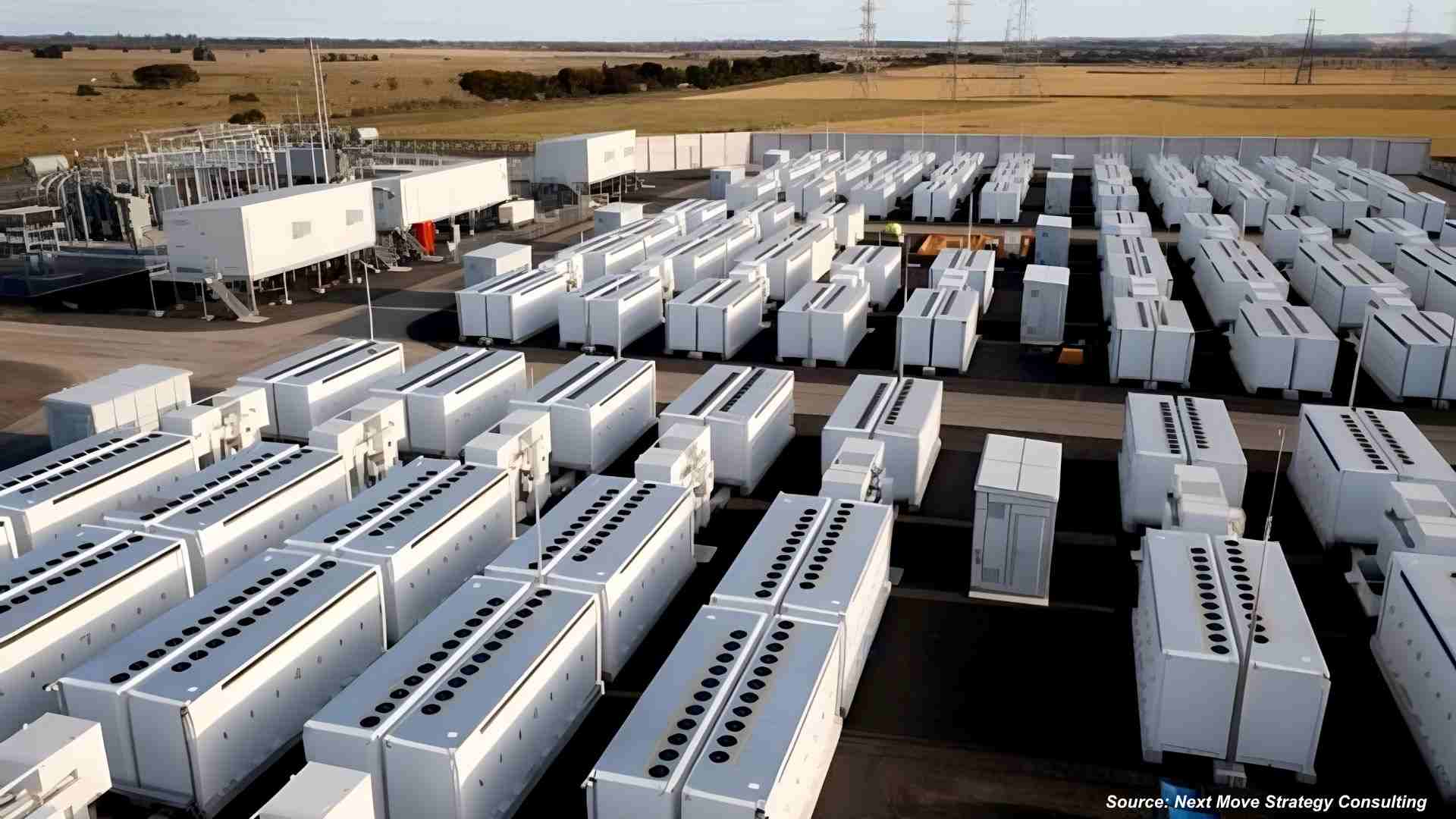
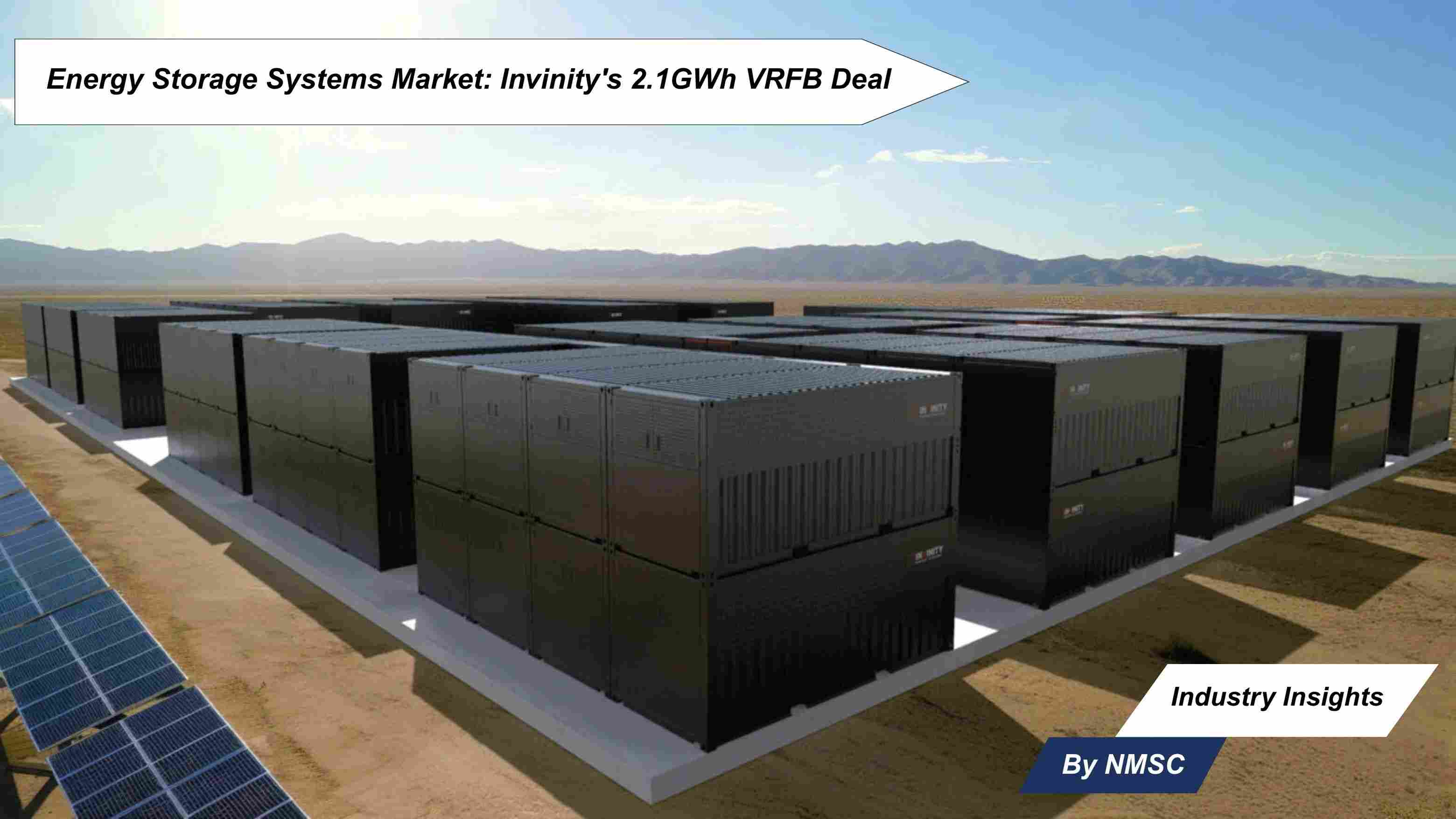
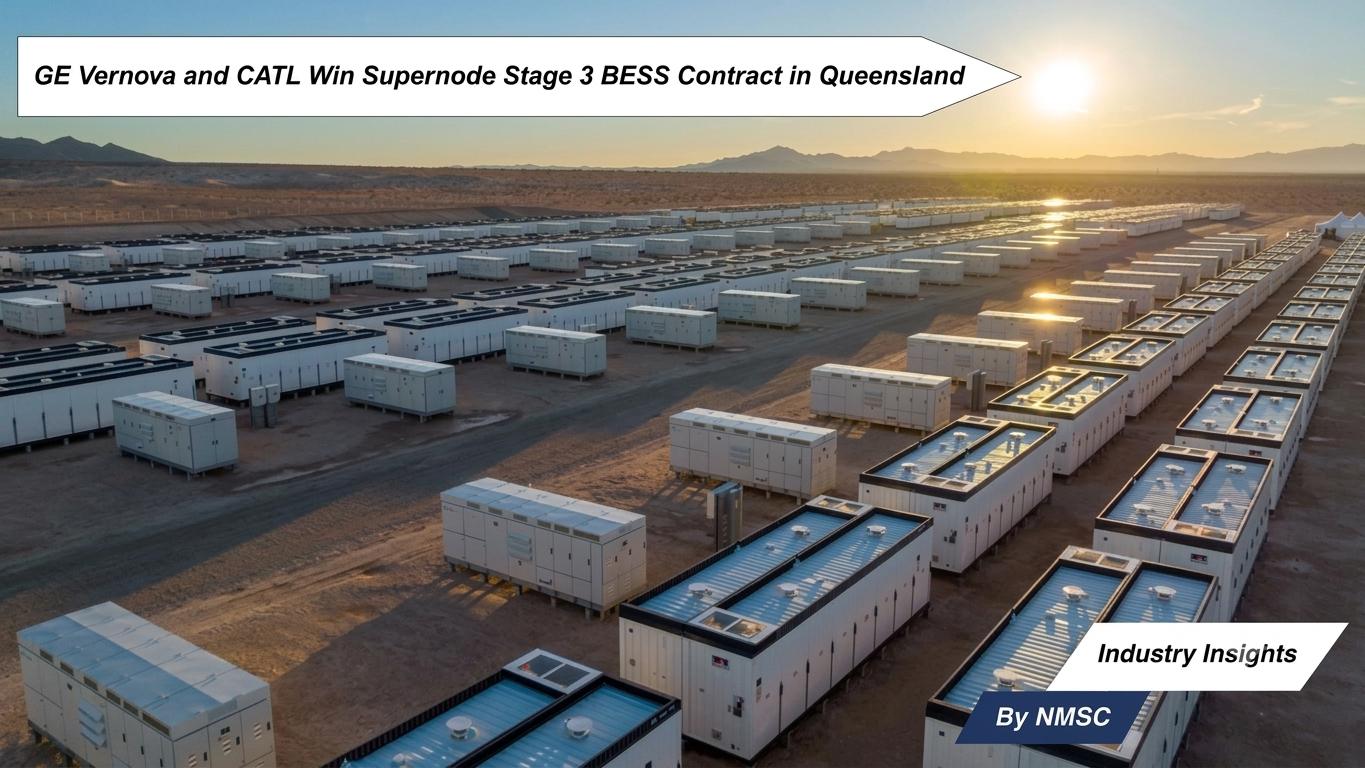
Batteries are becoming indispensable in modern energy infrastructure, particularly as electricity grids integrate higher shares of renewable energy. Due to the intermittent nature of sources such as solar and wind, energy storage systems are critical to maintaining stable power supply.
In addition, the growing demand from energy-intensive data centres is further strengthening the case for advanced battery deployment, reinforcing their role beyond traditional applications.
Market Growth and Future Potential
The domestic Chinese market for grid-scale battery storage is projected to experience substantial expansion, with its value expected to rise from $48 billion last year to $199 billion by 2032. This anticipated growth highlights the increasing reliance on large-scale storage solutions to support evolving energy systems.
Geopolitical Risks Reinforce Clean Energy Transition
Recent disruptions to liquefied natural gas infrastructure in the Gulf have further exposed the vulnerabilities associated with fossil fuel dependence. These developments are prompting policymakers and industry leaders to reconsider long-term energy strategies.
Experts suggest that countries heavily reliant on imported energy resources may face significant economic risks during geopolitical crises. As a result, there is growing emphasis on investing in renewable energy and sustainable transport systems to mitigate such vulnerabilities.
Industry Outlook and Strategic Implications
The convergence of geopolitical uncertainty and technological advancement is accelerating the global shift toward clean energy. Batteries, as a critical enabler of this transition, are gaining prominence in both investment portfolios and national energy strategies.
According to Next Move Strategy Consulting, the recent surge in Battery company valuations reflects a deeper structural transformation in the global energy landscape—one driven by resilience, sustainability, and long-term security considerations.
Redefining the Energy Future
As nations navigate an increasingly complex energy environment, the role of Batteries continues to expand. From supporting renewable integration to enhancing grid stability, battery technologies are at the forefront of a new energy paradigm.
The latest developments signal not just a temporary market reaction, but a sustained shift in how energy systems are designed, financed, and deployed in the years ahead.
Source: Financial Times
Prepared by: Next Move Strategy Consulting
About the Author
 Sanyukta Deb
— Sanyukta Deb is Digital Marketing Team Lead at Next Move Strategy Consulting, where she has led content strategy and technical SEO for the firm's B2B market research publications for over 2 years. Her editorial process translates NextMSC's primary and secondary research — spanning technology, industrial, and consumer sectors — into commercial narratives, backed by search-intent, keyword, and competitive analysis. She brings 5 years of overall experience in digital marketing and content strategy.
Sanyukta Deb
— Sanyukta Deb is Digital Marketing Team Lead at Next Move Strategy Consulting, where she has led content strategy and technical SEO for the firm's B2B market research publications for over 2 years. Her editorial process translates NextMSC's primary and secondary research — spanning technology, industrial, and consumer sectors — into commercial narratives, backed by search-intent, keyword, and competitive analysis. She brings 5 years of overall experience in digital marketing and content strategy.
About the Reviewer
 Debashree Dey
— Debashree Dey is Assistant Manager at Next Move Strategy Consulting, where she supports cross-vertical market content and communications across diverse industries for 6 years. Her professional background includes senior content writing, communications, and published manuscript authorship, with experience developing audience-focused business narratives and maintaining clear, consistent messaging. Her role supports research-led content development and editorial quality across NextMSC publications.
Debashree Dey
— Debashree Dey is Assistant Manager at Next Move Strategy Consulting, where she supports cross-vertical market content and communications across diverse industries for 6 years. Her professional background includes senior content writing, communications, and published manuscript authorship, with experience developing audience-focused business narratives and maintaining clear, consistent messaging. Her role supports research-led content development and editorial quality across NextMSC publications.















Add Comment