
Autoimmune Disease Diagnostics Market By Product & Solution Type (Consumable-Based Products), By Diagnostic Technology (Immunochemical & Serological Technologies, & Others), By Disease Category (Systemic Autoimmune Diseases), By Biomarker Type (Immunological, Cellular Biomarkers & Others), By Automation Level (Manual, Semi-Automated, & Others), By Sample Type (Whole Blood, Cerebrospinal Fluid, & Others), By End User (Hospitals, Specialty Clinics, & Others) – Global Analysis & Forecast, 2025–2035
Industry: Healthcare | Publishing Date: February 5, 2026 | Last Updated: September 16, 2026 | No of Pages: N/A | No. of Tables: N/A | No. of Figures: N/A | Format: PDF | Report Code: HC4047
Industry Outlook
The Autoimmune Disease Diagnostics Market size was valued at USD 6.79 billion in 2025 and is expected to reach USD 7.26 billion by 2026. Looking ahead, the industry is projected to expand significantly, reaching USD 13.28 billion by 2035, registering a CAGR of 6.94% from 2026 to 2035.
Autoimmune Disease Diagnostics Market Size & Forecast
|
Parameters |
Details |
|
Market Size in 2026 |
USD 7.26 Billion |
|
Revenue Forecast in 2035 |
USD 13.28 Billion |
|
Growth Rate |
CAGR of 6.94% from 2026 to 2035 |
|
Analysis Period |
2025-2035 |
|
Base Year Considered |
2025 |
|
Forecast Period |
2026–2035 |
|
Market Size Estimation |
Billion (USD) |
|
Companies Profiled |
15 |
|
Countries Covered |
33 |
|
Market Share |
Available for 10 companies |
We assessed the global autoimmune disease diagnostics market and observed that it demonstrated resilient, clinically driven growth, supported by rising autoimmune disease prevalence and increasing emphasis on early and accurate diagnosis. Our evaluations across hospitals, diagnostic laboratories, and research institutions showed that demand shifted from basic detection toward high-sensitivity, high-specificity assays that enabled disease stratification and longitudinal monitoring. We found that immunoassays, multiplex panels, and automated platforms formed the backbone of routine testing, while digital and AI-assisted diagnostics improved interpretive confidence. Our experience indicated that strong regulatory oversight, standardized workflows, and validated biomarkers reinforced clinician trust, positioning diagnostics as a core enabler of precision-driven autoimmune care.
From our direct market involvement, we observed that innovation and clinical actionability defined competitive success during the assessment period. We identified that laboratories increasingly prioritized automated systems, reproducible reagents, and integrated software to improve throughput and reduce diagnostic variability. Our regional analysis confirmed that North America and Europe led adoption due to advanced infrastructure and reimbursement support, while Asia-Pacific emerged as the fastest-growing region due to expanding healthcare access and local manufacturing capabilities. We also noted that e-commerce and digital procurement channels lowered market-entry barriers and strengthened global reach. Overall, our findings showed that continued investment in advanced assays, regulatory compliance, and clinical validation sustained long-term autoimmune disease diagnostics market expansion.

The infographic illustrates a comparative bar chart of healthcare expenditure by country in 2024, highlighting variations in national healthcare spending levels. Countries with higher expenditure reflect stronger healthcare infrastructure, higher diagnostic adoption, and greater investment in advanced medical technologies. Mid- and lower-spending countries indicate emerging opportunities driven by expanding healthcare access and rising disease awareness. For the autoimmune disease diagnostics market, higher healthcare spending correlates with faster adoption of advanced diagnostic platforms, automation, and personalized testing, while growing investments in developing markets signal long-term demand growth and market expansion potential.
What Are the Key Trends in the Autoimmune Disease Diagnostics Market?
How Is the Market Embracing Functional Diagnostic Value?
Based on our direct involvement in evaluating autoimmune disease diagnostic platforms across clinical laboratories and healthcare settings, we observed a clear shift toward functionally integrated diagnostics that emphasized clinical actionability rather than basic detection. Through primary interviews, assay benchmarking, and real-world validation studies, we found that manufacturers engineered tests with higher sensitivity for low-abundance autoantibodies, improved specificity to reduce false positives, and stronger disease stratification capabilities. Our assessment of advanced recombinant antigens, optimized immunoassay chemistries, and next-generation immunofluorescence substrates confirmed measurable improvements in diagnostic confidence. This transition reflected the market’s evolution toward diagnostics that actively supported treatment decisions, longitudinal disease monitoring, and evidence-based patient management.
What Role Does E-Commerce Play in the Autoimmune Disease Diagnostics Market’s Growth?
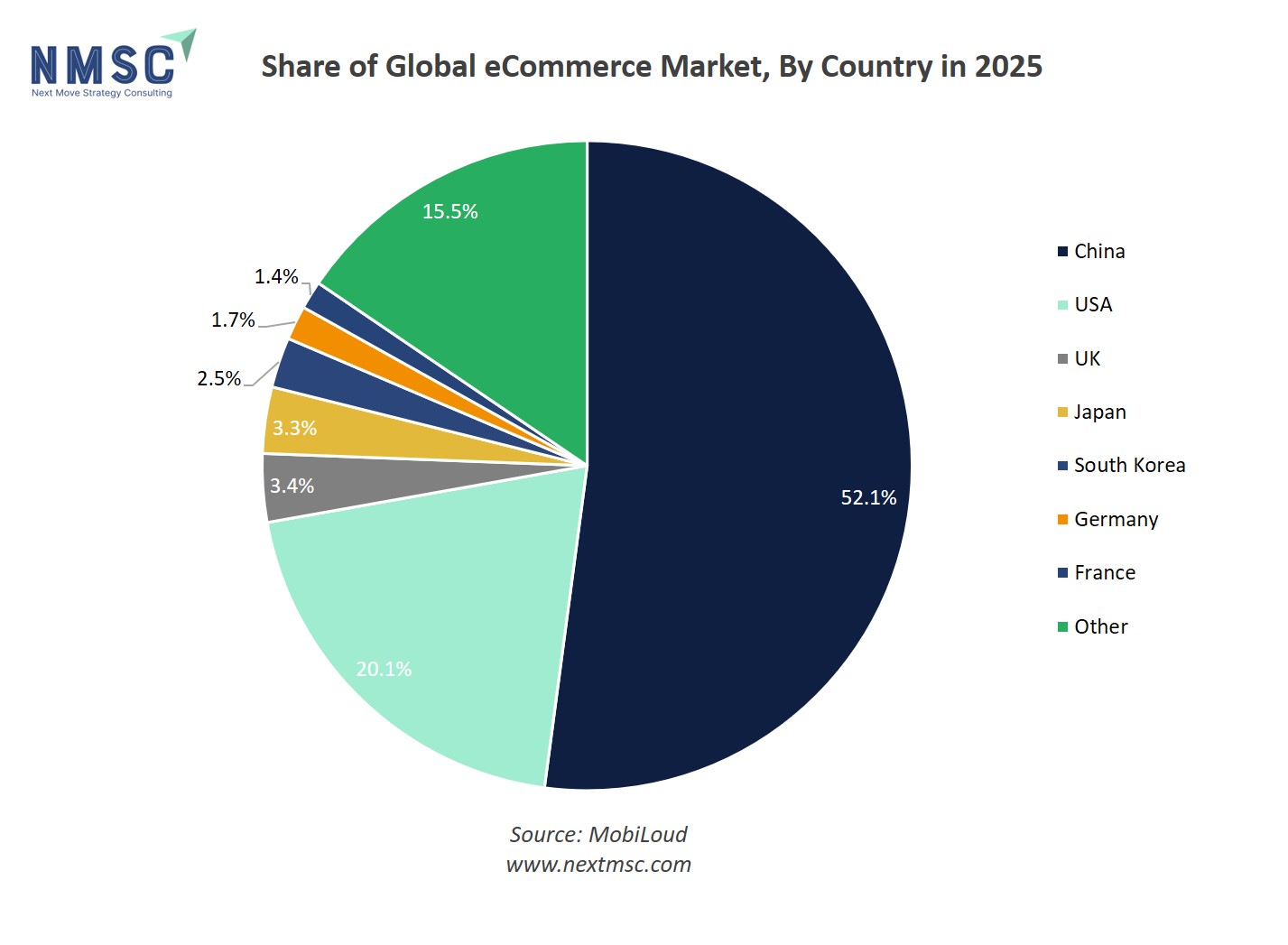
Our 2024-2025 primary interactions with global autoimmune disease diagnostics stakeholders indicated that e-commerce has evolved from a transactional sales channel into a critical autoimmune disease diagnostics market accelerator and validation platform. Based on our direct engagement with manufacturers, laboratories, and procurement teams, we observed that small-to-mid-sized autoimmune diagnostics companies were able to enter international markets more rapidly through B2B e-commerce platforms than through traditional distributor-led models. Digital channels enabled direct access to global laboratory buyers, significantly reducing market-entry friction and dependency on regional intermediaries.
Our findings also showed that direct-to-manufacturer sourcing portals simplified buyer onboarding by making clinical validation data easier to access, regulatory documentation, and assay performance specifications, particularly for specialised immunoassays and multiplex autoimmune panels. Diagnostics commercialised through digital-first channels consistently achieved stronger pricing outcomes, as buyers were willing to pay a premium for transparency, traceability, and clearly communicated clinical value. This shift highlights how e-commerce allows suppliers to bypass multi-layered distribution structures, directly educate buyers on assay sensitivity, specificity, and clinical relevance, and introduce advanced diagnostic solutions with lower commercial and inventory risk.
From our strategic assessment, we believe that digitally enabled healthcare diagnostic solutions companies exhibit superior scalability, pricing power, and margin resilience. As demand increases for high-value autoimmune testing solutions, including specialty biomarker assays and automated platforms, e-commerce is emerging as a decisive competitive advantage, enabling faster adoption, stronger customer relationships, and sustained long-term growth.
How Are Autoimmune Disease Diagnostic Assays Transforming Clinical and Laboratory Practice?
Through our direct engagement with clinical laboratories, diagnostic manufacturers, and healthcare providers, we observed that autoimmune disease diagnostic assays had evolved into performance-critical tools that directly influenced clinical workflows and patient outcomes. Laboratories and clinicians increasingly prioritized assays that demonstrated consistent analytical accuracy, operational efficiency, and regulatory reliability in real-world use. Our evaluations showed that modern diagnostic platforms emphasized reagent stability, standardized calibration protocols, and seamless compatibility with automated laboratory systems to enable longitudinal disease monitoring. The adoption of fully automated immunoassay analyzers, digital immunofluorescence readers, and AI-assisted interpretation tools reshaped how autoimmune conditions were identified, validated, and tracked over time.
Ecosystem Analysis of Autoimmune Disease Diagnostics Market
The infographic illustrates the end-to-end value chain and ecosystem dynamics shaping the market, highlighting how innovation, supply, regulation, and distribution interact to deliver accurate diagnostic solutions.
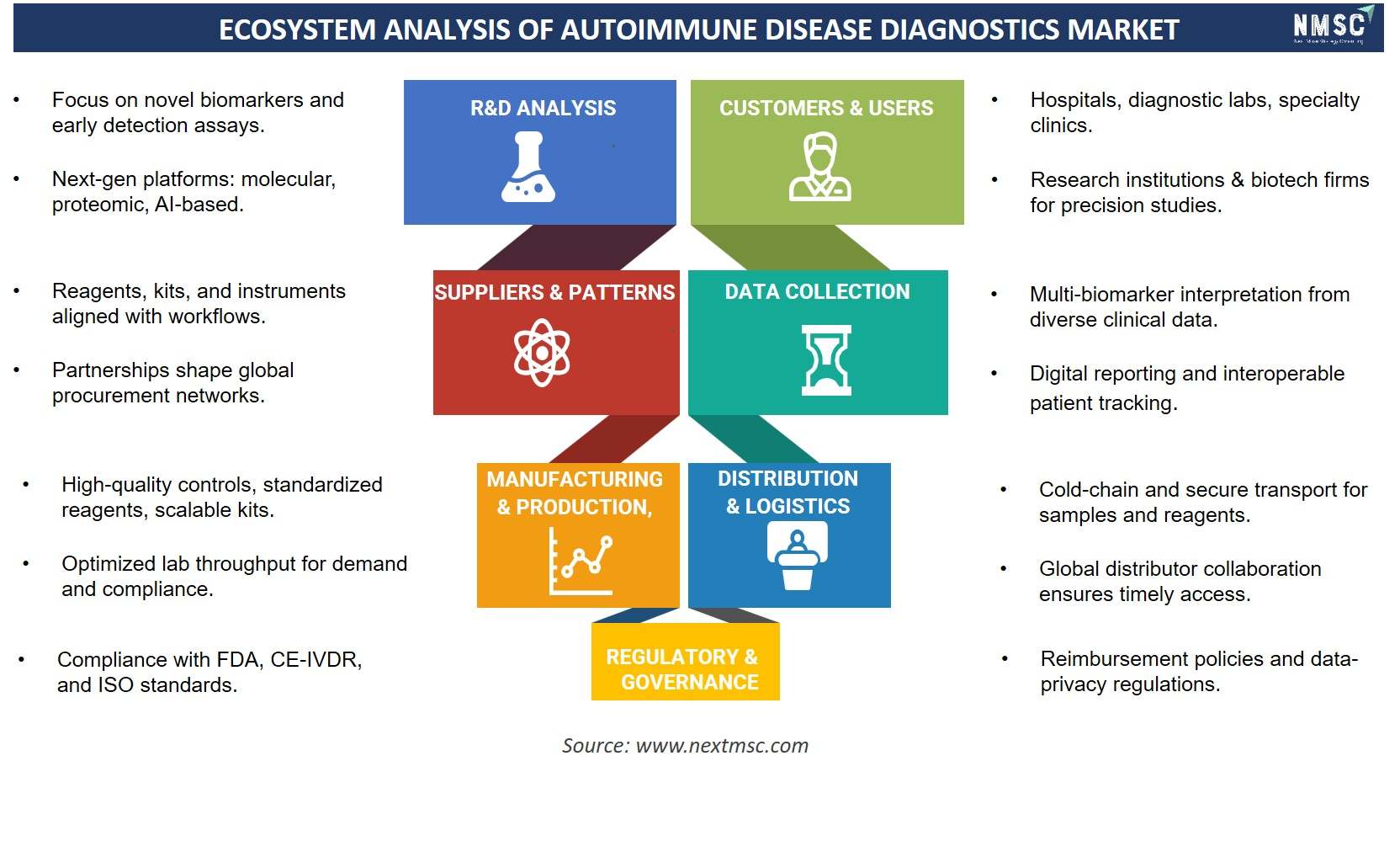
The infographic maps the autoimmune disease diagnostics value chain from R&D analysis and data collection to manufacturing, distribution, and governance. R&D and suppliers drive innovation in assays, reagents, and diagnostic platforms using clinical and patient data. Manufacturing and production ensure scalable, quality-compliant test development, while distribution and logistics enable global autoimmune disease diagnostics market access. Customers and end users, such as hospitals, laboratories, and clinicians, shape demand patterns, while regulatory and governance frameworks ensure safety, standardisation, and compliance across the ecosystem.
What Are the Key Market Drivers, Breakthroughs, And Investment Opportunities That Will Shape the Autoimmune Disease Diagnostics Market in the Next Decade?
Growth Catalyst & Risk Assessment Matrix
|
Drivers/Trends/Restraint |
(+/-) % Impact on CAGR Forecast |
Geographic Relevance |
Impact Timeline |
|
Rising prevalence of autoimmune diseases and increasing demand for early, accurate diagnosis, driven by improved disease awareness and screening initiatives |
+0.9% |
North America and Europe as core markets, with accelerating adoption in the Asia-Pacific region |
Medium term (2–4 years) |
|
Technological advancements in diagnostic platforms, including multiplex immunoassays, automation, chemiluminescence, and AI-assisted interpretation |
+0.7% |
Global, the strongest adoption in the USA, Western Europe, China, and Japan |
Short to medium term (≤3 years) |
|
Growing clinical integration of advanced autoimmune biomarker panels enabling disease stratification, treatment monitoring, and personalized therapy decisions |
+0.8% |
North America, Europe, and Asia-Pacific |
Medium to long term (2–5 years) |
|
High cost of advanced autoimmune disease diagnostic tests and limited reimbursement coverage, particularly in emerging markets, limiting access to early and accurate diagnosis |
-0.7% |
Asia Pacific, Latin America, and parts of Africa |
Medium term, 2 to 4 years |
From our market assessments and primary research, we observed that the autoimmune disease diagnostics market experienced steady growth, driven by the increasing adoption of personalized and precision medicine and the rising prevalence of chronic autoimmune conditions among ageing populations. Our analysis further showed that growing reliance on advanced diagnostic assays enabling disease stratification, therapy selection, and long-term monitoring strengthened the role of diagnostics in clinical decision-making.
At the same time, higher life expectancy and increasing comorbidity burdens expanded demand for repeat and longitudinal autoimmune testing. However, we identified that autoimmune disease diagnostics market growth was partially constrained by the high cost and limited accessibility of advanced diagnostic technologies, particularly in resource-limited settings. Despite these challenges, the expanding emphasis on early diagnosis and preventive healthcare created strong growth opportunities, as healthcare systems increasingly prioritized early detection, routine screening, and proactive disease management.
Growth Drivers:
How is the Rising Demand for Personalized and Precision Medicine Driving the Autoimmune Disease Diagnostics Market?
Based on our in-depth market evaluations and direct interactions with clinicians, diagnostic developers, and healthcare providers, we observed that the growing emphasis on personalized and precision medicine emerged as a major driver of the autoimmune disease diagnostics market. Autoimmune disorders consistently demonstrated heterogeneous disease progression and variable therapeutic response, which made conventional, uniform diagnostic approaches increasingly insufficient in real-world clinical practice. As a result, clinicians relied more heavily on advanced diagnostic assays capable of identifying disease-specific autoantibodies, stratifying patients by immune response profiles, and supporting individualized treatment decisions.
Our analysis further indicated that the expanding use of targeted biologics and immunomodulatory therapies intensified the demand for diagnostics that could guide therapy selection, predict treatment response, and support ongoing disease monitoring. This shift significantly increased adoption of high-sensitivity and high-specificity autoimmune diagnostic assays, including multiplex panels and biomarker-based tests, positioning diagnostics as a foundational enabler of precision-driven autoimmune care.
How are the Ageing Population and Chronic Disease Burden Boosting the Autoimmune Disease Diagnostics Market Demand?
Through demographic analysis and healthcare utilization studies, we found that the ageing global population and the rising burden of chronic diseases strongly contributed to market demand for autoimmune disease diagnostics. Older populations showed increased susceptibility to immune system dysregulation and frequently presented with multiple comorbidities, raising the likelihood of autoimmune disease diagnosis and long-term monitoring requirements. As global life expectancy increased, the cumulative incidence of chronic inflammatory and autoimmune conditions continued to rise, directly driving demand for repeat and longitudinal diagnostic testing.
We also observed that ageing patients required continuous disease management, therapy optimisation, and relapse monitoring, all of which depended on reliable and standardized autoimmune diagnostic assays. This demographic shift expanded the need for advanced diagnostic solutions that supported early detection, disease differentiation, and long-term clinical follow-up, sustaining market growth across both developed and emerging healthcare systems.
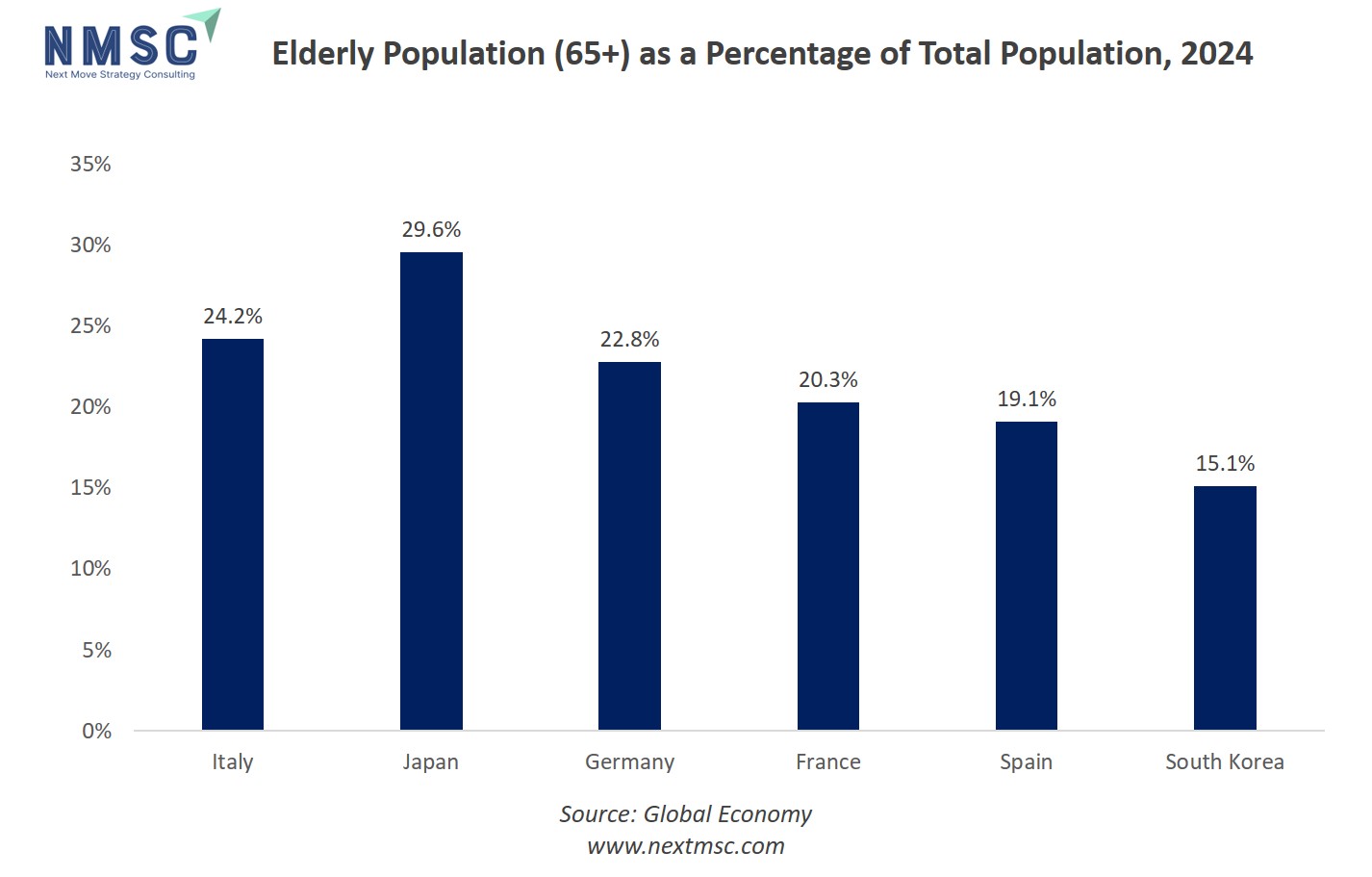
The above infographic highlights the rising share of elderly populations across major economies such as Japan, Italy, Germany, France, Spain, and South Korea in 2024, underscoring a clear demographic shift toward ageing societies. Higher disease prevalence in these age groups increases the need for early detection, differential diagnosis, and long-term disease monitoring, driving test volumes across hospitals and laboratories. In parallel, ageing healthcare systems in these countries prioritize preventive screening, accurate diagnostics, and cost-effective disease management, further accelerating the adoption of advanced autoimmune diagnostic assays and platforms.
Growth Inhibitor:
How are High Cost and Limited Accessibility of Advanced Diagnostics Limiting the Autoimmune Disease Diagnostics Market Growth?
From our market access assessments, we identified high cost and limited accessibility of advanced diagnostic technologies as a key restraint on market growth. Sophisticated platforms such as multiplex immunoassays, chemiluminescence-based systems, and AI-enabled diagnostic tools required substantial capital investment, specialized technical expertise, and ongoing operational maintenance. These factors significantly limited adoption among smaller laboratories and resource-constrained healthcare facilities.
We also found that these cost barriers were particularly pronounced in low- and middle-income regions, where diagnostic infrastructure constraints restricted broader market penetration despite rising autoimmune disease prevalence. As a result, access disparities continued to slow the widespread adoption of advanced autoimmune diagnostic solutions.
Growth Opportunity:
How Can Expansion of Early Diagnosis and Preventive Healthcare Create Opportunities for the Market?
Based on our analysis, we determined that the expanding focus on early diagnosis and preventive healthcare created a strong growth opportunity for the autoimmune disease diagnostics market. Increasing awareness among clinicians and patients regarding the benefits of early autoimmune detection drove greater interest in routine screening programs and proactive immune profiling.
We observed that as healthcare systems increasingly shifted toward preventive and value-based care models, diagnostic companies gained opportunities to develop cost-effective, high-sensitivity assays and scalable testing platforms. These solutions supported broader population screening, earlier clinical intervention, and improved long-term patient outcomes, positioning early-stage diagnostics as a critical growth avenue for the autoimmune disease diagnostics market.
Regulatory Framework Impacting the Autoimmune Disease Diagnostics Industry
The infographic highlights the key regulatory forces shaping the global autoimmune disease diagnostics market, outlining how policy, compliance, and trade frameworks influence innovation, market entry, and commercialisation.
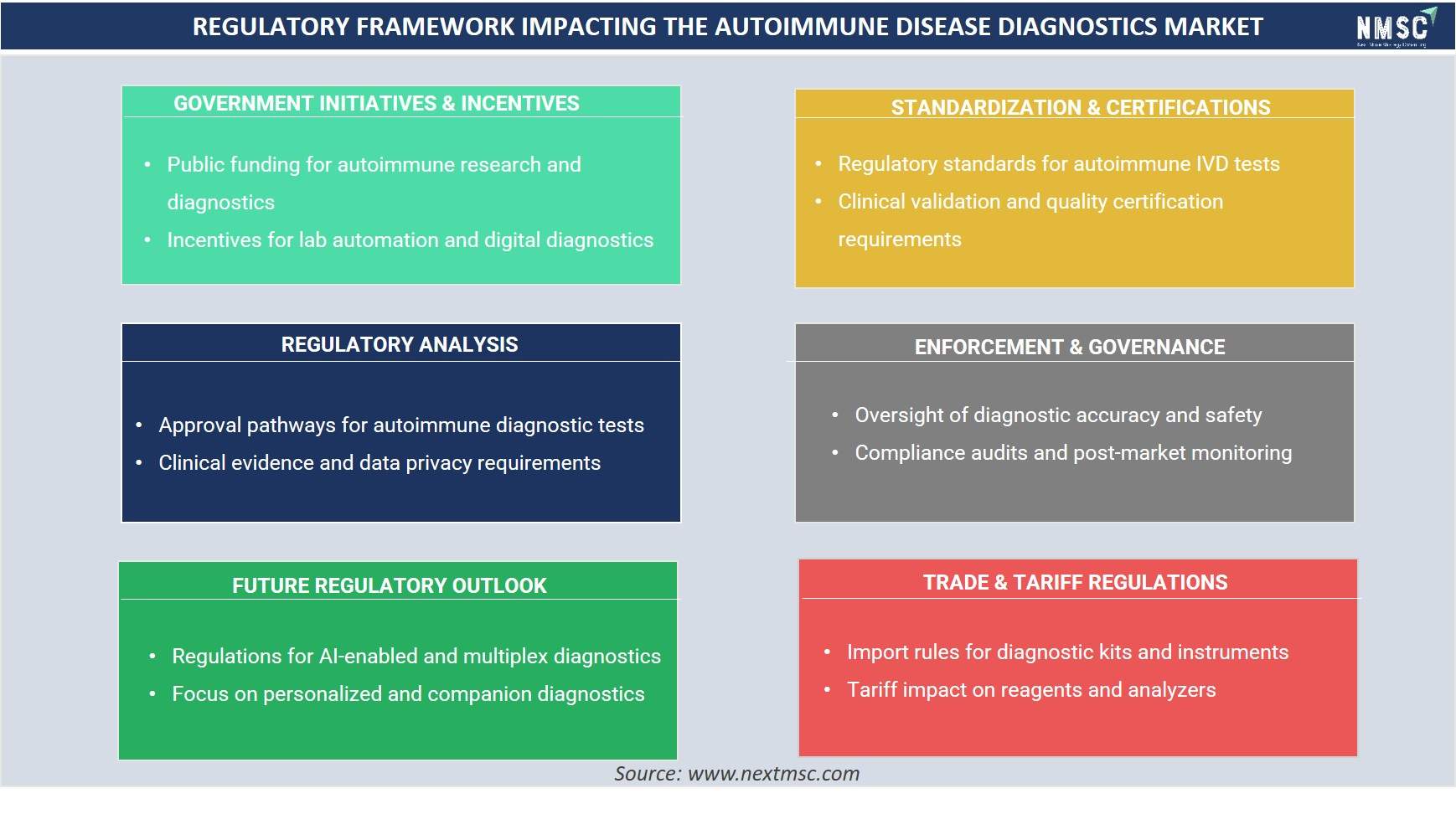
The framework shows how government initiatives support autoimmune research and digital diagnostics, while standardisation ensures test quality and clinical validity. Regulatory analysis defines approval pathways and data privacy rules, supported by enforcement mechanisms such as audits and post-market monitoring. Future regulations increasingly address AI-enabled and multiplex diagnostics. Trade and tariff policies affect the cost and cross-border movement of diagnostic kits, reagents, and analytical instruments, influencing overall autoimmune disease diagnostics market competitiveness.
How Is the Autoimmune Disease Diagnostics Market Segmented in This Report, And What Are the Key Insights from The Segmentation Analysis?
Market Highlights & Strategic Insights – Autoimmune Disease Diagnostics Market:
|
Segments |
Key Takeaways |
|
By Product & Solution Type |
The autoimmune disease diagnostics market in 2025 is driven by a diversified mix of consumables, capital equipment, software, and diagnostic services. Consumable-based products generate recurring revenues due to routine testing volumes, while capital equipment supports high-throughput and automated laboratory workflows. Software and informatics are gaining strategic importance with the integration of AI, data analytics, and clinical decision support. Diagnostic services continue to expand as laboratories increasingly outsource complex and specialised autoimmune testing. |
|
By Diagnostic Technology |
Diagnostic technologies span immunochemical, molecular, cellular, and advanced analytical platforms, reflecting the complexity of autoimmune disease detection. Traditional immunoassays remain foundational due to clinical familiarity and scalability, while multiplexing, molecular diagnostics, and AI-enabled imaging are increasingly adopted for higher sensitivity, disease stratification, and early detection. Ongoing innovation is improving diagnostic accuracy, throughput, and clinical relevance across diverse autoimmune conditions. |
|
By Disease Category |
The market addresses a broad spectrum of systemic, organ-specific, neurological, gastrointestinal, dermatological, endocrine, and rare autoimmune diseases. Systemic autoimmune disorders continue to account for the greatest diagnostic demand due to high prevalence and complex testing requirements. Meanwhile, rising awareness, improved diagnostic access, and advances in disease-specific biomarkers are driving growth across organ-specific and rare autoimmune segments. |
|
By Biomarker Type |
Autoimmune diagnostics rely on a combination of immunological, cellular, genetic, proteomic, and inflammatory biomarkers. Autoantibodies remain the most widely used biomarkers due to their established diagnostic value, while genetic, transcriptomic, and proteomic markers are gaining importance for disease stratification and personalised medicine. Emerging microbiome-associated biomarkers further expand the scope of diagnostic insights. |
|
By Automation Level |
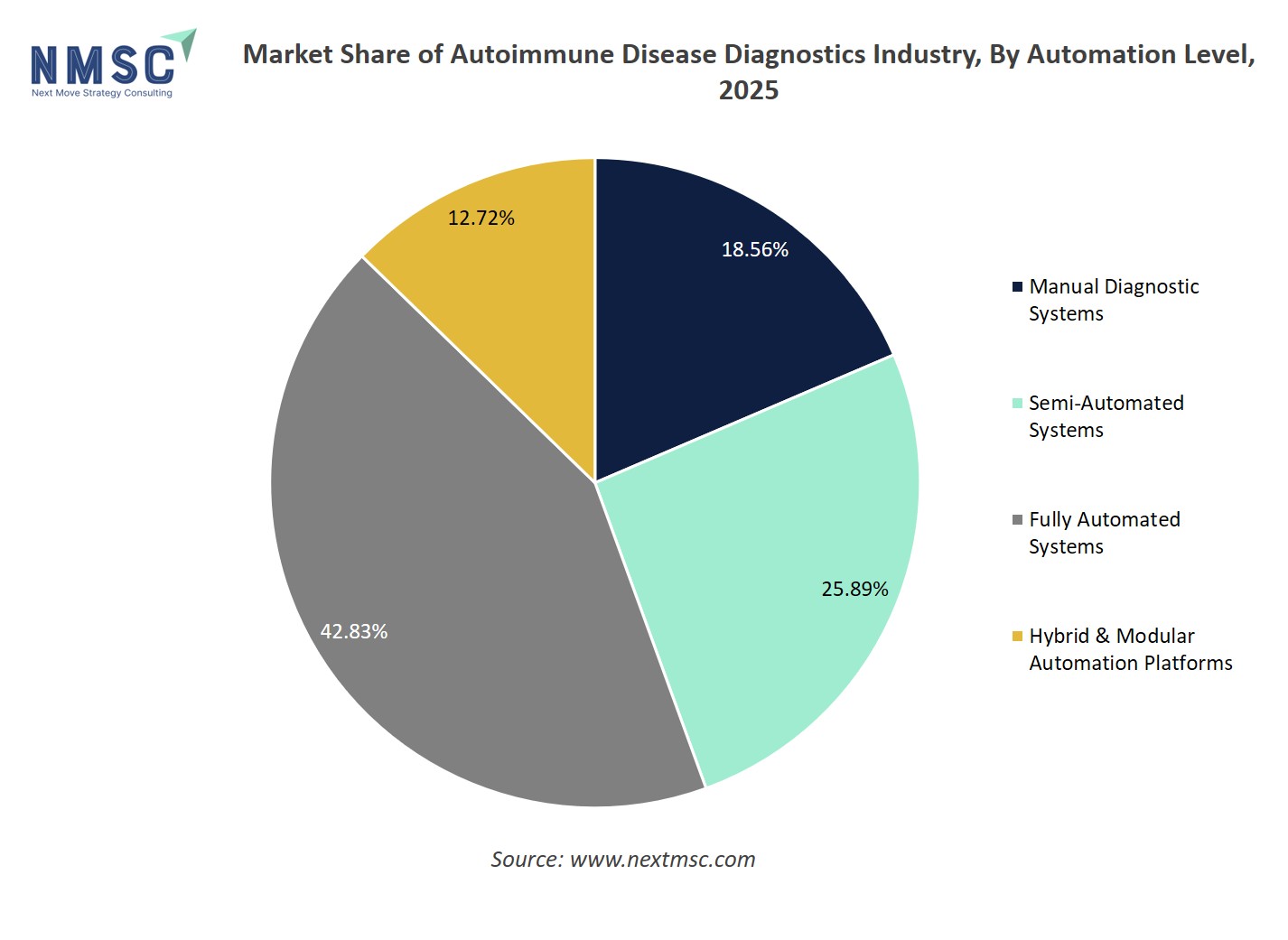
Fully automated systems account for the largest share at 42.83%, reflecting strong uptake in high-throughput and reference laboratories where efficiency, rapid turnaround times, and result consistency are critical. Semi-automated systems represent 25.89% of the market, offering a practical balance between operational efficiency and manual control, particularly for mid-sized laboratories. Manual diagnostic systems, with an 18.56% share, continue to serve smaller facilities and specialised research settings that require flexibility and lower capital investment. Meanwhile, hybrid and modular automation platforms hold 12.72%, emerging as adaptable solutions that allow laboratories to combine automated core workflows with assay-specific customization. |
|
By Sample Type |
Blood-based samples continue to dominate autoimmune diagnostics due to established protocols and broad biomarker availability. However, the use of alternative samples such as cerebrospinal fluid, tissue biopsies, stool, and synovial fluid remains critical for disease-specific and advanced diagnostics. Non-invasive sample types are gaining interest as testing expands toward a patient-centric and decentralized care model. |
|
By End User |
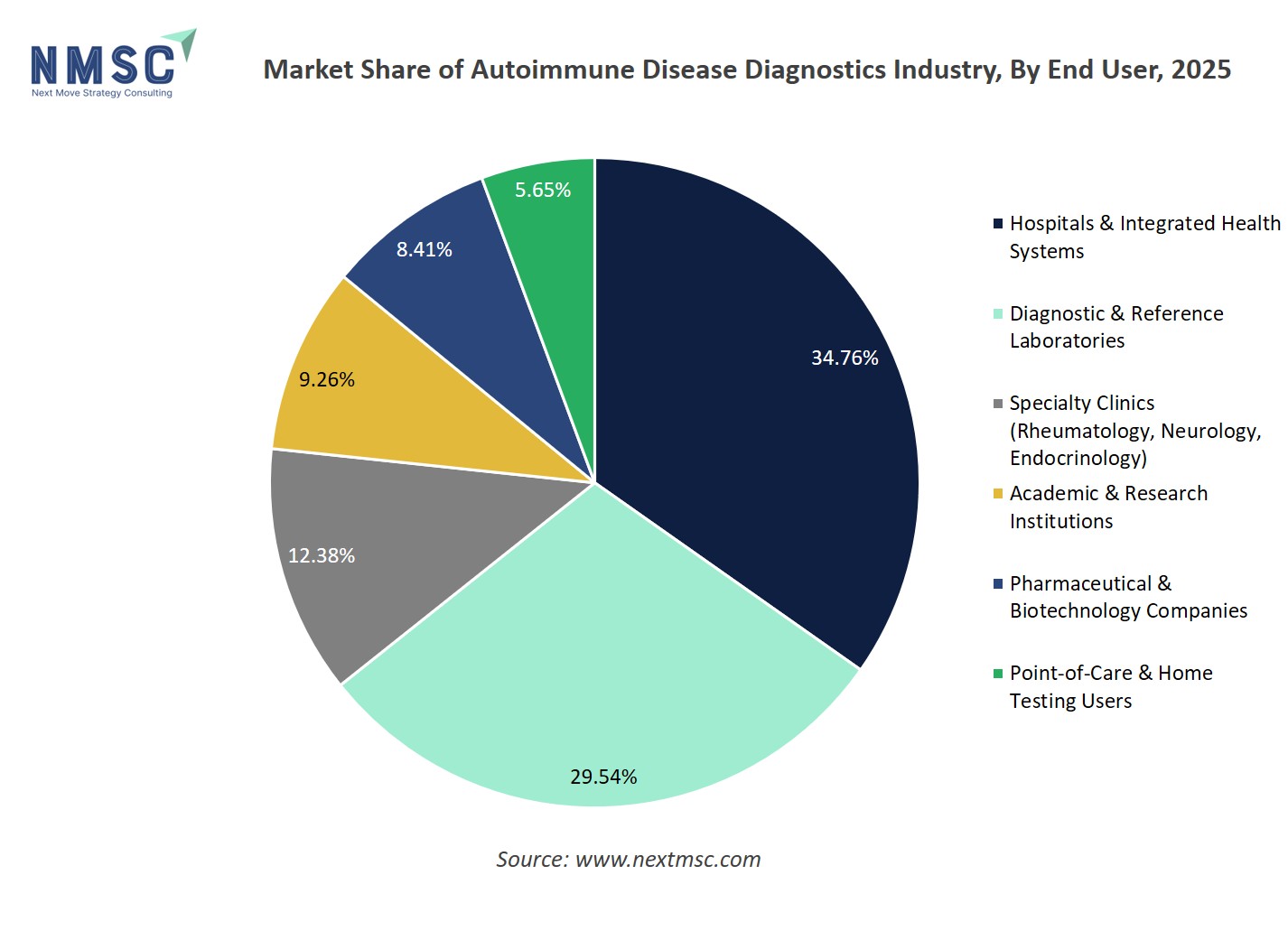
Hospitals and integrated health systems dominate end-user adoption in the autoimmune disease diagnostics market, accounting for 34.76% of total demand, driven by high patient volumes, comprehensive testing capabilities, and advanced laboratory infrastructure. Diagnostic and reference laboratories follow closely with a 29.54% share, reflecting their central role in high-throughput testing and specialized autoimmune panels. Specialty clinics, including rheumatology, neurology, and endocrinology practices, contribute 12.38%, supported by disease-specific diagnostic requirements. Pharmaceutical and biotechnology companies account for 8.41%, leveraging diagnostics for drug development, companion diagnostics, and clinical trials, while point-of-care and home testing users hold 5.65%, indicating early but growing adoption of decentralized autoimmune testing solutions. |
|
By Geography |
The autoimmune disease diagnostics market in 2025 was led by North America, supported by advanced healthcare infrastructure, high adoption of diagnostic technologies, and well-established reimbursement frameworks. Europe followed, driven by regulatory harmonization, strong clinical research activity, and rising awareness of autoimmune diseases. The Asia-Pacific region is projected to witness the fastest growth through 2035, fuelled by expanding healthcare access, increasing disease prevalence, and sustained investments in diagnostic infrastructure and capabilities. |
By Product & Solution Type Insights
Is the Autoimmune Disease Diagnostics Market in 2025 Shaped by Diverse Product Offerings?
Based on a comprehensive review of industry data, secondary literature, and validated inputs from clinical laboratories, hospital systems, and diagnostic manufacturers, we identified that the autoimmune disease diagnostics market is segmented by product and solution type into consumable-based products, capital equipment & hardware, software & informatics, and diagnostic services.
Consumable-based products represent the largest and most recurrent revenue component of the market. Their sustained adoption is supported by well-established clinical guidelines, regulatory approvals, and widespread platform compatibility. Laboratories rely on these products for standardized, reproducible testing, particularly for routine autoimmune biomarker detection and longitudinal disease monitoring.
Capital equipment & hardware, such as diagnostic instruments, analyzers, sample preparation systems, and automation platforms, play a critical role in enabling testing accuracy, throughput scalability, and operational efficiency. Hospitals, integrated health systems, and reference laboratories increasingly prioritize advanced and automated hardware to manage rising test volumes, reduce manual variability, and meet accreditation and compliance requirements. Software & informatics solutions are gaining strategic importance as laboratories transition toward data-driven diagnostics.
Similarly, laboratory information systems (LIS), AI-assisted interpretation tools, and data integration platforms support workflow optimization, result standardization, and clinical decision support. Adoption of these solutions is further reinforced by the growing complexity of autoimmune testing panels and the need for longitudinal patient data management. Diagnostic services, including centralized laboratory testing, specialty autoimmune panels, and companion diagnostic services, remain essential for access to complex or low-volume assays. These services are frequently utilized by hospitals, specialty clinics, research institutions, and pharmaceutical companies, particularly where in-house capabilities are limited or advanced analytical expertise is required.
By Biomarker Type Insights
How Is the Autoimmune Disease Diagnostics Market in 2025 Shaped by Biomarker Types?
The autoimmune disease diagnostics market is segmented by biomarker type into immunological biomarkers, cellular biomarkers, genetic & molecular biomarkers, metabolic & proteomic biomarkers, microbiome-associated biomarkers, and general inflammatory biomarkers, underscoring the growing importance of immune profiling and multi-omics approaches in accurate disease diagnosis and monitoring.
Based on market assessments and discussions with clinical laboratories, hospitals, and research institutions, our analysis indicates that biomarker diversity is a key driver of innovation and clinical utility in autoimmune disease diagnostics. Immunological biomarkers, particularly autoantibodies, remain foundational for disease detection and routine monitoring. Cellular biomarkers, including T-cell, B-cell, and NK-cell subsets, are increasingly utilized for detailed immune characterization and therapy guidance.
Genetic & molecular biomarkers support risk stratification, early diagnosis, and personalized disease management, while metabolic & proteomic biomarkers are gaining traction for enhancing diagnostic precision and identifying disease-specific signatures. Microbiome-associated biomarkers are emerging as a complementary tool to understand immune–gut interactions, and general inflammatory biomarkers continue to play a critical role in assessing disease activity and progression.
By Automation Level Insights
How Is the Autoimmune Disease Diagnostics Market in 2025 Shaped by Automation Levels?
The autoimmune disease diagnostics market is segmented by automation level into manual diagnostic systems, semi-automated systems, fully automated systems, and hybrid & modular automation platforms, reflecting varying degrees of workflow automation across clinical and research environments.
Insights gathered from direct discussions with laboratories, hospitals, and research institutions indicated that automation level is a key determinant of operational efficiency, scalability, and test standardisation. Manual diagnostic systems continue to be utilised in smaller laboratories and research settings where flexibility, assay customisation, and low-volume testing are prioritised. Semi-automated systems serve as a transitional solution, offering improved throughput and consistency while retaining a degree of operator control.
Fully automated systems are witnessing strong adoption in high-throughput diagnostic and reference laboratories, driven by the need for faster turnaround times, reduced manual errors, and optimized labor utilization. Meanwhile, hybrid & modular automation platforms are emerging as a practical approach for laboratories managing diverse testing portfolios, enabling automation of routine workflows while maintaining adaptability for specialised or low-volume autoimmune assays.
By End User Insights
How Is the Autoimmune Disease Diagnostics Market in 2025 Shaped by End Users?
The autoimmune disease diagnostics market is segmented by end user into hospitals & integrated health systems, diagnostic & reference laboratories, specialty clinics, academic & research institutions, pharmaceutical & biotechnology companies, and point-of-care (POC) & home testing users, reflecting a wide range of clinical, research, and decentralised testing environments.
Based on direct interactions with healthcare providers, laboratory operators, and research stakeholders, our analysis indicates that end-user type plays a critical role in shaping demand patterns and technology adoption within the market. Hospitals and integrated health systems remain the primary drivers of demand for high-throughput, automated, and integrated diagnostic solutions to support routine and acute clinical workflows. Diagnostic and reference laboratories focus on high-volume and specialised autoimmune assays, leveraging advanced platforms to improve efficiency, accuracy, and scalability.
Specialty clinics, particularly in rheumatology, neurology, and endocrinology, prioritise rapid, disease-specific diagnostic tests to support timely diagnosis and treatment decisions. Academic and research institutions increasingly adopt advanced diagnostic technologies for biomarker discovery, translational research, and validation of emerging autoimmune targets. Pharmaceutical and biotechnology companies utilise autoimmune diagnostics extensively in drug development, patient stratification, and companion diagnostic applications. Meanwhile, point-of-care and home testing users are gaining traction due to growing demand for convenient, rapid, and decentralised testing solutions.
Regional Outlook
Geographic Performance Snapshot:
|
Geography |
Key Takeaways |
|
North America |
Strong demand for clinically validated, evidence-based autoimmune diagnostic tests is fuelling market growth. The region benefits from advanced healthcare infrastructure, robust laboratory networks, and a preference for high-precision, reliable diagnostic solutions. Widespread adoption of innovative biomarker assays and point-of-care tests further supports market expansion. |
|
Europe
|
Market growth is driven by stringent regulatory frameworks and emphasis on certified, traceable diagnostic assays. High adoption of standardised, high-quality autoimmune diagnostics in both clinical and research settings ensures accuracy and reliability. Sustainability, ethical sourcing, and regulatory compliance remain key market differentiators. |
|
Asia‑Pacific |
The region is the largest producer and a rapidly expanding consumer market for autoimmune disease diagnostics. Traditional medicine practices, growing awareness of autoimmune conditions, and cost-effective manufacturing hubs in India and China contribute to strong adoption of advanced diagnostic assays, including multiplex and biomarker-based platforms. |
|
Latin America |
Market growth leverages the region’s biodiversity and the increasing export potential of autoimmune diagnostic technologies. Expansion is supported by growing clinical and laboratory adoption, though standardisation of supply chains and regulatory alignment remain critical challenges for widespread adoption. |
|
Middle East & Africa |
Rising interest in preventive healthcare and advanced diagnostics creates opportunities for value-added autoimmune testing solutions. Market growth depends on improvements in healthcare infrastructure, laboratory capabilities, and regulatory frameworks to ensure broader access to reliable diagnostic assays. |
The autoimmune disease diagnostics market is geographically studied across North America, Europe, Asia Pacific, the Middle East & Africa, and Latin America, and each region is further studied across countries.
Autoimmune Disease Diagnostics Market in North America
Based on our regional market analysis, we observed that North America continues to lead global innovation in autoimmune disease diagnostics. Market leadership was driven by a strong emphasis on early detection, preventive healthcare, and precision-based testing approaches. Our findings showed that market expansion was supported by widespread adoption of evidence-based assays, standardized laboratory protocols, and clinically validated diagnostic solutions. In the United States, advancements in biomarker discovery, precision medicine initiatives, and supportive regulatory frameworks accelerated adoption. In Canada, stringent regulatory oversight and a strong focus on quality and patient safety reinforced trust in diagnostic products. Across the region, traceability, quality assurance, and third-party validation emerged as critical success factors.
Autoimmune Disease Diagnostics Market in the United States
Through our country-level assessments and primary research, we found that the U.S. autoimmune disease diagnostics market expanded steadily due to the rising prevalence of autoimmune disorders and increasing emphasis on preventive healthcare and personalised medicine. Healthcare providers consistently demanded reliable, standardised diagnostic assays, while patients increasingly sought clinically validated testing for conditions such as lupus, rheumatoid arthritis, and multiple sclerosis.
Our analysis showed that integration of advanced biomarker-based tests and innovative diagnostic platforms supported more precise disease identification and stratification. Strong regulatory oversight ensured assay safety, efficacy, and autoimmune disease diagnostics market credibility, while well-established distribution networks facilitated widespread adoption across hospitals, clinics, and diagnostic laboratories. As a result, the U.S. remained a central hub of innovation within North America’s autoimmune diagnostics sector.
Autoimmune Disease Diagnostics Market in Canada
From our evaluation of the Canadian healthcare and diagnostics landscape, we observed that Canada’s autoimmune disease diagnostics market is shaped by strong demand for safe, high-quality, and clinically validated diagnostic solutions. Rising awareness of autoimmune conditions, combined with government-supported initiatives promoting early diagnosis and preventive care, drove the adoption of advanced laboratory testing. Our findings indicated that stringent regulatory standards played a key role in ensuring assay reliability and strengthening consumer and provider confidence. Hospitals, diagnostic laboratories, and research institutions are increasingly integrating novel biomarker-based diagnostic tools, positioning Canada as an important contributor to North America’s autoimmune disease diagnostics ecosystem.
Autoimmune Disease Diagnostics Market in Europe
Based on our regional market assessments and regulatory analysis, we observed that Europe’s autoimmune disease diagnostics market experienced steady growth, driven by rigorous quality standards, strict clinical validation requirements, and the increasing prevalence of autoimmune disorders. Our findings showed that regulatory frameworks such as the EU In Vitro Diagnostic Regulation (IVDR) played a central role in ensuring the safety, efficacy, and traceability of diagnostic assays. Key markets, including Germany, France, Italy, Spain, and the UK, continued to invest in biomarker research, advanced immunoassays, and multiplex diagnostic platforms. Rising demand for clinically validated and standardized diagnostic solutions consistently shaped the competitive and regulatory landscape across Europe.
Autoimmune Disease Diagnostics Market in the United Kingdom
Through our evaluation of the UK diagnostics ecosystem, we found that the autoimmune disease diagnostics market expanded due to increasing awareness of autoimmune conditions and the growing importance placed on early detection. Healthcare providers and diagnostic laboratories prioritised clinically validated and standardised diagnostic tests for conditions such as rheumatoid arthritis and autoimmune thyroid disease. Furthermore, our analysis indicated that stringent regulatory oversight ensured product quality and compliance, while well-established hospital and laboratory networks supported broad adoption. Additionally, ethical sourcing practices, sustainability-focused manufacturing, and a strong emphasis on precision diagnostics enhanced market credibility and supported long-term growth in the UK.
Autoimmune Disease Diagnostics Market in Germany
From our country-level market analysis, we observed that Germany’s autoimmune disease diagnostics market benefited from the country’s strong pharmaceutical and biotechnology industries, which emphasized high-quality, standardized, and clinically validated diagnostic assays. The rising prevalence of autoimmune diseases drives the increased adoption of immunoassays, ELISA-based tests, and multiplex diagnostic platforms. Our findings showed that strict regulatory requirements and certification standards reinforced product reliability, while high levels of clinician and patient trust in precision diagnostics supported market expansion. Germany continued to lead Europe’s autoimmune diagnostics sector due to sustained innovation, robust quality assurance practices, and a well-established laboratory infrastructure.
Autoimmune Disease Diagnostics Market in France
Based on our assessment of the French healthcare and diagnostics landscape, we found that France’s autoimmune disease diagnostics market expanded steadily, supported by rising awareness of autoimmune disorders and growing demand for high-quality, clinically validated diagnostic assays. Healthcare providers increasingly adopted immunoassays, biomarker panels, and point-of-care diagnostic tests for conditions such as lupus and type 1 diabetes. Also, strong regulatory frameworks ensured assay safety and clinical efficacy, while extensive hospital and laboratory networks enabled wide-scale adoption. Increasing patient awareness and preference for early, precise disease detection further reinforced market growth in France.
Autoimmune Disease Diagnostics Market in Italy
Based on our assessment of Italy’s healthcare and diagnostics landscape, we observed that the autoimmune disease diagnostics market reflected rising clinician and patient demand for reliable and precise diagnostic solutions. Adoption of standardized laboratory tests, biomarker panels, and immunoassays increased steadily, particularly for conditions such as rheumatoid arthritis and celiac disease. Furthermore, Italy’s long-standing integration of diagnostics into routine healthcare practice, combined with strong regulatory oversight, fostered trust in diagnostic outcomes. Continuous innovation in testing platforms and a strong emphasis on quality assurance supported sustained growth in the country’s autoimmune diagnostics sector.
Autoimmune Disease Diagnostics Market in Spain
Spain’s autoimmune disease diagnostics market grew steadily, driven by the rising prevalence of autoimmune conditions and increasing demand for accurate, clinically validated diagnostic tests. Adoption of immunoassays, multiplex biomarker platforms, and advanced laboratory testing solutions was supported by regulatory compliance and an efficient public healthcare infrastructure. We also observed that awareness initiatives and patient education programs highlighting the importance of early diagnosis contributed to market expansion, positioning Spain as a significant contributor to Europe’s autoimmune diagnostics market.
Autoimmune Disease Diagnostics Market in the Nordics
From our evaluation of the Nordic region, including Sweden, Denmark, Norway, and Finland, we observed a strong emphasis on high-quality, clinically validated autoimmune diagnostic solutions. Rising prevalence of autoimmune diseases, combined with increasing demand for standardized laboratory assays and biomarker-based testing, supported steady market growth. Our analysis further showed that stringent regulatory oversight and a strong focus on patient safety ensured high levels of diagnostic reliability. In addition, environmental sustainability, ethical manufacturing practices, and strong healthcare awareness further reinforced the adoption of autoimmune testing solutions across the Nordic countries.
Autoimmune Disease Diagnostics Market in the Asia-Pacific
We identified the Asia-Pacific region as both a major production hub and the fastest-growing consumer market for autoimmune disease diagnostics. Growth is driven by the rising prevalence of autoimmune disorders, increasing disposable incomes, and expanding health awareness. Our findings showed that India played a key role in laboratory infrastructure development and reagent manufacturing, while China invested heavily in high-precision diagnostic technologies. Expanding middle-class demand in countries such as South Korea, Indonesia, and Japan, along with the integration of traditional and modern medical practices, supported widespread adoption and market growth across the region.
Autoimmune Disease Diagnostics Market in China
Through our analysis of China’s diagnostics ecosystem, we observed rapid growth in the autoimmune disease diagnostics market, driven by increasing awareness of autoimmune disorders and substantial government investment in advanced diagnostic technologies. The rising prevalence of conditions such as rheumatoid arthritis, lupus, and type 1 diabetes increased demand for accurate early-stage diagnostic tests. Also, strong healthcare infrastructure, extensive hospital networks, and favourable regulatory policies facilitated faster adoption of diagnostic assays. Ongoing R&D in biomarker identification and novel testing platforms further improved test accuracy and reliability, strengthening clinician and patient confidence across China.
Autoimmune Disease Diagnostics Market in Japan
From our evaluation of the Japanese market, we found that Japan’s autoimmune disease diagnostics sector was characterized by high demand for precision, reliability, and technological innovation. An ageing population, coupled with increasing prevalence of autoimmune disorders, drives the adoption of advanced laboratory tests, including ELISA-based assays, immunoassays, and multiplex biomarker platforms. Our analysis also indicated that strict regulatory standards ensured consistent product quality, while sustained investment in research and development supported innovation in diagnostic solutions. Japanese healthcare providers continued to prioritize early detection and patient-specific diagnostic approaches, contributing to stable and long-term market growth.
Autoimmune Disease Diagnostics Market in India
Based on our assessment of India’s healthcare and diagnostics landscape, we observed that the autoimmune disease diagnostics market experienced strong expansion, driven by rising awareness of autoimmune conditions and improving access to modern healthcare facilities. The increasing prevalence of diseases such as rheumatoid arthritis, multiple sclerosis, and type 1 diabetes significantly increased demand for advanced diagnostic testing. Supportive government policies, expanding healthcare infrastructure, and growing private-sector investment in laboratory diagnostics further strengthen the autoimmune disease diagnostics market growth. Additionally, India’s expanding local production of diagnostic reagents and testing kits reduced reliance on imports, positioning the country as an important contributor to the regional autoimmune diagnostics market.
Autoimmune Disease Diagnostics Market in South Korea
We found that South Korea’s autoimmune disease diagnostics market grew steadily, supported by the increasing prevalence of autoimmune disorders and a strong national focus on preventive healthcare. Rising demand for accurate and timely diagnostic solutions drive adoption of innovative laboratory tests and immunoassay platforms. A well-established healthcare infrastructure, combined with robust regulatory oversight, ensures consistent availability of reliable and high-quality diagnostic products. Moreover, continued investment in research and development of novel biomarkers and multiplex testing platforms further improves the diagnostic accuracy, supporting sustained market growth.
Autoimmune Disease Diagnostics Market in Taiwan
From our evaluation of Taiwan’s diagnostics ecosystem, we observed that the autoimmune disease diagnostics market was characterized by a growing emphasis on early detection and precision diagnostics. The increasing prevalence of autoimmune diseases, together with rising consumer and clinician awareness, drove demand for high-quality laboratory testing solutions. Our analysis further showed that stringent regulatory standards ensure product safety and efficacy, while a strong healthcare infrastructure supports widespread adoption of advanced diagnostic assays. Ongoing innovation in testing technologies, including biomarker panels and multiplex immunoassays, further fuelled growth in Taiwan’s autoimmune diagnostics sector.
Autoimmune Disease Diagnostics Market in Indonesia
Based on our market assessment in Indonesia, we found that the autoimmune disease diagnostics market expanded steadily, driven by rising awareness of autoimmune conditions and growing demand for reliable diagnostic solutions. The increasing prevalence of autoimmune disorders such as lupus, rheumatoid arthritis, and type 1 diabetes increased the need for early detection and ongoing disease monitoring. Supportive regulatory frameworks, along with expanding healthcare facilities and laboratory networks, facilitated the adoption of advanced diagnostic tests. In addition, Indonesia’s access to diverse biological resources created opportunities for research into novel diagnostic markers and assay development, contributing to long-term market potential.
Autoimmune Disease Diagnostics Market in Australia
Based on our assessment of Australia’s healthcare and diagnostics environment, we observed that the autoimmune disease diagnostics market was positioned for strong growth, driven by the rising prevalence of autoimmune disorders and increasing clinician and patient demand for early and precise diagnostic solutions. Advanced laboratory infrastructure, government-backed healthcare innovation initiatives, and robust regulatory frameworks support the availability of high-quality diagnostic tools. Continued research into novel biomarkers, multiplex assays, and point-of-care diagnostic platforms contributes to improved test accuracy and better clinical outcomes. Increasing public awareness of autoimmune diseases further supported adoption across hospitals, diagnostic centres, and specialized clinics.
Autoimmune Disease Diagnostics Market in Latin America
Through our regional market evaluation, we found that the autoimmune disease diagnostics market in Latin America expanded steadily, supported by the rising prevalence of autoimmune disorders and growing awareness of the importance of early diagnosis. Key markets such as Brazil and Mexico demonstrated increased adoption of advanced diagnostic technologies, including immunoassays and molecular testing platforms. Supportive healthcare policies, expanding laboratory networks, and improving access to diagnostic technologies further facilitate the market growth. However, we also identified challenges related to inconsistent regulatory standards, infrastructure gaps, and supply chain constraints, which continued to limit widespread adoption across parts of the region.
Autoimmune Disease Diagnostics Market in the Middle East & Africa
Based on our analysis of the Middle East & Africa region, we observed that the autoimmune disease diagnostics market remained at an emerging stage, with uneven growth patterns across countries. In the Middle East, the increasing prevalence of autoimmune diseases and rising awareness of early detection drove demand for laboratory-based diagnostic solutions. In Africa, particularly in countries such as South Africa, the adoption of cost-effective autoimmune diagnostic tests increased across hospitals and clinics. Our assessment also highlighted that the region’s biodiversity and ongoing research initiatives created opportunities for novel biomarker development. Nevertheless, infrastructural limitations, variable regulatory frameworks, and restricted healthcare access continued to pose significant challenges to broader market expansion.
Competitive Landscape
Competitive Dynamics & M&A Landscape:
|
Key Takeaways |
|
The autoimmune disease diagnostics market is characterized by a combination of large, diversified global diagnostics leaders, such as Abbott Laboratories, Siemens Healthineers, Thermo Fisher Scientific, Bio-Rad Laboratories, DiaSorin, and Beckman Coulter, alongside highly specialized autoimmune diagnostics providers including Inova Diagnostics (Werfen), EUROIMMUN (a Revvity company), Exagen Inc., AESKU.GROUP, Omega Diagnostics Group, HYCOR Biomedical, Seramun Diagnostica, Gold Standard Diagnostics, and AXA Diagnostics. This mix supports both broad testing platforms and niche, disease-specific assay development. |
|
Companies are increasingly adopting a strategic combination of menu expansion for auto-antibody panels, assay standardization, clinical validation, automation, and digital integration to enhance diagnostic accuracy and laboratory efficiency. Leading players are also investing in multiplex immunoassays, AI-assisted interpretation, and scalable automated platforms to strengthen competitive positioning. |
|
Recent M&A and strategic integration activity, such as Inova Diagnostics under Werfen and EUROIMMUN within Revvity, highlights a focus on expanding proprietary autoimmune portfolios, strengthening global distribution, and accelerating innovation in high-value autoimmune disease diagnostics. |
Which Companies Dominate the Autoimmune Disease Diagnostics Industry and How Do They Compete?
Based on our competitive landscape analysis, we observed that the autoimmune disease diagnostics market was led by a group of well-established global and regional players, including Abbott Laboratories, Siemens Healthineers, Omega Diagnostics Group plc, Gold Standard Diagnostics (GSD), AESKU.GROUP GmbH & Co. KG, Exagen Inc., Inova Diagnostics (Werfen), DiaSorin S.p.A., Bio-Rad Laboratories, Inc., Thermo Fisher Scientific Inc., Euroimmun (a Revvity company), Seramun Diagnostica GmbH, Beckman Coulter, Inc., HYCOR Biomedical LLC, and AXA Diagnostics S.r.l. These companies strengthened their market positions through continuous innovation, strategic collaborations, and geographic expansion.
Our analysis showed that Abbott Laboratories leveraged its advanced diagnostic platforms to deliver high-precision autoimmune testing solutions, while Siemens Healthineers focused on integrating sophisticated diagnostic technologies with laboratory automation to improve workflow efficiency and scalability. Omega Diagnostics and Gold Standard Diagnostics differentiated themselves by developing specialized assays addressing niche autoimmune conditions. Companies such as AESKU.GROUP, Exagen, and Inova Diagnostics emphasized research-driven assay development and clinical validation to enhance diagnostic accuracy. In contrast, DiaSorin, Bio-Rad, and Thermo Fisher Scientific capitalized on extensive global distribution networks to expand autoimmune disease diagnostics market reach. Euroimmun, Seramun, Beckman Coulter, HYCOR, and AXA Diagnostics competed through product differentiation, strict regulatory compliance, and the delivery of high-quality, clinically validated diagnostic kits. Overall, we found that competition in the autoimmune disease diagnostics market was defined by technological advancement, expansion of global footprints, and the ability to meet growing demand for accurate, early-stage autoimmune disease detection.
Market Dominated by Autoimmune Disease Diagnostics Giants and Specialists
Based on our competitive benchmarking and industry analysis, we observed that the autoimmune disease diagnostics market was characterized by a balanced mix of multinational diagnostic leaders and highly specialized companies, each addressing distinct clinical needs and geographic markets. Global players such as Abbott Laboratories, Siemens Healthineers, Thermo Fisher Scientific, DiaSorin, and Bio-Rad Laboratories dominated the landscape through broad test portfolios, robust research and development pipelines, and extensive global distribution networks. Our findings showed that these companies leveraged advanced technologies, laboratory automation, and integrated diagnostic platforms to support large-scale screening and routine autoimmune testing.
At the same time, specialised firms, including Exagen Inc., AESKU.GROUP, Inova Diagnostics (Werfen), Euroimmun, HYCOR Biomedical, and Omega Diagnostics Group concentrated on niche autoimmune assays and disease-specific diagnostic panels. These companies differentiated themselves through high analytical sensitivity, strong clinical precision, and targeted diagnostic solutions. This dual autoimmune disease diagnostics market structure fostered sustained innovation and competition, with large players driving standardisation and scale, while specialist companies advanced disease-focused diagnostic capabilities. In addition, regional manufacturers intensified competition by aligning product offerings with local clinical practices and regulatory requirements, enabling customised and cost-effective autoimmune diagnostic solutions.
Innovation and Adaptability Drive Market Success
Based on our strategic and competitive analysis, we observed that innovation remains a core determinant of success in the autoimmune disease diagnostics market. Companies consistently advanced diagnostic technologies to address growing clinical demand for early, accurate, and disease-specific testing. Leading players such as Abbott Laboratories, Siemens Healthineers, Thermo Fisher Scientific, Bio-Rad Laboratories, and DiaSorin invested heavily in assay development, laboratory automation, and digital diagnostic capabilities to improve analytical sensitivity, specificity, and turnaround times.
At the same time, specialized companies including Exagen, Euroimmun, Inova Diagnostics (Werfen), and AESKU.GROUP focuses on novel biomarker discovery, multiplex testing solutions, and disease-focused diagnostic panels to support personalised and precision-driven care. This sustained emphasis on innovation enabled companies to maintain competitiveness while adapting to evolving clinical needs and regulatory requirements.
Market Players to Opt for Merger & Acquisition Strategies to Expand Their Presence
From our research, we observed that merger and acquisition strategies play a critical role in strengthening market positioning within the clinical autoimmune diagnostics sector. Companies increasingly pursued acquisitions, strategic collaborations, and partnerships to broaden test portfolios, gain access to proprietary technologies, and expand into new geographic markets. Large diagnostic firms leveraged M&A to integrate specialised autoimmune assay developers, while mid-sized players utilised partnerships to enhance commercialisation capabilities and regulatory reach. This consolidation trend improved operational synergies, accelerated innovation cycles, and supported wider adoption of advanced autoimmune diagnostic solutions, enabling market participants to meet rising global demand for accurate, standardised, and clinically validated testing.
Strategic Framework for the Autoimmune Disease Diagnostics Industry
The infographic outlines the key operational, technological, and economic factors influencing the evolution of the autoimmune disease diagnostics market, highlighting how end-user behaviour and system-level efficiencies shape market outcomes.
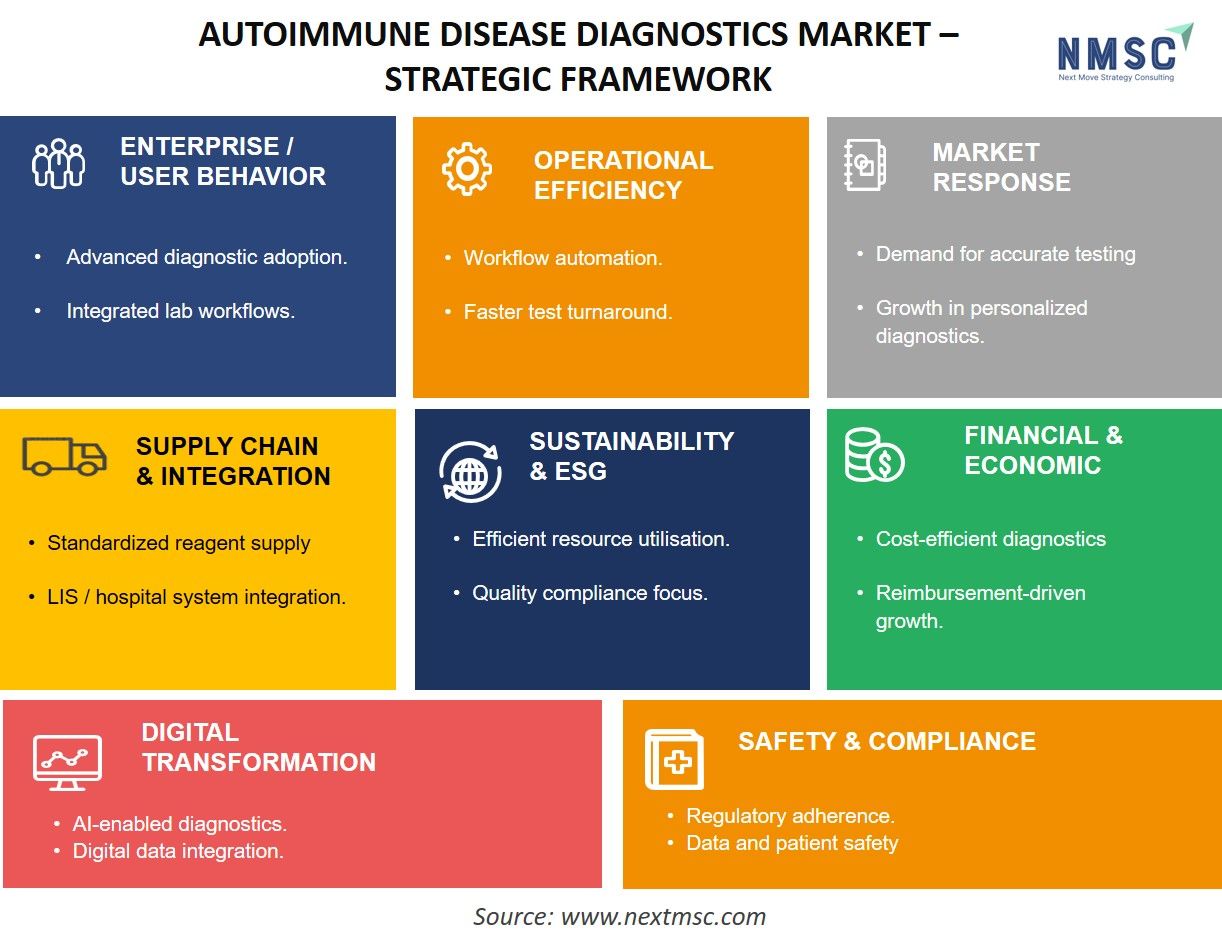
The image above highlights the key dimensions shaping the autoimmune disease diagnostics market. Enterprise and user behaviour point to rising adoption of advanced diagnostic solutions and integrated laboratory workflows. Operational efficiency is centred on automation and faster turnaround times, while autoimmune disease diagnostics market response reflects growing demand for accurate and personalised diagnostics. Supply chain integration supports consistent reagent availability and system interoperability. Sustainability focuses on efficient resource utilisation and quality compliance. Financial considerations emphasise cost efficiency and reimbursement support, and digital transformation and safety frameworks enable AI adoption, data integration, and regulatory compliance.
List of Key Autoimmune Disease Diagnostics Companies
-
Siemens Healthineers
-
Omega Diagnostics Group plc
-
Gold Standard Diagnostics.
-
AESKU.GROUP GmbH & Co. KG
-
DiaSorin S.p.A.
-
Bio-Rad Laboratories, Inc
-
Thermo Fisher Scientific Inc.
-
EUROIMMUN Medizinische Labordiagnostika AG
-
Seramun Diagnostica GmbH
-
Beckman Coulter, Inc.
-
HYCOR Biomedical LLC
-
AXA Diagnostics S.r.l
-
Orgentec Diagnostika GmbH
What Are the Latest Key Industry Developments?
-
October 2025 - Abbott received FDA clearance for a new multiplex autoimmune testing panel capable of detecting 12 autoantibodies simultaneously, a major enhancement for autoimmune disease diagnosis tools.
-
July 2025 - Siemens achieved a key sustainability milestone, earning My Green Lab ACT Ecolabel certification for over 150 immunoassay reagents and analyzers, strengthening its eco-certified portfolio used broadly in immunodiagnostics labs.
What Are the Key Factors Influencing Investment Analysis & Opportunities in the Autoimmune Disease Diagnostics Market?
Based on our analysis, we observed that investment in the autoimmune disease diagnostics market was primarily driven by the rising global prevalence of autoimmune disorders and increasing demand for precise, reliable, and clinically validated diagnostic solutions. Investors consistently favoured companies developing high-accuracy diagnostic assays, innovative biomarker platforms, multiplex testing technologies, and point-of-care diagnostic solutions. Our findings indicated that funding decisions strongly emphasized quality, standardisation, regulatory compliance, and assay reproducibility, as these factors reduced investment risk and supported long-term growth sustainability.
We also found that company valuations within the autoimmune disease diagnostics sector were significantly influenced by technological differentiation, proprietary testing methodologies, and the ability to efficiently scale laboratory operations and manufacturing capacity. Investment opportunities were strongest in regions with advanced healthcare infrastructure, strong research ecosystems, and expanding laboratory networks, particularly in North America, Europe, and Asia-Pacific. Companies that successfully integrated innovation in assay development, digital diagnostics, and research-driven collaborations, while maintaining strict regulatory adherence and clinical validation, attracted higher levels of investor interest. In addition, strategic partnerships and robust global distribution capabilities further strengthened market positioning and enhanced long-term investment potential.
Key Benefits for Stakeholders:
Next Move Strategy Consulting (NMSC) presents a comprehensive analysis of the Autoimmune Disease Diagnostics Market, covering historical trends from 2020 through 2025 and providing detailed forecasts through 2035. The study examined the market at regional and country levels, offering quantitative projections and insights into key growth drivers, challenges, and investment opportunities across all major autoimmune diagnostics segments, including immunoassays, biomarker panels, multiplex testing platforms, and point-of-care diagnostics.
The autoimmune disease diagnostics industry provides distinct benefits to multiple stakeholders. Investors gain from strong growth potential, technological differentiation, and opportunities to back companies developing innovative, high-accuracy diagnostic assays. Healthcare providers and patients benefit from improved early detection, precision testing, and reliable monitoring of autoimmune conditions, enhancing clinical outcomes. Diagnostic suppliers and laboratory equipment manufacturers enjoy steady demand for reagents, assay kits, and instrumentation, while diagnostic labs and manufacturers leverage advanced testing platforms to deliver differentiated, high-value services. This ecosystem fosters mutual growth, where innovation, clinical reliability, and regulatory compliance create value for both financial stakeholders and end-users.
|
Parameters
|
Details |
|
Customization Scope |
Free customization (equivalent to up to 80 analyst-working hours) after purchase. Addition or alteration to country, regional & segment scope. |
|
Pricing and Purchase Options |
Avail customized purchase options to meet your exact research needs. |
|
Approach |
In-depth primary and secondary research; proprietary databases; rigorous quality control and validation measures. |
|
Analytical Tools |
Porter's Five Forces, SWOT, value chain, and Harvey ball analysis to assess competitive intensity, stakeholder roles, and relative impact of key factors. |
Autoimmune Disease Diagnostics Market Key Segments
By Product & Solution Type
-
Consumable-Based Products
-
Reagents & Assay Kits
-
Quality Controls & Calibration Standards
-
Disposable Consumables
-
-
Capital Equipment & Hardware
-
Diagnostic Instruments & Analyzers
-
Sample Preparation Systems
-
Automation & Robotics Systems
-
-
Software & Informatics
-
Laboratory Information Systems (LIS) Modules for Autoimmune Testing
-
AI/ML-Based Diagnostic & Interpretation Platforms
-
Image Analysis & Pattern Recognition Software
-
Data Integration & Clinical Decision Support Tools
-
-
Diagnostic Services
-
Centralized Laboratory Testing Services
-
Reference & Specialty Autoimmune Panels
-
Companion Diagnostic & Biomarker Validation Services
-
Clinical Trial & Research Diagnostic Services
-
By Diagnostic Technology
-
Immunochemical & Serological Technologies
-
Enzyme-Linked Immunosorbent Assay (ELISA)
-
Chemiluminescence Immunoassay (CLIA)
-
Electrochemiluminescence Immunoassay (ECLIA)
-
Radioimmunoassay (RIA)
-
-
Immunofluorescence & Light-Based Techniques
-
Indirect Immunofluorescence Assays (IFA)
-
Digital & Automated IFA Systems
-
-
Protein Quantification & Light Scattering
-
Nephelometry
-
Turbidimetry
-
-
Multiplexing & High-Throughput Platforms
-
Multiplex Immunoassays
-
Panel-Based Autoimmune Profiling
-
Microarray-Based Assays
-
-
Molecular & Genomic Diagnostics
-
PCR & RT-PCR
-
Next-Generation Sequencing (NGS)
-
HLA Typing
-
Epigenetic & Gene Expression Profiling
-
-
Cellular & Functional Diagnostics
-
Flow Cytometry-Based Assays
-
Immune Cell Phenotyping
-
Functional Immune Response Assays
-
-
Advanced Analytical Technologies
-
Mass Spectrometry-Based Proteomics
-
Metabolomics Platforms
-
-
Imaging & AI-Enabled Diagnostics
-
AI-Based Imaging Diagnostics
-
Pattern Recognition & Predictive Algorithms
-
By Testing & Care Setting
-
Centralized & Reference Laboratories
-
Hospital-Based Laboratories
-
Point-of-Care (POC) Testing Settings
-
Home-Based & Self-Testing Environments
By Disease Category
-
Systemic Autoimmune Diseases
-
Systemic Lupus Erythematosus (SLE)
-
Rheumatoid Arthritis (RA)
-
Sjogren’s Syndrome
-
Systemic Sclerosis
-
Mixed Connective Tissue Disease
-
-
Organ-Specific Autoimmune Diseases
-
Type 1 Diabetes
-
Autoimmune Thyroid Diseases
-
Autoimmune Hepatitis
-
Primary Biliary Cholangitis
-
Autoimmune Nephropathies
-
-
Neurological Autoimmune Disorders
-
Multiple Sclerosis
-
Myasthenia Gravis
-
Autoimmune Encephalitis
-
Neuromyelitis Optica Spectrum Disorders (NMOSD)
-
-
Gastrointestinal Autoimmune Diseases
-
Inflammatory Bowel Disease (IBD)
-
Crohn’s Disease
-
Ulcerative Colitis
-
-
Celiac Disease
-
Autoimmune Enteropathy
-
-
Dermatological Autoimmune Diseases
-
Psoriasis
-
Pemphigus
-
Vitiligo
-
Bullous Pemphigoid
-
-
Endocrine & Metabolic Autoimmune Disorders
-
Addison’s Disease
-
Autoimmune Polyglandular Syndromes
-
Autoimmune Hypophysitis
-
-
Rare & Emerging Autoimmune Conditions
-
Vasculitis Syndromes
-
Autoinflammatory Disorders
-
Overlap & Undifferentiated Autoimmune Diseases
-
By Biomarker Type
-
Immunological Biomarkers
-
Autoantibodies
-
Cytokines & Chemokines
-
Complement Proteins
-
-
Cellular Biomarkers
-
T-cell Subsets
-
B-cell Subsets
-
NK Cell Subsets
-
-
Genetic & Molecular Biomarkers
-
Genetic Markers
-
Epigenetic Markers
-
Transcriptomic Markers
-
-
Metabolic & Proteomic Biomarkers
-
Protein & Peptide Biomarkers
-
Metabolomic Markers
-
-
Microbiome-Associated Biomarkers
-
General Inflammatory Biomarkers
-
CRP, ESR, and Related Markers
-
By Automation Level
-
Manual Diagnostic Systems
-
Semi-Automated Systems
-
Fully Automated Systems
-
Hybrid & Modular Automation Platforms
By Sample Type
-
Whole Blood
-
Dried Blood Spot (DBS)
-
Cerebrospinal Fluid (CSF)
-
Tissue Biopsy Samples
-
Saliva & Oral Fluids
-
Urine
-
Synovial Fluid
-
Faecal Samples
By End User
-
Hospitals & Integrated Health Systems
-
Diagnostic & Reference Laboratories
-
Specialty Clinics
-
Academic & Research Institutions
-
Pharmaceutical & Biotechnology Companies
-
Point-of-Care & Home Testing Users
Geographical Breakdown
-
North America: U.S., Canada, and Mexico.
-
Europe: UK, Germany, France, Italy, Spain, Sweden, Denmark, Finland, the Netherlands, and rest of Europe.
-
Asia Pacific: China, India, Japan, South Korea, Taiwan, Indonesia, Vietnam, Australia, Philippines, Malaysia and rest of APAC.
-
Middle East & Africa (MEA): Saudi Arabia, UAE, Egypt, Israel, Turkey, Nigeria, South Africa, and rest of MEA.
-
Latin America: Brazil, Argentina, Chile, Colombia, and rest of LATAM.
Conclusion & Recommendations
Our report provides stakeholders, industry participants, investors, and consultants with actionable insights to capitalize on the transformative potential of the Autoimmune Disease Diagnostics Market. By combining data-driven analysis with strategic frameworks, NMSC’s report serves as a comprehensive guide for navigating the evolving landscape of autoimmune diagnostics. The industry is poised for sustained growth, driven by the increasing prevalence of autoimmune disorders, rising demand for early detection and precision testing, and adoption of advanced biomarker-based and point-of-care diagnostic solutions.
Key factors for autoimmune disease diagnostics market success include technological innovation, regulatory compliance, standardisation of diagnostic assays, and transparency in clinical validation, which collectively enhance credibility and market competitiveness. Companies developing high-accuracy tests, multiplex platforms, and novel diagnostic technologies are positioned to capture greater market share and achieve long-term growth.
For executives and investors, capitalising on these trends requires identifying high-potential segments, investing in R&D for innovative diagnostic solutions, and forming strategic partnerships to expand distribution and clinical adoption. Prioritising regions with advanced healthcare infrastructure, strong regulatory support, and expanding laboratory networks optimizes market entry and scaling strategies. Additionally, emphasizing clinician and patient education, transparent reporting of assay accuracy, and positioning diagnostics as premium, reliable solutions strengthen trust and accelerate adoption, unlocking significant opportunities for value creation in the autoimmune disease diagnostics market.
Expert Insights

“Our partnership with Aesku underscores our commitment to enabling our customers to make the world healthier by providing innovative solutions that help advance the detection and diagnosis of complex autoimmune diseases.”
— Santhosh Nair, President of Immunodiagnostics, Thermo Fisher Scientific


About the Author
 Tushmi Dutta
— Tushmi Dutta is a focused researcher specializing in detailed analysis and insight-driven research across diverse business landscapes. She supports strategic initiatives through structured data interpretation, thorough validation, and clear communication of findings that aid informed decision-making. With a strong interest in writing, she enjoys presenting research insights in an engaging and accessible manner. Beyond work, she enjoys traveling, reading, painting, and continuously learning new skills that contribute to her creative and professional growth.
Tushmi Dutta
— Tushmi Dutta is a focused researcher specializing in detailed analysis and insight-driven research across diverse business landscapes. She supports strategic initiatives through structured data interpretation, thorough validation, and clear communication of findings that aid informed decision-making. With a strong interest in writing, she enjoys presenting research insights in an engaging and accessible manner. Beyond work, she enjoys traveling, reading, painting, and continuously learning new skills that contribute to her creative and professional growth.
About the Reviewer
 Supradip Baul
— Supradip Baul is an accomplished business consultant and strategist with over a decade of rich experience in market intelligence, strategy, technology, and business transformation. His work has included rigorous qualitative and quantitative analysis across multiple industries, helping clients shape investment decisions and long-term roadmaps. Earlier in his career, he was associated with Gartner, where he contributed to industry-leading reports and market share analyses. He has worked with leading global companies and holds an MBA with a dual specialization in Marketing and Finance.
Supradip Baul
— Supradip Baul is an accomplished business consultant and strategist with over a decade of rich experience in market intelligence, strategy, technology, and business transformation. His work has included rigorous qualitative and quantitative analysis across multiple industries, helping clients shape investment decisions and long-term roadmaps. Earlier in his career, he was associated with Gartner, where he contributed to industry-leading reports and market share analyses. He has worked with leading global companies and holds an MBA with a dual specialization in Marketing and Finance.
At Next Move Strategy Consulting, we understand that insightful market research is the cornerstone of successful business decisions. That's why we employ a robust and multifaceted approach, combining various methodologies to deliver the most accurate and actionable data for our clients.

Research Landscape
We navigate the world of research with two primary approaches:
Qualitative Approach
Our qualitative research methodologies involve immersive techniques such as in-depth interviews, focus groups, and observational studies. By engaging directly with individuals and stakeholders, we uncover valuable insights that quantitative data alone may overlook.

Quantitative Research
In tandem with qualitative methodologies, NMSC leverages the power of Quantitative Research to provide a robust foundation of numerical insights. Through systematic data collection and analysis, we quantify patterns, preferences, and market trends, offering a comprehensive view of the business landscape.
Our quantitative research approach employs diverse tools, including surveys, experiments, and statistical modelling. These methodologies enable us to gather data from a large and representative sample, ensuring the statistical significance of our findings. By employing structured questionnaires and standardized data collection methods, we guarantee the reliability and validity of the information we present to our clients.
Quantitative research is particularly effective in measuring the prevalence of trends, assessing market size, and gauging the impact of various factors on consumer behavior. The numerical precision attained through this approach equips our clients with actionable insights, facilitating data-driven decision-making and strategy formulation.


Our Specialized Toolbox for Industry-Specific Market Research
We deploy a specialized arsenal of techniques tailored to meet your unique requirements. Here's a glimpse into our comprehensive toolbox:

Information Procurement
The stage entails acquiring market data or relevant information through various sources and methodologies.


Market Research Approach
We utilize both top-down and bottom-up approaches in market research analysis to achieve a comprehensive understanding of the market dynamics, leveraging the broad perspective of industry trends and macroeconomic factors alongside detailed insights from specific segments and individual companies.

Porters Five Forces Analysis
We conduct Porter's Five Forces analysis to evaluate the competitive landscape of an industry, providing us with insights into factors that affect profitability and strategic positioning.

SWOT Analysis

Forecasting
We utilize a forecasting model to predict future consumption by considering parameters like population, economics, regulations, market competition, drivers, constraints, technology, and pricing. We also employ statistical techniques such as multilinear regression, exponential smoothing, moving average, ARIMA, and Monte Carlo simulations for accurate predictions. In econometric forecasting, we analyzed short-term and long-term event impacts, attributing values based on regulatory frameworks, economic factors, and market events.





 Speak to Our Analyst