The global Biologicals Market size was valued at USD 648.4 billion in 2025 and is estimated at USD 714.8 billion in 2026, forecast to reach USD 1,951.6 billion by 2035, expanding at an 11.8% CAGR between 2026 and 2035. North America leads with approximately 43% share, while monoclonal antibodies dominate with approximately 48% share of product modalities.

We observed that growth is broad-based across every segmentation axis, with nucleic acid therapeutics and biosimilar adoption driving the dominant structural shifts through 2035.
|
Key Takeaways |
|
By Product Modality: Monoclonal Antibodies held the largest share of approximately 48% (USD 311.2 billion) in 2025; Nucleic Acid Therapeutics is the fastest-growing sub-segment at 21.1% CAGR from 2026–2035. |
|
By Origin Type: Innovator Biologics held the largest share of approximately 74% (USD 479.8 billion) in 2025; Biosimilar Biologics is the fastest-growing sub-segment at 17.1% CAGR from 2026–2035. |
|
By Therapeutic Area: Oncology and Hematology held the largest share of approximately 29% (USD 188.0 billion) in 2025; Rare and Orphan Diseases is the fastest-growing sub-segment at approximately 14.5% CAGR from 2026–2035. |
|
By Distribution Channel: Pharmaceutical Wholesalers held the largest share of approximately 38% (USD 246.4 billion) in 2025; Specialty Pharmacy Networks is the fastest-growing sub-segment at 14.0% CAGR from 2026–2035. |
|
By Customer Type: Hospitals and Health Systems held the largest share of approximately 42% (USD 272.3 billion) in 2025; Patients and Direct Consumers is the fastest-growing sub-segment at approximately 13.5% CAGR from 2026–2035. |
|
Dominant Region: North America dominated with approximately 43% revenue share (USD 280.0 billion) in 2025. |
|
Fastest-Growing Region: Asia-Pacific is expected to register the highest CAGR of approximately 13.2% during 2026–2035. |
|
Dominant Country: U.S. led with approximately USD 210.0 billion in 2025. |
|
Fastest-Growing Country: India is the fastest-growing country at approximately 17.6% CAGR from 2026–2035. |
Market Opportunity: The biologicals market is expected to create an absolute dollar opportunity of USD 1,236.8 billion between 2026 and 2035, presenting significant investment potential across the monoclonal antibody, cell and gene therapy, and nucleic acid therapeutics value chain.
According to Next Move Strategy Consulting analysis, payers and health systems are increasingly consolidating formularies around biosimilar and biobetter alternatives to manage rising biologics spend, a shift that favors manufacturers with diversified modality platforms and in-house biosimilar capability over single-product innovator specialists as patent cliffs accelerate through 2035.
The market encompasses medicines manufactured in, extracted from, or semisynthesized from biological sources, spanning monoclonal antibodies, recombinant proteins, vaccines, plasma derived therapies, cell and gene therapies, and nucleic acid therapeutics. Our assessment indicates that the scope spans innovator, biosimilar, and biobetter products supplied to hospitals, specialty clinics, pharmacies, and government health programs across oncology, immunology, infectious disease, and a broad range of other therapeutic areas, reflecting biologics' position as the fastest-growing category of the global pharmaceutical industry.
Regulatory frameworks administered by the U.S. Food and Drug Administration and the European Medicines Agency shape approval pathways, with the FDA having approved more than 400 biologics to date, including monoclonal antibodies, mRNA therapeutics, and bispecific antibodies. We observed that technology adoption is shifting toward multi-modality platforms combining mRNA, cell therapy, and in vivo gene-editing approaches. Next Move Strategy Consulting's analysis indicates that this structural shift, combined with accelerating biosimilar entry, is redefining competitive dynamics across the biologicals market.
|
Parameter |
Details |
|
Market Size in 2025 |
USD 648.4 Billion |
|
Market Size in 2026 |
USD 714.8 Billion |
|
Revenue Forecast in 2035 |
USD 1951.6 Billion |
|
Growth Rate |
CAGR of 11.8% from 2026 to 2035 |
|
Analysis Period |
2025–2035 |
|
Base Year Considered |
2025 |
|
Forecast Period |
2026–2035 |
|
Market Size Estimation |
USD Billion |
|
Companies Profiled |
20 |
|
Countries Covered |
33 |
|
Market Share |
Available for Top 10 Companies |
Based on research conducted by Next Move Strategy Consulting, we found that four structural trends are reshaping product design, platform strategy, and stakeholder engagement across the industry.
Manufacturers are extending messenger RNA platforms from infectious disease vaccines into oncology, rare disease, and autoimmune applications. We observed that Moderna's Science Day update in June 2026 outlined progress across in vivo CAR-T therapy and T-cell engager programs built on its core mRNA platform. Biopharmaceutical companies and payers are monitoring this expansion as a signal that mRNA technology is transitioning into a multi-modality therapeutic platform beyond its original vaccine applications.
Innovator biologics manufacturers are restructuring commercial strategies as biosimilar entrants erode exclusivity on major monoclonal antibody franchises. Our findings suggest that expanding biosimilar approval activity across major markets is compressing branded product revenue timelines industry-wide. This trend is elevating demand for lifecycle-management strategies, including biobetter reformulations, among innovator manufacturers defending established therapeutic franchises.
Manufacturers are investing in dedicated biologics production capacity to support growing cell and gene therapy pipelines alongside core monoclonal antibody manufacturing. We observed that Amgen announced a USD 900 million investment in its Ohio manufacturing site in June 2025 to expand domestic biologics production capacity. This trend is elevating demand for flexible, multi-modality manufacturing infrastructure among manufacturers serving both established and emerging biologic modalities.
Individualized cancer therapies that sequence a patient's tumor to design a matched biologic are advancing from early trials toward registrational studies. Our analysis shows that BioNTech's autogene cevumeran, an individualized neoantigen-specific immunotherapy developed with Roche, continued phase 2 evaluation across pancreatic, colorectal, and urothelial cancers through 2025 and 2026. This trend is elevating demand for personalized manufacturing capability among oncology-focused biologics developers.
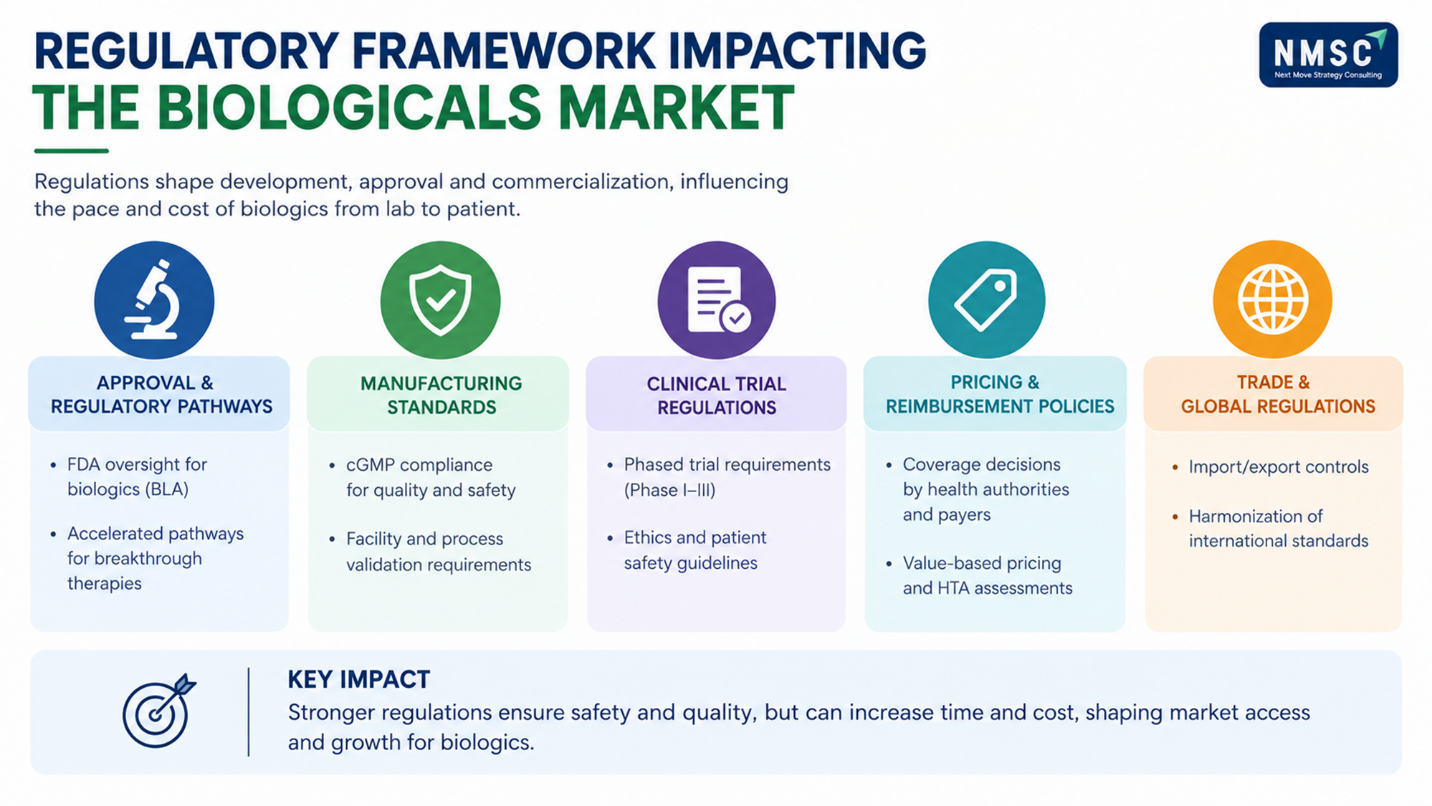
The regulatory framework for the market is centered on government funding, manufacturing incentives, GMP compliance, and stringent approval pathways that ensure product quality, safety, and efficacy. Regulatory agencies also emphasize post-market surveillance, compliance audits, and biosimilar development while supporting digital quality monitoring. Additionally, evolving trade regulations and tariffs continue to influence global biologics manufacturing, cross-border supply chains, and market accessibility.
|
Factors |
Type |
(+/−) % Impact on CAGR |
Geographic Relevance |
Impact Timeline |
|
Rising chronic disease and cancer prevalence expanding treatment demand |
Driver |
+2.4% |
Global |
2026–2035 |
|
Expanding FDA and EMA approval activity for novel modalities |
Driver |
+1.9% |
North America, Europe |
2026–2035 |
|
Accelerating nucleic acid therapeutics and cell and gene therapy pipelines |
Driver |
+1.6% |
North America, Europe |
2026–2035 |
|
Growing biosimilar approval and adoption reducing treatment cost barriers |
Driver |
+1.3% |
Global |
2026–2035 |
|
Expanding biologics manufacturing capacity investment |
Driver |
+1.0% |
North America, Asia-Pacific |
2026–2032 |
|
Rising government and public health program funding for biologics access |
Driver |
+0.8% |
Asia-Pacific, Middle East & Africa |
2026–2035 |
|
High biologics development and manufacturing cost |
Restraint |
−1.1% |
Global |
2026–2035 |
|
Complex cold-chain and distribution requirements |
Restraint |
−0.7% |
Asia-Pacific, Middle East & Africa |
2026–2032 |
|
Patent cliffs and biosimilar erosion pressuring innovator revenue |
Restraint |
−0.6% |
North America, Europe |
2028–2035 |
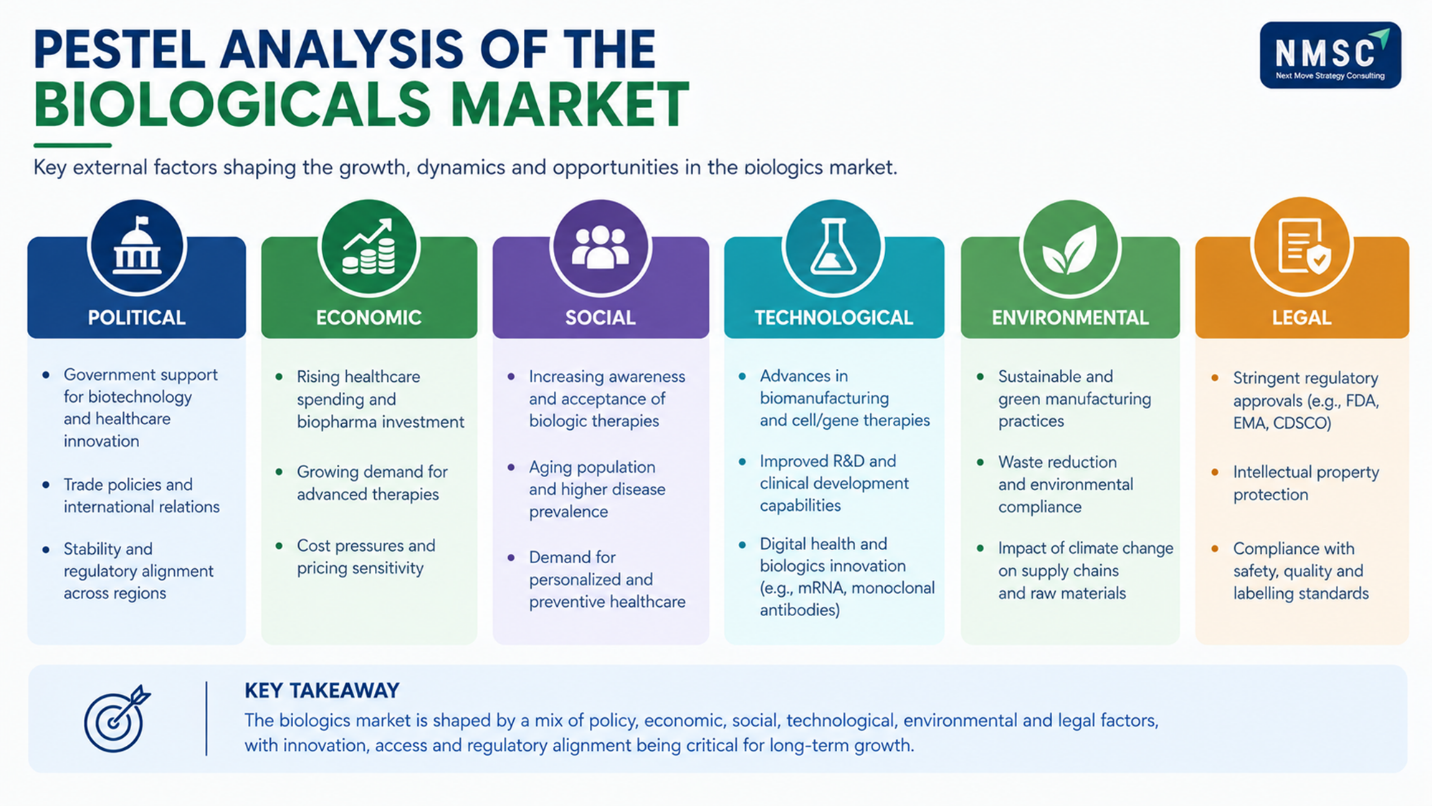
Rising chronic disease and cancer prevalence is the primary driver of the market. The U.S. Food and Drug Administration has approved more than 400 biologics to date, including monoclonal antibodies, mRNA therapeutics, and bispecific antibodies, reflecting sustained regulatory approval activity across therapeutic areas. We observed that this expanding approved-product base, reinforced by growing oncology and immunology treatment demand, continues to anchor baseline demand for both innovator and biosimilar biologics across developed and emerging markets.
Expanding approval activity for novel modalities, including mRNA therapeutics and cell and gene therapies, is accelerating market growth beyond traditional monoclonal antibody and recombinant protein categories. Our assessment indicates that Moderna's seasonal influenza mRNA vaccine candidate secured FDA advisory committee backing ahead of its August 2026 target action date, illustrating continued regulatory momentum for novel biologic platforms. This regulatory activity is compressing commercialization timelines for next-generation biologics across major markets.
High development and manufacturing costs, combined with complex cold-chain distribution requirements, restrain broader biologics adoption in cost-constrained healthcare systems. The U.S. Food and Drug Administration continues to require extensive clinical and manufacturing data for biologics approval, adding development timeline and cost burden for smaller developers. We found that emerging-market health systems face particular exposure, as distribution infrastructure and reimbursement capacity limit access to high-cost innovator biologics compared with established markets.
|
Segment |
2025 (USD) |
2035 (USD) |
CAGR% (2026–2035) |
|
Monoclonal Antibodies |
USD 311.2 Billion |
USD 830.6 Billion |
10.3% |
|
Recombinant Proteins |
USD 103.7 Billion |
USD 268.0 Billion |
9.9% |
|
Vaccines |
USD 77.8 Billion |
USD 210.0 Billion |
10.5% |
|
Plasma Derived Therapies |
USD 51.9 Billion |
USD 140.0 Billion |
10.5% |
|
Cell Therapies |
USD 25.9 Billion |
USD 130.0 Billion |
18.3% |
|
Gene Therapies |
USD 19.5 Billion |
USD 105.0 Billion |
19.3% |
|
Nucleic Acid Therapeutics |
USD 32.4 Billion |
USD 200.0 Billion |
21.1% |
|
Live Biotherapeutics |
USD 13.0 Billion |
USD 38.0 Billion |
12.6% |
|
Other Biologics |
USD 13.0 Billion |
USD 30.0 Billion |
9.6% |
|
Total |
USD 648.4 Billion |
USD 1,951.6 Billion |
11.8% |
Monoclonal Antibodies led the market with USD 311.2 billion in 2025, supported by broad oncology, immunology, and infectious disease applications and an extensive base of approved franchises. We observed that Nucleic Acid Therapeutics is the fastest-growing modality, expanding at a 21.1% CAGR from 2026 to 2035, as mRNA and RNA interference platforms scale from infectious disease vaccines into oncology, rare disease, and autoimmune applications.
|
Segment |
2025 (USD) |
2035 (USD) |
CAGR% (2026–2035) |
|
Innovator Biologics |
USD 479.8 Billion |
USD 1,181.6 Billion |
9.2% |
|
Biosimilar Biologics |
USD 142.6 Billion |
USD 650.0 Billion |
17.1% |
|
Biobetter Biologics |
USD 26.0 Billion |
USD 120.0 Billion |
17.2% |
|
Total |
USD 648.4 Billion |
USD 1,951.6 Billion |
11.8% |
Innovator Biologics remained the leading origin type, valued at USD 479.8 billion in 2025, reflecting sustained branded-product revenue across established monoclonal antibody and vaccine franchises. Our findings suggest that Biosimilar Biologics is the fastest-growing origin type, registering a 17.1% CAGR from 2026 to 2035, as expanding biosimilar approval activity and payer-driven substitution accelerate adoption of lower-cost alternatives to major off-patent biologics.
|
Segment |
2025 (USD) |
2035 (USD) |
CAGR% (2026–2035) |
|
Direct Sales |
USD 116.7 Billion |
USD 350.0 Billion |
13.0% |
|
Pharmaceutical Wholesalers |
USD 246.4 Billion |
USD 680.0 Billion |
10.7% |
|
Specialty Pharmacy Networks |
USD 181.6 Billion |
USD 650.0 Billion |
14.0% |
|
Retail Pharmacy Networks |
USD 38.9 Billion |
USD 91.6 Billion |
9.2% |
|
Public Procurement and Tenders |
USD 64.8 Billion |
USD 180.0 Billion |
11.2% |
|
Total |
USD 648.4 Billion |
USD 1,951.6 Billion |
11.8% |
Pharmaceutical Wholesalers remained the leading distribution channel, valued at USD 246.4 billion in 2025, as wholesalers continue to serve as the primary supply route for hospital-administered biologics. Based on research conducted by Next Move Strategy Consulting, we found that Specialty Pharmacy Networks is the fastest-growing channel, registering a 14.0% CAGR from 2026 to 2035, as complex biologics increasingly require specialized handling, patient support, and reimbursement navigation beyond standard wholesale distribution.
Our analysis shows that three forward-looking opportunities stand out for stakeholders positioning within the biologicals market over the 2026–2035 forecast period.
Multi-modality mRNA platforms present a whitespace opportunity for manufacturers extending infectious disease vaccine infrastructure into oncology and rare disease applications. Suppliers that commercialize in vivo CAR-T and neoantigen-specific therapies stand to capture recurring platform licensing and manufacturing revenue as pharmaceutical partners seek validated mRNA delivery expertise across the Nucleic Acid Therapeutics segment.
Expanding biosimilar approval activity across major monoclonal antibody franchises represents an underpenetrated opportunity for manufacturers building dedicated biosimilar production capacity. Manufacturers that secure early biosimilar approvals for high-volume off-patent biologics can capture recurring payer-driven substitution revenue as health systems prioritize cost containment across the Biosimilar Biologics segment.
Personalized cell and gene therapy manufacturing, including patient-specific neoantigen and CAR-T platforms, creates an opportunity for developers offering flexible, small-batch production capability. Early movers that scale individualized manufacturing infrastructure can differentiate with oncology-focused health systems pursuing next-generation personalized treatment across the Cell Therapies and Gene Therapies segments.
The biologicals market supply chain begins with sourcing critical raw materials such as cell culture media, growth factors, biological reagents, and specialty enzymes, followed by bioprocess development and scalable manufacturing using advanced bioprocessing equipment under stringent GMP and quality standards. Downstream activities focus on cold chain logistics, specialized pharmaceutical distribution, delivery to hospitals and biotechnology companies, and comprehensive post-market pharmacovigilance to ensure product safety, efficacy, and regulatory compliance throughout the product lifecycle.
|
Region |
2025 (USD) |
2035 (USD) |
CAGR% (2026–2035) |
Key Driver |
|
North America |
USD 280.0 Billion |
USD 816.6 Billion |
11.2% |
Established biotech infrastructure and expansive FDA approval activity |
|
Europe |
USD 155.0 Billion |
USD 430.0 Billion |
10.8% |
EMA regulatory harmonization and expanding biosimilar adoption |
|
Asia-Pacific |
USD 155.0 Billion |
USD 520.0 Billion |
13.2% |
Expanding biologics manufacturing capacity and rising healthcare investment |
|
Middle East & Africa |
USD 33.4 Billion |
USD 100.0 Billion |
11.8% |
Vision 2030-linked healthcare investment and expanding access programs |
|
Latin America |
USD 25.0 Billion |
USD 85.0 Billion |
13.3% |
Growing chronic disease burden and expanding organized healthcare infrastructure |
|
Total |
USD 648.4 Billion |
USD 1,951.6 Billion |
11.8% |
— |
North America leads the market with an established biotechnology infrastructure and expansive U.S. Food and Drug Administration approval activity spanning monoclonal antibodies, mRNA therapeutics, and cell and gene therapies. We observed that leading manufacturers headquartered in the region continue to expand domestic manufacturing capacity to serve growing biologics demand. Technology adoption remains advanced, with nucleic acid therapeutics and personalized cell therapy platforms gaining share among oncology-focused health systems.
Europe's market reflects a mature, regulation-harmonized landscape shaped by the European Medicines Agency's centralized approval framework. Our findings suggest that manufacturers across Germany, the UK, and France are accelerating biosimilar adoption to manage rising healthcare system biologics spend. Technology adoption favors established monoclonal antibody and recombinant protein platforms, supported by expanding biosimilar manufacturing capacity across the region.
Asia-Pacific is the fastest-growing market region, propelled by expanding biologics manufacturing capacity in China and India alongside rising healthcare investment. We found that regulatory frameworks remain less harmonized than in North America, giving manufacturers flexibility to scale biosimilar and innovator product lines rapidly. Technology adoption is accelerating as regional manufacturers expand contract development and manufacturing capabilities to serve growing domestic and export demand.
The market in Middle East & Africa is expanding as Gulf Cooperation Council economies invest in healthcare infrastructure and expand biologics access programs. Our analysis shows that Saudi Arabia and the UAE are attracting institutional procurement tied to Vision 2030-linked health investment. Regulatory influence remains moderate, while technology adoption is gradually shifting toward imported innovator and biosimilar products as regional health systems align with global treatment standards.
Latin America's biologicals market is supported by a growing chronic disease burden in Brazil and Argentina and expanding organized healthcare infrastructure. We observed that regulatory frameworks are less stringent than in North America or Europe, though multinational manufacturers operating locally are introducing biosimilar product lines. Technology adoption remains centered on established monoclonal antibody therapies, with competitive intensity increasing as regional distributors partner with global manufacturers.
Based on our estimates, the U.S. market was valued at approximately USD 210.0 billion in 2025 and is projected to reach USD 560.0 billion by 2035, growing at a 10.3% CAGR. Demand is anchored by an established biotechnology ecosystem, extensive FDA approval activity, and broad payer coverage for biologics. Technology penetration favors monoclonal antibodies and emerging nucleic acid therapeutics, and competitive intensity remains high among established manufacturers headquartered in the country.
The market in Canada, the Canada's market was valued at approximately USD 45.0 billion in 2025 and is projected to reach USD 130.0 billion by 2035, growing at a 11.2% CAGR. Demand structure mirrors U.S. treatment patterns, while Health Canada guidance shapes biologics and biosimilar approval requirements. Technology penetration is rising as provincial health systems expand biosimilar formularies, with competitive intensity moderate given reliance on cross-border supply from U.S. and European manufacturers.
As per our estimate, the UK's market was valued at approximately USD 48.0 billion in 2025 and is projected to reach USD 128.0 billion by 2035, growing at a 10.3% CAGR. Demand is driven by National Health Service biosimilar substitution policies and expanding oncology treatment access. Regulatory influence is significant, technology penetration favors established monoclonal antibody platforms, and competitive intensity remains steady among global manufacturers serving NHS procurement.
According to our analysis, the Germany's market was valued at approximately USD 52.0 billion in 2025 and is projected to reach USD 140.0 billion by 2035, growing at a 10.4% CAGR. Demand structure benefits from a strong domestic pharmaceutical manufacturing base and structured biosimilar reimbursement policy. Germany's regulatory framework under the European Medicines Agency drives approval consistency, while technology penetration favors both innovator and biosimilar monoclonal antibody platforms among leading manufacturers.
Based on our estimates, the France's market was valued at approximately USD 38.0 billion in 2025 and is projected to reach USD 100.0 billion by 2035, growing at a 10.2% CAGR. Demand is supported by France's national health insurance biosimilar substitution incentives and expanding oncology treatment protocols. Regulatory influence from EMA harmonization is notable, and competitive intensity remains high given the concentration of global manufacturers serving French health system procurement.
The market in China, the China's market was valued at approximately USD 58.0 billion in 2025 and is projected to reach USD 220.0 billion by 2035, growing at a 14.3% CAGR. Demand is fueled by expanding domestic biologics manufacturing capacity and rising healthcare investment under national health reform initiatives. Regulatory influence is increasing gradually, technology penetration is accelerating through domestic biosimilar production upgrades, and competitive intensity remains elevated among numerous China-based manufacturers.
As per our estimate, the India's market was valued at approximately USD 22.0 billion in 2025 and is projected to reach USD 95.0 billion by 2035, growing at a 17.6% CAGR. Demand structure reflects India's position as a major biosimilar manufacturing hub and expanding domestic healthcare access, the fastest-growing country in the report. Regulatory influence remains developing, while technology penetration is rising quickly as manufacturers localize production to serve India's growing biosimilar export and domestic base.
According to our analysis, the Japan's market was valued at approximately USD 42.0 billion in 2025 and is projected to reach USD 115.0 billion by 2035, growing at a 10.6% CAGR. Demand is supported by Japan's established pharmaceutical regulatory framework and aging population driving chronic disease treatment demand. Regulatory influence is well established, technology penetration is advanced, and competitive intensity remains high among long-standing domestic and multinational manufacturers serving replacement demand.
Based on our estimates, the South Korea's market was valued at approximately USD 18.0 billion in 2025 and is projected to reach USD 58.0 billion by 2035, growing at a 12.4% CAGR. Demand structure benefits from the country's expanding biosimilar manufacturing sector and government healthcare innovation incentives. Technology penetration is high, with domestic manufacturers supplying biosimilar monoclonal antibodies globally, and competitive intensity remains pronounced amid rapid capacity expansion.
The biologicals market in Australia, the Australia's market was valued at approximately USD 12.0 billion in 2025 and is projected to reach USD 32.0 billion by 2035, growing at a 10.3% CAGR. Demand is supported by the Pharmaceutical Benefits Scheme's biologics reimbursement coverage and growing oncology treatment adoption. Regulatory influence stems from national therapeutic goods guidance, while technology penetration favors imported innovator and biosimilar systems amid moderate competitive intensity.
As per our estimate, the UAE's market was valued at approximately USD 8.0 billion in 2025 and is projected to reach USD 24.0 billion by 2035, growing at a 11.6% CAGR. Demand structure is emerging alongside public health investment tied to national diversification strategy. Regulatory influence remains moderate, technology penetration is gradually improving, and competitive intensity is limited given reliance on imported biologics from Europe and North America.
Based on our estimates, the Saudi Arabia's market was valued at approximately USD 10.0 billion in 2025 and is projected to reach USD 29.0 billion by 2035, growing at a 11.2% CAGR. Demand is underpinned by Vision 2030-linked healthcare infrastructure investment and expanding national health insurance coverage. Regulatory influence stems from evolving national health guidance, technology penetration favors imported innovator biologics, and competitive intensity remains moderate among regional distributors.
The market in South Africa, the South Africa's market was valued at approximately USD 6.0 billion in 2025 and is projected to reach USD 15.0 billion by 2035, growing at a 9.6% CAGR. Demand structure is supported by growing public health procurement and gradual expansion of biologics access in urban healthcare centers. Regulatory influence remains limited, technology penetration is modest, and competitive intensity is centered on a small number of regional distributors.
The market in Brazil, the Brazil's market was valued at approximately USD 15.0 billion in 2025 and is projected to reach USD 58.0 billion by 2035, growing at a 14.5% CAGR. Demand is underpinned by Brazil's expanding public health system biologics procurement and growing oncology treatment access. Regulatory influence stems from national health surveillance guidance, technology penetration favors biosimilar monoclonal antibodies, and competitive intensity remains moderate among regional distributors.
As per our estimate, the Argentina's market was valued at approximately USD 6.0 billion in 2025 and is projected to reach USD 17.0 billion by 2035, growing at a 11.0% CAGR. Demand structure is supported by steady biologics consumption despite macroeconomic volatility. Regulatory influence remains limited, technology penetration is modest, and competitive intensity is centered on a small number of regional distributors serving domestic health systems.
We observed that the biologicals market features a highly consolidated competitive landscape, with large-cap pharmaceutical and biotechnology groups competing on modality breadth, regulatory approval track record, and global commercial infrastructure.
|
Key Takeaways |
|
Market Structure Highly consolidated; the top companies profiled in this report collectively account for a majority of global biologicals market revenue, supported by extensive approved-product portfolios and global commercial infrastructure. |
|
Innovation Focus Multi-modality platform expansion, including mRNA beyond vaccines, in vivo gene editing, and personalized cell therapy, dominates current innovation pipelines across leading manufacturers. |
|
M&A Activity Selective platform and pipeline acquisitions continue, exemplified by collaborative development agreements between large pharmaceutical companies and specialized biotechnology innovators to access novel modality platforms. |
Companies compete primarily on regulatory approval track record, modality breadth, and global commercial and manufacturing infrastructure across the industry. Global players such as Roche Holding AG and Johnson & Johnson leverage broad monoclonal antibody and vaccine portfolios to serve diverse therapeutic areas, while specialized innovators such as Moderna, Inc. and BioNTech SE compete on platform depth in nucleic acid therapeutics and personalized medicine.
Two archetypes dominate the market: diversified large-cap pharmaceutical groups offering broad multi-modality portfolios across therapeutic areas, and platform-focused biotechnology innovators concentrated in a single modality. Pfizer Inc. and Novartis AG exemplify the diversified archetype through broad monoclonal antibody, vaccine, and gene therapy portfolios, while Regeneron Pharmaceuticals, Inc. and Moderna, Inc. exemplify the platform-focused archetype built around antibody discovery and mRNA technology respectively.
Innovation and differentiation strategy increasingly center on multi-modality platform expansion and personalized medicine capability. Moderna's extension of its mRNA platform into in vivo CAR-T and T-cell engager programs, alongside BioNTech's individualized neoantigen therapy developed with Roche, illustrate how established and emerging manufacturers are positioning platform breadth as a competitive differentiator. Our analysis shows that manufacturers unable to demonstrate credible next-generation modality pipelines risk losing long-term specification share to platform-diversified competitors.
Mergers, acquisitions, and collaborative development agreements continue to shape modality access within the industry. Collaborative agreements, including BioNTech's joint development of autogene cevumeran with Roche and Moderna's co-development of intismeran autogene with Merck & Co., Inc., illustrate how manufacturers are pooling platform and commercial capabilities. Amgen Inc.'s USD 900 million Ohio manufacturing investment in June 2025 further reflects continued capacity expansion activity across the sector.
Our assessment indicates that the following 20 companies are actively shaping product innovation, modality expansion, and regulatory approval activity within the global biologicals market.
AbbVie Inc.
Merck & Co., Inc.
Pfizer Inc.
Sanofi S.A.
Novo Nordisk A/S
Eli Lilly and Company
AstraZeneca PLC
Amgen Inc.
Novartis AG
Bristol Myers Squibb Company
CSL Limited
Takeda Pharmaceutical Company Limited
Regeneron Pharmaceuticals, Inc.
Biogen Inc.
Gilead Sciences, Inc.
Moderna, Inc.
BioNTech SE
Moderna, Inc.
BioNTech SE
We found that recent developments within the biologicals market are concentrated on manufacturing capacity expansion and multi-modality platform progress, reflecting the industry's broader innovation trajectory.
|
Date |
Event |
|
June 2026 |
Moderna, Inc. held its Science Day, highlighting mRNA platform expansion into in vivo CAR-T therapy and T-cell engager programs for autoimmune and oncology applications. |
"We are facing a time of significant challenges and market dynamics. To respond to the surging demand for biologics, we began operations at Plant 5, the first facility of our second Bio Campus. With three additional plants planned, the full campus is on track for completion by 2032."
— John Rim, President & CEO, Samsung Biologics
Statement published in the 2025 CEO Message, where John Rim discussed the evolving global biologics industry, increasing market demand for biologic medicines, and Samsung Biologics' long-term investments in expanding biomanufacturing capacity through its second Bio Campus.
The statement highlights the accelerating global demand for biologic medicines, including monoclonal antibodies, recombinant proteins, and other advanced biologics, which is driving significant investments in manufacturing infrastructure. The expansion of large-scale biomanufacturing facilities reflects the industry's focus on strengthening production capacity, improving supply chain resilience, and supporting the commercialization of an expanding biologics pipeline. This trend underscores the growing importance of contract development and manufacturing organizations (CDMOs) in meeting future global demand for biological therapies.
Capital inflows into the biologicals market are increasingly directed toward nucleic acid therapeutics, cell and gene therapy, and biosimilar manufacturing capacity. Strategic collaborations, such as Moderna's oncology co-development with Merck & Co., Inc. and BioNTech's joint program with Roche Holding AG, continue to pool platform and commercial capital. We observed that investors favor manufacturers demonstrating validated regulatory approval pathways, viewing FDA and EMA engagement as a proxy for long-term commercial viability.
Infrastructure investment is expanding dedicated biologics production capacity across North America and Asia-Pacific to serve rising monoclonal antibody, cell therapy, and mRNA manufacturing demand. Our findings suggest that Amgen Inc.'s USD 900 million Ohio site investment exemplifies continued domestic capacity expansion aimed at supply chain resilience. Manufacturers are increasingly investing in flexible, multi-modality facilities capable of supporting several biologic platforms simultaneously.
Environmental, social, and governance considerations are central to investment decisions across the industry, with equitable biologics access and manufacturing sustainability as key criteria. The World Health Organization continues to track global biologics access disparities that inform manufacturer disclosure practices. We found that investors increasingly favor manufacturers with structured access and tiered-pricing programs for lower-income markets, treating it as a governance indicator alongside regulatory compliance.
Enterprise and industry leaders gain access to validated segmentation, competitive benchmarking, and regional demand forecasts that support portfolio and pipeline decisions across the biologicals industry. Our analysis shows that detailed product modality, origin type, and distribution channel breakdowns help strategy teams align investment with payer and regulatory requirements while identifying underserved therapeutic area segments for portfolio expansion.
Investors and financial analysts benefit from consistent, single-point market size and CAGR estimates that support valuation and capital-allocation decisions across the biologicals market supply chain. We observed that the report's regional and segment-level growth differentials help identify which manufacturers are best positioned to capture above-market growth in nucleic acid therapeutics and biosimilar categories through 2035.
Technology vendors and product teams gain insight into emerging platform requirements, including multi-modality mRNA expansion, in vivo gene editing, and personalized manufacturing, that are reshaping the industry. Our findings suggest that this analysis helps R&D teams prioritize development roadmaps around regulatory approval pathways and manufacturing scalability that are increasingly required by payer and health system evaluation processes.
Monoclonal Antibodies
Naked Monoclonal Antibodies
Conjugated Monoclonal Antibodies
Bispecific and Multispecific Antibodies
Antibody Fragments
Recombinant Proteins
Hormones and Peptides
Growth Factors and Cytokines
Therapeutic Enzymes
Fusion Proteins
Blood Factors and Coagulation Proteins
Vaccines
Prophylactic Vaccines
Therapeutic Vaccines
Plasma Derived Therapies
Immunoglobulins
Coagulation Factors
Albumin
Other Plasma Proteins
Cell Therapies
Autologous Cell Therapies
Allogeneic Cell Therapies
Gene Therapies
Viral Vector Gene Therapies
Non-Viral Gene Therapies
Nucleic Acid Therapeutics
Messenger RNA Therapeutics
Small Interfering RNA Therapeutics
Antisense Oligonucleotide Therapeutics
Aptamers
Other Nucleic Acid Therapeutics
Live Biotherapeutics
Other Biologic
Innovator Biologics
Biosimilar Biologics
Biobetter Biologics
Oncology and Hematology
Immunology and Autoimmune Diseases
Infectious Diseases
Endocrine and Metabolic Diseases
Neurology and Central Nervous System Disorders
Cardiovascular Diseases
Ophthalmology
Respiratory Diseases
Gastroenterology
Dermatology
Rare and Orphan Diseases
Other Therapeutic Areas
Direct Sales
Pharmaceutical Wholesalers
Specialty Pharmacy Networks
Retail Pharmacy Networks
Public Procurement and Tenders
Hospitals and Health Systems
Specialty Clinics and Infusion Centers
Retail and Specialty Pharmacies
Government and Public Health Programs
Patients and Direct Consumers
North America: U.S., Canada, Mexico.
Europe: UK, Germany, France, Italy, Spain, Sweden, Denmark, Finland, Netherlands, Rest of Europe.
Asia-Pacific: China, India, Japan, South Korea, Taiwan, Indonesia, Vietnam, Australia, Philippines, Malaysia, Rest of APAC.
Middle East & Africa: Saudi Arabia, UAE, Egypt, Israel, Turkey, Nigeria, South Africa, Rest of MEA.
Latin America: Brazil, Argentina, Chile, Colombia, Rest of LATAM.
The long-term outlook for the market remains strongly positive, with global revenue projected to roughly triple from USD 648.4 billion in 2025 to USD 1,951.6 billion by 2035 at an 11.8% CAGR. We observed that sustained regulatory approval activity, expanding nucleic acid therapeutics and cell and gene therapy pipelines, and accelerating biosimilar adoption will continue underpinning demand across oncology, immunology, and infectious disease applications through the forecast period.
Suppliers should prioritize multi-modality platform investment while pursuing biosimilar and biobetter lifecycle strategies to defend against patent cliff erosion. Our assessment indicates that manufacturers investing early in nucleic acid therapeutics and personalized cell therapy manufacturing capability will be best positioned to capture premium specification within the biologicals market.
The biologicals industry presents a highly attractive investment case, supported by a USD 1,236.8 billion absolute dollar opportunity between 2026 and 2035 and above-average growth in Asia-Pacific and nucleic acid therapeutics categories. We found that investment attractiveness is highest for manufacturers combining validated regulatory approval track records with diversified modality platforms, positioning them to serve both innovator and biosimilar segments simultaneously.
Stakeholders should monitor patent cliff exposure, biosimilar erosion timelines, and rising development costs as key risks to the biologicals market. Our analysis shows that manufacturers unable to diversify beyond single-modality franchises risk losing revenue share to platform-diversified competitors, particularly as biosimilar approval activity accelerates across major markets through the forecast period.
Key growth pathways include expanding nucleic acid therapeutics and cell and gene therapy pipelines, scaling biosimilar manufacturing capacity, and deepening penetration into specialty pharmacy and public procurement channels. Next Move Strategy Consulting's analysis indicates that suppliers pursuing these pathways while maintaining commercial strength in core monoclonal antibody franchises will be best positioned to capture the biologicals market's projected growth through 2035.