Biopharmaceuticals Market Size, Share, Trends and Growth Analysis, By Biologic Therapeutics (Antibodies, Proteins and Peptides, Plasma-Derived Therapeutics, Vaccines, Biosimilars, Cell Therapies, Gene Therapies, RNA Therapeutics, and Other Biopharmaceuticals), By Therapeutic Area, By Administration Route, By End User (Hospitals and Health Systems, Specialty Clinics, Infusion Centres, Home Care Settings, and Others), and Region – Global Industry Report and Forecast, 2026–2035
Industry: Healthcare | Publishing Date: July 29, 2026 | Last Updated: September 30, 2026 | No of Pages: N/A | No. of Tables: N/A | No. of Figures: N/A | Format: PDF | Report Code: HC5455
What Is the Biopharmaceuticals Market Size?
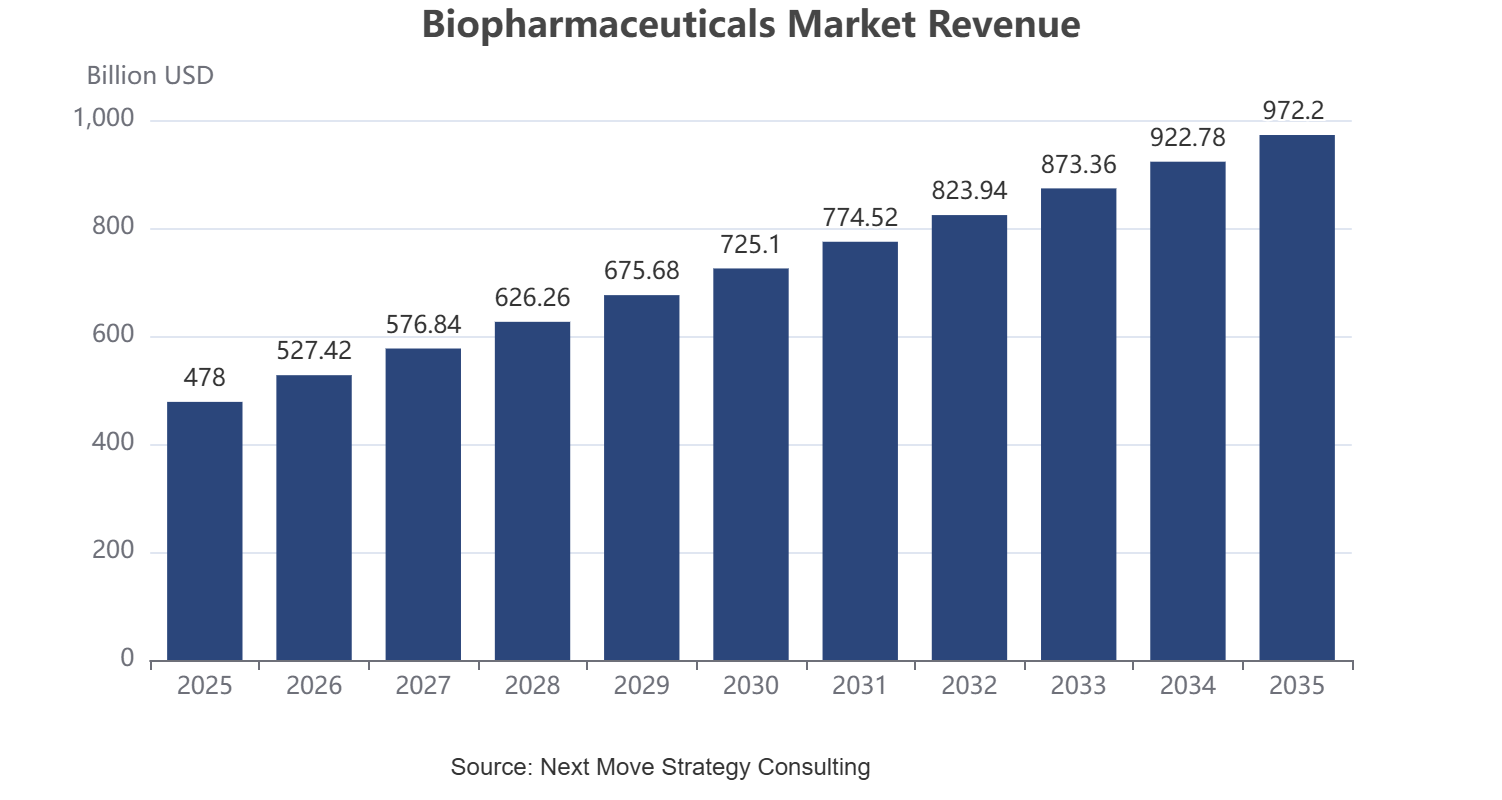
The global biopharmaceuticals market size was valued at USD 478 billion in 2025 and is estimated at USD 520 billion in 2026, forecast to reach USD 972.2 billion by 2035, expanding at a 7.2% CAGR between 2026 and 2035. North America leads with approximately 46% share, while antibodies dominate all other biologic therapeutics with approximately 44% share.
We observed that growth is broad-based across every segmentation axis, with RNA therapeutics platform expansion and rare disease gene therapy adoption driving the dominant structural shifts through 2035.
|
Key Takeaways |
|
By Biologic Therapeutics: Antibodies held the largest share of approximately 44% (USD 210.32 billion) in 2025; RNA Therapeutics is the fastest-growing sub-segment at 13.9% CAGR from 2026–2035. |
|
By Therapeutic Area: Oncology held the largest share of approximately 28% (USD 133.84 billion) in 2025; Rare Disease is the fastest-growing sub-segment at 11.9% CAGR from 2026–2035. |
|
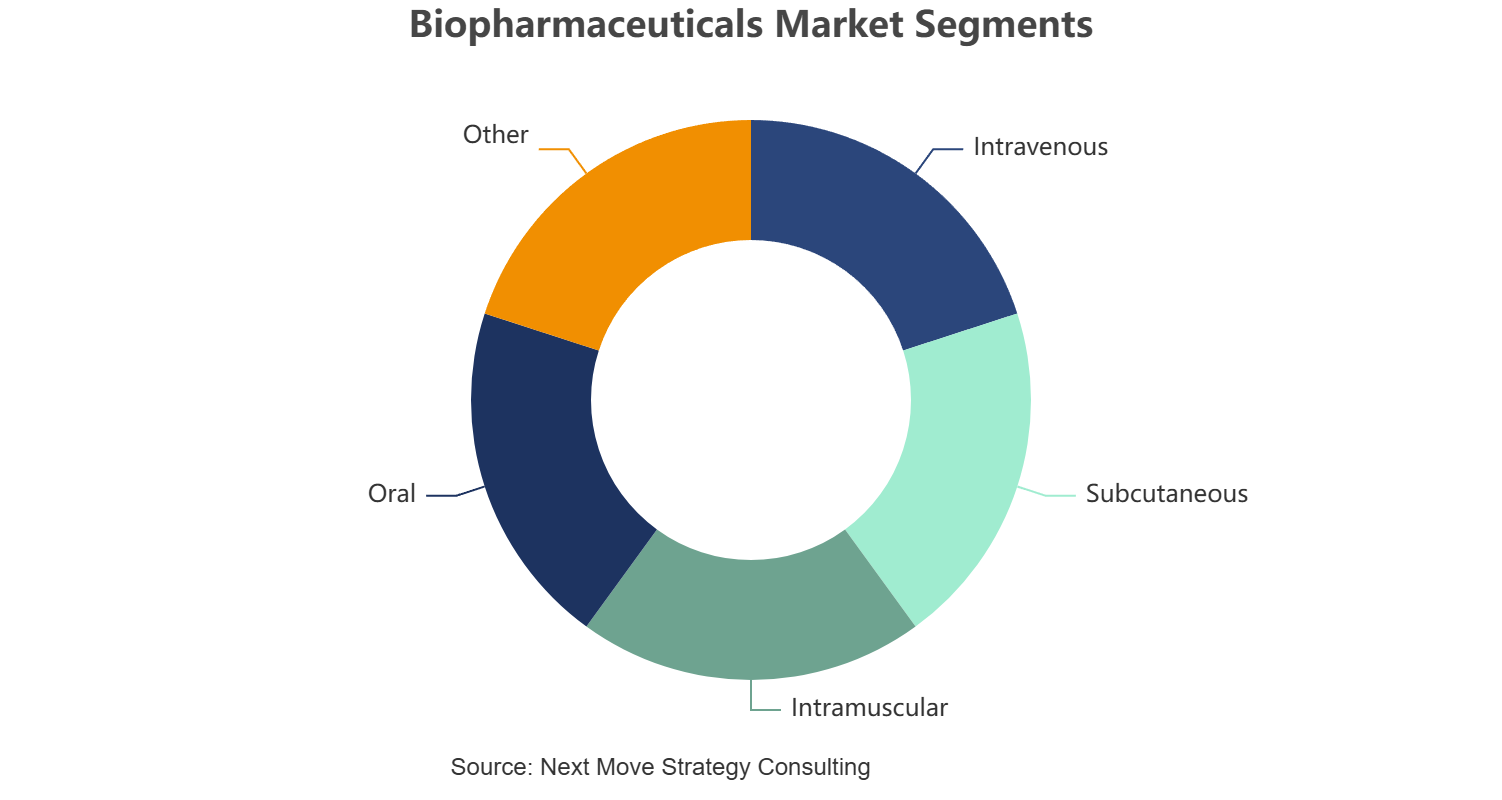
By Administration Route: Intravenous held the largest share of approximately 48% (USD 229.44 billion) in 2025; Subcutaneous is the fastest-growing sub-segment at 9.1% CAGR from 2026–2035. |
|
By End User: Hospitals and Health Systems held the largest share of approximately 42% (USD 200.76 billion) in 2025; Home Care Settings is the fastest-growing sub-segment at 10.6% CAGR from 2026–2035. |
|
Dominant Region: North America dominated with approximately 46% revenue share (USD 219.88 billion) in 2025. |
|
Fastest-Growing Region: Asia-Pacific is expected to register the highest CAGR of 9.5% during 2026–2035. |
|
Dominant Country: U.S. led with approximately USD 189.10 billion in 2025. |
|
Fastest-Growing Country: India is the fastest-growing country at approximately 13.5% CAGR from 2026–2035. |
Market Opportunity: The biopharmaceuticals market is expected to create an absolute dollar opportunity of USD 452.2 billion between 2026 and 2035, presenting significant investment potential across the RNA therapeutics and cell and gene therapy value chain.
According to Next Move Strategy Consulting analysis, manufacturers are increasingly prioritizing subcutaneous reformulations of established intravenous biologics to extend patent life and improve patient convenience, a shift that favors companies with proven formulation and drug delivery device capability over those relying solely on originator intravenous franchises as biosimilar competition intensifies through 2035.
What Does the Biopharmaceuticals Market Encompass?
The biopharmaceuticals market encompasses antibodies, proteins and peptides, plasma-derived therapeutics, vaccines, biosimilars, cell therapies, gene therapies, and RNA therapeutics manufactured using living cells, bacteria, or yeast through biotechnological processes rather than chemical synthesis. Our assessment indicates that the scope spans intravenous, subcutaneous, intramuscular, and oral administration routes across oncology, immunology, metabolic, infectious disease, and rare disease therapeutic areas delivered to hospitals, specialty clinics, infusion centers, home care settings, and research institutions worldwide.
Regulatory frameworks such as the U.S. FDA's Biologics License Application pathway and the European Medicines Agency's centralized biologics approval process increasingly shape development and commercialization timelines across the industry. We observed that technology adoption is shifting from conventional monoclonal antibody platforms toward RNA therapeutics and gene editing approaches capable of addressing previously undruggable targets. Next Move Strategy Consulting's analysis indicates that this structural shift, combined with expanding biosimilar competition, is redefining commercial strategy across the biopharmaceuticals market.
|
Parameters |
Details |
|
Market Size in 2025 |
USD 478 Billion |
|
Market Size in 2026 |
USD 520 Billion |
|
Revenue Forecast in 2035 |
USD 972.2 Billion |
|
Growth Rate |
CAGR of 7.2% from 2026 to 2035 |
|
Analysis Period |
2025–2035 |
|
Base Year Considered |
2025 |
|
Forecast Period |
2026–2035 |
|
Market Size Estimation |
Revenue (USD Billion) |
|
Companies Profiled |
20 |
|
Countries Covered |
33 |
|
Market Share |
Available for Top 10 Companies |
Key Emerging Trends
Based on research conducted by Next Move Strategy Consulting, we found that four structural trends are reshaping product development, patient access, and stakeholder engagement across the industry.
How Is GLP-1 Class Expansion Transforming Metabolic Biologics Demand?
GLP-1 receptor agonist expansion is transforming metabolic biologics demand as manufacturers pursue indications beyond diabetes into obesity and cardiovascular risk reduction. We observed that Novo Nordisk A/S and Eli Lilly and Company continue to expand manufacturing capacity for their respective GLP-1 franchises to address sustained global demand. Patients and physicians increasingly favor these injectable biologics over older small-molecule metabolic therapies given their demonstrated weight management and cardiovascular outcome benefits.
Why Is Subcutaneous Reformulation Becoming a Core Lifecycle Management Strategy?
Subcutaneous reformulation is becoming a core lifecycle management strategy as originator companies seek to extend commercial differentiation ahead of biosimilar entry. Our findings suggest that Roche Holding AG and Johnson & Johnson continue to expand subcutaneous versions of established intravenous oncology and immunology biologics. Patients increasingly favor these self-administered or shorter-infusion formulations over traditional hospital-based intravenous administration, reducing treatment burden and site-of-care costs.
How Is Biosimilar Competition Reshaping Originator Pricing Strategy?
Biosimilar competition is reshaping originator pricing strategy as patent expirations open established antibody and protein franchises to competitive entry. We observed that AbbVie Inc. has navigated significant biosimilar erosion following the loss of exclusivity for its leading immunology antibody franchise. This trend is elevating demand for next-generation, differentiated biologics and combination therapies among originator companies seeking to offset revenue pressure from biosimilar competition.
What Role Does RNA Therapeutics Platform Expansion Play in Pipeline Innovation?
RNA therapeutics platform expansion is emerging as a critical innovation pathway following the commercial and clinical validation achieved during global vaccination campaigns. Our analysis shows that companies are increasingly applying mRNA and antisense oligonucleotide platforms beyond infectious disease into oncology and rare disease indications. This direction is exemplified by manufacturers building dedicated RNA therapeutics development and manufacturing capability distinct from traditional antibody and protein production infrastructure.
Supply Chain Structure of the Biopharmaceuticals Market
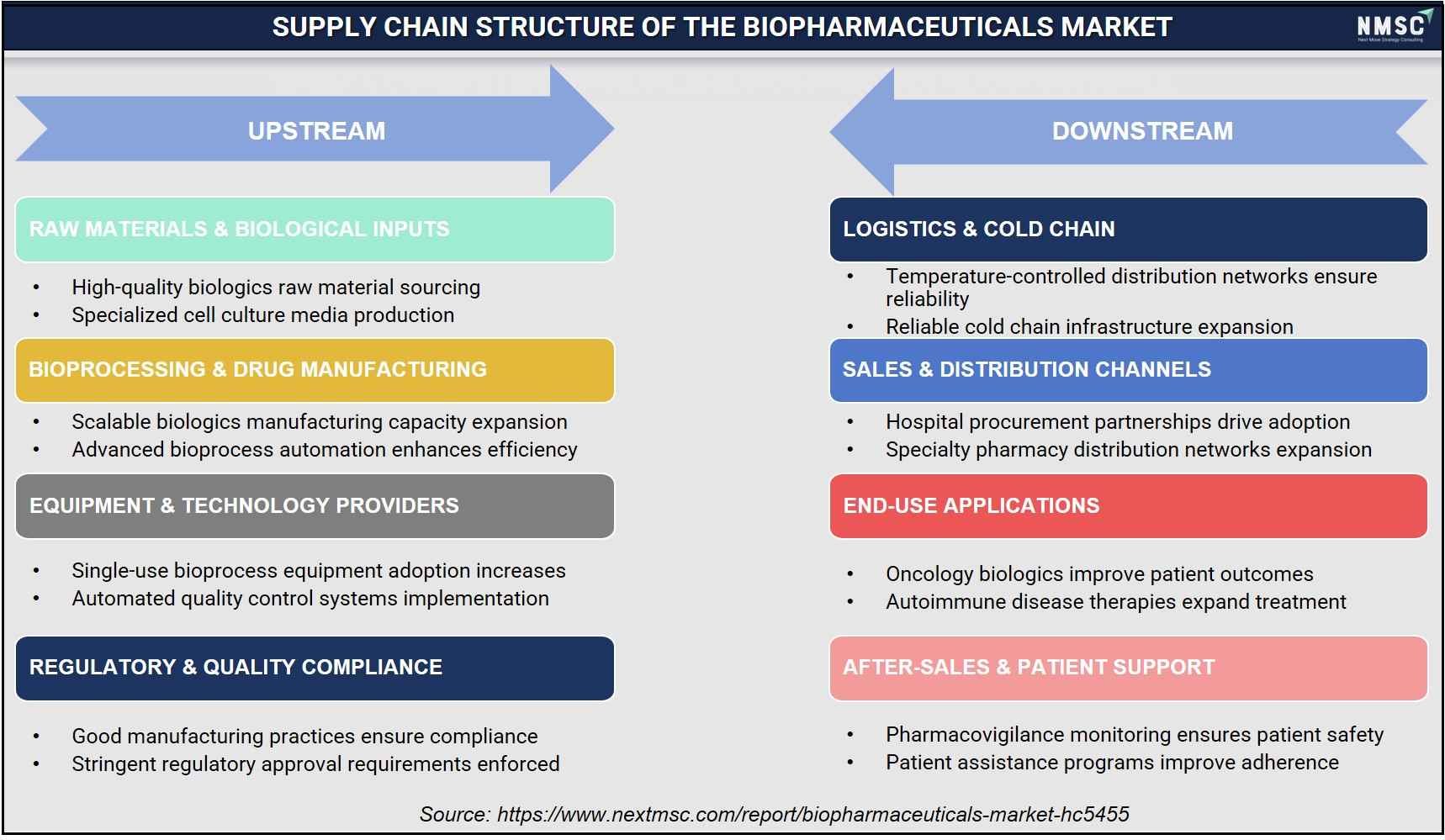
Based on our supply chain assessment, we identified that the biopharmaceuticals market value chain begins with high-quality biological raw materials, cell culture media, and specialized inputs, followed by bioprocessing, biologics manufacturing, equipment providers, regulatory compliance, cold chain logistics, distribution networks, therapeutic applications, and patient support services. Furthermore, our industry evaluation indicates that advanced manufacturing technologies, stringent quality standards, temperature-controlled distribution, hospital procurement networks, and pharmacovigilance programs collectively strengthen product quality, ensure regulatory compliance, improve treatment accessibility, and support long-term market expansion.
Growth Drivers and Restraints
|
Factors |
Type |
(+/−) % Impact on CAGR |
Geographic Relevance |
Impact Timeline |
|
Expanding GLP-1 and metabolic biologics demand |
Driver |
+1.8% |
North America, Europe |
2026–2035 |
|
Rising prevalence of cancer and chronic autoimmune conditions |
Driver |
+1.5% |
Global |
2026–2035 |
|
Growing RNA therapeutics and gene editing pipeline maturity |
Driver |
+1.2% |
North America, Europe |
2026–2035 |
|
Expanding biopharmaceutical manufacturing investment in Asia-Pacific |
Driver |
+1.0% |
Asia-Pacific |
2026–2035 |
|
Rising rare disease gene therapy approvals and reimbursement pathways |
Driver |
+0.8% |
North America, Europe |
2026–2032 |
|
Growing subcutaneous and home care administration adoption |
Driver |
+0.6% |
Global |
2026–2032 |
|
Intensifying biosimilar competition eroding originator pricing power |
Restraint |
-1.2% |
North America, Europe |
2026–2035 |
|
High manufacturing complexity and capital cost for biologics production |
Restraint |
-0.8% |
Global |
2026–2032 |
|
Payer pricing pressure on high-cost cell and gene therapies |
Restraint |
-0.5% |
North America, Europe |
2028–2035 |
What Is the Primary Growth Driver of the Biopharmaceuticals Market?
Expanding GLP-1 and metabolic biologics demand is the primary driver of the market. The U.S. Food and Drug Administration continues to expand approved indications for leading GLP-1 receptor agonist therapies beyond type 2 diabetes into chronic weight management and cardiovascular risk reduction. We observed that this metabolic-driven demand, reinforced by Novo Nordisk A/S and Eli Lilly and Company's continued manufacturing capacity expansion, continues to anchor baseline consumption of injectable biologics across developed and emerging healthcare markets alike.
How Is RNA Therapeutics Innovation Driving Biopharmaceuticals Market Growth?
Rising RNA therapeutics and gene editing pipeline maturity is accelerating demand for next-generation biologic platforms beyond conventional antibodies. Next Move Strategy Consulting's analysis indicates that this innovation-driven demand, combined with expanding rare disease gene therapy approvals, is compressing development timelines for RNA-based therapeutics across companies pursuing indications in oncology, rare disease, and chronic condition management.
What Is Restraining Biopharmaceuticals Market Expansion?
Intensifying biosimilar competition eroding originator pricing power restrains revenue growth across the industry, particularly for companies with concentrated exposure to maturing antibody franchises. We found that originator companies facing biosimilar entry face particular revenue exposure, as competitive pricing pressure substantially reduces per-unit economics compared with the exclusivity period preceding patent expiration.
Segmentation Analysis
Segment Sizing: By Biologic Therapeutics
|
Segment |
2025 (USD) |
2035 (USD) |
CAGR% (2026–2035) |
|
Antibodies |
USD 210.32 Billion |
USD 405.13 Billion |
6.6% |
|
Vaccines |
USD 66.92 Billion |
USD 121.46 Billion |
5.9% |
|
Proteins and Peptides |
USD 62.14 Billion |
USD 115.70 Billion |
6.2% |
|
Plasma-Derived Therapeutics |
USD 38.24 Billion |
USD 65.37 Billion |
5.2% |
|
Biosimilars |
USD 33.46 Billion |
USD 80.13 Billion |
9.2% |
|
Cell Therapies |
USD 23.90 Billion |
USD 62.14 Billion |
10.2% |
|
Gene Therapies |
USD 19.12 Billion |
USD 47.32 Billion |
9.6% |
|
RNA Therapeutics |
USD 19.12 Billion |
USD 66.99 Billion |
13.9% |
|
Other Biopharmaceuticals |
USD 4.78 Billion |
USD 7.96 Billion |
4.8% |
|
Total |
USD 478 Billion |
USD 972.2 Billion |
7.2% |
Which Biologic Therapeutic Dominates the Biopharmaceuticals Market?
Antibodies led the market with USD 210.32 billion in 2025, supported by the broad therapeutic applicability of monoclonal antibodies across oncology, immunology, and infectious disease indications. We observed that RNA Therapeutics is the fastest-growing biologic therapeutic, expanding at a 13.9% CAGR from 2026 to 2035, as mRNA and antisense oligonucleotide platforms scale beyond infectious disease into oncology and rare disease applications.
Segment Sizing: By Therapeutic Area
|
Segment |
2025 (USD) |
2035 (USD) |
CAGR% (2026–2035) |
|
Oncology |
USD 133.84 Billion |
USD 271.86 Billion |
7.2% |
|
Immunology and Inflammation |
USD 76.48 Billion |
USD 147.67 Billion |
6.6% |
|
Metabolic and Endocrine |
USD 66.92 Billion |
USD 160.63 Billion |
9.2% |
|
Infectious Disease |
USD 47.80 Billion |
USD 84.76 Billion |
5.6% |
|
Hematology |
USD 38.24 Billion |
USD 71.37 Billion |
6.2% |
|
Neurology |
USD 33.46 Billion |
USD 66.27 Billion |
6.9% |
|
Cardiovascular And Renal |
USD 28.68 Billion |
USD 52.18 Billion |
5.9% |
|
Rare Disease |
USD 19.12 Billion |
USD 57.22 Billion |
11.9% |
|
Respiratory |
USD 14.34 Billion |
USD 24.57 Billion |
5.2% |
|
Gastroenterology |
USD 9.56 Billion |
USD 17.84 Billion |
6.2% |
|
Ophthalmology |
USD 7.17 Billion |
USD 13.84 Billion |
6.6% |
|
Other |
USD 2.39 Billion |
USD 3.99 Billion |
4.9% |
|
Total |
USD 478 Billion |
USD 972.2 Billion |
7.2% |
Which Therapeutic Area Leads Biopharmaceuticals Market Demand?
Oncology remained the dominant therapeutic area, reaching USD 133.84 billion in 2025 due to the sustained global rise in cancer incidence and continued approval of targeted antibody and cell therapy treatments. Our findings suggest that Rare Disease is the fastest-growing therapeutic area, registering an 11.9% CAGR from 2026 to 2035, as gene therapy approvals expand treatment options for previously underserved genetic conditions.
Segment Sizing: By End User
|
Segment |
2025 (USD) |
2035 (USD) |
CAGR% (2026–2035) |
|
Hospitals And Health Systems |
USD 200.76 Billion |
USD 401.77 Billion |
7.0% |
|
Speciality Clinics |
USD 105.16 Billion |
USD 215.86 Billion |
7.3% |
|
Infusion Centres |
USD 66.92 Billion |
USD 129.45 Billion |
6.6% |
|
Research and Academic Institutions |
USD 47.80 Billion |
USD 87.85 Billion |
6.0% |
|
Home Care Settings |
USD 38.24 Billion |
USD 103.31 Billion |
10.6% |
|
Public Health Agencies |
USD 19.12 Billion |
USD 33.96 Billion |
5.6% |
|
Total |
USD 478 Billion |
USD 972.2 Billion |
7.2% |
Which End User Is Most Widely Served by Biopharmaceuticals?
Hospitals and Health Systems remained the dominant end user, reaching USD 200.76 billion in 2025 due to their central role administering complex biologics requiring specialized infrastructure and clinical oversight. Based on research conducted by Next Move Strategy Consulting, we found that Home Care Settings is the fastest-growing end user at a 10.6% CAGR from 2026 to 2035, reflecting expanding self-administered subcutaneous biologics and home infusion service adoption.
Growth Opportunities
Our analysis shows that three forward-looking opportunities stand out for stakeholders positioning within the biopharmaceuticals market over the 2026-2035 forecast period.
How Can RNA Therapeutics Platforms Unlock Value Beyond Infectious Disease?
RNA therapeutics platforms present a whitespace opportunity for companies positioning ahead of expanding oncology and rare disease pipeline applications. Companies that commercialize validated mRNA and antisense delivery platforms stand to capture premium pricing as the technology's infectious disease track record builds physician and payer confidence in broader therapeutic applications.
Where Do Home Infusion Services Create New Demand?
Patients managing chronic biologic treatment regimens represent an underpenetrated opportunity for home infusion and self-administration service providers. Companies that develop validated home care delivery models for complex biologics can secure new payer and health system partnerships, benefiting from reduced site-of-care costs as chronic disease patient populations increasingly prefer treatment outside hospital settings.
How Can Biosimilar Portfolio Diversification Benefit Emerging Market Manufacturers?
Emerging market manufacturers pursuing biosimilar development create an opportunity for companies offering validated antibody and protein biosimilar manufacturing capability. Early movers that establish regulatory-compliant biosimilar production for major expiring franchises can differentiate with health systems pursuing cost containment, benefiting from expanding biosimilar adoption as more originator antibody patents expire.
Regional Outlook
Geographic Performance Snapshot
|
Region |
2025 (USD) |
2035 (USD) |
CAGR% (2026–2035) |
Key Driver |
|
North America |
USD 219.88 Billion |
USD 420.52 Billion |
6.5% |
Established biologics manufacturing base and GLP-1 metabolic franchise growth |
|
Europe |
USD 114.72 Billion |
USD 213.86 Billion |
6.2% |
Centralized biologics approval pathway and biosimilar adoption |
|
Asia-Pacific |
USD 100.38 Billion |
USD 246.91 Billion |
9.5% |
Expanding biopharmaceutical manufacturing investment and healthcare access |
|
Latin America |
USD 23.90 Billion |
USD 49.75 Billion |
7.5% |
Growing chronic disease burden and expanding biologics access |
|
Middle East & Africa |
USD 19.12 Billion |
USD 41.16 Billion |
7.9% |
Government healthcare modernization and rising biologics adoption |
|
Total |
USD 478 Billion |
USD 972.2 Billion |
7.2% |
— |
North America Biopharmaceuticals Market Outlook
North America leads the biopharmaceuticals market with an established biologics manufacturing base and sustained GLP-1 metabolic franchise growth. We observed that Eli Lilly and Company and Novo Nordisk A/S's continued manufacturing capacity investment reinforces the region's leadership in injectable biologics production. Technology adoption remains advanced, with antibody and RNA therapeutics platforms driving demand across the region's large oncology and metabolic disease treatment base.
Europe Biopharmaceuticals Market Outlook
Europe's biopharmaceuticals market reflects a mature but innovation-intensive landscape shaped by the European Medicines Agency's centralized biologics approval pathway. Our findings suggest that operators across Germany, France, and the UK are accelerating biosimilar adoption to manage healthcare system cost pressure. Technology adoption favors subcutaneous formulations among the region's established hospital and specialty clinic infrastructure.
Asia-Pacific Biopharmaceuticals Market Outlook
Asia-Pacific is the fastest-growing biopharmaceuticals market region, propelled by expanding biopharmaceutical manufacturing investment and improving healthcare access across China and India. We found that regulatory frameworks remain less harmonized than in Europe, giving companies flexibility to scale biologics offerings rapidly. Technology adoption is accelerating as regional manufacturers, including several India-based biosimilar producers, expand domestic and export-oriented production capacity.
Latin America Biopharmaceuticals Market Outlook
Latin America's biopharmaceuticals market is supported by growing chronic disease burden and expanding biologics access in Brazil and Argentina. We observed that regulatory frameworks are less stringent than in North America or Europe, though multinational biopharmaceutical companies maintain expanding regional distribution networks. Technology adoption remains centered on established antibody therapies, with competitive intensity increasing as global manufacturers expand regional partnerships.
Middle East & Africa Biopharmaceuticals Market Outlook
The biopharmaceuticals market in Middle East & Africa is expanding as government healthcare modernization programs accelerate biologics adoption across Gulf Cooperation Council economies. Our analysis shows that Saudi Arabia and the UAE are attracting biopharmaceutical investment linked to flagship healthcare transformation programs. Regulatory influence remains developing, while technology adoption is gradually shifting toward broader antibody and vaccine access.
U.S. Biopharmaceuticals Market
Based on our estimates, the U.S. market was valued at approximately USD 189.10 billion in 2025 and is projected to reach USD 353.49 billion by 2035, growing at a 6.2% CAGR. Demand is anchored by an established biologics manufacturing base and sustained GLP-1 metabolic franchise growth. Technology penetration favors antibody and RNA therapeutics platforms, and competitive intensity remains high among established biopharmaceutical companies serving hospital and specialty clinic customers.
Canada Biopharmaceuticals Market
The market in Canada reached roughly USD 21.99 billion in 2025 and is forecast to hit USD 43.24 billion by 2035 at a 6.8% CAGR. Demand structure mirrors U.S. biologics adoption patterns, while federal drug pricing guidance shapes procurement expectations. Technology penetration is rising as national health systems request biosimilar options, with competitive intensity moderate given reliance on cross-border manufacturer partnerships.
UK Biopharmaceuticals Market
As per our estimate, the UK market stood at about USD 18.36 billion in 2025, advancing toward USD 34.31 billion by 2035 at a 6.2% CAGR. Demand is driven by the National Health Service navigating biosimilar procurement and cost containment requirements. Regulatory influence is significant, technology penetration favors subcutaneous formulations, and competitive intensity remains steady among domestic and European suppliers.
Germany Biopharmaceuticals Market
According to our analysis, Germany's market was valued near USD 27.53 billion in 2025 and is set to reach USD 54.15 billion by 2035, expanding at a 6.8% CAGR. Demand structure benefits from a strong domestic biologics manufacturing base and advanced clinical research networks. Germany's EMA compliance guidance drives regulatory influence, while technology penetration favors antibody therapies among leading hospital systems.
France Biopharmaceuticals Market
Based on our estimates, France's market reached approximately USD 14.91 billion in 2025, projected to climb to USD 26.95 billion by 2035 at a 5.8% CAGR. Demand is supported by France's concentration of academic research institutions and specialty clinic infrastructure. Regulatory influence from French and EU-level pricing policy is notable, and competitive intensity remains high given the concentration of European biopharmaceutical companies serving the domestic market.
China Biopharmaceuticals Market
The market in China stood at roughly USD 30.11 billion in 2025 and is forecast to reach USD 82.45 billion by 2035, registering a 10.8% CAGR. Demand is fueled by expanding domestic biologics manufacturing capacity and growing healthcare access investment. Regulatory influence is increasing gradually, technology penetration is accelerating through large hospital system pilots, and competitive intensity remains elevated among domestic and international biopharmaceutical companies.
India Biopharmaceuticals Market
As per our estimate, India's market was valued at about USD 18.07 billion in 2025, projected to reach USD 61.44 billion by 2035 at a 13.5% CAGR, the fastest among covered countries. Demand structure reflects rapidly expanding biosimilar manufacturing capacity and improving healthcare accessibility. Regulatory influence remains developing, while technology penetration is rising quickly as domestic and multinational companies localize biopharmaceutical offerings.
Japan Biopharmaceuticals Market
According to our analysis, Japan's market reached close to USD 20.08 billion in 2025 and is expected to hit USD 42.94 billion by 2035, growing at a 7.8% CAGR. Demand is supported by Japan's established pharmaceutical manufacturing sector and aging population healthcare needs. Regulatory influence is well established, technology penetration is advanced, and competitive intensity remains high among long-standing domestic and international companies.
South Korea Biopharmaceuticals Market
Based on our estimates, South Korea's market stood at approximately USD 10.04 billion in 2025, forecast to reach USD 25.33 billion by 2035 at a 9.8% CAGR. Demand structure benefits from the country's advanced biologics manufacturing infrastructure and growing contract manufacturing sector. Technology penetration is high, with domestic operators adopting antibody and biosimilar production, and competitive intensity remains pronounced amid rapid innovation cycles.
Australia Biopharmaceuticals Market
The biopharmaceuticals market in Australia reached about USD 5.02 billion in 2025 and is projected to reach USD 11.38 billion by 2035, expanding at an 8.5% CAGR. Demand is supported by growing healthcare investment and expanding clinical research infrastructure. Regulatory influence stems from national therapeutic goods administration guidance, while technology penetration favors antibody therapies amid moderate competitive intensity.
UAE Biopharmaceuticals Market
As per our estimate, the UAE market was valued near USD 3.82 billion in 2025, projected to reach USD 9.19 billion by 2035 at a 9.2% CAGR. Demand structure is shaped by the UAE's role as a regional healthcare and biopharmaceutical distribution hub. Regulatory influence remains moderate, technology penetration is improving through flagship healthcare transformation projects, and competitive intensity is rising as companies expand Gulf portfolios.
Saudi Arabia Biopharmaceuticals Market
According to our analysis, Saudi Arabia's market reached roughly USD 4.59 billion in 2025 and is expected to hit USD 11.58 billion by 2035, growing at a 9.8% CAGR. Demand is driven by Vision 2030-linked healthcare modernization and rising government biologics investment. Regulatory influence is developing under national health sector guidelines, and technology penetration is advancing as state-linked healthcare providers scale adoption.
South Africa Biopharmaceuticals Market
Based on our estimates, South Africa's market stood at about USD 2.68 billion in 2025, forecast to reach USD 5.58 billion by 2035 at a 7.5% CAGR. Demand structure reflects a developing healthcare sector serving regional Southern African markets. Regulatory influence remains moderate, technology penetration is gradually improving, and competitive intensity is limited given reliance on imported biopharmaceutical products.
Brazil Biopharmaceuticals Market
The market in Brazil reached approximately USD 11.47 billion in 2025 and is projected to reach USD 26.66 billion by 2035, registering an 8.8% CAGR. Demand is underpinned by Brazil's expanding chronic disease treatment base and growing public healthcare biologics access programs. Regulatory influence stems from national health policy, technology penetration favors antibody therapies, and competitive intensity remains moderate among regional and multinational suppliers.
Argentina Biopharmaceuticals Market
As per our estimate, Argentina's market was valued near USD 3.59 billion in 2025, projected to reach USD 7.29 billion by 2035 at a 7.2% CAGR. Demand structure is supported by steady chronic disease treatment demand despite macroeconomic volatility. Regulatory influence remains limited, technology penetration is modest, and competitive intensity is centered on a small number of multinational suppliers serving domestic healthcare providers.
Porter's Five Forces Analysis of the Biopharmaceuticals Market
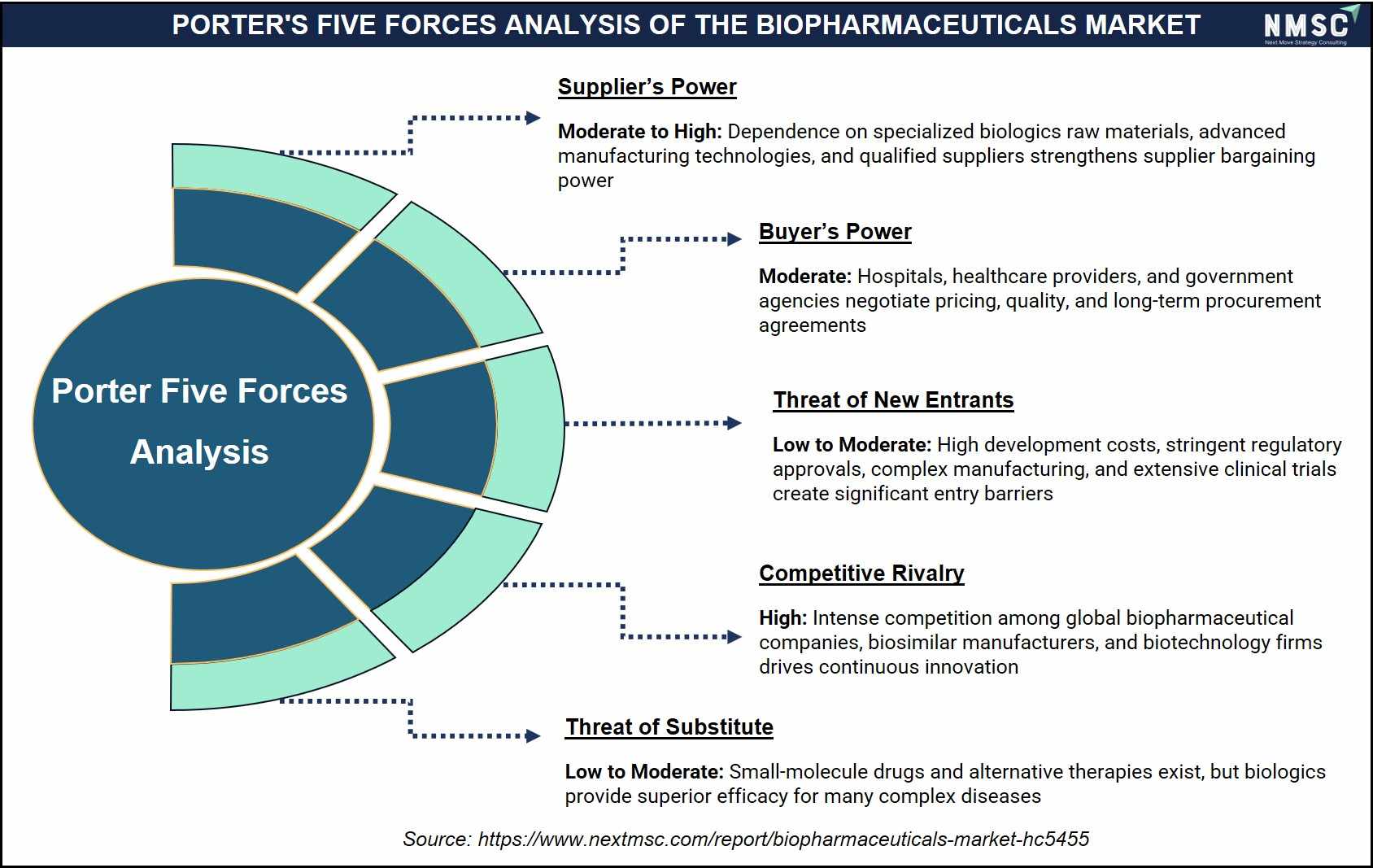
Based on our competitive assessment, we identified that supplier bargaining power, buyer bargaining power, competitive rivalry, the threat of substitutes, and the threat of new entrants collectively influence the biopharmaceuticals market. Furthermore, our industry evaluation indicates that high research and development investments, stringent regulatory approval processes, intellectual property protection, biologics manufacturing complexity, and increasing biosimilar competition shape market dynamics, encourage continuous innovation, strengthen competitive positioning, and support sustainable long-term growth.
Competitive Landscape
We observed that the biopharmaceuticals market features a moderately consolidated competitive landscape, with large diversified pharmaceutical companies competing alongside specialized biologics and cell and gene therapy developers.
|
Key Takeaways |
Description |
|
Market Structure |
Moderately consolidated; large diversified pharmaceutical companies compete alongside specialized biologics, biosimilar, and cell and gene therapy developers, each anchored in distinct therapeutic area strongholds. |
|
Innovation Focus |
GLP-1 metabolic franchise expansion, RNA therapeutics platforms, and subcutaneous reformulation dominate current innovation pipelines across leading companies. |
|
M&A Activity |
Active manufacturing capacity investment exemplified by Novo Nordisk A/S and Eli Lilly and Company's multibillion-dollar production facility buildouts to meet sustained GLP-1 demand, reflecting industry-wide capital deployment toward metabolic biologics. |
How Do Companies Compete in the Biopharmaceuticals Market?
Companies compete primarily on pipeline breadth, manufacturing scale, and regulatory approval track record across the industry. Large diversified companies such as Pfizer Inc. and Merck & Co., Inc. leverage broad therapeutic area portfolios and global commercial infrastructure to serve hospital and health system customers, while specialized companies such as Vertex Pharmaceuticals Incorporated and Regeneron Pharmaceuticals, Inc. compete on deep expertise in rare disease and antibody innovation respectively.
Which Competitive Archetypes Dominate the Biopharmaceuticals Market?
Two archetypes dominate the market: large diversified pharmaceutical companies offering broad biologics portfolios across multiple therapeutic areas, and specialized biologics developers focused on specific modalities or disease areas. Pfizer Inc. and Johnson & Johnson exemplify the diversified archetype, while Vertex Pharmaceuticals Incorporated and CSL Limited exemplify the specialized archetype through concentrated rare disease and plasma-derived therapeutics expertise respectively.
How Are Companies Differentiating Through Innovation in Biopharmaceuticals?
Innovation and differentiation strategy increasingly center on metabolic franchise expansion and oral biologics delivery. Novo Nordisk A/S's December 2025 FDA approval of oral Wegovy, the first oral GLP-1 receptor agonist pill for weight loss, illustrates how manufacturers are differentiating through delivery format innovation beyond traditional injectable administration. Our analysis shows that companies unable to demonstrate credible next-generation delivery or platform innovation risk losing market share to competitors with proven oral or subcutaneous reformulation capability.
What M&A and Expansion Activity Is Shaping the Biopharmaceuticals Market?
Strategic manufacturing investment and regulatory pathway partnerships continue to shape competitive dynamics within the industry. Novo Nordisk A/S and Eli Lilly and Company's continued multibillion-dollar production facility investments to meet GLP-1 demand illustrate the scale of capital deployment required to compete in metabolic biologics, while both companies' receipt of Commissioner's National Priority Vouchers in November 2025 demonstrates how regulatory pathway partnerships are accelerating approval timelines for high-priority therapies.
Key Market Players
Our assessment indicates that the following 20 companies are actively shaping pipeline innovation, manufacturing capacity, and regulatory strategy within the global biopharmaceuticals market.
-
Eli Lilly and Company.
-
Merck & Co., Inc.
-
Pfizer Inc.
-
AbbVie Inc.
-
AstraZeneca PLC.
-
Roche Holding AG.
-
Bristol Myers Squibb Company.
-
Sanofi.
-
Novo Nordisk A/S.
-
GSK plc.
-
Amgen Inc.
-
Gilead Sciences, Inc.
-
CSL Limited.
-
Takeda Pharmaceutical Company Limited.
-
Regeneron Pharmaceuticals, Inc.
-
Daiichi Sankyo Company, Limited.
-
Vertex Pharmaceuticals Incorporated.
-
Biogen Inc
Latest Developments
We found that recent regulatory approvals and pathway designations within the biopharmaceuticals market are concentrated on next-generation GLP-1 metabolic biologics.
|
Date |
Event |
|
June 2026 |
AstraZeneca and the YMCA of the USA announced a landmark five-year, multimillion-dollar partnership aimed at closing gaps in cancer care by expanding education and early detection initiatives across 75 communities nationwide. |
|
June 2026 |
AstraZeneca advanced its cardiometabolic and kidney pipeline by transitioning Elecoglipron—an oral small-molecule GLP-1 receptor agonist—into a full Phase III clinical development program. |
|
September 2025 |
AstraZeneca officially launched AstraZeneca Direct, an innovative direct-to-consumer online platform designed to provide eligible US patients with transparent cash pricing and home delivery for vital chronic condition medications like AIRSUPRA and FARXIGA. |
Investment Opportunities
What Capital Inflows Are Targeting the Biopharmaceuticals Market?
Capital inflows into the biopharmaceuticals market are increasingly directed toward metabolic biologics manufacturing capacity and oral delivery platform development. Leading manufacturers continue to fund multibillion-dollar production facility expansion, as seen in Novo Nordisk A/S and Eli Lilly and Company's continued GLP-1 capacity investment. We observed that investors favor companies demonstrating credible large-scale peptide manufacturing capability, viewing production scale as a proxy for long-term metabolic franchise growth capture.
How Is Infrastructure Investment Supporting Biopharmaceuticals Deployment?
Infrastructure investment is expanding fill-finish and peptide manufacturing capacity across companies to support rising metabolic biologics demand. Our findings suggest that Novo Holdings' acquisition of Catalent fill-finish sites illustrates how manufacturers are securing dedicated sterile injectable production capacity to alleviate supply bottlenecks for high-demand GLP-1 therapies.
What ESG Considerations Are Shaping Biopharmaceuticals Investment Decisions?
Environmental, social, and governance considerations are increasingly relevant to investment decisions across the industry, with patient access and affordability as key criteria. Government priority voucher and expedited review programs continue to inform manufacturer disclosure standards around affordability commitments. We found that investors increasingly favor companies demonstrating credible patient access and affordability programs, treating equitable access as a governance indicator alongside manufacturing quality compliance.
Key Benefits for Stakeholders
How Does This Report Benefit Enterprise and Industry Leaders?
Enterprise and industry leaders gain access to validated segmentation, competitive benchmarking, and regional demand forecasts that support pipeline and portfolio decisions across the biopharmaceuticals industry. Our analysis shows that detailed biologic therapeutic, therapeutic area, and end user breakdowns help research and commercial teams align development priorities with regulatory and reimbursement requirements while identifying underserved therapeutic segments for portfolio expansion.
How Does This Report Benefit Investors and Financial Analysts?
Investors and financial analysts benefit from consistent, single-point market size and CAGR estimates that support valuation and capital-allocation decisions across the biopharmaceuticals market supply chain. We observed that the report's regional and segment-level growth differentials help identify which companies and technology categories are best positioned to capture above-market growth in RNA Therapeutics and Rare Disease categories through 2035.
How Does This Report Benefit Technology Vendors and Product Teams?
Technology vendors and product teams gain insight into emerging design requirements, including oral biologics delivery, RNA therapeutics platforms, and subcutaneous reformulation, that are reshaping the industry. Our findings suggest that this analysis helps research and development teams prioritize roadmaps around delivery format innovation and manufacturing scale increasingly required by competitive positioning in high-growth therapeutic areas.
Key Market Segments
By Biologic Therapeutics
-
Antibodies
-
Monoclonal Antibodies
-
Bispecific Antibodies
-
Antibody-Drug Conjugates
-
Antibody Fragments
-
-
Proteins And Peptides
-
Recombinant Proteins
-
Fusion Proteins
-
Hormones
-
Growth Factors
-
Cytokines
-
Enzymes
-
Other Proteins and Peptides
-
-
Plasma-Derived Therapeutics
-
Immunoglobulins
-
Coagulation Factors
-
Albumin
-
Other Plasma Proteins
-
-
Vaccines
-
Protein Subunit and Recombinant
-
mRNA
-
Viral Vector
-
Inactivated
-
Live Attenuated
-
Toxoid
-
Other Vaccines
-
-
Biosimilars
-
Antibody Biosimilars
-
Protein and Peptide Biosimilars
-
Other Biosimilars
-
-
Cell Therapies
-
CAR-T
-
Other Cell Therapies
-
-
Gene Therapies
-
In Vivo Gene Therapies
-
Ex Vivo Gene Therapies
-
Gene Editing Therapies
-
-
RNA Therapeutics
-
mRNA Therapeutics
-
siRNA Therapeutics
-
Antisense Oligonucleotides
-
Other Oligonucleotides
-
-
Other Biopharmaceuticals
-
Botulinum Toxin
-
Other Biologic Therapeutics
-
By Therapeutic Area
-
Oncology
-
Immunology and Inflammation
-
Metabolic and Endocrine
-
Infectious Disease
-
Hematology
-
Neurology
-
Ophthalmology
-
Cardiovascular And Renal
-
Respiratory
-
Gastroenterology
-
Rare Disease
-
Other
By Administration Route
-
Intravenous
-
Subcutaneous
-
Intramuscular
-
Oral
-
Other
By End User
-
Hospitals And Health Systems
-
Speciality Clinics
-
Infusion Centres
-
Home Care Settings
-
Research and Academic Institutions
-
Public Health Agencies
By Region
-
North America: U.S., Canada, Mexico
-
Europe: UK, Germany, France, Italy, Spain, Sweden, Denmark, Finland, Netherlands, Rest of Europe
-
Asia-Pacific: China, India, Japan, South Korea, Taiwan, Indonesia, Vietnam, Australia, Philippines, Malaysia, Rest of APAC
-
Middle East & Africa: Saudi Arabia, UAE, Egypt, Israel, Turkey, Nigeria, South Africa, Rest of MEA
-
Latin America: Brazil, Argentina, Chile, Colombia, Rest of LATAM
Conclusion and Recommendations
What Is the Long-Term Outlook for the Biopharmaceuticals Market?
The long-term outlook for the market remains positive, with global revenue projected to expand from USD 478 billion in 2025 to USD 972.2 billion by 2035 at a 7.2% CAGR. We observed that sustained GLP-1 metabolic franchise growth, RNA therapeutics platform maturity, and expanding rare disease gene therapy approvals will continue underpinning demand across oncology, metabolic, and rare disease segments through the forecast period.
What Strategic Positioning Should Biopharmaceuticals Companies Pursue?
Companies should prioritize oral and subcutaneous delivery innovation and manufacturing capacity scale while pursuing RNA therapeutics platform development to secure long-term therapeutic area leadership. Next Move Strategy Consulting's assessment indicates that companies investing early in next-generation delivery formats and rare disease gene therapy capability will be best positioned to capture premium positioning within the biopharmaceuticals market.
How Attractive Is the Biopharmaceuticals Market for New Investment?
The biopharmaceuticals industry presents an attractive investment case, supported by a USD 452.2 billion absolute dollar opportunity between 2026 and 2035 and above-average growth in Asia-Pacific and RNA Therapeutics categories. We found that investment attractiveness is highest for companies combining broad therapeutic area portfolios with proven manufacturing scale, positioning them to serve both established antibody and emerging RNA therapeutics customer segments simultaneously.
What Market Shifts and Key Risks Should Stakeholders Monitor?
Stakeholders should monitor intensifying biosimilar competition, high manufacturing complexity and capital costs, and payer pricing pressure on high-cost cell and gene therapies as key risks to the biopharmaceuticals market. Our analysis shows that companies unable to demonstrate credible next-generation pipeline differentiation risk losing revenue to biosimilar competitors as major antibody franchise patents continue expiring.
What Are the Key Growth Pathways for the Biopharmaceuticals Market?
Key growth pathways include expanding oral GLP-1 delivery formats, scaling RNA therapeutics and gene editing platforms, and deepening penetration into Asia-Pacific and rare disease treatment segments. Next Move Strategy Consulting's analysis indicates that companies pursuing these pathways while maintaining manufacturing capacity discipline will be best positioned to capture the biopharmaceuticals market's projected growth through 2035.
About the Author
 Saista Faiyaz
— Saista Faiyaz is Research Associate at Next Move Strategy Consulting, where she has covered consumer markets and healthcare technologies for 3 years. Her work includes primary interview review, secondary-source validation, market sizing, and structured analysis of company and industry data. She supports research by comparing evidence across sources, organizing findings into market narratives, and documenting assumptions used in analysis. Her scope includes cross-market benchmarking, and reports.
Saista Faiyaz
— Saista Faiyaz is Research Associate at Next Move Strategy Consulting, where she has covered consumer markets and healthcare technologies for 3 years. Her work includes primary interview review, secondary-source validation, market sizing, and structured analysis of company and industry data. She supports research by comparing evidence across sources, organizing findings into market narratives, and documenting assumptions used in analysis. Her scope includes cross-market benchmarking, and reports.
About the Reviewer
 Supradip Baul
— Supradip Baul is an accomplished business consultant and strategist with over a decade of rich experience in market intelligence, strategy, technology, and business transformation. His work has included rigorous qualitative and quantitative analysis across multiple industries, helping clients shape investment decisions and long-term roadmaps. Earlier in his career, he was associated with Gartner, where he contributed to industry-leading reports and market share analyses. He has worked with leading global companies and holds an MBA with a dual specialization in Marketing and Finance.
Supradip Baul
— Supradip Baul is an accomplished business consultant and strategist with over a decade of rich experience in market intelligence, strategy, technology, and business transformation. His work has included rigorous qualitative and quantitative analysis across multiple industries, helping clients shape investment decisions and long-term roadmaps. Earlier in his career, he was associated with Gartner, where he contributed to industry-leading reports and market share analyses. He has worked with leading global companies and holds an MBA with a dual specialization in Marketing and Finance.
At Next Move Strategy Consulting, we understand that insightful market research is the cornerstone of successful business decisions. That's why we employ a robust and multifaceted approach, combining various methodologies to deliver the most accurate and actionable data for our clients.

Research Landscape
We navigate the world of research with two primary approaches:
Qualitative Approach
Our qualitative research methodologies involve immersive techniques such as in-depth interviews, focus groups, and observational studies. By engaging directly with individuals and stakeholders, we uncover valuable insights that quantitative data alone may overlook.

Quantitative Research
In tandem with qualitative methodologies, NMSC leverages the power of Quantitative Research to provide a robust foundation of numerical insights. Through systematic data collection and analysis, we quantify patterns, preferences, and market trends, offering a comprehensive view of the business landscape.
Our quantitative research approach employs diverse tools, including surveys, experiments, and statistical modelling. These methodologies enable us to gather data from a large and representative sample, ensuring the statistical significance of our findings. By employing structured questionnaires and standardized data collection methods, we guarantee the reliability and validity of the information we present to our clients.
Quantitative research is particularly effective in measuring the prevalence of trends, assessing market size, and gauging the impact of various factors on consumer behavior. The numerical precision attained through this approach equips our clients with actionable insights, facilitating data-driven decision-making and strategy formulation.


Our Specialized Toolbox for Industry-Specific Market Research
We deploy a specialized arsenal of techniques tailored to meet your unique requirements. Here's a glimpse into our comprehensive toolbox:

Information Procurement
The stage entails acquiring market data or relevant information through various sources and methodologies.


Market Research Approach
We utilize both top-down and bottom-up approaches in market research analysis to achieve a comprehensive understanding of the market dynamics, leveraging the broad perspective of industry trends and macroeconomic factors alongside detailed insights from specific segments and individual companies.

Porters Five Forces Analysis
We conduct Porter's Five Forces analysis to evaluate the competitive landscape of an industry, providing us with insights into factors that affect profitability and strategic positioning.

SWOT Analysis

Forecasting
We utilize a forecasting model to predict future consumption by considering parameters like population, economics, regulations, market competition, drivers, constraints, technology, and pricing. We also employ statistical techniques such as multilinear regression, exponential smoothing, moving average, ARIMA, and Monte Carlo simulations for accurate predictions. In econometric forecasting, we analyzed short-term and long-term event impacts, attributing values based on regulatory frameworks, economic factors, and market events.





 Speak to Our Analyst