Brazing Materials Market Analysis and Forecast

The market size was USD 5.97 Billion in 2025, projected to reach USD 9.32 Billion by 2035, growing at a CAGR of 4.57% from 2026 to 2035. Key drivers include rising HVACR production, vehicle electrification, and increasing aerospace engine manufacturing, with Asia Pacific leading the market.

Download Free Sample PDF
Base Year (2025)
$5.97 Billion
Forecast (2035)
$9.32 Billion
CAGR (2026-2035)
4.6%
Top Region
Asia Pacific

What Is the Brazing Materials Market Size?
The global Brazing Materials Market was valued at USD 5.97 Billion in 2025 and is estimated at USD 6.24 Billion in 2026, forecast to reach USD 9.32 Billion by 2035 at a CAGR of 4.57% between 2026 and 2035. Asia Pacific leads with approximately 42% revenue share in 2025, while silver-based alloys dominate material type with approximately 31%.
Our analysis shows that material mix, product form and end use demand define leadership across the global industry.

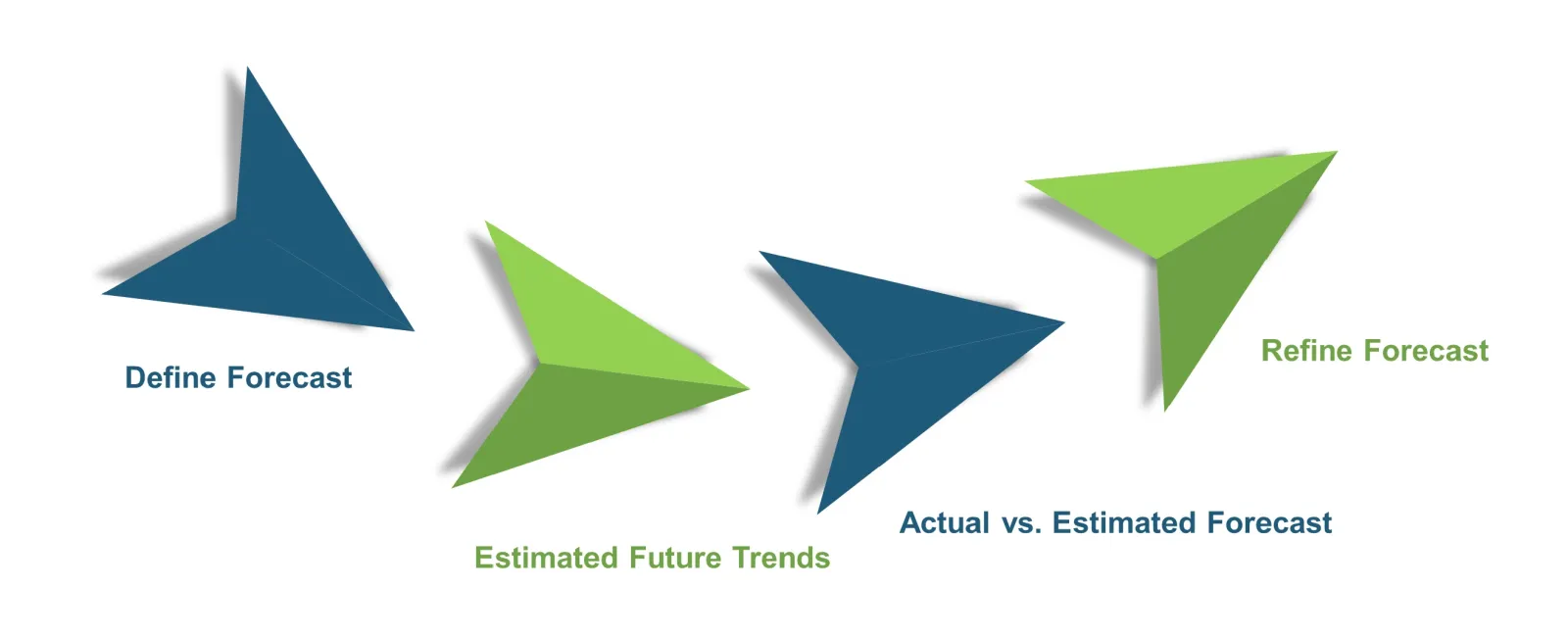
Brazing Materials Market Analysis and Forecast Revenue Forecast
Values in USD Billion

2025 $5.97 Billion
2025
2026 $6.24 Billion
2026
2027 $6.53 Billion
2027
2028 $6.82 Billion
2028
2029 $7.14 Billion
2029
2030 $7.46 Billion
2030
2031 $7.80 Billion
2031
2032 $8.16 Billion
2032
2033 $8.53 Billion
2033
2034 $8.92 Billion
2034
2035 $9.32 Billion
2035

Key Takeaways

By Material Type: Silver-based alloys held the largest revenue share in 2025 at USD 1.85 Billion and are projected to reach USD 2.59 Billion by 2035. Aluminum-based alloys represent the fastest-growing segment, expanding at a projected CAGR of 6.28% from 2026 to 2035.

By Product Form: Wire and rod accounted for the largest market share, expanding from USD 2.40 Billion in 2025 to USD 3.30 Billion by 2035. Powder and paste forms represent the fastest-growing segment, with a 6.21% CAGR projected from 2026 to 2035.

By End Use Industry: HVAC and refrigeration held the largest share, expanding from USD 1.70 Billion in 2025 to USD 2.51 Billion by 2035; Aerospace and defense is the fastest growing at 5.69% CAGR from 2026–2035.

Dominant Region: Asia-Pacific held the largest share at approximately 42% in 2025, valued at USD 2.51 Billion, rising to USD 4.16 Billion by 2035.

Fastest-Growing Region: Middle East & Africa is expected to expand at 5.90% CAGR from 2026–2035, lifting revenue from USD 0.35 Billion in 2025 to USD 0.62 Billion by 2035.

Dominant Country: China led with an estimated USD 1.154 Billion in 2025, projected to reach USD 1.918 Billion by 2035.

Fastest-Growing Country: India is the fastest growing at 7.11% CAGR from 2026–2035, moving from USD 0.226 Billion in 2025 to USD 0.438 Billion by 2035.

The Brazing Materials Market is projected to generate approximately USD 3.08 Billion in additional revenue between 2026 and 2035, creating growth opportunities for alloy producers, paste formulators and furnace-brazing service providers.
According to NMSC analysis, the migration from silver rich fillers toward nickel, aluminum and lower silver chemistries is the most significant structural change reshaping product mix and supplier margins through 2035.

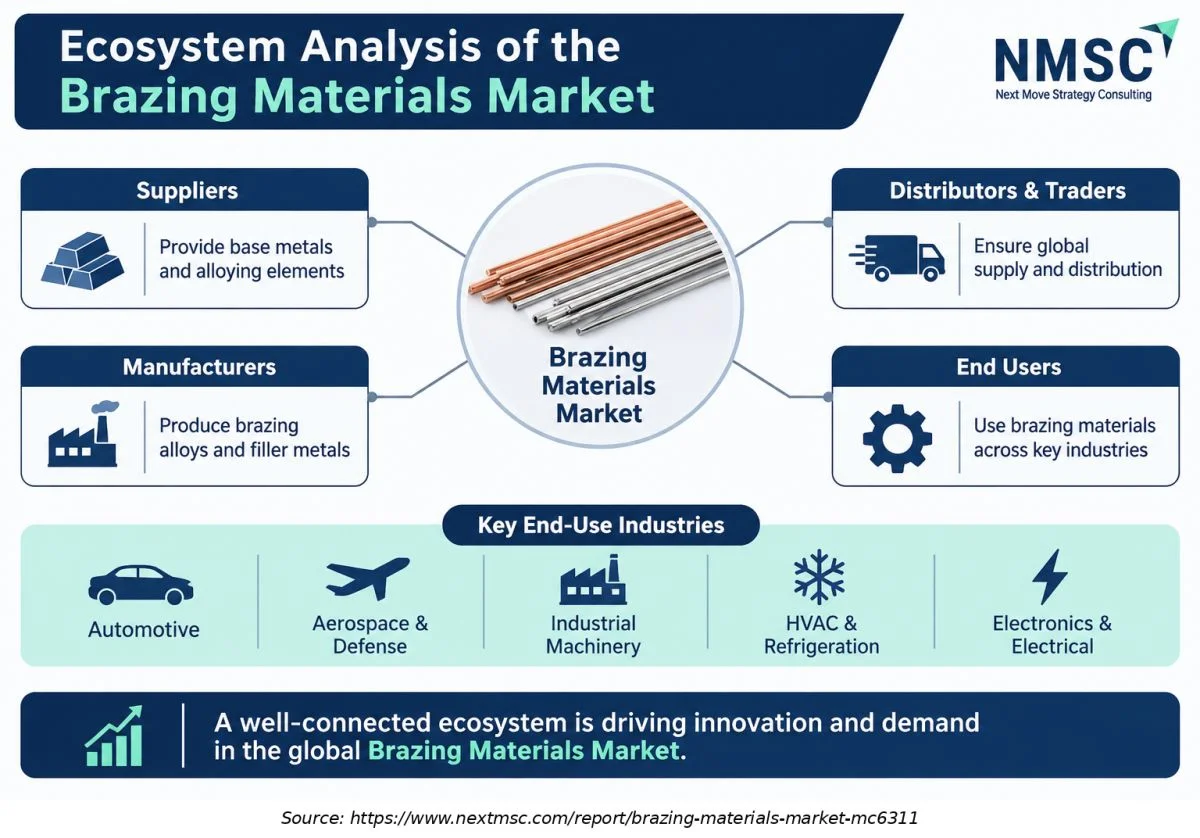
Ecosystem Analysis of the Brazing Materials Market
The Brazing Materials Market ecosystem connects raw material suppliers, manufacturers, distributors, and end users. These stakeholders work together to ensure the production, supply, and application of brazing alloys and filler metals across automotive, aerospace, industrial machinery, HVAC, and electronics industries.
What Does the Brazing Materials Market Encompass?

This market covers brazing filler metals and associated consumables, including alloys, powders, pastes, preforms and fluxes, used to join metallic components and certain ceramic-to-metal assemblies. Brazing generally occurs above 450°C while the base materials remain below their melting temperatures. Silver, copper, nickel, aluminum and precious metal alloys reach buyers as wire, rod, foil, preforms, powder and paste. Customers include heating and cooling equipment makers, automotive suppliers, aerospace engine builders and electrical manufacturers. Brazing furnaces, welding consumables and finished assemblies fall outside the scope of this report.

Market Drivers & Dynamics

Interactive Dataset
Rising HVACR equipment output and heat exchanger production driver +0.95 Asia Pacific, North America, Europe 2026–2035
Vehicle electrification and battery thermal management driver +0.80 China, Europe, North America 2026–2032
Aerospace engine and defense production ramp driver +0.45 North America, Europe 2026–2035
Shift to cadmium free and reduced silver alloys driver +0.30 Global 2026–2030
Silver and nickel price volatility restraint −0.55 Global 2026–2028
Substitution by welding, adhesives and mechanical joining in lightweight designs restraint −0.40 Europe, North America 2027–2035
Skilled brazer shortage and long process qualification cycles restraint −0.25 North America, Europe 2026–2030
Source: Next Move Strategy Consulting

Growth Drivers

What Is the Primary Growth Driver in the Brazing Materials Market?

Heating, ventilation, air conditioning and refrigeration equipment is the largest end use, accounting for approximately 28% of 2025 revenue at USD 1.70 Billion. Every coil, compressor line set and plate heat exchanger relies on brazed joints that must stay leak tight for years. The Silver Institute's World Silver Survey 2026 reported that silver demand in brazing alloys increased by 1% in 2025, supported by demand from automotive and aerospace applications. Expanding installed equipment bases sustain steady filler metal replenishment.

How Is Vehicle Electrification Driving Market Growth?

Electric vehicles carry more brazed thermal assemblies than combustion models, including battery coolers, chillers and power electronics substrates. The International Energy Agency projects global electric car sales of approximately 23 million in 2026, equivalent to around 28% of total car sales. Furthermore, market observations from IEA reports indicate an 8% year-on-year decline in global electric car sales during the first quarter of 2026. Automotive and transportation is projected to grow at 5.31% CAGR, supporting aluminum and active alloy demand.

Growth Inhibitors

What Is Restraining the Brazing Materials Market?

Precious and base metal prices are the primary restraint, because silver, nickel and copper make up most of the filler cost. The Silver Institute reported record silver prices in 2025, and brazing and soldering used 47.7 million ounces of silver in 2021, equal to 9.3% of industrial silver demand. Price spikes accelerate substitution toward lower silver alloys, welding and adhesives, which compresses margins for suppliers without hedging or recycling programs.

What Are the Growth Opportunities?

Can Aluminum Brazing Fillers Capture Electric Vehicle Thermal Management Demand?

Battery cooling plates and compact chillers require aluminum silicon fillers and controlled atmosphere flux systems at rising volumes. Aluminum based alloys are projected to grow from USD 1.00 Billion in 2026 to USD 1.73 Billion by 2035. Producers that secure automotive approvals and co locate flux and filler supply near Asian vehicle clusters can capture the largest share of this incremental pool.

Does Reduced Silver Chemistry Create a Premium Niche for Copper and Nickel Fillers?

Record silver prices push OEMs to requalify joints with lower silver and copper phosphorus fillers, while stainless and nickel assemblies adopt nickel-based powders. Copper based alloys reach USD 1.85 Billion by 2035 and nickel-based alloys reach USD 1.63 Billion. Suppliers offering drop-in replacements with documented joint data can win share without competing on commodity price.

Can Paste and Preform Supply Models Win Automated Heat Exchanger Lines?

Heat exchanger makers want filler delivered in a form that matches robotic dispensing and furnace profiles. Powder and paste suppliers that integrate batch traceability with a manufacturing execution system can reduce scrap and shorten qualification. Powder and paste revenue rise from USD 1.84 Billion in 2025 to USD 3.32 Billion by 2035, making it the segment where service rich supply contracts earn the strongest returns.

Segmentation Analysis

2025 (USD Billion)
2035 (USD Billion)
Silver based alloys 2025: $1.85 Billion | 2035: $2.59 Billion
Silver based
Copper based alloys 2025: $1.25 Billion | 2035: $1.85 Billion
Copper based
Nickel based alloys 2025: $0.96 Billion | 2035: $1.63 Billion
Nickel based
Aluminum based alloys 2025: $0.95 Billion | 2035: $1.73 Billion
Aluminum bas
Precious metal and active alloys 2025: $0.48 Billion | 2035: $0.78 Billion
Precious met
Fluxes and brazing aids 2025: $0.48 Billion | 2035: $0.74 Billion
Fluxes and b
Silver based alloys $1.85 Billion $2.59 Billion 3.32%
Copper based alloys $1.25 Billion $1.85 Billion 3.91%
Nickel based alloys $0.96 Billion $1.63 Billion 5.58%
Aluminum based alloys $0.95 Billion $1.73 Billion 6.28%
Precious metal and active alloys $0.48 Billion $0.78 Billion 5.07%
Fluxes and brazing aids $0.48 Billion $0.74 Billion 4.45%

Which Material Type Leads the Brazing Materials Market?

Silver based alloys dominate with USD 1.85 Billion in 2025, or approximately 31% of revenue, because they offer low melting range, wide gap tolerance and proven approvals in refrigeration, plumbing and tooling. Aluminumbased alloys are the fastest growing at 6.28% CAGR through 2035, driven by condenser, evaporator and battery cooler brazing. Nickel based alloys follow at 5.58% on stainless heat exchanger and aerospace demand.

2025 (USD Billion)
2035 (USD Billion)
Wire and rod
Foil and pre
Powder and p
Fluxes and b
Segment Item 2025 (USD Billion) 2035 (USD Billion) CAGR
Wire and rod $10.0 USD Billion $40.0 USD Billion 9.0%
Foil and preforms $17.1 USD Billion $51.1 USD Billion 11.0%
Powder and paste $24.2 USD Billion $62.2 USD Billion 21.0%
Fluxes and brazing aids $31.3 USD Billion $73.3 USD Billion 15.0%

Segment-wise data is locked

Unlock complete segment-wise numbers for By Product Form.

Unlock Full Data
2025 (USD Billion)
2035 (USD Billion)
HVAC and ref
Automotive a
Electrical a
Aerospace an
Industrial m
Segment Item 2025 (USD Billion) 2035 (USD Billion) CAGR
HVAC and refrigeration $10.0 USD Billion $40.0 USD Billion 20.0%
Automotive and transportation $17.1 USD Billion $51.1 USD Billion 18.0%
Electrical and electronics $24.2 USD Billion $62.2 USD Billion 12.0%
Aerospace and defense $31.3 USD Billion $73.3 USD Billion 22.0%
Industrial machinery and tooling $38.4 USD Billion $84.4 USD Billion 25.0%

Segment-wise data is locked

Unlock complete segment-wise numbers for By End Use Industry.

Unlock Full Data

Growth Opportunities

Our findings suggest that three whitespace opportunities can generate disproportionate revenue gains over the next decade.

Can Aluminum Brazing Fillers Capture Electric Vehicle Thermal Management Demand?

Battery cooling plates and compact chillers require aluminum silicon fillers and controlled atmosphere flux systems at rising volumes. Aluminum based alloys are projected to grow from USD 1.00 Billion in 2026 to USD 1.73 Billion by 2035. Producers that secure automotive approvals and co locate flux and filler supply near Asian vehicle clusters can capture the largest share of this incremental pool.

Does Reduced Silver Chemistry Create a Premium Niche for Copper and Nickel Fillers?

Record silver prices push OEMs to requalify joints with lower silver and copper phosphorus fillers, while stainless and nickel assemblies adopt nickel-based powders. Copper based alloys reach USD 1.85 Billion by 2035 and nickel-based alloys reach USD 1.63 Billion. Suppliers offering drop-in replacements with documented joint data can win share without competing on commodity price.

Can Paste and Preform Supply Models Win Automated Heat Exchanger Lines?

Heat exchanger makers want filler delivered in a form that matches robotic dispensing and furnace profiles. Powder and paste suppliers that integrate batch traceability with a manufacturing execution system can reduce scrap and shorten qualification. Powder and paste revenue rise from USD 1.84 Billion in 2025 to USD 3.32 Billion by 2035, making it the segment where service rich supply contracts earn the strongest returns.

Regional Outlook

2025 (USD Billion)
2035 (USD Billion)
North Americ
Europe
Asia-Pacific
Middle East
Latin Americ
Region 2025 (USD Billion) 2035 (USD Billion) CAGR (%)
North America $10.0 USD Billion $40.0 USD Billion 9.0%
Europe $17.1 USD Billion $51.1 USD Billion 27.0%
Asia-Pacific $24.2 USD Billion $62.2 USD Billion 25.0%
Middle East & Africa $31.3 USD Billion $73.3 USD Billion 23.0%
Latin America $38.4 USD Billion $84.4 USD Billion 12.0%

Regional data is locked

Unlock complete regional numbers for this market.

Unlock Full Data

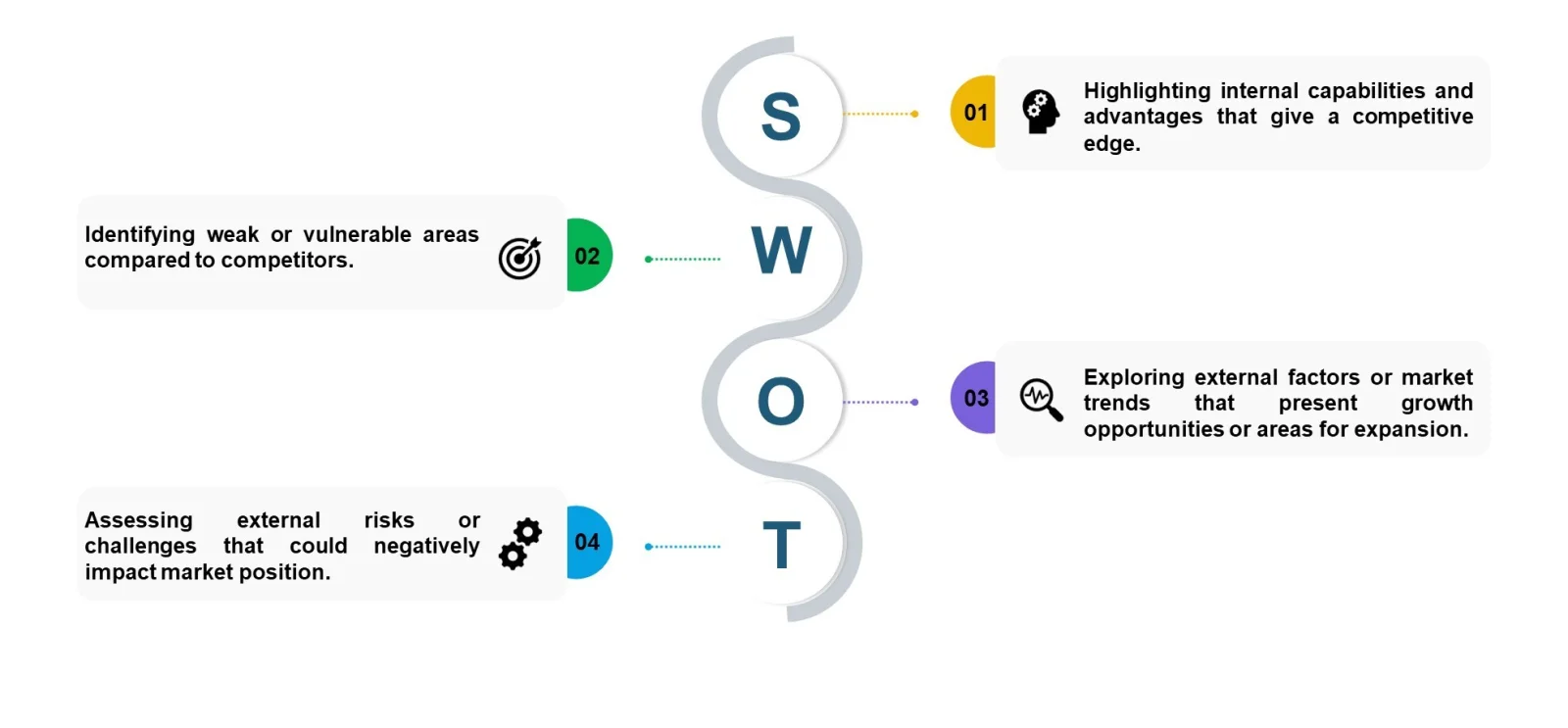
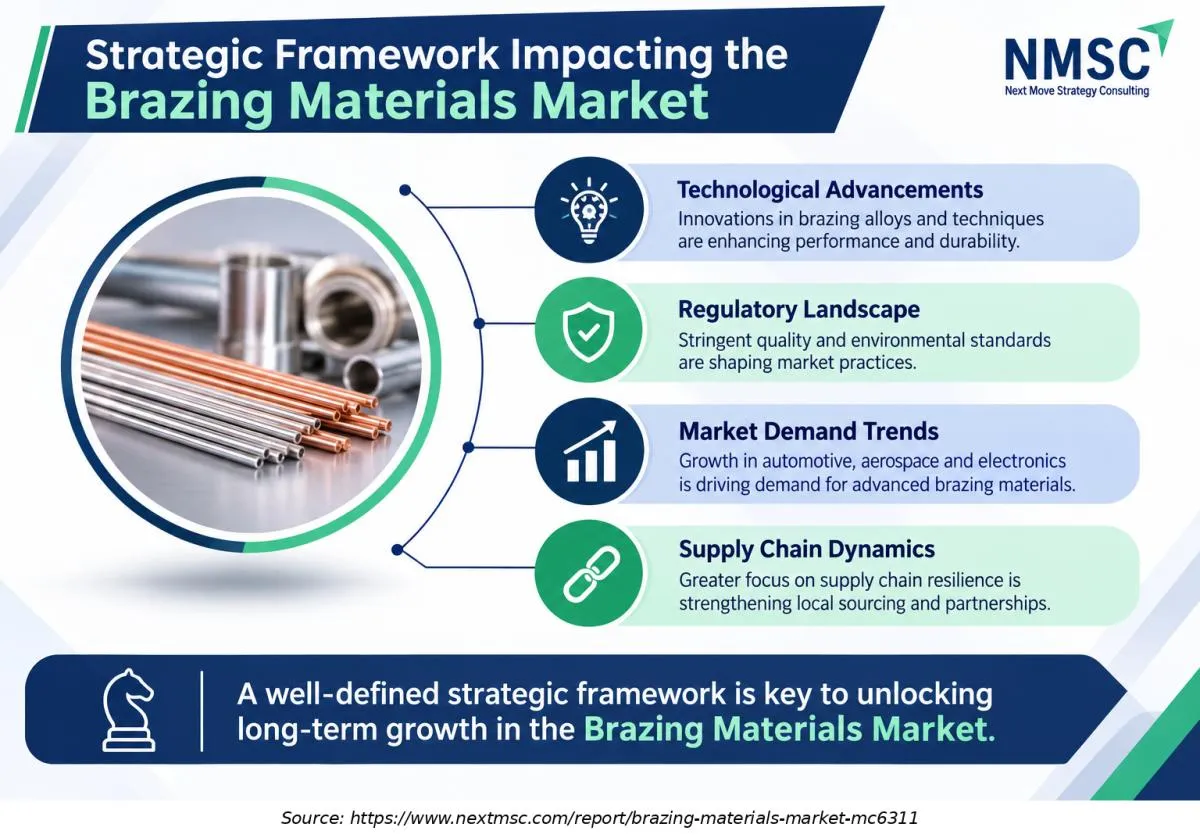
Strategic Framework Impacting the Brazing Materials Market

Strategic Framework Impacting the Brazing Materials Market

The Brazing Materials Market is influenced by technological advancements, evolving environmental and safety regulations, rising demand from key end-use industries, and supply chain dynamics. These strategic factors are encouraging the development of high-performance brazing materials, improved joining techniques, and more resilient sourcing strategies

Competitive Landscape

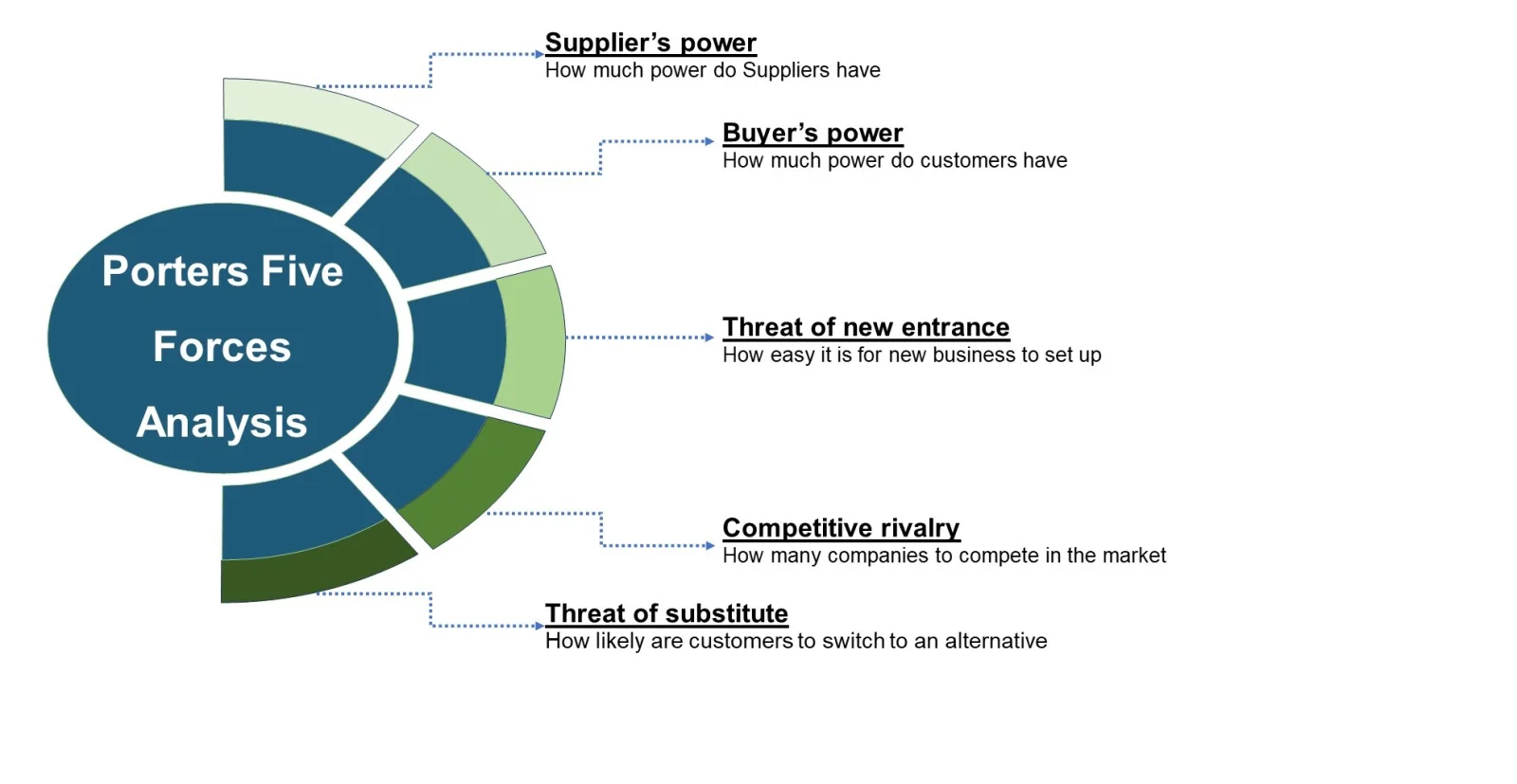
Our assessment indicates that the Brazing Materials Market industry is moderately consolidated, with a few multinational groups and many regional alloy makers.

Dimension Description
How Do Companies Compete in the Brazing Materials Market? Companies compete on alloy portfolio breadth, specification approvals, application engineering and delivery format. Lucas Milhaupt offers silver, aluminum, copper, nickel and precious metal fillers and runs a Brazing Academy for OEM engineers and HVACR technicians, while Wall Colmonoy hosts brazing schools in the United States and the United Kingdom. Commodity silver and copper phosphorus grades face price competition, whereas qualified aerospace and vacuum grade alloys command stronger margins.

Which Competitive Archetypes Dominate the Brazing Materials Market?

Key suppliers can be classified into three broad competitive groups: diversified joining-material manufacturers, specialized brazing-alloy producers and powder and materials specialists focused on high-temperature brazing applications. Precious metal specialists including Lucas Milhaupt, BrazeTec, Tanaka, Materion and Indium win through alloy depth and recycling. Powder and materials specialists such as Höganäs, Morgan and Wall Colmonoy win through high temperature nickel systems and brazing services.

What Innovation and Differentiation Strategies Are Companies Pursuing?

We observed that leading suppliers are investing in lower silver and cadmium free alloys, paste formulations tuned for dispensing, and active alloys that join ceramics directly to metals. Morgan manufactures vacuum grade and active braze alloys with brazed assemblies, and Tanaka offers active brazing fillers for power devices. Suppliers also differentiate through training, certified quality systems and technical support that shorten customer qualification.

What M&A and Partnership Activity Is Shaping the Market?

Our findings suggest that activity centers on portfolio reshaping and regional capacity rather than large transformative deals. Umicore agreed to sell its European Technical Materials business, which includes brazing alloys, to SAXONIA Edelmetalle, and Höganäs entered brazing paste in 2011 through the Innobraze acquisition. Wall Colmonoy formed the Suzhou joint venture with Gredmann Taiwan to localize Nicrobraz supply in Asia.

Key Market Players

Based on research conducted by NMSC, the following 9 companies represent the validated leading producers of brazing consumables as of 2026.

Lincoln Electric Holdings, Inc. Steel Partners Holdings L.P. SAXONIA Edelmetalle GmbH Höganäs AB Materion Corporation Tanaka Holdings Co., Ltd. Morgan Advanced Materials plc Wall Colmonoy Corporation Indium Corporation

Expert Insights

Susann Hausner

Susann Hausner

Chemnitz University of Technology

"Consequently, brazed joints produced with the modified filler metals can be used at higher operating temperatures."

Analyst Interpretation

A July 2026 research study published in Welding in the World by Susann Hausner and Prof. Guntram Wagner demonstrates how nickel-particle additions modify the melting behavior, microstructure, and mechanical performance of Ni 650 filler metal. The research demonstrates a materials-development approach for improving the thermal stability and joint properties of nickel-based brazed assemblies. Its findings indicate potential applications in high-temperature industrial and aerospace components, subject to application-specific qualification. It also creates opportunities for specialized filler-metal powders and pastes.

What Are the Investment Opportunities in the Brazing Materials Market?

Where Are Capital Inflows Concentrating in the Brazing Materials Market?

Capital is flowing toward powder and paste capacity, aluminum filler and flux production near vehicle clusters, and regional service hubs. Wall Colmonoy's Suzhou joint venture and its 2026 vacuum furnace additions show how producers are placing capacity close to heat exchanger and aerospace customers. Investors should favor suppliers with qualified approvals and recycling capability, because these assets protect margin when metal prices move sharply.

How Is Infrastructure Investment Shaping Market Capacity?

Infrastructure spending centers on gas atomization lines, paste plants, controlled atmosphere furnaces and precious metal refining. Höganäs operates dedicated brazing powder and paste production in Belgium, and BrazeTec has sourced a large share of its silver from in house recycling. Digital monitoring of furnace temperature profiles can help producers and brazing service providers optimize production trials, improve process repeatability and enhance manufacturing efficiency.

What ESG Considerations Are Influencing Market Investment?

Environmental, social and governance priorities include cadmium free chemistry, silver recycling, lower furnace energy use and operator safety. Chemical-safety and workplace-exposure requirements influence the selection of cadmium-containing fillers and fluxes. Suppliers must demonstrate compliance with applicable regulations and customer specifications to qualify for OEM supply contracts. Lower silver alloys also reduce embedded mining impact. Investors increasingly screen suppliers for closed loop precious metal recovery and documented safety training, which improves access to long term supply agreements.

Key Benefits for Stakeholders

How Does This Report Benefit Industry Leaders and OEM Procurement Teams?

Equipment makers and purchasing leaders gain a reconciled view of USD 5.97 Billion in 2025 revenue and the 2035 outlook, along with segment and country benchmarks for alloy sourcing. Procurement teams can align supply chain management with silver exposure, dual source critical approvals and plan qualification of lower silver grades. Plant leaders can compare product forms to decide where automation justifies paste or preform adoption.

How Does This Report Benefit Investors and Financial Analysts?

Investors and financial analysts receive a segment level model that separates metal price effects from volume growth, with a 4.57% base CAGR and USD 3.08 Billion of incremental revenue to 2035. Regional growth differentials, from 3.58% in Europe to 5.90% in the Middle East & Africa, help target allocation. Competitive profiles highlight which suppliers hold recycling, qualification and capacity advantages.

How Does This Report Benefit Alloy Producers and Technology Teams?

Alloy producers, paste formulators and product teams see which material types, forms and end uses are growing fastest, so they can prioritize research and capacity. Aluminum based alloys and powder and paste lead growth, while cadmium free and reduced silver chemistry shapes product roadmaps. Country level insights show where local presence, training and distributor partnerships are required to convert qualification wins into revenue.

Key Market Segments Evaluated

By Material Type

  • Silver based alloys
  • Copper based alloys
  • Nickel based alloys
  • Aluminum based alloys
  • Precious metal and active alloys
  • Fluxes and brazing aids

By Product Form

  • Wire and rod
  • Foil and preforms
  • Powder and paste
  • Fluxes and brazing aids

By End Use Industry

  • HVAC and refrigeration
  • Automotive and transportation
  • Electrical and electronics
  • Aerospace and defense
  • Industrial machinery and tooling
  • Energy and power

By Region

  • North America 
    • U.S.
    • Canada
    • Mexico
  • Europe 
    • UK
    • Germany
    • France
    • Italy
    • Spain
    • Sweden
    • Denmark
    • Finland
    • Netherlands
    • Rest of Europe
  • Asia-Pacific 
    • China
    • India
    • Japan
    • South Korea
    • Taiwan
    • Indonesia
    • Vietnam
    • Australia
    • Philippines
    • Malaysia
    • Rest of APAC
  • Middle East & Africa 
    • Saudi Arabia
    • UAE
    • Egypt
    • Israel
    • Turkey
    • Nigeria
    • South Africa
    • Rest of MEA
  • Latin America 
    • Brazil
    • Argentina
    • Chile
    • Colombia
    • Rest of LATAM

Conclusion & Recommendations

What Is the Long-Term Outlook for the Brazing Materials Market?

The long-term outlook is steady and positive, with revenue rising from USD 6.24 Billion in 2026 to USD 9.32 Billion by 2035 at 4.57% CAGR. Growth is anchored in HVACR output, electrified vehicles and aerospace engines, and tempered by metal price swings. Aluminum and nickel alloys and automated paste formats will outgrow the market average, while silver-based alloys retain the largest revenue base.

What Strategic Positioning Recommendations Does NMSC Offer?

Suppliers should widen cadmium free and reduced silver portfolios, build paste and preform formats for automated lines, and secure aerospace and automotive approvals. Regional stock, training academies and recycling programs create loyalty that price cuts cannot match. Distributors should invest in technician education and digital ordering, and OEMs should dually qualify alloys to reduce exposure to precious metal price spikes.

What Is the Investment Attractiveness of the Brazing Materials Market?

Investment opportunities are supported by projected market expansion and demand from HVACR, automotive thermal management and aerospace applications, with potential growth areas including aluminum fillers, nickel powders and pastes, and active brazing alloys. Returns are strongest in aluminum fillers, nickel powders and pastes, and active alloys, where qualification barriers protect pricing. Asia Pacific offers the largest volume at USD 4.16 Billion by 2035, while the Middle East & Africa offers the fastest growth.

What Are the Market Shifts and Key Risks in the Brazing Materials Market?

Key shifts include the move from torch to automated brazing, from silver rich to lower silver alloys, and from wire to powder and paste. Principal risks are silver and nickel price volatility, substitution by welding and adhesives in lightweight designs, shortages of skilled brazers, and policy driven swings in electric vehicle sales. Suppliers should hedge metal exposure and diversify across end uses.

What Are the Primary Growth Pathways Through 2035?

Primary growth pathways include aluminum brazing for battery and heat pump thermal systems, nickel powder and paste supply to stainless heat exchangers, and active alloys for power electronics. Expansion in India, the Gulf and Southeast Asia adds volume, while service rich contracts that bundle training and process support deepen customer retention and defend margins against low-cost regional competitors.

FAQs

Sources & References

1.

Lincoln Electric Holdings, Inc. Form 10-K FY2025 (U.S. SEC)

sec.gov
2.

Lucas Milhaupt products and filler metals (company website)

lucasmilhaupt.com/Products
3.

Lucas Milhaupt AHR Expo 2026 press release

ahrexpo.squarespace.com
4.

Lucas Milhaupt, The Brazing Book (company publication)

lucasmilhaupt.com
5.

Steel Partners Holdings L.P., Lucas Milhaupt company profile

steelpartners.com
6.

Umicore, sale of European Technical Materials to SAXONIA Edelmetalle

umicore.com
7.

Umicore, BlueBraze launch (BrazeTec)

umicore.com
8.

Höganäs AB, brazing business area

hoganas.com
9.

Höganäs AB, brazing paste launch and Innobraze acquisition

hoganas.com
10.

Materion Corporation Form 10-K FY2025 (U.S. SEC)

sec.gov
11.

Materion Corporation, braze and solder alloys

materion.com
12.

TANAKA Holdings, active brazing filler metal and copper composite release

tanaka-preciousmetals.com
13.

Morgan Advanced Materials, Technical Ceramics braze alloys

morgantechnicalceramics.com
14.

ASM International, Wall Colmonoy company profile

asminternational.org
15.

Ipsen, Wall Colmonoy vacuum brazing capacity expansion

ipsenglobal.com
16.

Products Finishing, Wall Colmonoy Suzhou facility

pfonline.com
17.

Indium Corporation, silver and gold braze alloys data sheet

documents.indium.com
18.

The Silver Institute, World Silver Survey 2026 release

silverinstitute.org
19.

The Silver Institute, Silver in Brazing and Solder Alloys market trend report

silverinstitute.org
20.

International Energy Agency, Global EV Outlook 2026

iea.org
21.

International Energy Agency, Global EV Outlook 2026, trends in electric cars

iea.org

About the Author

Debashree Dey

Debashree Dey

Debashree Dey is Assistant Manager at Next Move Strategy Consulting, where she supports cross-vertical market content and communications across diverse industries for 6 years. Her professional background includes senior content writing, communications, and published manuscript authorship, with experience developing audience-focused business narratives and maintaining clear, consistent messaging. Her role supports research-led content development and editorial quality across NextMSC publications.

About the Reviewer

Supradip Baul

Supradip Baul

Supradip Baul is an accomplished business consultant and strategist with over a decade of rich experience in market intelligence, strategy, technology, and business transformation. His work has included rigorous qualitative and quantitative analysis across multiple industries, helping clients shape investment decisions and long-term roadmaps. Earlier in his career, he was associated with Gartner, where he contributed to industry-leading reports and market share analyses. He has worked with leading global companies and holds an MBA with a dual specialization in Marketing and Finance.

Download Free Sample

Nishant Awate

NISHANT AWATE

Business Development Global Sales

Zehnder Group Deutschland GmbH

Our experience working with Next Move Strategy Consulting was positive. The team was responsive, professional, and open to incorporating our specific requirements throughout the project. The India AHU market study was comprehensive and well structured, covering market value and volume forecasts, product and application segments, and key industry trends. The inclusion of both AHU and residential MVHR market insights made the study particularly relevant for our strategic market assessment. Overall, the report provides a solid foundation for evaluating market potential, identifying priority segments, and supporting business-development decisions in India.

Amos Chang

AMOS CHANG

Strategy Consultant

Kardex Group

I have bought the intralogistics market reports from NMSC two times so far. Joseph and his team are always very helpful and flexible in responding to any customization requirements on the report. Their expertise in market reports really helps us steer the day-to-day business. I will definitely recommend and come back myself whenever there is a need.

Rishabh Jogani

RISHABH JOGANI

Strategy Analyst

Accenture Japan

We are incredibly impressed with the market report on the real estate market in India provided by Next Move Strategy Consulting. The report was thorough, insightful, and well-structured, offering deep analysis and actionable recommendations. It not only captured the current trends and dynamics but also provided a forward-looking perspective that has been invaluable for our strategic planning. Their team demonstrated exceptional professionalism, attention to detail, and a profound understanding of the industry. The data-driven insights and clarity of presentation exceeded our expectations, making complex market trends easy to understand. We highly recommend Next Move Strategy Consulting to anyone looking for reliable and comprehensive market research services. Their expertise has given us the confidence to navigate the complexities of the Indian real estate market with clarity and foresight.

Robert Sean Trevino

ROBERT SEAN TREVINO

Sr. Director, Head of Strategic Insights & Analytics

Foundation Medicine

I realized that it was a reliable source of information. These days, there are many people who are looking for authentic data, and this is one of the only sources that can offer them with what they need;

Melanie Samko

MELANIE SAMKO

Director of Marketing

TOSOH BIOSCIENCE, INC.

The information provided by NMSC is incredibly valuable, thank you so much for such a excellent work. I really appreciate it. I will make sure to reference all of it, in my summary document.

Custom Market Research Services

We will customize the research for you if the listed report does not fully match your requirements.

Get 30% Free Customization

Select License

This website uses cookies to ensure you get the best experience on our website. Learn more

✖