Cooking Oil Prices Rise - Is Innovation the Turning Point?

The global cooking oil landscape in 2025 is being shaped by two powerful forces: tightening international supply and sustainability-driven innovation. On one side, global prices are rising due to constrained output and currency movements. On the other, a student-led waste management solution from Indonesia is gaining global recognition for addressing environmental gaps in oil disposal.
Is this the moment when pricing pressure and sustainability innovation converge to redefine the future of cooking oil systems?
Why Are Cooking Oil Prices Increasing in 2025?
According to the Food and Agriculture Organization (FAO), vegetable oil prices rose by 3.7% month-on-month in March 2025, driven by higher prices for palm, soy, rapeseed, and sunflower oils. The FAO Food Price Index averaged 127.1 points in March 2025, marking a 6.9% increase compared to the same period last year, although it remains 20.7% below its March 2022 peak. International palm oil prices increased for the second consecutive month due to persistently tight supplies in Southeast Asia, where production is currently at seasonal lows. Additionally, a strengthening Euro against the United States dollar supported the upward pricing trend. The FAO further reports that soy oil quotations rose due to strong global import demand, even as biofuel demand in the United States remained subdued.
Global cooking oil prices are rising because of:
-
Tight palm oil supply in Southeast Asia
-
Strong import demand for soy oil
-
Currency shifts supporting higher prices
-
Reduced seasonal output.
Can Waste Innovation Reshape the Future of Cooking Oil?
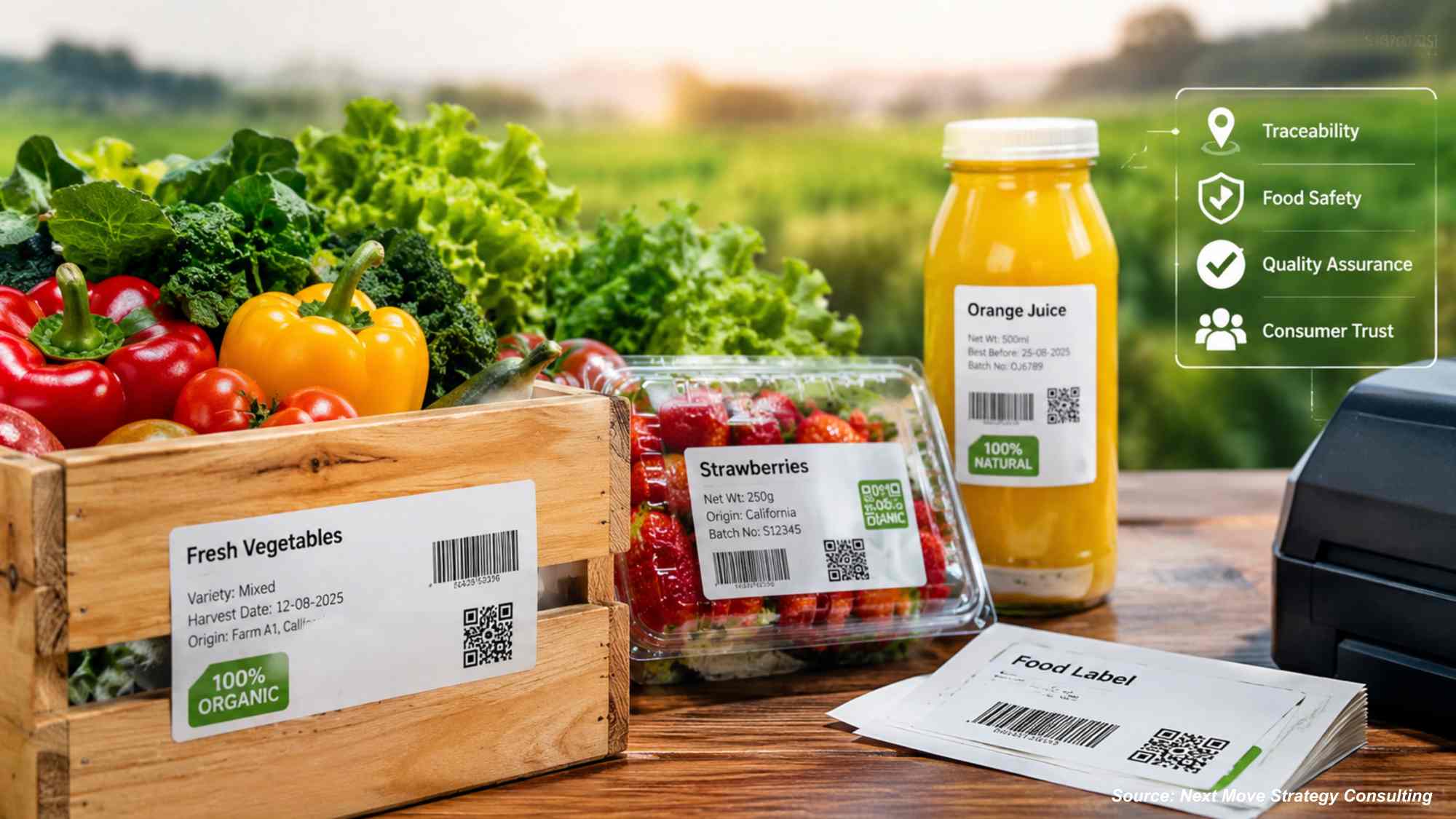
While price volatility continues to influence global trade discussions, sustainability-led innovation is emerging as a credible transformation pathway. On April 24, 2025, Universitas Airlangga reported that student Mochammad Afzal Iftikharus Sadat Ramadhan earned international recognition for developing a structured used cooking oil collection prototype. Representing Indonesia at the Global Youth Innovation Summit in Singapore and Malaysia, his team secured second place in the SDGs Project Video category with “Oil Chemy,” a system equipped with QR and barcode-enabled tracking that rewards users for recycling used oil. The initiative addresses the absence of structured national regulations on oil waste management and proposes converting collected oil into eco-friendly products such as soap and air fresheners. By integrating organized collection, digital reward mechanisms, circular product conversion, and youth-led sustainability leadership, the model demonstrates how waste-to-value systems could complement traditional cooking oil supply chains and strengthen environmental accountability.
2025 Cooking Oil Landscape: Price Drivers vs Sustainability Innovation
|
Aspect |
Price Dynamics |
Innovation Development |
|
Source |
Food and Agriculture Organization |
Universitas Airlangga |
|
Key Update |
Vegetable oil prices rose 3.7% in March |
“Oil Chemy” used oil recycling prototype recognized globally |
|
Driver |
Seasonal palm oil supply constraints |
QR and barcode-based reward collection system |
|
Impact |
Strong import demand supporting prices |
Conversion into eco-friendly products |
How Are Demand and Supply Dynamics Evolving?
Recent 2025 data from the Food and Agriculture Organization indicates that palm oil supply constraints remain seasonal yet significantly influential, particularly as production in major Southeast Asian regions operates at seasonal lows. At the same time, soy oil continues to maintain price competitiveness, which is supporting sustained global import demand. Import flows have remained firm despite softness in the biofuel sector in the United States, signaling that food consumption demand remains structurally resilient. In summary, seasonally lower palm oil output, robust soy oil demand, steady global imports, and supportive currency movements are collectively reinforcing current price strength and shaping the evolving demand–supply balance in 2025.
Competitive Landscape and Strategic Developments
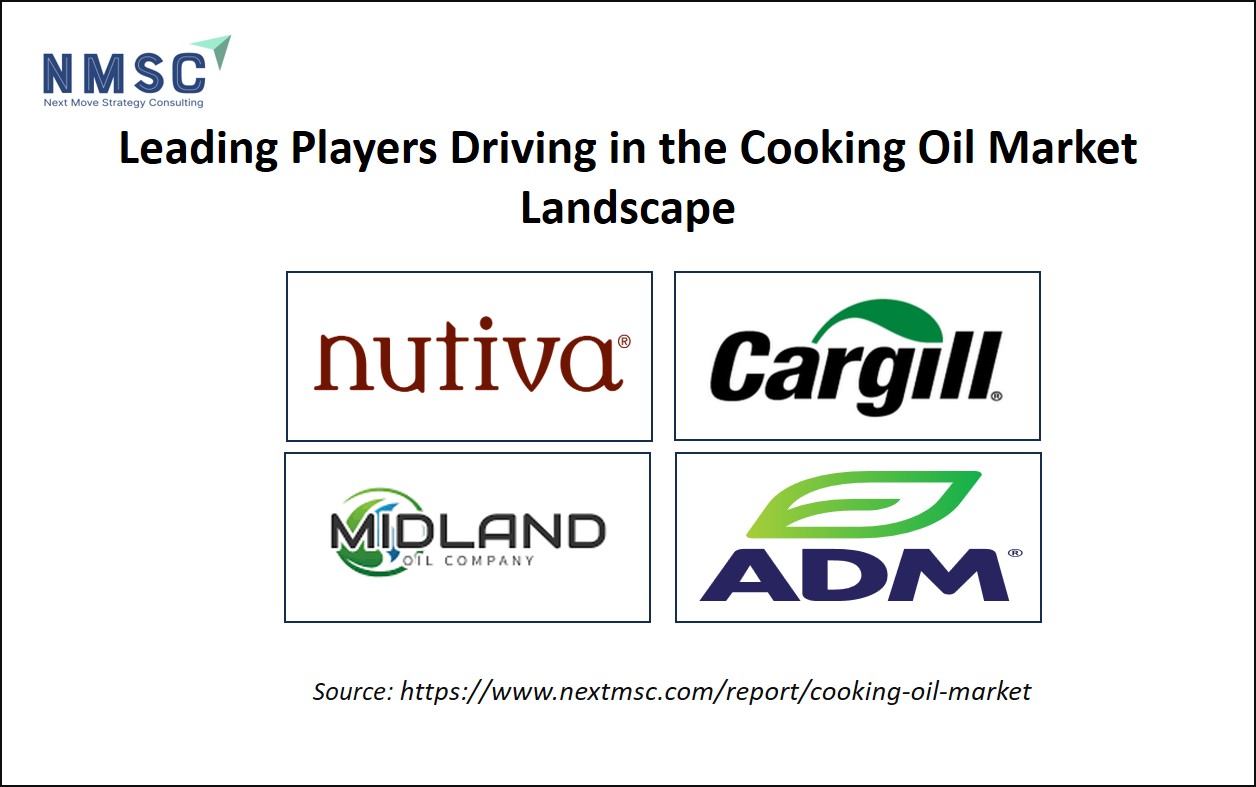
The cooking oil industry features prominent global players such as Archer Daniels Midland Company, Sime Darby Plantation, Bunge Limited, Olam International Limited, Kaneka Corporation, Cargill, George Weston Foods Limited, Louis Dreyfus Company, Nutiva, and SIFCA SA. These companies are actively engaging in joint ventures and regional expansion strategies to strengthen their global footprint and sustain competitive advantage. In line with evolving consumer preferences, Nutiva launched Organic Vegan Ghee in November 2020 as a plant-based alternative to traditional dairy ghee aimed at health-conscious consumers. Similarly, in February 2020, Bunge Limited introduced advanced oils formulated to replicate the texture and cooking performance required for plant-based meat products, aligning with growing demand for alternative protein solutions and improved nutritional profiles.
Next Move Strategy Consulting’s View
Next Move Strategy Consulting observes that the cooking oil market is navigating a transition shaped by supply volatility, evolving consumer preferences, and sustainability-driven innovation. While seasonal production constraints and global demand dynamics continue to influence pricing patterns, long-term competitiveness will depend on diversification, value-added product development, and circular economy integration. Companies that balance commodity exposure with innovation-led differentiation are expected to maintain strategic resilience.
-
Diversification of sourcing regions to reduce seasonal supply risks
-
Expansion into plant-based and value-added oil formulations
-
Integration of circular waste recovery systems to strengthen sustainability positioning
-
Increased focus on traceability, regulatory alignment, and environmental compliance
-
Investment in technology-enabled distribution and consumer engagement models
The sector is shifting from pure commodity competition toward innovation, sustainability integration, and strategic supply chain resilience, defining the next phase of growth and stability.
Final Takeaways: What Should Stakeholders Watch?
-
Monitor FAO monthly index movements for early signals of further price shifts.
-
Observe Southeast Asia production cycles closely.
-
Track innovation models that integrate digital reward systems.
-
Prepare for stronger sustainability compliance frameworks.
Conclusion
Cooking oil prices are rising in 2025 due to tight palm oil supply, strong import demand, and currency effects. At the same time, structured waste innovation is gaining international recognition, pointing toward a more circular and technology-enabled future.
The question is no longer whether prices will fluctuate. The real question is: will innovation move fast enough to stabilize and future-proof the system?
Next Steps
-
Review sourcing exposure to palm oil and diversify procurement strategies.
-
Evaluate digital waste-collection pilots within urban communities.
-
Align sustainability goals with circular product development.
-
Monitor FAO monthly reporting for price trajectory confirmation.
About the Author
 Sanyukta Deb
— Sanyukta Deb is Digital Marketing Team Lead at Next Move Strategy Consulting, where she has led content strategy and technical SEO for the firm's B2B market research publications for over 2 years. Her editorial process translates NextMSC's primary and secondary research — spanning technology, industrial, and consumer sectors — into commercial narratives, backed by search-intent, keyword, and competitive analysis. She brings 5 years of overall experience in digital marketing and content strategy.
Sanyukta Deb
— Sanyukta Deb is Digital Marketing Team Lead at Next Move Strategy Consulting, where she has led content strategy and technical SEO for the firm's B2B market research publications for over 2 years. Her editorial process translates NextMSC's primary and secondary research — spanning technology, industrial, and consumer sectors — into commercial narratives, backed by search-intent, keyword, and competitive analysis. She brings 5 years of overall experience in digital marketing and content strategy.
About the Reviewer
 Debashree Dey
— Debashree Dey is Assistant Manager at Next Move Strategy Consulting, where she supports cross-vertical market content and communications across diverse industries for 6 years. Her professional background includes senior content writing, communications, and published manuscript authorship, with experience developing audience-focused business narratives and maintaining clear, consistent messaging. Her role supports research-led content development and editorial quality across NextMSC publications.
Debashree Dey
— Debashree Dey is Assistant Manager at Next Move Strategy Consulting, where she supports cross-vertical market content and communications across diverse industries for 6 years. Her professional background includes senior content writing, communications, and published manuscript authorship, with experience developing audience-focused business narratives and maintaining clear, consistent messaging. Her role supports research-led content development and editorial quality across NextMSC publications.















Add Comment