How AI-Powered Smart Beds Are Transforming the Smart Furniture Market
The global smart furniture market is undergoing rapid evolution, propelled by changing consumer lifestyles, urbanization, and the increasing prevalence of hybrid and flexible work environments. The demand for multifunctional, connected, and space-optimized furniture is redefining residential, commercial, and hospitality spaces worldwide. Simultaneously, the growing focus on health, wellness, and aging populations is driving manufacturers to integrate IoT connectivity, AI-powered personalization, and ergonomic design principles into their products. By merging cutting-edge technology with sustainable materials and energy-efficient solutions, global smart furniture players are addressing modern comfort, functionality, and environmental expectations, positioning the industry at the forefront of digital living and future-ready workspace transformation.
According to Next Move Strategy Consulting, the Smart Furniture Market size was valued at USD 788.8 million in 2024, and is expected to be valued at USD 927.1 million by the end of 2025. The industry is projected to grow, hitting USD 1753.1 million by 2030, with a CAGR of 13.6% between 2025 and 2030.
Want Insights on the Smart Furniture Market? Access a FREE Sample Instantly
How AI-Powered Sleep Systems are Redefining Wellness, Comfort, and Connected Living
The global smart furniture market is undergoing a remarkable transformation as AI, IoT, and sleep science converge to create truly intelligent living environments. Once seen as luxury gadgets, smart beds have evolved into essential elements of the modern wellness technology ecosystem. What started as remote-controlled adjustable mattresses has advanced into AI-powered sleep systems capable of tracking biometric data, adjusting temperature in real time, and delivering personalized insights to improve rest and recovery. This evolution reflects a broader shift toward connected, health-focused living spaces where furniture adapts to human needs. Driven by urbanization, digital connectivity, and innovative materials, this new generation of smart beds is redefining comfort, convenience, and wellness, ushering in a future where technology not only enhances how we sleep but also how we live.
Smart Beds are Emerging as the Core of Next Generation Wellness Furniture
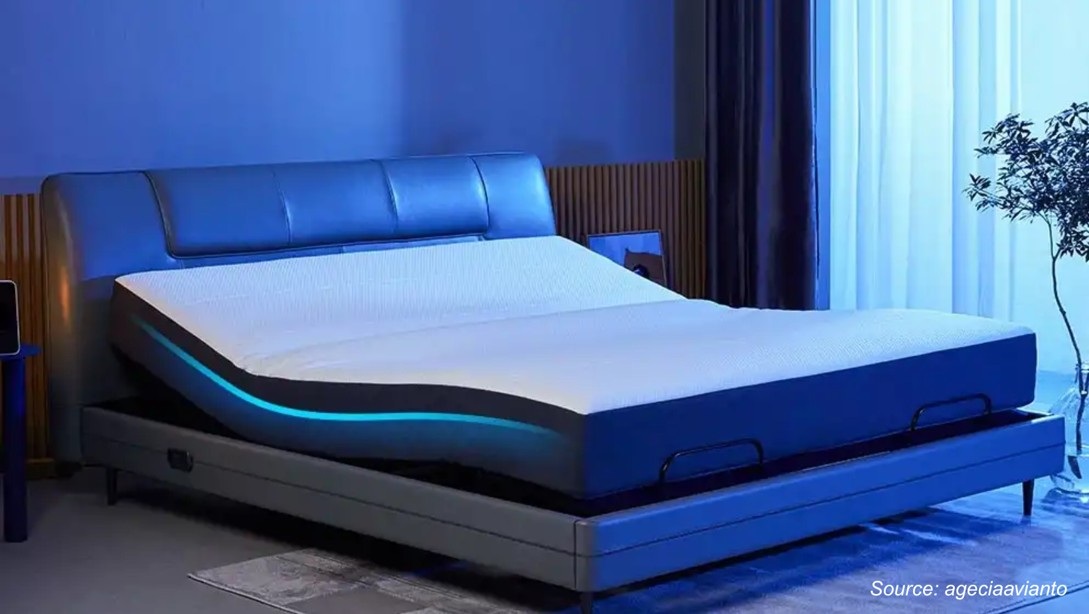
Smart beds have emerged as the centrepiece of the modern wellness furniture revolution, transforming the way people experience rest, recovery, and everyday comfort. These intelligent systems combine IoT connectivity, AI-driven analytics, and responsive materials to actively adapt to the user’s physiology and environment. Equipped with embedded sensors, they continuously monitor posture, temperature, heart rate, and sleep cycles, translating that biometric data into actionable insights that help users improve sleep quality and overall well-being. Unlike traditional bedding, smart beds are not passive objects, they are interactive health platforms that respond in real time to individual needs, aligning comfort with science-backed sleep optimization.
Leading manufacturers are accelerating this shift through innovation and accessibility. For example, Eight Sleep’s Pod 4 Smart Mattress, for instance, integrates dynamic thermal regulation and AI algorithms that personalize temperature zones and firmness for each sleeper, while Sleep Number’s c1 Smart Bed, priced under USD 1,000, brings connected sleep within reach of the mainstream consumer through its adjustable support and digital health tracking features. These advancements demonstrate how smart beds are evolving from luxury gadgets to essential wellness tools, redefining what it means to sleep intelligently and live healthfully in a connected world.

Urbanization And Digital Connectivity are Fueling a Global Surge in Smart Bed Demand
As cities grow denser and living spaces become smaller, urbanization is transforming how people design and use their homes, driving demand for multifunctional and technology-integrated furniture. Consumers in metropolitan areas are prioritizing products that combine comfort, efficiency, and health benefits, making smart beds an ideal solution. These advanced sleep systems not only conserve space through compact and modular designs but also leverage biometric intelligence and adaptive functionality to improve sleep quality. In a fast-paced urban lifestyle, where stress and irregular sleep patterns are common, smart beds offer a personalized sanctuary, balancing convenience, wellness, and innovation.
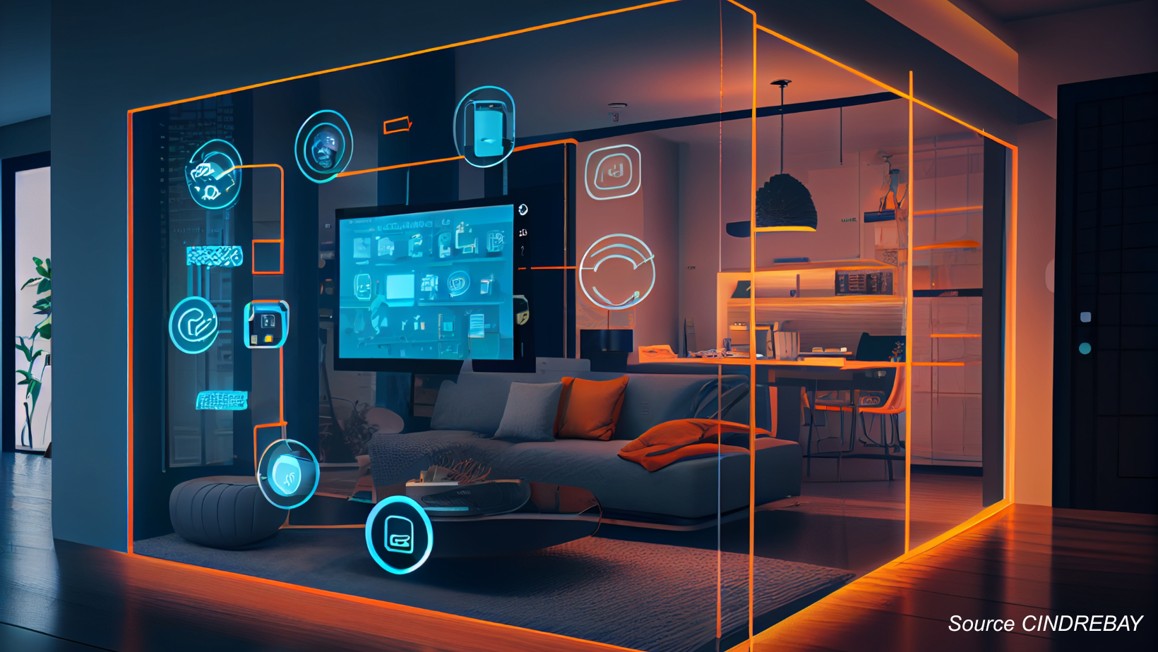
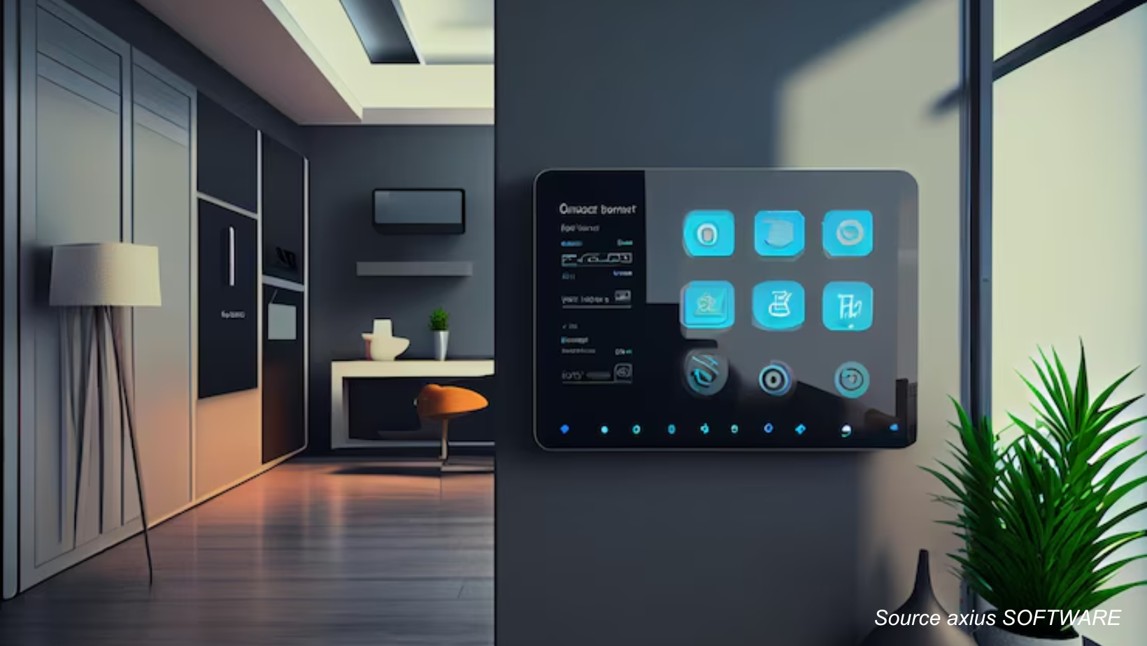
The rapid expansion of digital infrastructure, powered by Wi-Fi 6, 5G, and the Matter standard has further accelerated the adoption of connected sleep technologies. Today’s smart beds can communicate with smart lighting, thermostats, and even air purifiers to automatically adjust environmental factors for optimal rest. This integration supports the modern hybrid lifestyle, where bedrooms often double as work or relaxation zones. By merging AI, IoT, and ergonomics, smart beds are creating a new era of data-driven wellness, where every night’s rest contributes to better recovery, energy, and productivity, making connected sleep a cornerstone of intelligent urban living.
Smart Beds are Emerging as Powerful Catalysts Driving Growth in the Smart Furniture Market
The rapid advancement of smart bed technology is serving as a major catalyst for innovation across the broader smart furniture market. Manufacturers are increasingly adopting modular and upgradable designs, allowing furniture to evolve over time through software updates and replaceable smart components. This approach not only reduces e-waste but also enhances product longevity and value, aligning with global trends toward sustainability and circular design. Smart beds have set the standard for how connected, data-driven functionality can transform everyday living, prompting the entire furniture industry to rethink how design and technology intersect to improve human well-being.
Industry leaders such as MillerKnoll, Steelcase, and HNI Corporation are extending these innovations into workplace environments. By embedding AI and IoT systems into chairs, desks, and meeting pods, these companies are enabling posture monitoring, energy optimization, and predictive maintenance, the same intelligent features pioneered by smart sleep systems. This convergence marks a shift from isolated smart devices to a fully integrated furniture ecosystem, where every piece, from bed to workstation, communicates and adapts to user needs. The result is a seamless, health-oriented environment that enhances comfort, productivity, and environmental efficiency across both home and professional spaces.
AI Powered Sleep Systems are Transforming the Journey from Rest to Recovery
AI-powered smart beds are redefining the meaning of rest by turning passive sleep into an active, data-driven health process. Unlike conventional mattresses, these systems use advanced sensors and AI algorithms to track sleep cycles, breathing patterns, heart rate, and body temperature in real time. The collected data syncs seamlessly with wellness apps, fitness trackers, and smart home platforms, creating a connected ecosystem that helps users identify sleep irregularities and optimize recovery without medical intervention. By translating raw sleep metrics into actionable insights, AI-driven beds empower individuals to take a more proactive approach to their overall health and well-being.
Looking ahead, the evolution of AI and predictive analytics promises even more personalized care. Future models may analyze lifestyle factors such as diet, stress, and daily activity to provide comprehensive wellness recommendations that go beyond sleep improvement. With cloud-based analytics and edge computing, these beds will continue to protect user privacy while delivering instant intelligence. As consumers increasingly recognize the vital link between sleep quality and long-term health, smart beds are shifting from premium innovations to everyday wellness essentials, transforming bedrooms into intelligent recovery hubs for the modern age.

Smart Beds is Emerging as the Foundation of a Connected Wellness Future
The global smart furniture market is entering a new era, and at its core lies the rapid evolution of smart bed technology, a segment redefining how comfort, health, and technology converge. Driven by urbanization, digital infrastructure, and AI-based personalization, smart beds are becoming central to the connected wellness ecosystem. Consumers are no longer seeking only restful sleep, they want intelligent solutions that adapt, monitor, and optimize their recovery in real time. As living spaces grow smarter and more multifunctional, the demand for integrated sleep systems that combine science with comfort continues to surge.
Looking ahead, interoperability, data privacy, and upgradeable design shapes the next phase of competition. Companies that successfully merge secure IoT ecosystems, modular hardware, and AI-driven analytics will lead the market by offering lasting value and trust. What was once a futuristic luxury has now become an everyday essential, smart beds are redefining sleep as a cornerstone of digital wellness, transforming bedrooms into intelligent sanctuaries where rest, recovery, and technology coexist seamlessly.
About the Author
 Mayurima Roy is a research analyst delivering data-driven insights that support strategic planning and market understanding. She combines analytical rigor with strong content development skills, translating complex information into clear, actionable narratives for diverse audiences. Her work includes structured research, trend tracking, competitive assessment, and insight-led content creation that supports informed decision-making. Curious and detail-oriented by nature, she continually deepens her understanding of evolving markets while pursuing creative interests such as crafting and video creation.
About the Reviewer
 Debashree Dey is a senior content writer and communications specialist known for crafting audience-focused narratives and insight-driven content strategies. As a published manuscript author, she combines creative storytelling with strategic thinking to strengthen brand messaging, enhance visibility, and drive meaningful audience engagement across digital platforms. With a collaborative leadership approach, she contributes to high-impact communication initiatives that ensure consistency, clarity, and long-term brand value. Outside of work, she finds inspiration in creative projects, design exploration, and storytelling-driven ideas.












Add Comment