How Are Leading Aluminum Producers Driving Sustainability, Innovation, and Industrial Transformation in the Global Aluminum Market?
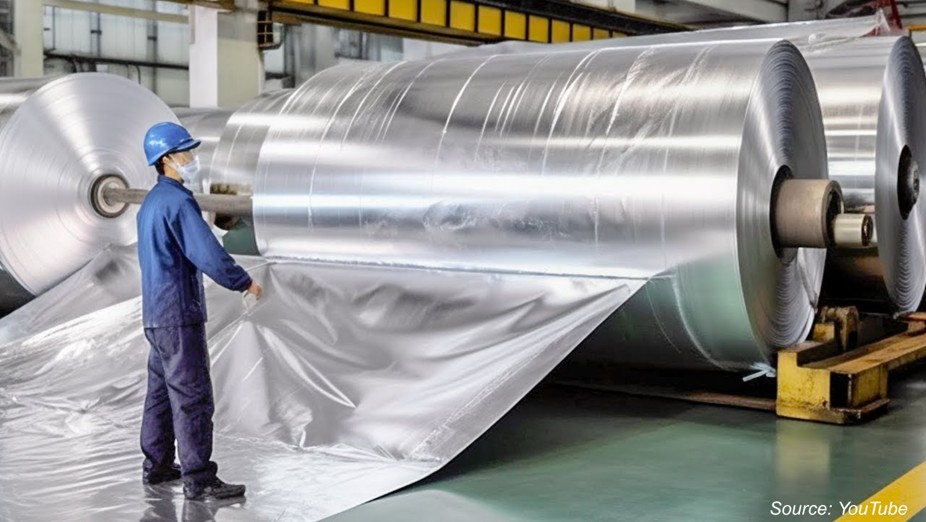
As per NMSC analysis, the Aluminum industry was valued at USD 269.76 billion in 2025 and is expected to be valued at USD 306.17 billion by the end of 2026. The industry is projected to grow, hitting USD 503.43 billion by 2035, with a CAGR of 5.68% between 2026 and 2035. In terms of volume, the market recorded 108.20 million tons in 2025, with forecasts indicating growth to 122.10 million tons by 2026 and further to 182.60 million tons by 2035, reflecting a CAGR of 4.57% over the same period.
The global Aluminum Market is undergoing a significant transformation, primarily driven by the accelerating shift toward low-carbon production, circular economy integration, and advanced material engineering. Based on our analysis of industry adoption patterns and regulatory developments, we observed that aluminum producers are increasingly transitioning from commodity suppliers to technology-driven material solution providers. This shift is further supported by the growing emphasis on sustainability, lightweighting, and energy efficiency across key end-use industries. Moreover, the integration of green smelting technologies, recycled aluminum processing, and high-performance alloy development is enhancing product differentiation and environmental compliance. As a result, aluminum is emerging as a critical material within sustainability-focused industrial ecosystems, reinforcing its strategic importance across global value chains.
For an In-depth Analysis of the Aluminum Industry, Try a FREE Sample
Aluminum Market Overview
The aluminum market is evolving rapidly as global industries increasingly prioritize decarbonization, resource efficiency, and lightweight material adoption. Based on our evaluation of demand-side trends and policy frameworks, we identified that aluminum plays a central role across transportation, construction, packaging, electrical, and industrial applications. Furthermore, rising demand for fuel-efficient vehicles, expanding urban infrastructure, and increasing packaging consumption are collectively supporting market growth. In addition, regulatory mandates promoting carbon reduction and recycling are accelerating the adoption of sustainable production practices. As a result, the growing emphasis on secondary aluminum and circular material flows is strengthening both supply stability and long-term cost efficiency.
From our technological observation, we found the aluminum market is witnessing substantial innovation across production and processing stages. Based on our assessment of operational transformation initiatives, we observed that companies are increasingly integrating automation, real-time monitoring systems, and advanced analytics to enhance efficiency and process control. Moreover, the development of low-carbon smelting technologies, including inert anode solutions, is gaining traction as producers aim to reduce emissions intensity. At the same time, advancements in recycling technologies and closed-loop manufacturing systems are improving material recovery rates and reducing dependence on primary raw materials. Consequently, these innovations are not only enhancing operational performance but also supporting compliance with evolving environmental standards, thereby reinforcing aluminum’s role in next-generation industrial applications.
Leading companies such as Rio Tinto, Alcoa Corporation, Norsk Hydro ASA, China Hongqiao Group, Emirates Global Aluminium (EGA), Century Aluminum, Vedanta Limited, Rusal, Hindalco Industries Limited, Novelis Inc., and Constellium SE are actively shaping the competitive landscape through sustained investments in sustainability and innovation. Based on our analysis of corporate strategies and market positioning, we found that these players are focusing on low-carbon aluminum production, recycling infrastructure expansion, downstream value-added capabilities, and digital manufacturing integration. Additionally, their efforts to enhance operational efficiency, reduce emissions, and align with circular economy principles are strengthening their competitive differentiation. As a result, these companies are not only improving cost structures and product performance but also reinforcing their role as key enablers of a more sustainable, efficient, and innovation-driven global aluminum market.

For the latest market share analysis and in-depth report on Aluminum Industry insights, you can buy our latest report.
Highlights of Chalco (Aluminum Corp Of China)

Aluminum Corporation of China (CHALCO), headquartered in Beijing, China, is a leading state-owned and vertically integrated aluminum producer with operations across bauxite mining, alumina refining, primary smelting, and downstream processing. Based on our evaluation of its value chain integration and policy alignment, we observed that CHALCO maintains strong cost competitiveness and supply stability, particularly within China’s industrial ecosystem. Moreover, its scale, resource access, and government backing enable it to support high-demand sectors such as construction, transportation, and electrical engineering.
In December 2025, CHALCO strengthened its downstream positioning through developments involving its subsidiary Yunnan Aluminum, including internal restructuring and capital infusion initiatives aimed at enhancing operational efficiency and expanding high-value product capabilities. This development reflects the broader industry trend toward downstream value addition and portfolio optimisation within the aluminum market. Furthermore, by improving asset utilisation and strengthening its presence in high-growth segments such as aluminum foil and advanced materials, CHALCO is enhancing its revenue mix and margin profile. As a result, the company is reinforcing its competitiveness while aligning with evolving demand for value-added and application-specific aluminum products.
Highlights of China Hongique Group
China Hongqiao Group, headquartered in Zouping, China, is one of the world’s largest private aluminum producers, with fully integrated operations spanning alumina refining, primary aluminum smelting, and downstream processing. Based on our evaluation of its scale advantages and cost structure, we observed that the company maintains strong competitiveness through captive power capabilities, resource integration, and high-volume production efficiency. Moreover, its strategic positioning within China enables it to cater effectively to large domestic demand across construction, transportation, and industrial sectors.
In December 2025, China Hongqiao Group, through its subsidiary Hontron Aluminium, completed a landmark USD 8.75 billion merger involving the acquisition of 100% of Hongtuo Industrial. This transaction represents one of the largest M&A deals by a private enterprise in China’s A-share market and reflects the broader trend of consolidation and capital market integration within the aluminum industry. Furthermore, by consolidating its core aluminum assets under a publicly listed platform, the company is enhancing capital efficiency, improving financial transparency, and strengthening its ability to access domestic funding channels. As a result, Hongqiao is reinforcing its position as a globally competitive, large-scale aluminum producer with improved financial flexibility and long-term growth potential.
Highlights of Norsk Hydro

Norsk Hydro, headquartered in Oslo, Norway, is a leading global aluminum and renewable energy company with fully integrated operations across bauxite, alumina, primary aluminum, and downstream extrusion and recycling. Based on our evaluation of its strategic positioning, we observed that Hydro differentiates itself through strong emphasis on sustainability, renewable energy integration, and low-carbon aluminum production. Moreover, its extensive recycling capabilities and focus on circular economy solutions enable it to serve high-value sectors such as automotive, construction, and packaging with environmentally compliant materials.
In March 2026, Norsk Hydro announced a controlled shutdown of primary aluminum production at its Qatalum joint venture in Qatar due to a temporary shortage of natural gas supply. This development reflects the inherent dependency of aluminum smelting on stable and cost-effective energy sources, particularly in energy-intensive production environments. Furthermore, the disruption highlights broader vulnerabilities within the aluminum market related to energy supply fluctuations and geopolitical factors affecting fuel availability. As a result, Hydro’s response underscores the importance of operational flexibility and energy risk management, while reinforcing the industry-wide shift toward diversified and renewable energy-backed production models to enhance long-term stability and resilience.
Highlights of the Rio Tinto

Rio Tinto, headquartered in London, UK, is a leading global mining and metals company with a strong presence in the aluminum sector through its integrated operations across bauxite, alumina, and primary aluminum production. Based on our evaluation of its strategic focus, we observed that the company is increasingly prioritizing low-carbon aluminum production and technological innovation to align with global decarbonization goals. Moreover, its investments in renewable energy-powered smelting and breakthrough technologies such as ELYSIS position it as a key player in the transition toward sustainable aluminum solutions.
In March 2026, Rio Tinto, in collaboration with Prysmian, announced the successful production of the first industrial-scale batch of low-carbon aluminum cables using a combination of ELYSIS-derived metal and hydropower-based smelting. This development reflects the growing demand for sustainable materials in high-growth sectors such as data center infrastructure. Furthermore, by integrating near-zero emission aluminum with renewable energy inputs, the company is advancing commercially viable low-carbon applications.
Highlights of Hindalco Industries

Hindalco Industries, headquartered in Mumbai, India, is a leading global aluminum and copper producer and a flagship company of the Aditya Birla Group, with integrated operations spanning alumina refining, primary aluminum production, and downstream value-added products through its subsidiary Novelis. Based on our evaluation of its strategic positioning, we observed that Hindalco is increasingly focusing on high-value, technology-driven materials, particularly in specialty alumina and advanced applications. Moreover, its strong global footprint and downstream integration enable it to cater to diverse sectors including automotive, packaging, construction, and industrial applications.
In June 2025, Hindalco announced its intent to acquire U.S.-based AluChem Companies for USD 125 million to expand its global specialty alumina footprint and strengthen its presence in high-margin, technology-driven materials. This development reflects the growing industry shift toward value-added aluminum derivatives, particularly in sectors such as electric mobility, semiconductors, and advanced ceramics.
Overall, this strategic move highlights Hindalco’s transition toward a more innovation-led and value-added business model. Consequently, by expanding into specialty alumina and strengthening its international presence, the company is reinforcing its competitive positioning within the evolving global aluminum market.
Summary of Aluminum Market
The aluminum market is undergoing a profound digital transformation, redefining how healthcare administration and insurance services operate. We noticed that as insurers, employers, and healthcare providers increasingly rely on automation and data-driven insights, TPAs have become critical enablers of cost efficiency, transparency, and service optimization. The industry’s momentum is being propelled by the adoption of AI-powered analytics, integrated cloud platforms, and value-based service models that enhance operational agility and decision-making. Strategic collaborations, mergers, and platform launch by leading players are further accelerating innovation and market consolidation. With regulatory alignment and digital resilience becoming key differentiators, the aluminum market is well-positioned for sustained global growth, driving smarter, faster, and more connected healthcare delivery systems for the future.
About the Author
 Saista Faiyaz
— Saista Faiyaz is Research Associate at Next Move Strategy Consulting, where she has covered consumer markets and healthcare technologies for 3 years. Her work includes primary interview review, secondary-source validation, market sizing, and structured analysis of company and industry data. She supports research by comparing evidence across sources, organizing findings into market narratives, and documenting assumptions used in analysis. Her scope includes cross-market benchmarking, and reports.
Saista Faiyaz
— Saista Faiyaz is Research Associate at Next Move Strategy Consulting, where she has covered consumer markets and healthcare technologies for 3 years. Her work includes primary interview review, secondary-source validation, market sizing, and structured analysis of company and industry data. She supports research by comparing evidence across sources, organizing findings into market narratives, and documenting assumptions used in analysis. Her scope includes cross-market benchmarking, and reports.
About the Reviewer
 Sikha Haritwal
— Sikha Haritwal is an assistant manager with strong expertise in market research, data analysis, and cross-functional coordination. She plays a key role in leading complex research initiatives, strengthening analytical rigor, and enabling data-driven decision-making across teams. Known for her leadership mindset and structured problem-solving approach, she supports process improvement, enhances operational efficiency, and contributes to building scalable frameworks that drive long-term strategic outcomes and organizational effectiveness.
Sikha Haritwal
— Sikha Haritwal is an assistant manager with strong expertise in market research, data analysis, and cross-functional coordination. She plays a key role in leading complex research initiatives, strengthening analytical rigor, and enabling data-driven decision-making across teams. Known for her leadership mindset and structured problem-solving approach, she supports process improvement, enhances operational efficiency, and contributes to building scalable frameworks that drive long-term strategic outcomes and organizational effectiveness.















Add Comment