What Is Driving the Global Hydrogen Economy in 2026?

Hydrogen Market is moving beyond pilot projects and policy discussions into practical deployment across transportation, logistics, infrastructure, and aviation. Recent developments from Air Liquide, Hyundai Motor Group, and AeroDelft demonstrate that hydrogen is increasingly being tested and implemented in real-world environments.
For investors, supply chain leaders, and corporate strategists, the key question is no longer whether hydrogen can contribute to decarbonization. The focus is now shifting toward how rapidly supporting ecosystems can scale and where the strongest commercial opportunities are emerging.
Two major developments illustrate this transition. First, Air Liquide and Hyundai Motor Group expanded their global partnership to accelerate hydrogen infrastructure and mobility deployment across Europe, South Korea, and the United States. Second, AeroDelft successfully conducted hydrogen aircraft taxi tests at Rotterdam. The Hague Airport, demonstrating progress toward hydrogen-powered aviation.
Together, these developments reveal how hydrogen is evolving from a niche technology into a broader industrial and transportation ecosystem.
How Is Hydrogen Infrastructure Becoming a Strategic Growth Priority?
One of the most significant announcements in late 2025 came from Air Liquide and Hyundai Motor Group, which renewed and expanded their strategic partnership during the Hydrogen Council CEO Summit in Seoul.
The collaboration focuses on building a comprehensive hydrogen ecosystem that includes:
-
Hydrogen production
-
Storage solutions
-
Transportation networks
-
Distribution infrastructure
-
End-use applications
The companies plan to establish key hydrogen hubs across Europe, South Korea, and the United States, creating a more integrated value chain capable of supporting large-scale deployment.
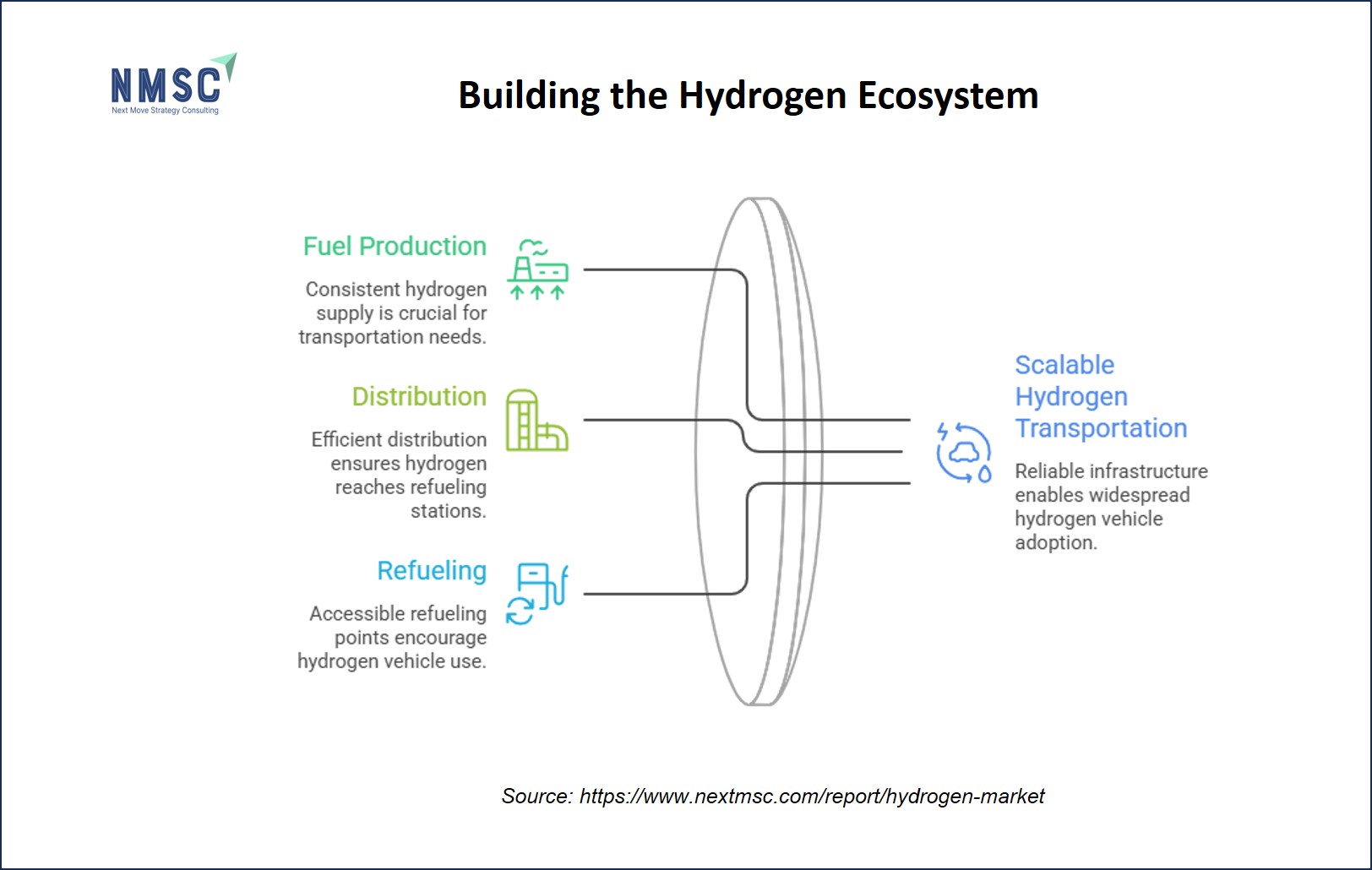
A central objective is expanding hydrogen refueling infrastructure while strengthening storage capacity and supply chain reliability. This approach addresses one of the most commonly cited barriers to hydrogen adoption: infrastructure availability.
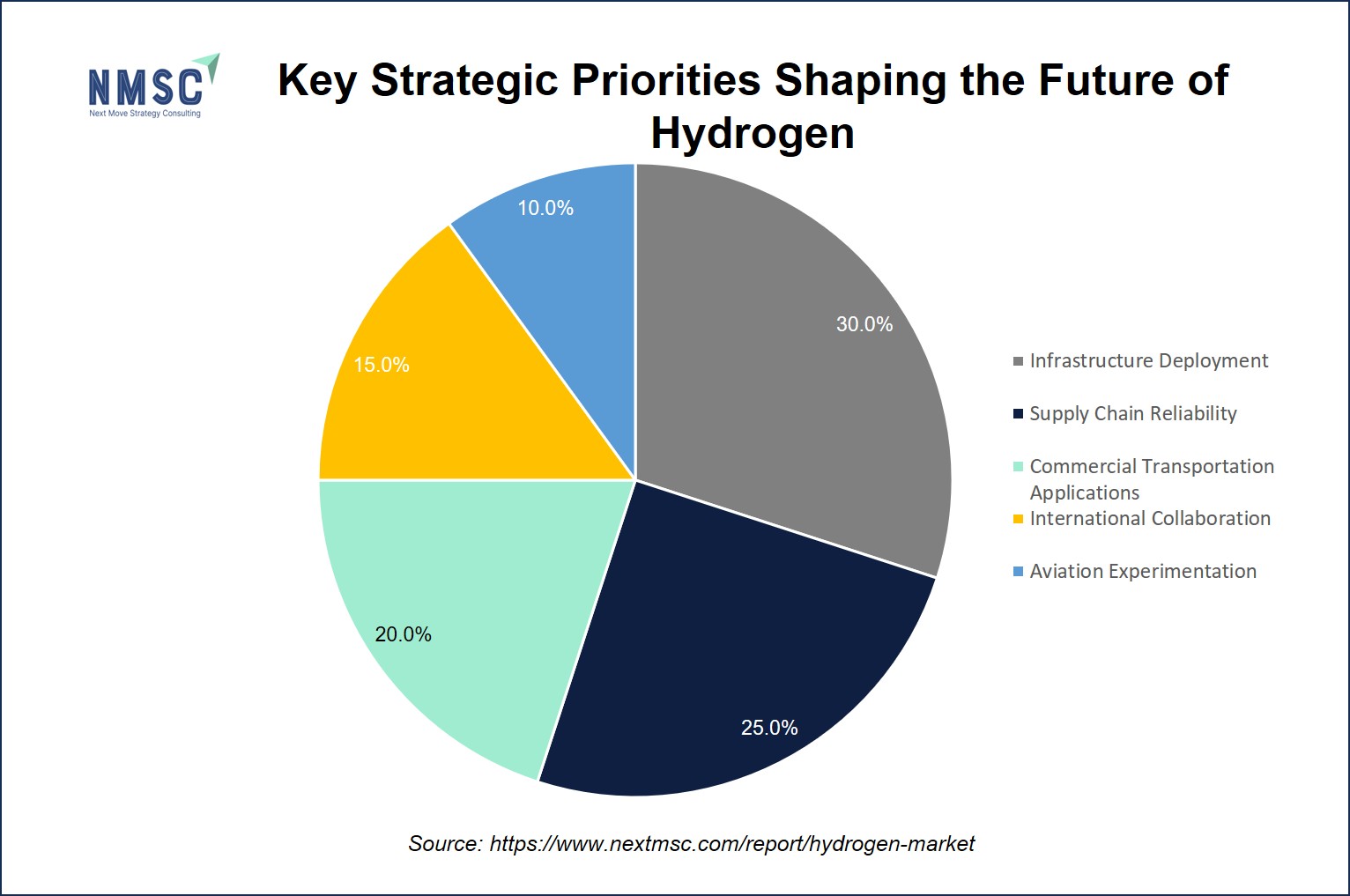
Key Strategic Priorities Shaping the Future of Hydrogen
The pie chart illustrates the major focus areas expected to influence the future development of the hydrogen economy based on recent industry initiatives and ecosystem-building efforts.
Infrastructure Deployment (30%) represents the largest share, highlighting the industry's emphasis on expanding hydrogen production facilities, storage systems, transportation networks, and refueling stations. The Air Liquide–Hyundai partnership demonstrates how infrastructure is becoming the foundation for large-scale hydrogen adoption.
Supply Chain Reliability (25%) accounts for the second-largest portion, reflecting the growing need for efficient production, distribution, and delivery systems. As hydrogen demand increases, reliable supply chains will be essential for ensuring consistent availability across industries and regions.
Commercial Transportation Applications (20%) showcase the importance of hydrogen-powered solutions in logistics fleets, public transportation, heavy-duty vehicles, and port operations. The deployment of fuel cell electric vehicles and hydrogen buses highlights transportation as one of the most advanced commercialization pathways.
International Collaboration (15%) emphasizes the role of partnerships among industry leaders, governments, and organizations in accelerating hydrogen adoption. Cross-border cooperation can support standardization, infrastructure investment, and policy development.
Aviation Experimentation (10%) represents an emerging area of innovation. Projects such as AeroDelft's successful hydrogen aircraft taxi tests demonstrate growing interest in exploring hydrogen-powered aviation, although the sector remains in the early stages of development.
Why Does Infrastructure Matter?
For hydrogen-powered transportation to scale, organizations require reliable access to fuel production, distribution, and refueling capabilities. Without these foundational elements, vehicle adoption remains constrained regardless of technological progress.
The Air Liquide-Hyundai partnership demonstrates how industry leaders are increasingly focusing on ecosystem development rather than individual products.

How Is Hydrogen Transforming Transportation and Mobility?
Hydrogen mobility continues to be one of the most visible areas of commercialization.
According to Air Liquide and Hyundai Motor Group, Hyundai has already deployed:
|
Deployment Category |
Volume |
|
Hydrogen Buses |
More than 2,000 |
|
Passenger Fuel Cell Electric Vehicles |
More than 37,000 |
These deployments demonstrate that hydrogen-powered transportation is progressing beyond demonstration projects into operational use. These sectors often require long operating hours and rapid refuelling capabilities, making hydrogen a potentially attractive solution compared with some alternative technologies.
What Makes Heavy-Duty Transport Important?
Commercial fleets represent a major source of emissions and operational energy demand. Hydrogen-powered fuel cell systems can provide extended operating ranges while supporting decarbonization objectives.
However, widespread adoption remains dependent on infrastructure expansion and cost-effective supply chains.
Hydrogen mobility is moving from concept to commercial deployment in selected transportation segments.
Could Hydrogen Become Aviation's Next Major Innovation?
While hydrogen transportation on roads continues to gain momentum, aviation is beginning to establish its own pathway toward hydrogen-powered operations. A notable milestone was achieved in May 2026 when AeroDelft successfully completed hydrogen aircraft taxi tests at Rotterdam The Hague Airport. The achievement marked the first time a hydrogen-powered aircraft conducted ground operations at an active airport in the Netherlands, demonstrating that hydrogen technologies can function beyond controlled laboratory environments.
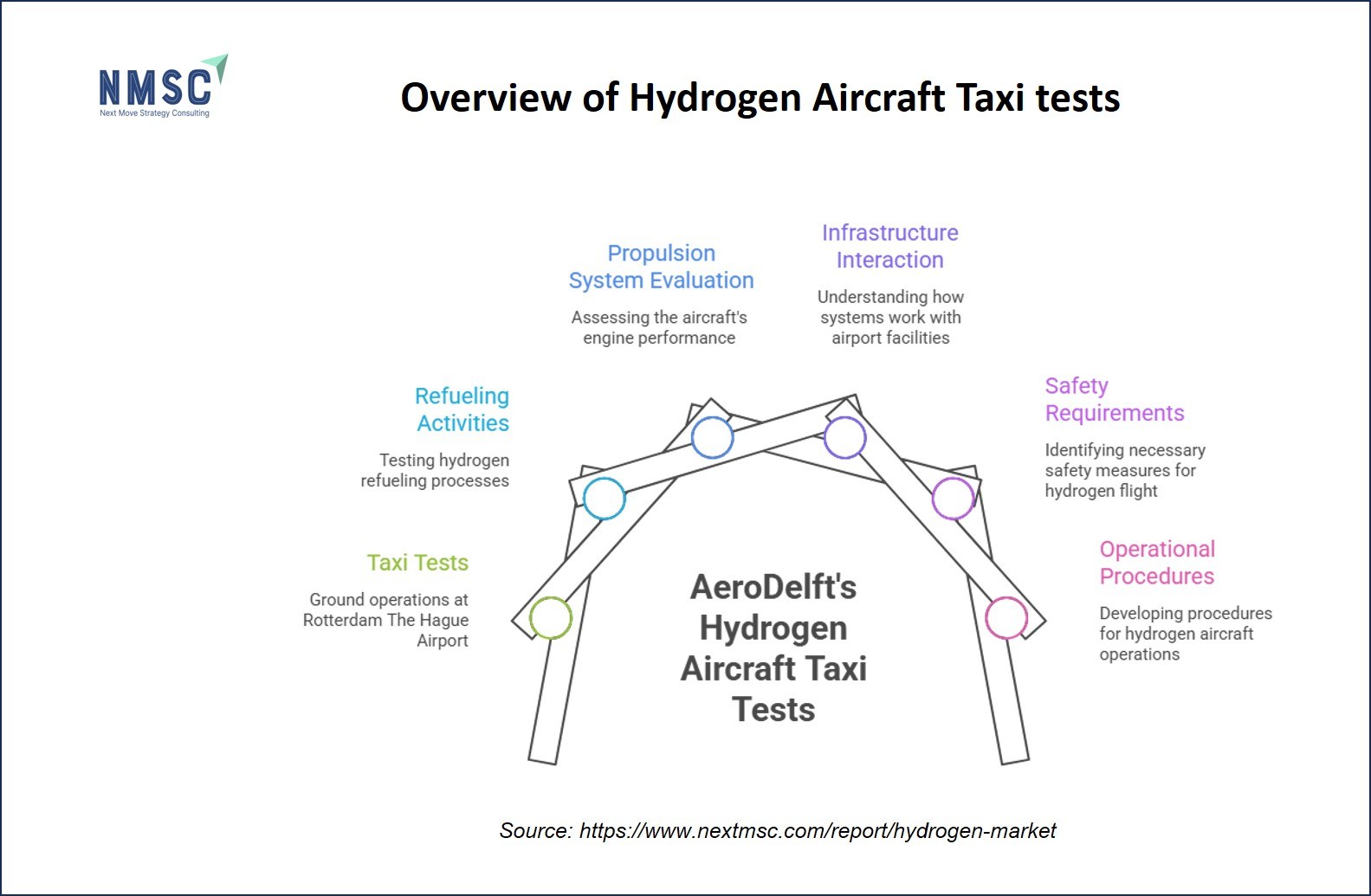
The testing program involved hydrogen refueling activities, evaluations of the aircraft's propulsion system, and taxi operations on existing airport infrastructure. More importantly, the initiative provided an opportunity to assess how hydrogen-powered aviation systems interact with real-world airport operations, offering valuable insights into safety requirements, infrastructure readiness, and operational procedures.
This development represents a significant step in the evolution of hydrogen aviation because it shifts the conversation from theoretical feasibility to practical implementation. By conducting tests within an operational airport setting, AeroDelft and its partners were able to gather experience that cannot be replicated in laboratory conditions. The project highlights the growing focus on understanding the infrastructure and safety frameworks necessary to support future hydrogen-powered flight.
Why Is This Development Significant?
Aviation faces significant decarbonization challenges because aircraft require high energy density for long-duration flights.
AeroDelft's testing program demonstrated that hydrogen systems can operate within existing airport environments while providing valuable insights into:
-
Safety procedures
-
Operational requirements
-
Infrastructure planning
-
Airport integration
The team currently uses gaseous hydrogen and estimates approximately 40 minutes of flight capability. Future plans involve transitioning to liquid hydrogen technology, which could extend flight duration to roughly two hours.
How Are Industry Leaders Strengthening Their Position in the Hydrogen Sector?
The hydrogen industry is characterized by the presence of several established companies, including Air Liquide, Air Products and Chemicals, Cummins Inc., Messer Group, Plus Power, Taiyo Nippon Sanso Corporation, Teledyne Technologies, BASF SE, Dow, and Nuvera Fuel Cells. To strengthen their market presence, these organizations are increasingly pursuing strategic partnerships, joint ventures, technology collaborations, and regional expansion initiatives. Such approaches enable companies to enhance their hydrogen production capabilities, broaden infrastructure networks, accelerate innovation, and expand their reach across emerging hydrogen markets worldwide.

Industry Impact Analysis
Impact on Investors
The latest developments indicate growing industry commitment to hydrogen ecosystem expansion. Strategic partnerships and infrastructure investments may create long-term opportunities across transportation, industrial gases, and energy systems.
Impact on Supply Chains
Hydrogen requires coordinated development across production, storage, transportation, and utilization. Companies capable of integrating these components may gain competitive advantages as ecosystems mature.
Impact on Corporate Strategy
Organizations evaluating decarbonization pathways should monitor hydrogen developments in logistics, public transportation, industrial operations, and aviation.
What Could the Future Hold for Hydrogen?
Recent developments suggest that hydrogen's future will be shaped by ecosystem maturity rather than individual technology breakthroughs.
Industry leaders are increasingly focusing on:
-
Infrastructure deployment
-
Supply chain reliability
-
Commercial transportation applications
-
Aviation experimentation
-
International collaboration
The success of these efforts will depend on how effectively stakeholders coordinate production, storage, transportation, and end-use deployment.
Next Steps
For decision-makers evaluating hydrogen opportunities:
-
Assess infrastructure developments within target regions.
-
Monitor transportation and logistics deployment trends.
-
Evaluate supply chain partnerships and ecosystem participants.
-
Track aviation pilot programs and infrastructure readiness.
-
Incorporate hydrogen scenarios into long-term decarbonization planning.
Conclusion
Hydrogen is entering a more practical stage of development characterized by infrastructure expansion, transportation deployment, and emerging aviation applications. The partnership between Air Liquide and Hyundai Motor Group demonstrates how ecosystem-building is becoming the industry's primary focus, while AeroDelft's airport-based testing highlights hydrogen's potential beyond ground transportation.
For investors, executives, and supply chain leaders, the most important takeaway is that hydrogen's future will be shaped not by isolated technologies but by the successful integration of production, storage, transportation, and utilization networks. As these ecosystems continue to develop, hydrogen's role in the global energy transition is becoming increasingly tangible.
About the Author
 Sanyukta Deb
— Sanyukta Deb is Digital Marketing Team Lead at Next Move Strategy Consulting, where she has led content strategy and technical SEO for the firm's B2B market research publications for over 2 years. Her editorial process translates NextMSC's primary and secondary research — spanning technology, industrial, and consumer sectors — into commercial narratives, backed by search-intent, keyword, and competitive analysis. She brings 5 years of overall experience in digital marketing and content strategy.
Sanyukta Deb
— Sanyukta Deb is Digital Marketing Team Lead at Next Move Strategy Consulting, where she has led content strategy and technical SEO for the firm's B2B market research publications for over 2 years. Her editorial process translates NextMSC's primary and secondary research — spanning technology, industrial, and consumer sectors — into commercial narratives, backed by search-intent, keyword, and competitive analysis. She brings 5 years of overall experience in digital marketing and content strategy.
About the Reviewer
 Debashree Dey
— Debashree Dey is Assistant Manager at Next Move Strategy Consulting, where she supports cross-vertical market content and communications across diverse industries for 6 years. Her professional background includes senior content writing, communications, and published manuscript authorship, with experience developing audience-focused business narratives and maintaining clear, consistent messaging. Her role supports research-led content development and editorial quality across NextMSC publications.
Debashree Dey
— Debashree Dey is Assistant Manager at Next Move Strategy Consulting, where she supports cross-vertical market content and communications across diverse industries for 6 years. Her professional background includes senior content writing, communications, and published manuscript authorship, with experience developing audience-focused business narratives and maintaining clear, consistent messaging. Her role supports research-led content development and editorial quality across NextMSC publications.


















Add Comment