How Are Modular Robotics Reshaping Automation in 2026?
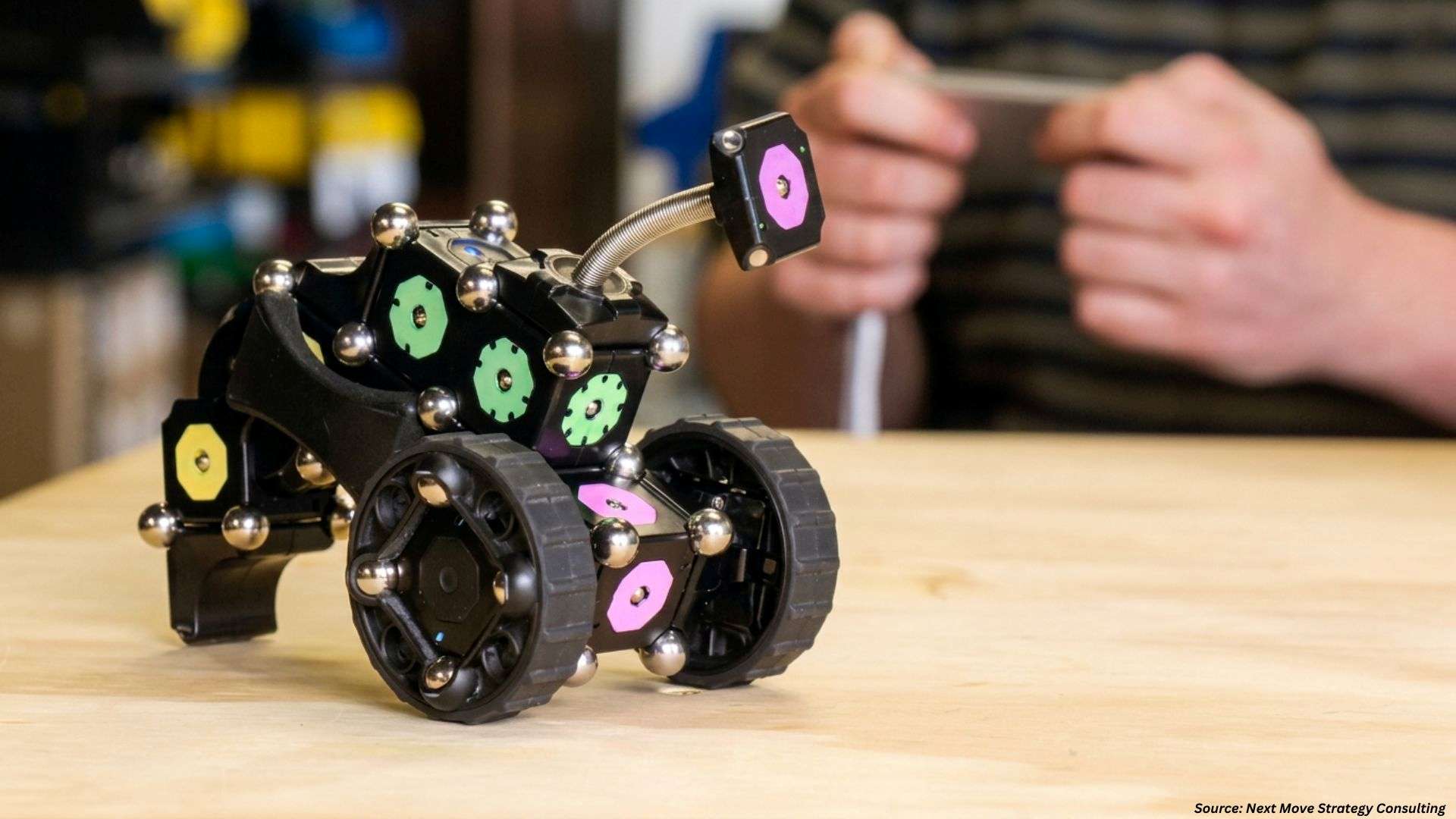
Modular Robotics Market is shifting from an emerging concept to a real business solution. Instead of depending on one large fixed machine, organizations are adopting robotic systems made of smaller interchangeable units that can be expanded, rearranged, or upgraded when operations change. This flexibility is becoming increasingly valuable across logistics, retail, manufacturing, and service environments.
Recent developments from India and China show how quickly this space is advancing. New investments, commercial deployments, and next-generation robot launches indicate that modular systems are moving into mainstream operations where adaptability and efficiency are essential.
What Is Modular Robotics and Why Does It Matter?
Modular robotics refers to systems built from separate robotic components that work together as one coordinated solution. These components may include mobile bases, robotic arms, sensors, software controllers, or sorting units. Because each part can be added or replaced independently, businesses gain more control over how they scale automation.
Traditional automation systems are often expensive to redesign once installed. Modular designs offer a more gradual path, allowing companies to start small and expand as demand grows.

Why This Image Captures the Future of Scalable Robotics
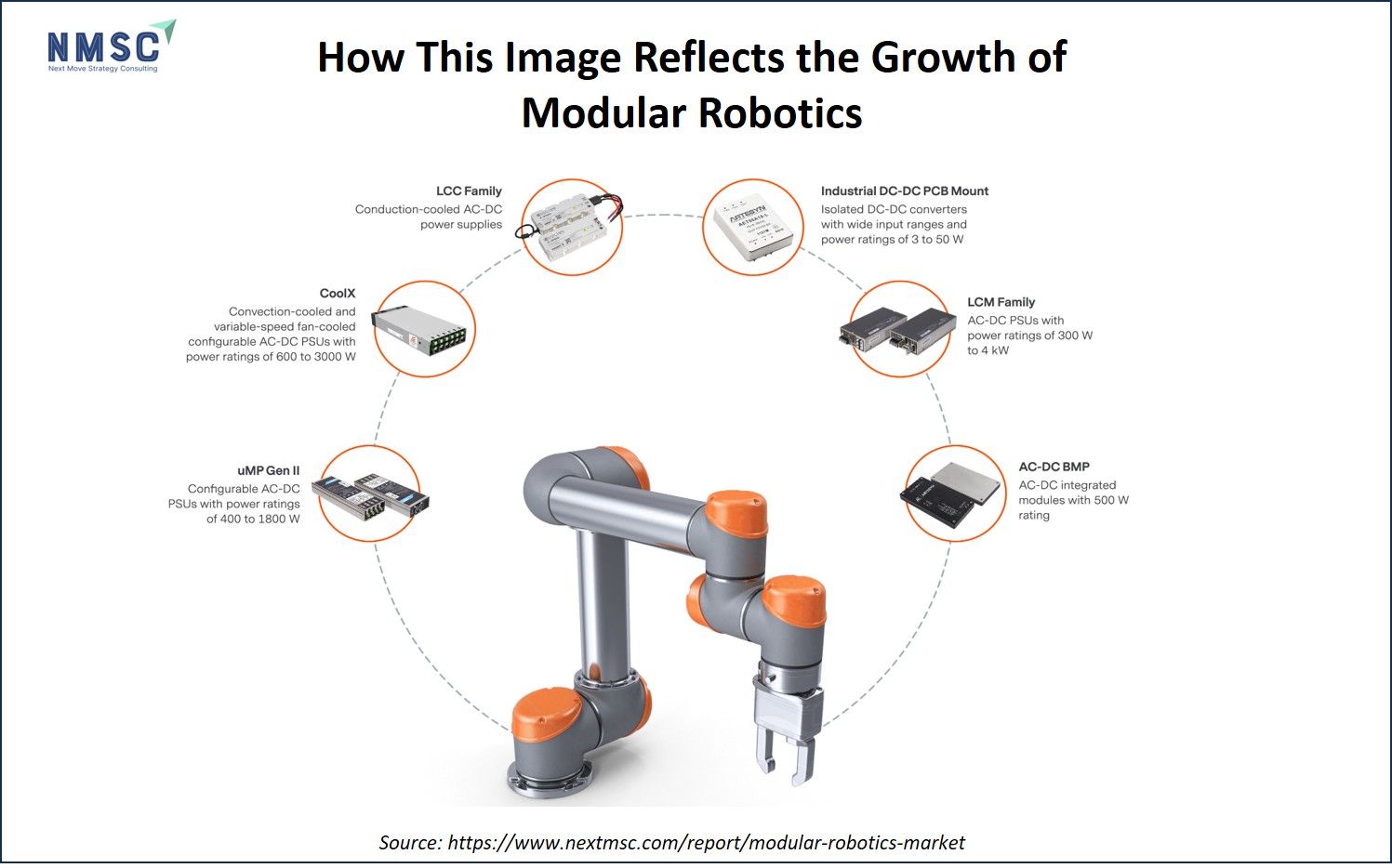
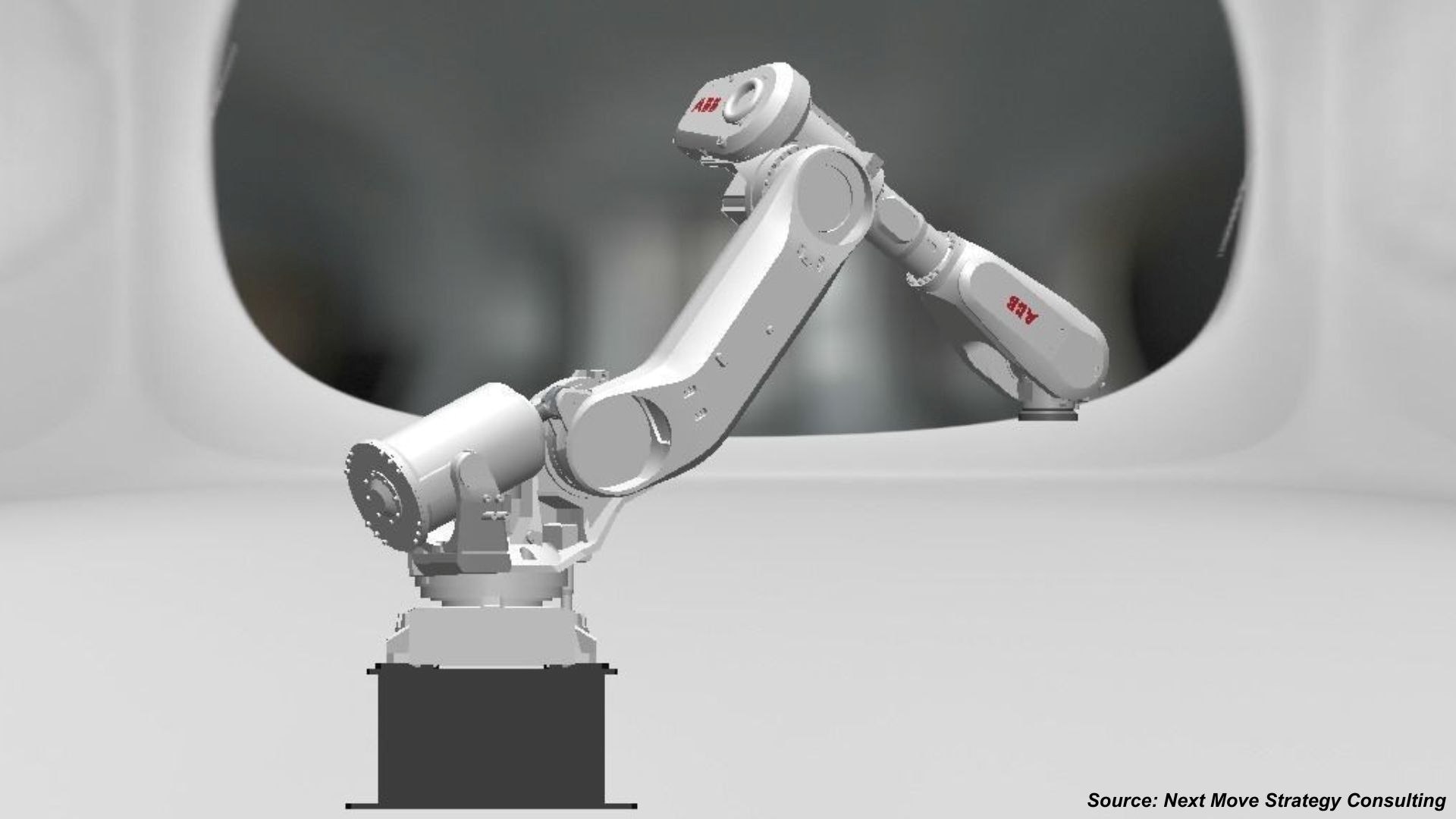
This image illustrates the core idea behind modular robotics: a central robotic arm supported by multiple interchangeable power and control modules arranged around it. The visual highlights how robotic systems are no longer built as fixed standalone machines. Instead, they are being designed as flexible platforms where components such as power supplies, converters, and controllers can be added, replaced, or upgraded based on operational needs.
This directly connects with the developments mentioned in the provided sources. Unbox Robotics demonstrates how modular systems can improve warehouse automation by using scalable robotic fleets for parcel sorting and fulfillment. Similarly, the Chinese robotics launches show how modular designs are expanding into service, industrial, and embodied robotics with broader capabilities.
The circular arrangement in the image also symbolizes ecosystem-based automation. Each module performs a specific function, but together they create a smarter and more efficient robotic system. This is why modular robotics is gaining traction in 2026, as businesses increasingly prefer automation solutions that can evolve with changing demand rather than remain fixed and inflexible.
How Is E-commerce Shaping Demand for Modular Robotics?
E-commerce has become one of the strongest growth drivers for robotic automation. Warehouses are under pressure to process higher order volumes, maintain speed during peak seasons, and reduce errors in fulfillment. Modular robotics helps solve these issues by allowing operators to add capacity quickly.
Unbox Robotics is one example of this trend. The company develops AI-powered sorting systems that use fleets of robots to move parcels efficiently through fulfillment centers, distribution hubs, and delivery networks. Its growth reflects the increasing need for smart and scalable warehouse solutions.
Businesses are particularly attracted to these systems because they can respond to seasonal demand spikes without rebuilding an entire facility. That creates a faster return on investment and reduces long-term operational rigidity.
Modular Robotics Ecosystem in Action
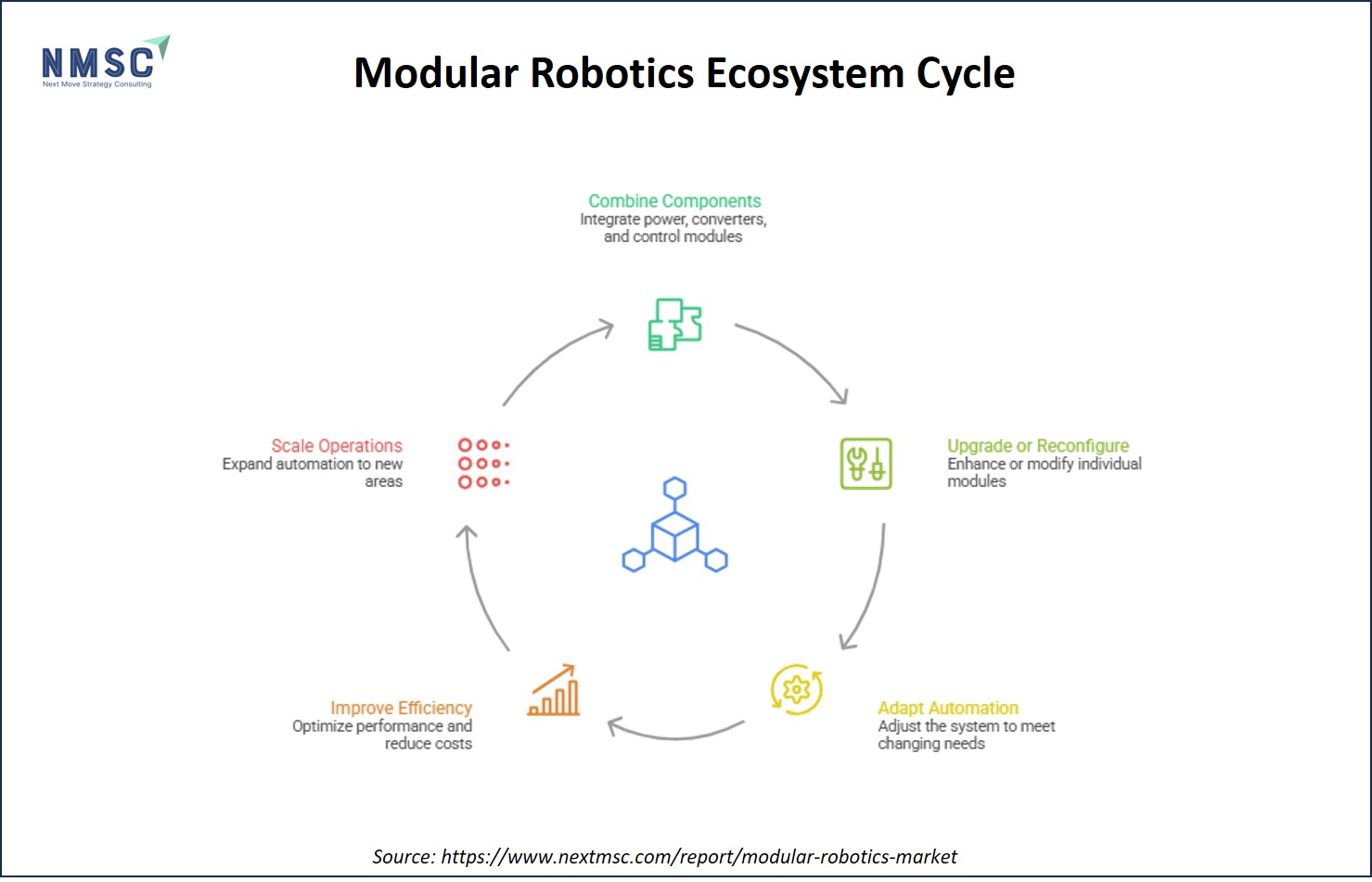
This image showcases how modular robotics combines a central robotic system with multiple supporting modules such as power units, converters, and control components. Each element can be upgraded or reconfigured independently, allowing businesses to adapt automation systems without replacing the entire setup. The design reflects why modular robotics is gaining momentum in warehouses, factories, and service environments where flexibility, efficiency, and rapid scaling are essential. As industries demand smarter and more cost-effective automation, this connected ecosystem model is becoming a preferred path for future-ready operations.
Why Modular Robotics Is Becoming the Smartest Automation Bet
Modular robotics is redefining how companies invest in automation by replacing fixed systems with flexible robotic building blocks. Instead of committing to one large machine, businesses can add new modules as operations grow, making expansion faster and more cost-effective. This model is especially valuable in warehouses, where demand changes quickly, and in service environments that require robots to perform multiple tasks. With stronger investor backing, rapid product innovation, and smarter AI integration, modular robotics is emerging as a future-ready solution built for constant change.

What Does Recent Funding Activity Reveal?
Investment activity often shows where the strongest commercial opportunities exist. Unbox Robotics recently secured major funding to support international expansion, strengthen engineering teams, and develop new products. This signals growing investor confidence in robotics companies that already demonstrate practical market demand.
The focus has moved beyond speculative innovation. Investors are increasingly supporting businesses that can prove efficiency gains, customer adoption, and scalable business models.
Modular Robotics Adoption Across Key Industries in 2026
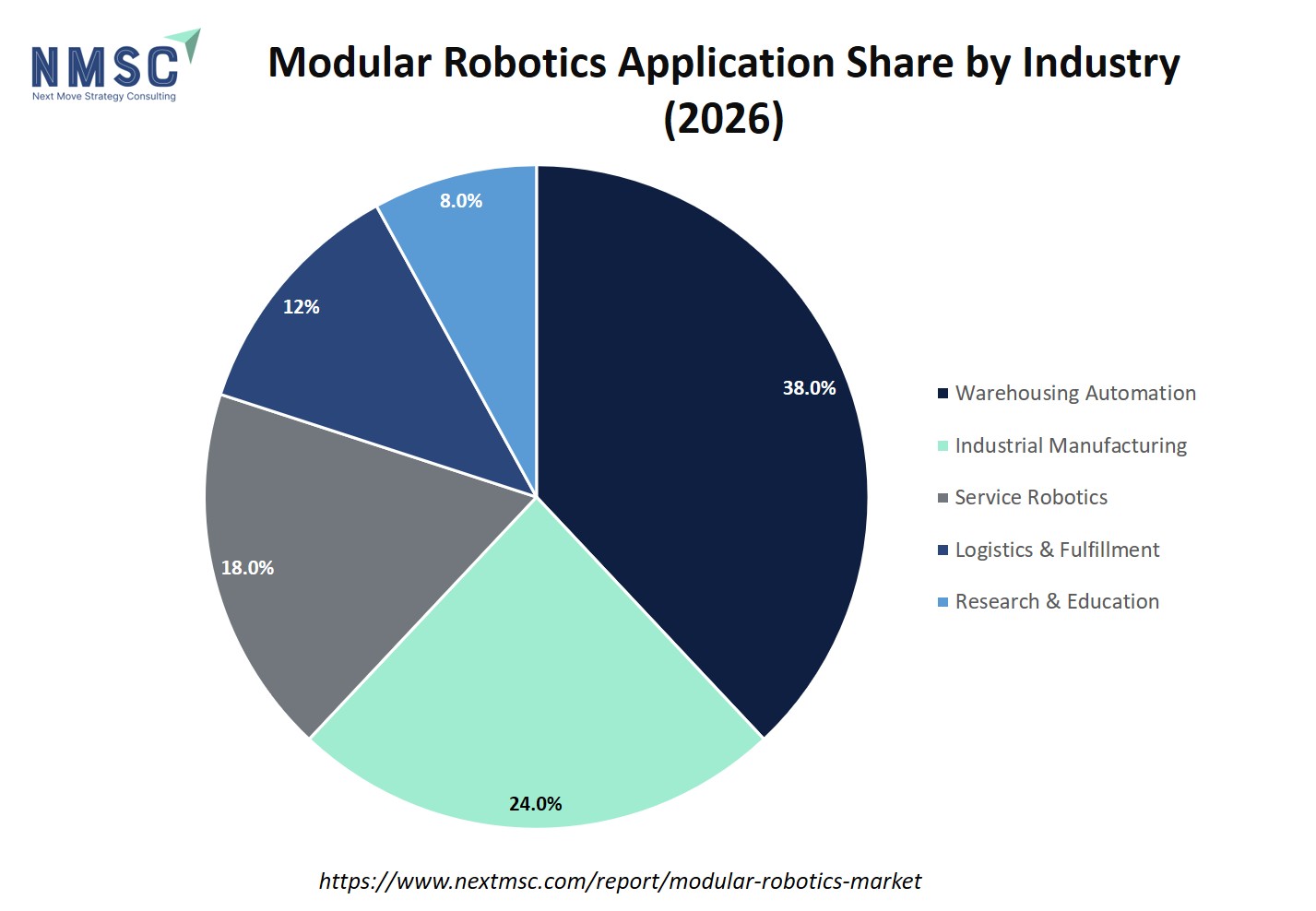
The pie chart shows that warehousing automation holds the largest share at 38%, reflecting strong demand for parcel sorting, order fulfillment, and faster logistics operations. Industrial manufacturing follows with 24%, where modular robotic systems are used to improve production efficiency and repetitive processes. Service robotics accounts for 18%, highlighting growing adoption in customer assistance, inspection, and guidance roles. Logistics and fulfillment represent 12%, driven by the need for smoother movement of goods across supply chains. Research and education contribute 8%, showing how institutions are using modular robots for innovation, testing, and skill development. Overall, the chart indicates that industries requiring flexibility and scalable automation are leading the adoption of modular robotics.

How Are Chinese Companies Expanding the Opportunity?
China is also demonstrating strong momentum in robotics innovation. Several companies recently introduced advanced robots designed for industrial, educational, and service use. These launches include humanoid robots with improved movement control and modular embodied robots built for endurance and heavy-load mobility.
This matters because it shows modular robotics is no longer limited to warehouse tasks. The same design philosophy is spreading into customer service, inspection work, guided assistance, research, and collaborative environments where robots must perform varied functions.
Major Trends Shaping the Present
One of the biggest trends is the rise of robotics as scalable infrastructure. Companies want automation that can grow step by step rather than requiring full replacement.
Another important shift is the combination of artificial intelligence with modular hardware. Smarter software allows separate robotic units to coordinate more effectively, improving productivity and decision-making.
Commercialization is also accelerating. Products are reaching real business environments faster than in earlier robotics cycles, while regional innovation hubs such as India and China continue to gain importance.
Finally, buyers are focusing more on measurable returns. Productivity improvements, throughput gains, and labor support are now stronger decision factors than futuristic branding.
What Challenges Still Need to Be Solved?
Despite strong momentum, adoption is not without obstacles. Initial investment costs can still be high for smaller businesses, especially when integration with existing systems is required. Training employees to work alongside robotic systems also remains important.
In advanced humanoid robotics, natural human interaction and cost-efficient production are still developing areas. Many businesses are interested, but large-scale adoption will depend on better affordability and smoother deployment.
Quick Snapshot: 2026 Outlook
|
Area |
Direction |
|
Warehousing |
Rapid adoption |
|
Service Robotics |
Early commercialization |
|
AI Integration |
Accelerating |
|
Investor Interest |
Strong |
|
Global Expansion |
Increasing |
Leading Companies Shaping the Modular Robotics Industry
The modular robotics sector features a diverse group of established global players and emerging innovators. Key companies include ABB Ltd., Midea Group through KUKA AG, FANUC Corporation, Yaskawa Electric Corporation, Kawasaki Heavy Industries Ltd., Denso Robotics, Universal Robots, Nachi-Fujikoshi Corporation, Mitsubishi Electric Corporation, Omron Corporation, RobCo GmbH, Comau, Doosan Robotics Inc., Staubli International AG, Epson America, Inc., and several other technology-driven participants contributing to industry growth.
Next Steps for Businesses
Businesses evaluating modular robotics should begin by identifying repetitive workflows where automation can create immediate value. Starting with pilot programs often reduces risk while providing measurable insights.
It is equally important to track results through metrics such as throughput, accuracy, and labor efficiency. Vendor selection should also focus on future upgrade paths and long-term support.
Preparing employees for collaboration with robotic systems can be just as important as choosing the technology itself.
-
Identify repetitive and time-consuming workflows where automation can create immediate value.
-
Start with pilot projects before scaling across the full operation.
-
Measure performance through throughput, accuracy, and labor efficiency metrics.
-
Select vendors that offer upgrade flexibility and reliable long-term support.
-
Train employees to work effectively alongside robotic systems.
Final Takeaway
Modular robotics is emerging as one of the most practical forms of automation in 2026. From parcel sorting in warehouses to adaptable service robots, the defining advantage is flexibility. Businesses no longer need to choose between manual operations and rigid automation. They now have a scalable path built for constant operational change.
About the Author
 Sanyukta Deb
— Sanyukta Deb is Digital Marketing Team Lead at Next Move Strategy Consulting, where she has led content strategy and technical SEO for the firm's B2B market research publications for over 2 years. Her editorial process translates NextMSC's primary and secondary research — spanning technology, industrial, and consumer sectors — into commercial narratives, backed by search-intent, keyword, and competitive analysis. She brings 5 years of overall experience in digital marketing and content strategy.
Sanyukta Deb
— Sanyukta Deb is Digital Marketing Team Lead at Next Move Strategy Consulting, where she has led content strategy and technical SEO for the firm's B2B market research publications for over 2 years. Her editorial process translates NextMSC's primary and secondary research — spanning technology, industrial, and consumer sectors — into commercial narratives, backed by search-intent, keyword, and competitive analysis. She brings 5 years of overall experience in digital marketing and content strategy.
About the Reviewer
 Debashree Dey
— Debashree Dey is Assistant Manager at Next Move Strategy Consulting, where she supports cross-vertical market content and communications across diverse industries for 6 years. Her professional background includes senior content writing, communications, and published manuscript authorship, with experience developing audience-focused business narratives and maintaining clear, consistent messaging. Her role supports research-led content development and editorial quality across NextMSC publications.
Debashree Dey
— Debashree Dey is Assistant Manager at Next Move Strategy Consulting, where she supports cross-vertical market content and communications across diverse industries for 6 years. Her professional background includes senior content writing, communications, and published manuscript authorship, with experience developing audience-focused business narratives and maintaining clear, consistent messaging. Her role supports research-led content development and editorial quality across NextMSC publications.
















Add Comment