How do Ultra-Fast, Smart Chargers Drive the Next EV Wave?
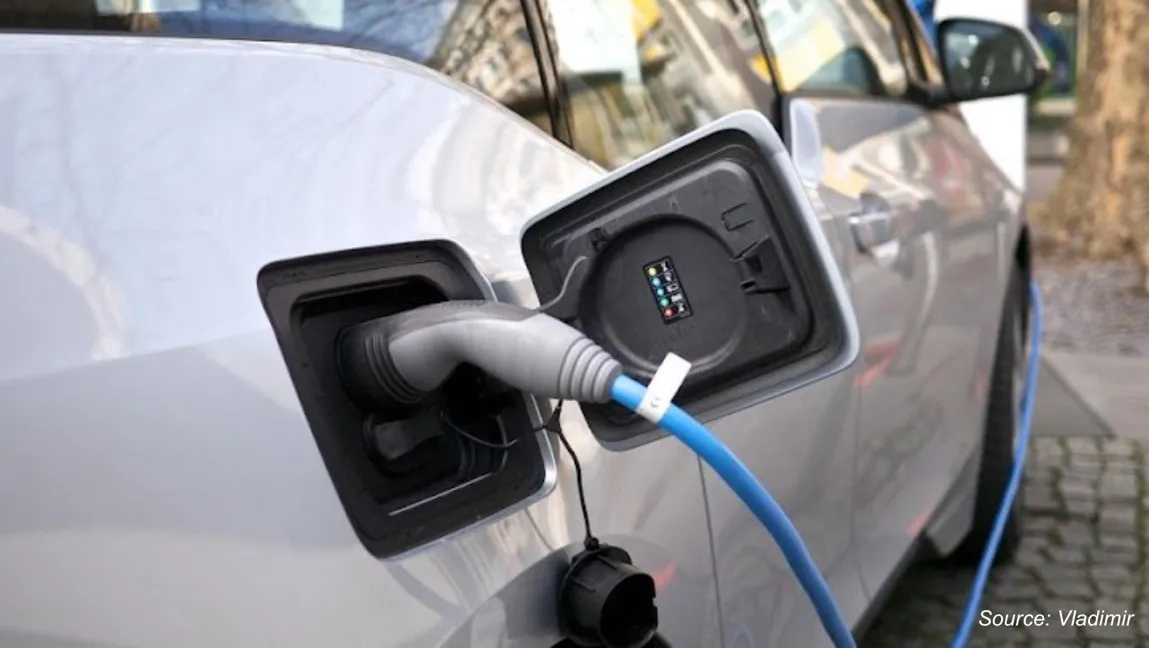
The global electric vehicle (EV) market is experiencing a significant transformation, driven by advancements in ultra-fast and smart charging technologies. These innovations are not merely enhancing the convenience of EV ownership but are also pivotal in accelerating the adoption of electric mobility worldwide.
Ultra-fast charging stations are reducing charging times from hours to minutes, addressing one of the most significant barriers to EV adoption. Concurrently, smart charging solutions are optimizing energy consumption, integrating renewable energy sources, and providing real-time data analytics to improve user experience and operational efficiency.
According to Next Move Strategy Consulting, the global EV Charging Market size was valued at USD 19.62 billion in 2024 and is expected to reach USD 25.62 billion by 2025. Looking ahead, the industry is projected to expand significantly, reaching USD 68.46 billion by 2030, registering a CAGR of 21.7% from 2025 to 2030. In terms of volume, the sector recorded 28 million units in 2024, with forecasts indicating growth to 38 million units by 2025 and further to 115 million units by 2030, reflecting a CAGR of 25.03% over the same period.
Curious about the EV Charging Market? Download Your FREE Sample Report Now
The Need for Speed and Intelligence in EV Charging
As the global automotive industry accelerates its shift towards electrification, the demand for efficient, reliable, and intelligent EV charging solutions has never been higher. Ultra-fast and smart charging technologies are at the forefront of this transformation, addressing critical challenges such as long charging times, grid stability, and user convenience.
Ultra-fast charging stations significantly reduce charging durations, enabling EVs to gain substantial range in a matter of minutes. For instance, advancements in charging infrastructure have led to the development of stations capable of delivering up to 500 kW of power, allowing vehicles to charge from 20% to 80% in approximately 15 minutes. This rapid charging capability is crucial for enhancing the practicality of EVs, especially for long-distance travel and commercial fleet operations.
Simultaneously, smart charging technologies are revolutionising the way EVs interact with the grid. By integrating features like real-time monitoring, predictive maintenance, and vehicle-to-grid (V2G) capabilities, smart charging systems optimize energy consumption, reduce operational costs, and contribute to grid stability. These intelligent systems enable dynamic load management, allowing for efficient distribution of electricity and minimizing the impact on the existing power infrastructure.
The convergence of ultra-fast and smart charging technologies is not only improving the EV charging experience but also accelerating the adoption of electric mobility worldwide. In this blog, we explore the technological advancements and industry developments shaping the future of EV charging market dynamics.
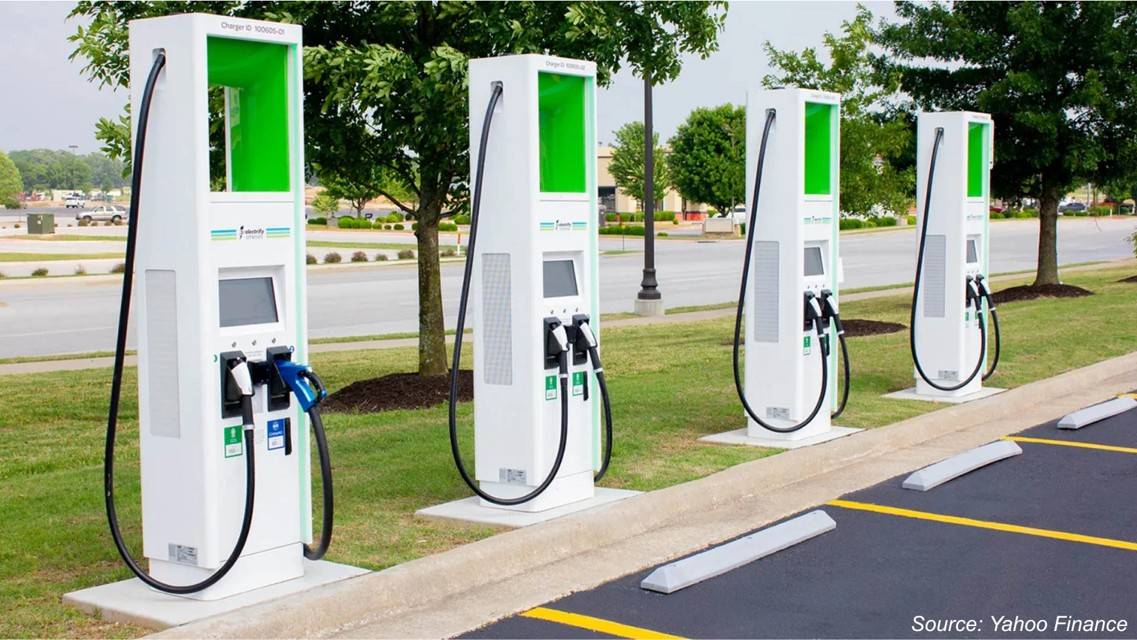
Accelerating the Future of Mobility with Ultra-Fast Charging Technology
Parallel to advancements in charging speed, smart charging technologies are transforming how vehicles, grids, and charging stations communicate. The integration of automation, AI, and IoT has given rise to intelligent charging ecosystems that monitor demand, optimize energy flow, and even predict maintenance needs.
Smart charging networks enable load balancing to prevent grid overloads, while vehicle-to-grid (V2G) technologies allow stored energy in EVs to be returned to the grid during peak hours. Schneider Electric, for example, has integrated its energy management expertise with StarCharge’s infrastructure to create seamless, grid-aware charging networks.
Delta Electronics’ collaboration with EVgo in 2024 to co-develop next-generation charging architecture also reflects this shift toward smarter, interconnected systems. These advancements represent a significant stride toward sustainable energy optimisation, ensuring that EV charging growth aligns with global decarbonization goals.
Ultra-fast charging technology is revolutionising the EV charging market landscape by drastically reducing the time required to replenish vehicle batteries. These chargers, delivering power outputs typically ranging from 350 kW to over 1 MW, allow electric vehicles to gain hundreds of kilometres of range in mere minutes, bringing charging times closer to the convenience of traditional fueling.
For instance, BYD’s Super e-Platform, introduced in 2025, features a 1,000-volt architecture capable of providing 400 km of range in just five minutes. ABB’s MCS1200 Megawatt Charging System, designed for heavy-duty commercial vehicles, delivers 1.2 MW of continuous power, enabling fleet operators to maintain operational efficiency with minimal downtime.
Ultra-fast charging not only improves consumer convenience but also supports long-distance travel, fleet electrification, and urban mobility initiatives, making it a critical driver for the widespread adoption of electric vehicles globally.
Driving Industry Momentum and Market Evolution in the Global EV Charging Landscape
The EV charging market transformation is being driven not only by technological breakthroughs but also by the collective global momentum toward clean energy and decarbonization. Governments worldwide are prioritising the electrification of transport as part of their broader sustainability agendas, rolling out national charging networks, funding R&D initiatives, and mandating green infrastructure development.
Policies like the U.S. National Electric Vehicle Infrastructure (NEVI) program and the European Union’s Alternative Fuels Infrastructure Regulation (AFIR) are enabling a massive expansion of fast-charging corridors across major highways and cities. In Asia, China continues to lead with state-backed projects to install ultra-fast chargers across urban and intercity routes, while Japan and South Korea are strengthening public-private partnerships to modernise grid infrastructure. These policy-driven efforts are creating a favourable environment for innovation, reducing deployment barriers, and accelerating the adoption of next-generation charging solutions.
Private sector participation is amplifying this momentum. Major players such as StarCharge, Schneider Electric, ABB, and Delta Electronics are making strategic moves to expand their global presence and strengthen product portfolios. Together, these developments signal a clear trajectory for the EV charging industry, one defined by speed, intelligence, interoperability, and sustainability.
The convergence of public policy support and private innovation is rapidly shaping the next phase of the global EV charging market evolution, setting the foundation for a cleaner, smarter, and more connected mobility ecosystem.
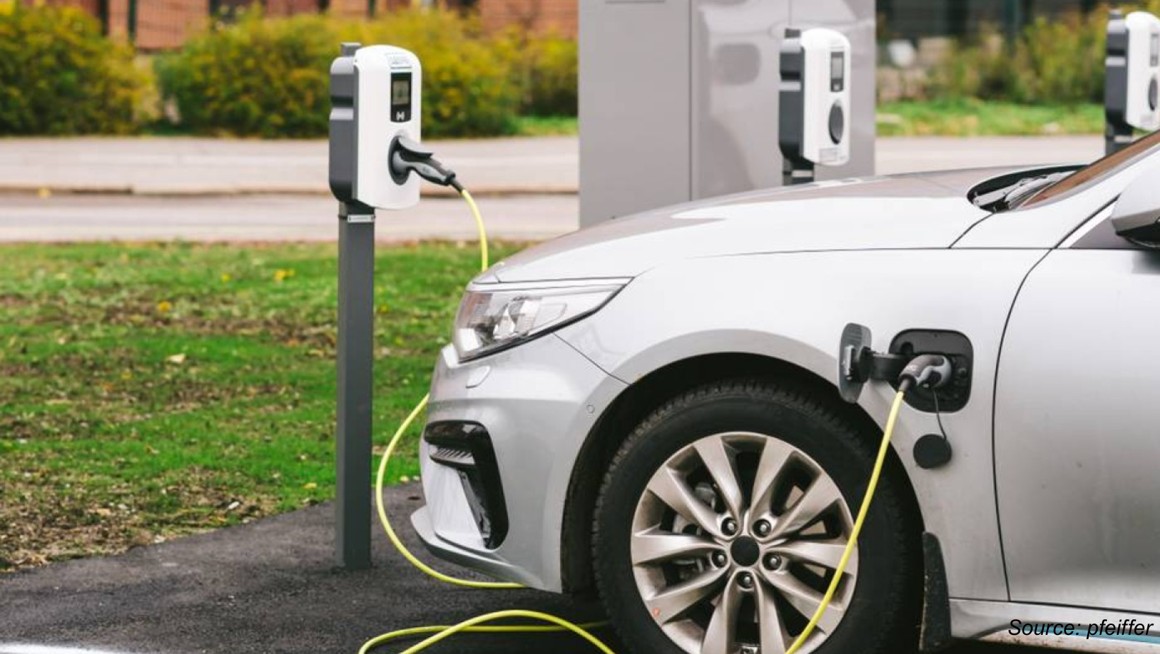
The Future of Fast, Smart, and Sustainable Charging
The evolution of ultra-fast and smart charging technologies signifies a major turning point in the global transition toward electric mobility. No longer limited to urban convenience, these innovations are redefining how nations build infrastructure, how utilities manage power distribution, and how consumers perceive electric vehicles.
The combination of high-power DC charging and intelligent load management is helping overcome two of the industry’s biggest barriers, charging time and grid stress. As governments and private players expand public and highway charging corridors, interoperability standards and digital connectivity are ensuring that the EV experience remains seamless, reliable, and accessible to all.
Looking ahead, the next phase of the EV charging market growth will be defined by ecosystem collaboration, data-driven optimization, and integration with renewable energy networks. Companies that leverage AI-enabled analytics, V2G systems, and modular hardware are likely to capture long-term competitive advantage.
For investors and policymakers, the message is clear: the EV charging market is no longer just a support industry, it’s the backbone of future mobility. By embracing rapid innovation and sustainable infrastructure planning, the world is accelerating toward an energy-resilient and carbon-neutral transportation future.
About the Author
 Mayurima Roy
— Mayurima Roy is Research Analyst at Next Move Strategy Consulting, where she has spent 4 years working across the firm's full industry coverage rather than a single fixed vertical. Her work centers on structured research, ongoing trend tracking, competitive assessment, and insight-led content development, translating complex market data into clear, decision-ready narratives that support informed client decision-making across diverse global industries, market sectors, and world regions every day.
Mayurima Roy
— Mayurima Roy is Research Analyst at Next Move Strategy Consulting, where she has spent 4 years working across the firm's full industry coverage rather than a single fixed vertical. Her work centers on structured research, ongoing trend tracking, competitive assessment, and insight-led content development, translating complex market data into clear, decision-ready narratives that support informed client decision-making across diverse global industries, market sectors, and world regions every day.
About the Reviewer
 Supradip Baul
— Supradip Baul is an accomplished business consultant and strategist with over a decade of rich experience in market intelligence, strategy, technology, and business transformation. His work has included rigorous qualitative and quantitative analysis across multiple industries, helping clients shape investment decisions and long-term roadmaps. Earlier in his career, he was associated with Gartner, where he contributed to industry-leading reports and market share analyses. He has worked with leading global companies and holds an MBA with a dual specialization in Marketing and Finance.
Supradip Baul
— Supradip Baul is an accomplished business consultant and strategist with over a decade of rich experience in market intelligence, strategy, technology, and business transformation. His work has included rigorous qualitative and quantitative analysis across multiple industries, helping clients shape investment decisions and long-term roadmaps. Earlier in his career, he was associated with Gartner, where he contributed to industry-leading reports and market share analyses. He has worked with leading global companies and holds an MBA with a dual specialization in Marketing and Finance.

















Add Comment