Is the Global Shipbuilding Market Sailing into a New Era of Growth?
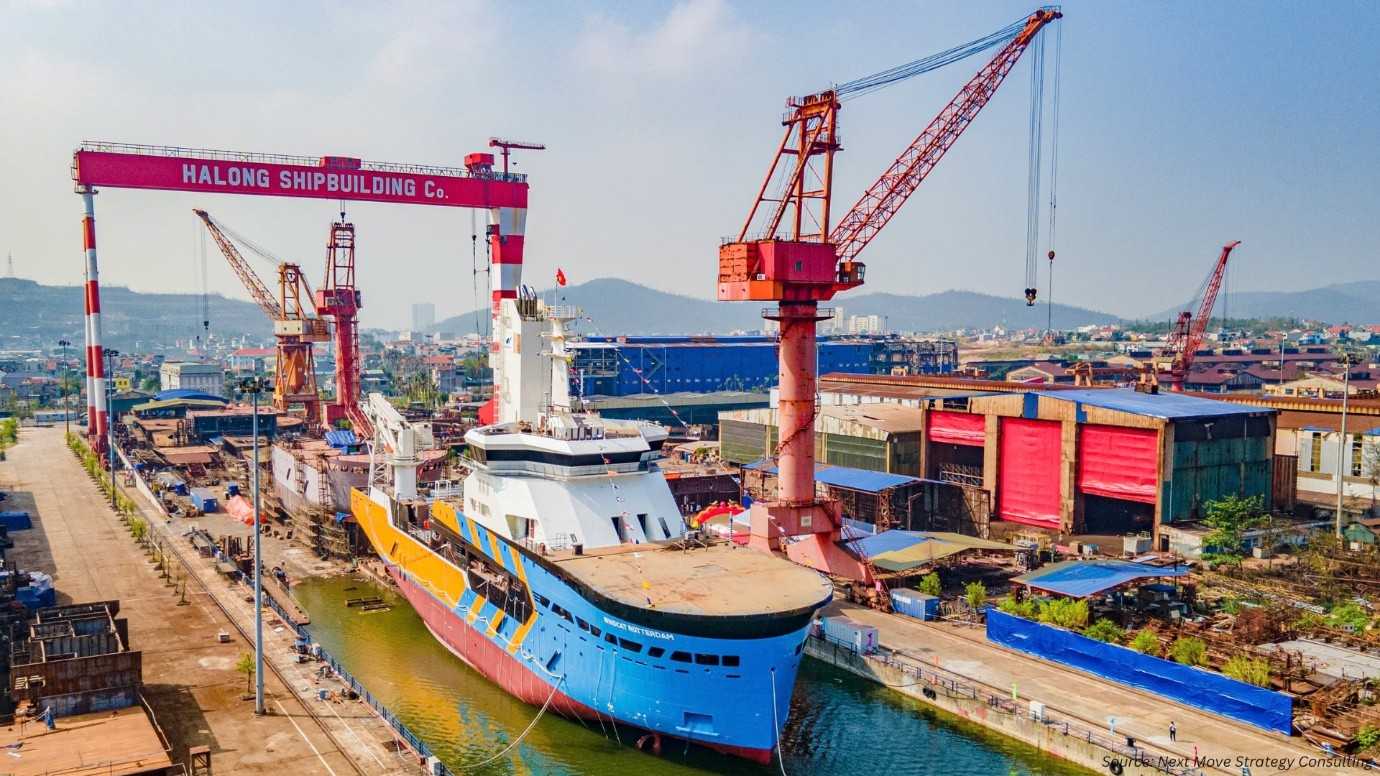
The global shipbuilding sector is a foundational pillar of international trade, defense, and energy transportation. For years, the market has navigated complex shifts in demand, sustainability mandates, and technological advancement. Today, the pace of change is accelerating, driven by geopolitics and groundbreaking manufacturing tools. This is not simply an evolution; it is a rapid transformation.
According to the market study by NextMSC, the global Shipbuilding Market is expected to be valued at USD 170.51 billion by the end of 2025. The industry is further predicted to reach USD 203.14 billion by 2030 with a CAGR of 3.6%. We are observing two major, concurrent forces reshaping the sector: shifting strategic alliances and the introduction of advanced, high-speed construction methods.
What do these changes mean for market stability, investment, and future vessel capacity?
How Will Enhanced Russia-India Ties Reshape the Shipbuilding Market?
Geopolitical alignments frequently translate into tangible economic opportunities, particularly within heavy industries like shipbuilding. The strengthening relationship between Russia and India—two significant global players—is poised to influence maritime infrastructure and defense procurement dramatically.
In an analytical context, it is important to note that such partnerships are not merely transactional. They create deep-seated dependencies and foster technology transfer, which are essential for long-term sector development. This strategic alliance could particularly boost India's defense shipbuilding capabilities, providing access to advanced Russian naval technologies. This is a critical development because domestic capabilities ensure maritime security and bolster the nation's capacity to service vessels, thereby creating long-term revenue streams and job creation.
Is Ultra-Fast Technology the Future of Military Shipbuilding?
Innovation in manufacturing processes is perhaps the most critical factor driving efficiency and competitiveness in the shipbuilding market. A groundbreaking development involves an ultra-fast shipbuilding tool, which promises to compress production timelines drastically.
This advancement is currently focused on the military sector, where speed of deployment and fleet maintenance are paramount considerations. The ability to rapidly construct or repair vessels has a direct and significant impact on operational readiness and defense budgets globally.
This technology is not jargon; it represents a tangible shift toward industrialized, modular shipbuilding. It is anticipated that this method will eventually transition into the commercial sector, where the pressure to deliver specialized vessels (like LNG carriers or container ships) quickly is increasingly high. This rapid production capability is an absolute game-changer, potentially allowing shipbuilding nations to scale output far beyond traditional limits.
Strategic Adaptations by Key Players Drive Industry Evolution
The global shipbuilding industry's key players are strategically adapting to evolving market trends and challenges through various means. A significant recent development is that major ship manufacturing nations like China, South Korea, and Japan are experiencing full order books extending up to 2028, indicating a high current market size and potentially shifting market share dynamics.
Key Players include:
-
Damen Shipyards Group
-
BAE Systems
-
Mitsubishi Heavy Industries
-
Huntington Ingalls Industries
-
Kawasaki Heavy Industries
-
K Shipbuilding Co., Ltd.
-
Hanwha Ocean
-
Navantia
-
Japan Marine United

Next Move Strategy Consulting Perspective: Impact on the Shipbuilding Market
As a market research company, Next Move Strategy Consulting assesses that the confluence of these two trends—geopolitical restructuring and technological disruption—is injecting a significant element of volatility and opportunity into the shipbuilding market.
The enhanced Russia-India ties represent a confirmed increase in demand and capital flow into the defense segment, particularly benefiting Indian shipyards and suppliers capable of meeting stringent quality requirements. We believe this cooperation is an indicator of a broader global trend where national security interests are superseding purely commercial concerns, driving substantial government investment into localized or allied shipbuilding infrastructure.
The ultra-fast shipbuilding tool is perhaps a more profound long-term catalyst. It signifies that future market leadership will not solely be based on labor costs or existing capacity, but on the successful adoption of advanced manufacturing technologies. Market participants that embrace such automation will experience reduced labor dependency and enhanced scalability. Therefore, we are projecting that the value proposition in the market will rapidly shift from cost minimization to speed and technological sophistication.
Next Steps for Market Stakeholders
Understanding these tectonic shifts requires an immediate recalibration of strategy. Below are 3–5 actionable takeaways for stakeholders in the shipbuilding market:
-
Evaluate Geopolitical Risk and Opportunity: Actively monitor government procurement policies and strategic partnership announcements, especially those involving India, Russia, and neighboring countries. Opportunities for sub-contracting and technology licensing are highly probable.
-
Invest in Modular Automation: Do not wait for ultra-fast shipbuilding tools to become mainstream in the commercial sector. Invest now in modular design capabilities and flexible automation technologies to prepare for rapid integration of next-generation manufacturing processes.
-
Strengthen Supply Chain Resilience: Given the renewed focus on strategic importance, global supply chains are likely to face scrutiny. Establish redundant, localized supply lines for critical components to ensure project continuity and compliance with national content requirements.
-
Prioritize Dual-Use Technology: Develop technologies and processes that can serve both defense and commercial shipbuilding needs. This diversification mitigates reliance on any single sector and allows for smoother technology transfer.
About the Author
 Sanyukta Deb is a senior content writer and content analyst with expertise in content strategy, audience engagement, and research-driven storytelling. With a strong leadership approach and strategic mindset, she drives content initiatives that strengthen brand communication and audience connection. She combines creativity with analytical insight to develop impactful, value-led content while mentoring collaborative efforts across teams to ensure consistent, meaningful engagement and long-term brand growth across digital platforms.
About the Reviewer
 Debashree Dey is a senior content writer and communications specialist known for crafting audience-focused narratives and insight-driven content strategies. As a published manuscript author, she combines creative storytelling with strategic thinking to strengthen brand messaging, enhance visibility, and drive meaningful audience engagement across digital platforms. With a collaborative leadership approach, she contributes to high-impact communication initiatives that ensure consistency, clarity, and long-term brand value. Outside of work, she finds inspiration in creative projects, design exploration, and storytelling-driven ideas.














Add Comment