Redefining the Aluminum Market: How are Sustainability and Advanced Manufacturing Transforming the Industry?

Based on our assessment of global aluminum production trends, we observed that sustainability and advanced manufacturing are transforming the aluminum market from an energy-intensive, commodity-driven industry into a more efficient and environmentally aligned ecosystem. Today, producers are integrating low-carbon smelting technologies, recycling systems, and digital optimisation tools to reduce emissions and improve operational performance. By leveraging renewable energy, automation, and closed-loop processes, manufacturers are enhancing output consistency while lowering environmental impact. Moreover, as demand for lightweight and sustainable materials rises, we identified that aluminum is gaining stronger adoption across key industries due to its recyclability and performance advantages. Meanwhile, tightening regulations and decarbonisation goals are accelerating investments in green aluminum production. As a result, sustainability is becoming a key competitive factor. Ultimately, this shift is positioning the aluminum market as a critical enabler of sustainable and advanced industrial development.
According to Next Move Strategy Consulting, the Aluminum Market size was valued at USD 269.76 billion in 2025 and is expected to be valued at USD 306.17 billion by the end of 2026. The industry is projected to grow, hitting USD 503.43 billion by 2035, with a CAGR of 5.68% between 2026 and 2035. In terms of volume, the market recorded 108.20 million tons in 2025, with forecasts indicating growth to 122.10 million tons by 2026 and further to 182.60 million tons by 2035, reflecting a CAGR of 4.57% over the same period.
Want Insights on the Aluminum Market? Access a FREE Sample Instantly
Understanding the Aluminum Market and the Significance of Sustainable and Industrial Integration
Based on our analysis of global metals value chains, we observed that the aluminum market continues to function as a foundational enabler across automotive, construction, packaging, and energy applications due to its lightweight, durable, and recyclable properties. As industrial demand evolves toward efficiency and sustainability, we identified that aluminum is increasingly preferred in applications requiring strength-to-weight optimisation and long lifecycle performance. Today, producers are integrating sustainable refining practices, recycling systems, and process optimisation technologies to address rising cost pressures and environmental expectations. By aligning production with circular economy principles and energy-efficient operations, manufacturers are not only improving output consistency but also reducing emissions intensity. Moreover, as regulatory frameworks tighten and end-user industries prioritise low-carbon materials, we found that aluminum is transitioning from a commodity metal to a strategic industrial input. In effect, this shift is strengthening its relevance across both traditional and emerging applications. Ultimately, the aluminum market is positioning itself as a critical material backbone supporting sustainable industrial development and long-term resource efficiency.

Technological and Other Market Drivers Accelerating Aluminum Market Growth
Based on our evaluation of demand patterns and industrial trends, we identified that multiple structural and technological factors are accelerating growth in the aluminum market. As electric mobility adoption increases and renewable energy deployment expands, aluminum consumption is rising due to its recyclability and efficiency advantages. At the same time, we observed that urbanisation and infrastructure development continue to generate steady demand across construction and packaging segments. By leveraging innovations such as inert anode technology, automated smelting systems, and digital monitoring tools, producers are improving operational efficiency while reducing carbon intensity. Meanwhile, evolving environmental regulations and cost pressures are compelling manufacturers to adopt cleaner and more optimised production processes. As a result, aluminum producers are increasingly focusing on balancing output growth with sustainability targets. In addition, we found that global supply chains are adapting to ensure resource availability and price stability. Ultimately, these combined forces are reinforcing aluminum’s role as a high-demand material in a rapidly transforming industrial landscape.
Company Developments and Latest Advancements in the Aluminum Sector
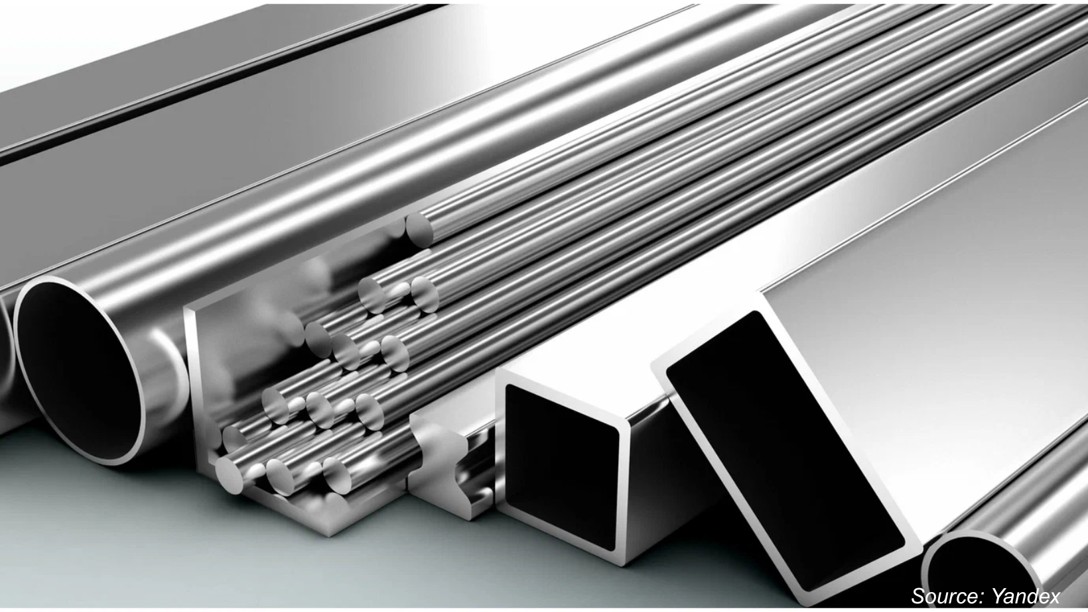
Based on our review of recent industry developments, we found that aluminum producers are actively strengthening their capabilities through investments in sustainability, digitalisation, and product innovation. For instance, companies are expanding recycling infrastructure and adopting low-carbon smelting technologies to meet the rising demand for green aluminum. At the same time, we observed increasing collaboration between aluminum manufacturers and end-use industries, particularly in automotive and renewable energy sectors, to develop application-specific solutions. By implementing AI-driven analytics and automation, producers are improving process efficiency, reducing downtime, and enhancing output quality. Meanwhile, strategic capacity expansions and supply chain optimisation efforts are helping companies respond to fluctuating demand and pricing dynamics. As a result, the industry is witnessing a clear shift toward integrated, technology-enabled operations. Ultimately, these developments highlight how aluminum producers are evolving beyond traditional manufacturing toward more resilient and innovation-driven business models.
Decarbonisation and Value-Chain Integration are Transforming the Aluminum Market
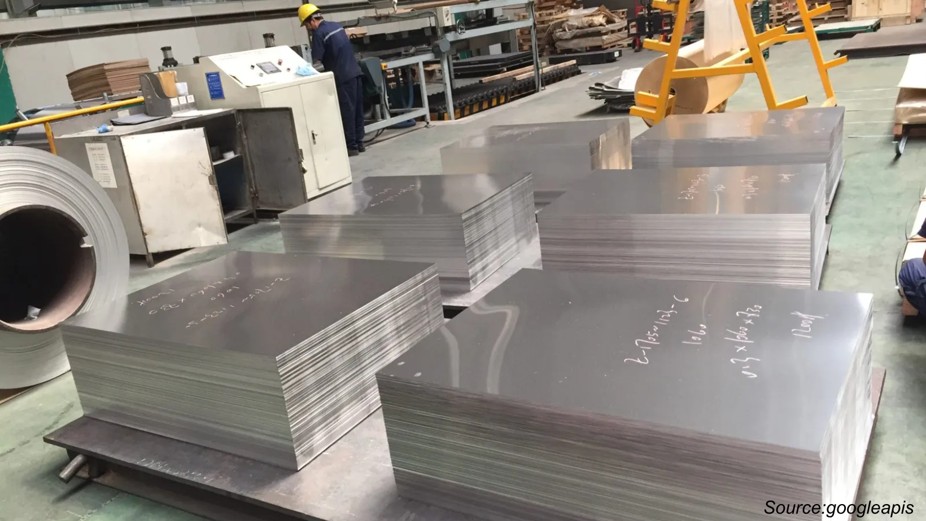
Based on our evaluation of evolving industry dynamics, we observed that decarbonisation and value-chain integration are reshaping the aluminum market beyond traditional production efficiencies toward a more strategically aligned ecosystem. As energy intensity and carbon exposure become critical concerns, producers are increasingly restructuring operations to align with renewable energy sources and integrated supply networks. By connecting upstream refining, smelting, and downstream fabrication through digitally enabled systems, manufacturers are improving traceability, cost visibility, and production coordination.
Furthermore, we identified that end-use industries are no longer sourcing aluminum solely based on price and availability but are prioritising low-carbon credentials and supply chain transparency. Meanwhile, strategic investments in green energy sourcing and vertically integrated operations are enabling producers to enhance resilience against price volatility and regulatory risks. As a result, aluminum is evolving from a bulk industrial material into a differentiated, sustainability-linked product.
In effect, the market is transitioning toward a more integrated and accountability-driven structure that emphasises both environmental performance and supply chain efficiency. Ultimately, this shift is redefining competitive advantage in the aluminum market through carbon optimisation and value-chain control.
The Road Ahead to a Sustainable and Circular Aluminum Market
Based on our forward-looking analysis, we identified that the aluminum market is entering a phase defined by sustainability, technological advancement, and evolving industrial requirements. As environmental regulations become more stringent and customers increasingly prioritise low-carbon materials, producers are expected to accelerate investments in green technologies and recycling systems. By aligning operations with circular economy principles and digital transformation strategies, companies can enhance efficiency while meeting sustainability targets. Moreover, we observed that long-term competitiveness will depend on the ability to balance cost, performance, and environmental impact. As a result, aluminum producers are likely to focus on scalable, technology-driven production models that support both growth and compliance. In effect, the industry is transitioning toward a more resilient and future-ready structure. Ultimately, companies that successfully integrate sustainability with innovation will be best positioned to lead in the evolving global aluminum market.
About the Author
 Saista Faiyaz
— Saista Faiyaz is Research Associate at Next Move Strategy Consulting, where she has covered consumer markets and healthcare technologies for 3 years. Her work includes primary interview review, secondary-source validation, market sizing, and structured analysis of company and industry data. She supports research by comparing evidence across sources, organizing findings into market narratives, and documenting assumptions used in analysis. Her scope includes cross-market benchmarking, and reports.
Saista Faiyaz
— Saista Faiyaz is Research Associate at Next Move Strategy Consulting, where she has covered consumer markets and healthcare technologies for 3 years. Her work includes primary interview review, secondary-source validation, market sizing, and structured analysis of company and industry data. She supports research by comparing evidence across sources, organizing findings into market narratives, and documenting assumptions used in analysis. Her scope includes cross-market benchmarking, and reports.
About the Reviewer
 Sikha Haritwal
— Sikha Haritwal is an assistant manager with strong expertise in market research, data analysis, and cross-functional coordination. She plays a key role in leading complex research initiatives, strengthening analytical rigor, and enabling data-driven decision-making across teams. Known for her leadership mindset and structured problem-solving approach, she supports process improvement, enhances operational efficiency, and contributes to building scalable frameworks that drive long-term strategic outcomes and organizational effectiveness.
Sikha Haritwal
— Sikha Haritwal is an assistant manager with strong expertise in market research, data analysis, and cross-functional coordination. She plays a key role in leading complex research initiatives, strengthening analytical rigor, and enabling data-driven decision-making across teams. Known for her leadership mindset and structured problem-solving approach, she supports process improvement, enhances operational efficiency, and contributes to building scalable frameworks that drive long-term strategic outcomes and organizational effectiveness.
















Add Comment