Samsung, LG Electronics, Haier and Global Technology Leaders Accelerating the Next Phase of Connected Living Worldwide
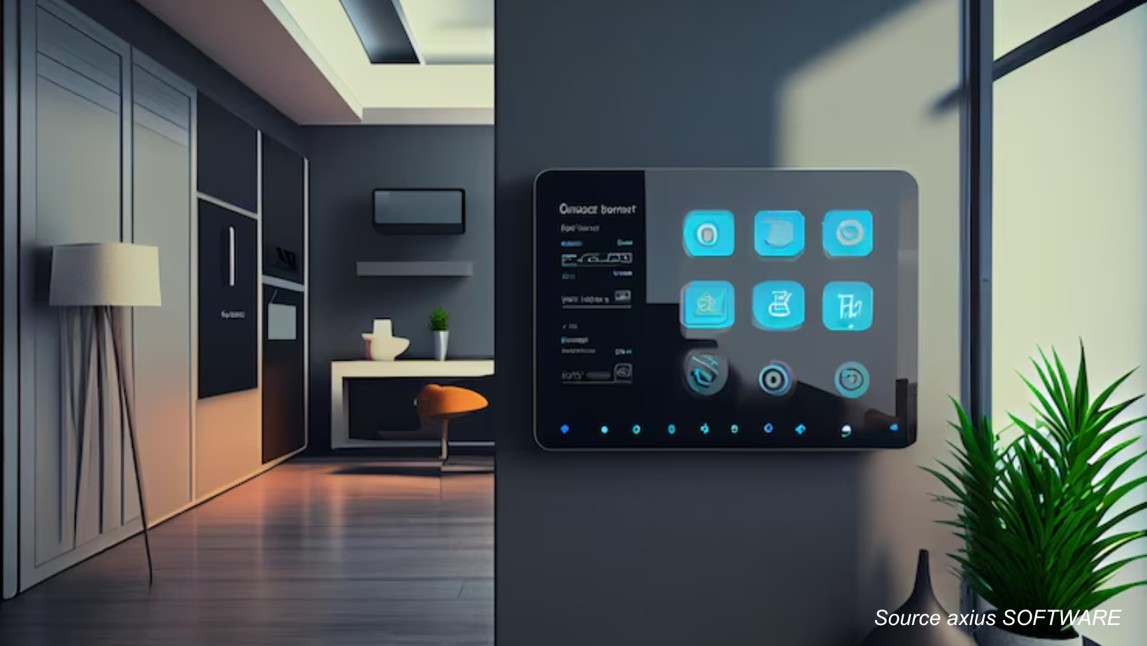
As per NMSC analysis, the Smart Home Market is set to maintain strong growth momentum, with the market size expected to reach around USD 412.11 billion by 2030, marking a solid CAGR of 18.07%. Valued at USD 179.61 billion in 2025, the smart home market is projected to rise to USD 217.66 billion by 2026. The global smart home market is undergoing a rapid and far-reaching transformation, fueled by widespread digitalization, expanding connected-device ecosystems, and growing consumer emphasis on convenience, security, and energy efficiency.
For an In-depth Analysis of the Smart Home Market, Try a FREE Sample
What began as basic home automation has matured into highly interconnected living environments powered by AI, IoT, and voice-enabled platforms that seamlessly link appliances, sensors, and digital services. Adoption is accelerating across use cases such as home entertainment, climate control, security, and energy management, reflecting rising demand for intuitive and automated lifestyles. While Asia-Pacific continues to lead on the back of strong innovation hubs and high technology penetration, Europe and North America are scaling steadily, and emerging markets worldwide are embracing smart living at an accelerating pace, collectively redefining modern residential experiences.
Smart Home Market Overview
The global smart home market is expanding rapidly as households worldwide adopt connected solutions that blend convenience, intelligence, and energy efficiency. What began as basic automation has matured into fully networked ecosystems driven by AI, IoT, and cloud platforms, delivering features such as predictive appliance maintenance, enhanced security protocols, and seamless cross-device interoperability. Real-time analytics and app-based controls now enable personalised experiences and optimised energy use, so systems proactively adapt to user behaviour and reduce operational costs while improving household management.
Demand is rising for modular, customizable, and lifestyle-specific smart home solutions across climate control, entertainment, kitchen appliances, and security. The push for unified control interfaces and multi-brand compatibility is prompting platform-level innovation and more scalable architectures. Manufacturers and service providers are prioritising sustainability, safety, and low-maintenance designs, embedding energy optimisation and AI-enabled monitoring to boost comfort and long-term value for consumers.
Major global players including Samsung, Xiaomi, Amazon, Google, and LG drive much of the ecosystem momentum through AI integration, cloud services, and broad device portfolios. By combining intelligent assistants, interoperable platforms, and strategic partnerships these firms accelerate adoption, improve UX, and support energy and sustainability objectives. As urbanisation, remote work, and digital lifestyles reshape daily life, smart homes worldwide are evolving into resilient, efficient, and adaptive living environments.

HIGHLIGHTS OF SAMSUNG

Samsung Electronics is a multinational technology company headquartered in Suwon, South Korea, renowned for its broad portfolio spanning consumer electronics, semiconductors, and home appliances. Within the smart home market, Samsung is a leading platform provider through its SmartThings ecosystem, which integrates connected devices such as smart TVs, refrigerators, washers, lighting, sensors, and security systems into unified automation and control. The global smart home market, driven by growing demand for interoperable and AI-enabled connected living solutions, significantly impacts Samsung’s strategy, pushing the company to expand platform compatibility, enhance device intelligence, and deliver seamless cross-brand integration across global households.
In 2024-2025, Samsung strengthened its position in the smart home landscape with major enhancements to its SmartThings platform, including expanded support for the Matter interoperability standard and the rollout of native Matter camera integration, making SmartThings one of the first platforms to offer comprehensive support for Matter-compatible cameras. These developments improve device interoperability, simplify cross-brand setup, and advance Samsung’s vision of a unified connected home. The company also deepened AI capabilities across its home appliances and ecosystem devices, aligning with broader industry shifts toward ambient automation and predictive device behaviour. By enabling broader cross-device compatibility and richer automation experiences, these initiatives are likely to enhance Samsung’s market competitiveness and user retention in the global smart home sector.
HIGHLIGHTS OF LG ELECTRONICS

LG Electronics Inc. is a global technology company headquartered in Seoul, South Korea, known for its wide range of consumer electronics, home appliances, and smart devices. In the smart home market, LG plays a significant role by integrating connectivity and intelligence into products such as smart refrigerators, washers, OLED TVs, air purifiers, and HVAC systems, all of which can be orchestrated through its smart platform. The expanding demand for connected, energy-efficient, and user-centric home solutions is shaping LG’s smart home strategy, encouraging deeper integration with voice assistants, cross-device ecosystems, and AI-driven automation to enhance convenience, efficiency, and overall user experience.
LG Electronics advanced its smart home presence with enhanced LG ThinQ capabilities and strategic partnerships to support broader interoperability. In early 2025 at CES, LG showcased expanded ThinQ integration with Matter and third-party smart devices, enabling easier cross-brand connectivity and simplifying setup for users. The company also unveiled new smart appliances and air-quality solutions that leverage AI and predictive maintenance to optimize performance and energy use, reinforcing its focus on intelligent, eco-friendly living. These developments strengthen LG’s competitive positioning by aligning product innovation with global smart home trends toward open standards and seamless user experiences, helping the company attract tech-savvy consumers and ecosystem partners in key markets.
HIGHLIGHTS OF HAIER

Haier Group Corporation is a multinational home appliances and consumer electronics company headquartered in Qingdao, China. Haier has expanded its presence in the smart home market by integrating connectivity, AI, and IoT capabilities into a broad range of products, including smart refrigerators, washing machines, air conditioners, and kitchen appliances. Through its proprietary U+ Smart Home Platform and collaborations with global connectivity standards, Haier enables devices to communicate, automate routines, and deliver remote control and monitoring, aligning with the broader trend of intelligent, energy-efficient living that is reshaping residential experiences worldwide.
In 2024-2025, Haier continued to accelerate its smart home strategy by enhancing its U+ Smart Home Platform with stronger interoperability and cloud-centric services, tailored for both domestic and international markets. The company has been reinforcing partnerships with major technology ecosystems to support Matter and other open standards, improving cross-brand compatibility and simplifying user setup across diverse device portfolios. Haier also showcased next-generation smart appliances with predictive maintenance and AI-based performance optimization at industry events, underlining its commitment to user-centric innovation. These developments support Haier’s aim to strengthen its position not only in Asia but also in Europe and other high-growth regions, where demand for connected, energy-efficient home solutions continue to rise.
HIGHLIGHTS OF XIAOMI CORPORATION

Xiaomi Corporation is a global technology company headquartered in Beijing, China, known for its wide ecosystem of consumer electronics, smartphones, and IoT-connected products. In the global smart home market, Xiaomi has established itself as a major player by offering an extensive range of affordable yet feature-rich smart devices, including smart speakers, security cameras, lighting, sensors, and appliances, often integrated through its MIJIA and Xiaomi Home platforms. As the smart home landscape shifts toward connected living, automation, and cross-device interoperability, Xiaomi’s strategy of coupling cost-effective hardware with robust ecosystem support positions it strongly in both emerging and mature markets.
In 2024-2025, Xiaomi continued to strengthen its smart home presence by expanding its ecosystem partnerships and enhancing platform interoperability. The company has actively rolled out Matter support across select smart home devices, enabling seamless integration with other major ecosystems and improving cross-brand compatibility. Additionally, Xiaomi showcased new AI-driven smart home products and intelligent appliances at global technology events, emphasizing energy efficiency, predictive maintenance, and AI-enhanced automation, reflecting broader industry trends toward ecosystem unity and user-centric experiences. These strategic moves bolster Xiaomi’s ability to compete on innovation and affordability, helping it maintain robust growth across diverse geographic markets as consumer demand for integrated smart home solutions rises.
HIGHLIGHTS OF AMAZON

Amazon is a global technology and retail leader headquartered in Seattle, Washington, United States, widely recognized for its e-commerce platform, cloud services (AWS), and consumer devices. In the smart home space, Amazon is a major ecosystem player through its Alexa voice assistant and Echo device family, integrating hardware and AI to control connected lighting, security systems, thermostats, and entertainment devices. The global smart home market, which is rapidly growing as households adopt connected solutions for convenience, automation, and energy management, significantly influences Amazon’s device strategy and platform investments as it seeks to deepen user engagement across living environments.
In 2024-2025, Amazon has accelerated smart home innovation with a series of high-profile product launches and ecosystem enhancements. The company introduced a new generation of AI-powered Echo devices, including Echo Dot Max, Echo Studio, and updated Echo Show models, built around its next-gen Alexa+ assistant to deliver more intuitive control and ambient AI experiences across homes worldwide. These devices come with native support for connectivity standards such as Matter and Thread, enhancing interoperability with thousands of third-party smart home products. Amazon also announced strategic enhancements to Alexa Smart Properties for hospitality markets, broadening its voice-enabled foothold beyond residences. These developments strengthen Amazon’s global smart home position by improving cross-device compatibility and user personalization, reinforcing its competitive edge.
HIGHLIGHTS OF HUAWEI

Huawei is a multinational technology company headquartered in Shenzhen, China, recognized globally for its telecommunications equipment, networking solutions, and consumer electronics. In the smart home market, Huawei has been strengthening its position by leveraging its robust connectivity expertise, AI capabilities, and integrated IoT platforms such as Huawei HiLink, which connects devices across security, appliances, lighting, and energy management. As demand for seamless, intelligent living spaces grows worldwide, Huawei’s emphasis on unified ecosystems and high-performance networking aligns with the broader shift toward pervasive connectivity and cross-device orchestration that defines modern smart homes.
In 2024-2025, Huawei continued advancing its smart home strategy through ecosystem expansion and technology innovations. The company announced deeper integration of HiLink with the emerging Matter interoperability standard, improving compatibility with third-party devices and enhancing user flexibility. Huawei also showcased new smart home products and AI-enabled features focused on predictive automation, energy optimization, and enhanced security at global tech events, reflecting broader industry trends toward connected, service-driven living environments. These developments reinforce Huawei’s competitive positioning by enabling more unified, intelligent experiences while expanding its presence in both domestic and international smart home markets.
Summary of Smart Home Market
The global smart home market is entering a more mature phase of growth, shaped by accelerating digitalisation, rising consumer expectations, and the normalization of connected lifestyles. What initially centred on basic automation has evolved into integrated ecosystems that bring together appliances, security, entertainment, and energy management within a single, cohesive experience. Adoption is gaining momentum across both developed and emerging economies, supported by urbanisation, improving connectivity infrastructure, and growing willingness among households to invest in intelligent, convenience-driven living environments powered by AI and IoT technologies.
Innovation and sustainability are increasingly defining the market’s trajectory worldwide. Smart home solutions now emphasize AI-driven personalization, real-time monitoring, and interoperable platforms that enable unified control across devices and brands. Energy efficiency and environmentally responsible design are becoming central as policymakers and consumers prioritize lower emissions and smarter energy use. Backed by sustained investment from global leaders such as Samsung, Xiaomi, Amazon, Google, and LG Electronics, the smart home market is positioned for steady global expansion, reinforcing its role as a cornerstone of modern, connected living.
About the Author
 Mayurima Roy
— Mayurima Roy is Research Analyst at Next Move Strategy Consulting, where she has spent 4 years working across the firm's full industry coverage rather than a single fixed vertical. Her work centers on structured research, ongoing trend tracking, competitive assessment, and insight-led content development, translating complex market data into clear, decision-ready narratives that support informed client decision-making across diverse global industries, market sectors, and world regions every day.
Mayurima Roy
— Mayurima Roy is Research Analyst at Next Move Strategy Consulting, where she has spent 4 years working across the firm's full industry coverage rather than a single fixed vertical. Her work centers on structured research, ongoing trend tracking, competitive assessment, and insight-led content development, translating complex market data into clear, decision-ready narratives that support informed client decision-making across diverse global industries, market sectors, and world regions every day.
About the Reviewer
 Supradip Baul
— Supradip Baul is an accomplished business consultant and strategist with over a decade of rich experience in market intelligence, strategy, technology, and business transformation. His work has included rigorous qualitative and quantitative analysis across multiple industries, helping clients shape investment decisions and long-term roadmaps. Earlier in his career, he was associated with Gartner, where he contributed to industry-leading reports and market share analyses. He has worked with leading global companies and holds an MBA with a dual specialization in Marketing and Finance.
Supradip Baul
— Supradip Baul is an accomplished business consultant and strategist with over a decade of rich experience in market intelligence, strategy, technology, and business transformation. His work has included rigorous qualitative and quantitative analysis across multiple industries, helping clients shape investment decisions and long-term roadmaps. Earlier in his career, he was associated with Gartner, where he contributed to industry-leading reports and market share analyses. He has worked with leading global companies and holds an MBA with a dual specialization in Marketing and Finance.

















Add Comment