Top 5 Companies Leading the Smart Furniture Revolution
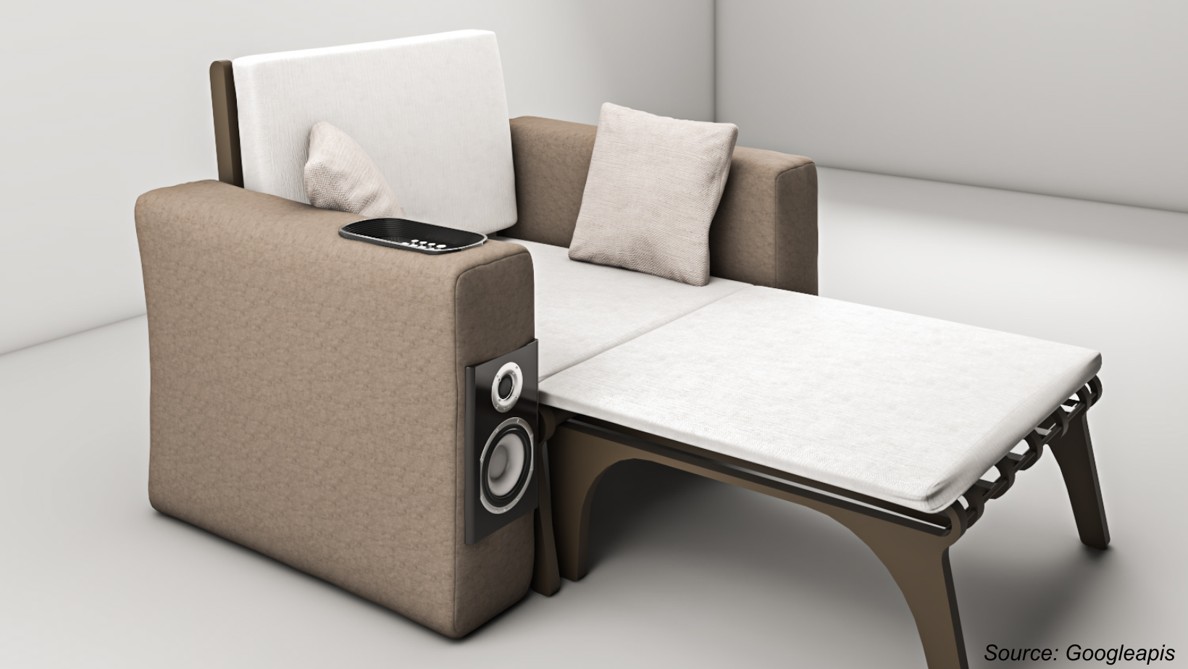
As per NMSC analysis, the smart furniture industry is set to maintain strong growth momentum, with the market size expected to reach around 1753.1 million by 2030, marking a solid CAGR of 13.6%. Valued at USD 788.8 million in 2024, the Smart Furniture Market is projected to rise to USD 927.1 million by 2025.
The global smart furniture market is witnessing strong growth driven by the expanding adoption of cloud-integrated platforms, AI-powered analytics, and modular, application-specific furniture designs. Rising consumer demand for connected and responsive furniture that offers real-time functionality across home, office, and hospitality environments is transforming the industry. Manufacturers are increasingly focusing on enhancing lifestyle convenience and workplace productivity through data intelligence, IoT-enabled monitoring, automated adjustments, and seamless device interoperability. This convergence of technology and design is redefining how users interact with their living and working spaces, fostering a shift toward adaptive, energy-efficient, and personalized furniture solutions that cater to the evolving needs of modern consumers and enterprises worldwide.
Want Insights on the Smart Furniture Market? Access a FREE Sample Instantly
Smart Furniture Market Overview
The global smart furniture market is witnessing strong growth as households and enterprises increasingly embrace connected solutions that combine functionality, modern design, and intelligent technology. Smart furniture enhances comfort and productivity through advanced features such as wireless charging, sensor-based ergonomics, voice and app-controlled adjustments, and integrated lighting systems. With the integration of IoT, AI-powered personalization, and cloud-enabled connectivity, these products deliver adaptive comfort, real-time convenience, and seamless interaction with digital ecosystems. As users seek furniture that intuitively responds to their preferences, the market is evolving toward more interactive, tech-driven living and working environments.
Demand for modular, customizable, and application-specific furniture solutions is also rising across residential, commercial, and hospitality sectors. This growth is driven by the need for flexibility, interoperability, and sustainability in modern spaces. Consumers and organizations are increasingly prioritizing wellness, efficiency, and energy optimization, using IoT-enabled monitoring and automated functionalities to improve comfort, ergonomics, and space utilization. As hybrid work models and health-conscious lifestyles gain momentum, smart furniture is emerging as a key enabler of connected living, supporting both productivity and well-being.
Leading companies such as Teknion Corporation, HON (HNI Corporation), Sobro, MillerKnoll Inc., Sleep Number Corporation, Steelcase Inc., Haworth Inc., and Eight Sleep are driving innovation through AI integration, IoT connectivity, and ergonomic design. These players are expanding the boundaries of smart living and workspaces by focusing on personalization, modularity, and energy-efficient solutions. Their continued investment in intelligent automation, user-centric functionality, and sustainable materials positions them as pivotal forces shaping the future of digital living, reinforcing smart furniture’s role as a central element of modern, adaptive, and connected environments.

Highlights Of Sleep Number
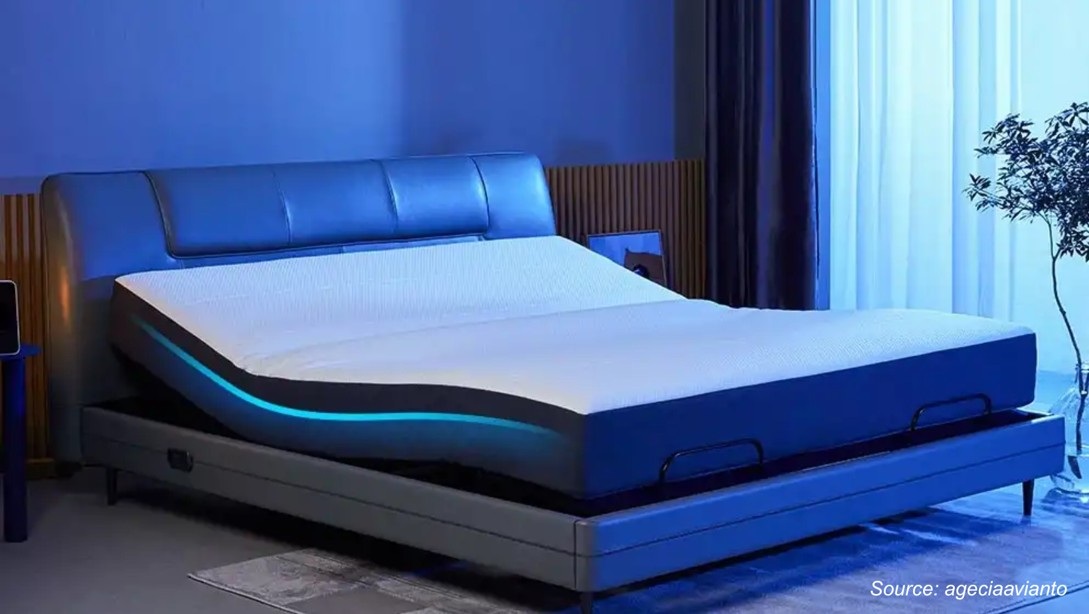
Sleep Number Corporation, headquartered in Minneapolis, Minnesota, USA, is a wellness-technology company that designs and manufactures smart beds, adjustable bases and connected sleep solutions. Its flagship smart-bed ecosystem integrates adjustable firmness, temperature control and the SleepIQ platform to track sleep patterns, making it a direct participant in the broader smart furniture market where connected, data-driven furnishings are increasingly demanded.
In October 2024, Sleep Number launched the ClimateCool smart bed, featuring independent temperature control on each side, ceramic-gel layers and built-in sleep tracking through the SleepIQ app. This product reinforces the company’s positioning within the smart furniture ecosystem by combining bedding with sensor-based analytics and connectivity, helping the brand expand its smart-bed footprint and appeal to wellness-focused consumers seeking full-furniture integration of technology and comfort.
Highlights Of HNI Corporation

HNI Corporation, headquartered in Muscatine, Iowa, is a prominent U.S.-based manufacturer of workplace furnishings and residential building products, operating the two segments under its extensive group of brands. It specializes in commercial furniture systems, including panel-based and freestanding furniture, seating, tables, storage and architectural products, as well as residential hearth and fireplace solutions. In the smart furniture market, HNI addresses connected environments by offering modular, technology-ready furniture systems that integrate with modern digital workplaces, thereby positioning itself to benefit from the growing demand for sensor-enabled, data-driven furnishings.
In August 2025, HNI announced the planned acquisition of Steelcase Inc. in a deal valued at approximately USD 2.2 billion, with the combined entity expected to generate around USD 5.8 billion in annual revenue and generate synergies of USD 120 million. This strategic move significantly strengthens HNI’s footprint in the smart furniture and workspace solutions market by combining complementary product portfolios, expanded dealer networks and enhanced capacity for technology integration in hybrid work environments.
Highlights Of Teknion Corporation
Teknion Corporation, headquartered in Toronto, Ontario, Canada, is a global designer and manufacturer of workspace furniture systems and architectural interiors. The company focuses on creating solutions that adapt to evolving work environments, emphasizing design, sustainability and user-centric performance. In the smart furniture domain, Teknion’s offerings address the connected workspace market, products embedded with sensors, ergonomic adjustments and modular configurations, to support data-driven office environments and hybrid working models.
In 2025, Teknion announced the opening of a new Legacy Space in Toronto in partnership with the Gord Downie & Chanie Wenjack Fund, demonstrating its commitment to inclusive design and community engagement. The same year it introduced Advanced Concepts 2.0 and expanded its product offering under its What’s New-Fall 2025 release, showcasing next-generation furniture tailored for adaptive, technology-infused workspaces. These developments indicate Teknion is reinforcing its positioning in the smart furniture market by aligning design innovation with sustainability and digital connectivity, key drivers in hybrid and sensor-enabled office environments.
Highlights Of Millerknoll

MillerKnoll, Inc. is a global leader in workplace and residential furnishings, headquartered in Zeeland, Michigan, USA. The company operates through a collection of renowned design brands, including Herman Miller, Knoll and others, offering seating, desks, storage, textiles and related services for office, education, healthcare and home environments. Its involvement in the smart-furniture domain is evident through the integration of modular, connected systems and ergonomic solutions that cater to modern hybrid-work and tech-enabled spaces, thereby aligning with the increasing demand for sensor-infused, data-driven furnishings.
In February 2025, MillerKnoll unveiled a comprehensive sustainability strategy, issuing its 2024 Better World Report and committing to a net-zero carbon pathway by 2050 with circularity and material-efficiency goals. Then in June 2025 the company opened a new flagship Chicago location in the Fulton Market design district, spanning about 70,000 sq ft across eight floors and showcasing its full portfolio of design and workplace innovation. These developments support MillerKnoll’s strategy of reinforcing its premium brand presence, integrating sustainability and technology, and positioning itself strongly in the evolving smart-furniture ecosystem focused on connected, adaptive work and living environments.
Highlights Of Eight Sleep
Eight Sleep is a U.S.-based smart sleep-technology company founded in 2014, headquartered in New York City, with a mission to optimise sleep through embedded sensors, thermoregulation and app-based data analytics. Its flagship offering, the Pod smart mattress system, blends mattress infrastructure with active temperature control, biometric tracking and subscription-based coaching, reflecting how the broader smart-furniture market is creating new opportunities to enhance comfort, wellness and data-driven user experience.
In August 2025, Eight Sleep announced a USD 100 million Series D funding round aimed at scaling its retail footprint and filing with medical regulators for sleep-apnea and menopause applications, positioning its smart-furniture technology as both wellness device and consumer furniture. That move accelerates its shift from niche premium mattress vendor toward a broader smart-furniture ecosystem player, able to leverage hardware with subscription services and vertical health use cases, thereby strengthening its competitive stance in connected furniture and health-tech convergence.
Highlights Of Steelcase

Steelcase Inc., headquartered in Grand Rapids, Michigan, USA is a global leader in workplace furniture and environments, offering systems for heights-adjustable desks, collaborative zones, storage, seating and architectural interiors. In the smart-furniture market, Steelcase’s technology-infused desks, sensors in workplace systems, and data-enabled ergonomic solutions position the company to capitalise on connected-office demand where furniture becomes a meaningful data node.
In June 2024, Steelcase introduced a new suite of architecture, furniture and technology products at NeoCon 2024, designed to enhance hybrid-work and connected workplace environments. The same year it committed to a net-zero future by 2050, underlining a strategic emphasis on sustainability integrated with smart-connected furniture systems. These developments strengthen Steelcase’s leadership in smart-workspace solutions by aligning technological innovation, data insights and environmental commitments, factors increasingly influential in procurement decisions for modern offices.
Summary Of Smart Furniture Market
The smart furniture market is evolving rapidly as the convergence of digital technology, design innovation, and lifestyle transformation reshapes how people interact with their living and working spaces. Increasing adoption of IoT-enabled systems, AI-based personalization, and cloud-integrated platforms is driving the shift toward connected, intelligent environments. Furniture is no longer static, it now adapts dynamically to user needs, optimizing comfort, productivity, and energy efficiency through automated controls, sensor-driven adjustments, and data insights. The growing emphasis on hybrid work, wellness, and sustainability continues to inspire the development of multifunctional and responsive furniture systems tailored for modern households, offices, and hospitality spaces.
Major industry participants are expanding their capabilities through AI-powered design, modular upgrades, and scalable service ecosystems. Strategic investments in interoperability and digital platforms are allowing brands to deliver seamless integration between furniture and smart devices, reinforcing a user experience that is both intuitive and personalized. With initiatives focusing on circular design, eco-friendly materials, and data security, leading players are shaping a future where furniture serves as an intelligent interface, bridging comfort, technology, and sustainability to define the next generation of connected living.
About the Author
 Mayurima Roy is a research analyst delivering data-driven insights that support strategic planning and market understanding. She combines analytical rigor with strong content development skills, translating complex information into clear, actionable narratives for diverse audiences. Her work includes structured research, trend tracking, competitive assessment, and insight-led content creation that supports informed decision-making. Curious and detail-oriented by nature, she continually deepens her understanding of evolving markets while pursuing creative interests such as crafting and video creation.
About the Reviewer
 Sanyukta Deb is a senior content writer and content analyst with expertise in content strategy, audience engagement, and research-driven storytelling. With a strong leadership approach and strategic mindset, she drives content initiatives that strengthen brand communication and audience connection. She combines creativity with analytical insight to develop impactful, value-led content while mentoring collaborative efforts across teams to ensure consistent, meaningful engagement and long-term brand growth across digital platforms.











Add Comment