What Is Clean and Renewable Energy and Why Does It Matter in 2026?
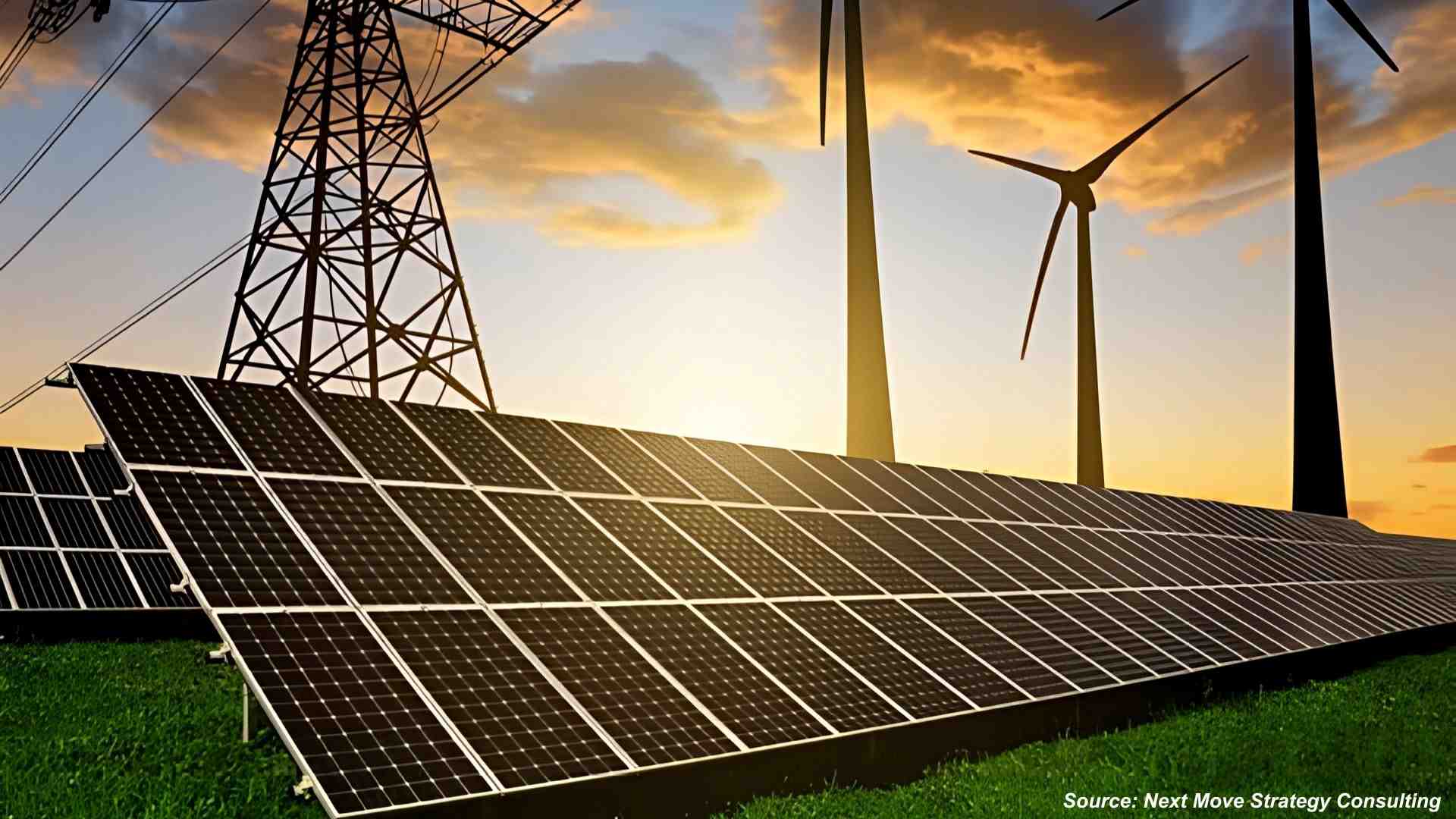
Clean and Renewable Energy Market is no longer viewed only as an environmental objective. In 2026, it has become a strategic economic and infrastructure priority for governments, utilities, investors, and corporations. Rising electricity demand, pressure to modernize aging grids, and growing concerns around long-term energy security are accelerating investments in solar power, wind energy, carbon capture, and smart grid technologies.
According to Ember’s 2026 Global Electricity Review, renewable energy sources met all new global electricity demand growth in 2025. At the same time, fossil fuel-based electricity generation remained unchanged, signaling a significant shift in how global energy systems are evolving. Canada is also increasing its focus on clean energy development through new federal funding for renewable infrastructure and carbon capture projects.
For institutional investors, corporate strategists, and procurement leaders, the transition toward clean and renewable energy is becoming closely linked to operational resilience, infrastructure planning, and long-term competitiveness.
How Are Clean and Renewable Energy Trends Changing the Global Electricity Sector?
The most important development in the electricity sector during 2025 was the rapid expansion of solar and wind generation. Ember’s report noted that global solar generation increased by 30% in 2025, reflecting both declining technology costs and faster deployment timelines.
Unlike traditional fossil fuel infrastructure projects that can take more than a decade to complete, solar projects can move from planning to operation within only a few years. This shorter development cycle is making renewable infrastructure more attractive for governments and investors seeking faster returns and greater energy flexibility.
Battery storage technology is also becoming increasingly important. Lower battery costs are helping electricity systems manage intermittent renewable generation by storing power during periods of low sunlight or reduced wind availability. According to the report, battery costs fell by 45% in 2025, accelerating adoption across electricity grids globally.
Despite global momentum, Canada remains behind many of its peers in renewable diversification. Solar and wind currently account for less than 9% of Canadian electricity generation, compared with the G7 average of 19%. Although Canada benefits from one of the world’s cleanest electricity systems due to hydropower dominance, experts cited in the CBC report emphasized that relying heavily on hydroelectricity may not remain sustainable indefinitely.
Hydroelectric generation in several regions declined slightly in 2025 because drought conditions affected water flows. This has increased pressure on governments and utilities to diversify generation sources through solar and wind expansion.

How Is Canada Expanding Clean and Renewable Energy Investments?
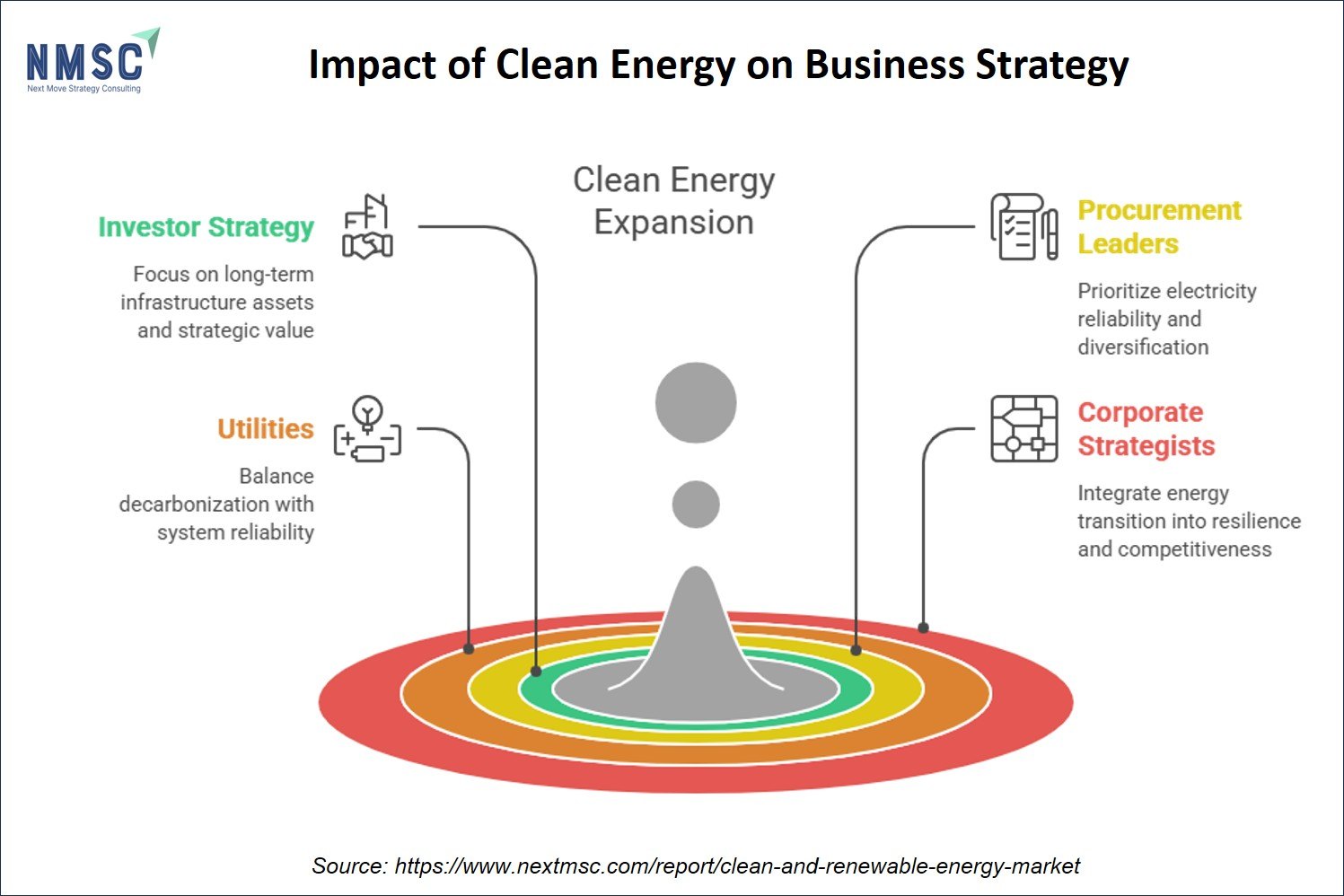
Canada’s federal government is increasing direct investment in energy transition infrastructure. In March 2026, the government announced $28.9 million in funding through the Energy Innovation Program to support carbon capture, renewable energy, and smart grid projects.
The largest share of the funding was directed toward carbon capture, utilization, and storage technologies. Two Saskatchewan organizations received nearly $15 million to support the design and development of carbon capture processes.
More than $9 million was allocated specifically to renewable energy initiatives, particularly solar power projects. Additional funding will support smart grid technologies aimed at improving electricity flow efficiency and grid reliability.
Alongside federal funding, several provinces are accelerating renewable procurement initiatives. Ontario, Quebec, and British Columbia have recently approved large renewable electricity procurements designed to expand solar and wind capacity over the next decade.
Ontario’s electricity demand is projected to increase by 65% by 2050, creating significant pressure to expand generation capacity and modernize grid infrastructure. Renewable developers are increasingly viewing the province as a long-term growth market because of continued procurement commitments and rising industrial demand.
At the same time, policy consistency remains an important concern. Alberta, despite operating some of Canada’s largest solar farms, temporarily paused approvals for new solar developments, resulting in project cancellations and increased investor uncertainty.
How Is Clean and Renewable Energy Affecting Business and Investment Strategy?
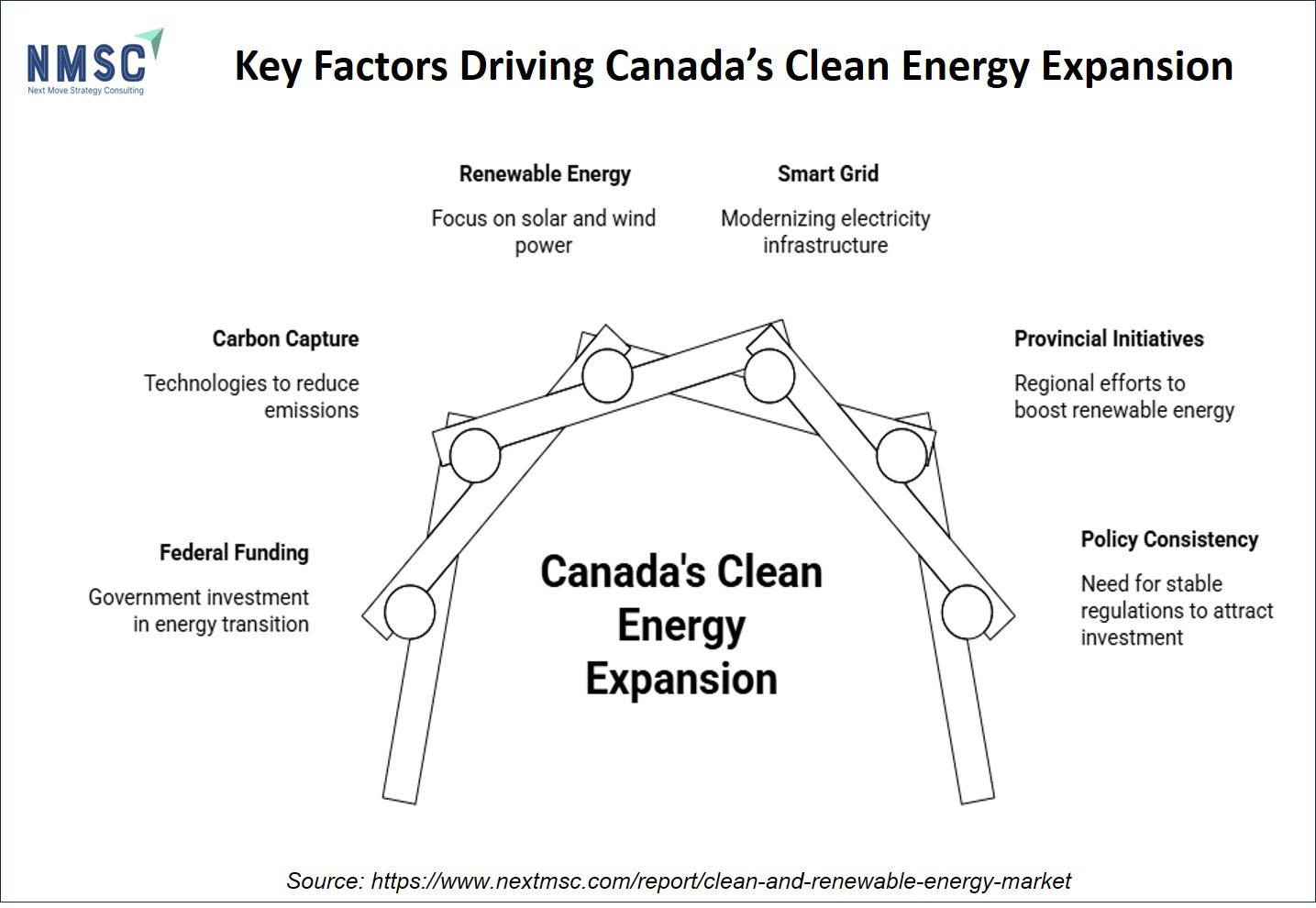
The rapid expansion of renewable infrastructure is reshaping decision-making across industries. Investors increasingly view clean energy projects as long-term infrastructure assets that offer strategic value beyond sustainability objectives.
For procurement and operations leaders, electricity reliability is becoming a central concern as energy demand rises. Renewable diversification and grid modernization initiatives may reduce long-term exposure to supply disruptions and volatile energy costs.
Utilities are also facing growing pressure to balance decarbonization goals with system reliability. Investments in battery storage and smart grids are becoming essential for integrating larger volumes of renewable electricity into existing networks.
Corporate strategists are increasingly treating energy transition planning as part of broader resilience and competitiveness strategies. Businesses operating in energy-intensive industries may need to reassess long-term procurement models, infrastructure partnerships, and regional energy exposure.
Canada’s Clean Energy Funding Distribution (2026)
The pie chart illustrates how Canada’s $28.9 million clean energy funding is distributed across three major focus areas: carbon capture, renewable energy, and smart grid technologies. The largest portion of the funding, 51.9%, is allocated to carbon capture projects, highlighting the government’s strong emphasis on reducing industrial emissions and advancing carbon management technologies.
Renewable energy projects account for 31.1% of the total funding. This investment is primarily directed toward expanding solar and wind energy infrastructure, reflecting Canada’s broader efforts to accelerate clean electricity generation and support long-term energy transition goals.
The remaining 17.0% is dedicated to smart grid technologies. These investments aim to modernize electricity infrastructure, improve energy efficiency, and enhance the reliability of power distribution systems as renewable energy integration increases.
Overall, the chart demonstrates that Canada is pursuing a balanced clean energy strategy that combines emissions reduction technologies, renewable power expansion, and electricity grid modernization to strengthen long-term energy sustainability and infrastructure resilience.

What Does the Future Outlook for Clean and Renewable Energy Look Like?
The outlook for clean and renewable energy in Canada and globally remains strongly tied to infrastructure expansion, policy execution, and electricity demand growth.
Solar deployment is expected to continue accelerating because of shorter development timelines and improving technology economics. Battery storage adoption is also likely to expand further as utilities seek more stable renewable integration.
Canada’s long-term challenge will center on execution speed and regulatory consistency. While renewable capacity approvals are increasing, experts cited in the CBC report emphasized that Canada still trails global peers in transitioning toward wind and solar generation.
The combination of rising electricity demand, climate-related infrastructure risks, and grid modernization requirements will likely keep renewable energy investment at the center of industrial and government strategy discussions throughout the next decade.
Leading Companies Driving the Clean and Renewable Energy Industry
The clean and renewable energy industry includes several prominent market players such as NextEra Energy, Iberdrola, General Electric, Siemens Gamesa Renewable Energy, Brookfield Asset Management, Algonquin Power & Utilities Corp, Plug Power, Canadian Solar, Daqo New Energy, and Vestas Wind Systems, among others. These companies are implementing strategies including partnerships, acquisitions, technological advancements, and regional business expansion to strengthen their market presence and enhance competitiveness within the global clean and renewable energy industry.

Next Steps
Businesses and investors evaluating clean and renewable energy opportunities should closely monitor provincial procurement policies, infrastructure funding programs, and electricity demand forecasts. Organizations with energy-intensive operations may also benefit from assessing renewable integration strategies and long-term energy procurement planning.
Companies that adapt early to changing electricity infrastructure trends may strengthen both operational resilience and long-term competitive positioning.
-
Monitor federal and provincial renewable energy funding programs
-
Track solar, wind, and smart grid procurement announcements
-
Evaluate long-term electricity demand exposure across operations
-
Assess renewable integration opportunities within supply chains
-
Review regional policy stability before major capital investments
Conclusion
Clean and renewable energy is rapidly becoming one of the most important infrastructure and economic transformation themes of 2026. Global renewable generation growth, expanding federal investments, and rising electricity demand are reshaping how governments and businesses approach energy planning.
Although Canada still lags behind some global peers in solar and wind adoption, new funding initiatives, renewable procurement programs, and smart grid investments indicate growing momentum. For investors, utilities, and corporate decision-makers, the clean energy transition is increasingly connected to long-term reliability, competitiveness, and infrastructure resilience.
About the Author
 Sanyukta Deb
— Sanyukta Deb is Digital Marketing Team Lead at Next Move Strategy Consulting, where she has led content strategy and technical SEO for the firm's B2B market research publications for over 2 years. Her editorial process translates NextMSC's primary and secondary research — spanning technology, industrial, and consumer sectors — into commercial narratives, backed by search-intent, keyword, and competitive analysis. She brings 5 years of overall experience in digital marketing and content strategy.
Sanyukta Deb
— Sanyukta Deb is Digital Marketing Team Lead at Next Move Strategy Consulting, where she has led content strategy and technical SEO for the firm's B2B market research publications for over 2 years. Her editorial process translates NextMSC's primary and secondary research — spanning technology, industrial, and consumer sectors — into commercial narratives, backed by search-intent, keyword, and competitive analysis. She brings 5 years of overall experience in digital marketing and content strategy.
About the Reviewer
 Debashree Dey
— Debashree Dey is Assistant Manager at Next Move Strategy Consulting, where she supports cross-vertical market content and communications across diverse industries for 6 years. Her professional background includes senior content writing, communications, and published manuscript authorship, with experience developing audience-focused business narratives and maintaining clear, consistent messaging. Her role supports research-led content development and editorial quality across NextMSC publications.
Debashree Dey
— Debashree Dey is Assistant Manager at Next Move Strategy Consulting, where she supports cross-vertical market content and communications across diverse industries for 6 years. Her professional background includes senior content writing, communications, and published manuscript authorship, with experience developing audience-focused business narratives and maintaining clear, consistent messaging. Her role supports research-led content development and editorial quality across NextMSC publications.

















Add Comment