Microcatheters Market by Product Type (Delivery Microcatheters, Diagnostic Microcatheters, Aspiration Microcatheters and Others), by Technology (Braided Shaft, Coiled Shaft, Hybrid Braid, and Others), by Product Design (Single Lumen and Dual Lumen), by Application (Coronary, Neurovascular, Cardiovascular, Peripheral Vascular and Others), and by End User (Hospitals, Ambulatory Surgical Centers, and Specialty Clinics) – Global Opportunity Analysis and Industry Forecast, 2025–2030
Industry: Healthcare | Publishing Date: June 9, 2026 | Last Updated: October 16, 2026 | No of Pages: N/A | No. of Tables: N/A | No. of Figures: N/A | Format: PDF | Report Code: HC3865
Industry Outlook
The global Microcatheters Market size was valued at USD 2.02 billion in 2024, with an estimation of USD 2.16 billion in 2025 and is predicted to reach USD 3.06 billion by 2030 with a CAGR of 7.2% from 2025-2030.
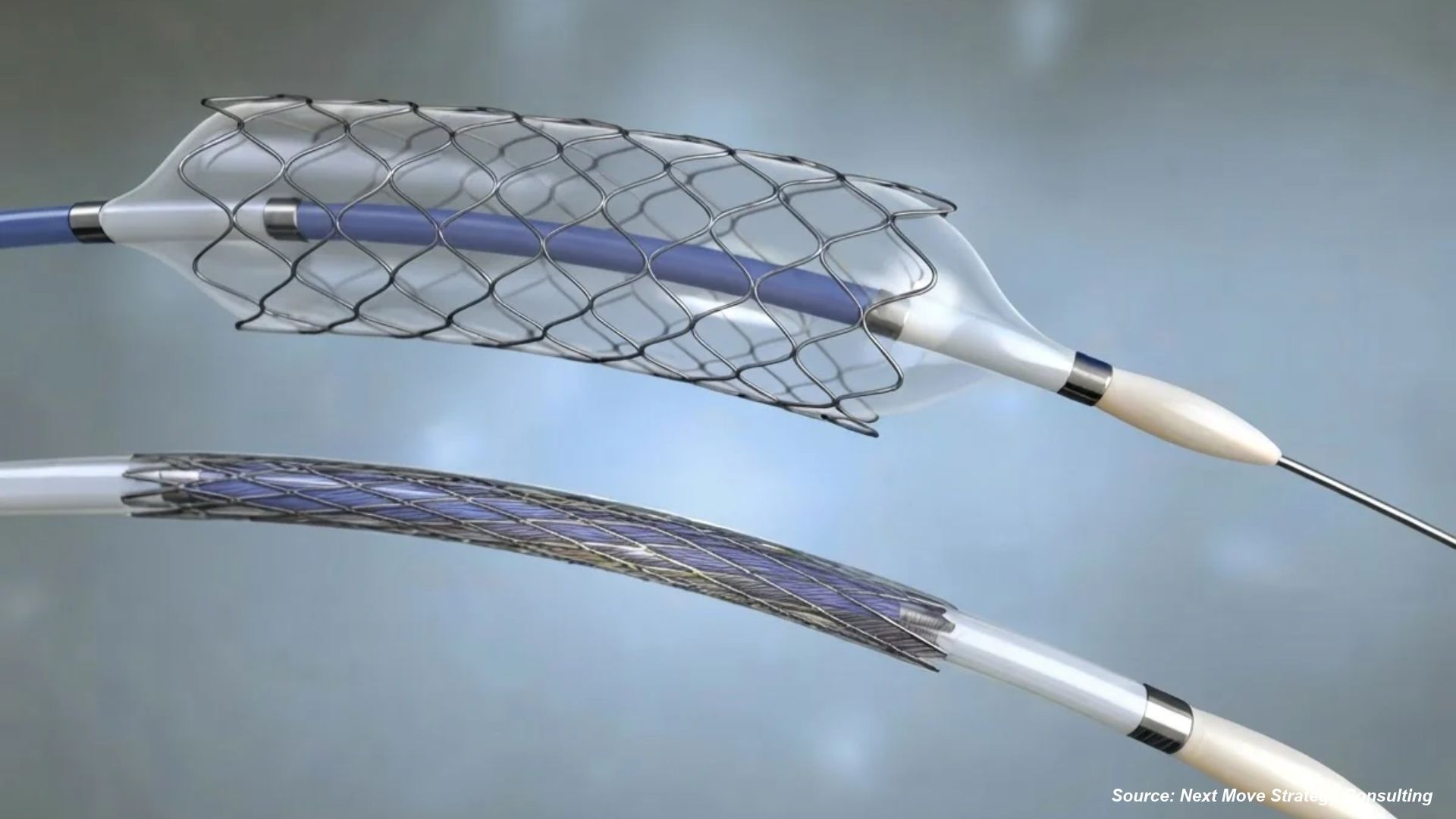
The industry is witnessing strong growth, driven by the rising adoption of minimally invasive procedures that offer safer, faster, and more cost-effective alternatives to traditional surgeries. Microcatheters are vital in enabling precise navigation through complex vascular pathways and in delivering therapeutic agents during cardiovascular, neurovascular, peripheral vascular, and oncology treatments.
The growing aging population, with its higher prevalence of vascular diseases and related complications, is further increasing the need for advanced microcatheters that ensure safe and effective interventions. In addition, the expanding role of interventional oncology and embolotherapy, where microcatheters are essential for targeted delivery of embolic agents and minimally invasive tumor treatments, is shaping the microcatheters market landscape.
Supported by continuous technological innovations that improve flexibility, trackability, and treatment precision, the market is expected to expand steadily in line with global healthcare trends favoring minimally invasive and patient-centric care.
Rising Adoption of Minimally Invasive Procedures Drives the Market Growth
The rising adoption of minimally invasive procedures is a key driver of the microcatheters market growth, as these interventions offer significant advantages over open surgeries, including reduced complications, shorter recovery times, and lower healthcare costs.
Steerable microcatheters play a crucial role in enabling precise navigation through complex vascular pathways and delivering therapeutic agents or devices in cardiovascular, neurovascular, and peripheral vascular treatments. With growing patient preference, expanding hospital adoption, and continuous technological advancements enhancing flexibility and trackability, the demand for microcatheters is expected to accelerate in line with the global shift toward minimally invasive care.
Rise in Aging Population Boosts the Market Demand
The rise in the aging population is a major driver of the microcatheters market demand, as older individuals face a higher risk of cardiovascular diseases, strokes, and peripheral artery disorders that require minimally invasive interventions. Age-related vascular complexities, such as tortuosity and fragility, make advanced microcatheters indispensable for safe navigation and precise treatment delivery.
According to the World Health Organization (WHO), in 2024; by 2050, the world’s population of people aged 60 years and older will double to 2.1 billion, underscoring the expanding patient pool that will accelerate the demand for microcatheter-based procedures globally.
Growing use of Oncology and Embolotherapy Fuels the Market Expansion
The growing use of oncology and embolotherapy procedures is emerging as a key driver of the microcatheters market expansion, as these devices are critical for delivering embolic agents directly to targeted sites with high precision. Techniques such as trans arterial chemoembolization, selective internal radiation therapy, uterine fibroid embolization, and prostatic artery embolization rely heavily on neurovascular interventions for accurate navigation through intricate vascular networks and controlled release of therapeutic materials.
With the rising global cancer burden and increasing adoption of minimally invasive tumor treatment and organ-sparing therapies, the demand for advanced microcatheters designed for interventional oncology and embolotherapy is expected to grow substantially.
High Cost of Advanced Microcatheter Procedures and Devices Limits the Market Growth
One key restraint of the market is the high cost of advanced microcatheter procedures and devices, which limit accessibility, especially in developing regions. Microcatheters with specialized features such as hydrophilic coatings, multi-lumen designs, or reinforced braiding come at a premium price, adding to the overall cost of minimally invasive interventions.
In addition, the requirement for skilled interventional specialists and advanced imaging infrastructure further increases treatment expenses. This cost burden restrict adoption in low- and middle-income countries and also create reimbursement challenges in certain healthcare systems, thereby hindering wider market penetration.
Expansion of Healthcare Infrastructure Creates New Growth Opportunities
An opportunity for the market lies in the expansion of healthcare infrastructure and interventional radiology in emerging economies. Rapid investments in advanced cath labs, growing awareness of minimally invasive treatments, and increasing government support for improving access to modern healthcare are creating a favorable environment for microcatheter adoption in regions such as Asia-Pacific, Latin America, and the Middle East.
As patient volumes rise due to higher prevalence of cardiovascular and oncological disorders, and as training programs enhance the availability of skilled specialists, these markets present significant growth potential for microcatheter manufacturers to expand their footprint and capture untapped demand.
Market Segmentations and Scope of the Study
The microcatheters market report is segmented on the basis of product type, technology, product design, application, and end users. On the basis of product type, the market is divided into delivery microcatheters, diagnostic microcatheters, aspiration microcatheters, steerable microcatheters, and others. On the basis of technology, the market is classified into braided shaft, coiled shaft, hybrid braid, and others. Based on product design, the market covers single lumen and dual lumen. On the basis of application, the market is segmented into coronary, neurovascular, cardiovascular, peripheral vascular, otolaryngology, oncology, urology, and others. Finally, on the basis of end users, the market is segmented into hospitals, ambulatory surgical centers, and specialty clinics. The regional breakdown includes regions such as North America, Europe, Asia-Pacific, and the Rest of the World (RoW).
Geographical Analysis
North America is experiencing strong growth in the microcatheters market share, largely driven by the rising prevalence of cardiovascular and neurovascular diseases that require minimally invasive treatment approaches. Microcatheters play a critical role in enabling accurate navigation and targeted therapy delivery for conditions such as coronary artery disease, stroke, and peripheral artery disease.
According to the American Heart Association in 2024, by 2050, cardiovascular disease is expected to increase from 11.3% to 15% of the population, affecting up to 45 million U.S. adults, highlighting the growing patient pool that will significantly boost the demand for microcatheter-based procedures across the region.
Europe is witnessing a sharp rise in its aging population, which is a key driver of the microcatheters industry trends. Older individuals are at higher risk of cardiovascular diseases, strokes, and peripheral artery conditions, creating strong demand for minimally invasive interventions where microcatheters are essential for precise navigation and targeted therapy.
According to SilverEco in 2025, the proportion of people aged over 65 increased in 26 of the 27 EU countries in 2024, reaching record levels in Italy (24.3%), Portugal (24.1%), and Bulgaria (23.8%), underscoring the growing elderly population that is accelerating the adoption of microcatheter-based procedures across the region.
Another key driver of the sector in Asia Pacific is the rapid improvement of healthcare infrastructure and greater access to advanced interventional procedures. Countries across the region are expanding hospitals, cath labs, and diagnostic centers, while also strengthening medical training programs to meet rising demand for minimally invasive treatments.
According to India Brand Equity Foundation in 2025, India’s public expenditure on healthcare is expected to be 1.9% of GDP in FY26, compared to 2.5% in FY25, as per the Economic Survey 2024-25, reflecting ongoing investments and policy focus that are likely to support the wider adoption of microcatheters across the region.
The Rest of the World (RoW) is experiencing rising demand in the market, largely driven by the growing appeal of medical tourism in regions such as Latin America, the Middle East, and Africa. Patients from developed nations are increasingly seeking cost-effective, high-quality minimally invasive procedures in these markets, which is fueling the adoption of advanced devices like microcatheters.
The expansion of private healthcare facilities, implementation of international medical standards, and increasing investments in state-of-the-art cath labs are further enhancing treatment capabilities, positioning Rest of the World (RoW) as an important growth contributor to the global market.
Strategic Innovations Adopted by Key Players
Leading players in the global microcatheters industry are driving growth through continuous innovation, strategic collaborations, and expanded clinical adoption across key therapeutic areas. Companies like Medtronic, Boston Scientific, Stryker, and Terumo are advancing neurovascular and cardiovascular solutions with improved flexibility and navigation, while Merit Medical, Cook Medical, and Teleflex are broadening access in embolization and interventional oncology.
Penumbra, OrbusNeich, and BALT are enhancing visibility through next-generation product launches and clinical evidence, and Argon, Lepu, Nipro, and ACIST are deepening portfolios through acquisitions, targeted device development, and integration with complementary technologies.
Collectively, these efforts strengthen procedure efficiency, widen global reach, and increase physician engagement, accelerating the overall adoption of minimally invasive treatments and expanding the market’s long-term potential.
Key Benefits
-
The report provides quantitative analysis and estimations of the industry from 2025 to 2030, which assists in identifying the prevailing microcatheters market opportunities.
-
The study comprises a deep-dive analysis of the current and future microcatheters market trends to depict prevalent investment pockets in the sector.
-
Information related to key drivers, restraints, and opportunities and their impact on the market is provided in the report.
-
Competitive analysis of the players, along with their market share is provided in the report.
-
SWOT analysis and Porters Five Forces model is elaborated in the study.
-
Value chain analysis in the market study provides a clear picture of roles of stakeholders
Microcatheters Market Key Segments
By Product Type
-
Delivery Microcatheters
-
Diagnostic Microcatheters
-
Aspiration Microcatheters
-
Steerable Microcatheters
-
Others
By Technology
-
Braided Shaft
-
Coiled Shaft
-
Hybrid Braid
-
Others
By Product Design
-
Single Lumen
-
Dual Lumen
By Application
-
Coronary
-
Neurovascular
-
Cardiovascular
-
Peripheral vascular
-
Otolaryngology
-
Oncology
-
Urology
-
Others
By End User
-
Hospitals
-
Ambulatory Surgical Centers
-
Specialty Clinics
By Region
-
North America
-
The U.S.
-
Canada
-
Mexico
-
-
Europe
-
The UK
-
Germany
-
France
-
Italy
-
Spain
-
Denmark
-
Netherlands
-
Finland
-
Sweden
-
Norway
-
Russia
-
Rest of Europe
-
-
Asia-Pacific
-
China
-
Japan
-
India
-
South Korea
-
Australia
-
Indonesia
-
Singapore
-
Taiwan
-
Thailand
-
Rest of Asia-Pacific
-
-
RoW
-
Latin America
-
Middle East
-
Africa
-
Key Players
-
Terumo Corporation
-
Stryker Corporation
-
Teleflex Incorporated
-
Cook Medical LLC
-
Merit Medical Systems, Inc.
-
Penumbra, Inc.
-
ASAHI INTECC CO., LTD.
-
Nipro Corporation
-
OrbusNeich Medical Group Holdings Limited
-
BALT Extrusion SAS
-
Argon Medical Devices, Inc.
-
Lepu Medical Technology (Beijing) Co., Ltd.
-
ACIST Medical Systems, Inc.
Report Scope and Segmentation:
|
Parameters |
Details |
|
Market Size in 2025 |
USD 2.16 Billion |
|
Revenue Forecast in 2030 |
USD 3.06 Billion |
|
Growth Rate |
CAGR of 7.2% from 2025 to 2030 |
|
Analysis Period |
2024–2030 |
|
Base Year Considered |
2024 |
|
Forecast Period |
2025–2030 |
|
Market Size Estimation |
Million (USD) |
|
Growth Factors |
|
|
Countries Covered |
28 |
|
Companies Profiled |
15 |
|
Market Share |
Available for 10 companies |
|
Customization Scope |
Free customization (equivalent up to 80 working hours of analysts) after purchase. Addition or alteration to country, regional, and segment scope. |
|
Pricing and Purchase Options |
Avail customized purchase options to meet your exact research needs. |


About the Author
 Bidhudhyoti Nag
— Bidhudhyoti Nag is a skilled market researcher known for delivering structured insights that support strategic decision-making. With strong analytical capabilities and a keen understanding of evolving market dynamics, he contributes to opportunity assessment, trend tracking, and insight-driven content development. He is passionate about translating research into clear narratives that inform business thinking and thought leadership. Outside of work, he enjoys sports, traveling, and exploring diverse cultures that broaden his global perspective.
Bidhudhyoti Nag
— Bidhudhyoti Nag is a skilled market researcher known for delivering structured insights that support strategic decision-making. With strong analytical capabilities and a keen understanding of evolving market dynamics, he contributes to opportunity assessment, trend tracking, and insight-driven content development. He is passionate about translating research into clear narratives that inform business thinking and thought leadership. Outside of work, he enjoys sports, traveling, and exploring diverse cultures that broaden his global perspective.
About the Reviewer
 Supradip Baul
— Supradip Baul is an accomplished business consultant and strategist with over a decade of rich experience in market intelligence, strategy, technology, and business transformation. His work has included rigorous qualitative and quantitative analysis across multiple industries, helping clients shape investment decisions and long-term roadmaps. Earlier in his career, he was associated with Gartner, where he contributed to industry-leading reports and market share analyses. He has worked with leading global companies and holds an MBA with a dual specialization in Marketing and Finance.
Supradip Baul
— Supradip Baul is an accomplished business consultant and strategist with over a decade of rich experience in market intelligence, strategy, technology, and business transformation. His work has included rigorous qualitative and quantitative analysis across multiple industries, helping clients shape investment decisions and long-term roadmaps. Earlier in his career, he was associated with Gartner, where he contributed to industry-leading reports and market share analyses. He has worked with leading global companies and holds an MBA with a dual specialization in Marketing and Finance.
At Next Move Strategy Consulting, we understand that insightful market research is the cornerstone of successful business decisions. That's why we employ a robust and multifaceted approach, combining various methodologies to deliver the most accurate and actionable data for our clients.

Research Landscape
We navigate the world of research with two primary approaches:
Qualitative Approach
Our qualitative research methodologies involve immersive techniques such as in-depth interviews, focus groups, and observational studies. By engaging directly with individuals and stakeholders, we uncover valuable insights that quantitative data alone may overlook.

Quantitative Research
In tandem with qualitative methodologies, NMSC leverages the power of Quantitative Research to provide a robust foundation of numerical insights. Through systematic data collection and analysis, we quantify patterns, preferences, and market trends, offering a comprehensive view of the business landscape.
Our quantitative research approach employs diverse tools, including surveys, experiments, and statistical modelling. These methodologies enable us to gather data from a large and representative sample, ensuring the statistical significance of our findings. By employing structured questionnaires and standardized data collection methods, we guarantee the reliability and validity of the information we present to our clients.
Quantitative research is particularly effective in measuring the prevalence of trends, assessing market size, and gauging the impact of various factors on consumer behavior. The numerical precision attained through this approach equips our clients with actionable insights, facilitating data-driven decision-making and strategy formulation.


Our Specialized Toolbox for Industry-Specific Market Research
We deploy a specialized arsenal of techniques tailored to meet your unique requirements. Here's a glimpse into our comprehensive toolbox:

Information Procurement
The stage entails acquiring market data or relevant information through various sources and methodologies.


Market Research Approach
We utilize both top-down and bottom-up approaches in market research analysis to achieve a comprehensive understanding of the market dynamics, leveraging the broad perspective of industry trends and macroeconomic factors alongside detailed insights from specific segments and individual companies.

Porters Five Forces Analysis
We conduct Porter's Five Forces analysis to evaluate the competitive landscape of an industry, providing us with insights into factors that affect profitability and strategic positioning.

SWOT Analysis

Forecasting
We utilize a forecasting model to predict future consumption by considering parameters like population, economics, regulations, market competition, drivers, constraints, technology, and pricing. We also employ statistical techniques such as multilinear regression, exponential smoothing, moving average, ARIMA, and Monte Carlo simulations for accurate predictions. In econometric forecasting, we analyzed short-term and long-term event impacts, attributing values based on regulatory frameworks, economic factors, and market events.





 Speak to Our Analyst