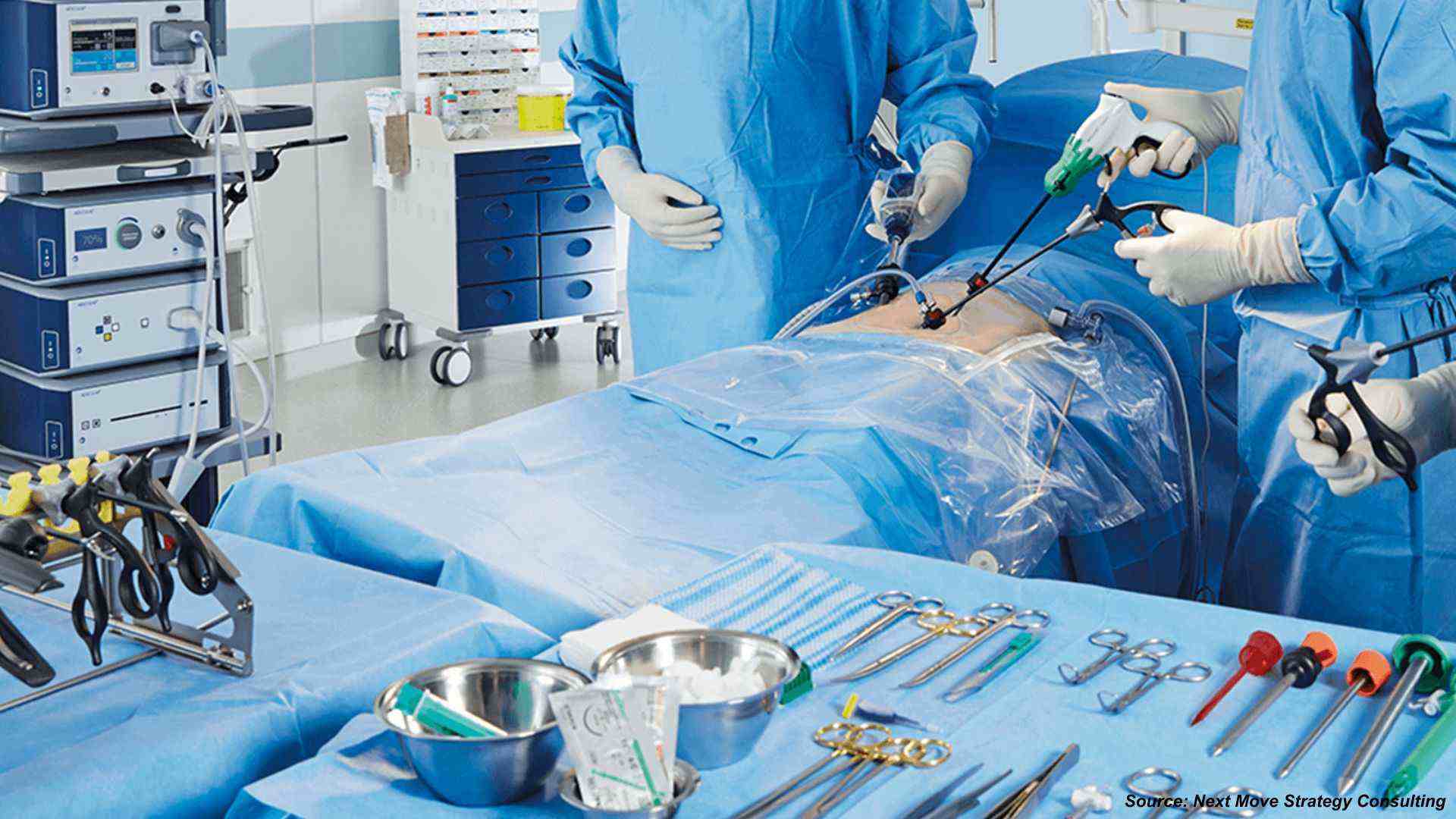
Ultrasonic Aspirator Market By Product Type (Standalone Systems, Integrated Systems, Consumables, and Accessories), By Technology (Conventional Ultrasonic Aspirators, Advanced Ultrasonic Aspirators with Intelligent Sensing, and Next Generation Integrated Aspirators), By Application (Neurosurgery, Gynecological Surgery, and Others), and By End User (Hospitals, Ambulatory Surgical Centers, Specialty Clinics, Research, and Academic Institutes) – Global Analysis & Forecast, 2025–2030
Industry: Healthcare | Publishing Date: December 6, 2025 | Last Updated: December 23, 2025 | No of Pages: N/A | No. of Tables: N/A | No. of Figures: N/A | Format: PDF | Report Code: HC3804
Industry Outlook
The global Ultrasonic Aspirator Market size was valued at USD 244 million in 2024 and is expected to reach USD 261.8 million by 2025. Looking ahead, the industry is projected to expand significantly, reaching USD 372.3 million by 2030, registering a CAGR of 7.3% from 2025 to 2030.
The market is witnessing robust expansion as the need for precision-based surgical tools grows in response to rising incidences of cancer, neurological disorders, and complex surgical procedures. Hospitals and surgical centers are increasingly adopting neurosurgical aspirators for their ability to deliver controlled tissue fragmentation and selective removal with minimal collateral damage, improving both surgical outcomes and patient safety. The integration of advanced features such as ergonomic handpieces, modular tips, and real-time feedback systems is further enhancing device performance and surgeon efficiency. With a growing emphasis on minimally invasive techniques and precision medicine, ultrasonic aspirators are becoming indispensable in neurosurgery, oncology, and other delicate surgical applications. This increasing clinical reliance, coupled with ongoing technological innovations, is driving steady market penetration across both developed and emerging healthcare systems.
At the same time, the market’s growth is being supported by expanding healthcare infrastructure, rising investment in hospital modernization, and a greater focus on improving surgical care quality worldwide. Governments and private healthcare providers are prioritizing the adoption of advanced surgical technologies to enhance procedural accuracy and reduce recovery times. Manufacturers are responding by developing smarter, more cost-efficient aspirator systems tailored to diverse surgical needs and facility budgets. As the global demand for high-precision surgical solutions accelerates, the market is set to benefit from favorable procurement policies, training initiatives, and innovation in disposable components that ensure both safety and sustainability. This convergence of technological progress and institutional investment positions the industry for sustained long-term growth.
What Are the Key Trends in the Ultrasonic Aspirator Industry?
How is the Ultrasonic Aspirator Market Being Reshaped by New Regulatory Clearances?
The ultrasonic aspirator market is witnessing renewed momentum as regulatory approvals accelerate globally, particularly through a series of U.S. FDA clearances in 2024 and 2025. These approvals have expanded clinical indications for next-generation ultrasonic aspirator systems, covering a wider range of neurosurgical and general surgical applications. According to the FDA Access Data repository, new product approvals such as advanced operating room equipment consoles and modular handpieces indicate an industry-wide shift toward safer, more versatile, and user-friendly systems. This regulatory dynamism is reshaping the competitive landscape by shortening product development cycles and encouraging faster hospital adoption of upgraded systems. As a result, hospitals are now assessing devices not only on acquisition cost but also on ecosystem value factors such as ease of servicing, disposable tip efficiency, integration with surgical navigation systems, and regulatory traceability are becoming critical purchase criteria. For manufacturers, aligning R&D and market strategy with this trend is key. Companies should leverage each regulatory clearance as a strategic growth driver pairing product launches with structured training programs, post-market surveillance frameworks, and transparent submission processes to enhance trust and accelerate market penetration within the expanding ultrasonic aspirator segment.
Will Rising Global Surgical Volume Drive Sustained Demand for the Market?
The ultrasonic aspirator market demand is experiencing steady growth driven by a global rise in surgical volumes as countries expand their surgical infrastructure under national and international health initiatives. According to the World Health Organization (WHO) Regional Office for Africa, many nations are actively implementing National Surgical, Obstetric and Anesthesia Plans (NSOAPs) to strengthen healthcare systems and increase access to essential surgical procedures by 2030. This surge in surgical activity directly boosts demand for advanced operating room equipment such as ultrasonic aspirators, which are essential for precise tissue removal and fragmentation in neurosurgery, oncology, and general surgical procedures. The market is evolving along two distinct growth paths, high-capacity tertiary hospitals in emerging economies are investing in premium, feature-rich aspirators with enhanced ergonomics and digital integration, while district-level and secondary hospitals are seeking more affordable, durable, and easy-to-maintain models. For manufacturers, this trend highlights the need for dual-market strategies: premium product lines targeting specialized centers and cost-effective, service-oriented systems for decentralized healthcare networks. Aligning pricing, financing, and training initiatives with national surgical rollout plans help companies establish long-term partnerships and recurring revenue streams in this expanding global market.
How is the Ultrasonic Aspirator Market Advancing Through Enhanced Safety and Precision in Neurosurgical Applications?
Recent advancements in ultrasonic aspirator technology are redefining the market landscape, particularly in high-precision neurosurgery. A 2025 study published on PubMed titled “Ultrasonic Surgical Aspirator in Intramedullary Spinal Cord Tumours Treatment: A Simulation Study of Vibration and Temperature Field” demonstrated that modern ultrasonic aspirators maintain vibration and heat levels below the critical safety threshold of 46°C, ensuring minimal collateral damage to neural tissues during spinal cord tumor removal. This scientific validation underscores how device engineering is evolving toward enhanced thermal regulation, vibration control, and tip precision features that are now critical differentiators in the market. As healthcare systems increasingly adopt advanced surgical technologies for complex neurosurgical interventions, demand is shifting from conventional aspirators to smart, safety-validated systems. For manufacturers, this trend presents a clear strategic direction: invest in simulation-based R&D and clinical validation studies to build regulatory and clinical confidence. By aligning innovation with proven safety outcomes, companies position themselves as trusted partners in the growing neurosurgical segment of the global market, commanding premium pricing and long-term institutional adoption.
What Are the Key Market Drivers, Breakthroughs, and Investment Opportunities That Will Shape the Ultrasonic Aspirator Industry in the Next Decade?
The ultrasonic aspirator market is experiencing steady growth, driven by the rising prevalence of complex surgical procedures, particularly in oncology and neurosurgery. As the global burden of cancer and age-related diseases increases, the demand for precision-based surgical tools that offer controlled and selective tissue removal is intensifying. Ultrasonic aspirators are becoming an essential part of modern operating rooms due to their ability to improve surgical accuracy, minimize collateral damage, and enhance patient recovery outcomes. Hospitals and surgical centers are actively seeking advanced aspirator systems that combine ergonomic design, precision control, and ease of use. This trend is further supported by the growing investment in healthcare infrastructure and modernization of surgical technologies worldwide, positioning ultrasonic aspirators as a vital component of advanced surgical care.
Despite their growing clinical relevance, the market continues to face adoption challenges related to high capital costs and variable reimbursement structures, which limit procurement flexibility for hospitals, particularly in cost-sensitive environments. However, the increasing focus on hospital infrastructure upgrades and equipment modernization provides a significant opportunity for manufacturers to expand their market reach. Companies that demonstrate strong clinical and economic value through evidence-based outcomes, along with offering flexible financing models and comprehensive training programs, are likely to succeed. As hospitals prioritize safety, efficiency, and precision in surgical performance, the is well-positioned for sustained expansion, driven by innovation, health investment, and the ongoing transformation of global surgical care standards.
Growth Drivers:
How will Rising Cancer and Neurosurgical Case Loads Drive Demand for Ultrasonic Aspirators?
The ultrasonic aspirator market is poised for sustained growth as the global burden of cancer continues to rise, driven by population ageing and demographic shifts. According to the GLOBOCAN database and recent analyses in ACS Publications, global cancer incidence is projected to increase substantially through the next decade, expanding the number of patients requiring tumor resection and other precision-driven surgical procedures. Ultrasonic aspirators are increasingly preferred in these settings for their ability to achieve controlled, selective tissue removal with minimal collateral damage, particularly in oncologic and neurosurgical surgeries. This trend is translating into a steady rise in demand for high-performance aspirator consoles and single-use tips across tertiary care hospitals. For manufacturers, the implication is clear: aligning product innovation with validated oncologic use cases, expanding surgeon training programs, and optimizing consumable pricing models will be essential to capture recurring revenue opportunities within this expanding clinical and geographic demand base.
How is Rising Global Health Expenditure Driving Growth in the Market?
The continuous rise in global health expenditure is a major catalyst for the market, as it directly enhances hospitals’ ability to invest in advanced surgical technologies. According to the World Bank, current health expenditure as a percentage of GDP has been steadily increasing across most regions, reflecting governments and private sectors’ expanding financial commitment to healthcare delivery. This surge in spending allows hospitals to modernize operating rooms, upgrade precision surgical tools, and adopt high-performance devices like ultrasonic aspirators for complex neurosurgical and oncologic procedures. As a result, healthcare institutions are prioritizing equipment that offers better safety, efficiency, and clinical outcomes. For manufacturers, this trend highlights an opportunity to align pricing strategies and procurement models with countries exhibiting strong health investment growth, thereby capturing larger shares of the expanding surgical infrastructure market.
Growth Inhibitors:
What are the Reimbursement and Cost Barriers Hindering Wider Adoption in the Market?
The ultrasonic aspirator market expansion faces notable adoption challenges despite its growing clinical importance in precision surgeries. Reports from the American Hospital Association (AHA) Costs of Caring and the Centers for Medicare and Medicaid Services (CMS) National Health Expenditure (NHE) reveal that hospital spending on medical supplies continues to rise as a proportion of total healthcare expenditure, tightening procurement budgets for advanced surgical technologies. For ultrasonic aspirators, the combination of high initial capital costs and fragmented reimbursement mechanisms limits purchasing flexibility, particularly in publicly funded hospitals. Many health systems still underrecognize the long-term value these devices provide through improved surgical precision and reduced complication rates. Consequently, institutions delay equipment upgrades or select lower-cost alternatives. To mitigate this restraint, manufacturers should strengthen health economic evidence, demonstrate measurable efficiency and patient outcome gains, while introducing flexible payment and leasing models to enhance affordability and broaden adoption across diverse healthcare settings.
How is Rising Hospital Capital Investment Creating New Opportunities in the Ultrasonic Aspirator Market Growth?
The OECD’s Health at a Glance report highlights that average annual capital expenditure in the healthcare sector across OECD countries has grown steadily, standing nearly 40% higher than in 2010. Furthermore, equipment investments account for about 40% of total health capital spending, underscoring hospitals’ growing focus on upgrading surgical and diagnostic technologies. This upward trend presents a strong opportunity for the market, as hospitals modernize operating rooms and seek precision tools that enhance surgical efficiency and patient outcomes. Increased capital budgets make it feasible for healthcare providers to replace outdated systems with next-generation ultrasonic aspirators equipped with smart controls and modular accessories. Manufacturers capitalize on this momentum by aligning product launches with hospital upgrade cycles, offering integrated procurement packages, financing flexibility, and demonstration programs that position advanced aspirator systems as key investments in surgical infrastructure modernization.

How Is the Ultrasonic Aspirator Market Segmented in This Report, and What Are the Key Insights from the Segmentation Analysis?
By Product Type Insights
Is the Ultrasonic Aspirator Industry in 2025 Shaped by Product Type?
Based on product type, the market is segmented into standalone systems, integrated systems and others.
The Standalone Systems segment in the ultrasonic aspirator market comprises self-contained devices designed to operate independently without integration into larger surgical platforms. These systems are typically equipped with dedicated control units, handpieces, and aspiration modules, providing surgeons with precise control and flexibility across a wide range of procedures. Standalone ultrasonic aspirators are valued for their portability, ease of setup, and adaptability in diverse clinical environments, from neurosurgery to general and orthopedic surgeries. Their modular design allows healthcare facilities to deploy them efficiently across multiple operating rooms, making them a preferred choice for institutions seeking reliability, performance, and cost-effective surgical solutions without dependence on integrated systems.
By Technology Insights
Is the Ultrasonic Aspirator Market Trends in 2025 Being Shaped by Technology?
On the basis of technology, the market is segmented into conventional ultrasonic aspirators and others.
The conventional ultrasonic aspirators segment includes traditional systems that utilize high-frequency ultrasonic vibrations to fragment and remove soft tissue during surgical procedures. These devices are designed to deliver consistent performance and reliable aspiration control, making them suitable for a wide range of surgical applications such as neurosurgery, oncology, and ENT procedures. Known for their proven effectiveness and ease of operation, conventional ultrasonic aspirators remain widely used in healthcare facilities that prioritize dependable technology with established clinical outcomes. Their straightforward design, durability, and cost efficiency make them a foundational choice for surgeons seeking precision and safety without the added complexity of advanced sensing or integrated digital systems.
By Application Insights
How are Applications Driving the Ultrasonic Aspirator Industry in 2025?
On the basis of application, the market is segmented into neurosurgery, gynecological surgery and Others.
The Neurosurgery segment represents one of the most significant application areas for ultrasonic aspirators, where precision and control are critical for successful outcomes. In these procedures, ultrasonic aspirators are used to selectively fragment and remove brain or spinal tissue while minimizing damage to surrounding healthy structures. Their ability to provide precise tissue differentiation, efficient aspiration, and minimal thermal effect makes them indispensable in delicate neurosurgical interventions such as tumor resections, cyst evacuations, and decompression surgeries. Surgeons value these devices for enhancing operative accuracy, reducing procedure time, and improving patient recovery, solidifying their role as essential tools in modern neurosurgical practice.

By End User Insights
Are End Users Shaping the Ultrasonic Aspirator Market in 2025?
On the basis of end user, the market is segmented into hospitals, specialty clinics and others.
The Hospitals segment constitutes the primary end user of ultrasonic aspirators, as these facilities handle a wide range of complex surgical procedures requiring precision and advanced technology. Hospitals rely on ultrasonic aspirators for neurosurgery, oncology, orthopedics, and other specialties where controlled tissue removal and minimal collateral damage are essential. Equipped with the infrastructure and expertise to support high-end surgical systems, hospitals adopt both standalone and integrated aspirator platforms to enhance surgical outcomes and efficiency. Their focus on patient safety, multi-specialty capability, and advanced surgical care drives consistent demand for these devices, positioning hospitals as the central hub for ultrasonic aspirator utilization and technological adoption.

Regional Outlook
The Ultrasonic aspirator market share is geographically studied across North America, Europe, Asia Pacific, Middle East & Africa, and Latin America and each region is further studied across countries.
Ultrasonic Aspirator Market in North America
North America’s market is propelled by large integrated hospital networks upgrading operating rooms, a high concentration of tertiary neurosurgical centers, and strong demand for precision tools that improve surgical outcomes. Buyers prioritize devices that combine validated clinical performance with seamless integration into existing OR workflows, so vendors offering modular consoles, ergonomic handpieces, and reliable consumable supply chains gain traction quickly. Serviceability and total cost of ownership matter as much as initial price, meaning companies that provide robust local support, training programs for surgeons and perioperative teams, and flexible financing options tend to shorten procurement cycles and secure long-term contracts. Regional adoption also favors products that demonstrate clear clinical benefits in complex procedures, enabling manufacturers to scale consumable sales and maintenance revenue across a dense network of high volume surgical centers.
Ultrasonic Aspirator Market in the United States
In the United States, the ultrasonic aspirator market is supported by strong hospital investments, a high volume of advanced surgical procedures, and favorable reimbursement structures for technologies that demonstrate clear clinical and economic benefits. Hospitals are increasingly focused on equipment that enhances surgical efficiency and improves patient outcomes, creating opportunities for manufacturers that provide proven value through real-world evidence and health economic validation. Additionally, the market increasingly favors devices with digital integration features, such as connectivity with surgical navigation systems and software-driven functionality. Vendors that combine these advanced technologies with recurring revenue models like consumables and service contracts are well positioned to strengthen their long-term market presence.
Ultrasonic Aspirator Market in Canada
In Canada, the ultrasonic aspirator market is shaped by provincial purchasing practices and steady increases in hospital investment in medical equipment. Demand is primarily driven by large urban hospitals that perform complex neurosurgical and oncologic procedures, while regional facilities focus on reliability and ease of maintenance. The public procurement framework results in longer purchasing cycles but also enables opportunities for long-term service partnerships and training initiatives aligned with provincial funding strategies. Companies that emphasize total cost of ownership, maintain a strong local service presence, and offer comprehensive education and support programs are more likely to succeed in securing major public contracts and fostering ongoing consumable sales across provinces.
Ultrasonic Aspirator Market in Europe
Across Europe the market is shaped by heterogeneous health systems, rising capital expenditure on medical equipment and a strong regulatory environment that favors safety validated devices. OECD and EU health system synthesis reports show equipment investment is a substantial part of capital spending, and countries with active modernization plans are replacing aging OR hardware. Market uptake varies: Western European tertiary centers adopt premium aspirators for complex neurosurgery, while some public systems delay upgrades due to budget cycles and procurement rules. Vendors that localize evidence generation, comply with CE and national standards, and offer financing or leasing options find broader adoption across the European landscape.
Ultrasonic Aspirator Market in the United Kingdom
In the United Kingdom, the industry is influenced by a strong foundation of demand from leading neurosurgical centers, balanced against public sector budget constraints and aging equipment fleets. The push to modernize surgical infrastructure and address maintenance backlogs is creating short-term opportunities for manufacturers that prove the safety, reliability, and operational efficiency of their aspirator systems. Vendors that align closely with NHS procurement frameworks, provide strong post-market performance data, and offer responsive service and replacement programs are better positioned to gain trust and expand adoption. Demonstrating clear reductions in equipment downtime and patient risk remains essential for success in this evolving market environment.
Ultrasonic Aspirator Market in Germany
In Germany, the ultrasonic aspirator market benefits from a well-developed hospital network and a consistent commitment to adopting advanced surgical technologies. Hospitals frequently upgrade their surgical equipment and show strong interest in innovations that enhance precision and safety, particularly in neurosurgery and oncology. Purchasing decisions emphasize proven clinical performance and reliability, with a clear preference for suppliers that provide dependable local service and long-term collaboration. Manufacturers that combine validated device performance with responsive technical support and efficient consumable supply management tend to achieve stronger penetration in leading German hospitals and high-volume surgical centers.
Ultrasonic Aspirator Market in France
According to DREES, France’s current health expenditure grew by 3.5% in 2023 to around USD 325 billion, with spending on healthcare goods and medical equipment rising by 5.2%, and hospital care accounting for nearly half of this total. This upward trend in hospital and device spending supports steady demand for advanced surgical technologies such as ultrasonic aspirators. As most healthcare costs are publicly funded, hospitals prioritize capital investments that demonstrate strong clinical and economic value. However, the centralized procurement structure means vendors must clearly prove cost-effectiveness, reliability, and service quality. Companies that align with national modernization programs, provide robust clinical evidence, and ensure responsive maintenance and training are best positioned to capture growing opportunities within French neurosurgical and oncologic centers.
Ultrasonic Aspirator Market in Italy
In Italy, the ultrasonic aspirator market is gaining momentum as hospitals pursue modernization and surgical equipment upgrades supported by national and regional initiatives. Many healthcare facilities are actively replacing outdated operating room technologies, creating opportunities for aspirator manufacturers to introduce advanced systems that enhance surgical precision and efficiency. To succeed, vendors must align closely with regional procurement processes and provide comprehensive implementation, training, and after-sales support. Building long-term partnerships with hospitals undergoing technology transitions enables companies to secure both initial placements and recurring consumable sales, strengthening their presence in the evolving Italian market.
Ultrasonic Aspirator Market in Spain
In Spain, the ultrasonic aspirator market is shaped by ongoing healthcare modernization and regional hospital investment, with demand concentrated in tertiary centers performing complex surgical procedures. Because procurement decisions are made at the regional level, success depends on tailoring strategies to local budgets and timelines while building relationships with clinical leaders who influence technology adoption. Manufacturers that clearly demonstrate the clinical and economic advantages of their aspirator systems, and offer flexible purchasing options such as leasing or bundled service agreements, are better positioned to navigate budget limitations. Periodic regional capital programs and EU-funded modernization projects also provide valuable opportunities for vendors to expand their footprint in Spain’s advanced surgical market.
Ultrasonic Aspirator Market in Nordics
In the Nordic countries, the market benefits from a healthcare environment that emphasizes quality, safety, and proven clinical outcomes. Hospitals in the region invest in advanced technologies that demonstrate clear therapeutic value, sustainability, and efficient lifecycle management. Procurement processes are centralized or regionally coordinated, favoring suppliers that meet stringent regulatory and performance standards. For ultrasonic aspirator manufacturers, success depends on providing strong clinical validation, environmentally responsible product and consumable management, and close collaboration with national procurement agencies. Vendors that simplify surgical workflows and deliver measurable improvements in patient outcomes are best positioned to gain trust and expand across Nordic healthcare systems.
Ultrasonic Aspirator Market in Asia-Pacific
In the Asia Pacific region, the ultrasonic aspirator market is driven by expanding healthcare infrastructure, rising surgical activity, and ongoing hospital modernization across both emerging and developed economies. Countries such as China and India are investing heavily in tertiary care capacity, while markets like Japan, South Korea, and Australia focus on upgrading to advanced surgical technologies. This creates opportunities for both premium aspirator systems and affordable, durable models suited to regional hospitals. Success in the region depends on balancing technological innovation with cost efficiency, providing strong clinical training and support, and building partnerships with local distributors or manufacturers. Navigating diverse regulatory environments and demonstrating proven clinical value are essential for accelerating adoption and establishing long-term market presence.
Ultrasonic Aspirator Market in China
A key driver for the market in China is the rapid expansion of the country’s medical device industry, which has been growing at an estimated annual rate of about 15%. This strong growth is fueled by government investment in healthcare modernization, expansion of hospital infrastructure, and a rising focus on advanced surgical capabilities. As hospitals adopt more sophisticated operating room technologies to support complex procedures in neurosurgery and oncology, demand for high-precision tools such as ultrasonic aspirators continues to rise. The momentum of China’s medical device sector underscores a broader shift toward innovation-driven healthcare, creating a favorable environment for aspirator manufacturers offering technologically advanced and locally supported solutions.
Ultrasonic Aspirator Market in Japan
In Japan, the surgical aspiration systems are supported by a mature healthcare system that emphasizes quality, precision, and proven clinical outcomes. Hospitals prioritize investments in advanced surgical equipment that deliver clear therapeutic benefits and dependable long-term performance. To succeed, aspirator manufacturers must ensure full compliance with Japan’s strict regulatory standards, provide localized clinical validation, and maintain a strong service presence to meet hospitals’ expectations for reliability and prompt technical support. Building long-standing partnerships and demonstrating consistently validated results are key to gaining and sustaining trust within Japan’s highly discerning medical community.
Ultrasonic Aspirator Market in India
In India, the ultrasonic aspirator market is expanding rapidly as healthcare infrastructure strengthens and surgical volumes continue to rise. Growth is led by private tertiary hospitals investing in advanced systems for complex neurosurgical and oncologic procedures, while public and district hospitals focus on affordable and easily maintainable solutions. Manufacturers that offer cost-effective aspirator models supported by comprehensive training, service programs, and flexible financing options are best positioned to capture market share. Success in India also depends on forming strategic partnerships with local distributors and tailoring value propositions to align with both private and government procurement priorities across the country’s diverse healthcare landscape.
Ultrasonic Aspirator Market in South Korea
In South Korea, the ultrasonic aspirator market overview is driven by the growing preference for minimally invasive and precision-based surgical techniques. Hospitals and surgeons are increasingly adopting advanced tools that enhance accuracy, reduce recovery times, and improve patient outcomes. This shift encourages demand for aspirator systems that integrate seamlessly with modern imaging and navigation technologies, supporting complex procedures in neurosurgery and oncology. Manufacturers that emphasize innovation, ergonomic design, and compatibility with digital surgical ecosystems are well positioned to capture growth in South Korea’s technologically advanced healthcare market.
Ultrasonic Aspirator Market in Taiwan
In Taiwan, the market benefits from a well-developed healthcare system that prioritizes evidence-based technology adoption and operational efficiency. Hospitals focus on investing in surgical devices that enhance precision, shorten procedure times, and integrate effectively with existing hospital IT systems. For aspirator manufacturers, success depends on demonstrating strong interoperability, reliability, and cost-effective consumable management. Collaboration with local distributors that offer robust technical support and clinical training helps accelerate procurement and build trust with both public and private hospitals. Vendors that clearly validate clinical advantages and ensure responsive maintenance are best positioned to achieve sustainable growth in Taiwan’s competitive medical technology landscape.
Ultrasonic Aspirator Market in Indonesia
Indonesia’s market is expanding as the country invests in broader surgical capacity and hospital upgrades, though uptake is constrained by public budget cycles and regional disparities in infrastructure. Urban tertiary hospitals in major islands are primary buyers of advanced aspirators, while many regional hospitals require simpler, rugged systems with clear maintenance pathways. For vendors, channel partnerships, local training hubs and consumable supply assurances are essential to win tenders and secure recurring revenue across Indonesia’s dispersed healthcare network. International finance or donor funded programs also periodically open procurement windows.
Ultrasonic Aspirator Market in Australia
In Australia, the market is supported by a well-funded healthcare system and structured procurement processes that encourage the adoption of proven surgical technologies. Demand is strongest in major metropolitan tertiary hospitals where advanced neurosurgical and oncologic procedures are routinely performed, while regional hospitals adopt new systems selectively based on capital budgets. Hospitals prioritize devices backed by strong clinical evidence, dependable performance, and comprehensive service coverage. Manufacturers that provide robust local technical support, demonstrate measurable clinical benefits, and offer flexible purchasing or service agreements are well aligned with the expectations and purchasing behavior of Australian healthcare institutions.
Ultrasonic Aspirator Market in Latin America
In Latin America, the market reflects the region’s diverse healthcare landscape, where countries like Brazil and Mexico are expanding tertiary care capacity and investing in advanced surgical technologies, while smaller markets face tighter budgets and slower procurement processes. Public healthcare systems emphasize affordability, making cost efficiency and reliability key purchasing factors, whereas private hospitals and specialized centers drive demand for premium aspirator systems with advanced features. Manufacturers that offer durable, easily serviceable devices supported by localized training, technical assistance, and flexible financing options are best positioned to navigate the region’s varied purchasing dynamics and capture growth across both public and private healthcare sectors.
Ultrasonic Aspirator Market in Middle East & Africa
In the Middle East and Africa, the ultrasonic aspirator market presents a contrasting landscape. Wealthy Gulf nations and major urban centers in North Africa are investing in advanced surgical infrastructure, driving strong demand for high-end aspirator systems in both public and private hospitals. In contrast, many parts of Sub-Saharan Africa face slower adoption due to limited capital resources and shortages of trained surgical staff. However, growing support from donor-funded initiatives and national surgical development programs is gradually improving access to modern equipment. Manufacturers that offer durable, easy-to-maintain ultrasonic aspirators, backed by robust training, local service support, and sustainable consumable supply chains, are well positioned to capture growth opportunities. Strategic collaborations with government health ministries and international aid programs further enhance market reach across emerging healthcare systems in the region.
Competitive Landscape
Which Companies Dominate the Ultrasonic Aspirator Industry and How do they Compete?
Leading players in the ultrasonic aspirator industry, including Stryker, Integra Lifesciences Corporation, Söring GmbH, and Bioventus LLC, have strengthened their market presence through innovation, portfolio expansion, and global reach. Stryker continues to lead with advanced surgical solutions that enhance precision and patient outcomes, while Integra Lifesciences expands its presence through strategic acquisitions and integration of ultrasonic technologies in neurosurgical and orthopedic applications. Söring GmbH focuses on developing specialized ultrasonic systems for microsurgery and minimally invasive procedures, emphasizing precision and ergonomic design. Bioventus LLC complements its regenerative medicine offerings with ultrasonic technologies that improve surgical efficiency and recovery experiences.
Other notable participants such as Boston Scientific Corporation, Olympus Corporation, and Medtronic plc leverage their extensive surgical device ecosystems to incorporate ultrasonic aspirators into broader portfolios addressing soft-tissue management and complex surgical needs. Regional and niche players like Meta Dynamic, Inc., Toshbro Medicals Pvt. Ltd., and Innosurge emphasize customization and cost-effective solutions to strengthen local market penetration. B. Braun SE and Richard Wolf GmbH utilize their expertise in medical systems to deliver integrated and ergonomic devices, while BBT Medical, Sonicmed, and Genuine Medica Pvt. Ltd. focus on expanding accessibility through affordable innovations and distributor partnerships. Collectively, these companies drive competition through continuous R&D, sustainability in production, and a shared focus on improving surgical precision and patient outcomes.
Market Dominated by Ultrasonic Aspirator Giants and Specialists
The ultrasonic aspirator industry features a combination of global medical technology leaders and specialized manufacturers, each carving out distinct strengths across surgical segments and regions. Major players such as Stryker, Integra Lifesciences Corporation, Boston Scientific Corporation, Olympus Corporation, and Medtronic plc leverage innovation, advanced R&D, and integrated surgical solutions to maintain leadership in complex procedures. Meanwhile, specialized and regional companies like Söring GmbH, Bioventus LLC, B. Braun SE, Richard Wolf GmbH, Meta Dynamic, Inc., Toshbro Medicals Pvt. Ltd., Innosurge, BBT Medical, Sonicmed, and Genuine Medica Pvt. Ltd. focus on targeted product development, customization, and cost-effective designs suited to local clinical needs. This balanced market structure fosters healthy competition, with global firms driving technological progress and smaller players contributing agility, specialized expertise, and localized innovation to meet the evolving demands of modern surgical care.
Innovation and Adaptability Drive Market Success
Innovation is a key driver of success in the ultrasonic aspirator industry, with companies continually developing new products and applications to meet evolving consumer demands. Olympus Corporation showcased its commitment to innovation and adaptability with the launch of the Visera Elite Ultrasonic Aspirator, designed to seamlessly integrate with its advanced visualization platforms. This development represents a significant step forward in combining ultrasonic aspiration technology with real-time imaging, enabling surgeons to perform precise, image-guided tissue removal during minimally invasive procedures. The integration enhances surgical accuracy, reduces procedure time, and improves patient outcomes, key factors driving its growing adoption in Japan’s tertiary care hospitals. Olympus’s ability to blend cutting-edge imaging with ultrasonic performance highlights how innovation and system adaptability are becoming crucial differentiators in the market, strengthening its competitive position in technologically advanced healthcare settings.
List of Key Ultrasonic Aspirator Companies
-
Stryker
-
Integra Lifesciences Corporation
-
Söring GmbH
-
Olympus Corporation
-
Medtronic plc
-
Meta Dynamic, Inc.
-
Toshbro Medicals Pvt. Ltd.
-
Innosurge
-
B. Braun SE
-
Richard Wolf GmbH
-
BBT Medical
-
Sonicmed
-
Genuine Medica Pvt. Ltd
What Are the Latest Key Industry Developments?
Leading companies in the ultrasonic aspirator market is driving its growth through continuous innovation, product diversification, and strategic collaborations. Global players such as Stryker, Integra Lifesciences, Olympus, Boston Scientific, and Medtronic are expanding their portfolios with advanced, precision-driven devices that enhance surgical efficiency and patient outcomes. Specialized manufacturers like Söring GmbH, Bioventus LLC, B. Braun SE, and Richard Wolf GmbH contribute by refining ergonomic designs and integrating complementary technologies to improve usability in complex procedures. Meanwhile, emerging and regional firms such as Meta Dynamic, Inc., Toshbro Medicals Pvt. Ltd., Innosurge, BBT Medical, Sonicmed, and Genuine Medica Pvt. Ltd. strengthen market accessibility through cost-effective solutions and localized support. Together, these companies are expanding the application scope of ultrasonic aspirators across diverse surgical specialties, fostering innovation, and improving global access to advanced surgical technologies.
What Are the Key Factors Influencing Investment Analysis & Opportunities in the Ultrasonic Aspirator Market?
Investment in the ultrasonic aspirator industry is increasingly driven by the growing emphasis on precision surgery, minimally invasive techniques, and advanced medical technology integration. Investors are drawn to companies that focus on innovation in ultrasonic energy systems, improved ergonomics, and enhanced surgical control across specialties such as neurosurgery, oncology, and orthopedics. There is rising interest in firms that prioritize safety, reliability, and clinical performance, as these attributes strengthen long-term adoption in hospitals and surgical centers. Investments also favor companies developing adaptable platforms compatible with digital imaging and robotic-assisted systems, positioning them to benefit from the broader evolution of smart surgical technologies.
Valuations in this market are influenced by technological differentiation, proprietary device designs, and the ability to demonstrate clinical efficiency and regulatory compliance. Strategic alliances, mergers, and R&D partnerships are becoming central to value creation, enabling companies to expand geographically and broaden their product ecosystems. Emerging players that focus on affordability and regional customization attract strong investor attention in developing healthcare markets, while global leaders that advance integration and sustainability in device manufacturing continue to command premium valuations. Collectively, the sector’s investment momentum reflects confidence in its potential to redefine surgical precision and improve patient outcomes worldwide.
Key Benefits for Stakeholders:
Next Move Strategy Consulting (NMSC) presents a comprehensive analysis of the ultrasonic aspirator market, covering historical trends from 2020 through 2024 and offering detailed forecasts through 2030. Our study examines the market at regional and country levels, providing quantitative projections and insights into key growth drivers, challenges, and investment opportunities across all major ultrasonic aspirator segments.
The ultrasonic aspirator industry delivers distinct advantages to a wide range of stakeholders by aligning technological innovation with the growing demand for precision and minimally invasive surgery. Investors benefit from strong growth potential and the opportunity to support companies advancing next-generation surgical devices that improve outcomes and efficiency. Surgeons and healthcare providers gain from enhanced control, precision, and safety in complex procedures, while hospitals benefit from improved surgical performance and patient recovery times. Manufacturers and suppliers profit from consistent demand for high-quality components and consumables, driving innovation and collaboration across the value chain. This interconnected ecosystem fosters mutual growth, where technological advancement, clinical effectiveness, and patient-centered innovation create shared value for both business and healthcare stakeholders.
Report Scope
|
Parameters |
Details |
|
Market Size in 2025 |
USD 261.8 Million |
|
Revenue Forecast in 2030 |
USD 372.3 Million |
|
Growth Rate |
CAGR of 7.3% from 2025 to 2030 |
|
Analysis Period |
2024–2030 |
|
Base Year Considered |
2024 |
|
Forecast Period |
2025–2030 |
|
Market Size Estimation |
Billion (USD) |
|
Growth Factors |
|
|
Companies Profiled |
15 |
|
Countries Covered |
33 |
|
Market Share |
Available for 10 companies |
|
Customization Scope |
Free customization (equivalent to up to 80 analyst-working hours) after purchase. Addition or alteration to country, regional & segment scope. |
|
Pricing and Purchase Options |
Avail customized purchase options to meet your exact research needs. |
|
Approach |
In-depth primary and secondary research; proprietary databases; rigorous quality control and validation measures. |
|
Analytical Tools |
Porter's Five Forces, SWOT, value chain, and Harvey ball analysis to assess competitive intensity, stakeholder roles, and relative impact of key factors. |
Key Market Segments
By Product Type
-
Standalone Systems
-
Integrated Systems
-
Consumables and Accessories
By Technology
-
Conventional Ultrasonic Aspirators
-
Advanced Ultrasonic Aspirators with Intelligent Sensing
-
Next Generation Integrated Aspirators
By Application
-
Neurosurgery
-
Gynecological Surgery
-
Oncological and General Surgery
-
Orthopedic Surgery
-
Other Surgeries
By End User
-
Hospitals
-
Ambulatory Surgical Centers
-
Specialty Clinics
-
Research and Academic Institutes
Geographical Breakdown
-
North America: U.S., Canada, and Mexico.
-
Europe: U.K., Germany, France, Italy, Spain, Sweden, Denmark, Finland, Netherlands, and rest of Europe.
-
Asia Pacific: China, India, Japan, South Korea, Taiwan, Indonesia, Vietnam, Australia, Philippines, Malaysia and rest of APAC.
-
Middle East & Africa (MEA): Saudi Arabia, UAE, Egypt, Israel, Turkey, Nigeria, South Africa, and rest of MEA.
-
Latin America: Brazil, Argentina, Chile, Colombia, and rest of LATAM
Conclusion & Recommendations
Our report equips stakeholders, industry participants, investors, and consultants with actionable insights to capitalize on the market’s transformative potential. By combining comprehensive analysis with strategic frameworks, NMSC’s Ultrasonic Aspirator Market Report serves as an essential guide to navigating the evolving surgical technology landscape. The market is poised for sustained growth, driven by the rising adoption of precision-based and minimally invasive surgical techniques across multiple medical disciplines. Strategic takeaways emphasize the importance of technological innovation, regulatory excellence, and seamless device integration, as these factors enhance brand credibility, clinical performance, and market competitiveness. Companies that prioritize advanced design, ergonomic efficiency, and cross-specialty adaptability are better positioned to capture long-term opportunities and establish leadership in this evolving field.
For executives and investors, success in this market depends on identifying high-growth segments, investing in R&D for next-generation ultrasonic technologies, and fostering collaborations with healthcare institutions and technology partners to expand clinical reach. Focusing on regions with growing surgical infrastructure and supportive regulatory environments optimizes expansion and manufacturing strategies. Additionally, emphasizing surgeon training, product reliability, and after-sales support strengthens brand trust and accelerates device adoption. By aligning innovation with patient outcomes and operational efficiency, stakeholders unlock significant value and contribute to the advancement of precision surgery worldwide.


About the Author
 Bidhudhyoti Nag
— Bidhudhyoti Nag is a skilled market researcher known for delivering structured insights that support strategic decision-making. With strong analytical capabilities and a keen understanding of evolving market dynamics, he contributes to opportunity assessment, trend tracking, and insight-driven content development. He is passionate about translating research into clear narratives that inform business thinking and thought leadership. Outside of work, he enjoys sports, traveling, and exploring diverse cultures that broaden his global perspective.
Bidhudhyoti Nag
— Bidhudhyoti Nag is a skilled market researcher known for delivering structured insights that support strategic decision-making. With strong analytical capabilities and a keen understanding of evolving market dynamics, he contributes to opportunity assessment, trend tracking, and insight-driven content development. He is passionate about translating research into clear narratives that inform business thinking and thought leadership. Outside of work, he enjoys sports, traveling, and exploring diverse cultures that broaden his global perspective.
About the Reviewer
 Supradip Baul
— Supradip Baul is an accomplished business consultant and strategist with over a decade of rich experience in market intelligence, strategy, technology, and business transformation. His work has included rigorous qualitative and quantitative analysis across multiple industries, helping clients shape investment decisions and long-term roadmaps. Earlier in his career, he was associated with Gartner, where he contributed to industry-leading reports and market share analyses. He has worked with leading global companies and holds an MBA with a dual specialization in Marketing and Finance.
Supradip Baul
— Supradip Baul is an accomplished business consultant and strategist with over a decade of rich experience in market intelligence, strategy, technology, and business transformation. His work has included rigorous qualitative and quantitative analysis across multiple industries, helping clients shape investment decisions and long-term roadmaps. Earlier in his career, he was associated with Gartner, where he contributed to industry-leading reports and market share analyses. He has worked with leading global companies and holds an MBA with a dual specialization in Marketing and Finance.
At Next Move Strategy Consulting, we understand that insightful market research is the cornerstone of successful business decisions. That's why we employ a robust and multifaceted approach, combining various methodologies to deliver the most accurate and actionable data for our clients.

Research Landscape
We navigate the world of research with two primary approaches:
Qualitative Approach
Our qualitative research methodologies involve immersive techniques such as in-depth interviews, focus groups, and observational studies. By engaging directly with individuals and stakeholders, we uncover valuable insights that quantitative data alone may overlook.

Quantitative Research
In tandem with qualitative methodologies, NMSC leverages the power of Quantitative Research to provide a robust foundation of numerical insights. Through systematic data collection and analysis, we quantify patterns, preferences, and market trends, offering a comprehensive view of the business landscape.
Our quantitative research approach employs diverse tools, including surveys, experiments, and statistical modelling. These methodologies enable us to gather data from a large and representative sample, ensuring the statistical significance of our findings. By employing structured questionnaires and standardized data collection methods, we guarantee the reliability and validity of the information we present to our clients.
Quantitative research is particularly effective in measuring the prevalence of trends, assessing market size, and gauging the impact of various factors on consumer behavior. The numerical precision attained through this approach equips our clients with actionable insights, facilitating data-driven decision-making and strategy formulation.


Our Specialized Toolbox for Industry-Specific Market Research
We deploy a specialized arsenal of techniques tailored to meet your unique requirements. Here's a glimpse into our comprehensive toolbox:

Information Procurement
The stage entails acquiring market data or relevant information through various sources and methodologies.


Market Research Approach
We utilize both top-down and bottom-up approaches in market research analysis to achieve a comprehensive understanding of the market dynamics, leveraging the broad perspective of industry trends and macroeconomic factors alongside detailed insights from specific segments and individual companies.

Porters Five Forces Analysis
We conduct Porter's Five Forces analysis to evaluate the competitive landscape of an industry, providing us with insights into factors that affect profitability and strategic positioning.

SWOT Analysis

Forecasting
We utilize a forecasting model to predict future consumption by considering parameters like population, economics, regulations, market competition, drivers, constraints, technology, and pricing. We also employ statistical techniques such as multilinear regression, exponential smoothing, moving average, ARIMA, and Monte Carlo simulations for accurate predictions. In econometric forecasting, we analyzed short-term and long-term event impacts, attributing values based on regulatory frameworks, economic factors, and market events.





 Speak to Our Analyst