Decorative Concrete: A Modern Blend of Strength and Style
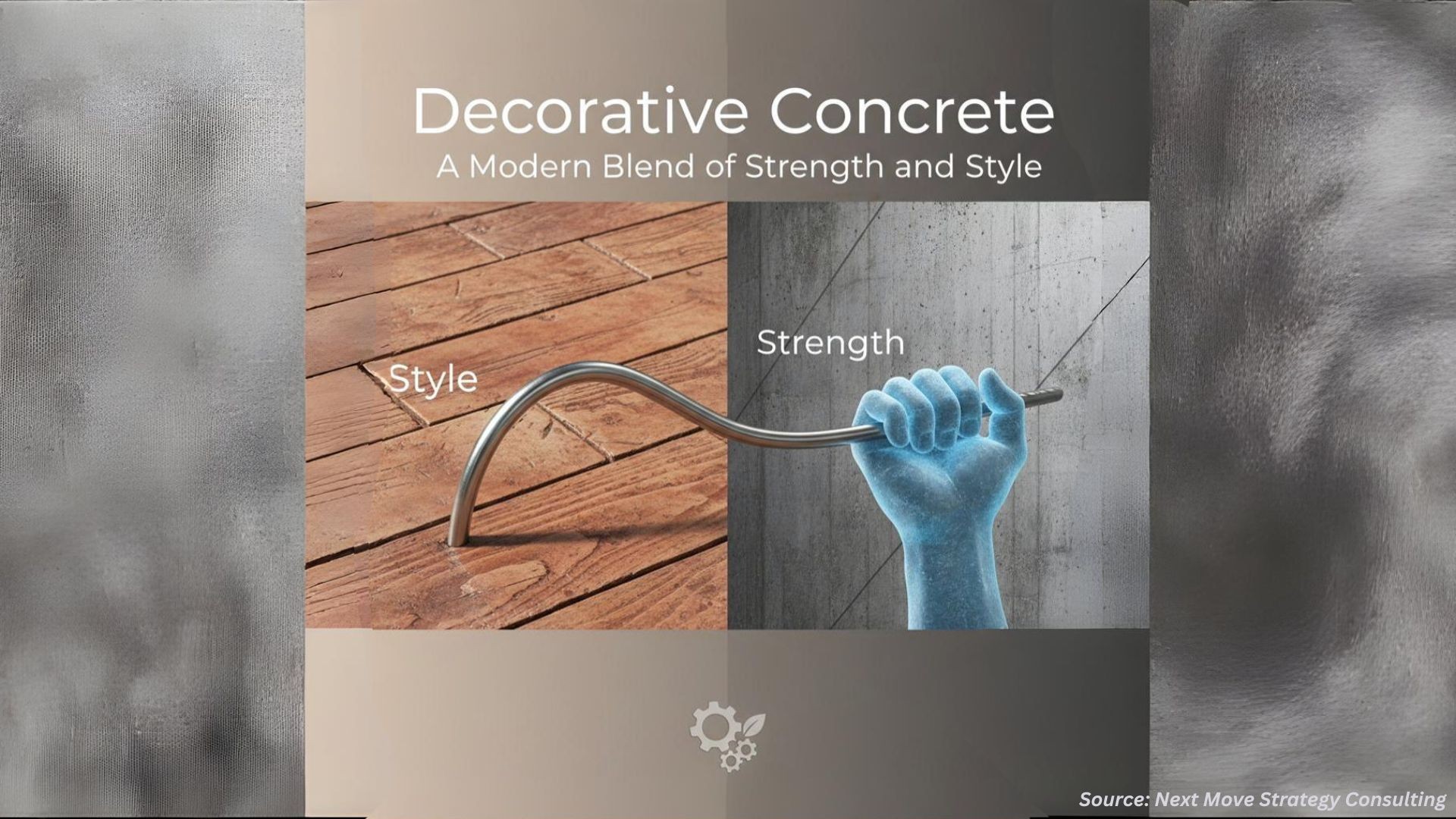
Decorative concrete has moved beyond the world of plain grey floors and into the spotlight of modern architecture. Today, it is valued not just for its structural reliability but also for its ability to bring texture, depth, and visual elegance into both indoor and outdoor spaces. As builders, architects, and homeowners look for materials that offer durability and design freedom, decorative concrete has emerged as one of the most intelligent choices in the sector. With its evolving techniques and customizable features, it is transforming how we experience the built environment.
The Evolution of Concrete from Structural to Stylish
Concrete has always been known for its strength, but decorative concrete introduces a new dimension to this familiar material. Techniques such as staining, polishing, stamping, and texturing allow designers to turn an ordinary slab into a visually striking surface that can imitate stone, wood, marble, or completely unique patterns. Unlike traditional finishes, decorative concrete blends functional performance with aesthetic appeal, making it suitable for a wide variety of architectural styles. As interior design trends shift toward minimalism, industrial themes, and natural textures, decorative concrete naturally fits into these concepts, offering a balance of simplicity and sophistication that few materials can match.
Meeting Modern Construction Needs with Long-Lasting Performance
One of the strongest advantages of decorative concrete is that it maintains the full structural durability of standard concrete while adding enhanced surface strength. The sealing and finishing processes make it resilient against scratches, stains, moisture, heat, and heavy foot traffic, qualities that are essential for today’s high-demand spaces like malls, airports, offices, warehouses, and busy homes. The longevity of decorative concrete also reduces long-term maintenance costs, making it a practical solution for property owners who want beauty without the burden of constant repairs. In environments where floors must withstand years of use without losing visual appeal, decorative concrete stands out as a highly reliable choice.

A Cost-Effective Option That Does Not Compromise Design
Construction projects are increasingly focused on achieving a premium look without exceeding budget constraints. Decorative concrete plays an important role here because it can replicate the appearance of expensive materials such as granite, natural stone, hardwood, and ceramic tiles, but at a significantly lower cost. This makes it ideal for large-scale commercial projects, hospitality interiors, and modern residential designs where aesthetic expectations are high. Beyond cost savings, decorative concrete also adds value by contributing to visual consistency across large areas, something that natural materials cannot always offer due to variations and availability issues. This combination of affordability and design flexibility has made it one of the fastest-growing segments in the construction materials market.
Supporting Sustainability and Future-Ready Building Practices
Sustainability has become a central focus in the construction industry, and decorative concrete naturally aligns with this movement. Because it often utilizes existing slabs rather than requiring new materials, it reduces waste and minimizes the environmental impact associated with quarrying and manufacturing. Many decorative finishes also improve reflectivity, helping control heat absorption and reducing the need for artificial cooling, a benefit for energy-efficient buildings. With the global shift toward green construction and smart infrastructure, decorative concrete offers a responsible yet stylish solution that supports long-term environmental goals. As cities expand and climate considerations become more urgent, its role in sustainable architecture will only grow stronger.
Next Move Strategy Consulting Viewpoint: High Initial Costs Limit Market Expansion
According to insights from Next Move Strategy Consulting, one of the major restraints slowing the adoption of decorative concrete is its high upfront installation cost. While decorative treatments deliver long-term value through durability and reduced maintenance, the initial investment is still higher than standard concrete or basic flooring alternatives. This cost gap is largely driven by the need for specialized materials, skilled labor, and advanced finishing techniques, especially in stamped and textured applications.
For many cost-sensitive residential and commercial projects, these upfront expenses become a deterrent despite the lifecycle advantages. The firm notes that market growth will depend on greater awareness and education around the long-term cost savings, lifecycle performance, and design benefits of decorative concrete. Addressing this perception barrier will be essential for unlocking broader adoption across developing markets and mid-range construction segments.
About the Author
 Joydeep Dey
— Joydeep Dey is a content writer and analyst fueled by creativity, research, and continuous learning. He combines compelling storytelling with market insights to turn complex information into engaging, impactful content. Passionate about emerging trends, digital strategy, and innovation-driven communication, he believes curiosity and consistent growth are key to creating meaningful influence in every project.
Joydeep Dey
— Joydeep Dey is a content writer and analyst fueled by creativity, research, and continuous learning. He combines compelling storytelling with market insights to turn complex information into engaging, impactful content. Passionate about emerging trends, digital strategy, and innovation-driven communication, he believes curiosity and consistent growth are key to creating meaningful influence in every project.
About the Reviewer
 Debashree Dey
— Debashree Dey is Assistant Manager at Next Move Strategy Consulting, where she supports cross-vertical market content and communications across diverse industries for 6 years. Her professional background includes senior content writing, communications, and published manuscript authorship, with experience developing audience-focused business narratives and maintaining clear, consistent messaging. Her role supports research-led content development and editorial quality across NextMSC publications.
Debashree Dey
— Debashree Dey is Assistant Manager at Next Move Strategy Consulting, where she supports cross-vertical market content and communications across diverse industries for 6 years. Her professional background includes senior content writing, communications, and published manuscript authorship, with experience developing audience-focused business narratives and maintaining clear, consistent messaging. Her role supports research-led content development and editorial quality across NextMSC publications.















Add Comment