Why are Handmade Rugs Gaining Attention in the Luxury Market?
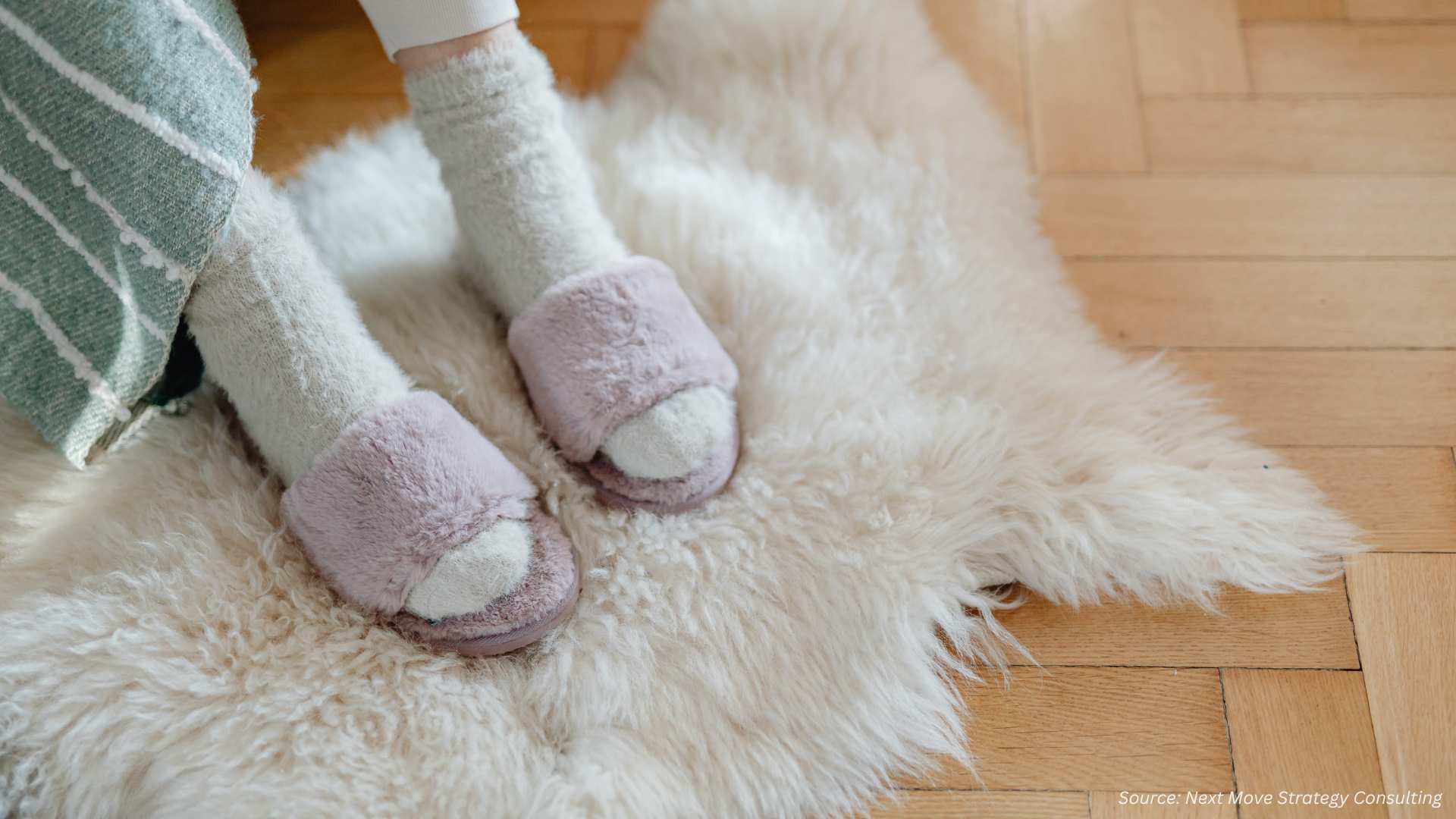
Have you ever wondered what sets a handmade rug apart from mass-produced options? In recent years, consumers increasingly appreciate the unique artistry and ethical production behind handcrafted pieces. Buyers now view handmade rugs as collectible items that add warmth, poetry, and personalization to spaces, rather than mere floor coverings.
This shift reflects a broader preference for one-of-a-kind items rooted in skilled craftsmanship and sustainable practices.
According to Next Move Strategy Consulting, the global Carpet and Rug Market is expected to reach USD 88.48 billion by 2026. Looking ahead, the industry is projected to expand significantly, reaching USD 231.89 billion by 2035, registering a CAGR of 11.3%.
Who Is Shaping the Future of Luxury Rug Design?
What happens when innovative design meets traditional craftsmanship? Parisian rug designer Marguerite Le Maire exemplifies this fusion. Her magnificent rugs feature premium materials such as Chinese silk, alpaca, merino wool, linen, Tibetan wool, New Zealand wool, and hemp. Prices range from €1,500 to €2,000 per square meter, reflecting the artisanal quality involved.
Le Maire collaborates with artisans in Nepal for hand-knotting — her preferred method for its creative freedom — and in China for tufting. Her creations grace prestigious venues, including Le Bristol hotel, Samaritaine department store, Cartier boutiques, and Four Seasons properties.
As Le Maire notes, the growing appreciation for personalization drives this trend, adding beauty and magic to architectural compositions.
How is India Contributing to the Global Handmade Rug Market?
Can traditional weaving hubs adapt to modern luxury demands? India demonstrates this capability strongly. Regions like Bhadohi — known as India’s Carpet City — along with Rajasthan and Kashmir, produce handwoven carpets that gain recognition worldwide.
Indian artisans pass skills through generations while experimenting with contemporary designs and offering customization in size, color, and pattern. This adaptability, combined with a large base of skilled weavers, positions India favorably as global consumers prioritize ethical, sustainable production over automation.
As one industry voice states, handmade craftsmanship represents true luxury in a fast-automated world, blending timeless artistry with modern appeal.
How Do These Developments Impact the Carpet and Rug Market? – Analyst View
At Next Move Strategy Consulting, researchers observe how these highlighted trends signal a meaningful evolution in the carpet and rug market. The spotlight on designers like Marguerite Le Maire and India’s crafting clusters indicates a clear pivot toward the premium handmade segment.
This movement creates opportunities for differentiation in a market traditionally dominated by volume-driven production. Stakeholders who invest in sustainable sourcing, artisanal partnerships, and personalized offerings position themselves to capture growing demand among affluent consumers seeking ethical luxury.
The emphasis on craftsmanship and customization adds resilience against commoditization, fostering long-term value creation across the supply chain.
Which Companies Dominate the Carpet and Rug Industry and How do they Compete?
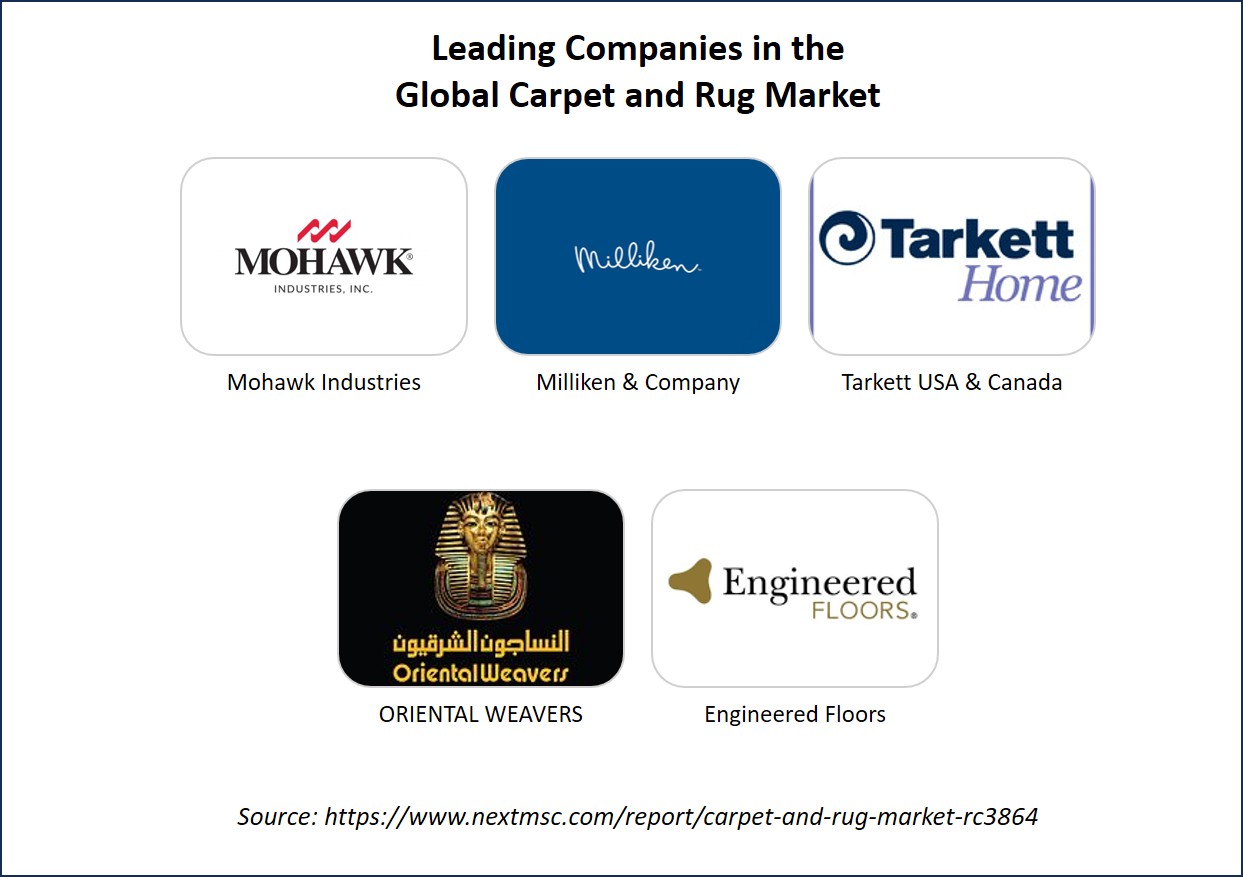
Leading companies in the carpet and rug industry, such as Mohawk Industries, Milliken & Company, Tarkett USA & Canada, Engineered Floors, and ORIENTAL WEAVERS, have established themselves as key players through strategic expansions, innovation, and a focus on quality and design.
Next Steps: Actionable Takeaways for the Carpet and Rug Market
To capitalize on this evolving landscape, consider these practical steps:
-
Explore partnerships with artisanal hubs — such as those in India or Nepal — to source authentic, customizable products.
-
Prioritize sustainability — in materials and production to align with ethical consumer demands.
-
Offer personalization options — to meet the rising interest in one-of-a-kind pieces.
-
Target luxury interior segments — including hospitality and high-end retail, where handmade rugs enhance experiential design.
-
Monitor global design trends — to blend traditional techniques with contemporary aesthetics effectively.
By acting on these insights, businesses and designers contribute to and benefit from the thriving handmade rug market.
About the Author
 Sanyukta Deb
— Sanyukta Deb is Digital Marketing Team Lead at Next Move Strategy Consulting, where she has led content strategy and technical SEO for the firm's B2B market research publications for over 2 years. Her editorial process translates NextMSC's primary and secondary research — spanning technology, industrial, and consumer sectors — into commercial narratives, backed by search-intent, keyword, and competitive analysis. She brings 5 years of overall experience in digital marketing and content strategy.
Sanyukta Deb
— Sanyukta Deb is Digital Marketing Team Lead at Next Move Strategy Consulting, where she has led content strategy and technical SEO for the firm's B2B market research publications for over 2 years. Her editorial process translates NextMSC's primary and secondary research — spanning technology, industrial, and consumer sectors — into commercial narratives, backed by search-intent, keyword, and competitive analysis. She brings 5 years of overall experience in digital marketing and content strategy.
About the Reviewer
 Debashree Dey
— Debashree Dey is Assistant Manager at Next Move Strategy Consulting, where she supports cross-vertical market content and communications across diverse industries for 6 years. Her professional background includes senior content writing, communications, and published manuscript authorship, with experience developing audience-focused business narratives and maintaining clear, consistent messaging. Her role supports research-led content development and editorial quality across NextMSC publications.
Debashree Dey
— Debashree Dey is Assistant Manager at Next Move Strategy Consulting, where she supports cross-vertical market content and communications across diverse industries for 6 years. Her professional background includes senior content writing, communications, and published manuscript authorship, with experience developing audience-focused business narratives and maintaining clear, consistent messaging. Her role supports research-led content development and editorial quality across NextMSC publications.















Add Comment