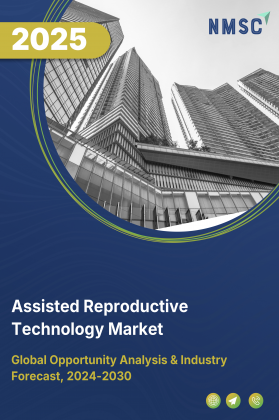
Assisted Reproductive Technology Market By Product (Media, Catheters, Needles and Others), By Technology (In Vitro Fertilization, Artificial Insemination and Other Technologies), By Procedure Type (Fresh Cycle, Frozen Cycle and Embryo Banking), By Indication (Female Factor Infertility, Male Factor Infertility, Unexplained Infertility and Others), and By End User (Fertility Clinics, Hospitals, Cryobanks, and Third Party Agencies) — Global Analysis and Forecast, 2025–2030
Industry: Healthcare | Publishing Date: June 9, 2026 | Last Updated: October 16, 2026 | No of Pages: N/A | No. of Tables: N/A | No. of Figures: N/A | Format: PDF | Report Code: HC3835
Industry Outlook
The global Assisted Reproductive Technology Market size was valued at USD 25.71 billion in 2024 and is expected to reach USD 27.71 billion by 2025. Looking ahead, the industry is projected to expand significantly, reaching USD 40.34 billion by 2030, registering a CAGR of 7.8% from 2025 to 2030.
The assisted reproductive technology market is experiencing strong and sustained growth, driven by the rising prevalence of infertility and evolving social and biological factors that make fertility care an essential part of modern healthcare. Increasingly, delayed parenthood, changing lifestyles, and greater awareness of male infertility are prompting individuals and couples to seek medical support for conception. This has transformed ART from a niche medical service into a mainstream healthcare segment encompassing fertility diagnostics, IVF, ICSI, and cryopreservation services. As acceptance of reproductive technologies continues to grow, fertility clinics, equipment manufacturers, and service providers are expanding their capabilities to meet this consistent demand. This expansion is fostering innovation across treatment efficiency, accessibility, and patient experience, positioning ART as a cornerstone of future reproductive health solutions.
At the same time, global awareness around fertility health is deepening, creating new pathways for assisted reproductive technology market expansion beyond treatment cycles alone. People are increasingly taking a proactive approach to understanding and managing their reproductive health through early diagnostics, hormonal assessments, and lifestyle counselling. This shift toward holistic fertility management is encouraging the ART industry to evolve into an integrated ecosystem that combines diagnostics, digital tools, and personalized care journeys. Companies that offer comprehensive, connected fertility platforms spanning education, prevention, and treatment are likely to gain long-term advantage by improving patient engagement, fostering trust, and capturing greater value across the fertility continuum.
What are the Key Assisted Reproductive Technology Industry Trends?
How Is the Assisted Reproductive Technology Market Responding to Expanded Public Funding and Insurance Coverage?
The assisted reproductive technology market is increasingly shaped by government-led health policy reforms that position fertility care as an essential public service rather than a luxury. Countries such as Japan, which began covering nearly 70% of ART expenses under its national insurance scheme, exemplify this paradigm shift. Such measures are driving a significant rise in treatment uptake, reshaping demand forecasts, and broadening the patient base. However, the growing role of public funding also brings stricter oversight on cost-effectiveness and treatment outcomes, compelling market players to align their innovations with payer priorities. This evolution is steering the market toward value-based models emphasizing measurable success rates, transparent pricing, and quality assurance. To stay competitive, companies must develop integrated solutions that streamline reimbursement reporting, demonstrate cost efficiency per live birth, and facilitate standardized performance tracking across clinics. Firms offering outcome-oriented services, such as validated frozen-embryo transfer systems, bundled treatment packages, or long-term service models will be well-positioned to capitalize on the expanding, insurance-driven demand within the global market.
How Is the Market Adopting AI And Digital Tools to Improve Outcomes and Efficiency?
AI and digitalization are moving from pilot projects into mainstream guidance for reproductive health, WHO research programmes now examine AI’s potential and governance in sexual and reproductive health, highlighting opportunities for embryo selection, image analysis, and workflow automation while flagging ethical and regulatory needs. Practically, AI raise lab throughput and standardize assessments that were once subjective, but poorly validated models risk regulatory pushback and clinic liability. Suppliers should therefore invest in explainable, validated algorithms tied to clinical endpoints (e.g., implantation or live-birth), run prospective validation studies, and build regulatory-grade documentation to ease clinic adoption. Partnering with national registries or accredited labs for multicentre validation will accelerate acceptance and help companies position AI features as evidence-backed quality improvements rather than experimental add-ons.
How Is the Assisted Reproductive Technology Market Embracing Personalized and Precision Fertility Care?
The assisted reproductive technology market is rapidly moving toward a model of personalized fertility care, where treatments are increasingly tailored to an individual’s genetic, hormonal, and lifestyle profiles. Advances in genomics, biomarker testing, and reproductive endocrinology are allowing clinicians to design patient-specific protocols that improve implantation success and minimize complications. This shift is transforming ART from standardized cycles into precision-based interventions that adapt dynamically to each patient’s biological responses. For the market, this evolution opens new opportunities across diagnostic testing, AI-based fertility assessment, and lab automation platforms that interpret large data sets to guide treatment decisions. Companies that invest in developing interoperable systems, linking genetic analysis, electronic health records, and embryo monitoring create differentiated value propositions for clinics and patients seeking higher predictability and safety. As consumers increasingly expect customized reproductive journeys, personalization is emerging as a defining competitive advantage, positioning the market at the intersection of digital health, biotechnology, and precision medicine.
What Are the Key Market Drivers, Breakthroughs, And Investment Opportunities That Will Shape the Assisted Reproductive Technology Industry in the Next Decade?
The assisted reproductive technology market is witnessing dynamic expansion, driven by rising infertility awareness, evolving family planning patterns, and growing acceptance of reproductive health solutions. Changing lifestyles, delayed parenthood, and increasing focus on fertility preservation are encouraging individuals and couples to explore medical interventions such as IVF, ICSI, and egg or sperm freezing. As reproductive care becomes more widely discussed and destigmatized, clinics and technology providers are scaling up their infrastructure, digital tools, and patient-centered services to meet growing expectations. The integration of advanced lab automation, AI-driven embryo selection, and teleconsultation platforms is further reshaping how fertility services are delivered, making them more precise, accessible, and efficient.
Despite this momentum, the ART market faces several challenges, including regulatory complexity, ethical considerations, and disparities in access to treatment across regions. Strict clinical oversight and high operational costs continue to pressure providers to maintain quality while ensuring affordability. However, these challenges also present opportunities for innovation, especially for companies that design cost-effective, compliant, and patient-friendly care models. By focusing on transparent practices, personalized treatment pathways, and technological integration, market participants build trust and capture long-term growth in a field that is becoming a fundamental part of global healthcare.
Growth Drivers:
Which Demographic and Prevalence Dynamics Are Expanding Core Demand for Assisted Reproductive Technology Services?
Infertility affects about 17.5% of the global adult population, making the demand for assisted reproductive services structural rather than niche. This growing prevalence is reshaping the market, as more individuals and couples seek medical intervention to conceive. The trend is influenced by multiple factors delayed parenthood, changing lifestyles, environmental stressors, and the increasing recognition of male infertility as a significant contributor. These dynamics are driving sustained demand for fertility diagnostics, in vitro fertilization, intracytoplasmic sperm injection, and cryopreservation services worldwide. As awareness and social acceptance of ART expand, clinics and manufacturers are scaling up capabilities to meet the steady rise in treatment cycles. For the market, this creates a robust foundation for long-term growth, encouraging investment in advanced reproductive technologies, accessible care models, and data-driven solutions to improve treatment success and affordability.
How Is Growing Fertility Awareness and Diagnostic Uptake Accelerating the ART Market?
Rising global awareness of fertility health is becoming a major catalyst for the assisted reproductive technology market demand. According to the World Health Organization and the United Nations, infertility affects roughly one in six people worldwide, yet access to fertility care remains uneven across regions. This growing recognition is driving more individuals and couples to seek fertility assessments, such as hormone testing, sperm analysis, and ovarian reserve evaluations at earlier stages of their reproductive journey. As a result, demand is expanding beyond treatment cycles into comprehensive fertility management that includes diagnostics, monitoring, and lifestyle guidance. For the market, this shift represents a strategic opportunity to develop integrated service models that guide patients from early screening to advanced reproductive solutions. Companies that combine diagnostic technologies with teleconsultation platforms and patient education tools strengthen brand engagement, reduce treatment drop-offs, and capture a larger share of the fertility care continuum.
Growth Inhibitors:
What Role Do High Costs and Equity Barriers Play in Constraining Assisted Reproductive Technology Uptake?
The market continues to face growth limitations due to the high cost of fertility treatments and the resulting inequities in access. According to the World Health Organization and the Pan American Health Organization, although one in six adults globally experiences infertility, many are unable to seek treatment because of prohibitive expenses, social stigma, and limited-service availability. In several regions, ART procedures remain predominantly out-of-pocket expenditures, leading to significant financial strain and reduced affordability. This cost barrier constrains the potential market size, particularly in low- and middle-income economies, where fertility clinics struggle to achieve optimal utilization rates. For the market, this challenge underscores the importance of developing inclusive and scalable business models, such as outcome-based payment structures, flexible financing plans, and partnerships with public health insurers or employers to make advanced reproductive care more accessible and expand the industry’s reach across diverse income groups.
How Is Technological Integration Creating New Growth Opportunities in the Market?
The market is witnessing a major opportunity through the integration of digital health and advanced technologies across fertility care. Innovations such as AI-powered embryo selection, remote patient monitoring, and data-driven treatment planning are transforming clinical precision and patient engagement. These tools allow clinics to personalize protocols, enhance success rates, and streamline workflows, ultimately improving both outcomes and operational efficiency. For the market, this convergence of technology and reproductive medicine opens new value streams beyond traditional IVF cycles. Companies expand into connected platforms that unify diagnostics, laboratory automation, and teleconsultation, offering end-to-end fertility solutions. As digital literacy among patients and clinicians grows, firms that invest in interoperable, user-centric systems will not only enhance treatment accessibility but also strengthen their competitive positioning in a market that increasingly values transparency, efficiency, and individualized care.
How Assisted Reproductive Technology Market Segmented in This Report, And What Are the Key Insights from the Segmentation Analysis?
By Product Insights
Is the Assisted Reproductive Technology in 2025 Shaped by Diverse Products?
Based on product, the market is segmented into media, catheters, needles and others.
The media segment forms a foundational component of the assisted reproductive technology market, encompassing culture media, handling solutions, and cryopreservation formulations that support gamete and embryo development throughout the IVF process. These specialized solutions are designed to replicate the physiological conditions of the human reproductive environment, ensuring optimal fertilization, embryo growth, and preservation. Continuous advancements in media composition and formulation are enhancing embryo viability and clinical outcomes, while innovations such as sequential media systems and ready-to-use formats improve laboratory efficiency and consistency. As fertility clinics increasingly emphasize precision, safety, and success rates, high-quality and reliable culture media remain central to driving innovation and performance across ART laboratories worldwide.
By Technology Insights
Is the Assisted Reproductive Technology Market Trends In 2025 Being Shaped by Technology?
On the basis of technology, the market is segmented into in vitro fertilization, artificial insemination and others.
The in vitro fertilization segment represents the largest and most established technology within the assisted reproductive technology market, encompassing advanced procedures that facilitate fertilization outside the human body. It includes standard IVF, where eggs and sperm are combined in a controlled laboratory environment; intracytoplasmic sperm injection (ICSI), which involves the direct injection of a single sperm into an egg to overcome male infertility; and donor egg IVF, which supports individuals or couples unable to produce viable eggs. This segment continues to evolve through improvements in embryo culture systems, genetic screening, time-lapse imaging, and cryopreservation techniques, all aimed at enhancing success rates, reducing treatment cycles, and expanding access to effective fertility care globally.
By Indication Insights
How Is Indication Driving the Assisted Reproductive Technology Industry In 2025?
On the basis of indication, the market is segmented into female factor infertility, male factor infertility and others.
The female factor infertility segment comprises infertility treatment procedures designed to address infertility issues arising from female reproductive health conditions such as ovulatory disorders, tubal blockages, endometriosis, diminished ovarian reserve, or uterine abnormalities. This segment encompasses a range of ART interventions including in vitro fertilization, intracytoplasmic sperm injection, and egg donation to overcome biological barriers to conception. Continuous innovation in ovarian stimulation protocols, egg retrieval techniques, and embryo transfer methods is improving treatment precision and success rates. As awareness, diagnostics, and access to fertility care expand, the female factor infertility segment remains a key driver of growth in the overall market.
By End User Insights
Which End User Is Driving the Assisted Reproductive Technology Market In 2025?
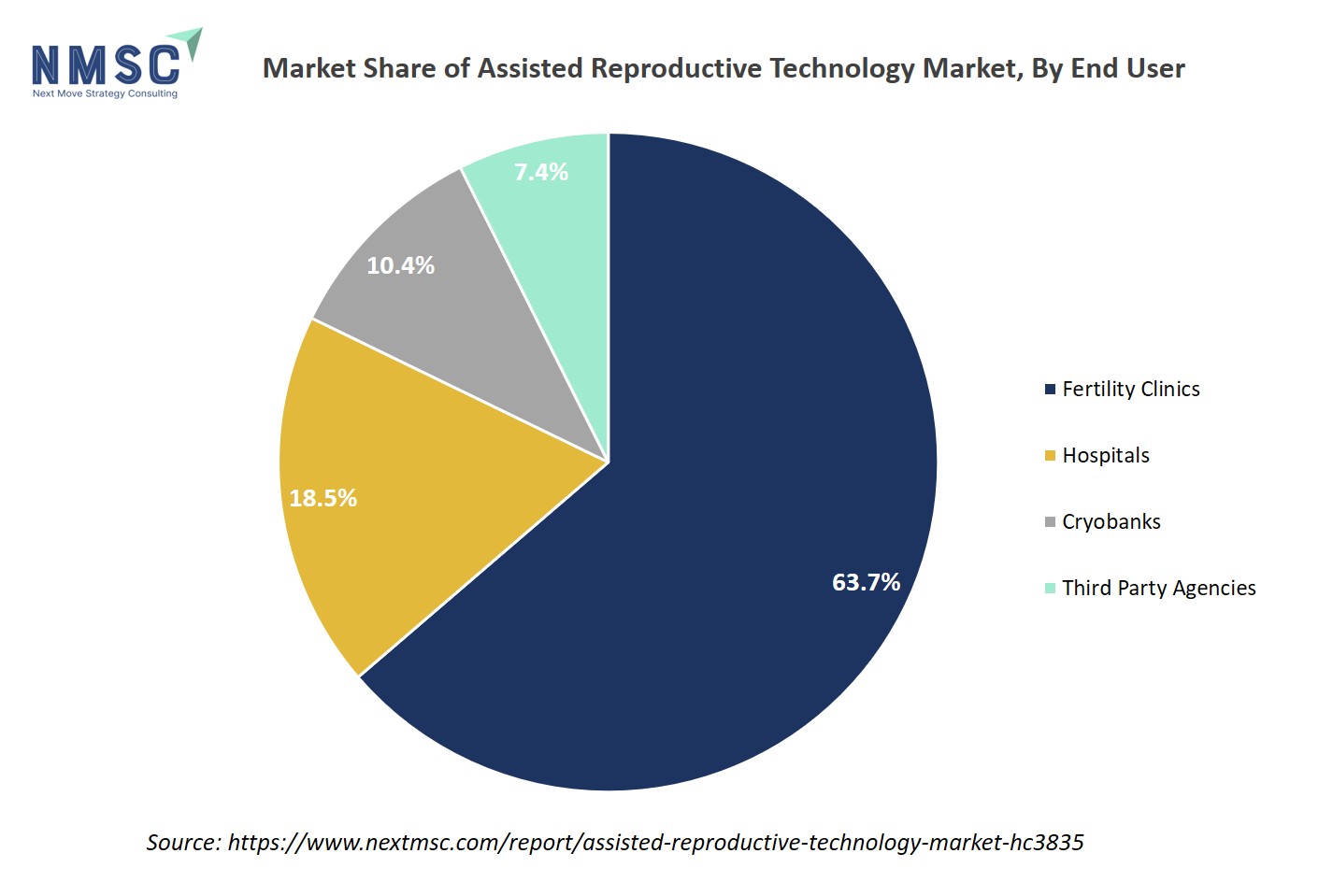
On the basis of end user, the market is segmented into fertility clinics, hospitals and others.
The fertility clinics segment represents the primary end user in the assisted reproductive technology market, serving as specialized centers that provide comprehensive diagnostic, clinical, and laboratory services for individuals and couples facing infertility. These clinics are equipped with advanced technologies for procedures such as in vitro fertilization, intracytoplasmic sperm injection, and embryo cryopreservation, supported by skilled embryologists and reproductive endocrinologists. Fertility clinics play a central role in integrating patient care with technological innovation, offering personalized treatment plans, genetic screening, and counseling services to enhance success rates. Their growing global presence, adoption of digital workflow solutions, and focus on patient experience continue to drive the accessibility and effectiveness of ART services worldwide.
Regional Outlook
The Assisted reproductive technology market share is geographically studied across North America, Europe, Asia Pacific, Middle East & Africa, and Latin America and each region is further studied across countries.
Assisted Reproductive Technology Market in North America
The North American assisted reproductive technology market is well-established, shaped by strong clinical governance, transparency in treatment outcomes, and evolving reimbursement structures. In the United States, rigorous reporting frameworks and growing insurance participation have fostered a competitive environment where performance and accountability are central to patient choice. Canada is witnessing expanding adoption of ART in regions with supportive funding policies, alongside greater visibility into clinical results and maternal health research. Together, these factors create a market landscape that rewards suppliers offering evidence-based technologies, seamless data integration, and solutions aligned with payer and policy requirements.
Assisted Reproductive Technology Market in the United States
In the U.S. market, growth is reinforced by a mature regulatory and reporting ecosystem that shapes both patient behavior and provider competitiveness. Public surveillance through the CDC’s National ART Surveillance System (NASS) promotes transparency by publishing clinic success rates, prompting fertility centers to invest in advanced laboratory equipment, validated consumables, and digital data management systems to maintain reputational and operational advantages. Meanwhile, the expansion of employer-sponsored fertility benefits and selective state insurance mandates are shifting portions of demand from self-pay to reimbursed cycles. This evolution not only broadens the patient base but also increases the need for compliance-ready billing and reporting solutions are driving demand for integrated technologies and services across the U.S. fertility preservation value chain.
Assisted Reproductive Technology Market in Canada
Canada’s assisted reproductive technology market presents a diverse provincial landscape shaped by varying levels of public support and coverage. Regions with stronger funding frameworks tend to experience higher treatment adoption and clinic activity, while others rely more on private payment models and patient mobility across provinces. Increasing focus on tracking treatment outcomes and maternal health performance further strengthens the regulatory and clinical framework. For market participants, this fragmented structure creates opportunities for adaptable business models, encouraging vendors to design flexible pricing strategies and service packages that cater to both publicly supported and private care settings.
Assisted Reproductive Technology Market in Europe
The European market reflects a complex mix of policy, regulation, and healthcare infrastructure across regions. Countries with established public funding and stringent oversight frameworks demonstrate mature ART adoption supported by robust quality control and clinical transparency. In contrast, markets with limited access or less consistent regulation show slower growth, creating a landscape of uneven development across the continent. As declining fertility rates continue to shape demographic priorities, European policymakers are increasingly focused on harmonising coverage and regulatory standards. This environment benefits market players that deliver technologically advanced, compliant, and performance-validated solutions aligned with evolving European health policies.
Assisted Reproductive Technology Market in the United Kingdom
The U.K. assisted reproductive technology market is shaped by its strong regulatory oversight and transparent performance reporting led by the Human Fertilisation and Embryology Authority. The availability of publicly accessible data on clinic success rates has made transparency a key differentiator, encouraging fertility centers to adopt advanced lab technologies and high-quality embryo management systems to maintain credibility and patient trust. While NHS funding for ART procedures has declined in several regions, private demand has grown, particularly for IVF and elective egg-freezing services. This public–private balance fosters competition and innovation, creating opportunities for suppliers that offer validated, audit-compliant technologies and patient-focused digital solutions. As accountability and clinical performance remain central to the U.K. market, vendors emphasizing traceability and documented quality assurance are best positioned to thrive.
Assisted Reproductive Technology Market in Germany
Germany’s assisted reproductive technology market is defined by rigorous regulatory oversight and a strong emphasis on clinical transparency. Comprehensive data collection through national registries supports consistent quality standards and guides both policy and clinical practice. The country’s focus on certified procedures and high laboratory benchmarks makes it a market where compliance-driven technologies and reliable service partnerships hold significant competitive value. Market growth is steady, supported by gradual policy evolution, rising patient awareness, and continued investment in modernising clinical infrastructure.
Assisted Reproductive Technology Market in France
France’s market operates under strong public regulation and is continuously shaped by legal and social reforms influencing access and donor practices. Oversight by national health agencies ensures a transparent and tightly managed clinical environment, while evolving bioethical frameworks periodically reshape patient demand and service availability. This dynamic regulatory climate requires market participants to remain agile, offering technologies that support traceability, compliance, and adaptable inventory management. Vendors that align their solutions with France’s evolving policy landscape and ethical standards are best positioned to capture growth opportunities in this mature yet responsive market.
Assisted Reproductive Technology Market in Italy
Italy’s assisted reproductive technology market is well-established, supported by a broad clinical network and robust national oversight. The presence of comprehensive registry systems ensures transparency and consistency across treatment centers, reinforcing trust and quality standards. Ongoing policy attention toward improving patient access and maintaining high data integrity continues to drive modernization within clinics. For market participants, this environment favors suppliers offering technologically integrated solutions, reliable maintenance services, and strong data management capabilities that align with Italy’s evolving regulatory and clinical priorities.
Assisted Reproductive Technology Market in Spain
Spain’s assisted reproductive technology market stands out as one of Europe’s most dynamic and internationally oriented. A well-developed private clinic network and supportive regulatory environment have positioned the country as a leading destination for fertility care, drawing patients from across the region. Its capacity to manage diverse patient needs and maintain efficient donor programs strengthens Spain’s role as a regional hub for ART services. This cross-border momentum drives sustained demand for advanced cryostorage solutions, donor management technologies, and digital platforms that streamline international patient coordination, reinforcing Spain’s importance in the broader European market.
Assisted Reproductive Technology Market in the Nordics
The market in the Nordic region benefits from cohesive public healthcare systems, comprehensive funding frameworks, and high-quality clinical registries. Consistent policy support and integrated health infrastructure contribute to stable treatment volumes and well-monitored outcomes. These structural strengths foster a market environment that values efficiency, transparency, and long-term reliability. As a result, vendors that provide standardized, scalable technologies and solutions compatible with public procurement processes are well-positioned to succeed in this steadily expanding and quality-driven regional market.
Assisted Reproductive Technology Market in the Asia-Pacific
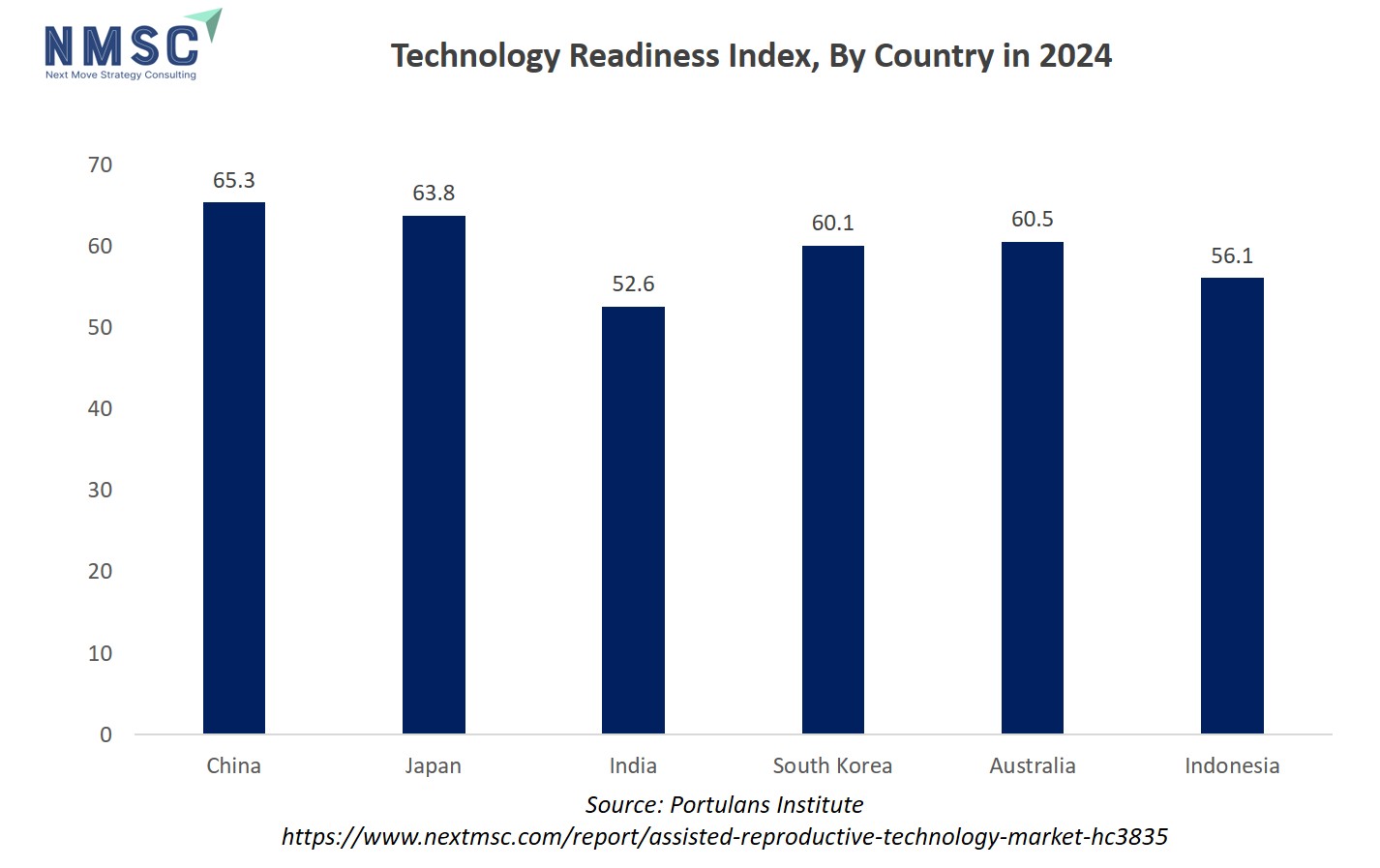
The Asia-Pacific assisted reproductive technology market is diverse yet experiencing strong and sustained growth. Mature healthcare systems in advanced economies coexist with rapidly expanding infrastructure across emerging markets, creating a broad spectrum of opportunities. Evolving policy frameworks and regulatory reforms are improving access to fertility care and encouraging investment in both premium and cost-efficient clinic models. This dynamic environment is driving simultaneous modernization at the high end and scalability at the entry level, positioning the region as a key growth engine for technology providers, equipment manufacturers, and service vendors in the global market.
Assisted Reproductive Technology Market in China
China’s assisted reproductive technology market is undergoing rapid institutional and regulatory development, with authorities focused on expanding clinical capacity while reinforcing oversight and quality standards. This dual emphasis on growth and governance is shaping a market that rewards compliance, operational efficiency, and adaptability. For industry participants, success depends on navigating evolving regulations and building strong local partnerships to ensure alignment with national priorities. As a result, the market presents significant opportunities for suppliers offering certified technologies and integrated solutions that meet China’s stringent policy and clinical expectations.
Assisted Reproductive Technology Market in Japan
Japan’s assisted reproductive technology market is one of the most advanced and active globally, supported by strong policy backing and widespread clinical adoption. Expanding insurance coverage and a well-established treatment infrastructure have made ART an integral part of the country’s reproductive healthcare landscape. This mature environment favors technologies that enhance efficiency, reliability, and patient management, creating strong demand for validated, high-performance laboratory systems and integrated digital platforms that support streamlined clinic operations and improved treatment outcomes.
Assisted Reproductive Technology Market in India
In India, the assisted reproductive technology (Regulation) act has become a pivotal driver of market development by formalizing and standardizing the fertility care ecosystem. The Act’s requirement for a national registry of clinics and banks enhances transparency, accountability, and quality assurance across the sector. This structured oversight is fostering greater confidence among patients and investors, while also encouraging clinics to modernize their operations to meet compliance benchmarks. For market participants, the regulatory clarity supports sustainable expansion creating opportunities for suppliers of certified technologies, compliant consumables, and integrated data systems aligned with the national registry framework.
Assisted Reproductive Technology Market in South Korea
South Korea’s market is underpinned by strong government support and a policy environment that actively shapes access and utilization. Public initiatives aimed at improving fertility outcomes have strengthened confidence in ART services and driven steady clinic modernization. The market is characterized by a preference for advanced, evidence-based technologies and rapid adoption of innovations once aligned with reimbursement frameworks. For suppliers, this creates opportunities to introduce high-quality, compliant solutions that meet the country’s rigorous technical and regulatory expectations.
Assisted Reproductive Technology Market in Taiwan
A key driver for Taiwan’s assisted reproductive technology market is the government’s continued policy focus on addressing low fertility rates through expanded reproductive health support and public awareness initiatives. Evolving regulations and supportive funding programs are improving access to fertility services and encouraging more couples to pursue treatment. This policy momentum, combined with Taiwan’s advanced healthcare infrastructure, is fostering a favorable environment for market growth. For industry participants, these dynamics create strong demand for reliable, high-performance ART technologies, digital patient management tools, and service models that align with the country’s focus on quality, accessibility, and reproductive well-being.
Assisted Reproductive Technology Market in Indonesia
In Indonesia, rapid urbanization and evolving lifestyle trends are reshaping reproductive health dynamics and driving greater interest in assisted reproductive technology. As individuals increasingly delay family planning due to career and educational priorities, awareness and acceptance of fertility treatment options are rising. This societal shift is encouraging investment in new clinics and the adoption of modern ART technologies, particularly in major urban centers. For market participants, the growing emphasis on accessible and culturally sensitive fertility care presents significant opportunities to introduce adaptable, cost-effective solutions that meet the needs of a broadening patient base.
Assisted Reproductive Technology Market in Australia
In Australia, a strong focus on reproductive health innovation and patient-centered care is shaping the assisted reproductive technology market. The country’s emphasis on evidence-based practice and clinical excellence has fostered widespread trust in fertility treatments and encouraged continuous investment in research, digital tools, and laboratory advancements. Growing awareness around fertility preservation and inclusivity in access spanning single parents, same-sex couples, and older patients has further diversified demand. These trends create a dynamic environment where providers offering technologically advanced, ethically compliant, and patient-focused solutions capture sustained growth in a mature and innovation-driven market.
Assisted Reproductive Technology Market in Latin America
The assisted reproductive technology market in Latin America is expanding, though it remains shaped by uneven access and differing regulatory environments across countries. Advanced fertility centers are concentrated in major cities, while many areas continue to face limited-service availability. Variations in legal frameworks and treatment accessibility have encouraged cross-border fertility care both within the region and to international destinations. This evolving landscape presents opportunities for scalable, cost-effective clinic models and collaborative regional networks aimed at enhancing service reach and clinical consistency. Vendors offering adaptable technologies and partnership-driven approaches are well-positioned to support the region’s ongoing market development.
Assisted Reproductive Technology Market in the Middle East & Africa
The assisted reproductive technology market across the Middle East and Africa reflects a sharp contrast between advanced fertility hubs and underserved regions. In the Gulf states and Israel, well-developed clinic networks and medical tourism are driving demand for sophisticated, high-compliance technologies and specialized care models. Conversely, many parts of sub-Saharan Africa face limited access to fertility services, creating a pressing need for affordable, durable solutions supported by training and infrastructure development. This dual landscape encourages vendors to adopt differentiated strategies offering premium systems in mature markets while developing accessible, capacity-building solutions for emerging ones to effectively serve the region’s diverse growth potential.
Competitive Landscape
Which Companies Dominate the Assisted Reproductive Technology Industry and How Do They Compete?
Leading companies in the Assisted Reproductive Technology (ART) market, such as Merck KGaA, Ferring, Cooper Surgical, Vitrolife, and FUJIFILM Irvine Scientific, have established themselves as prominent players through strategic expansion, innovation, and acquisitions. Merck KGaA and Ferring focus on advancing fertility therapeutics and hormone treatments, leveraging strong R&D pipelines and global manufacturing capabilities. Cooper Surgical and Vitrolife lead in fertility devices, consumables, and lab technologies, driving efficiency and success rates in ART procedures. FUJIFILM Irvine Scientific strengthens its market position through high-quality culture media and cell-handling solutions, while Organon builds on its reproductive health expertise to expand access to fertility care worldwide.
Clinic networks and specialized technology providers such as Virtus Health, Monash IVF Group, Alpha IVF Group Berhad, INVO Fertility, Genea Pty Limited, and Genea Biomedx enhance the service delivery and innovation landscape. These companies combine clinical excellence with laboratory automation and digital integration to improve patient outcomes. Hamilton Thorne, NidaCon International AB, and CRITEX GmbH contribute specialized instrumentation, cryopreservation systems, and data management solutions that support clinic performance and traceability. Collectively, these players compete by expanding global footprints, investing in new reproductive technologies, and focusing on precision, sustainability, and patient-centered innovation to strengthen their positions in the evolving market.
Market Dominated by Assisted Reproductive Technology Giants and Specialists
The assisted reproductive technology market features a dynamic mix of global leaders and specialized firms, each contributing uniquely to the sector’s growth and innovation. Global giants such as Merck KGaA, Ferring, CooperSurgical, Vitrolife, and FUJIFILM Irvine Scientific lead the field through broad portfolios spanning fertility therapeutics, lab consumables, and advanced culture media, supported by strong research capabilities and international reach. Complementing them are specialized providers like Hamilton Thorne, NidaCon International AB, Genea Biomedx, and CRITEX GmbH, which focus on precision laboratory equipment, cryopreservation, and data management technologies. Meanwhile, clinical operators such as Virtus Health, Monash IVF Group, Alpha IVF Group Berhad, INVO Fertility, and Genea Pty Limited strengthen the service ecosystem through integrated care models and patient-focused innovation. This combination of large-scale innovators and niche specialists creates a competitive, collaborative environment where global expansion, technological advancement, and personalized fertility solutions drive the market’s evolution.
Market Players to Opt for Merger & Acquisition Strategies to Expand Their Presence
Merger and acquisition (M&A) strategies have become pivotal for companies aiming to strengthen their position in the market. Vitrolife AB completed the acquisition of eFertility in May 2024, a European provider of IVF-clinic software and traceability solutions, including the eWitness and eBase platforms. This strategic move enables Vitrolife to enhance its digital workflow solutions and offer more integrated, data-driven tools for fertility clinics, reflecting the broader industry trend of combining technological innovation with operational expansion to capture greater market share and improve clinical outcomes.
List of Key Assisted Reproductive Technology Companies
-
Merck KGaA,
-
INVO Fertility.
-
Virtus Health
-
Hamilton Thorne
-
NidaCon International AB.
-
Genea Pty Limited.
-
Cooper Surgical, Inc.
-
FUJIFILM Irvine Scientific, Inc
-
Genea BIOMEDX.
-
Vitrolife
-
Ferring.
-
CRITEX GmbH
-
Organon group of companies.
-
Monash IVF Group
-
Alpha IVF Group Berhad
What Are the Latest Key Industry Developments?
Companies such as Merck KGaA, Ferring, Cooper Surgical, Vitrolife, and FUJIFILM Irvine Scientific are driving growth in the assisted reproductive technology market by advancing fertility therapeutics, improving laboratory efficiency, and enhancing patient outcomes through continuous innovation. Clinical leaders like Virtus Health, Monash IVF Group, Alpha IVF Group Berhad, INVO Fertility, and Genea Pty Limited expand access to fertility services through network expansion and technology adoption. Specialized firms such as Hamilton Thorne, NidaCon International AB, Genea Biomedx, and CRITEX GmbH contribute by providing precision instruments, cryopreservation systems, and digital solutions that streamline ART procedures. Collectively, these players foster market growth by integrating science, technology, and patient-centered care to improve success rates, expand global accessibility, and elevate the overall standard of fertility treatment.
What Are the Key Factors Influencing Investment Analysis & Opportunities in the Assisted Reproductive Technology Market?
Investment in the assisted reproductive technology market is being driven by the global rise in infertility awareness, advancing medical innovations, and increasing social acceptance of fertility treatments. Investors are particularly drawn to companies developing next-generation reproductive technologies, such as AI-assisted embryo selection, genetic testing, and automation in laboratory workflows. Businesses that combine clinical excellence with scalable digital solutions, such as teleconsultation platforms and fertility tracking tools, are viewed as strong long-term prospects. Regulatory compliance, clinical success rates, and patient trust are key differentiators that enhance investment appeal and reduce operational risks in this sector.
Valuations in the ART industry are increasingly influenced by technological integration, service accessibility, and the ability to deliver measurable improvements in treatment outcomes. Strategic collaborations between fertility clinics, biotech firms, and medical device companies are fostering innovation and expanding market reach. Emerging regions with growing healthcare infrastructure and supportive policy frameworks are becoming attractive investment destinations. Firms that emphasize transparency, patient experience, and affordability while maintaining high ethical and quality standards are best positioned to capture investor confidence and secure a competitive edge in the evolving global ART landscape.
Key Benefits for Stakeholders:
Next Move Strategy Consulting (NMSC) presents a comprehensive analysis of the assisted reproductive technology market, covering historical trends from 2020 through 2024 and offering detailed forecasts through 2030. Our study examines the market at regional and country levels, providing quantitative projections and insights into key growth drivers, challenges, and investment opportunities across all major assisted reproductive technology segments.
The assisted reproductive technology industry creates shared value across multiple stakeholders by blending medical innovation with social and economic benefits. For investors, it offers a stable growth avenue driven by rising infertility awareness and technological advancements, while clinics and service providers gain from expanding patient volumes and demand for precision-driven fertility care. Patients benefit through greater access to advanced reproductive solutions that support family planning and fertility preservation, reflecting evolving societal and lifestyle trends. At the same time, suppliers, biotech firms, and digital health innovators are finding new opportunities to collaborate on integrated fertility ecosystems that enhance treatment accessibility, efficiency, and personalization. This interconnected environment fosters sustainable market expansion, where innovation, quality, and compassion collectively drive progress in global reproductive health.
Report Scope:
Parameters |
Details |
|
Market Size in 2025 |
USD 27.71 Billion |
|
Revenue Forecast in 2030 |
USD 40.34 Billion |
|
Growth Rate |
CAGR of 7.8% from 2025 to 2030 |
|
Analysis Period |
2024–2030 |
|
Base Year Considered |
2024 |
|
Forecast Period |
2025–2030 |
|
Market Size Estimation |
Billion (USD) |
|
Growth Factors |
|
|
Companies Profiled |
15 |
|
Countries Covered |
33 |
|
Market Share |
Available for 10 companies |
|
Customization Scope |
Free customization (equivalent to up to 80 analyst-working hours) after purchase. Addition or alteration to country, regional & segment scope. |
|
Pricing and Purchase Options |
Avail customized purchase options to meet your exact research needs. |
|
Approach |
In-depth primary and secondary research; proprietary databases; rigorous quality control and validation measures. |
|
Analytical Tools |
Porter's Five Forces, SWOT, value chain, and Harvey ball analysis to assess competitive intensity, stakeholder roles, and relative impact of key factors. |
Key Market Segments
By Product
-
Media
-
Catheters
-
Needles
-
Vitrification devices
-
Incubators
-
Other products
By Technology
-
In Vitro Fertilization
-
Standard IVF
-
Intracytoplasmic Sperm Injection
-
Donor Egg IVF
-
-
Artificial Insemination
-
Intrauterine Insemination
-
Intracervical Insemination
-
-
Other Technologies
By Procedure Type
-
Fresh Cycle
-
Fresh Donor Cycle
-
Fresh Non Donor Cycle
-
-
Frozen Cycle
-
Frozen Donor Cycle
-
Frozen Non Donor Cycle
-
-
Embryo Banking
By Indication
-
Female Factor Infertility
-
Male Factor Infertility
-
Unexplained Infertility
-
Third Party Conception
-
Donor Conception
-
Surrogacy Conception
-
-
Fertility Preservation Medical
-
Fertility Preservation Elective
By End User
-
Fertility Clinics
-
Hospitals
-
Cryobanks
-
Third Party Agencies
Geographical Breakdown
-
North America: U.S., Canada, and Mexico.
-
Europe: U.K., Germany, France, Italy, Spain, Sweden, Denmark, Finland, Netherlands, and rest of Europe.
-
Asia Pacific: China, India, Japan, South Korea, Taiwan, Indonesia, Vietnam, Australia, Philippines, Malaysia and rest of APAC.
-
Middle East & Africa (MEA): Saudi Arabia, UAE, Egypt, Israel, Turkey, Nigeria, South Africa, and rest of MEA.
-
Latin America: Brazil, Argentina, Chile, Colombia, and rest of LATAM
Conclusion & Recommendations
Our report equips stakeholders, industry participants, investors, and consultants with actionable insights to capitalize on the transformative potential of the assisted reproductive technology market. By integrating evidence-based analysis with strategic perspectives, NMSC’s art market report serves as an essential guide for navigating this rapidly evolving field. The ART industry is positioned for long-term growth, driven by rising infertility awareness, technological advancement, and increasing societal acceptance of fertility treatments. Strategic insights emphasize the importance of innovation in clinical processes, digital integration, and patient experience factors that enhance success rates, operational efficiency, and competitive positioning. Companies focusing on advanced laboratory automation, personalized treatment pathways, and digital patient engagement platforms are expected to strengthen their market presence and build sustainable growth trajectories.
For executives and investors, success in the market depends on identifying emerging treatment models, fostering partnerships between clinics and technology providers, and prioritizing scalable, patient-centric solutions. Expanding into regions with improving healthcare infrastructure, favorable regulatory frameworks, and growing awareness of reproductive health presents significant opportunities for value creation. Additionally, emphasizing transparency, ethical practices, and affordability helps companies build long-term trust with patients and regulators alike. As ART continues to evolve into a core component of global healthcare, strategic investments in innovation, education, and integrated fertility ecosystems will enable stakeholders to capture growth while shaping the future of reproductive medicine.


About the Author
 Mayurima Roy
— Mayurima Roy is Research Analyst at Next Move Strategy Consulting, where she has spent 4 years working across the firm's full industry coverage rather than a single fixed vertical. Her work centers on structured research, ongoing trend tracking, competitive assessment, and insight-led content development, translating complex market data into clear, decision-ready narratives that support informed client decision-making across diverse global industries, market sectors, and world regions every day.
Mayurima Roy
— Mayurima Roy is Research Analyst at Next Move Strategy Consulting, where she has spent 4 years working across the firm's full industry coverage rather than a single fixed vertical. Her work centers on structured research, ongoing trend tracking, competitive assessment, and insight-led content development, translating complex market data into clear, decision-ready narratives that support informed client decision-making across diverse global industries, market sectors, and world regions every day.
About the Reviewer
 Supradip Baul
— Supradip Baul is an accomplished business consultant and strategist with over a decade of rich experience in market intelligence, strategy, technology, and business transformation. His work has included rigorous qualitative and quantitative analysis across multiple industries, helping clients shape investment decisions and long-term roadmaps. Earlier in his career, he was associated with Gartner, where he contributed to industry-leading reports and market share analyses. He has worked with leading global companies and holds an MBA with a dual specialization in Marketing and Finance.
Supradip Baul
— Supradip Baul is an accomplished business consultant and strategist with over a decade of rich experience in market intelligence, strategy, technology, and business transformation. His work has included rigorous qualitative and quantitative analysis across multiple industries, helping clients shape investment decisions and long-term roadmaps. Earlier in his career, he was associated with Gartner, where he contributed to industry-leading reports and market share analyses. He has worked with leading global companies and holds an MBA with a dual specialization in Marketing and Finance.
At Next Move Strategy Consulting, we understand that insightful market research is the cornerstone of successful business decisions. That's why we employ a robust and multifaceted approach, combining various methodologies to deliver the most accurate and actionable data for our clients.

Research Landscape
We navigate the world of research with two primary approaches:
Qualitative Approach
Our qualitative research methodologies involve immersive techniques such as in-depth interviews, focus groups, and observational studies. By engaging directly with individuals and stakeholders, we uncover valuable insights that quantitative data alone may overlook.

Quantitative Research
In tandem with qualitative methodologies, NMSC leverages the power of Quantitative Research to provide a robust foundation of numerical insights. Through systematic data collection and analysis, we quantify patterns, preferences, and market trends, offering a comprehensive view of the business landscape.
Our quantitative research approach employs diverse tools, including surveys, experiments, and statistical modelling. These methodologies enable us to gather data from a large and representative sample, ensuring the statistical significance of our findings. By employing structured questionnaires and standardized data collection methods, we guarantee the reliability and validity of the information we present to our clients.
Quantitative research is particularly effective in measuring the prevalence of trends, assessing market size, and gauging the impact of various factors on consumer behavior. The numerical precision attained through this approach equips our clients with actionable insights, facilitating data-driven decision-making and strategy formulation.


Our Specialized Toolbox for Industry-Specific Market Research
We deploy a specialized arsenal of techniques tailored to meet your unique requirements. Here's a glimpse into our comprehensive toolbox:

Information Procurement
The stage entails acquiring market data or relevant information through various sources and methodologies.


Market Research Approach
We utilize both top-down and bottom-up approaches in market research analysis to achieve a comprehensive understanding of the market dynamics, leveraging the broad perspective of industry trends and macroeconomic factors alongside detailed insights from specific segments and individual companies.

Porters Five Forces Analysis
We conduct Porter's Five Forces analysis to evaluate the competitive landscape of an industry, providing us with insights into factors that affect profitability and strategic positioning.

SWOT Analysis

Forecasting
We utilize a forecasting model to predict future consumption by considering parameters like population, economics, regulations, market competition, drivers, constraints, technology, and pricing. We also employ statistical techniques such as multilinear regression, exponential smoothing, moving average, ARIMA, and Monte Carlo simulations for accurate predictions. In econometric forecasting, we analyzed short-term and long-term event impacts, attributing values based on regulatory frameworks, economic factors, and market events.





 Speak to Our Analyst